

Desert Plants
Plants belonging to the desert-plants botanical category.
Expert Care Tip
For Desert Plants:
Maintain consistent soil checking and provide adequate light for species growth.
Tip: Maintain consistent soil checking and provide adequate light for species growth.
No plants found
Try adjusting your search terms or view another category.

Alpine Aloe Vera
Aloe barbadensis
Aloe vera is a succulent plant species of the genus Aloe. It is widely distributed, and is considered an invasive species in many world regions. Alpine is used here as a catalog label only. The care guide below describes the real species Aloe Vera (Aloe barbadensis) and does not claim a verified botanical variety unless one is separately documented.

Alpine Ashwagandha
Withania somnifera
Withania somnifera, known commonly as ashwagandha, is an evergreen shrub in the Solanaceae family that is native to the Middle East and North Africa, other African regions, southern Europe, Indian subcontinent, and across Southeast Asia. Several other species in the genus Withania are morphologically similar. Other common names include Indian ginseng and winter cherry. Alpine is used here as a catalog label only. The care guide below describes the real species Ashwagandha (Withania somnifera) and does not claim a verified botanical variety unless one is separately documented.

Alpine Bougainvillea
Bougainvillea spectabilis
Bougainvillea (Bougainvillea spectabilis) is a real plant in the Nyctaginaceae family. It is commonly grown as a outdoor plant and generally needs full sun, low water, and temperatures around 22°C - 38°C. Alpine is used here as a catalog label only. The care guide below describes the real species Bougainvillea (Bougainvillea spectabilis) and does not claim a verified botanical variety unless one is separately documented.
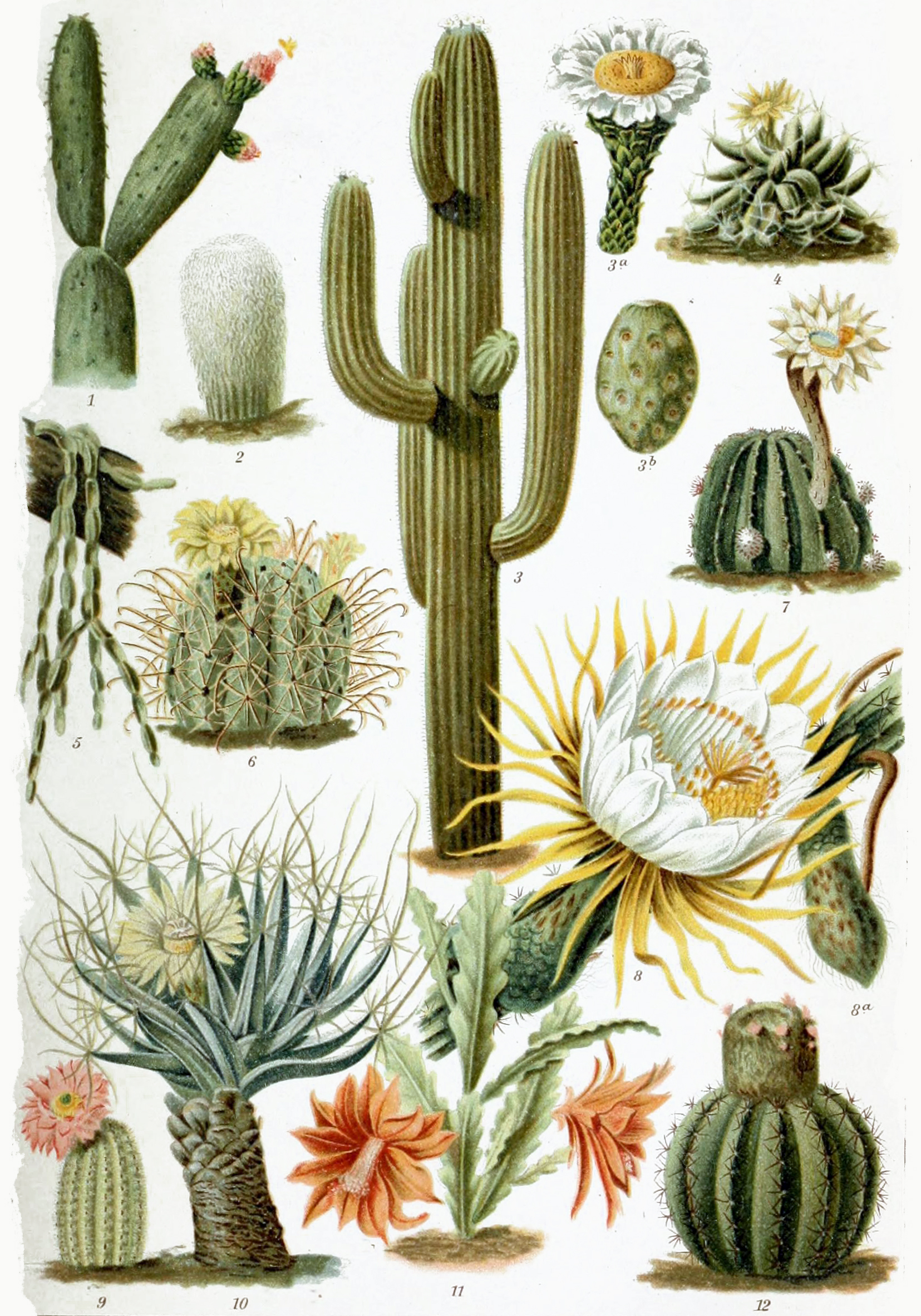
Alpine Cactus
Cereus hildmannianus
A cactus is a member of the plant family Cactaceae, a family of the order Caryophyllales comprising about 127 genera with some 1,750 known species. The word cactus derives, through Latin, from the Ancient Greek word κάκτος (káktos), a name originally used by Theophrastus for a spiny plant whose identity is now not certain. Cacti occur in a wide range of shapes and sizes. They are native to the Americas, ranging from Patagonia in the south to parts of western Canada in the north, with the exception of Rhipsalis baccifera, which is also found in Africa and Sri Lanka. Cacti are adapted to live in very dry environments, including the Atacama Desert, one of the driest places on Earth. Because of this, cacti show many adaptations to conserve water. For example, almost all cacti are succulents, meaning they have thickened, fleshy parts adapted to store water. Unlike many other succulents, the stem is the only part of most cacti where this vital process takes place. Most species of cacti have lost true leaves, retaining only spines, which are highly modified leaves. As well as defending against herbivores, spines help prevent water loss by reducing air flow close to the cactus and providing some shade. In the absence of true leaves, cacti's enlarged stems carry out photosynthesis. Alpine is used here as a catalog label only. The care guide below describes the real species Cactus (Cereus hildmannianus) and does not claim a verified botanical variety unless one is separately documented.

Alpine Cast Iron Plant
Aspidistra elatior
Aspidistra elatior, the cast-iron-plant or bar-room plant, also known in Japanese as haran or baran (葉蘭) is a species of flowering plant in the family Asparagaceae, native to Japan and Taiwan. Tolerant of neglect, it is widely cultivated as a houseplant, but can also be grown outside in shade where temperatures remain above −15 °C (5 °F). It is used as training material for the seika form of ikebana. Alpine is used here as a catalog label only. The care guide below describes the real species Cast Iron Plant (Aspidistra elatior) and does not claim a verified botanical variety unless one is separately documented.
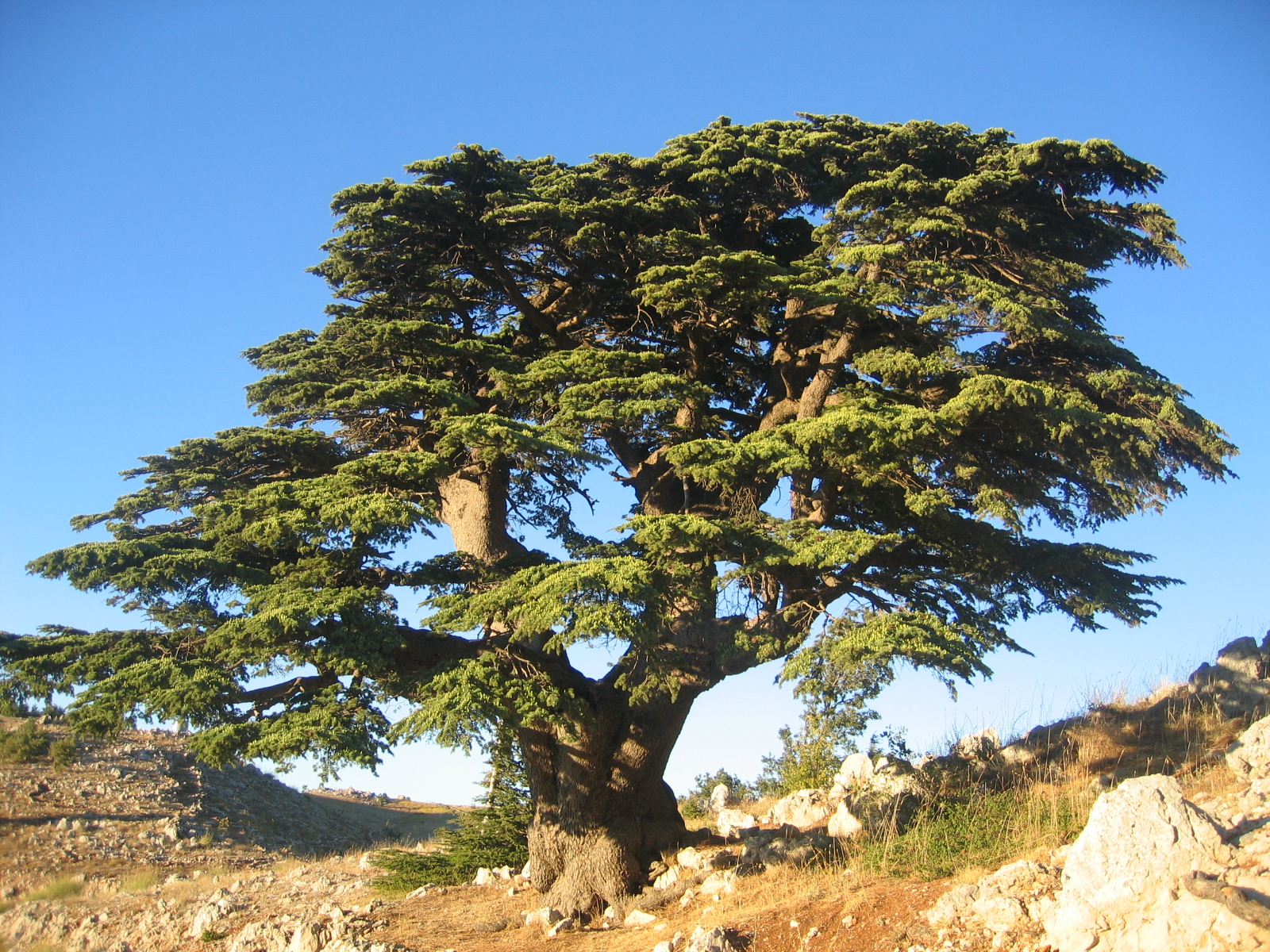
Alpine Cedar
Cedrus libani
Cedar (Cedrus libani) is a real plant in the Pinaceae family. It is commonly grown as a outdoor plant and generally needs full sun, low water, and temperatures around 10°C - 25°C. Alpine is used here as a catalog label only. The care guide below describes the real species Cedar (Cedrus libani) and does not claim a verified botanical variety unless one is separately documented.

Alpine Jade Plant
Crassula ovata
Crassula ovata, commonly known as jade plant, lucky plant, money plant or money tree, is a succulent plant with small pink or white flowers that is native to the KwaZulu-Natal and Eastern Cape provinces of South Africa, and Mozambique; it is common as a houseplant worldwide. Much of its popularity stems from the low levels of care needed; the jade plant requires little water and can survive in most indoor conditions. It is sometimes referred to as the money tree; however, Pachira aquatica also has this nickname. Alpine is used here as a catalog label only. The care guide below describes the real species Jade Plant (Crassula ovata) and does not claim a verified botanical variety unless one is separately documented.
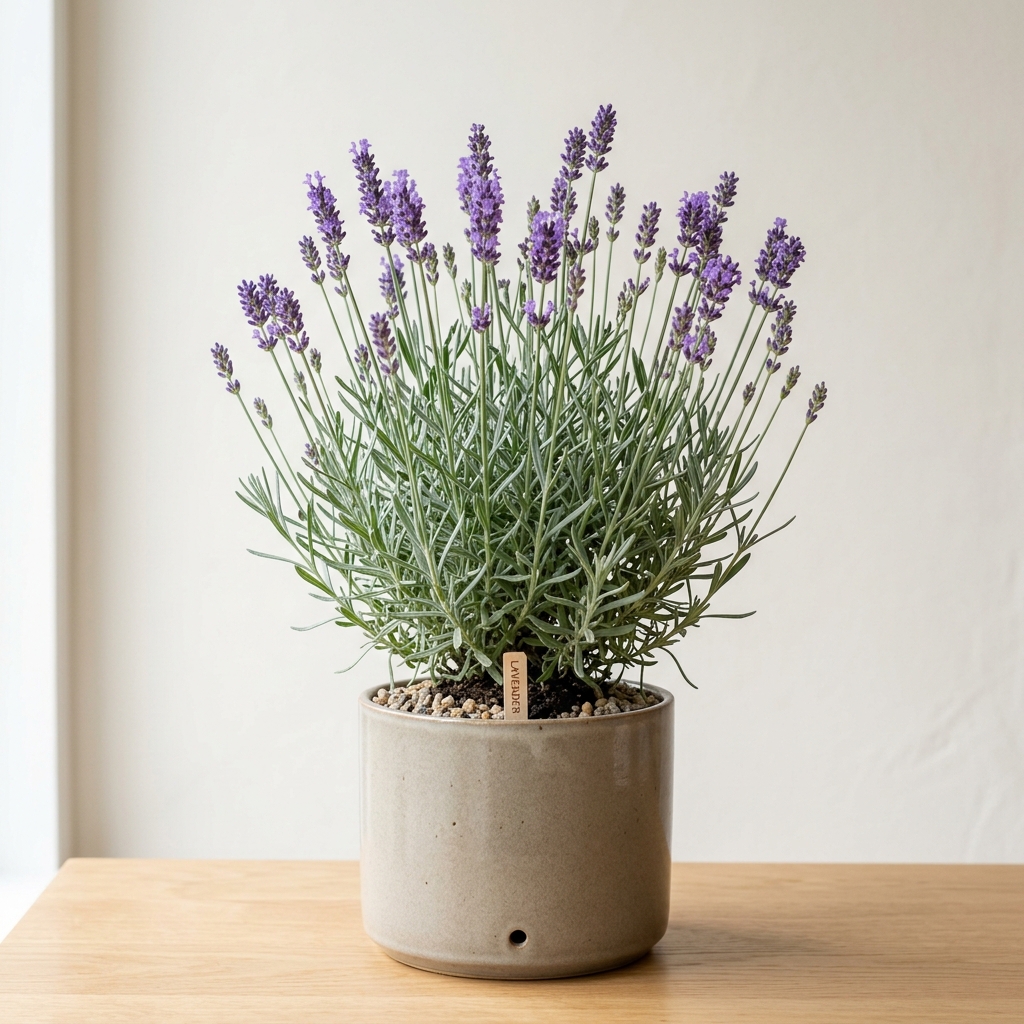
Alpine Lavender
Lavandula angustifolia
Lavandula angustifolia, formerly L. officinalis, is a flowering plant in the family Lamiaceae, native to the Mediterranean basin. Its common names include lavender, true lavender and English lavender ; also garden lavender, common lavender and narrow-leaved lavender. Alpine is used here as a catalog label only. The care guide below describes the real species Lavender (Lavandula angustifolia) and does not claim a verified botanical variety unless one is separately documented.
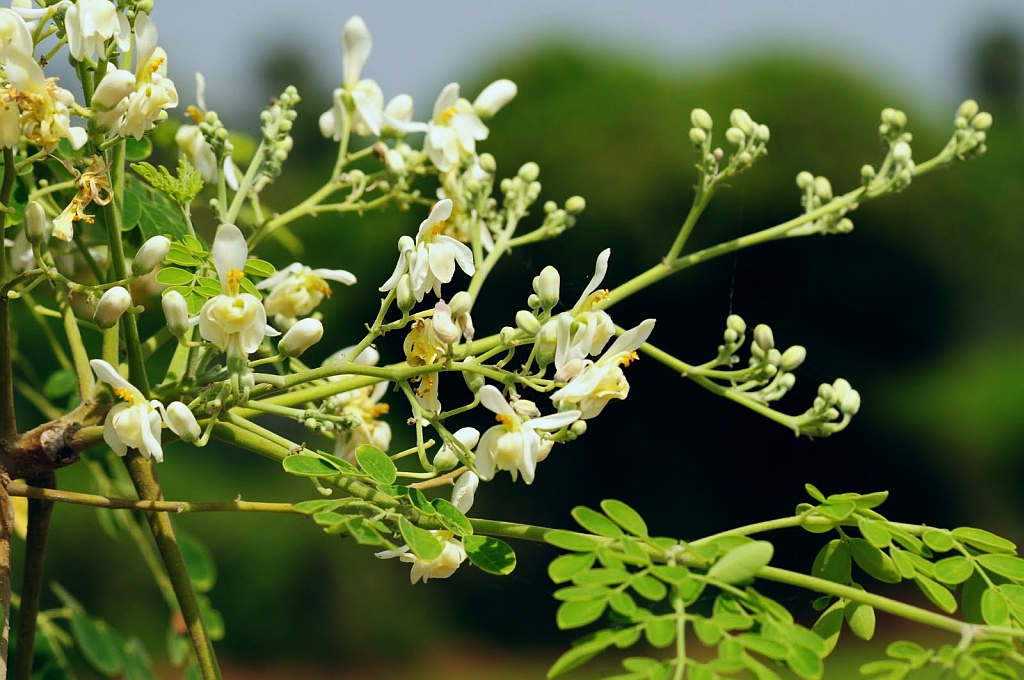
Alpine Moringa
Moringa oleifera
Moringa oleifera is a short-lived, fast-growing, drought-resistant tree of the family Moringaceae, native to northern India and used extensively in South and Southeast Asia. Common names include moringa, drumstick tree, horseradish tree, ben tree, or malunggay. Alpine is used here as a catalog label only. The care guide below describes the real species Moringa (Moringa oleifera) and does not claim a verified botanical variety unless one is separately documented.

Alpine Neem
Azadirachta indica
Azadirachta indica, commonly known as neem, margosa, nimtree or Indian lilac, is a tree in the mahogany family Meliaceae. It is one of the two species in the genus Azadirachta. It is native to the Indian subcontinent and to parts of Southeast Asia, but is naturalized and grown around the world in tropical and subtropical areas. Its fruits and seeds are the source of neem oil. Nim is a Hindustani noun derived from Sanskrit nimba (निंब). Alpine is used here as a catalog label only. The care guide below describes the real species Neem (Azadirachta indica) and does not claim a verified botanical variety unless one is separately documented.
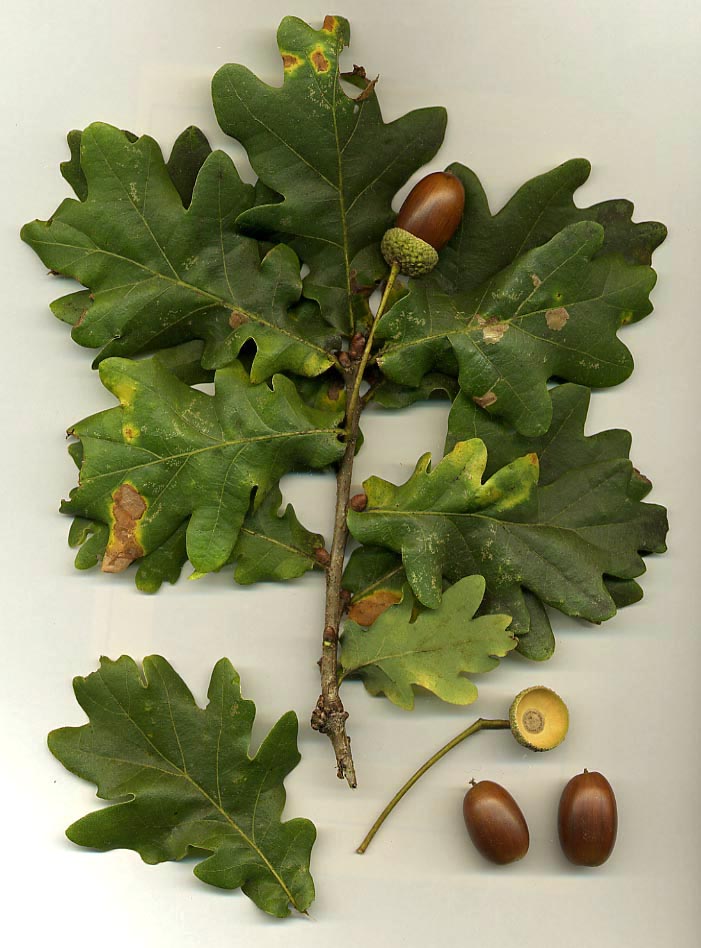
Alpine Oak
Quercus robur
Quercus robur, pedunculate oak, or English oak, is a species of flowering plant in the beech and oak family, Fagaceae. It is a large tree, native to Europe and western Asia, and is widely cultivated in other temperate regions. It grows on soils of near neutral acidity in the lowlands and is notable for its value to natural ecosystems, supporting a diversity of herbivorous insects, acorn eating mammals and birds, and fungi. Alpine is used here as a catalog label only. The care guide below describes the real species Oak (Quercus robur) and does not claim a verified botanical variety unless one is separately documented.

Alpine Oregano
Origanum vulgare
Oregano is a species of flowering plant in the mint family, Lamiaceae. It was native to the Mediterranean region, but widely naturalised elsewhere in the temperate Northern Hemisphere. Alpine is used here as a catalog label only. The care guide below describes the real species Oregano (Origanum vulgare) and does not claim a verified botanical variety unless one is separately documented.
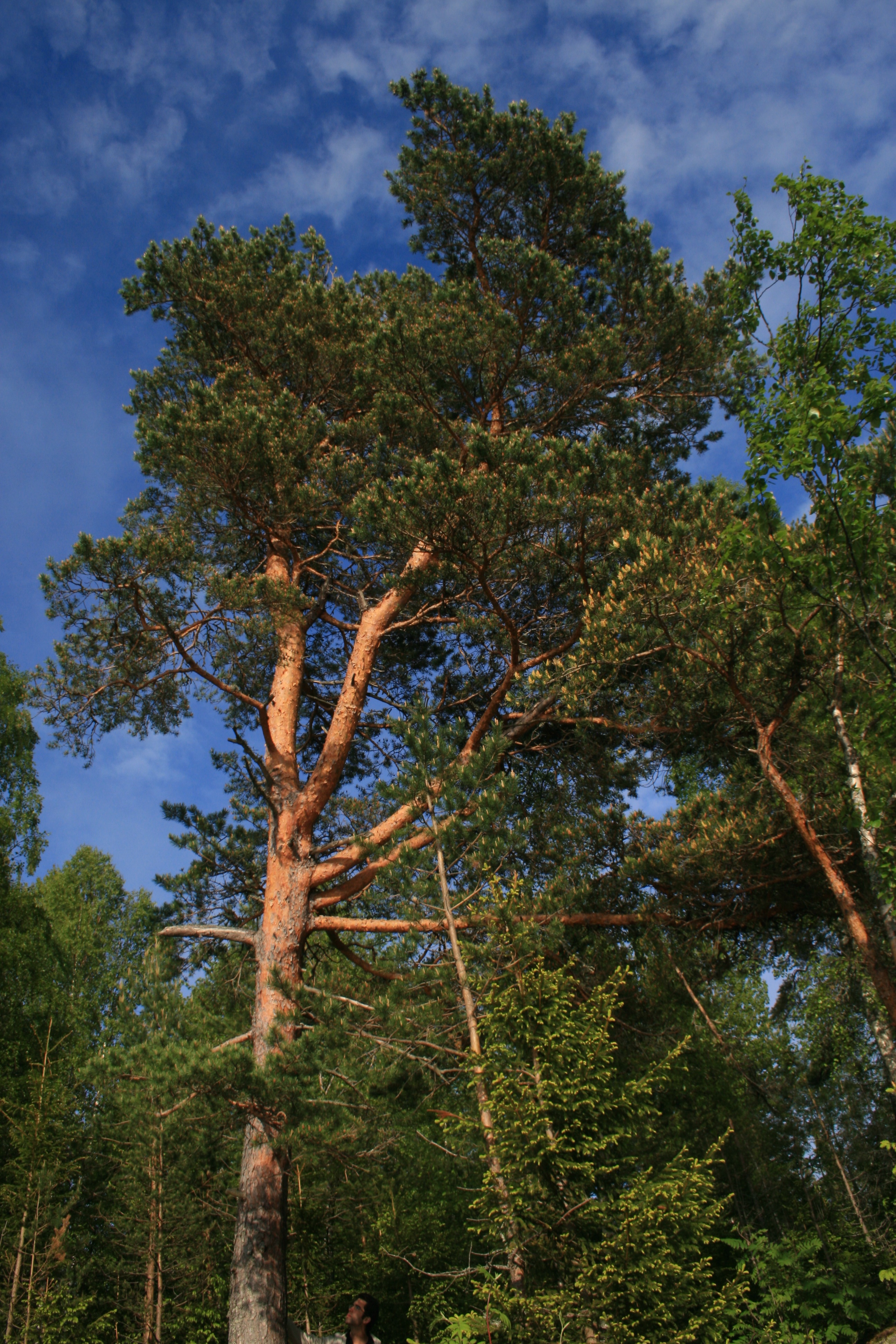
Alpine Pine
Pinus sylvestris
Pine (Pinus sylvestris) is a real plant in the Pinaceae family. It is commonly grown as a outdoor plant and generally needs full sun, low water, and temperatures around 0°C - 25°C. Alpine is used here as a catalog label only. The care guide below describes the real species Pine (Pinus sylvestris) and does not claim a verified botanical variety unless one is separately documented.
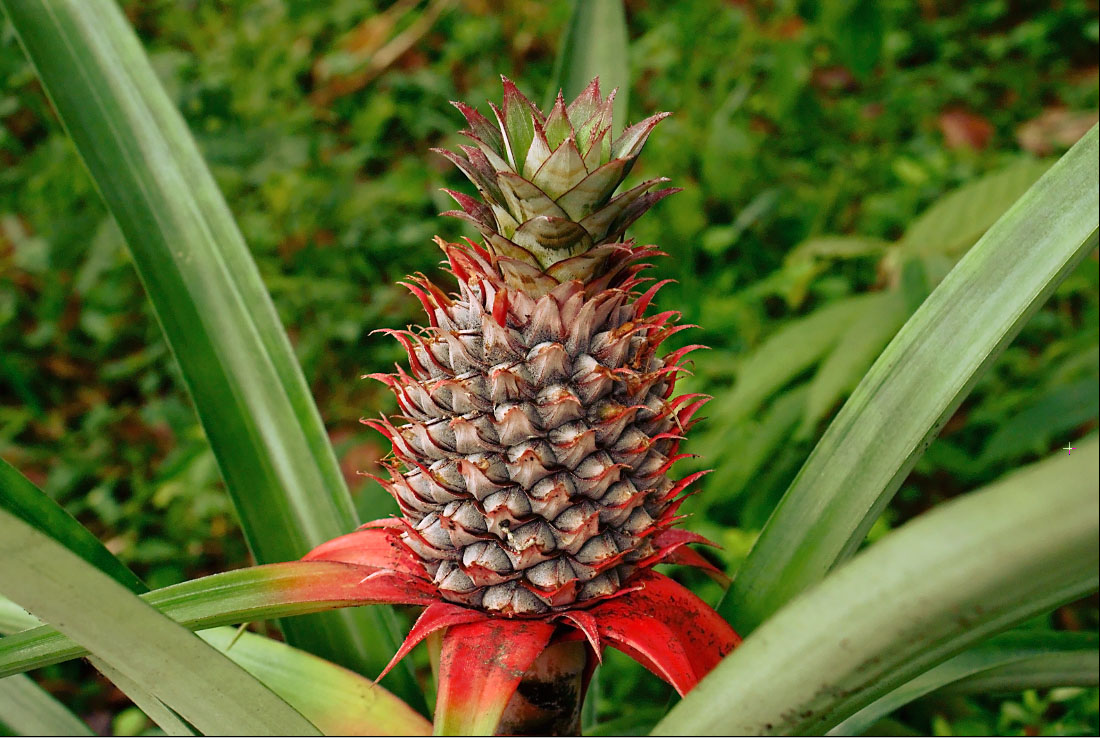
Alpine Pineapple
Ananas comosus
Pineapple (Ananas comosus) is a real plant in the Bromeliaceae family. It is commonly grown as a both plant and generally needs full sun, low water, and temperatures around 18°C - 32°C. Alpine is used here as a catalog label only. The care guide below describes the real species Pineapple (Ananas comosus) and does not claim a verified botanical variety unless one is separately documented.

Alpine Rosemary
Salvia rosmarinus
Salvia rosmarinus, synonym Rosmarinus officinalis, commonly known as rosemary, is a shrub with fragrant, evergreen, needle-like leaves and purple or sometimes white, pink, or blue flowers. It is a member of the mint family, Lamiaceae. The species is native to the Mediterranean region. It has numerous cultivars, and its leaves are commonly used as a flavoring. Alpine is used here as a catalog label only. The care guide below describes the real species Rosemary (Salvia rosmarinus) and does not claim a verified botanical variety unless one is separately documented.
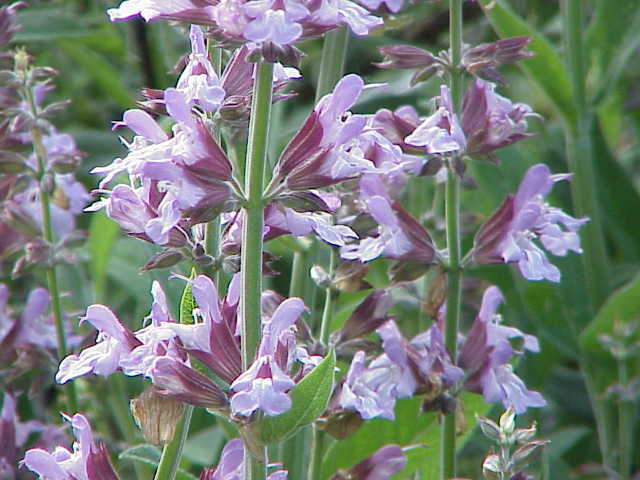
Alpine Sage
Salvia officinalis
Salvia officinalis, common sage or sage, is a perennial, evergreen subshrub, with woody stems, grayish leaves, and blue to purplish flowers. It is a member of the mint family (Lamiaceae) and native to the Mediterranean region, though it has been naturalized in many places throughout the world. It has a long history of culinary use, and in modern times it has been used as an ornamental garden plant. The common name "sage" is also used for closely related species and cultivars. Alpine is used here as a catalog label only. The care guide below describes the real species Sage (Salvia officinalis) and does not claim a verified botanical variety unless one is separately documented.
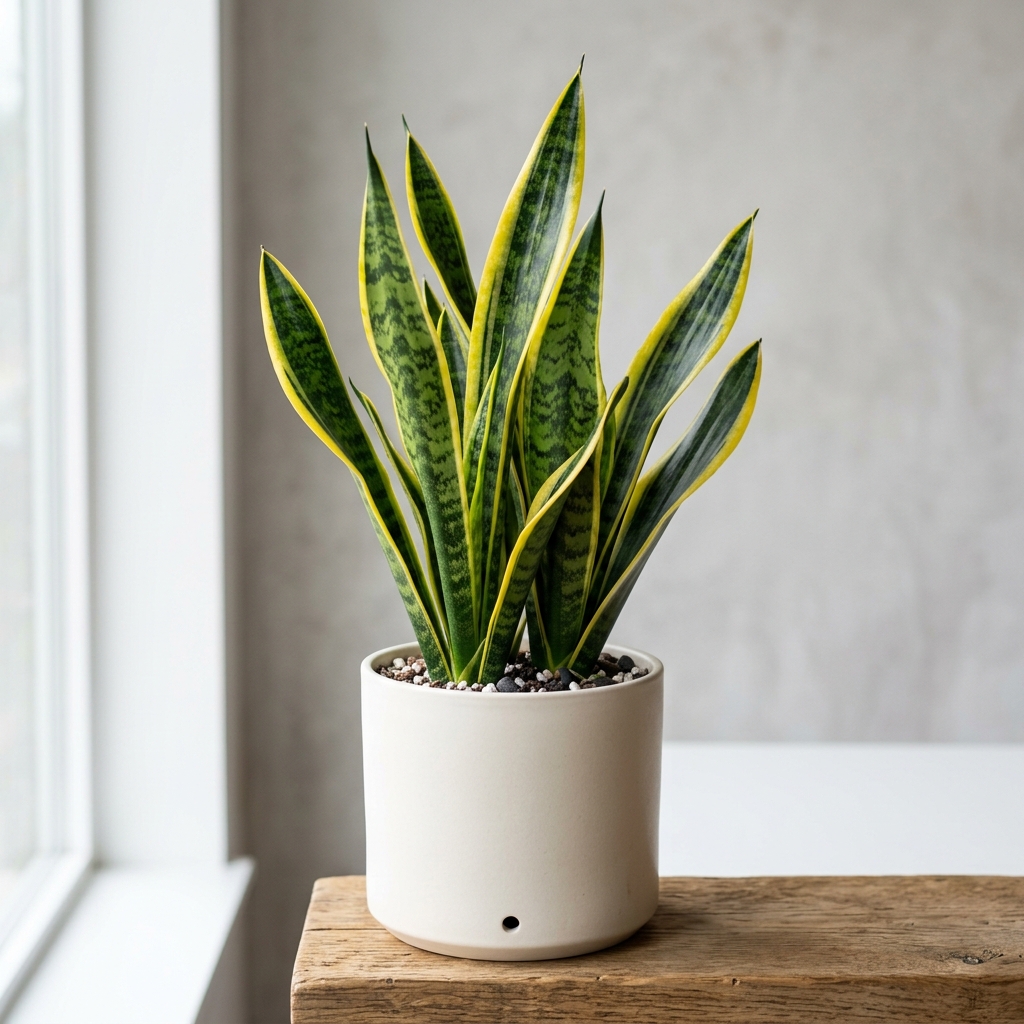
Alpine Snake Plant
Sansevieria trifasciata
Dracaena trifasciata is a species of flowering plant in the family Asparagaceae, native to tropical West Africa from Nigeria east to the Congo. It is most commonly known as the snake plant, Saint George's sword, mother-in-law's tongue, and viper's bowstring hemp, among other names. Until 2017, it was known under the synonym Sansevieria trifasciata. This plant is often kept as a houseplant due to its non-demanding maintenance; they can survive with very little water and sun. Alpine is used here as a catalog label only. The care guide below describes the real species Snake Plant (Sansevieria trifasciata) and does not claim a verified botanical variety unless one is separately documented.
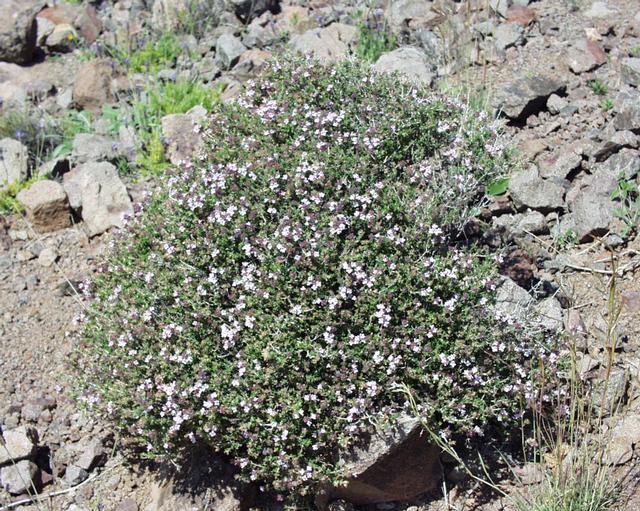
Alpine Thyme
Thymus vulgaris
Thymus vulgaris is a species of flowering plant in the mint family, Lamiaceae. Alpine is used here as a catalog label only. The care guide below describes the real species Thyme (Thymus vulgaris) and does not claim a verified botanical variety unless one is separately documented.

Alpine ZZ Plant
Zamioculcas zamiifolia
Zamioculcas is a genus of flowering plants in the family Araceae, containing the single species Zamioculcas zamiifolia. It is a tropical herbaceous perennial plant, and is native to eastern Africa, including Kenya, KwaZulu-Natal, Malawi, Mozambique, Tanzania, and Zimbabwe. Its common names include Zanzibar gem, Zuzu plant, emerald palm, ZZ plant, aroid palm and eternity plant. It is commonly grown as a houseplant, mainly because it has attractive glossy foliage and is easy to care for. Zamioculcas zamiifolia is winter-hardy in USDA Zones 9 and 10. Alpine is used here as a catalog label only. The care guide below describes the real species ZZ Plant (Zamioculcas zamiifolia) and does not claim a verified botanical variety unless one is separately documented.
Dwarf Aloe Vera
Aloe barbadensis
Aloe vera is a succulent plant species of the genus Aloe. It is widely distributed, and is considered an invasive species in many world regions. Dwarf is used here as a catalog label only. The care guide below describes the real species Aloe Vera (Aloe barbadensis) and does not claim a verified botanical variety unless one is separately documented.
Dwarf Ashwagandha
Withania somnifera
Withania somnifera, known commonly as ashwagandha, is an evergreen shrub in the Solanaceae family that is native to the Middle East and North Africa, other African regions, southern Europe, Indian subcontinent, and across Southeast Asia. Several other species in the genus Withania are morphologically similar. Other common names include Indian ginseng and winter cherry. Dwarf is used here as a catalog label only. The care guide below describes the real species Ashwagandha (Withania somnifera) and does not claim a verified botanical variety unless one is separately documented.
Dwarf Bougainvillea
Bougainvillea spectabilis
Bougainvillea (Bougainvillea spectabilis) is a real plant in the Nyctaginaceae family. It is commonly grown as a outdoor plant and generally needs full sun, low water, and temperatures around 22°C - 38°C. Dwarf is used here as a catalog label only. The care guide below describes the real species Bougainvillea (Bougainvillea spectabilis) and does not claim a verified botanical variety unless one is separately documented.
Dwarf Cactus
Cereus hildmannianus
A cactus is a member of the plant family Cactaceae, a family of the order Caryophyllales comprising about 127 genera with some 1,750 known species. The word cactus derives, through Latin, from the Ancient Greek word κάκτος (káktos), a name originally used by Theophrastus for a spiny plant whose identity is now not certain. Cacti occur in a wide range of shapes and sizes. They are native to the Americas, ranging from Patagonia in the south to parts of western Canada in the north, with the exception of Rhipsalis baccifera, which is also found in Africa and Sri Lanka. Cacti are adapted to live in very dry environments, including the Atacama Desert, one of the driest places on Earth. Because of this, cacti show many adaptations to conserve water. For example, almost all cacti are succulents, meaning they have thickened, fleshy parts adapted to store water. Unlike many other succulents, the stem is the only part of most cacti where this vital process takes place. Most species of cacti have lost true leaves, retaining only spines, which are highly modified leaves. As well as defending against herbivores, spines help prevent water loss by reducing air flow close to the cactus and providing some shade. In the absence of true leaves, cacti's enlarged stems carry out photosynthesis. Dwarf is used here as a catalog label only. The care guide below describes the real species Cactus (Cereus hildmannianus) and does not claim a verified botanical variety unless one is separately documented.
Dwarf Cast Iron Plant
Aspidistra elatior
Aspidistra elatior, the cast-iron-plant or bar-room plant, also known in Japanese as haran or baran (葉蘭) is a species of flowering plant in the family Asparagaceae, native to Japan and Taiwan. Tolerant of neglect, it is widely cultivated as a houseplant, but can also be grown outside in shade where temperatures remain above −15 °C (5 °F). It is used as training material for the seika form of ikebana. Dwarf is used here as a catalog label only. The care guide below describes the real species Cast Iron Plant (Aspidistra elatior) and does not claim a verified botanical variety unless one is separately documented.
Dwarf Cedar
Cedrus libani
Cedar (Cedrus libani) is a real plant in the Pinaceae family. It is commonly grown as a outdoor plant and generally needs full sun, low water, and temperatures around 10°C - 25°C. Dwarf is used here as a catalog label only. The care guide below describes the real species Cedar (Cedrus libani) and does not claim a verified botanical variety unless one is separately documented.
Dwarf Jade Plant
Crassula ovata
Crassula ovata, commonly known as jade plant, lucky plant, money plant or money tree, is a succulent plant with small pink or white flowers that is native to the KwaZulu-Natal and Eastern Cape provinces of South Africa, and Mozambique; it is common as a houseplant worldwide. Much of its popularity stems from the low levels of care needed; the jade plant requires little water and can survive in most indoor conditions. It is sometimes referred to as the money tree; however, Pachira aquatica also has this nickname. Dwarf is used here as a catalog label only. The care guide below describes the real species Jade Plant (Crassula ovata) and does not claim a verified botanical variety unless one is separately documented.
Dwarf Lavender
Lavandula angustifolia
Lavandula angustifolia, formerly L. officinalis, is a flowering plant in the family Lamiaceae, native to the Mediterranean basin. Its common names include lavender, true lavender and English lavender ; also garden lavender, common lavender and narrow-leaved lavender. Dwarf is used here as a catalog label only. The care guide below describes the real species Lavender (Lavandula angustifolia) and does not claim a verified botanical variety unless one is separately documented.
Dwarf Moringa
Moringa oleifera
Moringa oleifera is a short-lived, fast-growing, drought-resistant tree of the family Moringaceae, native to northern India and used extensively in South and Southeast Asia. Common names include moringa, drumstick tree, horseradish tree, ben tree, or malunggay. Dwarf is used here as a catalog label only. The care guide below describes the real species Moringa (Moringa oleifera) and does not claim a verified botanical variety unless one is separately documented.
Dwarf Neem
Azadirachta indica
Azadirachta indica, commonly known as neem, margosa, nimtree or Indian lilac, is a tree in the mahogany family Meliaceae. It is one of the two species in the genus Azadirachta. It is native to the Indian subcontinent and to parts of Southeast Asia, but is naturalized and grown around the world in tropical and subtropical areas. Its fruits and seeds are the source of neem oil. Nim is a Hindustani noun derived from Sanskrit nimba (निंब). Dwarf is used here as a catalog label only. The care guide below describes the real species Neem (Azadirachta indica) and does not claim a verified botanical variety unless one is separately documented.
Dwarf Oak
Quercus robur
Quercus robur, pedunculate oak, or English oak, is a species of flowering plant in the beech and oak family, Fagaceae. It is a large tree, native to Europe and western Asia, and is widely cultivated in other temperate regions. It grows on soils of near neutral acidity in the lowlands and is notable for its value to natural ecosystems, supporting a diversity of herbivorous insects, acorn eating mammals and birds, and fungi. Dwarf is used here as a catalog label only. The care guide below describes the real species Oak (Quercus robur) and does not claim a verified botanical variety unless one is separately documented.
Dwarf Oregano
Origanum vulgare
Oregano is a species of flowering plant in the mint family, Lamiaceae. It was native to the Mediterranean region, but widely naturalised elsewhere in the temperate Northern Hemisphere. Dwarf is used here as a catalog label only. The care guide below describes the real species Oregano (Origanum vulgare) and does not claim a verified botanical variety unless one is separately documented.
Dwarf Pine
Pinus sylvestris
Pine (Pinus sylvestris) is a real plant in the Pinaceae family. It is commonly grown as a outdoor plant and generally needs full sun, low water, and temperatures around 0°C - 25°C. Dwarf is used here as a catalog label only. The care guide below describes the real species Pine (Pinus sylvestris) and does not claim a verified botanical variety unless one is separately documented.
Dwarf Pineapple
Ananas comosus
Pineapple (Ananas comosus) is a real plant in the Bromeliaceae family. It is commonly grown as a both plant and generally needs full sun, low water, and temperatures around 18°C - 32°C. Dwarf is used here as a catalog label only. The care guide below describes the real species Pineapple (Ananas comosus) and does not claim a verified botanical variety unless one is separately documented.
Dwarf Rosemary
Salvia rosmarinus
Salvia rosmarinus, synonym Rosmarinus officinalis, commonly known as rosemary, is a shrub with fragrant, evergreen, needle-like leaves and purple or sometimes white, pink, or blue flowers. It is a member of the mint family, Lamiaceae. The species is native to the Mediterranean region. It has numerous cultivars, and its leaves are commonly used as a flavoring. Dwarf is used here as a catalog label only. The care guide below describes the real species Rosemary (Salvia rosmarinus) and does not claim a verified botanical variety unless one is separately documented.
Dwarf Sage
Salvia officinalis
Salvia officinalis, common sage or sage, is a perennial, evergreen subshrub, with woody stems, grayish leaves, and blue to purplish flowers. It is a member of the mint family (Lamiaceae) and native to the Mediterranean region, though it has been naturalized in many places throughout the world. It has a long history of culinary use, and in modern times it has been used as an ornamental garden plant. The common name "sage" is also used for closely related species and cultivars. Dwarf is used here as a catalog label only. The care guide below describes the real species Sage (Salvia officinalis) and does not claim a verified botanical variety unless one is separately documented.
Dwarf Snake Plant
Sansevieria trifasciata
Dracaena trifasciata is a species of flowering plant in the family Asparagaceae, native to tropical West Africa from Nigeria east to the Congo. It is most commonly known as the snake plant, Saint George's sword, mother-in-law's tongue, and viper's bowstring hemp, among other names. Until 2017, it was known under the synonym Sansevieria trifasciata. This plant is often kept as a houseplant due to its non-demanding maintenance; they can survive with very little water and sun. Dwarf is used here as a catalog label only. The care guide below describes the real species Snake Plant (Sansevieria trifasciata) and does not claim a verified botanical variety unless one is separately documented.
Dwarf Thyme
Thymus vulgaris
Thymus vulgaris is a species of flowering plant in the mint family, Lamiaceae. Dwarf is used here as a catalog label only. The care guide below describes the real species Thyme (Thymus vulgaris) and does not claim a verified botanical variety unless one is separately documented.
Dwarf ZZ Plant
Zamioculcas zamiifolia
Zamioculcas is a genus of flowering plants in the family Araceae, containing the single species Zamioculcas zamiifolia. It is a tropical herbaceous perennial plant, and is native to eastern Africa, including Kenya, KwaZulu-Natal, Malawi, Mozambique, Tanzania, and Zimbabwe. Its common names include Zanzibar gem, Zuzu plant, emerald palm, ZZ plant, aroid palm and eternity plant. It is commonly grown as a houseplant, mainly because it has attractive glossy foliage and is easy to care for. Zamioculcas zamiifolia is winter-hardy in USDA Zones 9 and 10. Dwarf is used here as a catalog label only. The care guide below describes the real species ZZ Plant (Zamioculcas zamiifolia) and does not claim a verified botanical variety unless one is separately documented.
Emerald Aloe Vera
Aloe barbadensis
Aloe vera is a succulent plant species of the genus Aloe. It is widely distributed, and is considered an invasive species in many world regions. Emerald is used here as a catalog label only. The care guide below describes the real species Aloe Vera (Aloe barbadensis) and does not claim a verified botanical variety unless one is separately documented.
Emerald Ashwagandha
Withania somnifera
Withania somnifera, known commonly as ashwagandha, is an evergreen shrub in the Solanaceae family that is native to the Middle East and North Africa, other African regions, southern Europe, Indian subcontinent, and across Southeast Asia. Several other species in the genus Withania are morphologically similar. Other common names include Indian ginseng and winter cherry. Emerald is used here as a catalog label only. The care guide below describes the real species Ashwagandha (Withania somnifera) and does not claim a verified botanical variety unless one is separately documented.
Emerald Bougainvillea
Bougainvillea spectabilis
Bougainvillea (Bougainvillea spectabilis) is a real plant in the Nyctaginaceae family. It is commonly grown as a outdoor plant and generally needs full sun, low water, and temperatures around 22°C - 38°C. Emerald is used here as a catalog label only. The care guide below describes the real species Bougainvillea (Bougainvillea spectabilis) and does not claim a verified botanical variety unless one is separately documented.
Emerald Cactus
Cereus hildmannianus
A cactus is a member of the plant family Cactaceae, a family of the order Caryophyllales comprising about 127 genera with some 1,750 known species. The word cactus derives, through Latin, from the Ancient Greek word κάκτος (káktos), a name originally used by Theophrastus for a spiny plant whose identity is now not certain. Cacti occur in a wide range of shapes and sizes. They are native to the Americas, ranging from Patagonia in the south to parts of western Canada in the north, with the exception of Rhipsalis baccifera, which is also found in Africa and Sri Lanka. Cacti are adapted to live in very dry environments, including the Atacama Desert, one of the driest places on Earth. Because of this, cacti show many adaptations to conserve water. For example, almost all cacti are succulents, meaning they have thickened, fleshy parts adapted to store water. Unlike many other succulents, the stem is the only part of most cacti where this vital process takes place. Most species of cacti have lost true leaves, retaining only spines, which are highly modified leaves. As well as defending against herbivores, spines help prevent water loss by reducing air flow close to the cactus and providing some shade. In the absence of true leaves, cacti's enlarged stems carry out photosynthesis. Emerald is used here as a catalog label only. The care guide below describes the real species Cactus (Cereus hildmannianus) and does not claim a verified botanical variety unless one is separately documented.
Emerald Cast Iron Plant
Aspidistra elatior
Aspidistra elatior, the cast-iron-plant or bar-room plant, also known in Japanese as haran or baran (葉蘭) is a species of flowering plant in the family Asparagaceae, native to Japan and Taiwan. Tolerant of neglect, it is widely cultivated as a houseplant, but can also be grown outside in shade where temperatures remain above −15 °C (5 °F). It is used as training material for the seika form of ikebana. Emerald is used here as a catalog label only. The care guide below describes the real species Cast Iron Plant (Aspidistra elatior) and does not claim a verified botanical variety unless one is separately documented.
Emerald Cedar
Cedrus libani
Cedar (Cedrus libani) is a real plant in the Pinaceae family. It is commonly grown as a outdoor plant and generally needs full sun, low water, and temperatures around 10°C - 25°C. Emerald is used here as a catalog label only. The care guide below describes the real species Cedar (Cedrus libani) and does not claim a verified botanical variety unless one is separately documented.
Emerald Jade Plant
Crassula ovata
Crassula ovata, commonly known as jade plant, lucky plant, money plant or money tree, is a succulent plant with small pink or white flowers that is native to the KwaZulu-Natal and Eastern Cape provinces of South Africa, and Mozambique; it is common as a houseplant worldwide. Much of its popularity stems from the low levels of care needed; the jade plant requires little water and can survive in most indoor conditions. It is sometimes referred to as the money tree; however, Pachira aquatica also has this nickname. Emerald is used here as a catalog label only. The care guide below describes the real species Jade Plant (Crassula ovata) and does not claim a verified botanical variety unless one is separately documented.
Emerald Lavender
Lavandula angustifolia
Lavandula angustifolia, formerly L. officinalis, is a flowering plant in the family Lamiaceae, native to the Mediterranean basin. Its common names include lavender, true lavender and English lavender ; also garden lavender, common lavender and narrow-leaved lavender. Emerald is used here as a catalog label only. The care guide below describes the real species Lavender (Lavandula angustifolia) and does not claim a verified botanical variety unless one is separately documented.
Emerald Moringa
Moringa oleifera
Moringa oleifera is a short-lived, fast-growing, drought-resistant tree of the family Moringaceae, native to northern India and used extensively in South and Southeast Asia. Common names include moringa, drumstick tree, horseradish tree, ben tree, or malunggay. Emerald is used here as a catalog label only. The care guide below describes the real species Moringa (Moringa oleifera) and does not claim a verified botanical variety unless one is separately documented.
Emerald Neem
Azadirachta indica
Azadirachta indica, commonly known as neem, margosa, nimtree or Indian lilac, is a tree in the mahogany family Meliaceae. It is one of the two species in the genus Azadirachta. It is native to the Indian subcontinent and to parts of Southeast Asia, but is naturalized and grown around the world in tropical and subtropical areas. Its fruits and seeds are the source of neem oil. Nim is a Hindustani noun derived from Sanskrit nimba (निंब). Emerald is used here as a catalog label only. The care guide below describes the real species Neem (Azadirachta indica) and does not claim a verified botanical variety unless one is separately documented.
Emerald Oak
Quercus robur
Quercus robur, pedunculate oak, or English oak, is a species of flowering plant in the beech and oak family, Fagaceae. It is a large tree, native to Europe and western Asia, and is widely cultivated in other temperate regions. It grows on soils of near neutral acidity in the lowlands and is notable for its value to natural ecosystems, supporting a diversity of herbivorous insects, acorn eating mammals and birds, and fungi. Emerald is used here as a catalog label only. The care guide below describes the real species Oak (Quercus robur) and does not claim a verified botanical variety unless one is separately documented.
Emerald Oregano
Origanum vulgare
Oregano is a species of flowering plant in the mint family, Lamiaceae. It was native to the Mediterranean region, but widely naturalised elsewhere in the temperate Northern Hemisphere. Emerald is used here as a catalog label only. The care guide below describes the real species Oregano (Origanum vulgare) and does not claim a verified botanical variety unless one is separately documented.
Emerald Pine
Pinus sylvestris
Pine (Pinus sylvestris) is a real plant in the Pinaceae family. It is commonly grown as a outdoor plant and generally needs full sun, low water, and temperatures around 0°C - 25°C. Emerald is used here as a catalog label only. The care guide below describes the real species Pine (Pinus sylvestris) and does not claim a verified botanical variety unless one is separately documented.
Emerald Pineapple
Ananas comosus
Pineapple (Ananas comosus) is a real plant in the Bromeliaceae family. It is commonly grown as a both plant and generally needs full sun, low water, and temperatures around 18°C - 32°C. Emerald is used here as a catalog label only. The care guide below describes the real species Pineapple (Ananas comosus) and does not claim a verified botanical variety unless one is separately documented.
Emerald Rosemary
Salvia rosmarinus
Salvia rosmarinus, synonym Rosmarinus officinalis, commonly known as rosemary, is a shrub with fragrant, evergreen, needle-like leaves and purple or sometimes white, pink, or blue flowers. It is a member of the mint family, Lamiaceae. The species is native to the Mediterranean region. It has numerous cultivars, and its leaves are commonly used as a flavoring. Emerald is used here as a catalog label only. The care guide below describes the real species Rosemary (Salvia rosmarinus) and does not claim a verified botanical variety unless one is separately documented.
Emerald Sage
Salvia officinalis
Salvia officinalis, common sage or sage, is a perennial, evergreen subshrub, with woody stems, grayish leaves, and blue to purplish flowers. It is a member of the mint family (Lamiaceae) and native to the Mediterranean region, though it has been naturalized in many places throughout the world. It has a long history of culinary use, and in modern times it has been used as an ornamental garden plant. The common name "sage" is also used for closely related species and cultivars. Emerald is used here as a catalog label only. The care guide below describes the real species Sage (Salvia officinalis) and does not claim a verified botanical variety unless one is separately documented.
Emerald Snake Plant
Sansevieria trifasciata
Dracaena trifasciata is a species of flowering plant in the family Asparagaceae, native to tropical West Africa from Nigeria east to the Congo. It is most commonly known as the snake plant, Saint George's sword, mother-in-law's tongue, and viper's bowstring hemp, among other names. Until 2017, it was known under the synonym Sansevieria trifasciata. This plant is often kept as a houseplant due to its non-demanding maintenance; they can survive with very little water and sun. Emerald is used here as a catalog label only. The care guide below describes the real species Snake Plant (Sansevieria trifasciata) and does not claim a verified botanical variety unless one is separately documented.
Emerald Thyme
Thymus vulgaris
Thymus vulgaris is a species of flowering plant in the mint family, Lamiaceae. Emerald is used here as a catalog label only. The care guide below describes the real species Thyme (Thymus vulgaris) and does not claim a verified botanical variety unless one is separately documented.
Emerald ZZ Plant
Zamioculcas zamiifolia
Zamioculcas is a genus of flowering plants in the family Araceae, containing the single species Zamioculcas zamiifolia. It is a tropical herbaceous perennial plant, and is native to eastern Africa, including Kenya, KwaZulu-Natal, Malawi, Mozambique, Tanzania, and Zimbabwe. Its common names include Zanzibar gem, Zuzu plant, emerald palm, ZZ plant, aroid palm and eternity plant. It is commonly grown as a houseplant, mainly because it has attractive glossy foliage and is easy to care for. Zamioculcas zamiifolia is winter-hardy in USDA Zones 9 and 10. Emerald is used here as a catalog label only. The care guide below describes the real species ZZ Plant (Zamioculcas zamiifolia) and does not claim a verified botanical variety unless one is separately documented.
Giant Aloe Vera
Aloe barbadensis
Aloe vera is a succulent plant species of the genus Aloe. It is widely distributed, and is considered an invasive species in many world regions. Giant is used here as a catalog label only. The care guide below describes the real species Aloe Vera (Aloe barbadensis) and does not claim a verified botanical variety unless one is separately documented.
Giant Ashwagandha
Withania somnifera
Withania somnifera, known commonly as ashwagandha, is an evergreen shrub in the Solanaceae family that is native to the Middle East and North Africa, other African regions, southern Europe, Indian subcontinent, and across Southeast Asia. Several other species in the genus Withania are morphologically similar. Other common names include Indian ginseng and winter cherry. Giant is used here as a catalog label only. The care guide below describes the real species Ashwagandha (Withania somnifera) and does not claim a verified botanical variety unless one is separately documented.
Giant Bougainvillea
Bougainvillea spectabilis
Bougainvillea (Bougainvillea spectabilis) is a real plant in the Nyctaginaceae family. It is commonly grown as a outdoor plant and generally needs full sun, low water, and temperatures around 22°C - 38°C. Giant is used here as a catalog label only. The care guide below describes the real species Bougainvillea (Bougainvillea spectabilis) and does not claim a verified botanical variety unless one is separately documented.
Giant Cactus
Cereus hildmannianus
A cactus is a member of the plant family Cactaceae, a family of the order Caryophyllales comprising about 127 genera with some 1,750 known species. The word cactus derives, through Latin, from the Ancient Greek word κάκτος (káktos), a name originally used by Theophrastus for a spiny plant whose identity is now not certain. Cacti occur in a wide range of shapes and sizes. They are native to the Americas, ranging from Patagonia in the south to parts of western Canada in the north, with the exception of Rhipsalis baccifera, which is also found in Africa and Sri Lanka. Cacti are adapted to live in very dry environments, including the Atacama Desert, one of the driest places on Earth. Because of this, cacti show many adaptations to conserve water. For example, almost all cacti are succulents, meaning they have thickened, fleshy parts adapted to store water. Unlike many other succulents, the stem is the only part of most cacti where this vital process takes place. Most species of cacti have lost true leaves, retaining only spines, which are highly modified leaves. As well as defending against herbivores, spines help prevent water loss by reducing air flow close to the cactus and providing some shade. In the absence of true leaves, cacti's enlarged stems carry out photosynthesis. Giant is used here as a catalog label only. The care guide below describes the real species Cactus (Cereus hildmannianus) and does not claim a verified botanical variety unless one is separately documented.
Giant Cast Iron Plant
Aspidistra elatior
Aspidistra elatior, the cast-iron-plant or bar-room plant, also known in Japanese as haran or baran (葉蘭) is a species of flowering plant in the family Asparagaceae, native to Japan and Taiwan. Tolerant of neglect, it is widely cultivated as a houseplant, but can also be grown outside in shade where temperatures remain above −15 °C (5 °F). It is used as training material for the seika form of ikebana. Giant is used here as a catalog label only. The care guide below describes the real species Cast Iron Plant (Aspidistra elatior) and does not claim a verified botanical variety unless one is separately documented.
Giant Cedar
Cedrus libani
Cedar (Cedrus libani) is a real plant in the Pinaceae family. It is commonly grown as a outdoor plant and generally needs full sun, low water, and temperatures around 10°C - 25°C. Giant is used here as a catalog label only. The care guide below describes the real species Cedar (Cedrus libani) and does not claim a verified botanical variety unless one is separately documented.
Giant Jade Plant
Crassula ovata
Crassula ovata, commonly known as jade plant, lucky plant, money plant or money tree, is a succulent plant with small pink or white flowers that is native to the KwaZulu-Natal and Eastern Cape provinces of South Africa, and Mozambique; it is common as a houseplant worldwide. Much of its popularity stems from the low levels of care needed; the jade plant requires little water and can survive in most indoor conditions. It is sometimes referred to as the money tree; however, Pachira aquatica also has this nickname. Giant is used here as a catalog label only. The care guide below describes the real species Jade Plant (Crassula ovata) and does not claim a verified botanical variety unless one is separately documented.
Giant Lavender
Lavandula angustifolia
Lavandula angustifolia, formerly L. officinalis, is a flowering plant in the family Lamiaceae, native to the Mediterranean basin. Its common names include lavender, true lavender and English lavender ; also garden lavender, common lavender and narrow-leaved lavender. Giant is used here as a catalog label only. The care guide below describes the real species Lavender (Lavandula angustifolia) and does not claim a verified botanical variety unless one is separately documented.
Giant Moringa
Moringa oleifera
Moringa oleifera is a short-lived, fast-growing, drought-resistant tree of the family Moringaceae, native to northern India and used extensively in South and Southeast Asia. Common names include moringa, drumstick tree, horseradish tree, ben tree, or malunggay. Giant is used here as a catalog label only. The care guide below describes the real species Moringa (Moringa oleifera) and does not claim a verified botanical variety unless one is separately documented.
Giant Neem
Azadirachta indica
Azadirachta indica, commonly known as neem, margosa, nimtree or Indian lilac, is a tree in the mahogany family Meliaceae. It is one of the two species in the genus Azadirachta. It is native to the Indian subcontinent and to parts of Southeast Asia, but is naturalized and grown around the world in tropical and subtropical areas. Its fruits and seeds are the source of neem oil. Nim is a Hindustani noun derived from Sanskrit nimba (निंब). Giant is used here as a catalog label only. The care guide below describes the real species Neem (Azadirachta indica) and does not claim a verified botanical variety unless one is separately documented.
Giant Oak
Quercus robur
Quercus robur, pedunculate oak, or English oak, is a species of flowering plant in the beech and oak family, Fagaceae. It is a large tree, native to Europe and western Asia, and is widely cultivated in other temperate regions. It grows on soils of near neutral acidity in the lowlands and is notable for its value to natural ecosystems, supporting a diversity of herbivorous insects, acorn eating mammals and birds, and fungi. Giant is used here as a catalog label only. The care guide below describes the real species Oak (Quercus robur) and does not claim a verified botanical variety unless one is separately documented.
Giant Oregano
Origanum vulgare
Oregano is a species of flowering plant in the mint family, Lamiaceae. It was native to the Mediterranean region, but widely naturalised elsewhere in the temperate Northern Hemisphere. Giant is used here as a catalog label only. The care guide below describes the real species Oregano (Origanum vulgare) and does not claim a verified botanical variety unless one is separately documented.
Giant Pine
Pinus sylvestris
Pine (Pinus sylvestris) is a real plant in the Pinaceae family. It is commonly grown as a outdoor plant and generally needs full sun, low water, and temperatures around 0°C - 25°C. Giant is used here as a catalog label only. The care guide below describes the real species Pine (Pinus sylvestris) and does not claim a verified botanical variety unless one is separately documented.
Giant Pineapple
Ananas comosus
Pineapple (Ananas comosus) is a real plant in the Bromeliaceae family. It is commonly grown as a both plant and generally needs full sun, low water, and temperatures around 18°C - 32°C. Giant is used here as a catalog label only. The care guide below describes the real species Pineapple (Ananas comosus) and does not claim a verified botanical variety unless one is separately documented.
Giant Rosemary
Salvia rosmarinus
Salvia rosmarinus, synonym Rosmarinus officinalis, commonly known as rosemary, is a shrub with fragrant, evergreen, needle-like leaves and purple or sometimes white, pink, or blue flowers. It is a member of the mint family, Lamiaceae. The species is native to the Mediterranean region. It has numerous cultivars, and its leaves are commonly used as a flavoring. Giant is used here as a catalog label only. The care guide below describes the real species Rosemary (Salvia rosmarinus) and does not claim a verified botanical variety unless one is separately documented.
Giant Sage
Salvia officinalis
Salvia officinalis, common sage or sage, is a perennial, evergreen subshrub, with woody stems, grayish leaves, and blue to purplish flowers. It is a member of the mint family (Lamiaceae) and native to the Mediterranean region, though it has been naturalized in many places throughout the world. It has a long history of culinary use, and in modern times it has been used as an ornamental garden plant. The common name "sage" is also used for closely related species and cultivars. Giant is used here as a catalog label only. The care guide below describes the real species Sage (Salvia officinalis) and does not claim a verified botanical variety unless one is separately documented.
Giant Snake Plant
Sansevieria trifasciata
Dracaena trifasciata is a species of flowering plant in the family Asparagaceae, native to tropical West Africa from Nigeria east to the Congo. It is most commonly known as the snake plant, Saint George's sword, mother-in-law's tongue, and viper's bowstring hemp, among other names. Until 2017, it was known under the synonym Sansevieria trifasciata. This plant is often kept as a houseplant due to its non-demanding maintenance; they can survive with very little water and sun. Giant is used here as a catalog label only. The care guide below describes the real species Snake Plant (Sansevieria trifasciata) and does not claim a verified botanical variety unless one is separately documented.
Giant Thyme
Thymus vulgaris
Thymus vulgaris is a species of flowering plant in the mint family, Lamiaceae. Giant is used here as a catalog label only. The care guide below describes the real species Thyme (Thymus vulgaris) and does not claim a verified botanical variety unless one is separately documented.
Giant ZZ Plant
Zamioculcas zamiifolia
Zamioculcas is a genus of flowering plants in the family Araceae, containing the single species Zamioculcas zamiifolia. It is a tropical herbaceous perennial plant, and is native to eastern Africa, including Kenya, KwaZulu-Natal, Malawi, Mozambique, Tanzania, and Zimbabwe. Its common names include Zanzibar gem, Zuzu plant, emerald palm, ZZ plant, aroid palm and eternity plant. It is commonly grown as a houseplant, mainly because it has attractive glossy foliage and is easy to care for. Zamioculcas zamiifolia is winter-hardy in USDA Zones 9 and 10. Giant is used here as a catalog label only. The care guide below describes the real species ZZ Plant (Zamioculcas zamiifolia) and does not claim a verified botanical variety unless one is separately documented.
Golden Aloe Vera
Aloe barbadensis
Aloe vera is a succulent plant species of the genus Aloe. It is widely distributed, and is considered an invasive species in many world regions. Golden is used here as a catalog label only. The care guide below describes the real species Aloe Vera (Aloe barbadensis) and does not claim a verified botanical variety unless one is separately documented.
Golden Ashwagandha
Withania somnifera
Withania somnifera, known commonly as ashwagandha, is an evergreen shrub in the Solanaceae family that is native to the Middle East and North Africa, other African regions, southern Europe, Indian subcontinent, and across Southeast Asia. Several other species in the genus Withania are morphologically similar. Other common names include Indian ginseng and winter cherry. Golden is used here as a catalog label only. The care guide below describes the real species Ashwagandha (Withania somnifera) and does not claim a verified botanical variety unless one is separately documented.
Golden Bougainvillea
Bougainvillea spectabilis
Bougainvillea (Bougainvillea spectabilis) is a real plant in the Nyctaginaceae family. It is commonly grown as a outdoor plant and generally needs full sun, low water, and temperatures around 22°C - 38°C. Golden is used here as a catalog label only. The care guide below describes the real species Bougainvillea (Bougainvillea spectabilis) and does not claim a verified botanical variety unless one is separately documented.
Golden Cactus
Cereus hildmannianus
A cactus is a member of the plant family Cactaceae, a family of the order Caryophyllales comprising about 127 genera with some 1,750 known species. The word cactus derives, through Latin, from the Ancient Greek word κάκτος (káktos), a name originally used by Theophrastus for a spiny plant whose identity is now not certain. Cacti occur in a wide range of shapes and sizes. They are native to the Americas, ranging from Patagonia in the south to parts of western Canada in the north, with the exception of Rhipsalis baccifera, which is also found in Africa and Sri Lanka. Cacti are adapted to live in very dry environments, including the Atacama Desert, one of the driest places on Earth. Because of this, cacti show many adaptations to conserve water. For example, almost all cacti are succulents, meaning they have thickened, fleshy parts adapted to store water. Unlike many other succulents, the stem is the only part of most cacti where this vital process takes place. Most species of cacti have lost true leaves, retaining only spines, which are highly modified leaves. As well as defending against herbivores, spines help prevent water loss by reducing air flow close to the cactus and providing some shade. In the absence of true leaves, cacti's enlarged stems carry out photosynthesis. Golden is used here as a catalog label only. The care guide below describes the real species Cactus (Cereus hildmannianus) and does not claim a verified botanical variety unless one is separately documented.
Golden Cast Iron Plant
Aspidistra elatior
Aspidistra elatior, the cast-iron-plant or bar-room plant, also known in Japanese as haran or baran (葉蘭) is a species of flowering plant in the family Asparagaceae, native to Japan and Taiwan. Tolerant of neglect, it is widely cultivated as a houseplant, but can also be grown outside in shade where temperatures remain above −15 °C (5 °F). It is used as training material for the seika form of ikebana. Golden is used here as a catalog label only. The care guide below describes the real species Cast Iron Plant (Aspidistra elatior) and does not claim a verified botanical variety unless one is separately documented.
Golden Cedar
Cedrus libani
Cedar (Cedrus libani) is a real plant in the Pinaceae family. It is commonly grown as a outdoor plant and generally needs full sun, low water, and temperatures around 10°C - 25°C. Golden is used here as a catalog label only. The care guide below describes the real species Cedar (Cedrus libani) and does not claim a verified botanical variety unless one is separately documented.
Golden Jade Plant
Crassula ovata
Crassula ovata, commonly known as jade plant, lucky plant, money plant or money tree, is a succulent plant with small pink or white flowers that is native to the KwaZulu-Natal and Eastern Cape provinces of South Africa, and Mozambique; it is common as a houseplant worldwide. Much of its popularity stems from the low levels of care needed; the jade plant requires little water and can survive in most indoor conditions. It is sometimes referred to as the money tree; however, Pachira aquatica also has this nickname. Golden is used here as a catalog label only. The care guide below describes the real species Jade Plant (Crassula ovata) and does not claim a verified botanical variety unless one is separately documented.
Golden Lavender
Lavandula angustifolia
Lavandula angustifolia, formerly L. officinalis, is a flowering plant in the family Lamiaceae, native to the Mediterranean basin. Its common names include lavender, true lavender and English lavender ; also garden lavender, common lavender and narrow-leaved lavender. Golden is used here as a catalog label only. The care guide below describes the real species Lavender (Lavandula angustifolia) and does not claim a verified botanical variety unless one is separately documented.
Golden Moringa
Moringa oleifera
Moringa oleifera is a short-lived, fast-growing, drought-resistant tree of the family Moringaceae, native to northern India and used extensively in South and Southeast Asia. Common names include moringa, drumstick tree, horseradish tree, ben tree, or malunggay. Golden is used here as a catalog label only. The care guide below describes the real species Moringa (Moringa oleifera) and does not claim a verified botanical variety unless one is separately documented.
Golden Neem
Azadirachta indica
Azadirachta indica, commonly known as neem, margosa, nimtree or Indian lilac, is a tree in the mahogany family Meliaceae. It is one of the two species in the genus Azadirachta. It is native to the Indian subcontinent and to parts of Southeast Asia, but is naturalized and grown around the world in tropical and subtropical areas. Its fruits and seeds are the source of neem oil. Nim is a Hindustani noun derived from Sanskrit nimba (निंब). Golden is used here as a catalog label only. The care guide below describes the real species Neem (Azadirachta indica) and does not claim a verified botanical variety unless one is separately documented.
Golden Oak
Quercus robur
Quercus robur, pedunculate oak, or English oak, is a species of flowering plant in the beech and oak family, Fagaceae. It is a large tree, native to Europe and western Asia, and is widely cultivated in other temperate regions. It grows on soils of near neutral acidity in the lowlands and is notable for its value to natural ecosystems, supporting a diversity of herbivorous insects, acorn eating mammals and birds, and fungi. Golden is used here as a catalog label only. The care guide below describes the real species Oak (Quercus robur) and does not claim a verified botanical variety unless one is separately documented.
Golden Oregano
Origanum vulgare
Oregano is a species of flowering plant in the mint family, Lamiaceae. It was native to the Mediterranean region, but widely naturalised elsewhere in the temperate Northern Hemisphere. Golden is used here as a catalog label only. The care guide below describes the real species Oregano (Origanum vulgare) and does not claim a verified botanical variety unless one is separately documented.
Golden Pine
Pinus sylvestris
Pine (Pinus sylvestris) is a real plant in the Pinaceae family. It is commonly grown as a outdoor plant and generally needs full sun, low water, and temperatures around 0°C - 25°C. Golden is used here as a catalog label only. The care guide below describes the real species Pine (Pinus sylvestris) and does not claim a verified botanical variety unless one is separately documented.
Golden Pineapple
Ananas comosus
Pineapple (Ananas comosus) is a real plant in the Bromeliaceae family. It is commonly grown as a both plant and generally needs full sun, low water, and temperatures around 18°C - 32°C. Golden is used here as a catalog label only. The care guide below describes the real species Pineapple (Ananas comosus) and does not claim a verified botanical variety unless one is separately documented.
Golden Rosemary
Salvia rosmarinus
Salvia rosmarinus, synonym Rosmarinus officinalis, commonly known as rosemary, is a shrub with fragrant, evergreen, needle-like leaves and purple or sometimes white, pink, or blue flowers. It is a member of the mint family, Lamiaceae. The species is native to the Mediterranean region. It has numerous cultivars, and its leaves are commonly used as a flavoring. Golden is used here as a catalog label only. The care guide below describes the real species Rosemary (Salvia rosmarinus) and does not claim a verified botanical variety unless one is separately documented.
Golden Sage
Salvia officinalis
Salvia officinalis, common sage or sage, is a perennial, evergreen subshrub, with woody stems, grayish leaves, and blue to purplish flowers. It is a member of the mint family (Lamiaceae) and native to the Mediterranean region, though it has been naturalized in many places throughout the world. It has a long history of culinary use, and in modern times it has been used as an ornamental garden plant. The common name "sage" is also used for closely related species and cultivars. Golden is used here as a catalog label only. The care guide below describes the real species Sage (Salvia officinalis) and does not claim a verified botanical variety unless one is separately documented.
Golden Snake Plant
Sansevieria trifasciata
Dracaena trifasciata is a species of flowering plant in the family Asparagaceae, native to tropical West Africa from Nigeria east to the Congo. It is most commonly known as the snake plant, Saint George's sword, mother-in-law's tongue, and viper's bowstring hemp, among other names. Until 2017, it was known under the synonym Sansevieria trifasciata. This plant is often kept as a houseplant due to its non-demanding maintenance; they can survive with very little water and sun. Golden is used here as a catalog label only. The care guide below describes the real species Snake Plant (Sansevieria trifasciata) and does not claim a verified botanical variety unless one is separately documented.
Golden Thyme
Thymus vulgaris
Thymus vulgaris is a species of flowering plant in the mint family, Lamiaceae. Golden is used here as a catalog label only. The care guide below describes the real species Thyme (Thymus vulgaris) and does not claim a verified botanical variety unless one is separately documented.
Golden ZZ Plant
Zamioculcas zamiifolia
Zamioculcas is a genus of flowering plants in the family Araceae, containing the single species Zamioculcas zamiifolia. It is a tropical herbaceous perennial plant, and is native to eastern Africa, including Kenya, KwaZulu-Natal, Malawi, Mozambique, Tanzania, and Zimbabwe. Its common names include Zanzibar gem, Zuzu plant, emerald palm, ZZ plant, aroid palm and eternity plant. It is commonly grown as a houseplant, mainly because it has attractive glossy foliage and is easy to care for. Zamioculcas zamiifolia is winter-hardy in USDA Zones 9 and 10. Golden is used here as a catalog label only. The care guide below describes the real species ZZ Plant (Zamioculcas zamiifolia) and does not claim a verified botanical variety unless one is separately documented.
Neon Aloe Vera
Aloe barbadensis
Aloe vera is a succulent plant species of the genus Aloe. It is widely distributed, and is considered an invasive species in many world regions. Neon is used here as a catalog label only. The care guide below describes the real species Aloe Vera (Aloe barbadensis) and does not claim a verified botanical variety unless one is separately documented.
Neon Ashwagandha
Withania somnifera
Withania somnifera, known commonly as ashwagandha, is an evergreen shrub in the Solanaceae family that is native to the Middle East and North Africa, other African regions, southern Europe, Indian subcontinent, and across Southeast Asia. Several other species in the genus Withania are morphologically similar. Other common names include Indian ginseng and winter cherry. Neon is used here as a catalog label only. The care guide below describes the real species Ashwagandha (Withania somnifera) and does not claim a verified botanical variety unless one is separately documented.
Neon Bougainvillea
Bougainvillea spectabilis
Bougainvillea (Bougainvillea spectabilis) is a real plant in the Nyctaginaceae family. It is commonly grown as a outdoor plant and generally needs full sun, low water, and temperatures around 22°C - 38°C. Neon is used here as a catalog label only. The care guide below describes the real species Bougainvillea (Bougainvillea spectabilis) and does not claim a verified botanical variety unless one is separately documented.
Neon Cactus
Cereus hildmannianus
A cactus is a member of the plant family Cactaceae, a family of the order Caryophyllales comprising about 127 genera with some 1,750 known species. The word cactus derives, through Latin, from the Ancient Greek word κάκτος (káktos), a name originally used by Theophrastus for a spiny plant whose identity is now not certain. Cacti occur in a wide range of shapes and sizes. They are native to the Americas, ranging from Patagonia in the south to parts of western Canada in the north, with the exception of Rhipsalis baccifera, which is also found in Africa and Sri Lanka. Cacti are adapted to live in very dry environments, including the Atacama Desert, one of the driest places on Earth. Because of this, cacti show many adaptations to conserve water. For example, almost all cacti are succulents, meaning they have thickened, fleshy parts adapted to store water. Unlike many other succulents, the stem is the only part of most cacti where this vital process takes place. Most species of cacti have lost true leaves, retaining only spines, which are highly modified leaves. As well as defending against herbivores, spines help prevent water loss by reducing air flow close to the cactus and providing some shade. In the absence of true leaves, cacti's enlarged stems carry out photosynthesis. Neon is used here as a catalog label only. The care guide below describes the real species Cactus (Cereus hildmannianus) and does not claim a verified botanical variety unless one is separately documented.
Neon Cast Iron Plant
Aspidistra elatior
Aspidistra elatior, the cast-iron-plant or bar-room plant, also known in Japanese as haran or baran (葉蘭) is a species of flowering plant in the family Asparagaceae, native to Japan and Taiwan. Tolerant of neglect, it is widely cultivated as a houseplant, but can also be grown outside in shade where temperatures remain above −15 °C (5 °F). It is used as training material for the seika form of ikebana. Neon is used here as a catalog label only. The care guide below describes the real species Cast Iron Plant (Aspidistra elatior) and does not claim a verified botanical variety unless one is separately documented.
Neon Cedar
Cedrus libani
Cedar (Cedrus libani) is a real plant in the Pinaceae family. It is commonly grown as a outdoor plant and generally needs full sun, low water, and temperatures around 10°C - 25°C. Neon is used here as a catalog label only. The care guide below describes the real species Cedar (Cedrus libani) and does not claim a verified botanical variety unless one is separately documented.
Neon Jade Plant
Crassula ovata
Crassula ovata, commonly known as jade plant, lucky plant, money plant or money tree, is a succulent plant with small pink or white flowers that is native to the KwaZulu-Natal and Eastern Cape provinces of South Africa, and Mozambique; it is common as a houseplant worldwide. Much of its popularity stems from the low levels of care needed; the jade plant requires little water and can survive in most indoor conditions. It is sometimes referred to as the money tree; however, Pachira aquatica also has this nickname. Neon is used here as a catalog label only. The care guide below describes the real species Jade Plant (Crassula ovata) and does not claim a verified botanical variety unless one is separately documented.
Neon Lavender
Lavandula angustifolia
Lavandula angustifolia, formerly L. officinalis, is a flowering plant in the family Lamiaceae, native to the Mediterranean basin. Its common names include lavender, true lavender and English lavender ; also garden lavender, common lavender and narrow-leaved lavender. Neon is used here as a catalog label only. The care guide below describes the real species Lavender (Lavandula angustifolia) and does not claim a verified botanical variety unless one is separately documented.
Neon Moringa
Moringa oleifera
Moringa oleifera is a short-lived, fast-growing, drought-resistant tree of the family Moringaceae, native to northern India and used extensively in South and Southeast Asia. Common names include moringa, drumstick tree, horseradish tree, ben tree, or malunggay. Neon is used here as a catalog label only. The care guide below describes the real species Moringa (Moringa oleifera) and does not claim a verified botanical variety unless one is separately documented.
Neon Neem
Azadirachta indica
Azadirachta indica, commonly known as neem, margosa, nimtree or Indian lilac, is a tree in the mahogany family Meliaceae. It is one of the two species in the genus Azadirachta. It is native to the Indian subcontinent and to parts of Southeast Asia, but is naturalized and grown around the world in tropical and subtropical areas. Its fruits and seeds are the source of neem oil. Nim is a Hindustani noun derived from Sanskrit nimba (निंब). Neon is used here as a catalog label only. The care guide below describes the real species Neem (Azadirachta indica) and does not claim a verified botanical variety unless one is separately documented.
Neon Oak
Quercus robur
Quercus robur, pedunculate oak, or English oak, is a species of flowering plant in the beech and oak family, Fagaceae. It is a large tree, native to Europe and western Asia, and is widely cultivated in other temperate regions. It grows on soils of near neutral acidity in the lowlands and is notable for its value to natural ecosystems, supporting a diversity of herbivorous insects, acorn eating mammals and birds, and fungi. Neon is used here as a catalog label only. The care guide below describes the real species Oak (Quercus robur) and does not claim a verified botanical variety unless one is separately documented.
Neon Oregano
Origanum vulgare
Oregano is a species of flowering plant in the mint family, Lamiaceae. It was native to the Mediterranean region, but widely naturalised elsewhere in the temperate Northern Hemisphere. Neon is used here as a catalog label only. The care guide below describes the real species Oregano (Origanum vulgare) and does not claim a verified botanical variety unless one is separately documented.
Neon Pine
Pinus sylvestris
Pine (Pinus sylvestris) is a real plant in the Pinaceae family. It is commonly grown as a outdoor plant and generally needs full sun, low water, and temperatures around 0°C - 25°C. Neon is used here as a catalog label only. The care guide below describes the real species Pine (Pinus sylvestris) and does not claim a verified botanical variety unless one is separately documented.
Neon Pineapple
Ananas comosus
Pineapple (Ananas comosus) is a real plant in the Bromeliaceae family. It is commonly grown as a both plant and generally needs full sun, low water, and temperatures around 18°C - 32°C. Neon is used here as a catalog label only. The care guide below describes the real species Pineapple (Ananas comosus) and does not claim a verified botanical variety unless one is separately documented.
Neon Rosemary
Salvia rosmarinus
Salvia rosmarinus, synonym Rosmarinus officinalis, commonly known as rosemary, is a shrub with fragrant, evergreen, needle-like leaves and purple or sometimes white, pink, or blue flowers. It is a member of the mint family, Lamiaceae. The species is native to the Mediterranean region. It has numerous cultivars, and its leaves are commonly used as a flavoring. Neon is used here as a catalog label only. The care guide below describes the real species Rosemary (Salvia rosmarinus) and does not claim a verified botanical variety unless one is separately documented.
Neon Sage
Salvia officinalis
Salvia officinalis, common sage or sage, is a perennial, evergreen subshrub, with woody stems, grayish leaves, and blue to purplish flowers. It is a member of the mint family (Lamiaceae) and native to the Mediterranean region, though it has been naturalized in many places throughout the world. It has a long history of culinary use, and in modern times it has been used as an ornamental garden plant. The common name "sage" is also used for closely related species and cultivars. Neon is used here as a catalog label only. The care guide below describes the real species Sage (Salvia officinalis) and does not claim a verified botanical variety unless one is separately documented.
Neon Snake Plant
Sansevieria trifasciata
Dracaena trifasciata is a species of flowering plant in the family Asparagaceae, native to tropical West Africa from Nigeria east to the Congo. It is most commonly known as the snake plant, Saint George's sword, mother-in-law's tongue, and viper's bowstring hemp, among other names. Until 2017, it was known under the synonym Sansevieria trifasciata. This plant is often kept as a houseplant due to its non-demanding maintenance; they can survive with very little water and sun. Neon is used here as a catalog label only. The care guide below describes the real species Snake Plant (Sansevieria trifasciata) and does not claim a verified botanical variety unless one is separately documented.
Neon Thyme
Thymus vulgaris
Thymus vulgaris is a species of flowering plant in the mint family, Lamiaceae. Neon is used here as a catalog label only. The care guide below describes the real species Thyme (Thymus vulgaris) and does not claim a verified botanical variety unless one is separately documented.
Neon ZZ Plant
Zamioculcas zamiifolia
Zamioculcas is a genus of flowering plants in the family Araceae, containing the single species Zamioculcas zamiifolia. It is a tropical herbaceous perennial plant, and is native to eastern Africa, including Kenya, KwaZulu-Natal, Malawi, Mozambique, Tanzania, and Zimbabwe. Its common names include Zanzibar gem, Zuzu plant, emerald palm, ZZ plant, aroid palm and eternity plant. It is commonly grown as a houseplant, mainly because it has attractive glossy foliage and is easy to care for. Zamioculcas zamiifolia is winter-hardy in USDA Zones 9 and 10. Neon is used here as a catalog label only. The care guide below describes the real species ZZ Plant (Zamioculcas zamiifolia) and does not claim a verified botanical variety unless one is separately documented.
Silver Aloe Vera
Aloe barbadensis
Aloe vera is a succulent plant species of the genus Aloe. It is widely distributed, and is considered an invasive species in many world regions. Silver is used here as a catalog label only. The care guide below describes the real species Aloe Vera (Aloe barbadensis) and does not claim a verified botanical variety unless one is separately documented.
Silver Ashwagandha
Withania somnifera
Withania somnifera, known commonly as ashwagandha, is an evergreen shrub in the Solanaceae family that is native to the Middle East and North Africa, other African regions, southern Europe, Indian subcontinent, and across Southeast Asia. Several other species in the genus Withania are morphologically similar. Other common names include Indian ginseng and winter cherry. Silver is used here as a catalog label only. The care guide below describes the real species Ashwagandha (Withania somnifera) and does not claim a verified botanical variety unless one is separately documented.
Silver Bougainvillea
Bougainvillea spectabilis
Bougainvillea (Bougainvillea spectabilis) is a real plant in the Nyctaginaceae family. It is commonly grown as a outdoor plant and generally needs full sun, low water, and temperatures around 22°C - 38°C. Silver is used here as a catalog label only. The care guide below describes the real species Bougainvillea (Bougainvillea spectabilis) and does not claim a verified botanical variety unless one is separately documented.
Silver Cactus
Cereus hildmannianus
A cactus is a member of the plant family Cactaceae, a family of the order Caryophyllales comprising about 127 genera with some 1,750 known species. The word cactus derives, through Latin, from the Ancient Greek word κάκτος (káktos), a name originally used by Theophrastus for a spiny plant whose identity is now not certain. Cacti occur in a wide range of shapes and sizes. They are native to the Americas, ranging from Patagonia in the south to parts of western Canada in the north, with the exception of Rhipsalis baccifera, which is also found in Africa and Sri Lanka. Cacti are adapted to live in very dry environments, including the Atacama Desert, one of the driest places on Earth. Because of this, cacti show many adaptations to conserve water. For example, almost all cacti are succulents, meaning they have thickened, fleshy parts adapted to store water. Unlike many other succulents, the stem is the only part of most cacti where this vital process takes place. Most species of cacti have lost true leaves, retaining only spines, which are highly modified leaves. As well as defending against herbivores, spines help prevent water loss by reducing air flow close to the cactus and providing some shade. In the absence of true leaves, cacti's enlarged stems carry out photosynthesis. Silver is used here as a catalog label only. The care guide below describes the real species Cactus (Cereus hildmannianus) and does not claim a verified botanical variety unless one is separately documented.
Silver Cast Iron Plant
Aspidistra elatior
Aspidistra elatior, the cast-iron-plant or bar-room plant, also known in Japanese as haran or baran (葉蘭) is a species of flowering plant in the family Asparagaceae, native to Japan and Taiwan. Tolerant of neglect, it is widely cultivated as a houseplant, but can also be grown outside in shade where temperatures remain above −15 °C (5 °F). It is used as training material for the seika form of ikebana. Silver is used here as a catalog label only. The care guide below describes the real species Cast Iron Plant (Aspidistra elatior) and does not claim a verified botanical variety unless one is separately documented.
Silver Cedar
Cedrus libani
Cedar (Cedrus libani) is a real plant in the Pinaceae family. It is commonly grown as a outdoor plant and generally needs full sun, low water, and temperatures around 10°C - 25°C. Silver is used here as a catalog label only. The care guide below describes the real species Cedar (Cedrus libani) and does not claim a verified botanical variety unless one is separately documented.
Silver Jade Plant
Crassula ovata
Crassula ovata, commonly known as jade plant, lucky plant, money plant or money tree, is a succulent plant with small pink or white flowers that is native to the KwaZulu-Natal and Eastern Cape provinces of South Africa, and Mozambique; it is common as a houseplant worldwide. Much of its popularity stems from the low levels of care needed; the jade plant requires little water and can survive in most indoor conditions. It is sometimes referred to as the money tree; however, Pachira aquatica also has this nickname. Silver is used here as a catalog label only. The care guide below describes the real species Jade Plant (Crassula ovata) and does not claim a verified botanical variety unless one is separately documented.
Silver Lavender
Lavandula angustifolia
Lavandula angustifolia, formerly L. officinalis, is a flowering plant in the family Lamiaceae, native to the Mediterranean basin. Its common names include lavender, true lavender and English lavender ; also garden lavender, common lavender and narrow-leaved lavender. Silver is used here as a catalog label only. The care guide below describes the real species Lavender (Lavandula angustifolia) and does not claim a verified botanical variety unless one is separately documented.
Silver Moringa
Moringa oleifera
Moringa oleifera is a short-lived, fast-growing, drought-resistant tree of the family Moringaceae, native to northern India and used extensively in South and Southeast Asia. Common names include moringa, drumstick tree, horseradish tree, ben tree, or malunggay. Silver is used here as a catalog label only. The care guide below describes the real species Moringa (Moringa oleifera) and does not claim a verified botanical variety unless one is separately documented.
Silver Neem
Azadirachta indica
Azadirachta indica, commonly known as neem, margosa, nimtree or Indian lilac, is a tree in the mahogany family Meliaceae. It is one of the two species in the genus Azadirachta. It is native to the Indian subcontinent and to parts of Southeast Asia, but is naturalized and grown around the world in tropical and subtropical areas. Its fruits and seeds are the source of neem oil. Nim is a Hindustani noun derived from Sanskrit nimba (निंब). Silver is used here as a catalog label only. The care guide below describes the real species Neem (Azadirachta indica) and does not claim a verified botanical variety unless one is separately documented.
Silver Oak
Quercus robur
Quercus robur, pedunculate oak, or English oak, is a species of flowering plant in the beech and oak family, Fagaceae. It is a large tree, native to Europe and western Asia, and is widely cultivated in other temperate regions. It grows on soils of near neutral acidity in the lowlands and is notable for its value to natural ecosystems, supporting a diversity of herbivorous insects, acorn eating mammals and birds, and fungi. Silver is used here as a catalog label only. The care guide below describes the real species Oak (Quercus robur) and does not claim a verified botanical variety unless one is separately documented.
Silver Oregano
Origanum vulgare
Oregano is a species of flowering plant in the mint family, Lamiaceae. It was native to the Mediterranean region, but widely naturalised elsewhere in the temperate Northern Hemisphere. Silver is used here as a catalog label only. The care guide below describes the real species Oregano (Origanum vulgare) and does not claim a verified botanical variety unless one is separately documented.
Silver Pine
Pinus sylvestris
Pine (Pinus sylvestris) is a real plant in the Pinaceae family. It is commonly grown as a outdoor plant and generally needs full sun, low water, and temperatures around 0°C - 25°C. Silver is used here as a catalog label only. The care guide below describes the real species Pine (Pinus sylvestris) and does not claim a verified botanical variety unless one is separately documented.
Silver Pineapple
Ananas comosus
Pineapple (Ananas comosus) is a real plant in the Bromeliaceae family. It is commonly grown as a both plant and generally needs full sun, low water, and temperatures around 18°C - 32°C. Silver is used here as a catalog label only. The care guide below describes the real species Pineapple (Ananas comosus) and does not claim a verified botanical variety unless one is separately documented.
Silver Rosemary
Salvia rosmarinus
Salvia rosmarinus, synonym Rosmarinus officinalis, commonly known as rosemary, is a shrub with fragrant, evergreen, needle-like leaves and purple or sometimes white, pink, or blue flowers. It is a member of the mint family, Lamiaceae. The species is native to the Mediterranean region. It has numerous cultivars, and its leaves are commonly used as a flavoring. Silver is used here as a catalog label only. The care guide below describes the real species Rosemary (Salvia rosmarinus) and does not claim a verified botanical variety unless one is separately documented.
Silver Sage
Salvia officinalis
Salvia officinalis, common sage or sage, is a perennial, evergreen subshrub, with woody stems, grayish leaves, and blue to purplish flowers. It is a member of the mint family (Lamiaceae) and native to the Mediterranean region, though it has been naturalized in many places throughout the world. It has a long history of culinary use, and in modern times it has been used as an ornamental garden plant. The common name "sage" is also used for closely related species and cultivars. Silver is used here as a catalog label only. The care guide below describes the real species Sage (Salvia officinalis) and does not claim a verified botanical variety unless one is separately documented.
Silver Snake Plant
Sansevieria trifasciata
Dracaena trifasciata is a species of flowering plant in the family Asparagaceae, native to tropical West Africa from Nigeria east to the Congo. It is most commonly known as the snake plant, Saint George's sword, mother-in-law's tongue, and viper's bowstring hemp, among other names. Until 2017, it was known under the synonym Sansevieria trifasciata. This plant is often kept as a houseplant due to its non-demanding maintenance; they can survive with very little water and sun. Silver is used here as a catalog label only. The care guide below describes the real species Snake Plant (Sansevieria trifasciata) and does not claim a verified botanical variety unless one is separately documented.
Silver Thyme
Thymus vulgaris
Thymus vulgaris is a species of flowering plant in the mint family, Lamiaceae. Silver is used here as a catalog label only. The care guide below describes the real species Thyme (Thymus vulgaris) and does not claim a verified botanical variety unless one is separately documented.
Silver ZZ Plant
Zamioculcas zamiifolia
Zamioculcas is a genus of flowering plants in the family Araceae, containing the single species Zamioculcas zamiifolia. It is a tropical herbaceous perennial plant, and is native to eastern Africa, including Kenya, KwaZulu-Natal, Malawi, Mozambique, Tanzania, and Zimbabwe. Its common names include Zanzibar gem, Zuzu plant, emerald palm, ZZ plant, aroid palm and eternity plant. It is commonly grown as a houseplant, mainly because it has attractive glossy foliage and is easy to care for. Zamioculcas zamiifolia is winter-hardy in USDA Zones 9 and 10. Silver is used here as a catalog label only. The care guide below describes the real species ZZ Plant (Zamioculcas zamiifolia) and does not claim a verified botanical variety unless one is separately documented.
Standard Aloe Vera
Aloe barbadensis
Aloe vera is a succulent plant species of the genus Aloe. It is widely distributed, and is considered an invasive species in many world regions. Standard is used here as a catalog label only. The care guide below describes the real species Aloe Vera (Aloe barbadensis) and does not claim a verified botanical variety unless one is separately documented.
Standard Ashwagandha
Withania somnifera
Withania somnifera, known commonly as ashwagandha, is an evergreen shrub in the Solanaceae family that is native to the Middle East and North Africa, other African regions, southern Europe, Indian subcontinent, and across Southeast Asia. Several other species in the genus Withania are morphologically similar. Other common names include Indian ginseng and winter cherry. Standard is used here as a catalog label only. The care guide below describes the real species Ashwagandha (Withania somnifera) and does not claim a verified botanical variety unless one is separately documented.
Standard Bougainvillea
Bougainvillea spectabilis
Bougainvillea (Bougainvillea spectabilis) is a real plant in the Nyctaginaceae family. It is commonly grown as a outdoor plant and generally needs full sun, low water, and temperatures around 22°C - 38°C. Standard is used here as a catalog label only. The care guide below describes the real species Bougainvillea (Bougainvillea spectabilis) and does not claim a verified botanical variety unless one is separately documented.
Standard Cactus
Cereus hildmannianus
A cactus is a member of the plant family Cactaceae, a family of the order Caryophyllales comprising about 127 genera with some 1,750 known species. The word cactus derives, through Latin, from the Ancient Greek word κάκτος (káktos), a name originally used by Theophrastus for a spiny plant whose identity is now not certain. Cacti occur in a wide range of shapes and sizes. They are native to the Americas, ranging from Patagonia in the south to parts of western Canada in the north, with the exception of Rhipsalis baccifera, which is also found in Africa and Sri Lanka. Cacti are adapted to live in very dry environments, including the Atacama Desert, one of the driest places on Earth. Because of this, cacti show many adaptations to conserve water. For example, almost all cacti are succulents, meaning they have thickened, fleshy parts adapted to store water. Unlike many other succulents, the stem is the only part of most cacti where this vital process takes place. Most species of cacti have lost true leaves, retaining only spines, which are highly modified leaves. As well as defending against herbivores, spines help prevent water loss by reducing air flow close to the cactus and providing some shade. In the absence of true leaves, cacti's enlarged stems carry out photosynthesis. Standard is used here as a catalog label only. The care guide below describes the real species Cactus (Cereus hildmannianus) and does not claim a verified botanical variety unless one is separately documented.
Standard Cast Iron Plant
Aspidistra elatior
Aspidistra elatior, the cast-iron-plant or bar-room plant, also known in Japanese as haran or baran (葉蘭) is a species of flowering plant in the family Asparagaceae, native to Japan and Taiwan. Tolerant of neglect, it is widely cultivated as a houseplant, but can also be grown outside in shade where temperatures remain above −15 °C (5 °F). It is used as training material for the seika form of ikebana. Standard is used here as a catalog label only. The care guide below describes the real species Cast Iron Plant (Aspidistra elatior) and does not claim a verified botanical variety unless one is separately documented.
Standard Cedar
Cedrus libani
Cedar (Cedrus libani) is a real plant in the Pinaceae family. It is commonly grown as a outdoor plant and generally needs full sun, low water, and temperatures around 10°C - 25°C. Standard is used here as a catalog label only. The care guide below describes the real species Cedar (Cedrus libani) and does not claim a verified botanical variety unless one is separately documented.
Standard Jade Plant
Crassula ovata
Crassula ovata, commonly known as jade plant, lucky plant, money plant or money tree, is a succulent plant with small pink or white flowers that is native to the KwaZulu-Natal and Eastern Cape provinces of South Africa, and Mozambique; it is common as a houseplant worldwide. Much of its popularity stems from the low levels of care needed; the jade plant requires little water and can survive in most indoor conditions. It is sometimes referred to as the money tree; however, Pachira aquatica also has this nickname. Standard is used here as a catalog label only. The care guide below describes the real species Jade Plant (Crassula ovata) and does not claim a verified botanical variety unless one is separately documented.
Standard Lavender
Lavandula angustifolia
Lavandula angustifolia, formerly L. officinalis, is a flowering plant in the family Lamiaceae, native to the Mediterranean basin. Its common names include lavender, true lavender and English lavender ; also garden lavender, common lavender and narrow-leaved lavender. Standard is used here as a catalog label only. The care guide below describes the real species Lavender (Lavandula angustifolia) and does not claim a verified botanical variety unless one is separately documented.
Standard Moringa
Moringa oleifera
Moringa oleifera is a short-lived, fast-growing, drought-resistant tree of the family Moringaceae, native to northern India and used extensively in South and Southeast Asia. Common names include moringa, drumstick tree, horseradish tree, ben tree, or malunggay. Standard is used here as a catalog label only. The care guide below describes the real species Moringa (Moringa oleifera) and does not claim a verified botanical variety unless one is separately documented.
Standard Neem
Azadirachta indica
Azadirachta indica, commonly known as neem, margosa, nimtree or Indian lilac, is a tree in the mahogany family Meliaceae. It is one of the two species in the genus Azadirachta. It is native to the Indian subcontinent and to parts of Southeast Asia, but is naturalized and grown around the world in tropical and subtropical areas. Its fruits and seeds are the source of neem oil. Nim is a Hindustani noun derived from Sanskrit nimba (निंब). Standard is used here as a catalog label only. The care guide below describes the real species Neem (Azadirachta indica) and does not claim a verified botanical variety unless one is separately documented.
Standard Oak
Quercus robur
Quercus robur, pedunculate oak, or English oak, is a species of flowering plant in the beech and oak family, Fagaceae. It is a large tree, native to Europe and western Asia, and is widely cultivated in other temperate regions. It grows on soils of near neutral acidity in the lowlands and is notable for its value to natural ecosystems, supporting a diversity of herbivorous insects, acorn eating mammals and birds, and fungi. Standard is used here as a catalog label only. The care guide below describes the real species Oak (Quercus robur) and does not claim a verified botanical variety unless one is separately documented.
Standard Oregano
Origanum vulgare
Oregano is a species of flowering plant in the mint family, Lamiaceae. It was native to the Mediterranean region, but widely naturalised elsewhere in the temperate Northern Hemisphere. Standard is used here as a catalog label only. The care guide below describes the real species Oregano (Origanum vulgare) and does not claim a verified botanical variety unless one is separately documented.
Standard Pine
Pinus sylvestris
Pine (Pinus sylvestris) is a real plant in the Pinaceae family. It is commonly grown as a outdoor plant and generally needs full sun, low water, and temperatures around 0°C - 25°C. Standard is used here as a catalog label only. The care guide below describes the real species Pine (Pinus sylvestris) and does not claim a verified botanical variety unless one is separately documented.
Standard Pineapple
Ananas comosus
Pineapple (Ananas comosus) is a real plant in the Bromeliaceae family. It is commonly grown as a both plant and generally needs full sun, low water, and temperatures around 18°C - 32°C. Standard is used here as a catalog label only. The care guide below describes the real species Pineapple (Ananas comosus) and does not claim a verified botanical variety unless one is separately documented.
Standard Rosemary
Salvia rosmarinus
Salvia rosmarinus, synonym Rosmarinus officinalis, commonly known as rosemary, is a shrub with fragrant, evergreen, needle-like leaves and purple or sometimes white, pink, or blue flowers. It is a member of the mint family, Lamiaceae. The species is native to the Mediterranean region. It has numerous cultivars, and its leaves are commonly used as a flavoring. Standard is used here as a catalog label only. The care guide below describes the real species Rosemary (Salvia rosmarinus) and does not claim a verified botanical variety unless one is separately documented.
Standard Sage
Salvia officinalis
Salvia officinalis, common sage or sage, is a perennial, evergreen subshrub, with woody stems, grayish leaves, and blue to purplish flowers. It is a member of the mint family (Lamiaceae) and native to the Mediterranean region, though it has been naturalized in many places throughout the world. It has a long history of culinary use, and in modern times it has been used as an ornamental garden plant. The common name "sage" is also used for closely related species and cultivars. Standard is used here as a catalog label only. The care guide below describes the real species Sage (Salvia officinalis) and does not claim a verified botanical variety unless one is separately documented.
Standard Snake Plant
Sansevieria trifasciata
Dracaena trifasciata is a species of flowering plant in the family Asparagaceae, native to tropical West Africa from Nigeria east to the Congo. It is most commonly known as the snake plant, Saint George's sword, mother-in-law's tongue, and viper's bowstring hemp, among other names. Until 2017, it was known under the synonym Sansevieria trifasciata. This plant is often kept as a houseplant due to its non-demanding maintenance; they can survive with very little water and sun. Standard is used here as a catalog label only. The care guide below describes the real species Snake Plant (Sansevieria trifasciata) and does not claim a verified botanical variety unless one is separately documented.
Standard Thyme
Thymus vulgaris
Thymus vulgaris is a species of flowering plant in the mint family, Lamiaceae. Standard is used here as a catalog label only. The care guide below describes the real species Thyme (Thymus vulgaris) and does not claim a verified botanical variety unless one is separately documented.
Standard ZZ Plant
Zamioculcas zamiifolia
Zamioculcas is a genus of flowering plants in the family Araceae, containing the single species Zamioculcas zamiifolia. It is a tropical herbaceous perennial plant, and is native to eastern Africa, including Kenya, KwaZulu-Natal, Malawi, Mozambique, Tanzania, and Zimbabwe. Its common names include Zanzibar gem, Zuzu plant, emerald palm, ZZ plant, aroid palm and eternity plant. It is commonly grown as a houseplant, mainly because it has attractive glossy foliage and is easy to care for. Zamioculcas zamiifolia is winter-hardy in USDA Zones 9 and 10. Standard is used here as a catalog label only. The care guide below describes the real species ZZ Plant (Zamioculcas zamiifolia) and does not claim a verified botanical variety unless one is separately documented.
Sweet Aloe Vera
Aloe barbadensis
Aloe vera is a succulent plant species of the genus Aloe. It is widely distributed, and is considered an invasive species in many world regions. Sweet is used here as a catalog label only. The care guide below describes the real species Aloe Vera (Aloe barbadensis) and does not claim a verified botanical variety unless one is separately documented.
Sweet Ashwagandha
Withania somnifera
Withania somnifera, known commonly as ashwagandha, is an evergreen shrub in the Solanaceae family that is native to the Middle East and North Africa, other African regions, southern Europe, Indian subcontinent, and across Southeast Asia. Several other species in the genus Withania are morphologically similar. Other common names include Indian ginseng and winter cherry. Sweet is used here as a catalog label only. The care guide below describes the real species Ashwagandha (Withania somnifera) and does not claim a verified botanical variety unless one is separately documented.
Sweet Bougainvillea
Bougainvillea spectabilis
Bougainvillea (Bougainvillea spectabilis) is a real plant in the Nyctaginaceae family. It is commonly grown as a outdoor plant and generally needs full sun, low water, and temperatures around 22°C - 38°C. Sweet is used here as a catalog label only. The care guide below describes the real species Bougainvillea (Bougainvillea spectabilis) and does not claim a verified botanical variety unless one is separately documented.
Sweet Cactus
Cereus hildmannianus
A cactus is a member of the plant family Cactaceae, a family of the order Caryophyllales comprising about 127 genera with some 1,750 known species. The word cactus derives, through Latin, from the Ancient Greek word κάκτος (káktos), a name originally used by Theophrastus for a spiny plant whose identity is now not certain. Cacti occur in a wide range of shapes and sizes. They are native to the Americas, ranging from Patagonia in the south to parts of western Canada in the north, with the exception of Rhipsalis baccifera, which is also found in Africa and Sri Lanka. Cacti are adapted to live in very dry environments, including the Atacama Desert, one of the driest places on Earth. Because of this, cacti show many adaptations to conserve water. For example, almost all cacti are succulents, meaning they have thickened, fleshy parts adapted to store water. Unlike many other succulents, the stem is the only part of most cacti where this vital process takes place. Most species of cacti have lost true leaves, retaining only spines, which are highly modified leaves. As well as defending against herbivores, spines help prevent water loss by reducing air flow close to the cactus and providing some shade. In the absence of true leaves, cacti's enlarged stems carry out photosynthesis. Sweet is used here as a catalog label only. The care guide below describes the real species Cactus (Cereus hildmannianus) and does not claim a verified botanical variety unless one is separately documented.
Sweet Cast Iron Plant
Aspidistra elatior
Aspidistra elatior, the cast-iron-plant or bar-room plant, also known in Japanese as haran or baran (葉蘭) is a species of flowering plant in the family Asparagaceae, native to Japan and Taiwan. Tolerant of neglect, it is widely cultivated as a houseplant, but can also be grown outside in shade where temperatures remain above −15 °C (5 °F). It is used as training material for the seika form of ikebana. Sweet is used here as a catalog label only. The care guide below describes the real species Cast Iron Plant (Aspidistra elatior) and does not claim a verified botanical variety unless one is separately documented.
Sweet Cedar
Cedrus libani
Cedar (Cedrus libani) is a real plant in the Pinaceae family. It is commonly grown as a outdoor plant and generally needs full sun, low water, and temperatures around 10°C - 25°C. Sweet is used here as a catalog label only. The care guide below describes the real species Cedar (Cedrus libani) and does not claim a verified botanical variety unless one is separately documented.
Sweet Jade Plant
Crassula ovata
Crassula ovata, commonly known as jade plant, lucky plant, money plant or money tree, is a succulent plant with small pink or white flowers that is native to the KwaZulu-Natal and Eastern Cape provinces of South Africa, and Mozambique; it is common as a houseplant worldwide. Much of its popularity stems from the low levels of care needed; the jade plant requires little water and can survive in most indoor conditions. It is sometimes referred to as the money tree; however, Pachira aquatica also has this nickname. Sweet is used here as a catalog label only. The care guide below describes the real species Jade Plant (Crassula ovata) and does not claim a verified botanical variety unless one is separately documented.
Sweet Lavender
Lavandula angustifolia
Lavandula angustifolia, formerly L. officinalis, is a flowering plant in the family Lamiaceae, native to the Mediterranean basin. Its common names include lavender, true lavender and English lavender ; also garden lavender, common lavender and narrow-leaved lavender. Sweet is used here as a catalog label only. The care guide below describes the real species Lavender (Lavandula angustifolia) and does not claim a verified botanical variety unless one is separately documented.
Sweet Moringa
Moringa oleifera
Moringa oleifera is a short-lived, fast-growing, drought-resistant tree of the family Moringaceae, native to northern India and used extensively in South and Southeast Asia. Common names include moringa, drumstick tree, horseradish tree, ben tree, or malunggay. Sweet is used here as a catalog label only. The care guide below describes the real species Moringa (Moringa oleifera) and does not claim a verified botanical variety unless one is separately documented.
Sweet Neem
Azadirachta indica
Azadirachta indica, commonly known as neem, margosa, nimtree or Indian lilac, is a tree in the mahogany family Meliaceae. It is one of the two species in the genus Azadirachta. It is native to the Indian subcontinent and to parts of Southeast Asia, but is naturalized and grown around the world in tropical and subtropical areas. Its fruits and seeds are the source of neem oil. Nim is a Hindustani noun derived from Sanskrit nimba (निंब). Sweet is used here as a catalog label only. The care guide below describes the real species Neem (Azadirachta indica) and does not claim a verified botanical variety unless one is separately documented.
Sweet Oak
Quercus robur
Quercus robur, pedunculate oak, or English oak, is a species of flowering plant in the beech and oak family, Fagaceae. It is a large tree, native to Europe and western Asia, and is widely cultivated in other temperate regions. It grows on soils of near neutral acidity in the lowlands and is notable for its value to natural ecosystems, supporting a diversity of herbivorous insects, acorn eating mammals and birds, and fungi. Sweet is used here as a catalog label only. The care guide below describes the real species Oak (Quercus robur) and does not claim a verified botanical variety unless one is separately documented.
Sweet Oregano
Origanum vulgare
Oregano is a species of flowering plant in the mint family, Lamiaceae. It was native to the Mediterranean region, but widely naturalised elsewhere in the temperate Northern Hemisphere. Sweet is used here as a catalog label only. The care guide below describes the real species Oregano (Origanum vulgare) and does not claim a verified botanical variety unless one is separately documented.
Sweet Pine
Pinus sylvestris
Pine (Pinus sylvestris) is a real plant in the Pinaceae family. It is commonly grown as a outdoor plant and generally needs full sun, low water, and temperatures around 0°C - 25°C. Sweet is used here as a catalog label only. The care guide below describes the real species Pine (Pinus sylvestris) and does not claim a verified botanical variety unless one is separately documented.
Sweet Pineapple
Ananas comosus
Pineapple (Ananas comosus) is a real plant in the Bromeliaceae family. It is commonly grown as a both plant and generally needs full sun, low water, and temperatures around 18°C - 32°C. Sweet is used here as a catalog label only. The care guide below describes the real species Pineapple (Ananas comosus) and does not claim a verified botanical variety unless one is separately documented.
Sweet Rosemary
Salvia rosmarinus
Salvia rosmarinus, synonym Rosmarinus officinalis, commonly known as rosemary, is a shrub with fragrant, evergreen, needle-like leaves and purple or sometimes white, pink, or blue flowers. It is a member of the mint family, Lamiaceae. The species is native to the Mediterranean region. It has numerous cultivars, and its leaves are commonly used as a flavoring. Sweet is used here as a catalog label only. The care guide below describes the real species Rosemary (Salvia rosmarinus) and does not claim a verified botanical variety unless one is separately documented.
Sweet Sage
Salvia officinalis
Salvia officinalis, common sage or sage, is a perennial, evergreen subshrub, with woody stems, grayish leaves, and blue to purplish flowers. It is a member of the mint family (Lamiaceae) and native to the Mediterranean region, though it has been naturalized in many places throughout the world. It has a long history of culinary use, and in modern times it has been used as an ornamental garden plant. The common name "sage" is also used for closely related species and cultivars. Sweet is used here as a catalog label only. The care guide below describes the real species Sage (Salvia officinalis) and does not claim a verified botanical variety unless one is separately documented.
Sweet Snake Plant
Sansevieria trifasciata
Dracaena trifasciata is a species of flowering plant in the family Asparagaceae, native to tropical West Africa from Nigeria east to the Congo. It is most commonly known as the snake plant, Saint George's sword, mother-in-law's tongue, and viper's bowstring hemp, among other names. Until 2017, it was known under the synonym Sansevieria trifasciata. This plant is often kept as a houseplant due to its non-demanding maintenance; they can survive with very little water and sun. Sweet is used here as a catalog label only. The care guide below describes the real species Snake Plant (Sansevieria trifasciata) and does not claim a verified botanical variety unless one is separately documented.
Sweet Thyme
Thymus vulgaris
Thymus vulgaris is a species of flowering plant in the mint family, Lamiaceae. Sweet is used here as a catalog label only. The care guide below describes the real species Thyme (Thymus vulgaris) and does not claim a verified botanical variety unless one is separately documented.
Sweet ZZ Plant
Zamioculcas zamiifolia
Zamioculcas is a genus of flowering plants in the family Araceae, containing the single species Zamioculcas zamiifolia. It is a tropical herbaceous perennial plant, and is native to eastern Africa, including Kenya, KwaZulu-Natal, Malawi, Mozambique, Tanzania, and Zimbabwe. Its common names include Zanzibar gem, Zuzu plant, emerald palm, ZZ plant, aroid palm and eternity plant. It is commonly grown as a houseplant, mainly because it has attractive glossy foliage and is easy to care for. Zamioculcas zamiifolia is winter-hardy in USDA Zones 9 and 10. Sweet is used here as a catalog label only. The care guide below describes the real species ZZ Plant (Zamioculcas zamiifolia) and does not claim a verified botanical variety unless one is separately documented.
Variegated Aloe Vera
Aloe barbadensis
Aloe vera is a succulent plant species of the genus Aloe. It is widely distributed, and is considered an invasive species in many world regions. Variegated is used here as a catalog label only. The care guide below describes the real species Aloe Vera (Aloe barbadensis) and does not claim a verified botanical variety unless one is separately documented.
Variegated Ashwagandha
Withania somnifera
Withania somnifera, known commonly as ashwagandha, is an evergreen shrub in the Solanaceae family that is native to the Middle East and North Africa, other African regions, southern Europe, Indian subcontinent, and across Southeast Asia. Several other species in the genus Withania are morphologically similar. Other common names include Indian ginseng and winter cherry. Variegated is used here as a catalog label only. The care guide below describes the real species Ashwagandha (Withania somnifera) and does not claim a verified botanical variety unless one is separately documented.
Variegated Bougainvillea
Bougainvillea spectabilis
Bougainvillea (Bougainvillea spectabilis) is a real plant in the Nyctaginaceae family. It is commonly grown as a outdoor plant and generally needs full sun, low water, and temperatures around 22°C - 38°C. Variegated is used here as a catalog label only. The care guide below describes the real species Bougainvillea (Bougainvillea spectabilis) and does not claim a verified botanical variety unless one is separately documented.
Variegated Cactus
Cereus hildmannianus
A cactus is a member of the plant family Cactaceae, a family of the order Caryophyllales comprising about 127 genera with some 1,750 known species. The word cactus derives, through Latin, from the Ancient Greek word κάκτος (káktos), a name originally used by Theophrastus for a spiny plant whose identity is now not certain. Cacti occur in a wide range of shapes and sizes. They are native to the Americas, ranging from Patagonia in the south to parts of western Canada in the north, with the exception of Rhipsalis baccifera, which is also found in Africa and Sri Lanka. Cacti are adapted to live in very dry environments, including the Atacama Desert, one of the driest places on Earth. Because of this, cacti show many adaptations to conserve water. For example, almost all cacti are succulents, meaning they have thickened, fleshy parts adapted to store water. Unlike many other succulents, the stem is the only part of most cacti where this vital process takes place. Most species of cacti have lost true leaves, retaining only spines, which are highly modified leaves. As well as defending against herbivores, spines help prevent water loss by reducing air flow close to the cactus and providing some shade. In the absence of true leaves, cacti's enlarged stems carry out photosynthesis. Variegated is used here as a catalog label only. The care guide below describes the real species Cactus (Cereus hildmannianus) and does not claim a verified botanical variety unless one is separately documented.
Variegated Cast Iron Plant
Aspidistra elatior
Aspidistra elatior, the cast-iron-plant or bar-room plant, also known in Japanese as haran or baran (葉蘭) is a species of flowering plant in the family Asparagaceae, native to Japan and Taiwan. Tolerant of neglect, it is widely cultivated as a houseplant, but can also be grown outside in shade where temperatures remain above −15 °C (5 °F). It is used as training material for the seika form of ikebana. Variegated is used here as a catalog label only. The care guide below describes the real species Cast Iron Plant (Aspidistra elatior) and does not claim a verified botanical variety unless one is separately documented.
Variegated Cedar
Cedrus libani
Cedar (Cedrus libani) is a real plant in the Pinaceae family. It is commonly grown as a outdoor plant and generally needs full sun, low water, and temperatures around 10°C - 25°C. Variegated is used here as a catalog label only. The care guide below describes the real species Cedar (Cedrus libani) and does not claim a verified botanical variety unless one is separately documented.
Variegated Jade Plant
Crassula ovata
Crassula ovata, commonly known as jade plant, lucky plant, money plant or money tree, is a succulent plant with small pink or white flowers that is native to the KwaZulu-Natal and Eastern Cape provinces of South Africa, and Mozambique; it is common as a houseplant worldwide. Much of its popularity stems from the low levels of care needed; the jade plant requires little water and can survive in most indoor conditions. It is sometimes referred to as the money tree; however, Pachira aquatica also has this nickname. Variegated is used here as a catalog label only. The care guide below describes the real species Jade Plant (Crassula ovata) and does not claim a verified botanical variety unless one is separately documented.
Variegated Lavender
Lavandula angustifolia
Lavandula angustifolia, formerly L. officinalis, is a flowering plant in the family Lamiaceae, native to the Mediterranean basin. Its common names include lavender, true lavender and English lavender ; also garden lavender, common lavender and narrow-leaved lavender. Variegated is used here as a catalog label only. The care guide below describes the real species Lavender (Lavandula angustifolia) and does not claim a verified botanical variety unless one is separately documented.
Variegated Moringa
Moringa oleifera
Moringa oleifera is a short-lived, fast-growing, drought-resistant tree of the family Moringaceae, native to northern India and used extensively in South and Southeast Asia. Common names include moringa, drumstick tree, horseradish tree, ben tree, or malunggay. Variegated is used here as a catalog label only. The care guide below describes the real species Moringa (Moringa oleifera) and does not claim a verified botanical variety unless one is separately documented.
Variegated Neem
Azadirachta indica
Azadirachta indica, commonly known as neem, margosa, nimtree or Indian lilac, is a tree in the mahogany family Meliaceae. It is one of the two species in the genus Azadirachta. It is native to the Indian subcontinent and to parts of Southeast Asia, but is naturalized and grown around the world in tropical and subtropical areas. Its fruits and seeds are the source of neem oil. Nim is a Hindustani noun derived from Sanskrit nimba (निंब). Variegated is used here as a catalog label only. The care guide below describes the real species Neem (Azadirachta indica) and does not claim a verified botanical variety unless one is separately documented.
Variegated Oak
Quercus robur
Quercus robur, pedunculate oak, or English oak, is a species of flowering plant in the beech and oak family, Fagaceae. It is a large tree, native to Europe and western Asia, and is widely cultivated in other temperate regions. It grows on soils of near neutral acidity in the lowlands and is notable for its value to natural ecosystems, supporting a diversity of herbivorous insects, acorn eating mammals and birds, and fungi. Variegated is used here as a catalog label only. The care guide below describes the real species Oak (Quercus robur) and does not claim a verified botanical variety unless one is separately documented.
Variegated Oregano
Origanum vulgare
Oregano is a species of flowering plant in the mint family, Lamiaceae. It was native to the Mediterranean region, but widely naturalised elsewhere in the temperate Northern Hemisphere. Variegated is used here as a catalog label only. The care guide below describes the real species Oregano (Origanum vulgare) and does not claim a verified botanical variety unless one is separately documented.
Variegated Pine
Pinus sylvestris
Pine (Pinus sylvestris) is a real plant in the Pinaceae family. It is commonly grown as a outdoor plant and generally needs full sun, low water, and temperatures around 0°C - 25°C. Variegated is used here as a catalog label only. The care guide below describes the real species Pine (Pinus sylvestris) and does not claim a verified botanical variety unless one is separately documented.
Variegated Pineapple
Ananas comosus
Pineapple (Ananas comosus) is a real plant in the Bromeliaceae family. It is commonly grown as a both plant and generally needs full sun, low water, and temperatures around 18°C - 32°C. Variegated is used here as a catalog label only. The care guide below describes the real species Pineapple (Ananas comosus) and does not claim a verified botanical variety unless one is separately documented.
Variegated Rosemary
Salvia rosmarinus
Salvia rosmarinus, synonym Rosmarinus officinalis, commonly known as rosemary, is a shrub with fragrant, evergreen, needle-like leaves and purple or sometimes white, pink, or blue flowers. It is a member of the mint family, Lamiaceae. The species is native to the Mediterranean region. It has numerous cultivars, and its leaves are commonly used as a flavoring. Variegated is used here as a catalog label only. The care guide below describes the real species Rosemary (Salvia rosmarinus) and does not claim a verified botanical variety unless one is separately documented.
Variegated Sage
Salvia officinalis
Salvia officinalis, common sage or sage, is a perennial, evergreen subshrub, with woody stems, grayish leaves, and blue to purplish flowers. It is a member of the mint family (Lamiaceae) and native to the Mediterranean region, though it has been naturalized in many places throughout the world. It has a long history of culinary use, and in modern times it has been used as an ornamental garden plant. The common name "sage" is also used for closely related species and cultivars. Variegated is used here as a catalog label only. The care guide below describes the real species Sage (Salvia officinalis) and does not claim a verified botanical variety unless one is separately documented.
Variegated Snake Plant
Sansevieria trifasciata
Dracaena trifasciata is a species of flowering plant in the family Asparagaceae, native to tropical West Africa from Nigeria east to the Congo. It is most commonly known as the snake plant, Saint George's sword, mother-in-law's tongue, and viper's bowstring hemp, among other names. Until 2017, it was known under the synonym Sansevieria trifasciata. This plant is often kept as a houseplant due to its non-demanding maintenance; they can survive with very little water and sun. Variegated is used here as a catalog label only. The care guide below describes the real species Snake Plant (Sansevieria trifasciata) and does not claim a verified botanical variety unless one is separately documented.
Variegated Thyme
Thymus vulgaris
Thymus vulgaris is a species of flowering plant in the mint family, Lamiaceae. Variegated is used here as a catalog label only. The care guide below describes the real species Thyme (Thymus vulgaris) and does not claim a verified botanical variety unless one is separately documented.
Variegated ZZ Plant
Zamioculcas zamiifolia
Zamioculcas is a genus of flowering plants in the family Araceae, containing the single species Zamioculcas zamiifolia. It is a tropical herbaceous perennial plant, and is native to eastern Africa, including Kenya, KwaZulu-Natal, Malawi, Mozambique, Tanzania, and Zimbabwe. Its common names include Zanzibar gem, Zuzu plant, emerald palm, ZZ plant, aroid palm and eternity plant. It is commonly grown as a houseplant, mainly because it has attractive glossy foliage and is easy to care for. Zamioculcas zamiifolia is winter-hardy in USDA Zones 9 and 10. Variegated is used here as a catalog label only. The care guide below describes the real species ZZ Plant (Zamioculcas zamiifolia) and does not claim a verified botanical variety unless one is separately documented.
Wild Aloe Vera
Aloe barbadensis
Aloe vera is a succulent plant species of the genus Aloe. It is widely distributed, and is considered an invasive species in many world regions. Wild is used here as a catalog label only. The care guide below describes the real species Aloe Vera (Aloe barbadensis) and does not claim a verified botanical variety unless one is separately documented.
Wild Ashwagandha
Withania somnifera
Withania somnifera, known commonly as ashwagandha, is an evergreen shrub in the Solanaceae family that is native to the Middle East and North Africa, other African regions, southern Europe, Indian subcontinent, and across Southeast Asia. Several other species in the genus Withania are morphologically similar. Other common names include Indian ginseng and winter cherry. Wild is used here as a catalog label only. The care guide below describes the real species Ashwagandha (Withania somnifera) and does not claim a verified botanical variety unless one is separately documented.
Wild Bougainvillea
Bougainvillea spectabilis
Bougainvillea (Bougainvillea spectabilis) is a real plant in the Nyctaginaceae family. It is commonly grown as a outdoor plant and generally needs full sun, low water, and temperatures around 22°C - 38°C. Wild is used here as a catalog label only. The care guide below describes the real species Bougainvillea (Bougainvillea spectabilis) and does not claim a verified botanical variety unless one is separately documented.
Wild Cactus
Cereus hildmannianus
A cactus is a member of the plant family Cactaceae, a family of the order Caryophyllales comprising about 127 genera with some 1,750 known species. The word cactus derives, through Latin, from the Ancient Greek word κάκτος (káktos), a name originally used by Theophrastus for a spiny plant whose identity is now not certain. Cacti occur in a wide range of shapes and sizes. They are native to the Americas, ranging from Patagonia in the south to parts of western Canada in the north, with the exception of Rhipsalis baccifera, which is also found in Africa and Sri Lanka. Cacti are adapted to live in very dry environments, including the Atacama Desert, one of the driest places on Earth. Because of this, cacti show many adaptations to conserve water. For example, almost all cacti are succulents, meaning they have thickened, fleshy parts adapted to store water. Unlike many other succulents, the stem is the only part of most cacti where this vital process takes place. Most species of cacti have lost true leaves, retaining only spines, which are highly modified leaves. As well as defending against herbivores, spines help prevent water loss by reducing air flow close to the cactus and providing some shade. In the absence of true leaves, cacti's enlarged stems carry out photosynthesis. Wild is used here as a catalog label only. The care guide below describes the real species Cactus (Cereus hildmannianus) and does not claim a verified botanical variety unless one is separately documented.
Wild Cast Iron Plant
Aspidistra elatior
Aspidistra elatior, the cast-iron-plant or bar-room plant, also known in Japanese as haran or baran (葉蘭) is a species of flowering plant in the family Asparagaceae, native to Japan and Taiwan. Tolerant of neglect, it is widely cultivated as a houseplant, but can also be grown outside in shade where temperatures remain above −15 °C (5 °F). It is used as training material for the seika form of ikebana. Wild is used here as a catalog label only. The care guide below describes the real species Cast Iron Plant (Aspidistra elatior) and does not claim a verified botanical variety unless one is separately documented.
Wild Cedar
Cedrus libani
Cedar (Cedrus libani) is a real plant in the Pinaceae family. It is commonly grown as a outdoor plant and generally needs full sun, low water, and temperatures around 10°C - 25°C. Wild is used here as a catalog label only. The care guide below describes the real species Cedar (Cedrus libani) and does not claim a verified botanical variety unless one is separately documented.
Wild Jade Plant
Crassula ovata
Crassula ovata, commonly known as jade plant, lucky plant, money plant or money tree, is a succulent plant with small pink or white flowers that is native to the KwaZulu-Natal and Eastern Cape provinces of South Africa, and Mozambique; it is common as a houseplant worldwide. Much of its popularity stems from the low levels of care needed; the jade plant requires little water and can survive in most indoor conditions. It is sometimes referred to as the money tree; however, Pachira aquatica also has this nickname. Wild is used here as a catalog label only. The care guide below describes the real species Jade Plant (Crassula ovata) and does not claim a verified botanical variety unless one is separately documented.
Wild Lavender
Lavandula angustifolia
Lavandula angustifolia, formerly L. officinalis, is a flowering plant in the family Lamiaceae, native to the Mediterranean basin. Its common names include lavender, true lavender and English lavender ; also garden lavender, common lavender and narrow-leaved lavender. Wild is used here as a catalog label only. The care guide below describes the real species Lavender (Lavandula angustifolia) and does not claim a verified botanical variety unless one is separately documented.
Wild Moringa
Moringa oleifera
Moringa oleifera is a short-lived, fast-growing, drought-resistant tree of the family Moringaceae, native to northern India and used extensively in South and Southeast Asia. Common names include moringa, drumstick tree, horseradish tree, ben tree, or malunggay. Wild is used here as a catalog label only. The care guide below describes the real species Moringa (Moringa oleifera) and does not claim a verified botanical variety unless one is separately documented.
Wild Neem
Azadirachta indica
Azadirachta indica, commonly known as neem, margosa, nimtree or Indian lilac, is a tree in the mahogany family Meliaceae. It is one of the two species in the genus Azadirachta. It is native to the Indian subcontinent and to parts of Southeast Asia, but is naturalized and grown around the world in tropical and subtropical areas. Its fruits and seeds are the source of neem oil. Nim is a Hindustani noun derived from Sanskrit nimba (निंब). Wild is used here as a catalog label only. The care guide below describes the real species Neem (Azadirachta indica) and does not claim a verified botanical variety unless one is separately documented.
Wild Oak
Quercus robur
Quercus robur, pedunculate oak, or English oak, is a species of flowering plant in the beech and oak family, Fagaceae. It is a large tree, native to Europe and western Asia, and is widely cultivated in other temperate regions. It grows on soils of near neutral acidity in the lowlands and is notable for its value to natural ecosystems, supporting a diversity of herbivorous insects, acorn eating mammals and birds, and fungi. Wild is used here as a catalog label only. The care guide below describes the real species Oak (Quercus robur) and does not claim a verified botanical variety unless one is separately documented.
Wild Oregano
Origanum vulgare
Oregano is a species of flowering plant in the mint family, Lamiaceae. It was native to the Mediterranean region, but widely naturalised elsewhere in the temperate Northern Hemisphere. Wild is used here as a catalog label only. The care guide below describes the real species Oregano (Origanum vulgare) and does not claim a verified botanical variety unless one is separately documented.
Wild Pine
Pinus sylvestris
Pine (Pinus sylvestris) is a real plant in the Pinaceae family. It is commonly grown as a outdoor plant and generally needs full sun, low water, and temperatures around 0°C - 25°C. Wild is used here as a catalog label only. The care guide below describes the real species Pine (Pinus sylvestris) and does not claim a verified botanical variety unless one is separately documented.
Wild Pineapple
Ananas comosus
Pineapple (Ananas comosus) is a real plant in the Bromeliaceae family. It is commonly grown as a both plant and generally needs full sun, low water, and temperatures around 18°C - 32°C. Wild is used here as a catalog label only. The care guide below describes the real species Pineapple (Ananas comosus) and does not claim a verified botanical variety unless one is separately documented.
Wild Rosemary
Salvia rosmarinus
Salvia rosmarinus, synonym Rosmarinus officinalis, commonly known as rosemary, is a shrub with fragrant, evergreen, needle-like leaves and purple or sometimes white, pink, or blue flowers. It is a member of the mint family, Lamiaceae. The species is native to the Mediterranean region. It has numerous cultivars, and its leaves are commonly used as a flavoring. Wild is used here as a catalog label only. The care guide below describes the real species Rosemary (Salvia rosmarinus) and does not claim a verified botanical variety unless one is separately documented.
Wild Sage
Salvia officinalis
Salvia officinalis, common sage or sage, is a perennial, evergreen subshrub, with woody stems, grayish leaves, and blue to purplish flowers. It is a member of the mint family (Lamiaceae) and native to the Mediterranean region, though it has been naturalized in many places throughout the world. It has a long history of culinary use, and in modern times it has been used as an ornamental garden plant. The common name "sage" is also used for closely related species and cultivars. Wild is used here as a catalog label only. The care guide below describes the real species Sage (Salvia officinalis) and does not claim a verified botanical variety unless one is separately documented.
Wild Snake Plant
Sansevieria trifasciata
Dracaena trifasciata is a species of flowering plant in the family Asparagaceae, native to tropical West Africa from Nigeria east to the Congo. It is most commonly known as the snake plant, Saint George's sword, mother-in-law's tongue, and viper's bowstring hemp, among other names. Until 2017, it was known under the synonym Sansevieria trifasciata. This plant is often kept as a houseplant due to its non-demanding maintenance; they can survive with very little water and sun. Wild is used here as a catalog label only. The care guide below describes the real species Snake Plant (Sansevieria trifasciata) and does not claim a verified botanical variety unless one is separately documented.
Wild Thyme
Thymus vulgaris
Thymus vulgaris is a species of flowering plant in the mint family, Lamiaceae. Wild is used here as a catalog label only. The care guide below describes the real species Thyme (Thymus vulgaris) and does not claim a verified botanical variety unless one is separately documented.
Wild ZZ Plant
Zamioculcas zamiifolia
Zamioculcas is a genus of flowering plants in the family Araceae, containing the single species Zamioculcas zamiifolia. It is a tropical herbaceous perennial plant, and is native to eastern Africa, including Kenya, KwaZulu-Natal, Malawi, Mozambique, Tanzania, and Zimbabwe. Its common names include Zanzibar gem, Zuzu plant, emerald palm, ZZ plant, aroid palm and eternity plant. It is commonly grown as a houseplant, mainly because it has attractive glossy foliage and is easy to care for. Zamioculcas zamiifolia is winter-hardy in USDA Zones 9 and 10. Wild is used here as a catalog label only. The care guide below describes the real species ZZ Plant (Zamioculcas zamiifolia) and does not claim a verified botanical variety unless one is separately documented.