

Medicinal Plants
Herbs and plants historically harvested for natural skin treatments, calming teas, and organic remedies.
Expert Care Tip
For Medicinal Plants:
Prune mature outer leaves from the base of the plant to keep offsets growing. Avoid any synthetic pesticide sprays.
Tip: Prune mature outer leaves from the base of the plant to keep offsets growing. Avoid any synthetic pesticide sprays.
No plants found
Try adjusting your search terms or view another category.

Alpine Aloe Vera
Aloe barbadensis
Aloe vera is a succulent plant species of the genus Aloe. It is widely distributed, and is considered an invasive species in many world regions. Alpine is used here as a catalog label only. The care guide below describes the real species Aloe Vera (Aloe barbadensis) and does not claim a verified botanical variety unless one is separately documented.
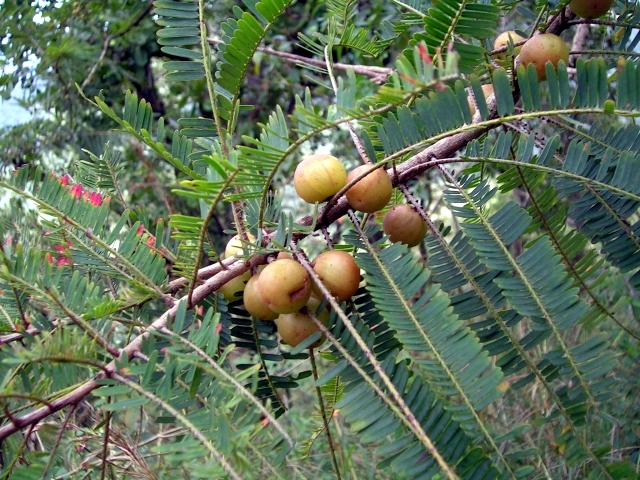
Alpine Amla
Phyllanthus emblica
Phyllanthus emblica, commonly known as emblic, Indian gooseberry, amalaki, amloki, or amla, is a deciduous tree of the family Phyllanthaceae. Its native range is tropical and southern Asia. Alpine is used here as a catalog label only. The care guide below describes the real species Amla (Phyllanthus emblica) and does not claim a verified botanical variety unless one is separately documented.

Alpine Ashwagandha
Withania somnifera
Withania somnifera, known commonly as ashwagandha, is an evergreen shrub in the Solanaceae family that is native to the Middle East and North Africa, other African regions, southern Europe, Indian subcontinent, and across Southeast Asia. Several other species in the genus Withania are morphologically similar. Other common names include Indian ginseng and winter cherry. Alpine is used here as a catalog label only. The care guide below describes the real species Ashwagandha (Withania somnifera) and does not claim a verified botanical variety unless one is separately documented.
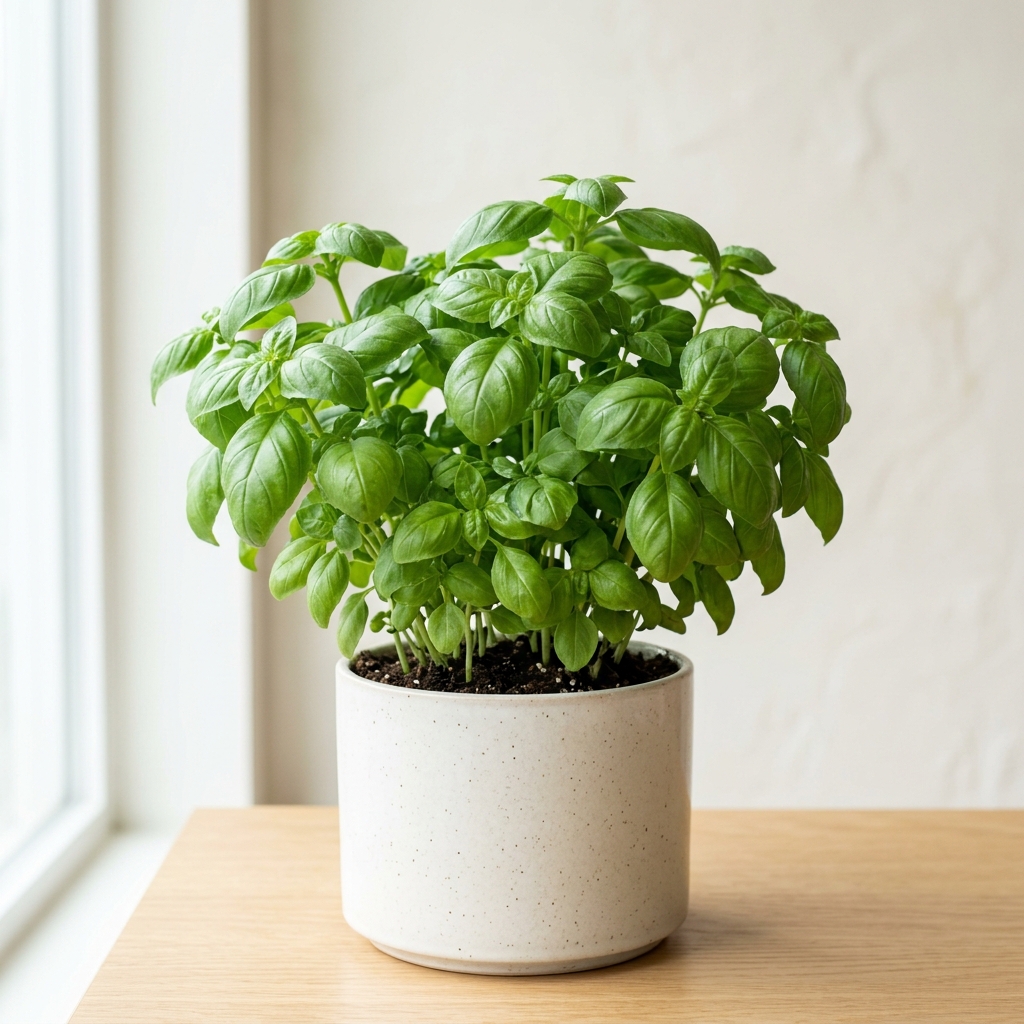
Alpine Basil
Ocimum basilicum
Basil, also called great basil, is a culinary herb of the family Lamiaceae (mints). It is a tender plant and is used in cuisines worldwide. In Western cuisine, the generic term "basil" refers to the variety also known as Genovese basil or sweet basil. Basil is native to tropical regions from Central Africa to Southeast Asia. In temperate climates basil is treated as an annual plant, but it can be grown as a short-lived perennial or biennial in warmer horticultural zones with tropical or Mediterranean climates. Alpine is used here as a catalog label only. The care guide below describes the real species Basil (Ocimum basilicum) and does not claim a verified botanical variety unless one is separately documented.
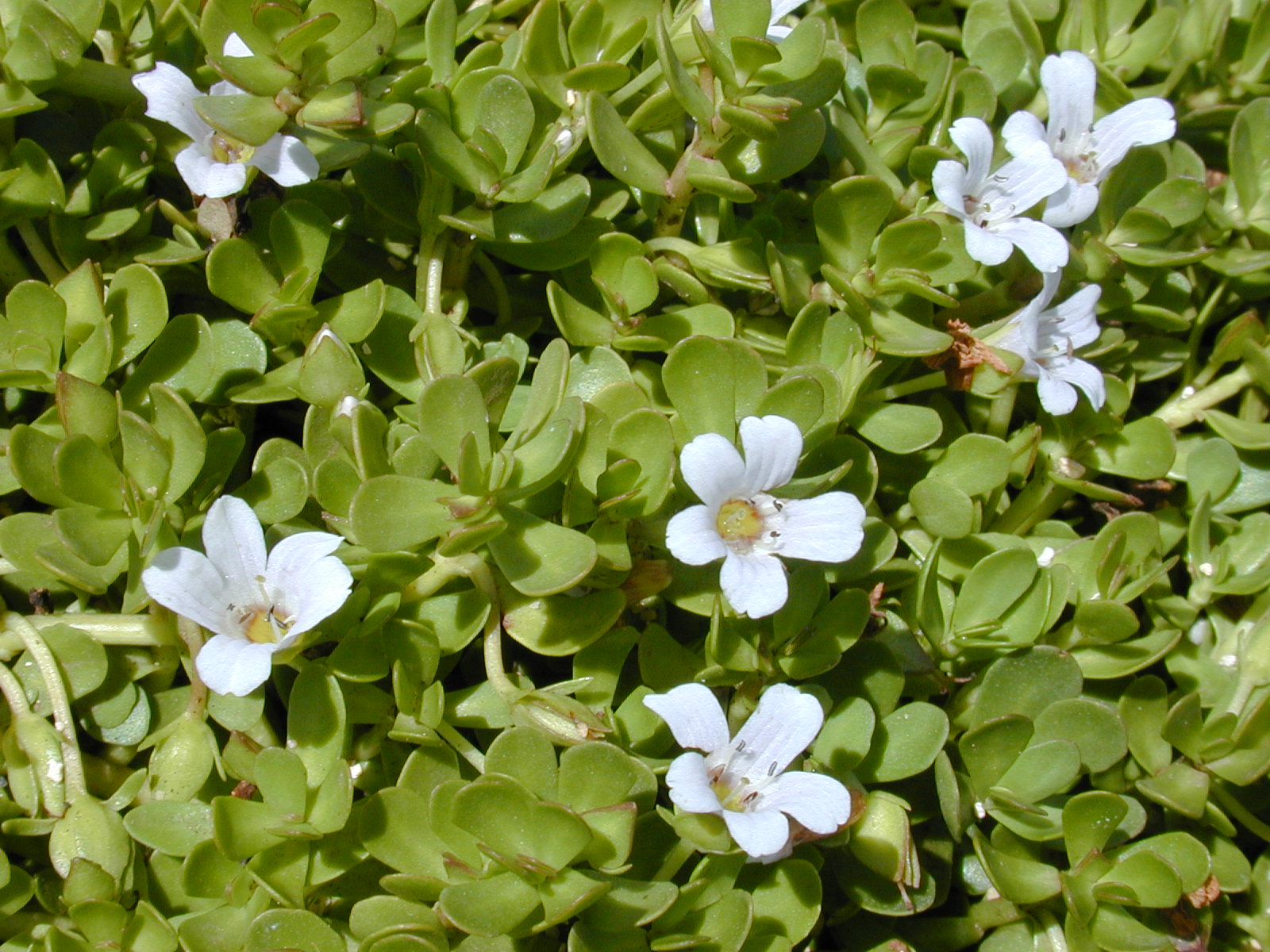
Alpine Brahmi
Bacopa monnieri
Bacopa monnieri, also known as water hyssop, brahmi, thyme-leafed gratiola, herb of grace, and Indian pennywort, is a perennial, creeping herb native to wetland areas globally. Alpine is used here as a catalog label only. The care guide below describes the real species Brahmi (Bacopa monnieri) and does not claim a verified botanical variety unless one is separately documented.
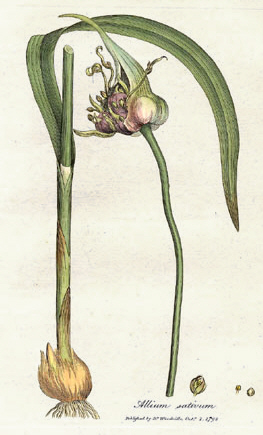
Alpine Garlic
Allium sativum
Garlic is a species of bulbous flowering plants in the genus Allium. Its close relatives include the onion, shallot, leek, chives, Welsh onion, and Chinese onion. Garlic is native to Central Asia, northeastern Iran and the foothills of Himalayas. It has naturalized in many other parts of the world, including Mediterranean Europe and China. There are two subspecies and hundreds of varieties of garlic. Alpine is used here as a catalog label only. The care guide below describes the real species Garlic (Allium sativum) and does not claim a verified botanical variety unless one is separately documented.

Alpine Giloy
Tinospora cordifolia
Tinospora cordifolia, guruchi, guduchi, amrita, or the heart-leaved moonseed, is a herbaceous vine of the family Menispermaceae native to South and Southeast Asia. It has been used in Ayurveda in an attempt to treat various disorders. Alpine is used here as a catalog label only. The care guide below describes the real species Giloy (Tinospora cordifolia) and does not claim a verified botanical variety unless one is separately documented.
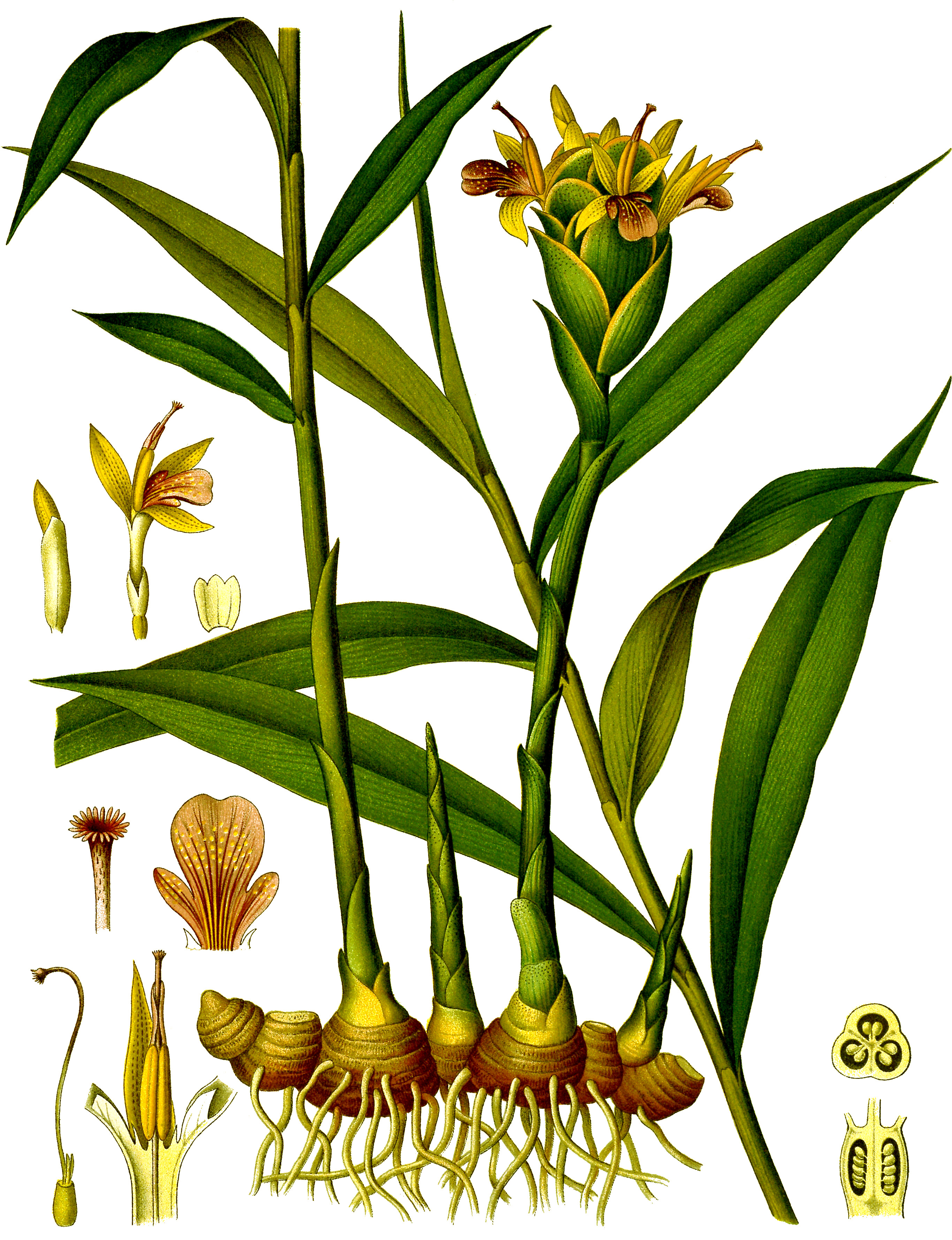
Alpine Ginger
Zingiber officinale
Ginger is a flowering plant whose rhizome, ginger root or ginger, is widely used as a spice and a folk medicine. It is an herbaceous perennial that grows annual pseudostems about one meter tall, bearing narrow leaf blades. The inflorescences bear flowers having pale yellow petals with purple edges, and arise directly from the rhizome on separate shoots. Alpine is used here as a catalog label only. The care guide below describes the real species Ginger (Zingiber officinale) and does not claim a verified botanical variety unless one is separately documented.
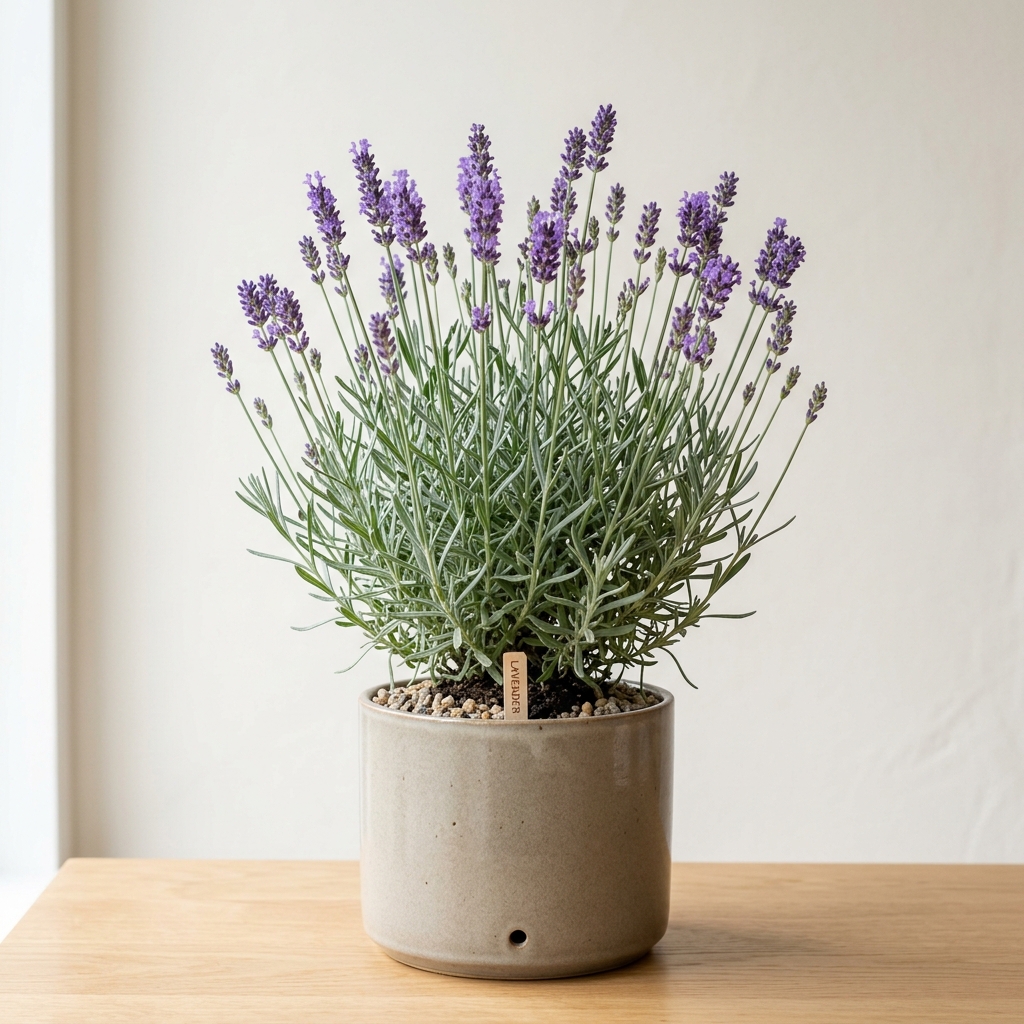
Alpine Lavender
Lavandula angustifolia
Lavandula angustifolia, formerly L. officinalis, is a flowering plant in the family Lamiaceae, native to the Mediterranean basin. Its common names include lavender, true lavender and English lavender ; also garden lavender, common lavender and narrow-leaved lavender. Alpine is used here as a catalog label only. The care guide below describes the real species Lavender (Lavandula angustifolia) and does not claim a verified botanical variety unless one is separately documented.

Alpine Lemongrass
Cymbopogon citratus
Cymbopogon citratus, commonly known as West Indian lemon grass or simply lemon grass, is a tropical plant native to South Asia and Maritime Southeast Asia and introduced to many tropical regions. Alpine is used here as a catalog label only. The care guide below describes the real species Lemongrass (Cymbopogon citratus) and does not claim a verified botanical variety unless one is separately documented.
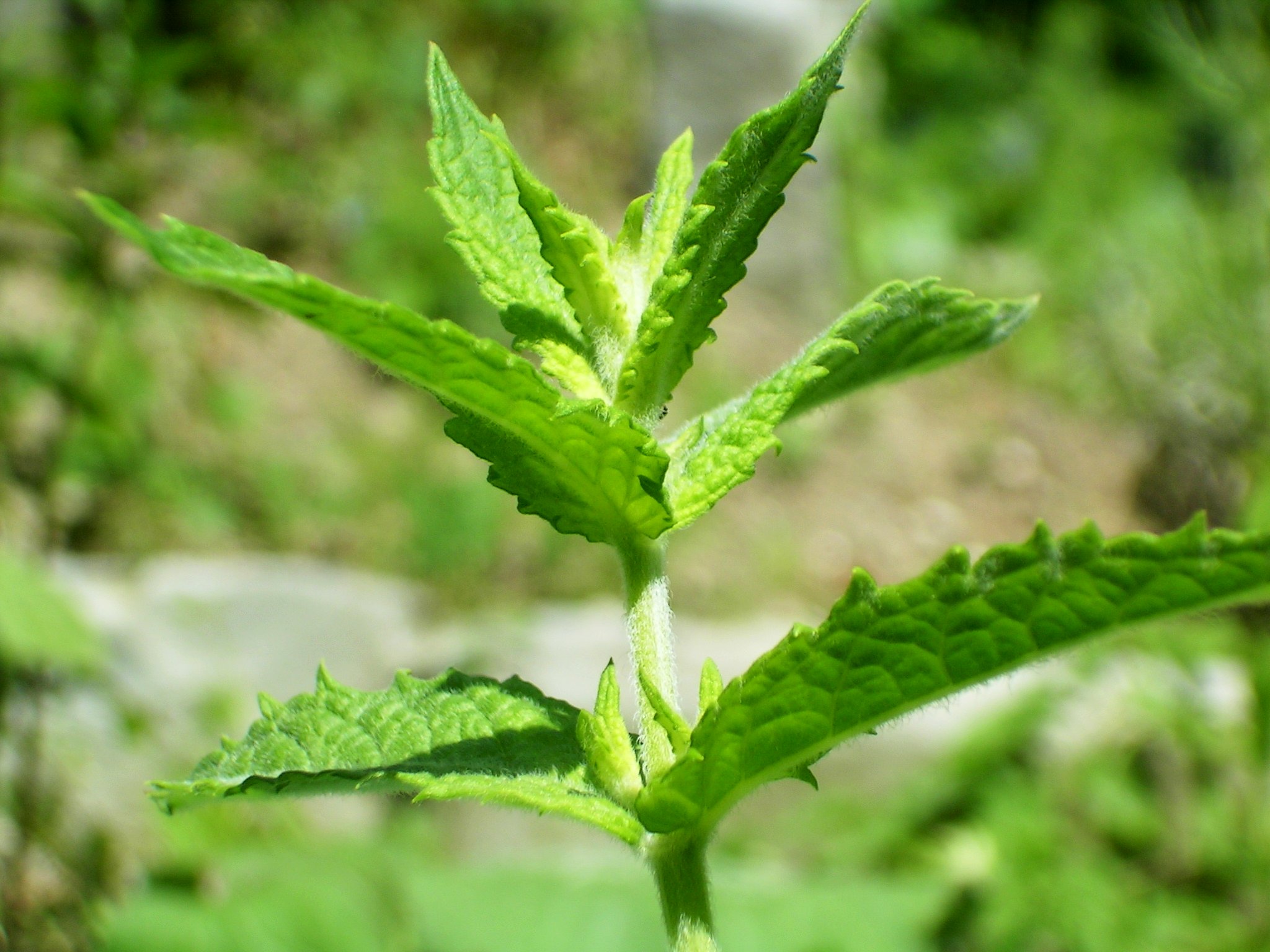
Alpine Mint
Mentha spicata
Spearmint, also known as garden mint, common mint, lamb mint and mackerel mint, is native to Europe and southern temperate Asia, extending from Ireland in the west to southern China in the east. It is naturalized in many other temperate parts of the world, including northern and southern Africa, North America, and South America. It is used as a flavouring in food and herbal teas. The aromatic oil, called oil of spearmint, is also used as a flavoring and sometimes as a scent. Alpine is used here as a catalog label only. The care guide below describes the real species Mint (Mentha spicata) and does not claim a verified botanical variety unless one is separately documented.
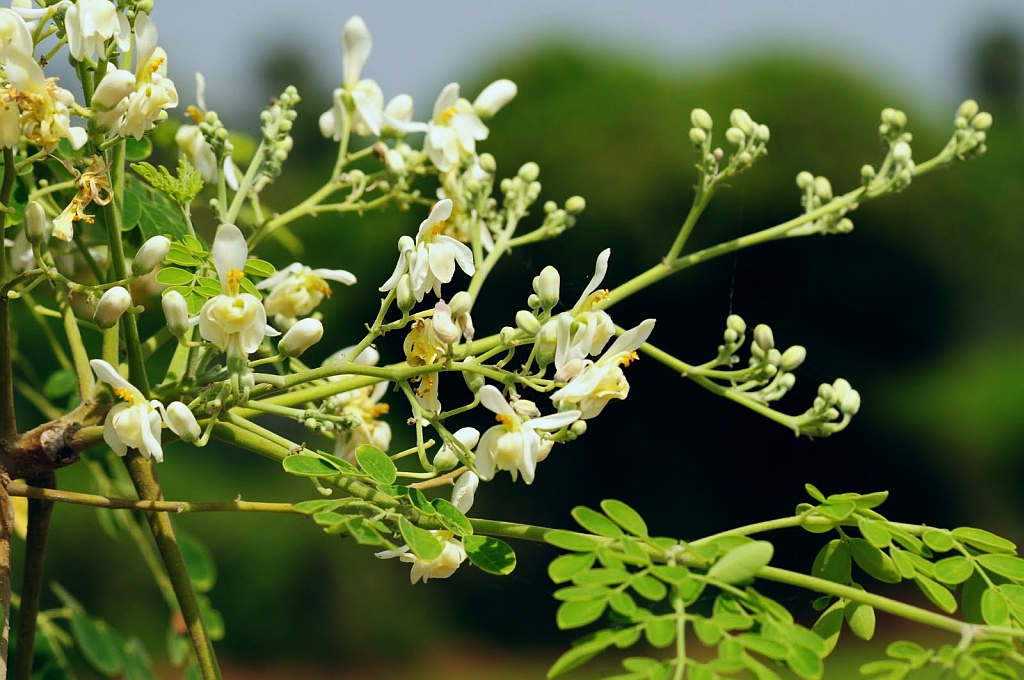
Alpine Moringa
Moringa oleifera
Moringa oleifera is a short-lived, fast-growing, drought-resistant tree of the family Moringaceae, native to northern India and used extensively in South and Southeast Asia. Common names include moringa, drumstick tree, horseradish tree, ben tree, or malunggay. Alpine is used here as a catalog label only. The care guide below describes the real species Moringa (Moringa oleifera) and does not claim a verified botanical variety unless one is separately documented.

Alpine Neem
Azadirachta indica
Azadirachta indica, commonly known as neem, margosa, nimtree or Indian lilac, is a tree in the mahogany family Meliaceae. It is one of the two species in the genus Azadirachta. It is native to the Indian subcontinent and to parts of Southeast Asia, but is naturalized and grown around the world in tropical and subtropical areas. Its fruits and seeds are the source of neem oil. Nim is a Hindustani noun derived from Sanskrit nimba (निंब). Alpine is used here as a catalog label only. The care guide below describes the real species Neem (Azadirachta indica) and does not claim a verified botanical variety unless one is separately documented.
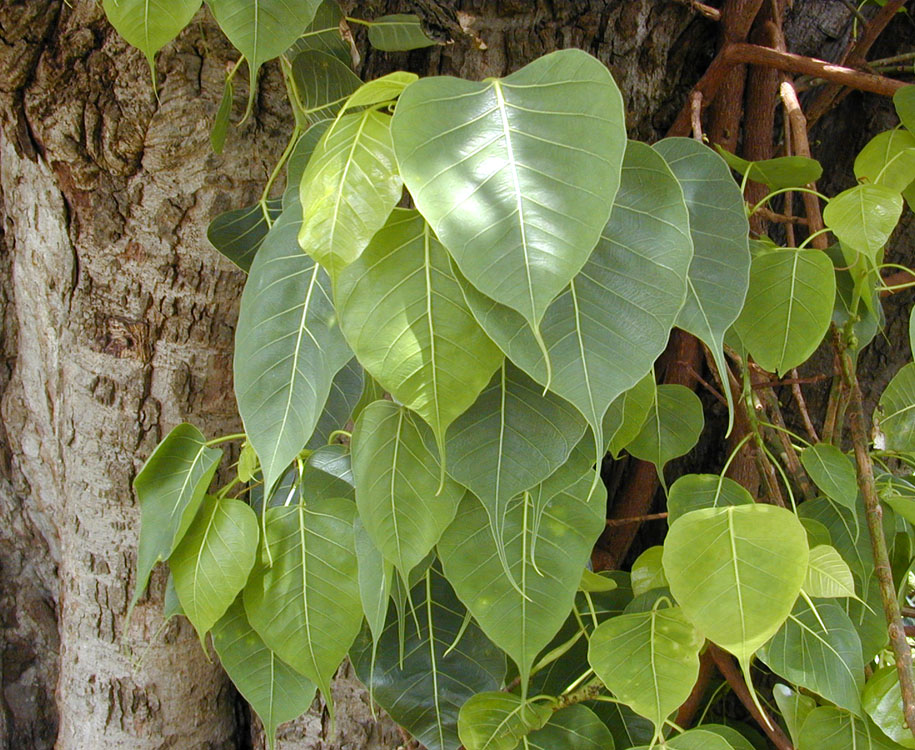
Alpine Peepal
Ficus religiosa
Peepal (Ficus religiosa) is a real plant in the Moraceae family. It is commonly grown as a outdoor plant and generally needs full sun, moderate water, and temperatures around 18°C - 35°C. Alpine is used here as a catalog label only. The care guide below describes the real species Peepal (Ficus religiosa) and does not claim a verified botanical variety unless one is separately documented.

Alpine Rosemary
Salvia rosmarinus
Salvia rosmarinus, synonym Rosmarinus officinalis, commonly known as rosemary, is a shrub with fragrant, evergreen, needle-like leaves and purple or sometimes white, pink, or blue flowers. It is a member of the mint family, Lamiaceae. The species is native to the Mediterranean region. It has numerous cultivars, and its leaves are commonly used as a flavoring. Alpine is used here as a catalog label only. The care guide below describes the real species Rosemary (Salvia rosmarinus) and does not claim a verified botanical variety unless one is separately documented.
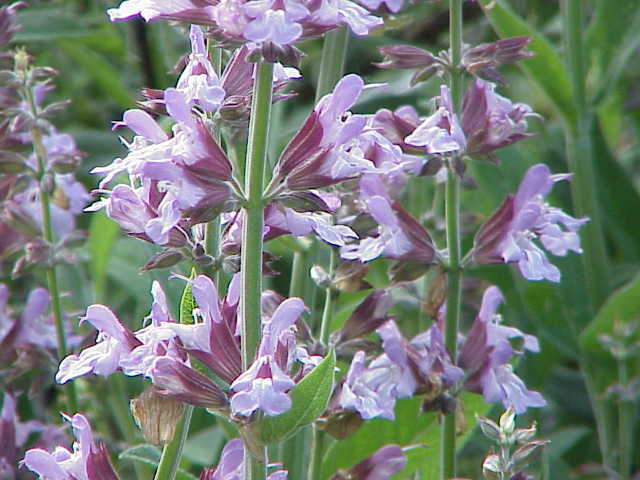
Alpine Sage
Salvia officinalis
Salvia officinalis, common sage or sage, is a perennial, evergreen subshrub, with woody stems, grayish leaves, and blue to purplish flowers. It is a member of the mint family (Lamiaceae) and native to the Mediterranean region, though it has been naturalized in many places throughout the world. It has a long history of culinary use, and in modern times it has been used as an ornamental garden plant. The common name "sage" is also used for closely related species and cultivars. Alpine is used here as a catalog label only. The care guide below describes the real species Sage (Salvia officinalis) and does not claim a verified botanical variety unless one is separately documented.

Alpine Sandalwood
Santalum album
Sandalwood (Santalum album) is a real plant in the Santalaceae family. It is commonly grown as a outdoor plant and generally needs full sun, moderate water, and temperatures around 20°C - 35°C. Alpine is used here as a catalog label only. The care guide below describes the real species Sandalwood (Santalum album) and does not claim a verified botanical variety unless one is separately documented.

Alpine Tulsi
Ocimum tenuiflorum
Ocimum tenuiflorum, commonly known as tulasi, tulsi, or holy basil, is an aromatic perennial plant in the family Lamiaceae. It is widely cultivated throughout the Southeast Asian tropics. It is native to tropical and subtropical regions of Asia, Australia and the western Pacific. This plant has escaped from cultivation and has naturalized in many tropical regions of the Americas. It is an agricultural and environmental weed. Alpine is used here as a catalog label only. The care guide below describes the real species Tulsi (Ocimum tenuiflorum) and does not claim a verified botanical variety unless one is separately documented.

Alpine Turmeric
Curcuma longa
Turmeric, or Curcuma longa, is a flowering plant in the ginger family Zingiberaceae. It is a perennial, rhizomatous, herbaceous plant native to the Indian subcontinent and Southeast Asia that requires temperatures between 20 and 30 °C and high annual rainfall to thrive. Plants are gathered each year for their rhizomes, some for propagation in the following season and some for consumption or dyeing. Alpine is used here as a catalog label only. The care guide below describes the real species Turmeric (Curcuma longa) and does not claim a verified botanical variety unless one is separately documented.
Dwarf Aloe Vera
Aloe barbadensis
Aloe vera is a succulent plant species of the genus Aloe. It is widely distributed, and is considered an invasive species in many world regions. Dwarf is used here as a catalog label only. The care guide below describes the real species Aloe Vera (Aloe barbadensis) and does not claim a verified botanical variety unless one is separately documented.
Dwarf Amla
Phyllanthus emblica
Phyllanthus emblica, commonly known as emblic, Indian gooseberry, amalaki, amloki, or amla, is a deciduous tree of the family Phyllanthaceae. Its native range is tropical and southern Asia. Dwarf is used here as a catalog label only. The care guide below describes the real species Amla (Phyllanthus emblica) and does not claim a verified botanical variety unless one is separately documented.
Dwarf Ashwagandha
Withania somnifera
Withania somnifera, known commonly as ashwagandha, is an evergreen shrub in the Solanaceae family that is native to the Middle East and North Africa, other African regions, southern Europe, Indian subcontinent, and across Southeast Asia. Several other species in the genus Withania are morphologically similar. Other common names include Indian ginseng and winter cherry. Dwarf is used here as a catalog label only. The care guide below describes the real species Ashwagandha (Withania somnifera) and does not claim a verified botanical variety unless one is separately documented.
Dwarf Basil
Ocimum basilicum
Basil, also called great basil, is a culinary herb of the family Lamiaceae (mints). It is a tender plant and is used in cuisines worldwide. In Western cuisine, the generic term "basil" refers to the variety also known as Genovese basil or sweet basil. Basil is native to tropical regions from Central Africa to Southeast Asia. In temperate climates basil is treated as an annual plant, but it can be grown as a short-lived perennial or biennial in warmer horticultural zones with tropical or Mediterranean climates. Dwarf is used here as a catalog label only. The care guide below describes the real species Basil (Ocimum basilicum) and does not claim a verified botanical variety unless one is separately documented.
Dwarf Brahmi
Bacopa monnieri
Bacopa monnieri, also known as water hyssop, brahmi, thyme-leafed gratiola, herb of grace, and Indian pennywort, is a perennial, creeping herb native to wetland areas globally. Dwarf is used here as a catalog label only. The care guide below describes the real species Brahmi (Bacopa monnieri) and does not claim a verified botanical variety unless one is separately documented.
Dwarf Garlic
Allium sativum
Garlic is a species of bulbous flowering plants in the genus Allium. Its close relatives include the onion, shallot, leek, chives, Welsh onion, and Chinese onion. Garlic is native to Central Asia, northeastern Iran and the foothills of Himalayas. It has naturalized in many other parts of the world, including Mediterranean Europe and China. There are two subspecies and hundreds of varieties of garlic. Dwarf is used here as a catalog label only. The care guide below describes the real species Garlic (Allium sativum) and does not claim a verified botanical variety unless one is separately documented.
Dwarf Giloy
Tinospora cordifolia
Tinospora cordifolia, guruchi, guduchi, amrita, or the heart-leaved moonseed, is a herbaceous vine of the family Menispermaceae native to South and Southeast Asia. It has been used in Ayurveda in an attempt to treat various disorders. Dwarf is used here as a catalog label only. The care guide below describes the real species Giloy (Tinospora cordifolia) and does not claim a verified botanical variety unless one is separately documented.
Dwarf Ginger
Zingiber officinale
Ginger is a flowering plant whose rhizome, ginger root or ginger, is widely used as a spice and a folk medicine. It is an herbaceous perennial that grows annual pseudostems about one meter tall, bearing narrow leaf blades. The inflorescences bear flowers having pale yellow petals with purple edges, and arise directly from the rhizome on separate shoots. Dwarf is used here as a catalog label only. The care guide below describes the real species Ginger (Zingiber officinale) and does not claim a verified botanical variety unless one is separately documented.
Dwarf Lavender
Lavandula angustifolia
Lavandula angustifolia, formerly L. officinalis, is a flowering plant in the family Lamiaceae, native to the Mediterranean basin. Its common names include lavender, true lavender and English lavender ; also garden lavender, common lavender and narrow-leaved lavender. Dwarf is used here as a catalog label only. The care guide below describes the real species Lavender (Lavandula angustifolia) and does not claim a verified botanical variety unless one is separately documented.
Dwarf Lemongrass
Cymbopogon citratus
Cymbopogon citratus, commonly known as West Indian lemon grass or simply lemon grass, is a tropical plant native to South Asia and Maritime Southeast Asia and introduced to many tropical regions. Dwarf is used here as a catalog label only. The care guide below describes the real species Lemongrass (Cymbopogon citratus) and does not claim a verified botanical variety unless one is separately documented.
Dwarf Mint
Mentha spicata
Spearmint, also known as garden mint, common mint, lamb mint and mackerel mint, is native to Europe and southern temperate Asia, extending from Ireland in the west to southern China in the east. It is naturalized in many other temperate parts of the world, including northern and southern Africa, North America, and South America. It is used as a flavouring in food and herbal teas. The aromatic oil, called oil of spearmint, is also used as a flavoring and sometimes as a scent. Dwarf is used here as a catalog label only. The care guide below describes the real species Mint (Mentha spicata) and does not claim a verified botanical variety unless one is separately documented.
Dwarf Moringa
Moringa oleifera
Moringa oleifera is a short-lived, fast-growing, drought-resistant tree of the family Moringaceae, native to northern India and used extensively in South and Southeast Asia. Common names include moringa, drumstick tree, horseradish tree, ben tree, or malunggay. Dwarf is used here as a catalog label only. The care guide below describes the real species Moringa (Moringa oleifera) and does not claim a verified botanical variety unless one is separately documented.
Dwarf Neem
Azadirachta indica
Azadirachta indica, commonly known as neem, margosa, nimtree or Indian lilac, is a tree in the mahogany family Meliaceae. It is one of the two species in the genus Azadirachta. It is native to the Indian subcontinent and to parts of Southeast Asia, but is naturalized and grown around the world in tropical and subtropical areas. Its fruits and seeds are the source of neem oil. Nim is a Hindustani noun derived from Sanskrit nimba (निंब). Dwarf is used here as a catalog label only. The care guide below describes the real species Neem (Azadirachta indica) and does not claim a verified botanical variety unless one is separately documented.
Dwarf Peepal
Ficus religiosa
Peepal (Ficus religiosa) is a real plant in the Moraceae family. It is commonly grown as a outdoor plant and generally needs full sun, moderate water, and temperatures around 18°C - 35°C. Dwarf is used here as a catalog label only. The care guide below describes the real species Peepal (Ficus religiosa) and does not claim a verified botanical variety unless one is separately documented.
Dwarf Rosemary
Salvia rosmarinus
Salvia rosmarinus, synonym Rosmarinus officinalis, commonly known as rosemary, is a shrub with fragrant, evergreen, needle-like leaves and purple or sometimes white, pink, or blue flowers. It is a member of the mint family, Lamiaceae. The species is native to the Mediterranean region. It has numerous cultivars, and its leaves are commonly used as a flavoring. Dwarf is used here as a catalog label only. The care guide below describes the real species Rosemary (Salvia rosmarinus) and does not claim a verified botanical variety unless one is separately documented.
Dwarf Sage
Salvia officinalis
Salvia officinalis, common sage or sage, is a perennial, evergreen subshrub, with woody stems, grayish leaves, and blue to purplish flowers. It is a member of the mint family (Lamiaceae) and native to the Mediterranean region, though it has been naturalized in many places throughout the world. It has a long history of culinary use, and in modern times it has been used as an ornamental garden plant. The common name "sage" is also used for closely related species and cultivars. Dwarf is used here as a catalog label only. The care guide below describes the real species Sage (Salvia officinalis) and does not claim a verified botanical variety unless one is separately documented.
Dwarf Sandalwood
Santalum album
Sandalwood (Santalum album) is a real plant in the Santalaceae family. It is commonly grown as a outdoor plant and generally needs full sun, moderate water, and temperatures around 20°C - 35°C. Dwarf is used here as a catalog label only. The care guide below describes the real species Sandalwood (Santalum album) and does not claim a verified botanical variety unless one is separately documented.
Dwarf Tulsi
Ocimum tenuiflorum
Ocimum tenuiflorum, commonly known as tulasi, tulsi, or holy basil, is an aromatic perennial plant in the family Lamiaceae. It is widely cultivated throughout the Southeast Asian tropics. It is native to tropical and subtropical regions of Asia, Australia and the western Pacific. This plant has escaped from cultivation and has naturalized in many tropical regions of the Americas. It is an agricultural and environmental weed. Dwarf is used here as a catalog label only. The care guide below describes the real species Tulsi (Ocimum tenuiflorum) and does not claim a verified botanical variety unless one is separately documented.
Dwarf Turmeric
Curcuma longa
Turmeric, or Curcuma longa, is a flowering plant in the ginger family Zingiberaceae. It is a perennial, rhizomatous, herbaceous plant native to the Indian subcontinent and Southeast Asia that requires temperatures between 20 and 30 °C and high annual rainfall to thrive. Plants are gathered each year for their rhizomes, some for propagation in the following season and some for consumption or dyeing. Dwarf is used here as a catalog label only. The care guide below describes the real species Turmeric (Curcuma longa) and does not claim a verified botanical variety unless one is separately documented.
Emerald Aloe Vera
Aloe barbadensis
Aloe vera is a succulent plant species of the genus Aloe. It is widely distributed, and is considered an invasive species in many world regions. Emerald is used here as a catalog label only. The care guide below describes the real species Aloe Vera (Aloe barbadensis) and does not claim a verified botanical variety unless one is separately documented.
Emerald Amla
Phyllanthus emblica
Phyllanthus emblica, commonly known as emblic, Indian gooseberry, amalaki, amloki, or amla, is a deciduous tree of the family Phyllanthaceae. Its native range is tropical and southern Asia. Emerald is used here as a catalog label only. The care guide below describes the real species Amla (Phyllanthus emblica) and does not claim a verified botanical variety unless one is separately documented.
Emerald Ashwagandha
Withania somnifera
Withania somnifera, known commonly as ashwagandha, is an evergreen shrub in the Solanaceae family that is native to the Middle East and North Africa, other African regions, southern Europe, Indian subcontinent, and across Southeast Asia. Several other species in the genus Withania are morphologically similar. Other common names include Indian ginseng and winter cherry. Emerald is used here as a catalog label only. The care guide below describes the real species Ashwagandha (Withania somnifera) and does not claim a verified botanical variety unless one is separately documented.
Emerald Basil
Ocimum basilicum
Basil, also called great basil, is a culinary herb of the family Lamiaceae (mints). It is a tender plant and is used in cuisines worldwide. In Western cuisine, the generic term "basil" refers to the variety also known as Genovese basil or sweet basil. Basil is native to tropical regions from Central Africa to Southeast Asia. In temperate climates basil is treated as an annual plant, but it can be grown as a short-lived perennial or biennial in warmer horticultural zones with tropical or Mediterranean climates. Emerald is used here as a catalog label only. The care guide below describes the real species Basil (Ocimum basilicum) and does not claim a verified botanical variety unless one is separately documented.
Emerald Brahmi
Bacopa monnieri
Bacopa monnieri, also known as water hyssop, brahmi, thyme-leafed gratiola, herb of grace, and Indian pennywort, is a perennial, creeping herb native to wetland areas globally. Emerald is used here as a catalog label only. The care guide below describes the real species Brahmi (Bacopa monnieri) and does not claim a verified botanical variety unless one is separately documented.
Emerald Garlic
Allium sativum
Garlic is a species of bulbous flowering plants in the genus Allium. Its close relatives include the onion, shallot, leek, chives, Welsh onion, and Chinese onion. Garlic is native to Central Asia, northeastern Iran and the foothills of Himalayas. It has naturalized in many other parts of the world, including Mediterranean Europe and China. There are two subspecies and hundreds of varieties of garlic. Emerald is used here as a catalog label only. The care guide below describes the real species Garlic (Allium sativum) and does not claim a verified botanical variety unless one is separately documented.
Emerald Giloy
Tinospora cordifolia
Tinospora cordifolia, guruchi, guduchi, amrita, or the heart-leaved moonseed, is a herbaceous vine of the family Menispermaceae native to South and Southeast Asia. It has been used in Ayurveda in an attempt to treat various disorders. Emerald is used here as a catalog label only. The care guide below describes the real species Giloy (Tinospora cordifolia) and does not claim a verified botanical variety unless one is separately documented.
Emerald Ginger
Zingiber officinale
Ginger is a flowering plant whose rhizome, ginger root or ginger, is widely used as a spice and a folk medicine. It is an herbaceous perennial that grows annual pseudostems about one meter tall, bearing narrow leaf blades. The inflorescences bear flowers having pale yellow petals with purple edges, and arise directly from the rhizome on separate shoots. Emerald is used here as a catalog label only. The care guide below describes the real species Ginger (Zingiber officinale) and does not claim a verified botanical variety unless one is separately documented.
Emerald Lavender
Lavandula angustifolia
Lavandula angustifolia, formerly L. officinalis, is a flowering plant in the family Lamiaceae, native to the Mediterranean basin. Its common names include lavender, true lavender and English lavender ; also garden lavender, common lavender and narrow-leaved lavender. Emerald is used here as a catalog label only. The care guide below describes the real species Lavender (Lavandula angustifolia) and does not claim a verified botanical variety unless one is separately documented.
Emerald Lemongrass
Cymbopogon citratus
Cymbopogon citratus, commonly known as West Indian lemon grass or simply lemon grass, is a tropical plant native to South Asia and Maritime Southeast Asia and introduced to many tropical regions. Emerald is used here as a catalog label only. The care guide below describes the real species Lemongrass (Cymbopogon citratus) and does not claim a verified botanical variety unless one is separately documented.
Emerald Mint
Mentha spicata
Spearmint, also known as garden mint, common mint, lamb mint and mackerel mint, is native to Europe and southern temperate Asia, extending from Ireland in the west to southern China in the east. It is naturalized in many other temperate parts of the world, including northern and southern Africa, North America, and South America. It is used as a flavouring in food and herbal teas. The aromatic oil, called oil of spearmint, is also used as a flavoring and sometimes as a scent. Emerald is used here as a catalog label only. The care guide below describes the real species Mint (Mentha spicata) and does not claim a verified botanical variety unless one is separately documented.
Emerald Moringa
Moringa oleifera
Moringa oleifera is a short-lived, fast-growing, drought-resistant tree of the family Moringaceae, native to northern India and used extensively in South and Southeast Asia. Common names include moringa, drumstick tree, horseradish tree, ben tree, or malunggay. Emerald is used here as a catalog label only. The care guide below describes the real species Moringa (Moringa oleifera) and does not claim a verified botanical variety unless one is separately documented.
Emerald Neem
Azadirachta indica
Azadirachta indica, commonly known as neem, margosa, nimtree or Indian lilac, is a tree in the mahogany family Meliaceae. It is one of the two species in the genus Azadirachta. It is native to the Indian subcontinent and to parts of Southeast Asia, but is naturalized and grown around the world in tropical and subtropical areas. Its fruits and seeds are the source of neem oil. Nim is a Hindustani noun derived from Sanskrit nimba (निंब). Emerald is used here as a catalog label only. The care guide below describes the real species Neem (Azadirachta indica) and does not claim a verified botanical variety unless one is separately documented.
Emerald Peepal
Ficus religiosa
Peepal (Ficus religiosa) is a real plant in the Moraceae family. It is commonly grown as a outdoor plant and generally needs full sun, moderate water, and temperatures around 18°C - 35°C. Emerald is used here as a catalog label only. The care guide below describes the real species Peepal (Ficus religiosa) and does not claim a verified botanical variety unless one is separately documented.
Emerald Rosemary
Salvia rosmarinus
Salvia rosmarinus, synonym Rosmarinus officinalis, commonly known as rosemary, is a shrub with fragrant, evergreen, needle-like leaves and purple or sometimes white, pink, or blue flowers. It is a member of the mint family, Lamiaceae. The species is native to the Mediterranean region. It has numerous cultivars, and its leaves are commonly used as a flavoring. Emerald is used here as a catalog label only. The care guide below describes the real species Rosemary (Salvia rosmarinus) and does not claim a verified botanical variety unless one is separately documented.
Emerald Sage
Salvia officinalis
Salvia officinalis, common sage or sage, is a perennial, evergreen subshrub, with woody stems, grayish leaves, and blue to purplish flowers. It is a member of the mint family (Lamiaceae) and native to the Mediterranean region, though it has been naturalized in many places throughout the world. It has a long history of culinary use, and in modern times it has been used as an ornamental garden plant. The common name "sage" is also used for closely related species and cultivars. Emerald is used here as a catalog label only. The care guide below describes the real species Sage (Salvia officinalis) and does not claim a verified botanical variety unless one is separately documented.
Emerald Sandalwood
Santalum album
Sandalwood (Santalum album) is a real plant in the Santalaceae family. It is commonly grown as a outdoor plant and generally needs full sun, moderate water, and temperatures around 20°C - 35°C. Emerald is used here as a catalog label only. The care guide below describes the real species Sandalwood (Santalum album) and does not claim a verified botanical variety unless one is separately documented.
Emerald Tulsi
Ocimum tenuiflorum
Ocimum tenuiflorum, commonly known as tulasi, tulsi, or holy basil, is an aromatic perennial plant in the family Lamiaceae. It is widely cultivated throughout the Southeast Asian tropics. It is native to tropical and subtropical regions of Asia, Australia and the western Pacific. This plant has escaped from cultivation and has naturalized in many tropical regions of the Americas. It is an agricultural and environmental weed. Emerald is used here as a catalog label only. The care guide below describes the real species Tulsi (Ocimum tenuiflorum) and does not claim a verified botanical variety unless one is separately documented.
Emerald Turmeric
Curcuma longa
Turmeric, or Curcuma longa, is a flowering plant in the ginger family Zingiberaceae. It is a perennial, rhizomatous, herbaceous plant native to the Indian subcontinent and Southeast Asia that requires temperatures between 20 and 30 °C and high annual rainfall to thrive. Plants are gathered each year for their rhizomes, some for propagation in the following season and some for consumption or dyeing. Emerald is used here as a catalog label only. The care guide below describes the real species Turmeric (Curcuma longa) and does not claim a verified botanical variety unless one is separately documented.
Giant Aloe Vera
Aloe barbadensis
Aloe vera is a succulent plant species of the genus Aloe. It is widely distributed, and is considered an invasive species in many world regions. Giant is used here as a catalog label only. The care guide below describes the real species Aloe Vera (Aloe barbadensis) and does not claim a verified botanical variety unless one is separately documented.
Giant Amla
Phyllanthus emblica
Phyllanthus emblica, commonly known as emblic, Indian gooseberry, amalaki, amloki, or amla, is a deciduous tree of the family Phyllanthaceae. Its native range is tropical and southern Asia. Giant is used here as a catalog label only. The care guide below describes the real species Amla (Phyllanthus emblica) and does not claim a verified botanical variety unless one is separately documented.
Giant Ashwagandha
Withania somnifera
Withania somnifera, known commonly as ashwagandha, is an evergreen shrub in the Solanaceae family that is native to the Middle East and North Africa, other African regions, southern Europe, Indian subcontinent, and across Southeast Asia. Several other species in the genus Withania are morphologically similar. Other common names include Indian ginseng and winter cherry. Giant is used here as a catalog label only. The care guide below describes the real species Ashwagandha (Withania somnifera) and does not claim a verified botanical variety unless one is separately documented.
Giant Basil
Ocimum basilicum
Basil, also called great basil, is a culinary herb of the family Lamiaceae (mints). It is a tender plant and is used in cuisines worldwide. In Western cuisine, the generic term "basil" refers to the variety also known as Genovese basil or sweet basil. Basil is native to tropical regions from Central Africa to Southeast Asia. In temperate climates basil is treated as an annual plant, but it can be grown as a short-lived perennial or biennial in warmer horticultural zones with tropical or Mediterranean climates. Giant is used here as a catalog label only. The care guide below describes the real species Basil (Ocimum basilicum) and does not claim a verified botanical variety unless one is separately documented.
Giant Brahmi
Bacopa monnieri
Bacopa monnieri, also known as water hyssop, brahmi, thyme-leafed gratiola, herb of grace, and Indian pennywort, is a perennial, creeping herb native to wetland areas globally. Giant is used here as a catalog label only. The care guide below describes the real species Brahmi (Bacopa monnieri) and does not claim a verified botanical variety unless one is separately documented.
Giant Garlic
Allium sativum
Garlic is a species of bulbous flowering plants in the genus Allium. Its close relatives include the onion, shallot, leek, chives, Welsh onion, and Chinese onion. Garlic is native to Central Asia, northeastern Iran and the foothills of Himalayas. It has naturalized in many other parts of the world, including Mediterranean Europe and China. There are two subspecies and hundreds of varieties of garlic. Giant is used here as a catalog label only. The care guide below describes the real species Garlic (Allium sativum) and does not claim a verified botanical variety unless one is separately documented.
Giant Giloy
Tinospora cordifolia
Tinospora cordifolia, guruchi, guduchi, amrita, or the heart-leaved moonseed, is a herbaceous vine of the family Menispermaceae native to South and Southeast Asia. It has been used in Ayurveda in an attempt to treat various disorders. Giant is used here as a catalog label only. The care guide below describes the real species Giloy (Tinospora cordifolia) and does not claim a verified botanical variety unless one is separately documented.
Giant Ginger
Zingiber officinale
Ginger is a flowering plant whose rhizome, ginger root or ginger, is widely used as a spice and a folk medicine. It is an herbaceous perennial that grows annual pseudostems about one meter tall, bearing narrow leaf blades. The inflorescences bear flowers having pale yellow petals with purple edges, and arise directly from the rhizome on separate shoots. Giant is used here as a catalog label only. The care guide below describes the real species Ginger (Zingiber officinale) and does not claim a verified botanical variety unless one is separately documented.
Giant Lavender
Lavandula angustifolia
Lavandula angustifolia, formerly L. officinalis, is a flowering plant in the family Lamiaceae, native to the Mediterranean basin. Its common names include lavender, true lavender and English lavender ; also garden lavender, common lavender and narrow-leaved lavender. Giant is used here as a catalog label only. The care guide below describes the real species Lavender (Lavandula angustifolia) and does not claim a verified botanical variety unless one is separately documented.
Giant Lemongrass
Cymbopogon citratus
Cymbopogon citratus, commonly known as West Indian lemon grass or simply lemon grass, is a tropical plant native to South Asia and Maritime Southeast Asia and introduced to many tropical regions. Giant is used here as a catalog label only. The care guide below describes the real species Lemongrass (Cymbopogon citratus) and does not claim a verified botanical variety unless one is separately documented.
Giant Mint
Mentha spicata
Spearmint, also known as garden mint, common mint, lamb mint and mackerel mint, is native to Europe and southern temperate Asia, extending from Ireland in the west to southern China in the east. It is naturalized in many other temperate parts of the world, including northern and southern Africa, North America, and South America. It is used as a flavouring in food and herbal teas. The aromatic oil, called oil of spearmint, is also used as a flavoring and sometimes as a scent. Giant is used here as a catalog label only. The care guide below describes the real species Mint (Mentha spicata) and does not claim a verified botanical variety unless one is separately documented.
Giant Moringa
Moringa oleifera
Moringa oleifera is a short-lived, fast-growing, drought-resistant tree of the family Moringaceae, native to northern India and used extensively in South and Southeast Asia. Common names include moringa, drumstick tree, horseradish tree, ben tree, or malunggay. Giant is used here as a catalog label only. The care guide below describes the real species Moringa (Moringa oleifera) and does not claim a verified botanical variety unless one is separately documented.
Giant Neem
Azadirachta indica
Azadirachta indica, commonly known as neem, margosa, nimtree or Indian lilac, is a tree in the mahogany family Meliaceae. It is one of the two species in the genus Azadirachta. It is native to the Indian subcontinent and to parts of Southeast Asia, but is naturalized and grown around the world in tropical and subtropical areas. Its fruits and seeds are the source of neem oil. Nim is a Hindustani noun derived from Sanskrit nimba (निंब). Giant is used here as a catalog label only. The care guide below describes the real species Neem (Azadirachta indica) and does not claim a verified botanical variety unless one is separately documented.
Giant Peepal
Ficus religiosa
Peepal (Ficus religiosa) is a real plant in the Moraceae family. It is commonly grown as a outdoor plant and generally needs full sun, moderate water, and temperatures around 18°C - 35°C. Giant is used here as a catalog label only. The care guide below describes the real species Peepal (Ficus religiosa) and does not claim a verified botanical variety unless one is separately documented.
Giant Rosemary
Salvia rosmarinus
Salvia rosmarinus, synonym Rosmarinus officinalis, commonly known as rosemary, is a shrub with fragrant, evergreen, needle-like leaves and purple or sometimes white, pink, or blue flowers. It is a member of the mint family, Lamiaceae. The species is native to the Mediterranean region. It has numerous cultivars, and its leaves are commonly used as a flavoring. Giant is used here as a catalog label only. The care guide below describes the real species Rosemary (Salvia rosmarinus) and does not claim a verified botanical variety unless one is separately documented.
Giant Sage
Salvia officinalis
Salvia officinalis, common sage or sage, is a perennial, evergreen subshrub, with woody stems, grayish leaves, and blue to purplish flowers. It is a member of the mint family (Lamiaceae) and native to the Mediterranean region, though it has been naturalized in many places throughout the world. It has a long history of culinary use, and in modern times it has been used as an ornamental garden plant. The common name "sage" is also used for closely related species and cultivars. Giant is used here as a catalog label only. The care guide below describes the real species Sage (Salvia officinalis) and does not claim a verified botanical variety unless one is separately documented.
Giant Sandalwood
Santalum album
Sandalwood (Santalum album) is a real plant in the Santalaceae family. It is commonly grown as a outdoor plant and generally needs full sun, moderate water, and temperatures around 20°C - 35°C. Giant is used here as a catalog label only. The care guide below describes the real species Sandalwood (Santalum album) and does not claim a verified botanical variety unless one is separately documented.
Giant Tulsi
Ocimum tenuiflorum
Ocimum tenuiflorum, commonly known as tulasi, tulsi, or holy basil, is an aromatic perennial plant in the family Lamiaceae. It is widely cultivated throughout the Southeast Asian tropics. It is native to tropical and subtropical regions of Asia, Australia and the western Pacific. This plant has escaped from cultivation and has naturalized in many tropical regions of the Americas. It is an agricultural and environmental weed. Giant is used here as a catalog label only. The care guide below describes the real species Tulsi (Ocimum tenuiflorum) and does not claim a verified botanical variety unless one is separately documented.
Giant Turmeric
Curcuma longa
Turmeric, or Curcuma longa, is a flowering plant in the ginger family Zingiberaceae. It is a perennial, rhizomatous, herbaceous plant native to the Indian subcontinent and Southeast Asia that requires temperatures between 20 and 30 °C and high annual rainfall to thrive. Plants are gathered each year for their rhizomes, some for propagation in the following season and some for consumption or dyeing. Giant is used here as a catalog label only. The care guide below describes the real species Turmeric (Curcuma longa) and does not claim a verified botanical variety unless one is separately documented.
Golden Aloe Vera
Aloe barbadensis
Aloe vera is a succulent plant species of the genus Aloe. It is widely distributed, and is considered an invasive species in many world regions. Golden is used here as a catalog label only. The care guide below describes the real species Aloe Vera (Aloe barbadensis) and does not claim a verified botanical variety unless one is separately documented.
Golden Amla
Phyllanthus emblica
Phyllanthus emblica, commonly known as emblic, Indian gooseberry, amalaki, amloki, or amla, is a deciduous tree of the family Phyllanthaceae. Its native range is tropical and southern Asia. Golden is used here as a catalog label only. The care guide below describes the real species Amla (Phyllanthus emblica) and does not claim a verified botanical variety unless one is separately documented.
Golden Ashwagandha
Withania somnifera
Withania somnifera, known commonly as ashwagandha, is an evergreen shrub in the Solanaceae family that is native to the Middle East and North Africa, other African regions, southern Europe, Indian subcontinent, and across Southeast Asia. Several other species in the genus Withania are morphologically similar. Other common names include Indian ginseng and winter cherry. Golden is used here as a catalog label only. The care guide below describes the real species Ashwagandha (Withania somnifera) and does not claim a verified botanical variety unless one is separately documented.
Golden Basil
Ocimum basilicum
Basil, also called great basil, is a culinary herb of the family Lamiaceae (mints). It is a tender plant and is used in cuisines worldwide. In Western cuisine, the generic term "basil" refers to the variety also known as Genovese basil or sweet basil. Basil is native to tropical regions from Central Africa to Southeast Asia. In temperate climates basil is treated as an annual plant, but it can be grown as a short-lived perennial or biennial in warmer horticultural zones with tropical or Mediterranean climates. Golden is used here as a catalog label only. The care guide below describes the real species Basil (Ocimum basilicum) and does not claim a verified botanical variety unless one is separately documented.
Golden Brahmi
Bacopa monnieri
Bacopa monnieri, also known as water hyssop, brahmi, thyme-leafed gratiola, herb of grace, and Indian pennywort, is a perennial, creeping herb native to wetland areas globally. Golden is used here as a catalog label only. The care guide below describes the real species Brahmi (Bacopa monnieri) and does not claim a verified botanical variety unless one is separately documented.
Golden Garlic
Allium sativum
Garlic is a species of bulbous flowering plants in the genus Allium. Its close relatives include the onion, shallot, leek, chives, Welsh onion, and Chinese onion. Garlic is native to Central Asia, northeastern Iran and the foothills of Himalayas. It has naturalized in many other parts of the world, including Mediterranean Europe and China. There are two subspecies and hundreds of varieties of garlic. Golden is used here as a catalog label only. The care guide below describes the real species Garlic (Allium sativum) and does not claim a verified botanical variety unless one is separately documented.
Golden Giloy
Tinospora cordifolia
Tinospora cordifolia, guruchi, guduchi, amrita, or the heart-leaved moonseed, is a herbaceous vine of the family Menispermaceae native to South and Southeast Asia. It has been used in Ayurveda in an attempt to treat various disorders. Golden is used here as a catalog label only. The care guide below describes the real species Giloy (Tinospora cordifolia) and does not claim a verified botanical variety unless one is separately documented.
Golden Ginger
Zingiber officinale
Ginger is a flowering plant whose rhizome, ginger root or ginger, is widely used as a spice and a folk medicine. It is an herbaceous perennial that grows annual pseudostems about one meter tall, bearing narrow leaf blades. The inflorescences bear flowers having pale yellow petals with purple edges, and arise directly from the rhizome on separate shoots. Golden is used here as a catalog label only. The care guide below describes the real species Ginger (Zingiber officinale) and does not claim a verified botanical variety unless one is separately documented.
Golden Lavender
Lavandula angustifolia
Lavandula angustifolia, formerly L. officinalis, is a flowering plant in the family Lamiaceae, native to the Mediterranean basin. Its common names include lavender, true lavender and English lavender ; also garden lavender, common lavender and narrow-leaved lavender. Golden is used here as a catalog label only. The care guide below describes the real species Lavender (Lavandula angustifolia) and does not claim a verified botanical variety unless one is separately documented.
Golden Lemongrass
Cymbopogon citratus
Cymbopogon citratus, commonly known as West Indian lemon grass or simply lemon grass, is a tropical plant native to South Asia and Maritime Southeast Asia and introduced to many tropical regions. Golden is used here as a catalog label only. The care guide below describes the real species Lemongrass (Cymbopogon citratus) and does not claim a verified botanical variety unless one is separately documented.
Golden Mint
Mentha spicata
Spearmint, also known as garden mint, common mint, lamb mint and mackerel mint, is native to Europe and southern temperate Asia, extending from Ireland in the west to southern China in the east. It is naturalized in many other temperate parts of the world, including northern and southern Africa, North America, and South America. It is used as a flavouring in food and herbal teas. The aromatic oil, called oil of spearmint, is also used as a flavoring and sometimes as a scent. Golden is used here as a catalog label only. The care guide below describes the real species Mint (Mentha spicata) and does not claim a verified botanical variety unless one is separately documented.
Golden Moringa
Moringa oleifera
Moringa oleifera is a short-lived, fast-growing, drought-resistant tree of the family Moringaceae, native to northern India and used extensively in South and Southeast Asia. Common names include moringa, drumstick tree, horseradish tree, ben tree, or malunggay. Golden is used here as a catalog label only. The care guide below describes the real species Moringa (Moringa oleifera) and does not claim a verified botanical variety unless one is separately documented.
Golden Neem
Azadirachta indica
Azadirachta indica, commonly known as neem, margosa, nimtree or Indian lilac, is a tree in the mahogany family Meliaceae. It is one of the two species in the genus Azadirachta. It is native to the Indian subcontinent and to parts of Southeast Asia, but is naturalized and grown around the world in tropical and subtropical areas. Its fruits and seeds are the source of neem oil. Nim is a Hindustani noun derived from Sanskrit nimba (निंब). Golden is used here as a catalog label only. The care guide below describes the real species Neem (Azadirachta indica) and does not claim a verified botanical variety unless one is separately documented.
Golden Peepal
Ficus religiosa
Peepal (Ficus religiosa) is a real plant in the Moraceae family. It is commonly grown as a outdoor plant and generally needs full sun, moderate water, and temperatures around 18°C - 35°C. Golden is used here as a catalog label only. The care guide below describes the real species Peepal (Ficus religiosa) and does not claim a verified botanical variety unless one is separately documented.
Golden Rosemary
Salvia rosmarinus
Salvia rosmarinus, synonym Rosmarinus officinalis, commonly known as rosemary, is a shrub with fragrant, evergreen, needle-like leaves and purple or sometimes white, pink, or blue flowers. It is a member of the mint family, Lamiaceae. The species is native to the Mediterranean region. It has numerous cultivars, and its leaves are commonly used as a flavoring. Golden is used here as a catalog label only. The care guide below describes the real species Rosemary (Salvia rosmarinus) and does not claim a verified botanical variety unless one is separately documented.
Golden Sage
Salvia officinalis
Salvia officinalis, common sage or sage, is a perennial, evergreen subshrub, with woody stems, grayish leaves, and blue to purplish flowers. It is a member of the mint family (Lamiaceae) and native to the Mediterranean region, though it has been naturalized in many places throughout the world. It has a long history of culinary use, and in modern times it has been used as an ornamental garden plant. The common name "sage" is also used for closely related species and cultivars. Golden is used here as a catalog label only. The care guide below describes the real species Sage (Salvia officinalis) and does not claim a verified botanical variety unless one is separately documented.
Golden Sandalwood
Santalum album
Sandalwood (Santalum album) is a real plant in the Santalaceae family. It is commonly grown as a outdoor plant and generally needs full sun, moderate water, and temperatures around 20°C - 35°C. Golden is used here as a catalog label only. The care guide below describes the real species Sandalwood (Santalum album) and does not claim a verified botanical variety unless one is separately documented.
Golden Tulsi
Ocimum tenuiflorum
Ocimum tenuiflorum, commonly known as tulasi, tulsi, or holy basil, is an aromatic perennial plant in the family Lamiaceae. It is widely cultivated throughout the Southeast Asian tropics. It is native to tropical and subtropical regions of Asia, Australia and the western Pacific. This plant has escaped from cultivation and has naturalized in many tropical regions of the Americas. It is an agricultural and environmental weed. Golden is used here as a catalog label only. The care guide below describes the real species Tulsi (Ocimum tenuiflorum) and does not claim a verified botanical variety unless one is separately documented.
Golden Turmeric
Curcuma longa
Turmeric, or Curcuma longa, is a flowering plant in the ginger family Zingiberaceae. It is a perennial, rhizomatous, herbaceous plant native to the Indian subcontinent and Southeast Asia that requires temperatures between 20 and 30 °C and high annual rainfall to thrive. Plants are gathered each year for their rhizomes, some for propagation in the following season and some for consumption or dyeing. Golden is used here as a catalog label only. The care guide below describes the real species Turmeric (Curcuma longa) and does not claim a verified botanical variety unless one is separately documented.
Neon Aloe Vera
Aloe barbadensis
Aloe vera is a succulent plant species of the genus Aloe. It is widely distributed, and is considered an invasive species in many world regions. Neon is used here as a catalog label only. The care guide below describes the real species Aloe Vera (Aloe barbadensis) and does not claim a verified botanical variety unless one is separately documented.
Neon Amla
Phyllanthus emblica
Phyllanthus emblica, commonly known as emblic, Indian gooseberry, amalaki, amloki, or amla, is a deciduous tree of the family Phyllanthaceae. Its native range is tropical and southern Asia. Neon is used here as a catalog label only. The care guide below describes the real species Amla (Phyllanthus emblica) and does not claim a verified botanical variety unless one is separately documented.
Neon Ashwagandha
Withania somnifera
Withania somnifera, known commonly as ashwagandha, is an evergreen shrub in the Solanaceae family that is native to the Middle East and North Africa, other African regions, southern Europe, Indian subcontinent, and across Southeast Asia. Several other species in the genus Withania are morphologically similar. Other common names include Indian ginseng and winter cherry. Neon is used here as a catalog label only. The care guide below describes the real species Ashwagandha (Withania somnifera) and does not claim a verified botanical variety unless one is separately documented.
Neon Basil
Ocimum basilicum
Basil, also called great basil, is a culinary herb of the family Lamiaceae (mints). It is a tender plant and is used in cuisines worldwide. In Western cuisine, the generic term "basil" refers to the variety also known as Genovese basil or sweet basil. Basil is native to tropical regions from Central Africa to Southeast Asia. In temperate climates basil is treated as an annual plant, but it can be grown as a short-lived perennial or biennial in warmer horticultural zones with tropical or Mediterranean climates. Neon is used here as a catalog label only. The care guide below describes the real species Basil (Ocimum basilicum) and does not claim a verified botanical variety unless one is separately documented.
Neon Brahmi
Bacopa monnieri
Bacopa monnieri, also known as water hyssop, brahmi, thyme-leafed gratiola, herb of grace, and Indian pennywort, is a perennial, creeping herb native to wetland areas globally. Neon is used here as a catalog label only. The care guide below describes the real species Brahmi (Bacopa monnieri) and does not claim a verified botanical variety unless one is separately documented.
Neon Garlic
Allium sativum
Garlic is a species of bulbous flowering plants in the genus Allium. Its close relatives include the onion, shallot, leek, chives, Welsh onion, and Chinese onion. Garlic is native to Central Asia, northeastern Iran and the foothills of Himalayas. It has naturalized in many other parts of the world, including Mediterranean Europe and China. There are two subspecies and hundreds of varieties of garlic. Neon is used here as a catalog label only. The care guide below describes the real species Garlic (Allium sativum) and does not claim a verified botanical variety unless one is separately documented.
Neon Giloy
Tinospora cordifolia
Tinospora cordifolia, guruchi, guduchi, amrita, or the heart-leaved moonseed, is a herbaceous vine of the family Menispermaceae native to South and Southeast Asia. It has been used in Ayurveda in an attempt to treat various disorders. Neon is used here as a catalog label only. The care guide below describes the real species Giloy (Tinospora cordifolia) and does not claim a verified botanical variety unless one is separately documented.
Neon Ginger
Zingiber officinale
Ginger is a flowering plant whose rhizome, ginger root or ginger, is widely used as a spice and a folk medicine. It is an herbaceous perennial that grows annual pseudostems about one meter tall, bearing narrow leaf blades. The inflorescences bear flowers having pale yellow petals with purple edges, and arise directly from the rhizome on separate shoots. Neon is used here as a catalog label only. The care guide below describes the real species Ginger (Zingiber officinale) and does not claim a verified botanical variety unless one is separately documented.
Neon Lavender
Lavandula angustifolia
Lavandula angustifolia, formerly L. officinalis, is a flowering plant in the family Lamiaceae, native to the Mediterranean basin. Its common names include lavender, true lavender and English lavender ; also garden lavender, common lavender and narrow-leaved lavender. Neon is used here as a catalog label only. The care guide below describes the real species Lavender (Lavandula angustifolia) and does not claim a verified botanical variety unless one is separately documented.
Neon Lemongrass
Cymbopogon citratus
Cymbopogon citratus, commonly known as West Indian lemon grass or simply lemon grass, is a tropical plant native to South Asia and Maritime Southeast Asia and introduced to many tropical regions. Neon is used here as a catalog label only. The care guide below describes the real species Lemongrass (Cymbopogon citratus) and does not claim a verified botanical variety unless one is separately documented.
Neon Mint
Mentha spicata
Spearmint, also known as garden mint, common mint, lamb mint and mackerel mint, is native to Europe and southern temperate Asia, extending from Ireland in the west to southern China in the east. It is naturalized in many other temperate parts of the world, including northern and southern Africa, North America, and South America. It is used as a flavouring in food and herbal teas. The aromatic oil, called oil of spearmint, is also used as a flavoring and sometimes as a scent. Neon is used here as a catalog label only. The care guide below describes the real species Mint (Mentha spicata) and does not claim a verified botanical variety unless one is separately documented.
Neon Moringa
Moringa oleifera
Moringa oleifera is a short-lived, fast-growing, drought-resistant tree of the family Moringaceae, native to northern India and used extensively in South and Southeast Asia. Common names include moringa, drumstick tree, horseradish tree, ben tree, or malunggay. Neon is used here as a catalog label only. The care guide below describes the real species Moringa (Moringa oleifera) and does not claim a verified botanical variety unless one is separately documented.
Neon Neem
Azadirachta indica
Azadirachta indica, commonly known as neem, margosa, nimtree or Indian lilac, is a tree in the mahogany family Meliaceae. It is one of the two species in the genus Azadirachta. It is native to the Indian subcontinent and to parts of Southeast Asia, but is naturalized and grown around the world in tropical and subtropical areas. Its fruits and seeds are the source of neem oil. Nim is a Hindustani noun derived from Sanskrit nimba (निंब). Neon is used here as a catalog label only. The care guide below describes the real species Neem (Azadirachta indica) and does not claim a verified botanical variety unless one is separately documented.
Neon Peepal
Ficus religiosa
Peepal (Ficus religiosa) is a real plant in the Moraceae family. It is commonly grown as a outdoor plant and generally needs full sun, moderate water, and temperatures around 18°C - 35°C. Neon is used here as a catalog label only. The care guide below describes the real species Peepal (Ficus religiosa) and does not claim a verified botanical variety unless one is separately documented.
Neon Rosemary
Salvia rosmarinus
Salvia rosmarinus, synonym Rosmarinus officinalis, commonly known as rosemary, is a shrub with fragrant, evergreen, needle-like leaves and purple or sometimes white, pink, or blue flowers. It is a member of the mint family, Lamiaceae. The species is native to the Mediterranean region. It has numerous cultivars, and its leaves are commonly used as a flavoring. Neon is used here as a catalog label only. The care guide below describes the real species Rosemary (Salvia rosmarinus) and does not claim a verified botanical variety unless one is separately documented.
Neon Sage
Salvia officinalis
Salvia officinalis, common sage or sage, is a perennial, evergreen subshrub, with woody stems, grayish leaves, and blue to purplish flowers. It is a member of the mint family (Lamiaceae) and native to the Mediterranean region, though it has been naturalized in many places throughout the world. It has a long history of culinary use, and in modern times it has been used as an ornamental garden plant. The common name "sage" is also used for closely related species and cultivars. Neon is used here as a catalog label only. The care guide below describes the real species Sage (Salvia officinalis) and does not claim a verified botanical variety unless one is separately documented.
Neon Sandalwood
Santalum album
Sandalwood (Santalum album) is a real plant in the Santalaceae family. It is commonly grown as a outdoor plant and generally needs full sun, moderate water, and temperatures around 20°C - 35°C. Neon is used here as a catalog label only. The care guide below describes the real species Sandalwood (Santalum album) and does not claim a verified botanical variety unless one is separately documented.
Neon Tulsi
Ocimum tenuiflorum
Ocimum tenuiflorum, commonly known as tulasi, tulsi, or holy basil, is an aromatic perennial plant in the family Lamiaceae. It is widely cultivated throughout the Southeast Asian tropics. It is native to tropical and subtropical regions of Asia, Australia and the western Pacific. This plant has escaped from cultivation and has naturalized in many tropical regions of the Americas. It is an agricultural and environmental weed. Neon is used here as a catalog label only. The care guide below describes the real species Tulsi (Ocimum tenuiflorum) and does not claim a verified botanical variety unless one is separately documented.
Neon Turmeric
Curcuma longa
Turmeric, or Curcuma longa, is a flowering plant in the ginger family Zingiberaceae. It is a perennial, rhizomatous, herbaceous plant native to the Indian subcontinent and Southeast Asia that requires temperatures between 20 and 30 °C and high annual rainfall to thrive. Plants are gathered each year for their rhizomes, some for propagation in the following season and some for consumption or dyeing. Neon is used here as a catalog label only. The care guide below describes the real species Turmeric (Curcuma longa) and does not claim a verified botanical variety unless one is separately documented.
Silver Aloe Vera
Aloe barbadensis
Aloe vera is a succulent plant species of the genus Aloe. It is widely distributed, and is considered an invasive species in many world regions. Silver is used here as a catalog label only. The care guide below describes the real species Aloe Vera (Aloe barbadensis) and does not claim a verified botanical variety unless one is separately documented.
Silver Amla
Phyllanthus emblica
Phyllanthus emblica, commonly known as emblic, Indian gooseberry, amalaki, amloki, or amla, is a deciduous tree of the family Phyllanthaceae. Its native range is tropical and southern Asia. Silver is used here as a catalog label only. The care guide below describes the real species Amla (Phyllanthus emblica) and does not claim a verified botanical variety unless one is separately documented.
Silver Ashwagandha
Withania somnifera
Withania somnifera, known commonly as ashwagandha, is an evergreen shrub in the Solanaceae family that is native to the Middle East and North Africa, other African regions, southern Europe, Indian subcontinent, and across Southeast Asia. Several other species in the genus Withania are morphologically similar. Other common names include Indian ginseng and winter cherry. Silver is used here as a catalog label only. The care guide below describes the real species Ashwagandha (Withania somnifera) and does not claim a verified botanical variety unless one is separately documented.
Silver Basil
Ocimum basilicum
Basil, also called great basil, is a culinary herb of the family Lamiaceae (mints). It is a tender plant and is used in cuisines worldwide. In Western cuisine, the generic term "basil" refers to the variety also known as Genovese basil or sweet basil. Basil is native to tropical regions from Central Africa to Southeast Asia. In temperate climates basil is treated as an annual plant, but it can be grown as a short-lived perennial or biennial in warmer horticultural zones with tropical or Mediterranean climates. Silver is used here as a catalog label only. The care guide below describes the real species Basil (Ocimum basilicum) and does not claim a verified botanical variety unless one is separately documented.
Silver Brahmi
Bacopa monnieri
Bacopa monnieri, also known as water hyssop, brahmi, thyme-leafed gratiola, herb of grace, and Indian pennywort, is a perennial, creeping herb native to wetland areas globally. Silver is used here as a catalog label only. The care guide below describes the real species Brahmi (Bacopa monnieri) and does not claim a verified botanical variety unless one is separately documented.
Silver Garlic
Allium sativum
Garlic is a species of bulbous flowering plants in the genus Allium. Its close relatives include the onion, shallot, leek, chives, Welsh onion, and Chinese onion. Garlic is native to Central Asia, northeastern Iran and the foothills of Himalayas. It has naturalized in many other parts of the world, including Mediterranean Europe and China. There are two subspecies and hundreds of varieties of garlic. Silver is used here as a catalog label only. The care guide below describes the real species Garlic (Allium sativum) and does not claim a verified botanical variety unless one is separately documented.
Silver Giloy
Tinospora cordifolia
Tinospora cordifolia, guruchi, guduchi, amrita, or the heart-leaved moonseed, is a herbaceous vine of the family Menispermaceae native to South and Southeast Asia. It has been used in Ayurveda in an attempt to treat various disorders. Silver is used here as a catalog label only. The care guide below describes the real species Giloy (Tinospora cordifolia) and does not claim a verified botanical variety unless one is separately documented.
Silver Ginger
Zingiber officinale
Ginger is a flowering plant whose rhizome, ginger root or ginger, is widely used as a spice and a folk medicine. It is an herbaceous perennial that grows annual pseudostems about one meter tall, bearing narrow leaf blades. The inflorescences bear flowers having pale yellow petals with purple edges, and arise directly from the rhizome on separate shoots. Silver is used here as a catalog label only. The care guide below describes the real species Ginger (Zingiber officinale) and does not claim a verified botanical variety unless one is separately documented.
Silver Lavender
Lavandula angustifolia
Lavandula angustifolia, formerly L. officinalis, is a flowering plant in the family Lamiaceae, native to the Mediterranean basin. Its common names include lavender, true lavender and English lavender ; also garden lavender, common lavender and narrow-leaved lavender. Silver is used here as a catalog label only. The care guide below describes the real species Lavender (Lavandula angustifolia) and does not claim a verified botanical variety unless one is separately documented.
Silver Lemongrass
Cymbopogon citratus
Cymbopogon citratus, commonly known as West Indian lemon grass or simply lemon grass, is a tropical plant native to South Asia and Maritime Southeast Asia and introduced to many tropical regions. Silver is used here as a catalog label only. The care guide below describes the real species Lemongrass (Cymbopogon citratus) and does not claim a verified botanical variety unless one is separately documented.
Silver Mint
Mentha spicata
Spearmint, also known as garden mint, common mint, lamb mint and mackerel mint, is native to Europe and southern temperate Asia, extending from Ireland in the west to southern China in the east. It is naturalized in many other temperate parts of the world, including northern and southern Africa, North America, and South America. It is used as a flavouring in food and herbal teas. The aromatic oil, called oil of spearmint, is also used as a flavoring and sometimes as a scent. Silver is used here as a catalog label only. The care guide below describes the real species Mint (Mentha spicata) and does not claim a verified botanical variety unless one is separately documented.
Silver Moringa
Moringa oleifera
Moringa oleifera is a short-lived, fast-growing, drought-resistant tree of the family Moringaceae, native to northern India and used extensively in South and Southeast Asia. Common names include moringa, drumstick tree, horseradish tree, ben tree, or malunggay. Silver is used here as a catalog label only. The care guide below describes the real species Moringa (Moringa oleifera) and does not claim a verified botanical variety unless one is separately documented.
Silver Neem
Azadirachta indica
Azadirachta indica, commonly known as neem, margosa, nimtree or Indian lilac, is a tree in the mahogany family Meliaceae. It is one of the two species in the genus Azadirachta. It is native to the Indian subcontinent and to parts of Southeast Asia, but is naturalized and grown around the world in tropical and subtropical areas. Its fruits and seeds are the source of neem oil. Nim is a Hindustani noun derived from Sanskrit nimba (निंब). Silver is used here as a catalog label only. The care guide below describes the real species Neem (Azadirachta indica) and does not claim a verified botanical variety unless one is separately documented.
Silver Peepal
Ficus religiosa
Peepal (Ficus religiosa) is a real plant in the Moraceae family. It is commonly grown as a outdoor plant and generally needs full sun, moderate water, and temperatures around 18°C - 35°C. Silver is used here as a catalog label only. The care guide below describes the real species Peepal (Ficus religiosa) and does not claim a verified botanical variety unless one is separately documented.
Silver Rosemary
Salvia rosmarinus
Salvia rosmarinus, synonym Rosmarinus officinalis, commonly known as rosemary, is a shrub with fragrant, evergreen, needle-like leaves and purple or sometimes white, pink, or blue flowers. It is a member of the mint family, Lamiaceae. The species is native to the Mediterranean region. It has numerous cultivars, and its leaves are commonly used as a flavoring. Silver is used here as a catalog label only. The care guide below describes the real species Rosemary (Salvia rosmarinus) and does not claim a verified botanical variety unless one is separately documented.
Silver Sage
Salvia officinalis
Salvia officinalis, common sage or sage, is a perennial, evergreen subshrub, with woody stems, grayish leaves, and blue to purplish flowers. It is a member of the mint family (Lamiaceae) and native to the Mediterranean region, though it has been naturalized in many places throughout the world. It has a long history of culinary use, and in modern times it has been used as an ornamental garden plant. The common name "sage" is also used for closely related species and cultivars. Silver is used here as a catalog label only. The care guide below describes the real species Sage (Salvia officinalis) and does not claim a verified botanical variety unless one is separately documented.
Silver Sandalwood
Santalum album
Sandalwood (Santalum album) is a real plant in the Santalaceae family. It is commonly grown as a outdoor plant and generally needs full sun, moderate water, and temperatures around 20°C - 35°C. Silver is used here as a catalog label only. The care guide below describes the real species Sandalwood (Santalum album) and does not claim a verified botanical variety unless one is separately documented.
Silver Tulsi
Ocimum tenuiflorum
Ocimum tenuiflorum, commonly known as tulasi, tulsi, or holy basil, is an aromatic perennial plant in the family Lamiaceae. It is widely cultivated throughout the Southeast Asian tropics. It is native to tropical and subtropical regions of Asia, Australia and the western Pacific. This plant has escaped from cultivation and has naturalized in many tropical regions of the Americas. It is an agricultural and environmental weed. Silver is used here as a catalog label only. The care guide below describes the real species Tulsi (Ocimum tenuiflorum) and does not claim a verified botanical variety unless one is separately documented.
Silver Turmeric
Curcuma longa
Turmeric, or Curcuma longa, is a flowering plant in the ginger family Zingiberaceae. It is a perennial, rhizomatous, herbaceous plant native to the Indian subcontinent and Southeast Asia that requires temperatures between 20 and 30 °C and high annual rainfall to thrive. Plants are gathered each year for their rhizomes, some for propagation in the following season and some for consumption or dyeing. Silver is used here as a catalog label only. The care guide below describes the real species Turmeric (Curcuma longa) and does not claim a verified botanical variety unless one is separately documented.
Standard Aloe Vera
Aloe barbadensis
Aloe vera is a succulent plant species of the genus Aloe. It is widely distributed, and is considered an invasive species in many world regions. Standard is used here as a catalog label only. The care guide below describes the real species Aloe Vera (Aloe barbadensis) and does not claim a verified botanical variety unless one is separately documented.
Standard Amla
Phyllanthus emblica
Phyllanthus emblica, commonly known as emblic, Indian gooseberry, amalaki, amloki, or amla, is a deciduous tree of the family Phyllanthaceae. Its native range is tropical and southern Asia. Standard is used here as a catalog label only. The care guide below describes the real species Amla (Phyllanthus emblica) and does not claim a verified botanical variety unless one is separately documented.
Standard Ashwagandha
Withania somnifera
Withania somnifera, known commonly as ashwagandha, is an evergreen shrub in the Solanaceae family that is native to the Middle East and North Africa, other African regions, southern Europe, Indian subcontinent, and across Southeast Asia. Several other species in the genus Withania are morphologically similar. Other common names include Indian ginseng and winter cherry. Standard is used here as a catalog label only. The care guide below describes the real species Ashwagandha (Withania somnifera) and does not claim a verified botanical variety unless one is separately documented.
Standard Basil
Ocimum basilicum
Basil, also called great basil, is a culinary herb of the family Lamiaceae (mints). It is a tender plant and is used in cuisines worldwide. In Western cuisine, the generic term "basil" refers to the variety also known as Genovese basil or sweet basil. Basil is native to tropical regions from Central Africa to Southeast Asia. In temperate climates basil is treated as an annual plant, but it can be grown as a short-lived perennial or biennial in warmer horticultural zones with tropical or Mediterranean climates. Standard is used here as a catalog label only. The care guide below describes the real species Basil (Ocimum basilicum) and does not claim a verified botanical variety unless one is separately documented.
Standard Brahmi
Bacopa monnieri
Bacopa monnieri, also known as water hyssop, brahmi, thyme-leafed gratiola, herb of grace, and Indian pennywort, is a perennial, creeping herb native to wetland areas globally. Standard is used here as a catalog label only. The care guide below describes the real species Brahmi (Bacopa monnieri) and does not claim a verified botanical variety unless one is separately documented.
Standard Garlic
Allium sativum
Garlic is a species of bulbous flowering plants in the genus Allium. Its close relatives include the onion, shallot, leek, chives, Welsh onion, and Chinese onion. Garlic is native to Central Asia, northeastern Iran and the foothills of Himalayas. It has naturalized in many other parts of the world, including Mediterranean Europe and China. There are two subspecies and hundreds of varieties of garlic. Standard is used here as a catalog label only. The care guide below describes the real species Garlic (Allium sativum) and does not claim a verified botanical variety unless one is separately documented.
Standard Giloy
Tinospora cordifolia
Tinospora cordifolia, guruchi, guduchi, amrita, or the heart-leaved moonseed, is a herbaceous vine of the family Menispermaceae native to South and Southeast Asia. It has been used in Ayurveda in an attempt to treat various disorders. Standard is used here as a catalog label only. The care guide below describes the real species Giloy (Tinospora cordifolia) and does not claim a verified botanical variety unless one is separately documented.
Standard Ginger
Zingiber officinale
Ginger is a flowering plant whose rhizome, ginger root or ginger, is widely used as a spice and a folk medicine. It is an herbaceous perennial that grows annual pseudostems about one meter tall, bearing narrow leaf blades. The inflorescences bear flowers having pale yellow petals with purple edges, and arise directly from the rhizome on separate shoots. Standard is used here as a catalog label only. The care guide below describes the real species Ginger (Zingiber officinale) and does not claim a verified botanical variety unless one is separately documented.
Standard Lavender
Lavandula angustifolia
Lavandula angustifolia, formerly L. officinalis, is a flowering plant in the family Lamiaceae, native to the Mediterranean basin. Its common names include lavender, true lavender and English lavender ; also garden lavender, common lavender and narrow-leaved lavender. Standard is used here as a catalog label only. The care guide below describes the real species Lavender (Lavandula angustifolia) and does not claim a verified botanical variety unless one is separately documented.
Standard Lemongrass
Cymbopogon citratus
Cymbopogon citratus, commonly known as West Indian lemon grass or simply lemon grass, is a tropical plant native to South Asia and Maritime Southeast Asia and introduced to many tropical regions. Standard is used here as a catalog label only. The care guide below describes the real species Lemongrass (Cymbopogon citratus) and does not claim a verified botanical variety unless one is separately documented.
Standard Mint
Mentha spicata
Spearmint, also known as garden mint, common mint, lamb mint and mackerel mint, is native to Europe and southern temperate Asia, extending from Ireland in the west to southern China in the east. It is naturalized in many other temperate parts of the world, including northern and southern Africa, North America, and South America. It is used as a flavouring in food and herbal teas. The aromatic oil, called oil of spearmint, is also used as a flavoring and sometimes as a scent. Standard is used here as a catalog label only. The care guide below describes the real species Mint (Mentha spicata) and does not claim a verified botanical variety unless one is separately documented.
Standard Moringa
Moringa oleifera
Moringa oleifera is a short-lived, fast-growing, drought-resistant tree of the family Moringaceae, native to northern India and used extensively in South and Southeast Asia. Common names include moringa, drumstick tree, horseradish tree, ben tree, or malunggay. Standard is used here as a catalog label only. The care guide below describes the real species Moringa (Moringa oleifera) and does not claim a verified botanical variety unless one is separately documented.
Standard Neem
Azadirachta indica
Azadirachta indica, commonly known as neem, margosa, nimtree or Indian lilac, is a tree in the mahogany family Meliaceae. It is one of the two species in the genus Azadirachta. It is native to the Indian subcontinent and to parts of Southeast Asia, but is naturalized and grown around the world in tropical and subtropical areas. Its fruits and seeds are the source of neem oil. Nim is a Hindustani noun derived from Sanskrit nimba (निंब). Standard is used here as a catalog label only. The care guide below describes the real species Neem (Azadirachta indica) and does not claim a verified botanical variety unless one is separately documented.
Standard Peepal
Ficus religiosa
Peepal (Ficus religiosa) is a real plant in the Moraceae family. It is commonly grown as a outdoor plant and generally needs full sun, moderate water, and temperatures around 18°C - 35°C. Standard is used here as a catalog label only. The care guide below describes the real species Peepal (Ficus religiosa) and does not claim a verified botanical variety unless one is separately documented.
Standard Rosemary
Salvia rosmarinus
Salvia rosmarinus, synonym Rosmarinus officinalis, commonly known as rosemary, is a shrub with fragrant, evergreen, needle-like leaves and purple or sometimes white, pink, or blue flowers. It is a member of the mint family, Lamiaceae. The species is native to the Mediterranean region. It has numerous cultivars, and its leaves are commonly used as a flavoring. Standard is used here as a catalog label only. The care guide below describes the real species Rosemary (Salvia rosmarinus) and does not claim a verified botanical variety unless one is separately documented.
Standard Sage
Salvia officinalis
Salvia officinalis, common sage or sage, is a perennial, evergreen subshrub, with woody stems, grayish leaves, and blue to purplish flowers. It is a member of the mint family (Lamiaceae) and native to the Mediterranean region, though it has been naturalized in many places throughout the world. It has a long history of culinary use, and in modern times it has been used as an ornamental garden plant. The common name "sage" is also used for closely related species and cultivars. Standard is used here as a catalog label only. The care guide below describes the real species Sage (Salvia officinalis) and does not claim a verified botanical variety unless one is separately documented.
Standard Sandalwood
Santalum album
Sandalwood (Santalum album) is a real plant in the Santalaceae family. It is commonly grown as a outdoor plant and generally needs full sun, moderate water, and temperatures around 20°C - 35°C. Standard is used here as a catalog label only. The care guide below describes the real species Sandalwood (Santalum album) and does not claim a verified botanical variety unless one is separately documented.
Standard Tulsi
Ocimum tenuiflorum
Ocimum tenuiflorum, commonly known as tulasi, tulsi, or holy basil, is an aromatic perennial plant in the family Lamiaceae. It is widely cultivated throughout the Southeast Asian tropics. It is native to tropical and subtropical regions of Asia, Australia and the western Pacific. This plant has escaped from cultivation and has naturalized in many tropical regions of the Americas. It is an agricultural and environmental weed. Standard is used here as a catalog label only. The care guide below describes the real species Tulsi (Ocimum tenuiflorum) and does not claim a verified botanical variety unless one is separately documented.
Standard Turmeric
Curcuma longa
Turmeric, or Curcuma longa, is a flowering plant in the ginger family Zingiberaceae. It is a perennial, rhizomatous, herbaceous plant native to the Indian subcontinent and Southeast Asia that requires temperatures between 20 and 30 °C and high annual rainfall to thrive. Plants are gathered each year for their rhizomes, some for propagation in the following season and some for consumption or dyeing. Standard is used here as a catalog label only. The care guide below describes the real species Turmeric (Curcuma longa) and does not claim a verified botanical variety unless one is separately documented.
Sweet Aloe Vera
Aloe barbadensis
Aloe vera is a succulent plant species of the genus Aloe. It is widely distributed, and is considered an invasive species in many world regions. Sweet is used here as a catalog label only. The care guide below describes the real species Aloe Vera (Aloe barbadensis) and does not claim a verified botanical variety unless one is separately documented.
Sweet Amla
Phyllanthus emblica
Phyllanthus emblica, commonly known as emblic, Indian gooseberry, amalaki, amloki, or amla, is a deciduous tree of the family Phyllanthaceae. Its native range is tropical and southern Asia. Sweet is used here as a catalog label only. The care guide below describes the real species Amla (Phyllanthus emblica) and does not claim a verified botanical variety unless one is separately documented.
Sweet Ashwagandha
Withania somnifera
Withania somnifera, known commonly as ashwagandha, is an evergreen shrub in the Solanaceae family that is native to the Middle East and North Africa, other African regions, southern Europe, Indian subcontinent, and across Southeast Asia. Several other species in the genus Withania are morphologically similar. Other common names include Indian ginseng and winter cherry. Sweet is used here as a catalog label only. The care guide below describes the real species Ashwagandha (Withania somnifera) and does not claim a verified botanical variety unless one is separately documented.
Sweet Basil
Ocimum basilicum
Basil, also called great basil, is a culinary herb of the family Lamiaceae (mints). It is a tender plant and is used in cuisines worldwide. In Western cuisine, the generic term "basil" refers to the variety also known as Genovese basil or sweet basil. Basil is native to tropical regions from Central Africa to Southeast Asia. In temperate climates basil is treated as an annual plant, but it can be grown as a short-lived perennial or biennial in warmer horticultural zones with tropical or Mediterranean climates. Sweet is used here as a catalog label only. The care guide below describes the real species Basil (Ocimum basilicum) and does not claim a verified botanical variety unless one is separately documented.
Sweet Brahmi
Bacopa monnieri
Bacopa monnieri, also known as water hyssop, brahmi, thyme-leafed gratiola, herb of grace, and Indian pennywort, is a perennial, creeping herb native to wetland areas globally. Sweet is used here as a catalog label only. The care guide below describes the real species Brahmi (Bacopa monnieri) and does not claim a verified botanical variety unless one is separately documented.
Sweet Garlic
Allium sativum
Garlic is a species of bulbous flowering plants in the genus Allium. Its close relatives include the onion, shallot, leek, chives, Welsh onion, and Chinese onion. Garlic is native to Central Asia, northeastern Iran and the foothills of Himalayas. It has naturalized in many other parts of the world, including Mediterranean Europe and China. There are two subspecies and hundreds of varieties of garlic. Sweet is used here as a catalog label only. The care guide below describes the real species Garlic (Allium sativum) and does not claim a verified botanical variety unless one is separately documented.
Sweet Giloy
Tinospora cordifolia
Tinospora cordifolia, guruchi, guduchi, amrita, or the heart-leaved moonseed, is a herbaceous vine of the family Menispermaceae native to South and Southeast Asia. It has been used in Ayurveda in an attempt to treat various disorders. Sweet is used here as a catalog label only. The care guide below describes the real species Giloy (Tinospora cordifolia) and does not claim a verified botanical variety unless one is separately documented.
Sweet Ginger
Zingiber officinale
Ginger is a flowering plant whose rhizome, ginger root or ginger, is widely used as a spice and a folk medicine. It is an herbaceous perennial that grows annual pseudostems about one meter tall, bearing narrow leaf blades. The inflorescences bear flowers having pale yellow petals with purple edges, and arise directly from the rhizome on separate shoots. Sweet is used here as a catalog label only. The care guide below describes the real species Ginger (Zingiber officinale) and does not claim a verified botanical variety unless one is separately documented.
Sweet Lavender
Lavandula angustifolia
Lavandula angustifolia, formerly L. officinalis, is a flowering plant in the family Lamiaceae, native to the Mediterranean basin. Its common names include lavender, true lavender and English lavender ; also garden lavender, common lavender and narrow-leaved lavender. Sweet is used here as a catalog label only. The care guide below describes the real species Lavender (Lavandula angustifolia) and does not claim a verified botanical variety unless one is separately documented.
Sweet Lemongrass
Cymbopogon citratus
Cymbopogon citratus, commonly known as West Indian lemon grass or simply lemon grass, is a tropical plant native to South Asia and Maritime Southeast Asia and introduced to many tropical regions. Sweet is used here as a catalog label only. The care guide below describes the real species Lemongrass (Cymbopogon citratus) and does not claim a verified botanical variety unless one is separately documented.
Sweet Mint
Mentha spicata
Spearmint, also known as garden mint, common mint, lamb mint and mackerel mint, is native to Europe and southern temperate Asia, extending from Ireland in the west to southern China in the east. It is naturalized in many other temperate parts of the world, including northern and southern Africa, North America, and South America. It is used as a flavouring in food and herbal teas. The aromatic oil, called oil of spearmint, is also used as a flavoring and sometimes as a scent. Sweet is used here as a catalog label only. The care guide below describes the real species Mint (Mentha spicata) and does not claim a verified botanical variety unless one is separately documented.
Sweet Moringa
Moringa oleifera
Moringa oleifera is a short-lived, fast-growing, drought-resistant tree of the family Moringaceae, native to northern India and used extensively in South and Southeast Asia. Common names include moringa, drumstick tree, horseradish tree, ben tree, or malunggay. Sweet is used here as a catalog label only. The care guide below describes the real species Moringa (Moringa oleifera) and does not claim a verified botanical variety unless one is separately documented.
Sweet Neem
Azadirachta indica
Azadirachta indica, commonly known as neem, margosa, nimtree or Indian lilac, is a tree in the mahogany family Meliaceae. It is one of the two species in the genus Azadirachta. It is native to the Indian subcontinent and to parts of Southeast Asia, but is naturalized and grown around the world in tropical and subtropical areas. Its fruits and seeds are the source of neem oil. Nim is a Hindustani noun derived from Sanskrit nimba (निंब). Sweet is used here as a catalog label only. The care guide below describes the real species Neem (Azadirachta indica) and does not claim a verified botanical variety unless one is separately documented.
Sweet Peepal
Ficus religiosa
Peepal (Ficus religiosa) is a real plant in the Moraceae family. It is commonly grown as a outdoor plant and generally needs full sun, moderate water, and temperatures around 18°C - 35°C. Sweet is used here as a catalog label only. The care guide below describes the real species Peepal (Ficus religiosa) and does not claim a verified botanical variety unless one is separately documented.
Sweet Rosemary
Salvia rosmarinus
Salvia rosmarinus, synonym Rosmarinus officinalis, commonly known as rosemary, is a shrub with fragrant, evergreen, needle-like leaves and purple or sometimes white, pink, or blue flowers. It is a member of the mint family, Lamiaceae. The species is native to the Mediterranean region. It has numerous cultivars, and its leaves are commonly used as a flavoring. Sweet is used here as a catalog label only. The care guide below describes the real species Rosemary (Salvia rosmarinus) and does not claim a verified botanical variety unless one is separately documented.
Sweet Sage
Salvia officinalis
Salvia officinalis, common sage or sage, is a perennial, evergreen subshrub, with woody stems, grayish leaves, and blue to purplish flowers. It is a member of the mint family (Lamiaceae) and native to the Mediterranean region, though it has been naturalized in many places throughout the world. It has a long history of culinary use, and in modern times it has been used as an ornamental garden plant. The common name "sage" is also used for closely related species and cultivars. Sweet is used here as a catalog label only. The care guide below describes the real species Sage (Salvia officinalis) and does not claim a verified botanical variety unless one is separately documented.
Sweet Sandalwood
Santalum album
Sandalwood (Santalum album) is a real plant in the Santalaceae family. It is commonly grown as a outdoor plant and generally needs full sun, moderate water, and temperatures around 20°C - 35°C. Sweet is used here as a catalog label only. The care guide below describes the real species Sandalwood (Santalum album) and does not claim a verified botanical variety unless one is separately documented.
Sweet Tulsi
Ocimum tenuiflorum
Ocimum tenuiflorum, commonly known as tulasi, tulsi, or holy basil, is an aromatic perennial plant in the family Lamiaceae. It is widely cultivated throughout the Southeast Asian tropics. It is native to tropical and subtropical regions of Asia, Australia and the western Pacific. This plant has escaped from cultivation and has naturalized in many tropical regions of the Americas. It is an agricultural and environmental weed. Sweet is used here as a catalog label only. The care guide below describes the real species Tulsi (Ocimum tenuiflorum) and does not claim a verified botanical variety unless one is separately documented.
Sweet Turmeric
Curcuma longa
Turmeric, or Curcuma longa, is a flowering plant in the ginger family Zingiberaceae. It is a perennial, rhizomatous, herbaceous plant native to the Indian subcontinent and Southeast Asia that requires temperatures between 20 and 30 °C and high annual rainfall to thrive. Plants are gathered each year for their rhizomes, some for propagation in the following season and some for consumption or dyeing. Sweet is used here as a catalog label only. The care guide below describes the real species Turmeric (Curcuma longa) and does not claim a verified botanical variety unless one is separately documented.
Variegated Aloe Vera
Aloe barbadensis
Aloe vera is a succulent plant species of the genus Aloe. It is widely distributed, and is considered an invasive species in many world regions. Variegated is used here as a catalog label only. The care guide below describes the real species Aloe Vera (Aloe barbadensis) and does not claim a verified botanical variety unless one is separately documented.
Variegated Amla
Phyllanthus emblica
Phyllanthus emblica, commonly known as emblic, Indian gooseberry, amalaki, amloki, or amla, is a deciduous tree of the family Phyllanthaceae. Its native range is tropical and southern Asia. Variegated is used here as a catalog label only. The care guide below describes the real species Amla (Phyllanthus emblica) and does not claim a verified botanical variety unless one is separately documented.
Variegated Ashwagandha
Withania somnifera
Withania somnifera, known commonly as ashwagandha, is an evergreen shrub in the Solanaceae family that is native to the Middle East and North Africa, other African regions, southern Europe, Indian subcontinent, and across Southeast Asia. Several other species in the genus Withania are morphologically similar. Other common names include Indian ginseng and winter cherry. Variegated is used here as a catalog label only. The care guide below describes the real species Ashwagandha (Withania somnifera) and does not claim a verified botanical variety unless one is separately documented.
Variegated Basil
Ocimum basilicum
Basil, also called great basil, is a culinary herb of the family Lamiaceae (mints). It is a tender plant and is used in cuisines worldwide. In Western cuisine, the generic term "basil" refers to the variety also known as Genovese basil or sweet basil. Basil is native to tropical regions from Central Africa to Southeast Asia. In temperate climates basil is treated as an annual plant, but it can be grown as a short-lived perennial or biennial in warmer horticultural zones with tropical or Mediterranean climates. Variegated is used here as a catalog label only. The care guide below describes the real species Basil (Ocimum basilicum) and does not claim a verified botanical variety unless one is separately documented.
Variegated Brahmi
Bacopa monnieri
Bacopa monnieri, also known as water hyssop, brahmi, thyme-leafed gratiola, herb of grace, and Indian pennywort, is a perennial, creeping herb native to wetland areas globally. Variegated is used here as a catalog label only. The care guide below describes the real species Brahmi (Bacopa monnieri) and does not claim a verified botanical variety unless one is separately documented.
Variegated Garlic
Allium sativum
Garlic is a species of bulbous flowering plants in the genus Allium. Its close relatives include the onion, shallot, leek, chives, Welsh onion, and Chinese onion. Garlic is native to Central Asia, northeastern Iran and the foothills of Himalayas. It has naturalized in many other parts of the world, including Mediterranean Europe and China. There are two subspecies and hundreds of varieties of garlic. Variegated is used here as a catalog label only. The care guide below describes the real species Garlic (Allium sativum) and does not claim a verified botanical variety unless one is separately documented.
Variegated Giloy
Tinospora cordifolia
Tinospora cordifolia, guruchi, guduchi, amrita, or the heart-leaved moonseed, is a herbaceous vine of the family Menispermaceae native to South and Southeast Asia. It has been used in Ayurveda in an attempt to treat various disorders. Variegated is used here as a catalog label only. The care guide below describes the real species Giloy (Tinospora cordifolia) and does not claim a verified botanical variety unless one is separately documented.
Variegated Ginger
Zingiber officinale
Ginger is a flowering plant whose rhizome, ginger root or ginger, is widely used as a spice and a folk medicine. It is an herbaceous perennial that grows annual pseudostems about one meter tall, bearing narrow leaf blades. The inflorescences bear flowers having pale yellow petals with purple edges, and arise directly from the rhizome on separate shoots. Variegated is used here as a catalog label only. The care guide below describes the real species Ginger (Zingiber officinale) and does not claim a verified botanical variety unless one is separately documented.
Variegated Lavender
Lavandula angustifolia
Lavandula angustifolia, formerly L. officinalis, is a flowering plant in the family Lamiaceae, native to the Mediterranean basin. Its common names include lavender, true lavender and English lavender ; also garden lavender, common lavender and narrow-leaved lavender. Variegated is used here as a catalog label only. The care guide below describes the real species Lavender (Lavandula angustifolia) and does not claim a verified botanical variety unless one is separately documented.
Variegated Lemongrass
Cymbopogon citratus
Cymbopogon citratus, commonly known as West Indian lemon grass or simply lemon grass, is a tropical plant native to South Asia and Maritime Southeast Asia and introduced to many tropical regions. Variegated is used here as a catalog label only. The care guide below describes the real species Lemongrass (Cymbopogon citratus) and does not claim a verified botanical variety unless one is separately documented.
Variegated Mint
Mentha spicata
Spearmint, also known as garden mint, common mint, lamb mint and mackerel mint, is native to Europe and southern temperate Asia, extending from Ireland in the west to southern China in the east. It is naturalized in many other temperate parts of the world, including northern and southern Africa, North America, and South America. It is used as a flavouring in food and herbal teas. The aromatic oil, called oil of spearmint, is also used as a flavoring and sometimes as a scent. Variegated is used here as a catalog label only. The care guide below describes the real species Mint (Mentha spicata) and does not claim a verified botanical variety unless one is separately documented.
Variegated Moringa
Moringa oleifera
Moringa oleifera is a short-lived, fast-growing, drought-resistant tree of the family Moringaceae, native to northern India and used extensively in South and Southeast Asia. Common names include moringa, drumstick tree, horseradish tree, ben tree, or malunggay. Variegated is used here as a catalog label only. The care guide below describes the real species Moringa (Moringa oleifera) and does not claim a verified botanical variety unless one is separately documented.
Variegated Neem
Azadirachta indica
Azadirachta indica, commonly known as neem, margosa, nimtree or Indian lilac, is a tree in the mahogany family Meliaceae. It is one of the two species in the genus Azadirachta. It is native to the Indian subcontinent and to parts of Southeast Asia, but is naturalized and grown around the world in tropical and subtropical areas. Its fruits and seeds are the source of neem oil. Nim is a Hindustani noun derived from Sanskrit nimba (निंब). Variegated is used here as a catalog label only. The care guide below describes the real species Neem (Azadirachta indica) and does not claim a verified botanical variety unless one is separately documented.
Variegated Peepal
Ficus religiosa
Peepal (Ficus religiosa) is a real plant in the Moraceae family. It is commonly grown as a outdoor plant and generally needs full sun, moderate water, and temperatures around 18°C - 35°C. Variegated is used here as a catalog label only. The care guide below describes the real species Peepal (Ficus religiosa) and does not claim a verified botanical variety unless one is separately documented.
Variegated Rosemary
Salvia rosmarinus
Salvia rosmarinus, synonym Rosmarinus officinalis, commonly known as rosemary, is a shrub with fragrant, evergreen, needle-like leaves and purple or sometimes white, pink, or blue flowers. It is a member of the mint family, Lamiaceae. The species is native to the Mediterranean region. It has numerous cultivars, and its leaves are commonly used as a flavoring. Variegated is used here as a catalog label only. The care guide below describes the real species Rosemary (Salvia rosmarinus) and does not claim a verified botanical variety unless one is separately documented.
Variegated Sage
Salvia officinalis
Salvia officinalis, common sage or sage, is a perennial, evergreen subshrub, with woody stems, grayish leaves, and blue to purplish flowers. It is a member of the mint family (Lamiaceae) and native to the Mediterranean region, though it has been naturalized in many places throughout the world. It has a long history of culinary use, and in modern times it has been used as an ornamental garden plant. The common name "sage" is also used for closely related species and cultivars. Variegated is used here as a catalog label only. The care guide below describes the real species Sage (Salvia officinalis) and does not claim a verified botanical variety unless one is separately documented.
Variegated Sandalwood
Santalum album
Sandalwood (Santalum album) is a real plant in the Santalaceae family. It is commonly grown as a outdoor plant and generally needs full sun, moderate water, and temperatures around 20°C - 35°C. Variegated is used here as a catalog label only. The care guide below describes the real species Sandalwood (Santalum album) and does not claim a verified botanical variety unless one is separately documented.
Variegated Tulsi
Ocimum tenuiflorum
Ocimum tenuiflorum, commonly known as tulasi, tulsi, or holy basil, is an aromatic perennial plant in the family Lamiaceae. It is widely cultivated throughout the Southeast Asian tropics. It is native to tropical and subtropical regions of Asia, Australia and the western Pacific. This plant has escaped from cultivation and has naturalized in many tropical regions of the Americas. It is an agricultural and environmental weed. Variegated is used here as a catalog label only. The care guide below describes the real species Tulsi (Ocimum tenuiflorum) and does not claim a verified botanical variety unless one is separately documented.
Variegated Turmeric
Curcuma longa
Turmeric, or Curcuma longa, is a flowering plant in the ginger family Zingiberaceae. It is a perennial, rhizomatous, herbaceous plant native to the Indian subcontinent and Southeast Asia that requires temperatures between 20 and 30 °C and high annual rainfall to thrive. Plants are gathered each year for their rhizomes, some for propagation in the following season and some for consumption or dyeing. Variegated is used here as a catalog label only. The care guide below describes the real species Turmeric (Curcuma longa) and does not claim a verified botanical variety unless one is separately documented.
Wild Aloe Vera
Aloe barbadensis
Aloe vera is a succulent plant species of the genus Aloe. It is widely distributed, and is considered an invasive species in many world regions. Wild is used here as a catalog label only. The care guide below describes the real species Aloe Vera (Aloe barbadensis) and does not claim a verified botanical variety unless one is separately documented.
Wild Amla
Phyllanthus emblica
Phyllanthus emblica, commonly known as emblic, Indian gooseberry, amalaki, amloki, or amla, is a deciduous tree of the family Phyllanthaceae. Its native range is tropical and southern Asia. Wild is used here as a catalog label only. The care guide below describes the real species Amla (Phyllanthus emblica) and does not claim a verified botanical variety unless one is separately documented.
Wild Ashwagandha
Withania somnifera
Withania somnifera, known commonly as ashwagandha, is an evergreen shrub in the Solanaceae family that is native to the Middle East and North Africa, other African regions, southern Europe, Indian subcontinent, and across Southeast Asia. Several other species in the genus Withania are morphologically similar. Other common names include Indian ginseng and winter cherry. Wild is used here as a catalog label only. The care guide below describes the real species Ashwagandha (Withania somnifera) and does not claim a verified botanical variety unless one is separately documented.
Wild Basil
Ocimum basilicum
Basil, also called great basil, is a culinary herb of the family Lamiaceae (mints). It is a tender plant and is used in cuisines worldwide. In Western cuisine, the generic term "basil" refers to the variety also known as Genovese basil or sweet basil. Basil is native to tropical regions from Central Africa to Southeast Asia. In temperate climates basil is treated as an annual plant, but it can be grown as a short-lived perennial or biennial in warmer horticultural zones with tropical or Mediterranean climates. Wild is used here as a catalog label only. The care guide below describes the real species Basil (Ocimum basilicum) and does not claim a verified botanical variety unless one is separately documented.
Wild Brahmi
Bacopa monnieri
Bacopa monnieri, also known as water hyssop, brahmi, thyme-leafed gratiola, herb of grace, and Indian pennywort, is a perennial, creeping herb native to wetland areas globally. Wild is used here as a catalog label only. The care guide below describes the real species Brahmi (Bacopa monnieri) and does not claim a verified botanical variety unless one is separately documented.
Wild Garlic
Allium sativum
Garlic is a species of bulbous flowering plants in the genus Allium. Its close relatives include the onion, shallot, leek, chives, Welsh onion, and Chinese onion. Garlic is native to Central Asia, northeastern Iran and the foothills of Himalayas. It has naturalized in many other parts of the world, including Mediterranean Europe and China. There are two subspecies and hundreds of varieties of garlic. Wild is used here as a catalog label only. The care guide below describes the real species Garlic (Allium sativum) and does not claim a verified botanical variety unless one is separately documented.
Wild Giloy
Tinospora cordifolia
Tinospora cordifolia, guruchi, guduchi, amrita, or the heart-leaved moonseed, is a herbaceous vine of the family Menispermaceae native to South and Southeast Asia. It has been used in Ayurveda in an attempt to treat various disorders. Wild is used here as a catalog label only. The care guide below describes the real species Giloy (Tinospora cordifolia) and does not claim a verified botanical variety unless one is separately documented.
Wild Ginger
Zingiber officinale
Ginger is a flowering plant whose rhizome, ginger root or ginger, is widely used as a spice and a folk medicine. It is an herbaceous perennial that grows annual pseudostems about one meter tall, bearing narrow leaf blades. The inflorescences bear flowers having pale yellow petals with purple edges, and arise directly from the rhizome on separate shoots. Wild is used here as a catalog label only. The care guide below describes the real species Ginger (Zingiber officinale) and does not claim a verified botanical variety unless one is separately documented.
Wild Lavender
Lavandula angustifolia
Lavandula angustifolia, formerly L. officinalis, is a flowering plant in the family Lamiaceae, native to the Mediterranean basin. Its common names include lavender, true lavender and English lavender ; also garden lavender, common lavender and narrow-leaved lavender. Wild is used here as a catalog label only. The care guide below describes the real species Lavender (Lavandula angustifolia) and does not claim a verified botanical variety unless one is separately documented.
Wild Lemongrass
Cymbopogon citratus
Cymbopogon citratus, commonly known as West Indian lemon grass or simply lemon grass, is a tropical plant native to South Asia and Maritime Southeast Asia and introduced to many tropical regions. Wild is used here as a catalog label only. The care guide below describes the real species Lemongrass (Cymbopogon citratus) and does not claim a verified botanical variety unless one is separately documented.
Wild Mint
Mentha spicata
Spearmint, also known as garden mint, common mint, lamb mint and mackerel mint, is native to Europe and southern temperate Asia, extending from Ireland in the west to southern China in the east. It is naturalized in many other temperate parts of the world, including northern and southern Africa, North America, and South America. It is used as a flavouring in food and herbal teas. The aromatic oil, called oil of spearmint, is also used as a flavoring and sometimes as a scent. Wild is used here as a catalog label only. The care guide below describes the real species Mint (Mentha spicata) and does not claim a verified botanical variety unless one is separately documented.
Wild Moringa
Moringa oleifera
Moringa oleifera is a short-lived, fast-growing, drought-resistant tree of the family Moringaceae, native to northern India and used extensively in South and Southeast Asia. Common names include moringa, drumstick tree, horseradish tree, ben tree, or malunggay. Wild is used here as a catalog label only. The care guide below describes the real species Moringa (Moringa oleifera) and does not claim a verified botanical variety unless one is separately documented.
Wild Neem
Azadirachta indica
Azadirachta indica, commonly known as neem, margosa, nimtree or Indian lilac, is a tree in the mahogany family Meliaceae. It is one of the two species in the genus Azadirachta. It is native to the Indian subcontinent and to parts of Southeast Asia, but is naturalized and grown around the world in tropical and subtropical areas. Its fruits and seeds are the source of neem oil. Nim is a Hindustani noun derived from Sanskrit nimba (निंब). Wild is used here as a catalog label only. The care guide below describes the real species Neem (Azadirachta indica) and does not claim a verified botanical variety unless one is separately documented.
Wild Peepal
Ficus religiosa
Peepal (Ficus religiosa) is a real plant in the Moraceae family. It is commonly grown as a outdoor plant and generally needs full sun, moderate water, and temperatures around 18°C - 35°C. Wild is used here as a catalog label only. The care guide below describes the real species Peepal (Ficus religiosa) and does not claim a verified botanical variety unless one is separately documented.
Wild Rosemary
Salvia rosmarinus
Salvia rosmarinus, synonym Rosmarinus officinalis, commonly known as rosemary, is a shrub with fragrant, evergreen, needle-like leaves and purple or sometimes white, pink, or blue flowers. It is a member of the mint family, Lamiaceae. The species is native to the Mediterranean region. It has numerous cultivars, and its leaves are commonly used as a flavoring. Wild is used here as a catalog label only. The care guide below describes the real species Rosemary (Salvia rosmarinus) and does not claim a verified botanical variety unless one is separately documented.
Wild Sage
Salvia officinalis
Salvia officinalis, common sage or sage, is a perennial, evergreen subshrub, with woody stems, grayish leaves, and blue to purplish flowers. It is a member of the mint family (Lamiaceae) and native to the Mediterranean region, though it has been naturalized in many places throughout the world. It has a long history of culinary use, and in modern times it has been used as an ornamental garden plant. The common name "sage" is also used for closely related species and cultivars. Wild is used here as a catalog label only. The care guide below describes the real species Sage (Salvia officinalis) and does not claim a verified botanical variety unless one is separately documented.
Wild Sandalwood
Santalum album
Sandalwood (Santalum album) is a real plant in the Santalaceae family. It is commonly grown as a outdoor plant and generally needs full sun, moderate water, and temperatures around 20°C - 35°C. Wild is used here as a catalog label only. The care guide below describes the real species Sandalwood (Santalum album) and does not claim a verified botanical variety unless one is separately documented.
Wild Tulsi
Ocimum tenuiflorum
Ocimum tenuiflorum, commonly known as tulasi, tulsi, or holy basil, is an aromatic perennial plant in the family Lamiaceae. It is widely cultivated throughout the Southeast Asian tropics. It is native to tropical and subtropical regions of Asia, Australia and the western Pacific. This plant has escaped from cultivation and has naturalized in many tropical regions of the Americas. It is an agricultural and environmental weed. Wild is used here as a catalog label only. The care guide below describes the real species Tulsi (Ocimum tenuiflorum) and does not claim a verified botanical variety unless one is separately documented.
Wild Turmeric
Curcuma longa
Turmeric, or Curcuma longa, is a flowering plant in the ginger family Zingiberaceae. It is a perennial, rhizomatous, herbaceous plant native to the Indian subcontinent and Southeast Asia that requires temperatures between 20 and 30 °C and high annual rainfall to thrive. Plants are gathered each year for their rhizomes, some for propagation in the following season and some for consumption or dyeing. Wild is used here as a catalog label only. The care guide below describes the real species Turmeric (Curcuma longa) and does not claim a verified botanical variety unless one is separately documented.