

Informational plant database
Plant Encyclopedia
Browse 1001 plant care profiles with species-level facts, safety notes, growing timelines, and progressive image loading for faster browsing.

Alpine Aloe Vera
Aloe barbadensis
Aloe vera is a succulent plant species of the genus Aloe. It is widely distributed, and is considered an invasive species in many world regions. Alpine is used here as a catalog label only. The care guide below describes the real species Aloe Vera (Aloe barbadensis) and does not claim a verified botanical variety unless one is separately documented.
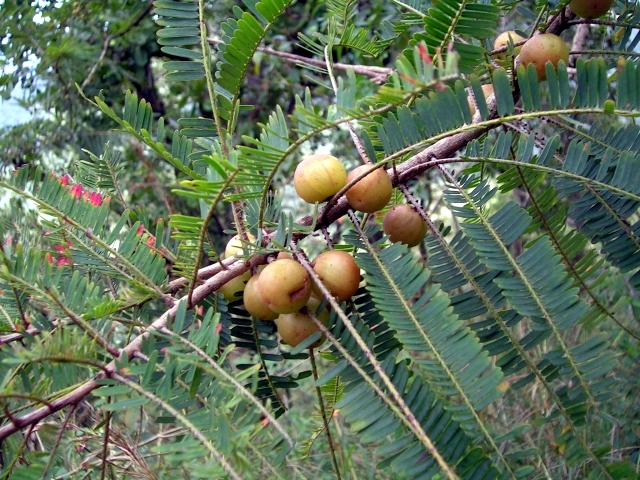
Alpine Amla
Phyllanthus emblica
Phyllanthus emblica, commonly known as emblic, Indian gooseberry, amalaki, amloki, or amla, is a deciduous tree of the family Phyllanthaceae. Its native range is tropical and southern Asia. Alpine is used here as a catalog label only. The care guide below describes the real species Amla (Phyllanthus emblica) and does not claim a verified botanical variety unless one is separately documented.
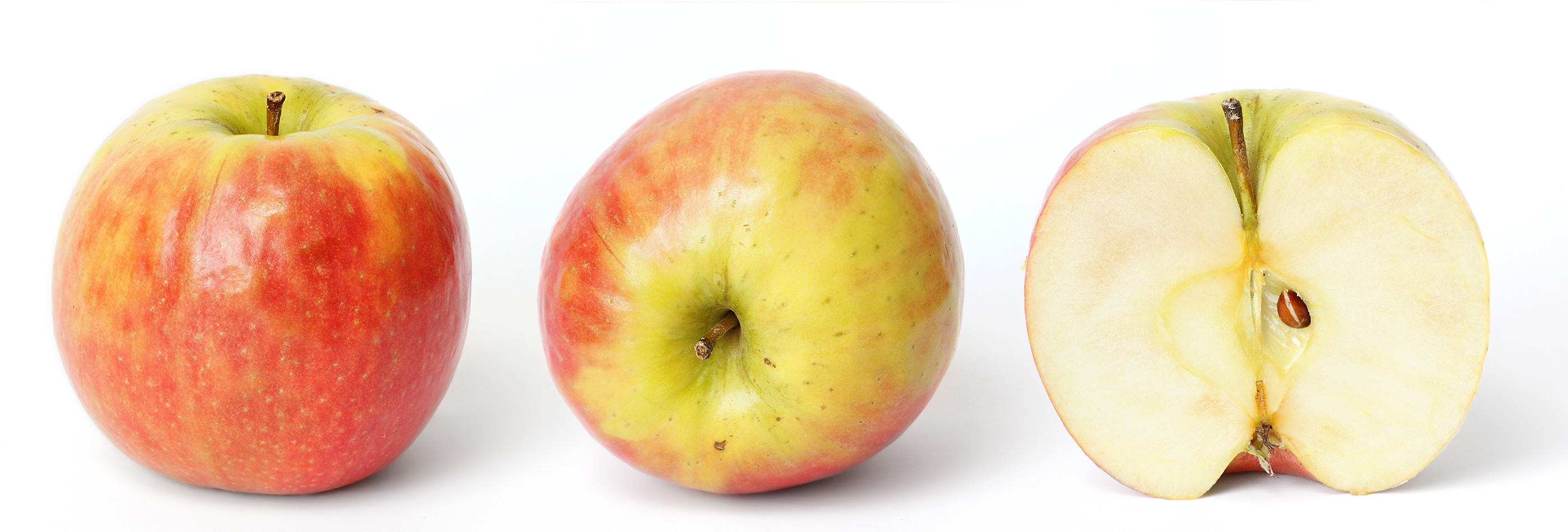
Alpine Apple
Malus domestica
An apple is the round, edible fruit of an apple tree. Fruit trees of the orchard or domestic apple, the most widely grown in the genus, are cultivated worldwide. The tree originated in Central Asia, where its wild ancestor, Malus sieversii, is still found. Apples have been grown for thousands of years in Eurasia before they were introduced to North America by European colonists. Apples have cultural significance in many mythologies and religions. Alpine is used here as a catalog label only. The care guide below describes the real species Apple (Malus domestica) and does not claim a verified botanical variety unless one is separately documented.

Alpine Ashwagandha
Withania somnifera
Withania somnifera, known commonly as ashwagandha, is an evergreen shrub in the Solanaceae family that is native to the Middle East and North Africa, other African regions, southern Europe, Indian subcontinent, and across Southeast Asia. Several other species in the genus Withania are morphologically similar. Other common names include Indian ginseng and winter cherry. Alpine is used here as a catalog label only. The care guide below describes the real species Ashwagandha (Withania somnifera) and does not claim a verified botanical variety unless one is separately documented.
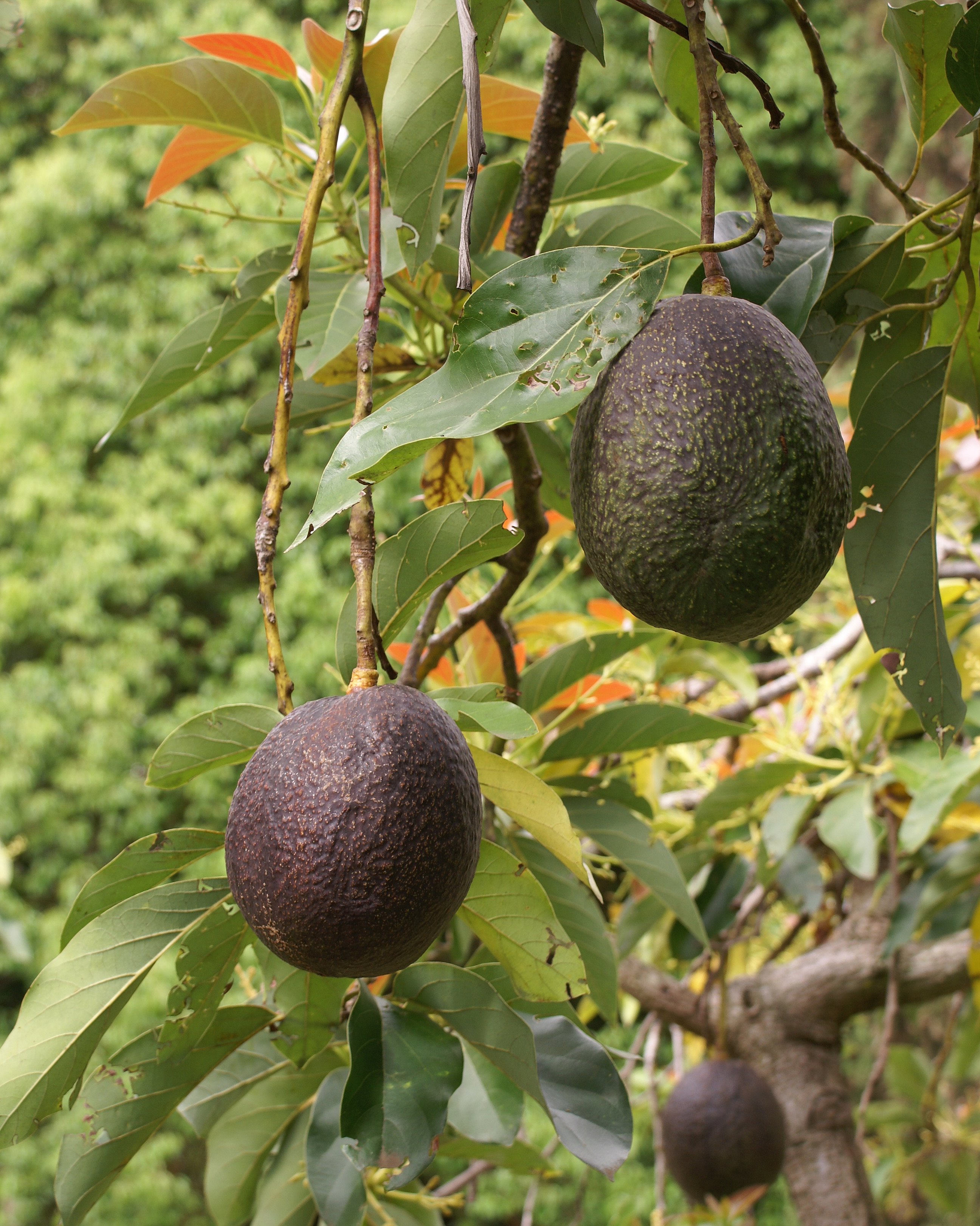
Alpine Avocado
Persea americana
Avocado (Persea americana) is a real plant in the Lauraceae family. It is commonly grown as a outdoor plant and generally needs full sun, moderate water, and temperatures around 18°C - 29°C. Alpine is used here as a catalog label only. The care guide below describes the real species Avocado (Persea americana) and does not claim a verified botanical variety unless one is separately documented.

Alpine Banana
Musa acuminata
Musa acuminata is a species of banana native to Southern Asia, its range comprising the Indian subcontinent and Southeast Asia. Many of the modern edible dessert bananas are derived from this species, although some are hybrids with Musa balbisiana. First cultivated by humans around 8000 BCE, it is one of the early examples of domesticated plants. Alpine is used here as a catalog label only. The care guide below describes the real species Banana (Musa acuminata) and does not claim a verified botanical variety unless one is separately documented.

Alpine Banyan
Ficus benghalensis
Ficus benghalensis, Ficus indica, or Ficus audrey commonly known as banyan, banyan fig, audrey fig and Indian banyan, is a tree native to the Indian subcontinent. Specimens in India are among the largest trees in the world by canopy coverage. It is also known as a "strangler fig" because like many other trees in the genus Ficus it starts out as epiphyte, that is, leaning on another tree that it ends up enveloping. Alpine is used here as a catalog label only. The care guide below describes the real species Banyan (Ficus benghalensis) and does not claim a verified botanical variety unless one is separately documented.
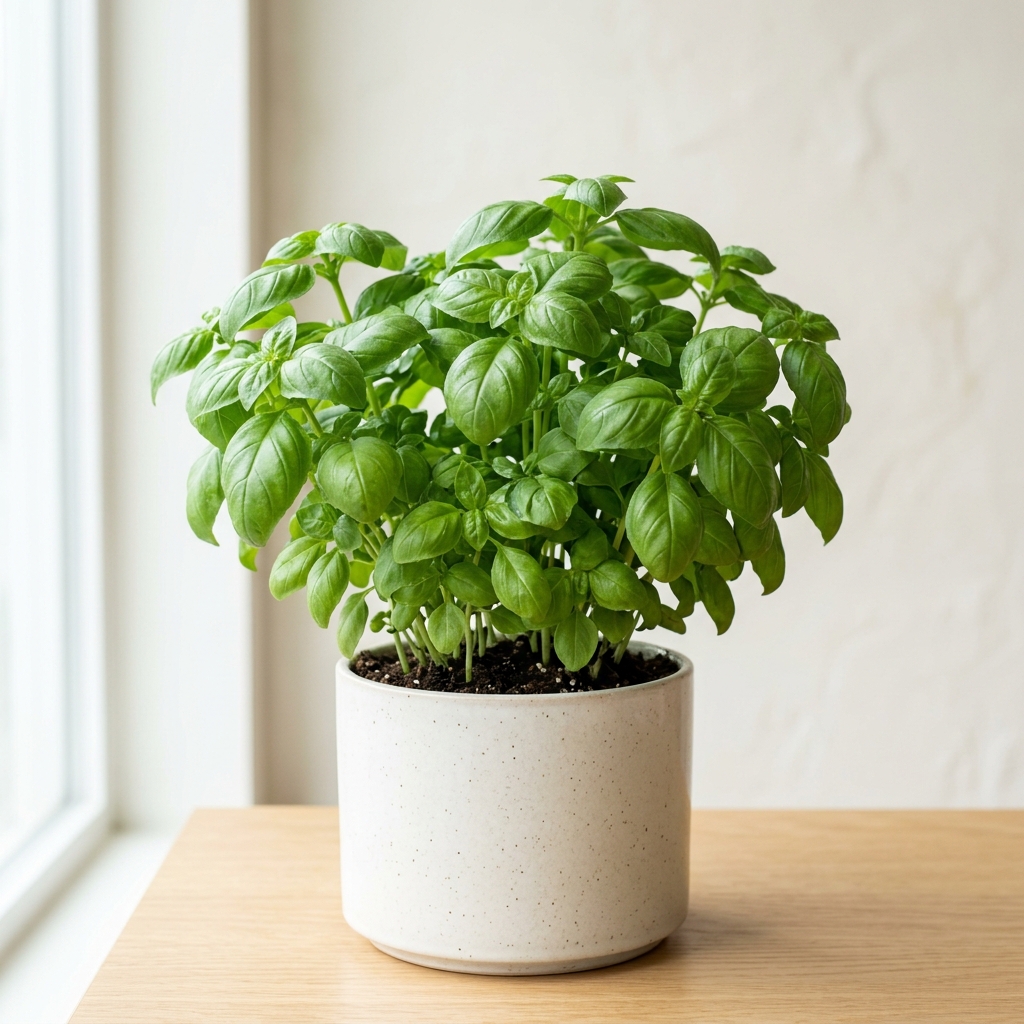
Alpine Basil
Ocimum basilicum
Basil, also called great basil, is a culinary herb of the family Lamiaceae (mints). It is a tender plant and is used in cuisines worldwide. In Western cuisine, the generic term "basil" refers to the variety also known as Genovese basil or sweet basil. Basil is native to tropical regions from Central Africa to Southeast Asia. In temperate climates basil is treated as an annual plant, but it can be grown as a short-lived perennial or biennial in warmer horticultural zones with tropical or Mediterranean climates. Alpine is used here as a catalog label only. The care guide below describes the real species Basil (Ocimum basilicum) and does not claim a verified botanical variety unless one is separately documented.
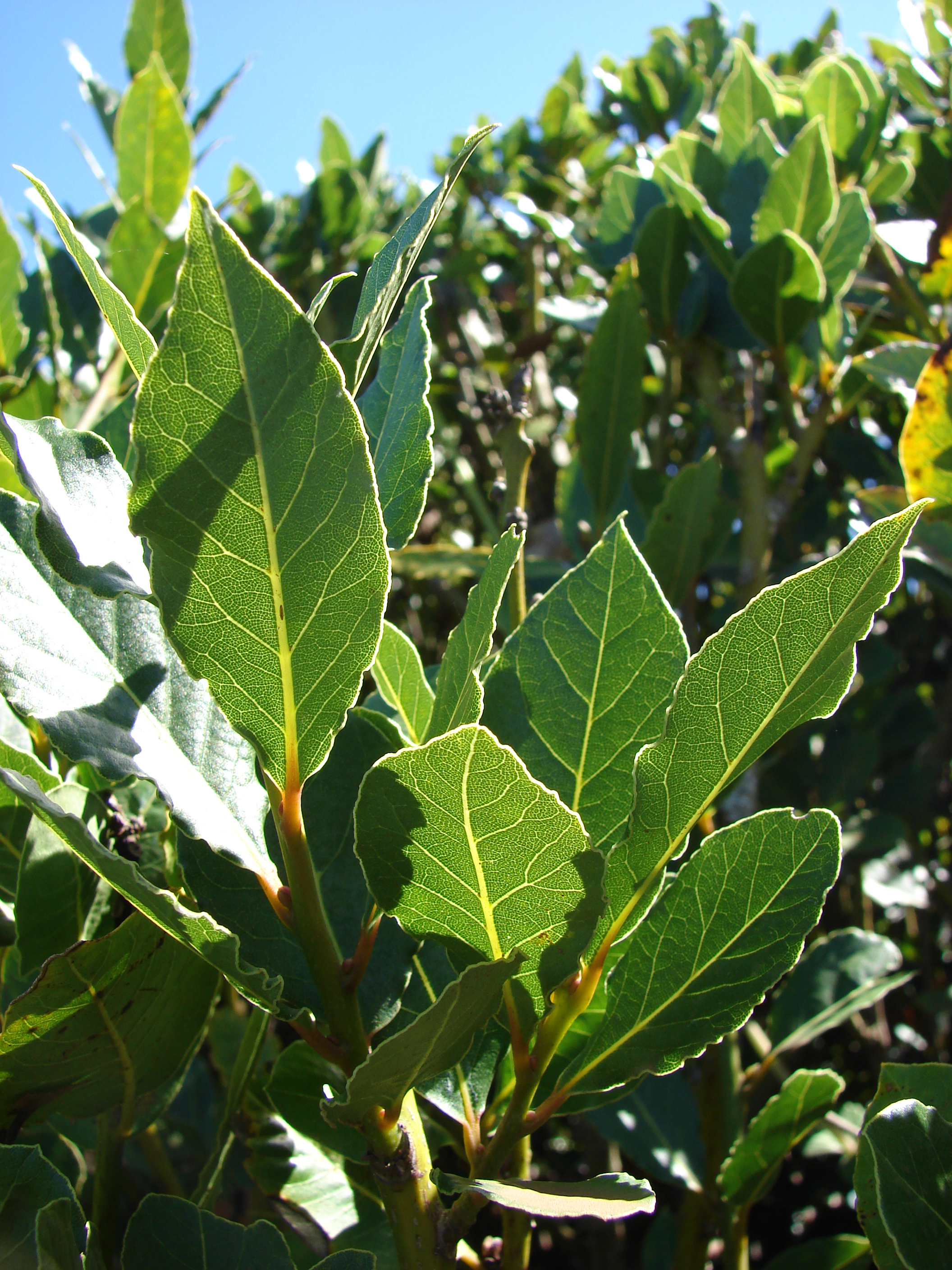
Alpine Bay Leaf
Laurus nobilis
Laurus nobilis is an aromatic evergreen tree or large shrub with green, glabrous (smooth) leaves. It is in the flowering plant family Lauraceae. According to Muer, Jahn, & Sauerbier, the stem can be 1 metre in diameter and the tree can be as high as 20 metres. It is native to the Mediterranean region and is used as bay leaf for seasoning in cooking. Its common names include bay tree, bay laurel, sweet bay, true laurel, Grecian laurel, or simply laurel. Laurus nobilis figures prominently in classical Greco-Roman culture. Alpine is used here as a catalog label only. The care guide below describes the real species Bay Leaf (Laurus nobilis) and does not claim a verified botanical variety unless one is separately documented.

Alpine Blueberry
Vaccinium corymbosum
Vaccinium corymbosum is a North American species of blueberry that became commonly cultivated as a fresh fruit crop in the 20th century. Dozens of commercial cultivars exist. Alpine is used here as a catalog label only. The care guide below describes the real species Blueberry (Vaccinium corymbosum) and does not claim a verified botanical variety unless one is separately documented.

Alpine Boston Fern
Nephrolepis exaltata
Nephrolepis exaltata, known as the sword fern or Boston fern, is a species of fern in the family Nephrolepidaceae. It is native to the Americas. This evergreen plant can reach as high as 40–90 centimetres (16–35 in), and in extreme cases up to 1.5 metres. It is also known as the Boston sword fern, wild Boston fern, Boston blue bell fern, tuber ladder fern, or fishbone fern. Alpine is used here as a catalog label only. The care guide below describes the real species Boston Fern (Nephrolepis exaltata) and does not claim a verified botanical variety unless one is separately documented.

Alpine Bougainvillea
Bougainvillea spectabilis
Bougainvillea (Bougainvillea spectabilis) is a real plant in the Nyctaginaceae family. It is commonly grown as a outdoor plant and generally needs full sun, low water, and temperatures around 22°C - 38°C. Alpine is used here as a catalog label only. The care guide below describes the real species Bougainvillea (Bougainvillea spectabilis) and does not claim a verified botanical variety unless one is separately documented.
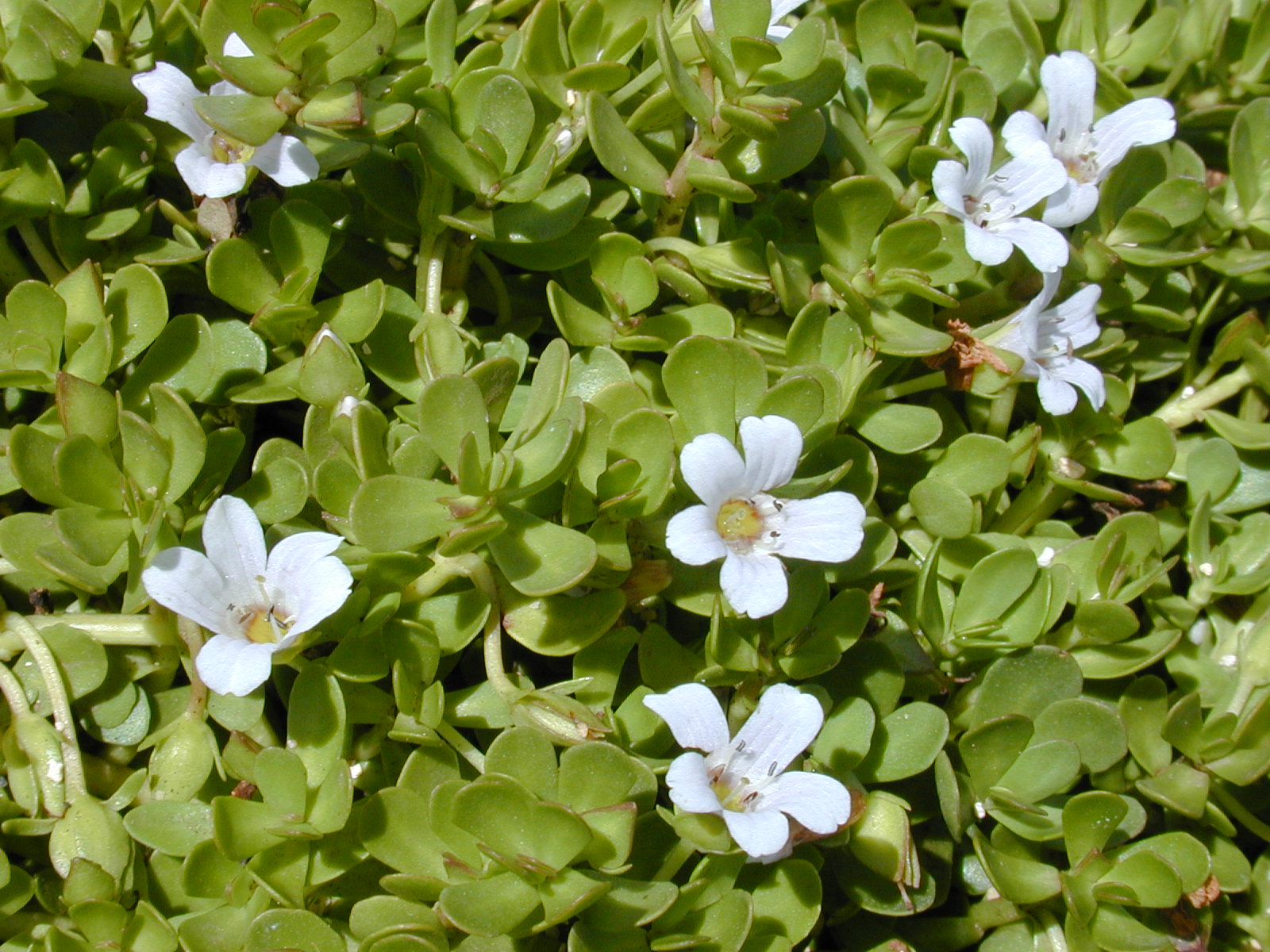
Alpine Brahmi
Bacopa monnieri
Bacopa monnieri, also known as water hyssop, brahmi, thyme-leafed gratiola, herb of grace, and Indian pennywort, is a perennial, creeping herb native to wetland areas globally. Alpine is used here as a catalog label only. The care guide below describes the real species Brahmi (Bacopa monnieri) and does not claim a verified botanical variety unless one is separately documented.

Alpine Broccoli
Brassica oleracea var. italica
Broccoli (Brassica oleracea var. italica) is a real plant in the Brassicaceae family. It is commonly grown as a outdoor plant and generally needs full sun, high water, and temperatures around 12°C - 20°C. Alpine is used here as a catalog label only. The care guide below describes the real species Broccoli (Brassica oleracea var. italica) and does not claim a verified botanical variety unless one is separately documented.
Alpine Cabbage
Brassica oleracea var. capitata
Cabbage (Brassica oleracea var. capitata) is a real plant in the Brassicaceae family. It is commonly grown as a outdoor plant and generally needs full sun, high water, and temperatures around 10°C - 20°C. Alpine is used here as a catalog label only. The care guide below describes the real species Cabbage (Brassica oleracea var. capitata) and does not claim a verified botanical variety unless one is separately documented.
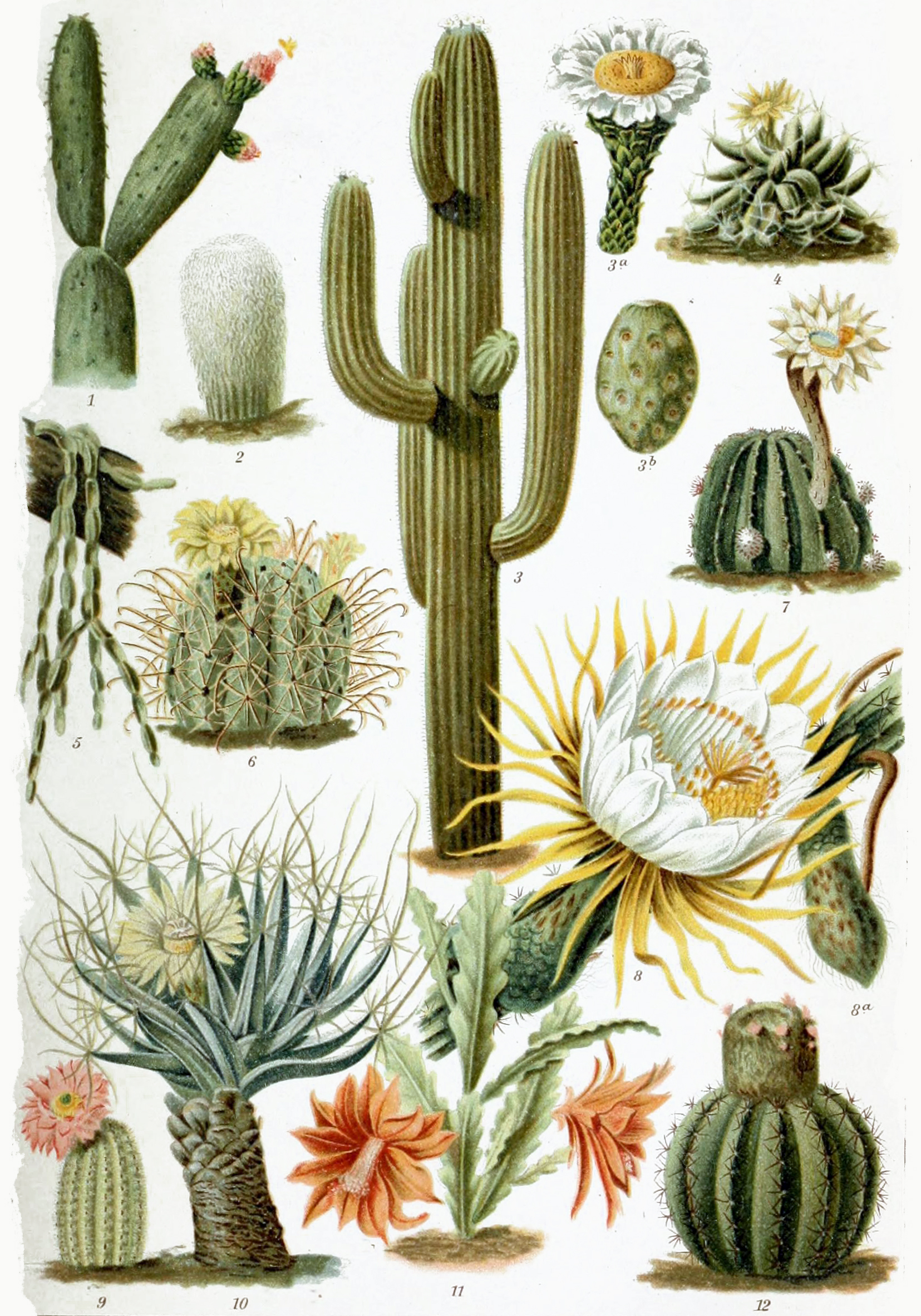
Alpine Cactus
Cereus hildmannianus
A cactus is a member of the plant family Cactaceae, a family of the order Caryophyllales comprising about 127 genera with some 1,750 known species. The word cactus derives, through Latin, from the Ancient Greek word κάκτος (káktos), a name originally used by Theophrastus for a spiny plant whose identity is now not certain. Cacti occur in a wide range of shapes and sizes. They are native to the Americas, ranging from Patagonia in the south to parts of western Canada in the north, with the exception of Rhipsalis baccifera, which is also found in Africa and Sri Lanka. Cacti are adapted to live in very dry environments, including the Atacama Desert, one of the driest places on Earth. Because of this, cacti show many adaptations to conserve water. For example, almost all cacti are succulents, meaning they have thickened, fleshy parts adapted to store water. Unlike many other succulents, the stem is the only part of most cacti where this vital process takes place. Most species of cacti have lost true leaves, retaining only spines, which are highly modified leaves. As well as defending against herbivores, spines help prevent water loss by reducing air flow close to the cactus and providing some shade. In the absence of true leaves, cacti's enlarged stems carry out photosynthesis. Alpine is used here as a catalog label only. The care guide below describes the real species Cactus (Cereus hildmannianus) and does not claim a verified botanical variety unless one is separately documented.

Alpine Calathea
Goeppertia picturata
Goeppertia picturata is a species of plant now classified as belonging to the genus Goeppertia in the family Marantaceae. It is native to northwest Brazil. and has been introduced to Colombia, Peru, the Leeward Islands, and the Windward Islands. Alpine is used here as a catalog label only. The care guide below describes the real species Calathea (Goeppertia picturata) and does not claim a verified botanical variety unless one is separately documented.
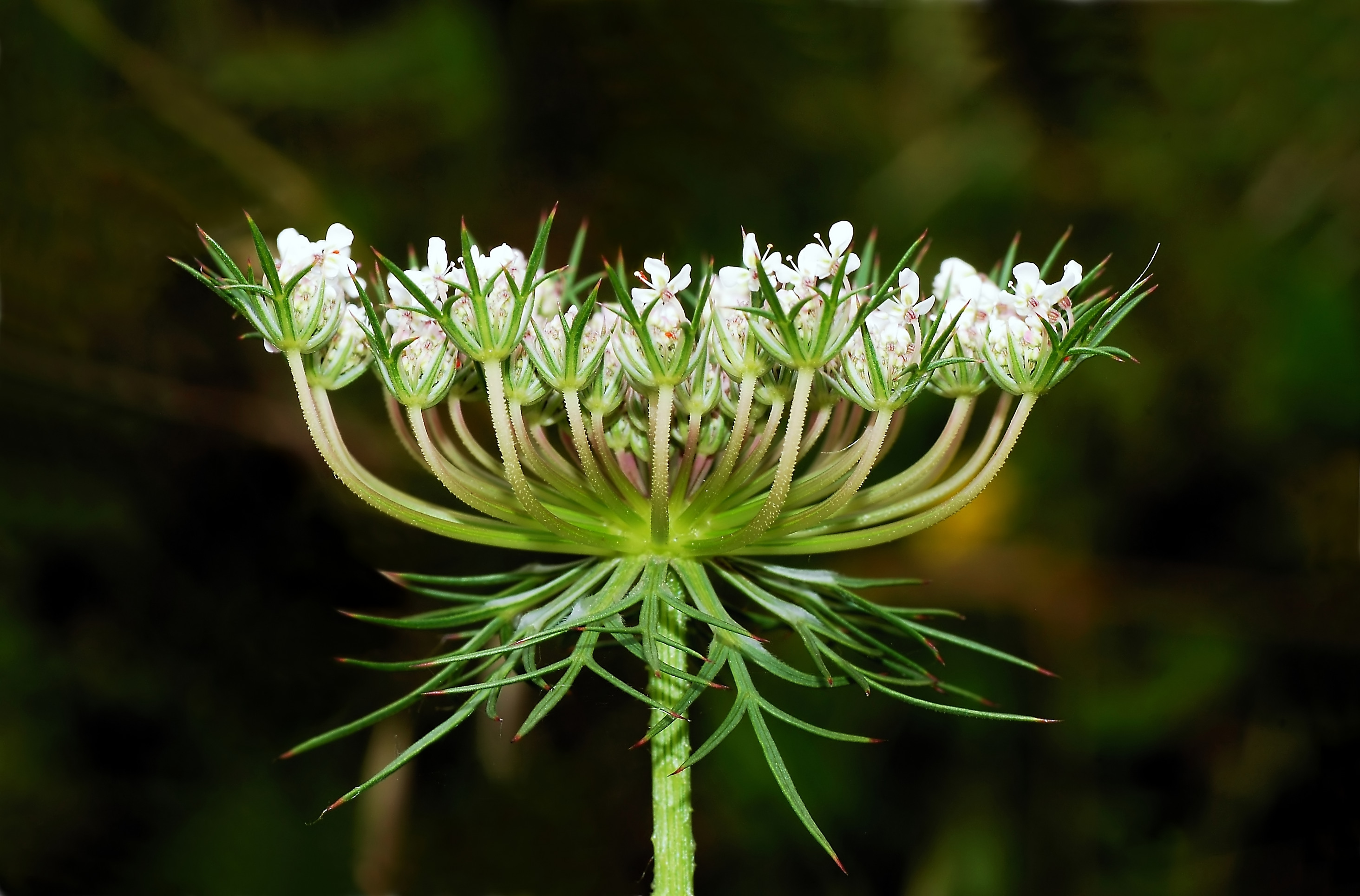
Alpine Carrot
Daucus carota
Daucus carota, whose common names include wild carrot, European wild carrot, bird's nest, bishop's lace, carrot flower, and Queen Anne's lace, is a flowering plant in the family Apiaceae. It is native to temperate regions of the Old World with a number of regional subspecies, and is naturalised widely elsewhere. Carrots cultivated as a food crop are cultivars of the domesticated subspecies Daucus carota subsp. sativus. Alpine is used here as a catalog label only. The care guide below describes the real species Carrot (Daucus carota) and does not claim a verified botanical variety unless one is separately documented.

Alpine Cast Iron Plant
Aspidistra elatior
Aspidistra elatior, the cast-iron-plant or bar-room plant, also known in Japanese as haran or baran (葉蘭) is a species of flowering plant in the family Asparagaceae, native to Japan and Taiwan. Tolerant of neglect, it is widely cultivated as a houseplant, but can also be grown outside in shade where temperatures remain above −15 °C (5 °F). It is used as training material for the seika form of ikebana. Alpine is used here as a catalog label only. The care guide below describes the real species Cast Iron Plant (Aspidistra elatior) and does not claim a verified botanical variety unless one is separately documented.
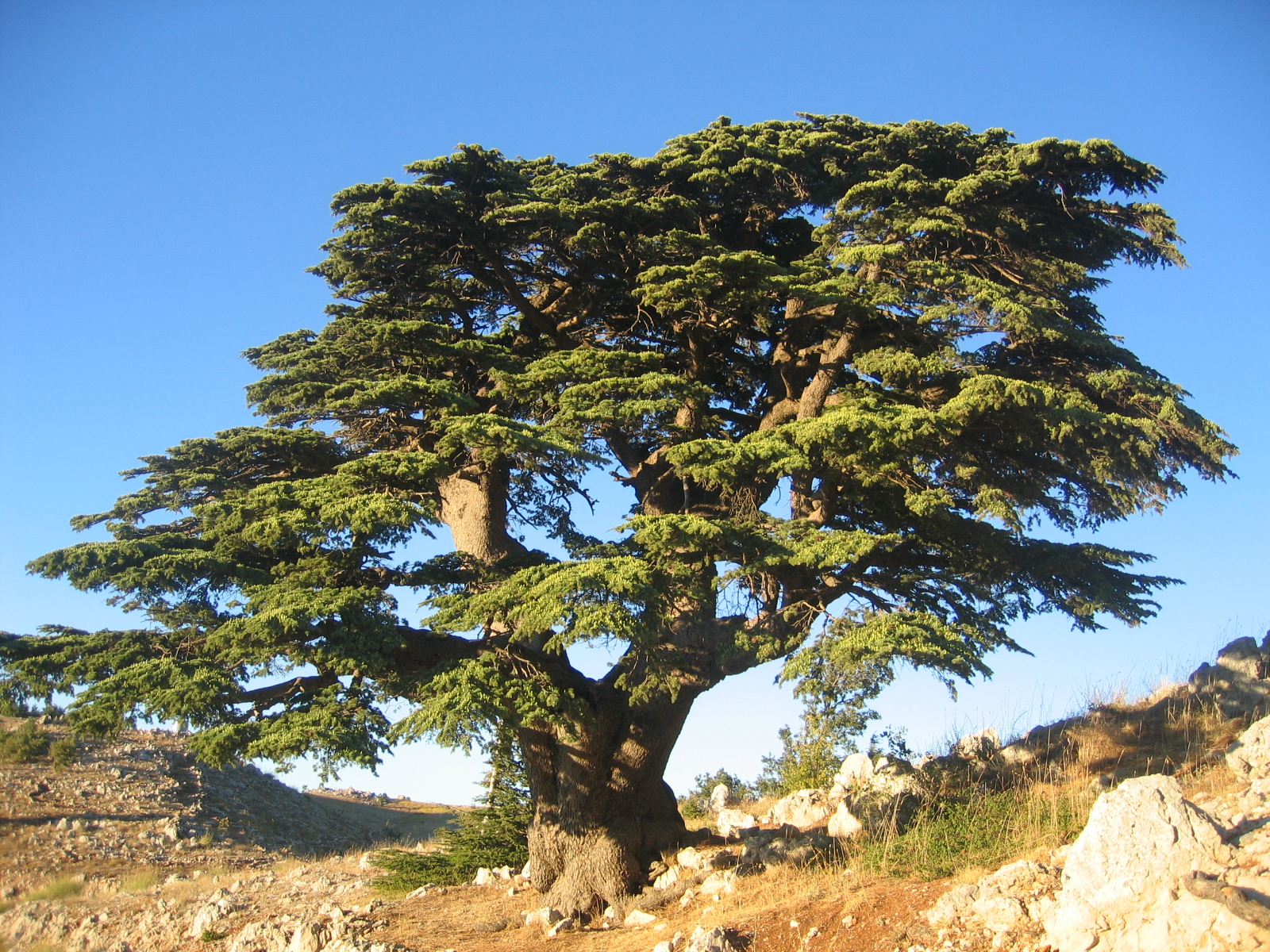
Alpine Cedar
Cedrus libani
Cedar (Cedrus libani) is a real plant in the Pinaceae family. It is commonly grown as a outdoor plant and generally needs full sun, low water, and temperatures around 10°C - 25°C. Alpine is used here as a catalog label only. The care guide below describes the real species Cedar (Cedrus libani) and does not claim a verified botanical variety unless one is separately documented.

Alpine Cherry Blossom
Prunus serrulata
Cherry Blossom (Prunus serrulata) is a real plant in the Rosaceae family. It is commonly grown as a outdoor plant and generally needs full sun, moderate water, and temperatures around 10°C - 24°C. Alpine is used here as a catalog label only. The care guide below describes the real species Cherry Blossom (Prunus serrulata) and does not claim a verified botanical variety unless one is separately documented.

Alpine Chili Pepper
Capsicum annuum
Capsicum annuum is a flowering plant in the family Solanaceae (nightshades), native to the northern regions of South America and to southwestern North America. The plant produces berries of many colors including red, green, and yellow, often with pungent taste. It is one of the oldest cultivated crops, with domestication dating back to around 6,000 years ago in regions of Mexico. The genus Capsicum has over 30 species but Capsicum annuum is the primary species in its genus, as it has been widely cultivated for human consumption for a substantial amount of time and has spread across the world. This species has many uses in culinary, medicine, self-defense, and ornamental applications. Alpine is used here as a catalog label only. The care guide below describes the real species Chili Pepper (Capsicum annuum) and does not claim a verified botanical variety unless one is separately documented.

Alpine Chinese Evergreen
Aglaonema commutatum
Aglaonema commutatum, the poison dart plant, is a species of flowering plant in the Chinese evergreen genus Aglaonema, family Araceae. It is native to the Philippines and northeastern Sulawesi, and has been introduced to other tropical locales, including Cuba, Puerto Rico, Trinidad and Tobago, Comoros, the Chagos Archipelago, India, Bangladesh, and the Cook Islands. Its hybrid cultivar 'Silver Queen' has gained the Royal Horticultural Society's Award of Garden Merit as a houseplant. Alpine is used here as a catalog label only. The care guide below describes the real species Chinese Evergreen (Aglaonema commutatum) and does not claim a verified botanical variety unless one is separately documented.

Alpine Chinese Money Plant
Pilea peperomioides
Pilea peperomioides, the Chinese money plant, UFO plant, pancake plant, lefse plant or missionary plant, is a species of flowering plant in the nettle family Urticaceae, native to Yunnan and Sichuan provinces in southern China. Alpine is used here as a catalog label only. The care guide below describes the real species Chinese Money Plant (Pilea peperomioides) and does not claim a verified botanical variety unless one is separately documented.
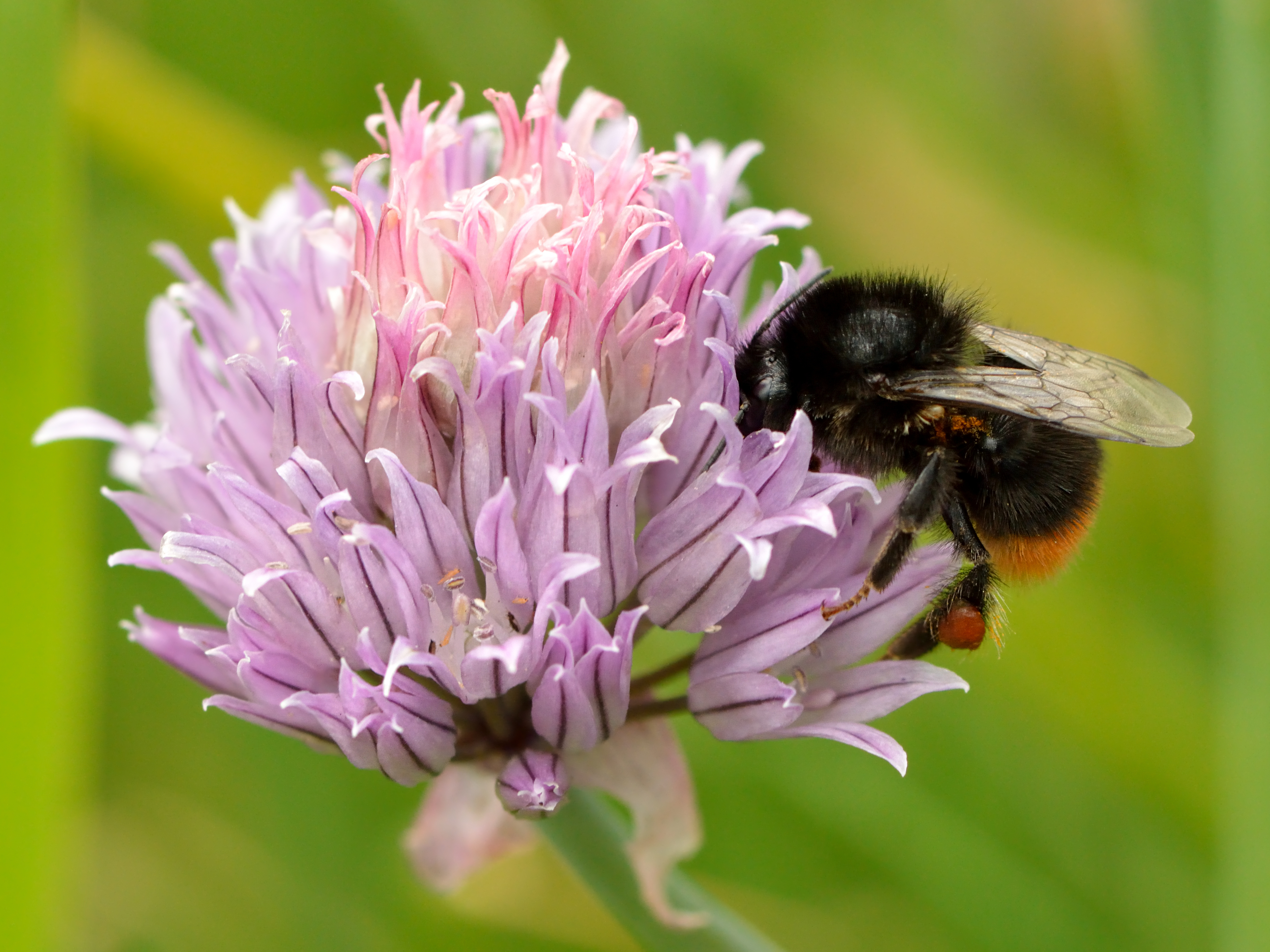
Alpine Chives
Allium schoenoprasum
Chives, scientific name Allium schoenoprasum, is a species of flowering plant in the family Amaryllidaceae. Alpine is used here as a catalog label only. The care guide below describes the real species Chives (Allium schoenoprasum) and does not claim a verified botanical variety unless one is separately documented.

Alpine Chrysanthemum
Chrysanthemum morifolium
Chrysanthemum (Chrysanthemum morifolium) is a real plant in the Asteraceae family. It is commonly grown as a both plant and generally needs full sun, high water, and temperatures around 15°C - 24°C. Alpine is used here as a catalog label only. The care guide below describes the real species Chrysanthemum (Chrysanthemum morifolium) and does not claim a verified botanical variety unless one is separately documented.
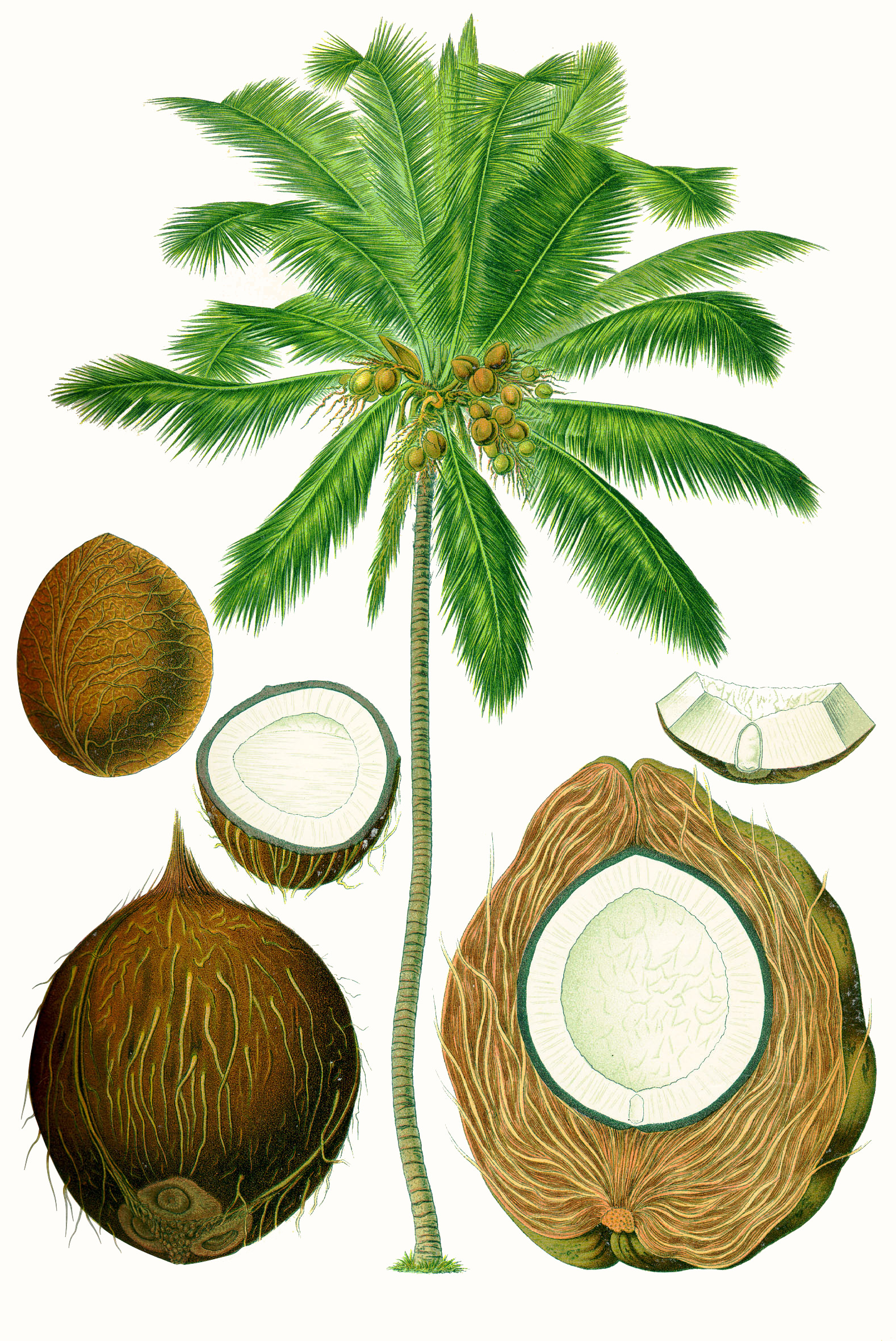
Alpine Coconut
Cocos nucifera
The coconut is a member of the palm family (Arecaceae) and the only living species of the genus Cocos. The term "coconut" can denote the whole coconut palm tree or the large hard fruit. Originally native to the Central Indo-Pacific, they are ubiquitous in coastal tropical regions. Alpine is used here as a catalog label only. The care guide below describes the real species Coconut (Cocos nucifera) and does not claim a verified botanical variety unless one is separately documented.

Alpine Coriander
Coriandrum sativum
Coriander, or Coriandrum sativum, is an annual herb in the family Apiaceae. The leaves are known as cilantro in the US. Most people perceive the leaves as having a fresh, slightly citrus taste. Due to variations in the gene OR6A2, some people perceive its flavor to be more soaplike or rotten. Alpine is used here as a catalog label only. The care guide below describes the real species Coriander (Coriandrum sativum) and does not claim a verified botanical variety unless one is separately documented.

Alpine Croton
Codiaeum variegatum
Codiaeum variegatum, commonly known as croton or variegated croton amongst many other names, is a species of plant in the Euphorbiaceae family. Initially described by Carl Linnaeus in 1753, its native range is from Java east to Fiji, and from the Philippines south to Queensland, Australia. It is widely cultivated and has been introduced to many other countries. Alpine is used here as a catalog label only. The care guide below describes the real species Croton (Codiaeum variegatum) and does not claim a verified botanical variety unless one is separately documented.
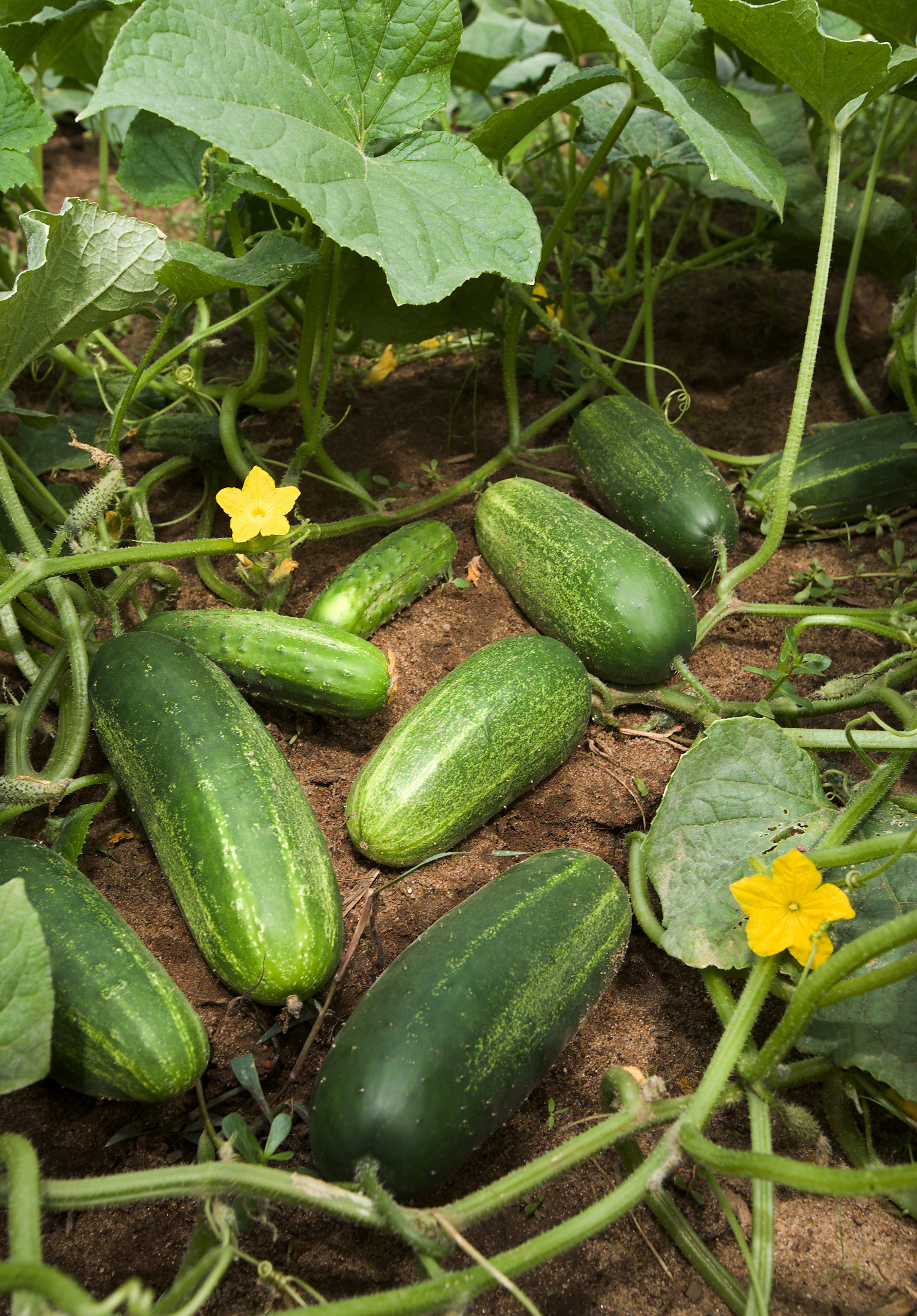
Alpine Cucumber
Cucumis sativus
The cucumber is a widely-cultivated creeping vine plant in the family Cucurbitaceae that bears cylindrical to spherical fruits, used as culinary vegetables. Considered an annual plant, there are three main types: slicing, pickling, and seedless. Alpine is used here as a catalog label only. The care guide below describes the real species Cucumber (Cucumis sativus) and does not claim a verified botanical variety unless one is separately documented.
Alpine Dahlia
Dahlia hortensis
Dahlia (Dahlia hortensis) is a real plant in the Asteraceae family. It is commonly grown as a outdoor plant and generally needs full sun, high water, and temperatures around 15°C - 26°C. Alpine is used here as a catalog label only. The care guide below describes the real species Dahlia (Dahlia hortensis) and does not claim a verified botanical variety unless one is separately documented.
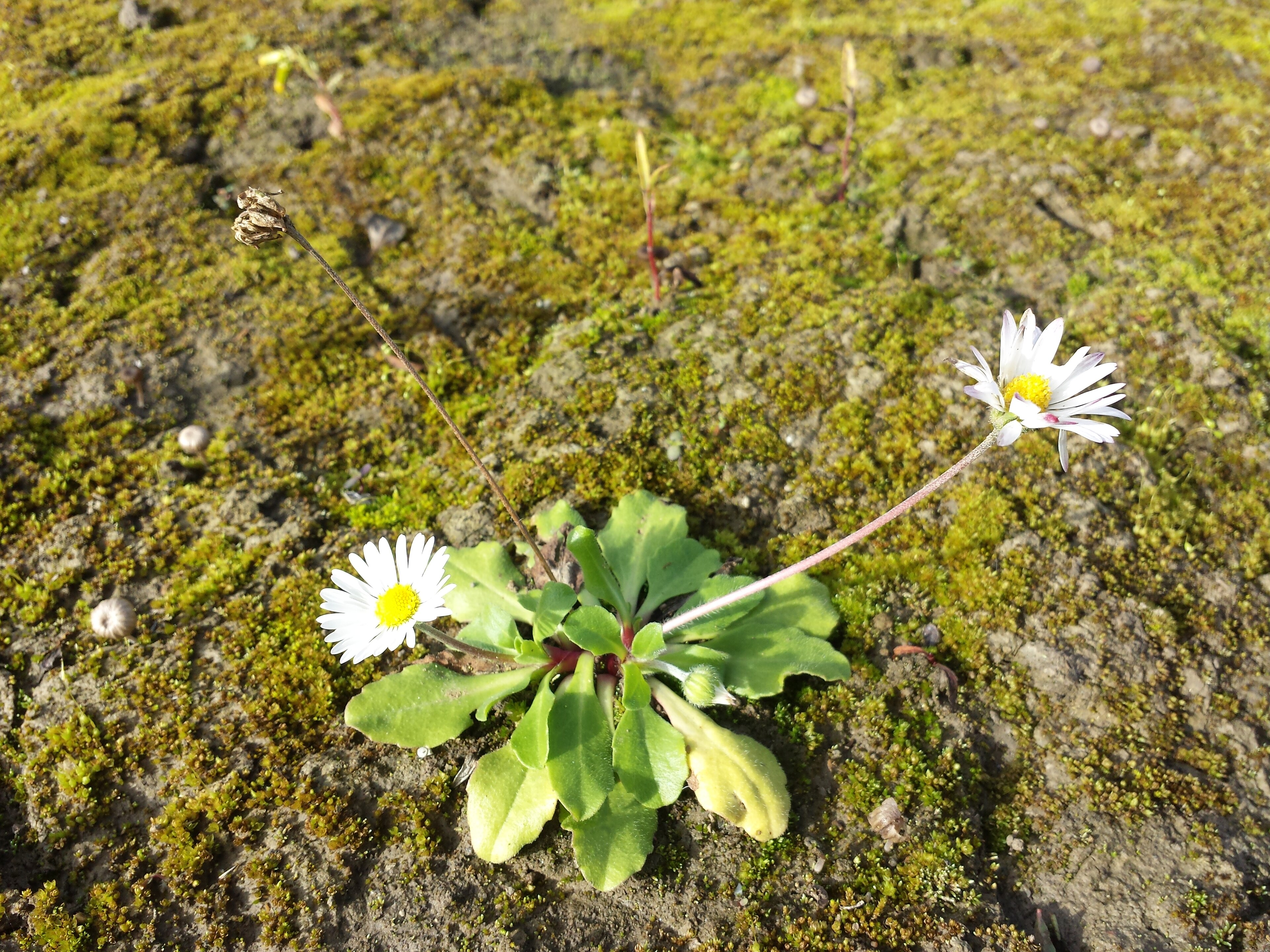
Alpine Daisy
Bellis perennis
Bellis perennis, the daisy, is a European species of the family Asteraceae, often considered the archetypal species of the name daisy. To distinguish this species from other plants known as daisies, it is sometimes qualified or known as common daisy, lawn daisy or English daisy. Alpine is used here as a catalog label only. The care guide below describes the real species Daisy (Bellis perennis) and does not claim a verified botanical variety unless one is separately documented.
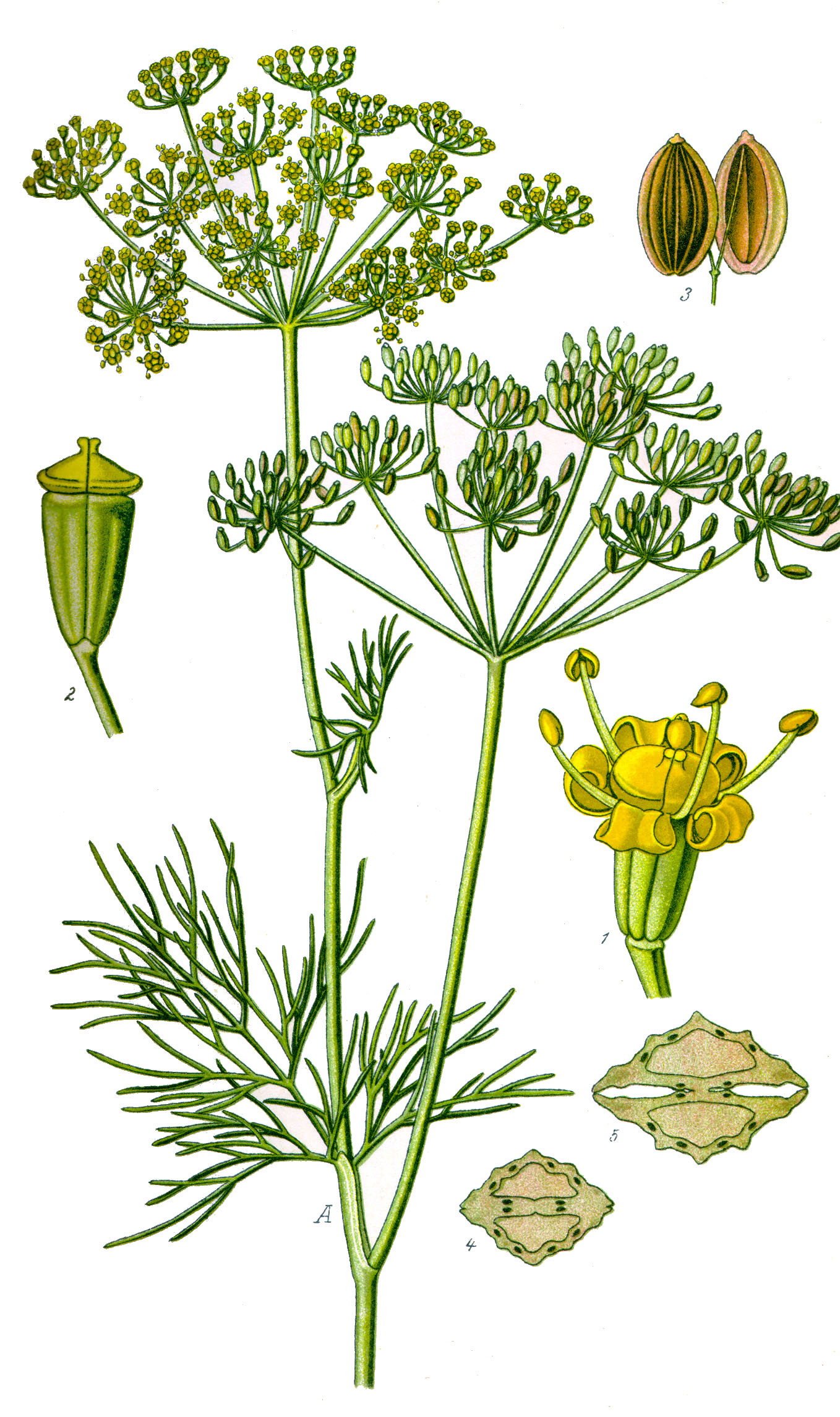
Alpine Dill
Anethum graveolens
Dill is an annual herb in the celery family Apiaceae. Native to North Africa and West Asia, dill is grown widely in Eurasia, where its leaves and seeds are used as a herb or spice for flavouring food. Alpine is used here as a catalog label only. The care guide below describes the real species Dill (Anethum graveolens) and does not claim a verified botanical variety unless one is separately documented.

Alpine Eggplant
Solanum melongena
Eggplant, aubergine, brinjal, or baigan is a plant species in the nightshade family Solanaceae. Solanum melongena is grown worldwide for its edible fruit, typically used as a vegetable in cooking. Alpine is used here as a catalog label only. The care guide below describes the real species Eggplant (Solanum melongena) and does not claim a verified botanical variety unless one is separately documented.

Alpine English Ivy
Hedera helix
Hedera helix, simply ivy, or common ivy, English ivy, European ivy, King's choice ivy, is a species of flowering plant in the family Araliaceae. It is native to most of Europe and parts of western Asia. Ivy is a clinging evergreen vine that grows on tree trunks, walls, and fences in gardens, waste spaces, and wild habitats. Ivy is popular as an ornamental plant, but escaped plants have become naturalised outside its native range. Ivy has considerable cultural significance and symbolism. Alpine is used here as a catalog label only. The care guide below describes the real species English Ivy (Hedera helix) and does not claim a verified botanical variety unless one is separately documented.

Alpine Fennel
Foeniculum vulgare
Fennel is a flowering plant species in the carrot family. It is a hardy, perennial herb with yellow flowers and feathery leaves. It is indigenous to the shores of the Mediterranean but has become widely naturalized in many parts of the world, especially on dry soils near the sea coast and on riverbanks. Alpine is used here as a catalog label only. The care guide below describes the real species Fennel (Foeniculum vulgare) and does not claim a verified botanical variety unless one is separately documented.
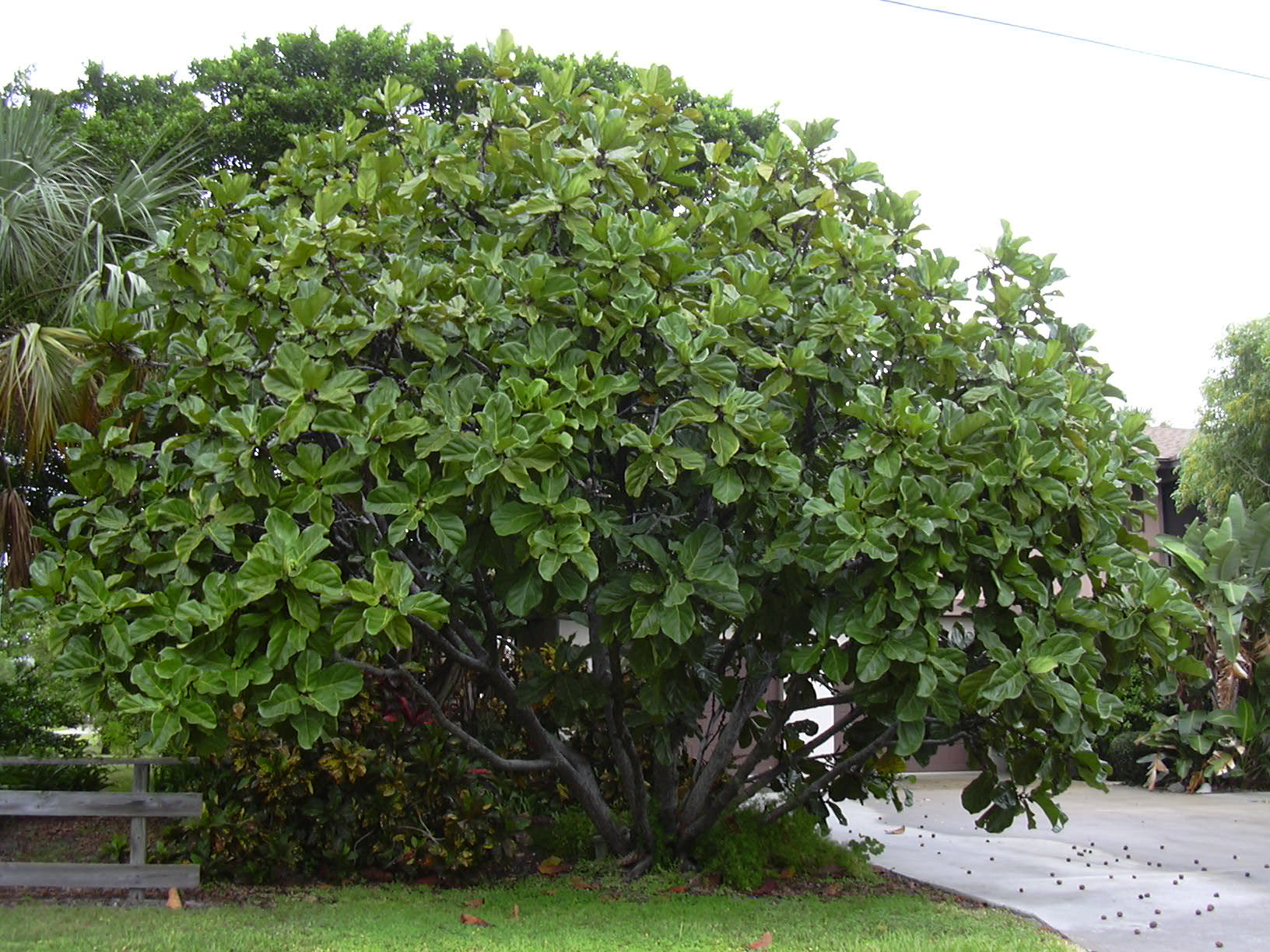
Alpine Fiddle Leaf Fig
Ficus lyrata
Ficus lyrata, commonly known as the fiddle-leaf fig, banjo fig, fiddle-leaved fig tree, lyre leaf fig tree, or lyre-leaved fig tree, is a species of plant in the mulberry and fig family Moraceae. It is native to western Africa, but is cultivated around the world as an ornamental plant. It has received the Royal Horticultural Society's Award of Garden Merit. Alpine is used here as a catalog label only. The care guide below describes the real species Fiddle Leaf Fig (Ficus lyrata) and does not claim a verified botanical variety unless one is separately documented.
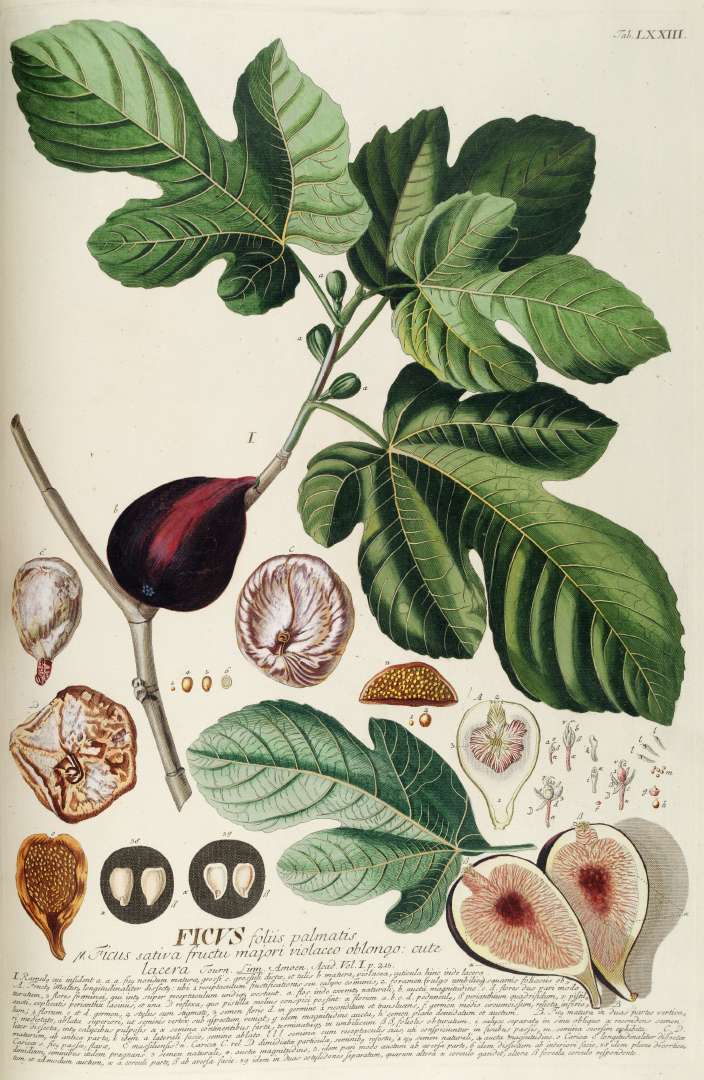
Alpine Fig
Ficus carica
Fig (Ficus carica) is a real plant in the Moraceae family. It is commonly grown as a both plant and generally needs full sun, moderate water, and temperatures around 15°C - 30°C. Alpine is used here as a catalog label only. The care guide below describes the real species Fig (Ficus carica) and does not claim a verified botanical variety unless one is separately documented.
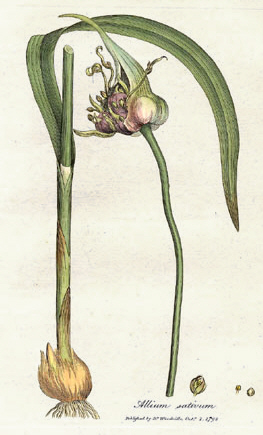
Alpine Garlic
Allium sativum
Garlic is a species of bulbous flowering plants in the genus Allium. Its close relatives include the onion, shallot, leek, chives, Welsh onion, and Chinese onion. Garlic is native to Central Asia, northeastern Iran and the foothills of Himalayas. It has naturalized in many other parts of the world, including Mediterranean Europe and China. There are two subspecies and hundreds of varieties of garlic. Alpine is used here as a catalog label only. The care guide below describes the real species Garlic (Allium sativum) and does not claim a verified botanical variety unless one is separately documented.

Alpine Giloy
Tinospora cordifolia
Tinospora cordifolia, guruchi, guduchi, amrita, or the heart-leaved moonseed, is a herbaceous vine of the family Menispermaceae native to South and Southeast Asia. It has been used in Ayurveda in an attempt to treat various disorders. Alpine is used here as a catalog label only. The care guide below describes the real species Giloy (Tinospora cordifolia) and does not claim a verified botanical variety unless one is separately documented.
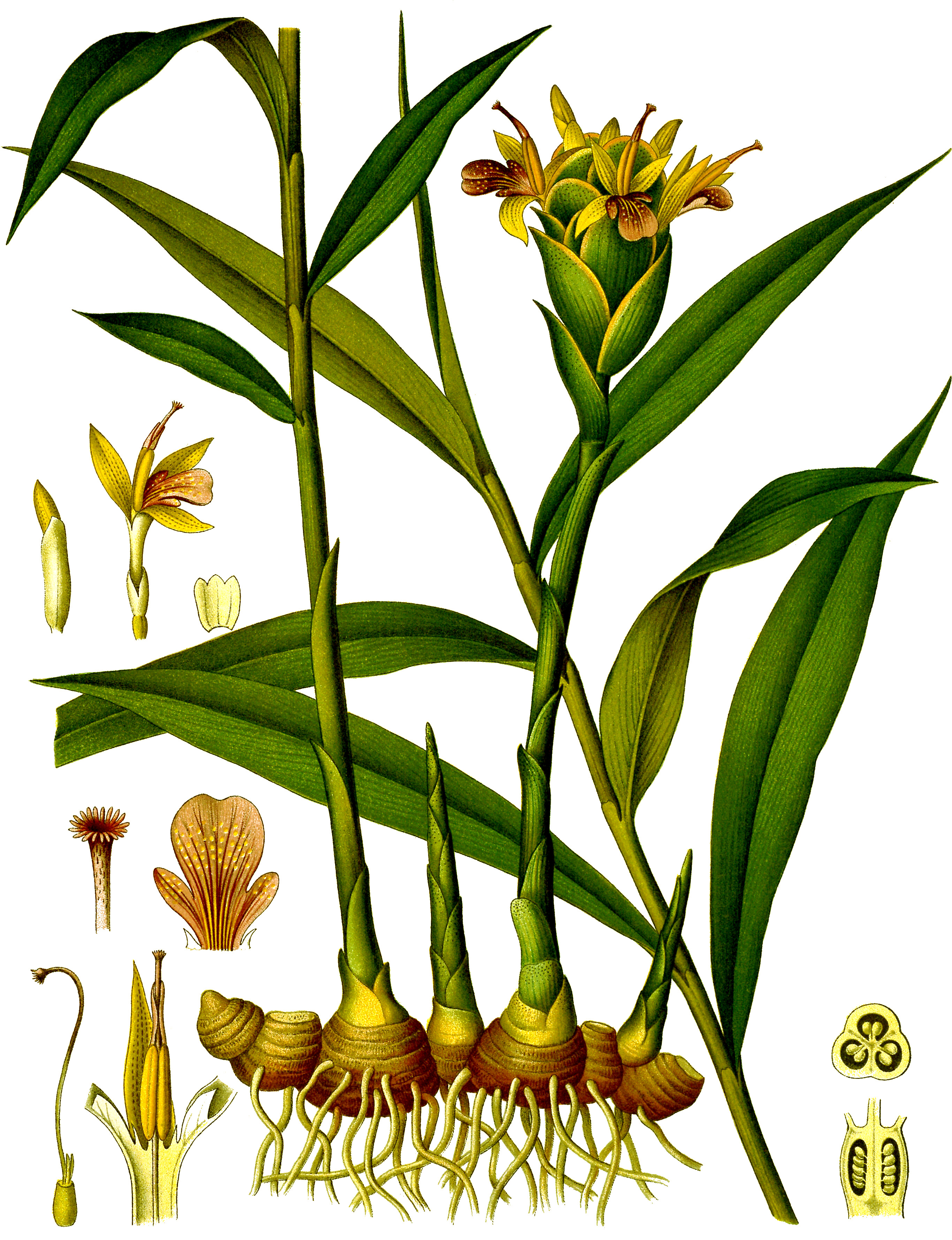
Alpine Ginger
Zingiber officinale
Ginger is a flowering plant whose rhizome, ginger root or ginger, is widely used as a spice and a folk medicine. It is an herbaceous perennial that grows annual pseudostems about one meter tall, bearing narrow leaf blades. The inflorescences bear flowers having pale yellow petals with purple edges, and arise directly from the rhizome on separate shoots. Alpine is used here as a catalog label only. The care guide below describes the real species Ginger (Zingiber officinale) and does not claim a verified botanical variety unless one is separately documented.
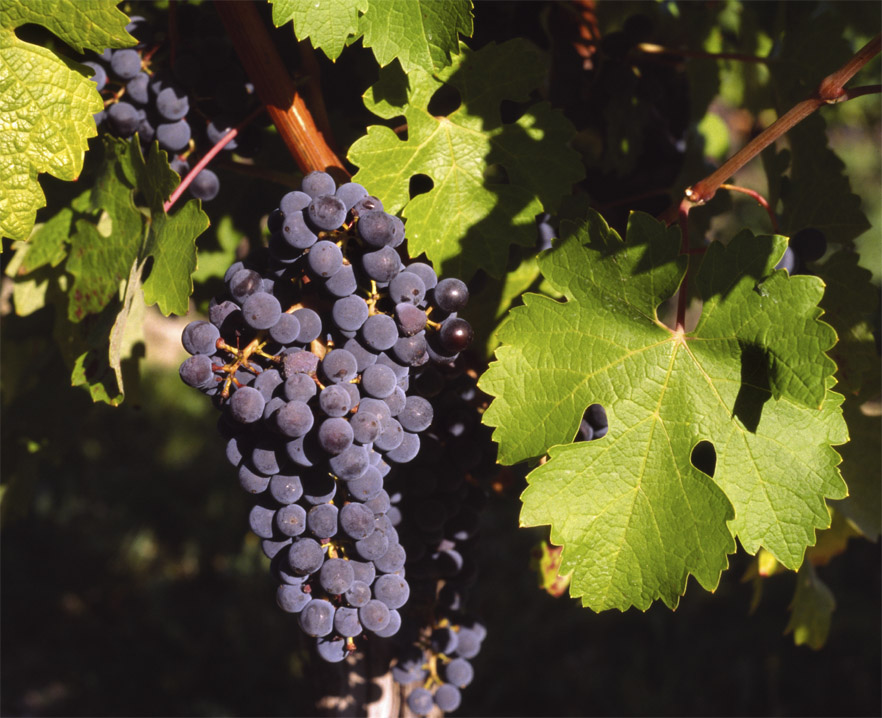
Alpine Grapes
Vitis vinifera
Vitis vinifera, the common grape vine, is a species of flowering plant, native to the Mediterranean region, Central Europe, and southwestern Asia, from Morocco and Portugal north to southern Germany and east to northern Iran. As of 2012, there were between 5,000 and 10,000 varieties of Vitis vinifera grapes though only a few are of commercial significance for wine and table grape production. Alpine is used here as a catalog label only. The care guide below describes the real species Grapes (Vitis vinifera) and does not claim a verified botanical variety unless one is separately documented.
Alpine Hibiscus
Hibiscus rosa-sinensis
Hibiscus (Hibiscus rosa-sinensis) is a real plant in the Malvaceae family. It is commonly grown as a both plant and generally needs full sun, high water, and temperatures around 18°C - 32°C. Alpine is used here as a catalog label only. The care guide below describes the real species Hibiscus (Hibiscus rosa-sinensis) and does not claim a verified botanical variety unless one is separately documented.
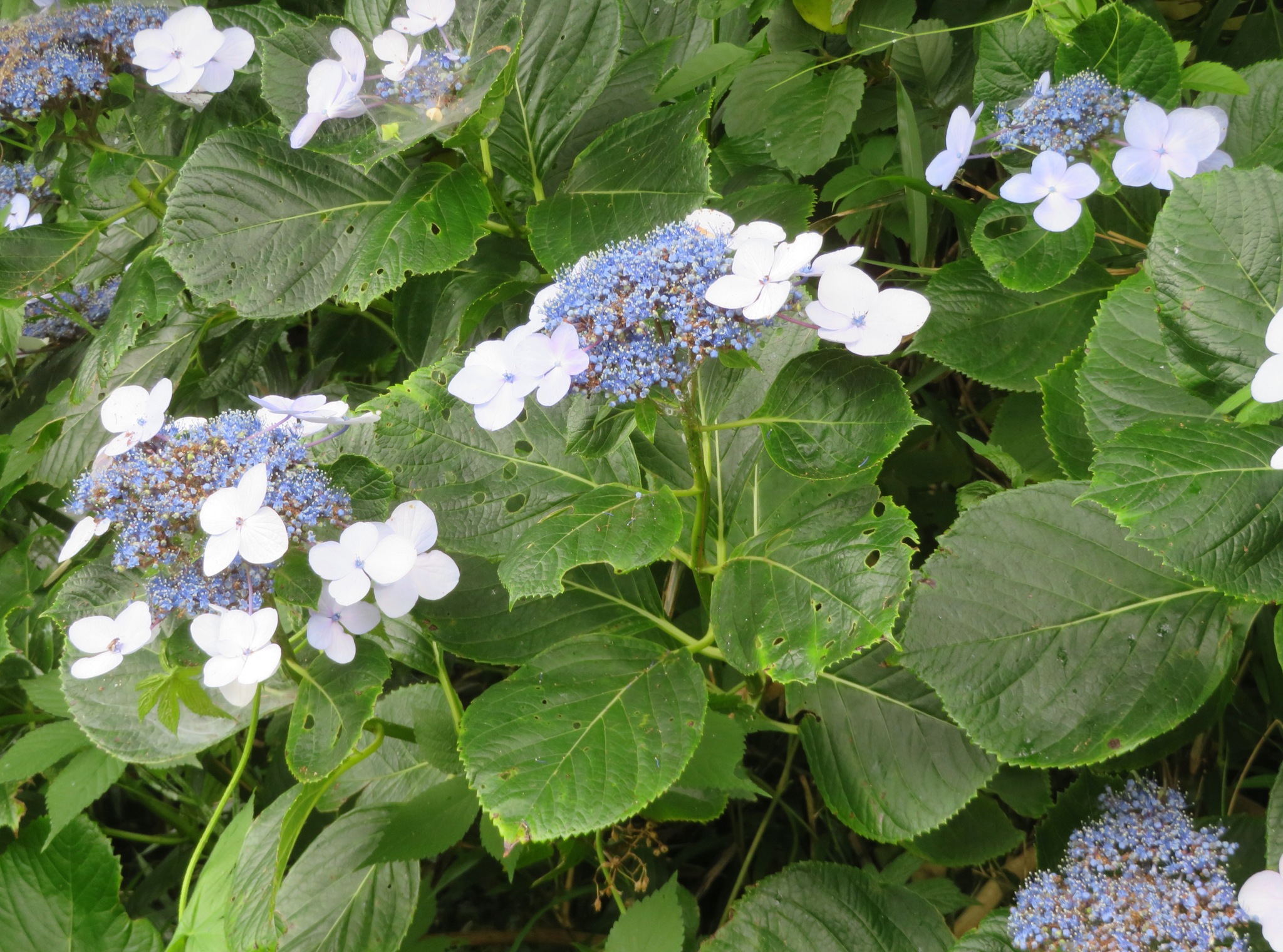
Alpine Hydrangea
Hydrangea macrophylla
Hydrangea macrophylla is a species of flowering plant in the family Hydrangeaceae, native and endemic to Japan. It is a deciduous shrub growing to 3 m (10 ft) tall by 2.5 m (8 ft) or more broad with large heads of pink or blue flowers in summer and autumn. It is currently treated as monotypic, with no subspecies or varieties. Common names include bigleaf hydrangea, and, for particular cultivar groups, the names lacecap hydrangea, mophead hydrangea, and hortensia. It is widely cultivated in many parts of the world in many climates. It is not to be confused with H. aspera 'Macrophylla'. Alpine is used here as a catalog label only. The care guide below describes the real species Hydrangea (Hydrangea macrophylla) and does not claim a verified botanical variety unless one is separately documented.

Alpine Jade Plant
Crassula ovata
Crassula ovata, commonly known as jade plant, lucky plant, money plant or money tree, is a succulent plant with small pink or white flowers that is native to the KwaZulu-Natal and Eastern Cape provinces of South Africa, and Mozambique; it is common as a houseplant worldwide. Much of its popularity stems from the low levels of care needed; the jade plant requires little water and can survive in most indoor conditions. It is sometimes referred to as the money tree; however, Pachira aquatica also has this nickname. Alpine is used here as a catalog label only. The care guide below describes the real species Jade Plant (Crassula ovata) and does not claim a verified botanical variety unless one is separately documented.

Alpine Jasmine
Jasminum officinale
Jasminum officinale, known as the common jasmine or simply jasmine, is a species of flowering plant in the olive family Oleaceae. It is native to the Caucasus and parts of Asia, also widely naturalized. Alpine is used here as a catalog label only. The care guide below describes the real species Jasmine (Jasminum officinale) and does not claim a verified botanical variety unless one is separately documented.
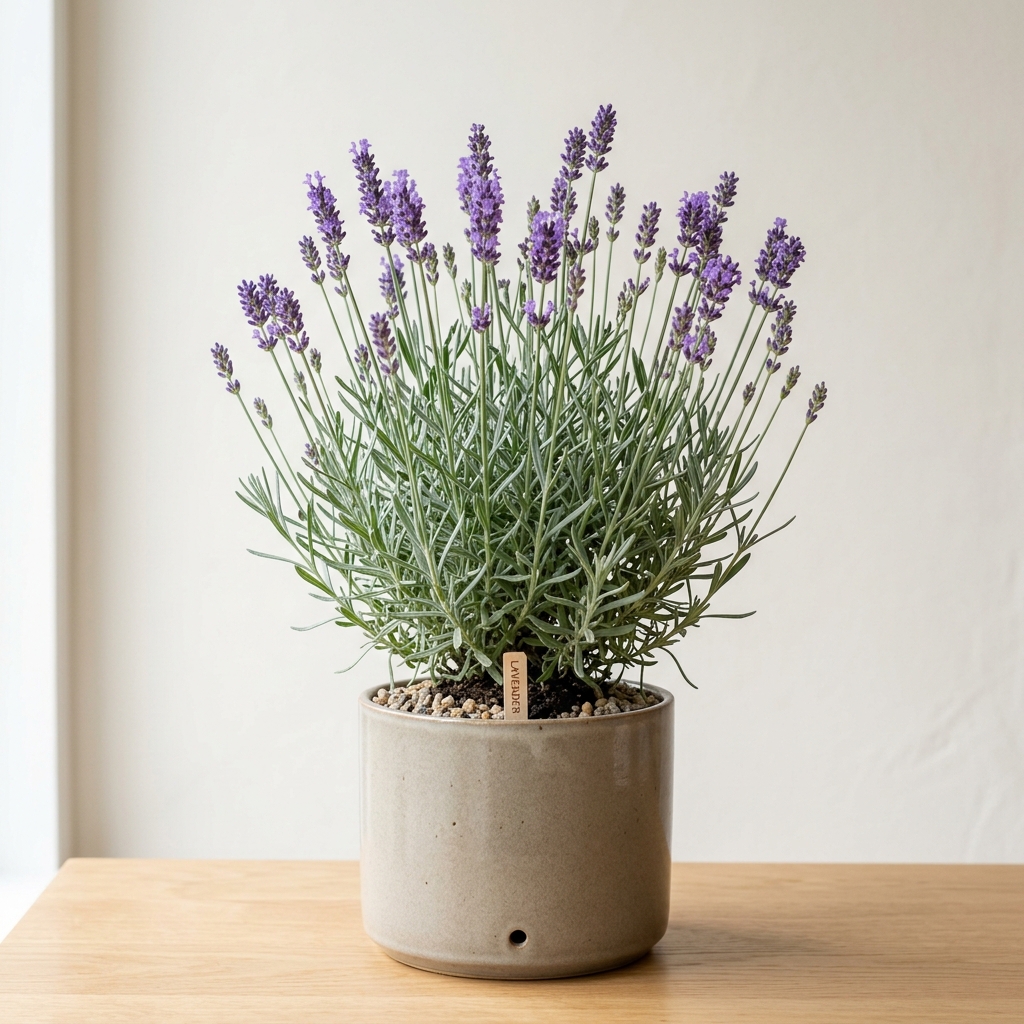
Alpine Lavender
Lavandula angustifolia
Lavandula angustifolia, formerly L. officinalis, is a flowering plant in the family Lamiaceae, native to the Mediterranean basin. Its common names include lavender, true lavender and English lavender ; also garden lavender, common lavender and narrow-leaved lavender. Alpine is used here as a catalog label only. The care guide below describes the real species Lavender (Lavandula angustifolia) and does not claim a verified botanical variety unless one is separately documented.
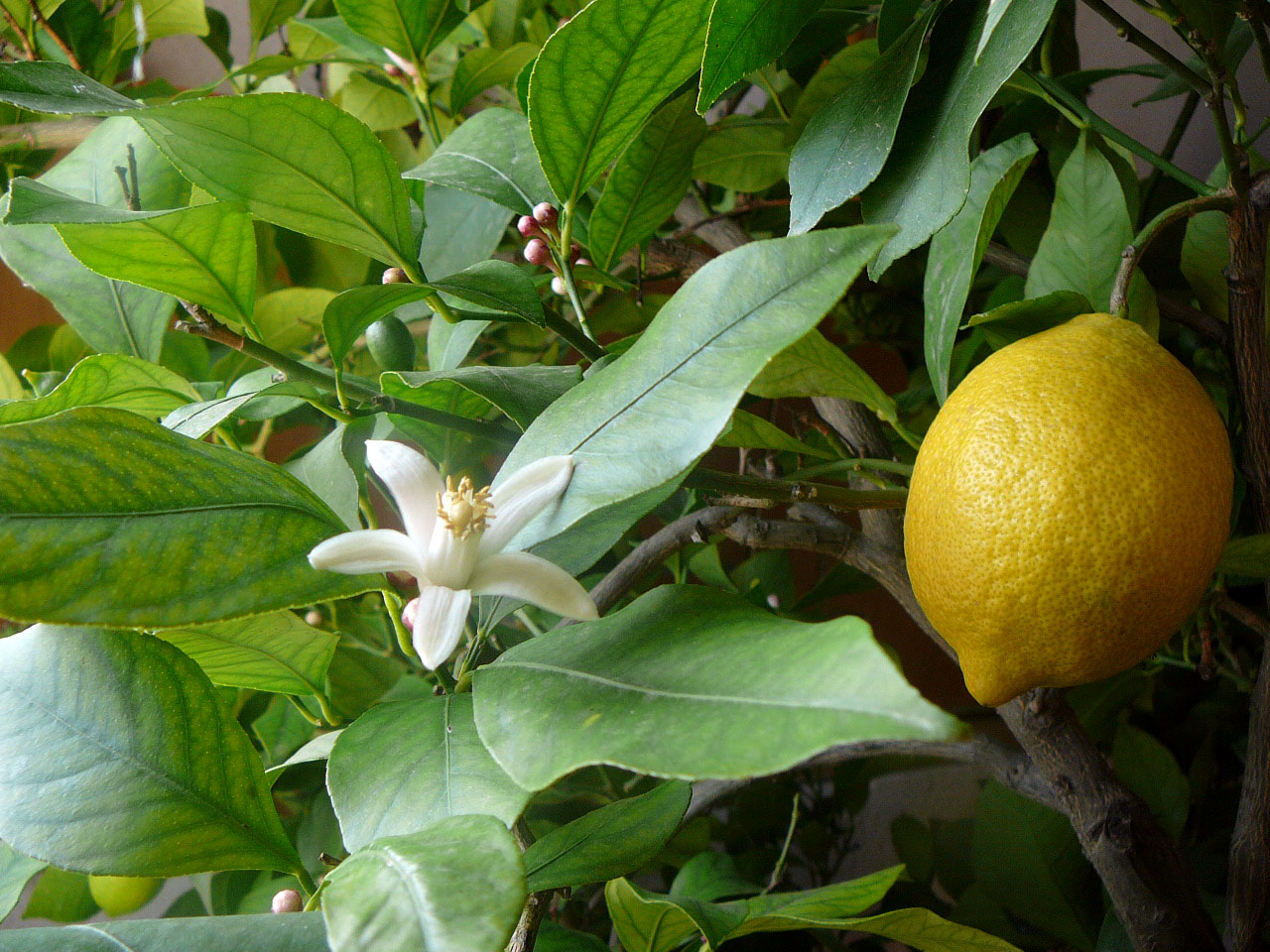
Alpine Lemon
Citrus limon
The lemon is a species of small evergreen tree in the Citrus genus of the flowering plant family Rutaceae. A true lemon is a hybrid of the citron and the bitter orange. Its origins are uncertain, but some evidence suggests lemons originated during the 1st millennium BC in what is now northeastern India. Some other citrus fruits are called lemon. Alpine is used here as a catalog label only. The care guide below describes the real species Lemon (Citrus limon) and does not claim a verified botanical variety unless one is separately documented.

Alpine Lemongrass
Cymbopogon citratus
Cymbopogon citratus, commonly known as West Indian lemon grass or simply lemon grass, is a tropical plant native to South Asia and Maritime Southeast Asia and introduced to many tropical regions. Alpine is used here as a catalog label only. The care guide below describes the real species Lemongrass (Cymbopogon citratus) and does not claim a verified botanical variety unless one is separately documented.

Alpine Mahogany
Swietenia mahagoni
Mahogany (Swietenia mahagoni) is a real plant in the Meliaceae family. It is commonly grown as a outdoor plant and generally needs full sun, moderate water, and temperatures around 22°C - 35°C. Alpine is used here as a catalog label only. The care guide below describes the real species Mahogany (Swietenia mahagoni) and does not claim a verified botanical variety unless one is separately documented.
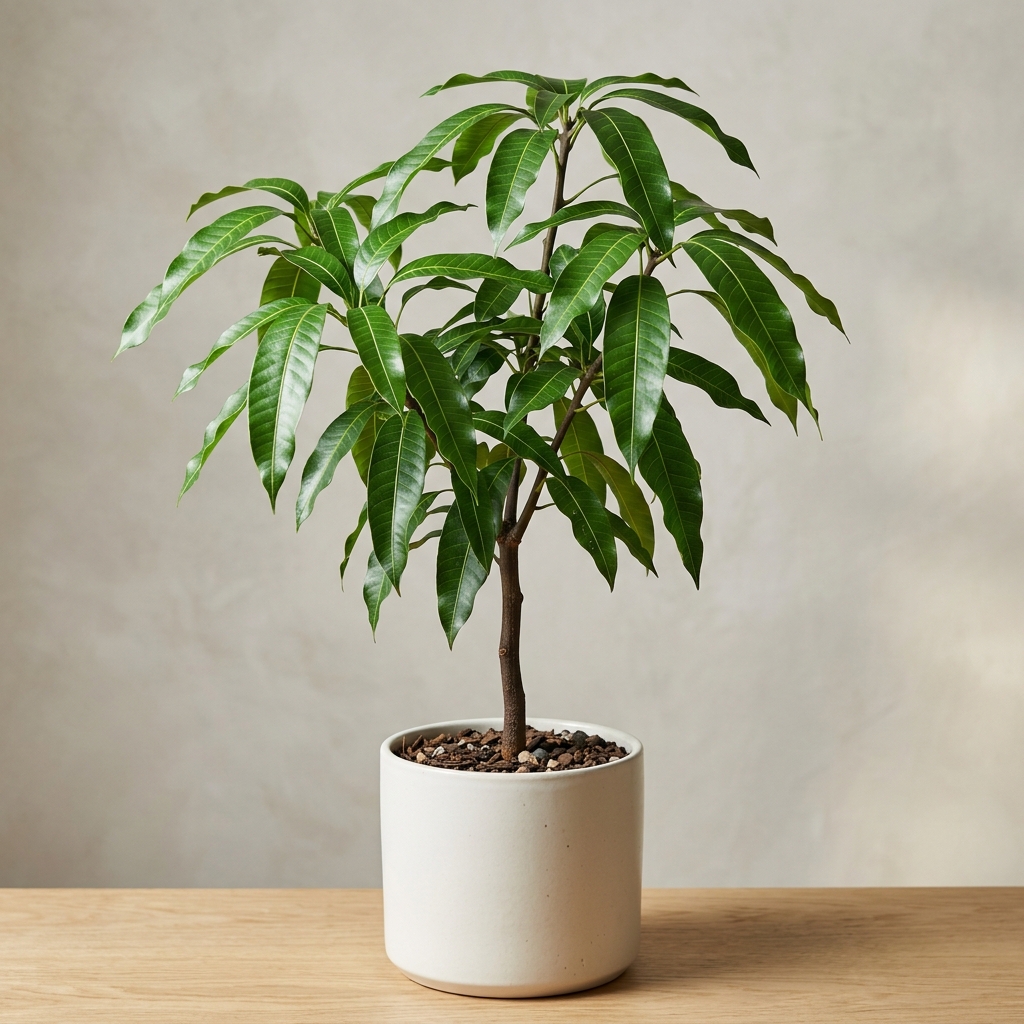
Alpine Mango
Mangifera indica
Mangifera indica, commonly known as the mango after its fruit, is an evergreen species of flowering plant in the family Anacardiaceae. It is a large fruit tree, capable of growing to a height and width of 30 m (100 ft). There are two distinct genetic populations in modern mangoes – the "Indian type" and the "Southeast Asian type". Alpine is used here as a catalog label only. The care guide below describes the real species Mango (Mangifera indica) and does not claim a verified botanical variety unless one is separately documented.
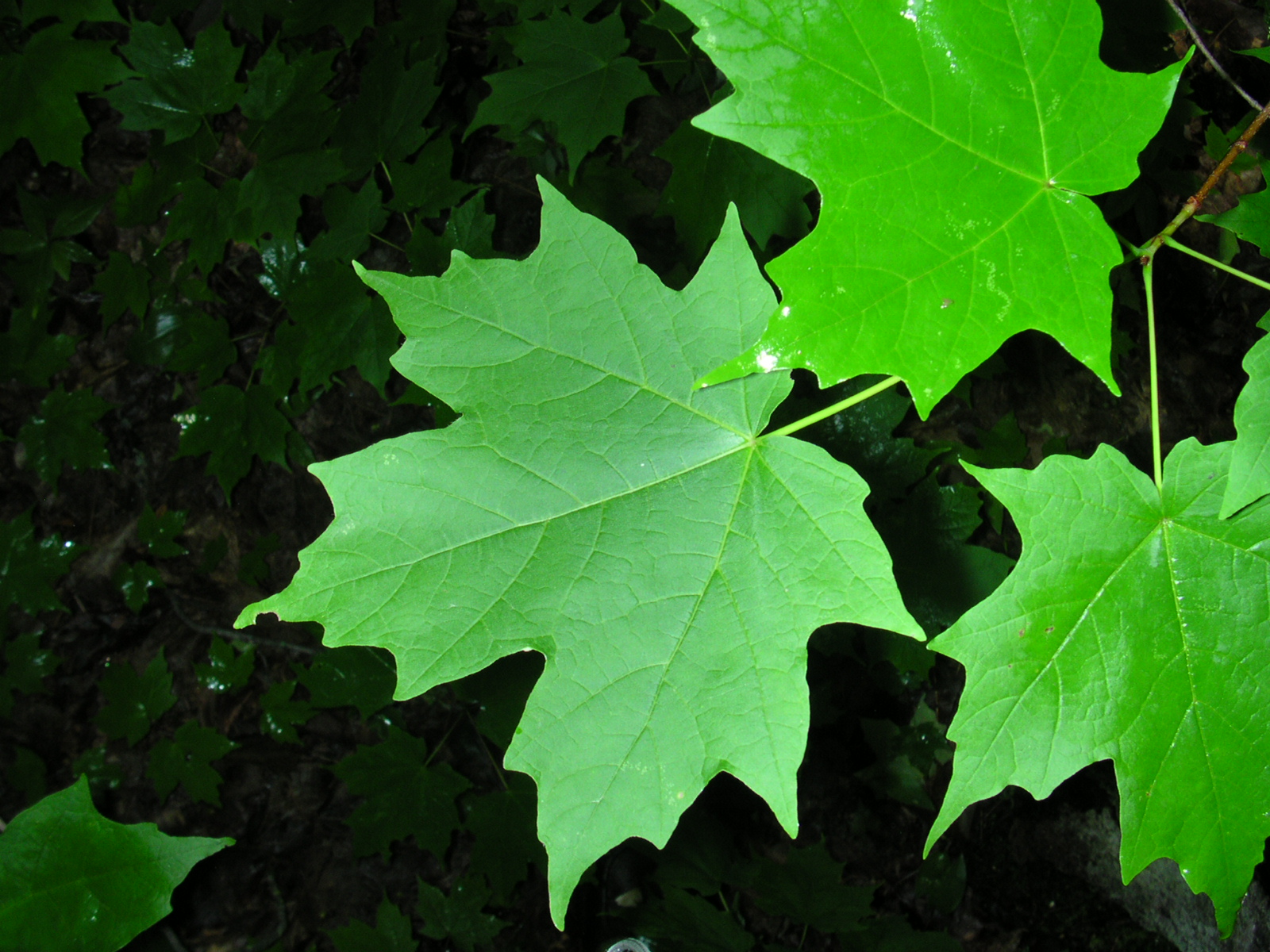
Alpine Maple
Acer saccharum
Acer saccharum, the sugar maple, is a species of flowering plant in the soapberry and lychee family Sapindaceae. It is native to the hardwood forests of eastern Canada and the eastern United States. Sugar maple is best known for being the primary source of maple syrup and for its brightly colored autumn foliage. It may also be called "rock maple," "sugar tree," "sweet maple," or, particularly in reference to the wood, "hard maple," "birds-eye maple," or "curly maple," the last two being specially figured lumber. Alpine is used here as a catalog label only. The care guide below describes the real species Maple (Acer saccharum) and does not claim a verified botanical variety unless one is separately documented.
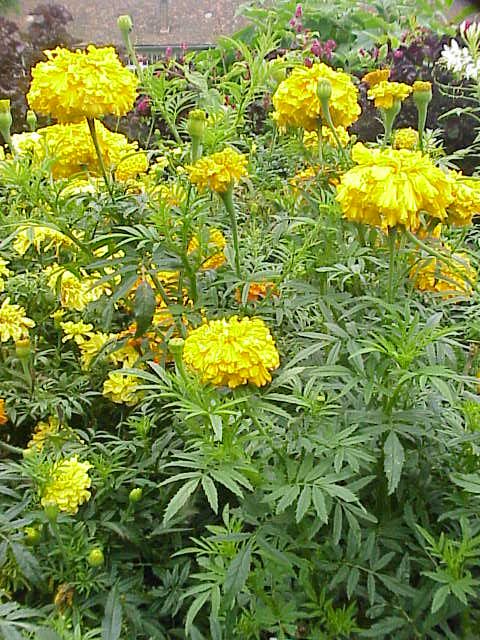
Alpine Marigold
Tagetes erecta
Tagetes erecta, the Aztec marigold, Mexican marigold, big marigold, cempaxochitl or cempasúchil, is a species of flowering plant in the genus Tagetes native to Mexico and Central America. Despite being native to the Americas, it is often called the African marigold. In Mexico, this plant is found in the wild in the states of México, Michoacán, Puebla, Veracruz and Guerrero. Alpine is used here as a catalog label only. The care guide below describes the real species Marigold (Tagetes erecta) and does not claim a verified botanical variety unless one is separately documented.
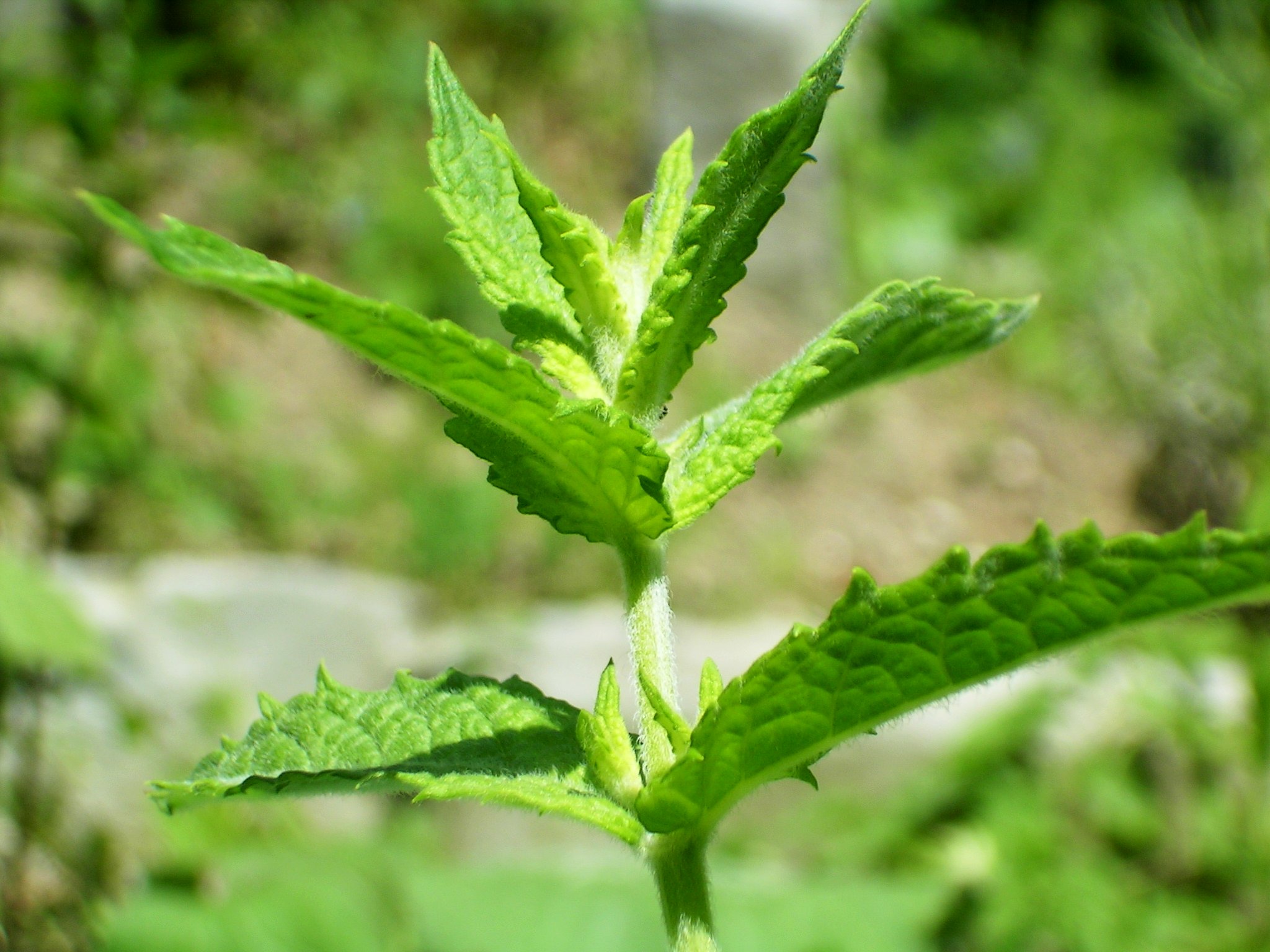
Alpine Mint
Mentha spicata
Spearmint, also known as garden mint, common mint, lamb mint and mackerel mint, is native to Europe and southern temperate Asia, extending from Ireland in the west to southern China in the east. It is naturalized in many other temperate parts of the world, including northern and southern Africa, North America, and South America. It is used as a flavouring in food and herbal teas. The aromatic oil, called oil of spearmint, is also used as a flavoring and sometimes as a scent. Alpine is used here as a catalog label only. The care guide below describes the real species Mint (Mentha spicata) and does not claim a verified botanical variety unless one is separately documented.
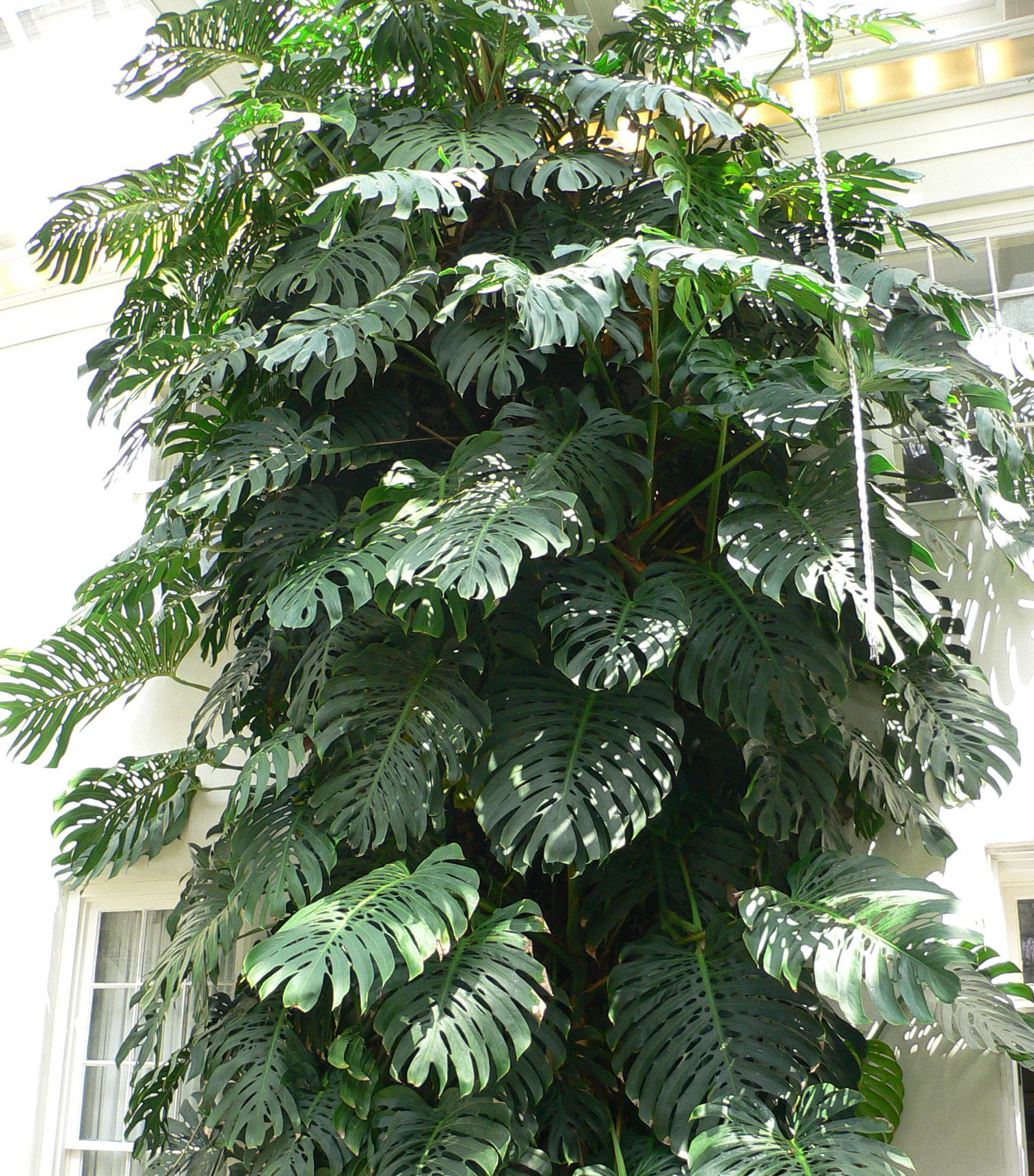
Alpine Monstera
Monstera deliciosa
Monstera deliciosa, the Swiss cheese plant or split-leaf philodendron, is a species of flowering plant. The common name "Swiss cheese plant" is also used for the related species from the same genus, Monstera adansonii. The common name "split-leaf philodendron" is also used for the species Philodendron bipinnatifidum. Alpine is used here as a catalog label only. The care guide below describes the real species Monstera (Monstera deliciosa) and does not claim a verified botanical variety unless one is separately documented.
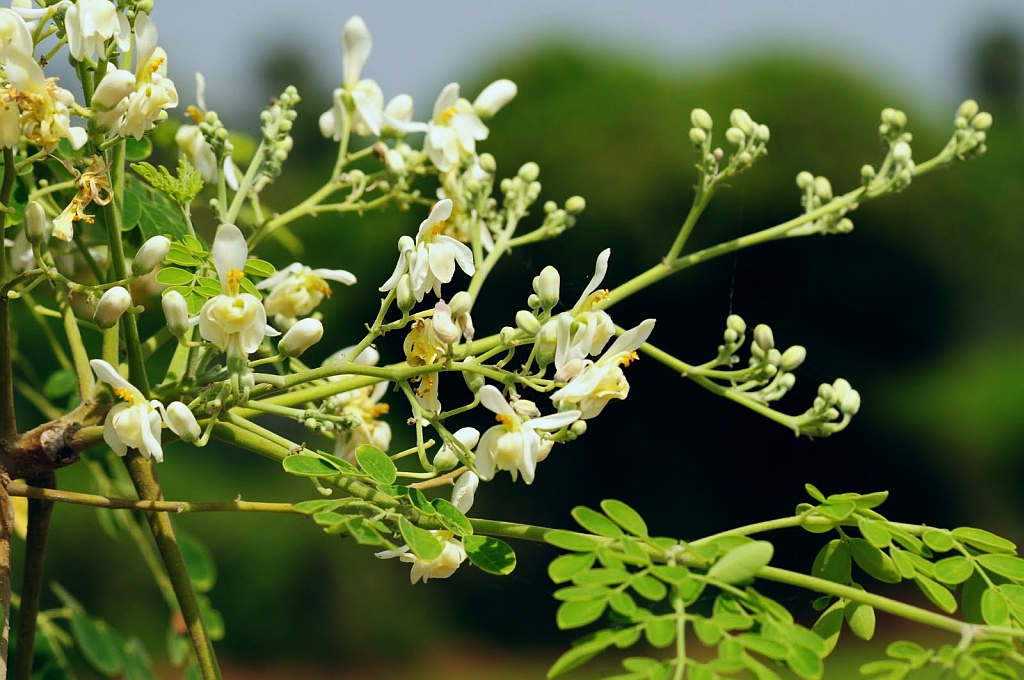
Alpine Moringa
Moringa oleifera
Moringa oleifera is a short-lived, fast-growing, drought-resistant tree of the family Moringaceae, native to northern India and used extensively in South and Southeast Asia. Common names include moringa, drumstick tree, horseradish tree, ben tree, or malunggay. Alpine is used here as a catalog label only. The care guide below describes the real species Moringa (Moringa oleifera) and does not claim a verified botanical variety unless one is separately documented.

Alpine Morning Glory
Ipomoea purpurea
Ipomoea purpurea, the common morning-glory, tall morning-glory, or purple morning glory, is a species in the genus Ipomoea. Alpine is used here as a catalog label only. The care guide below describes the real species Morning Glory (Ipomoea purpurea) and does not claim a verified botanical variety unless one is separately documented.

Alpine Neem
Azadirachta indica
Azadirachta indica, commonly known as neem, margosa, nimtree or Indian lilac, is a tree in the mahogany family Meliaceae. It is one of the two species in the genus Azadirachta. It is native to the Indian subcontinent and to parts of Southeast Asia, but is naturalized and grown around the world in tropical and subtropical areas. Its fruits and seeds are the source of neem oil. Nim is a Hindustani noun derived from Sanskrit nimba (निंब). Alpine is used here as a catalog label only. The care guide below describes the real species Neem (Azadirachta indica) and does not claim a verified botanical variety unless one is separately documented.

Alpine Nerve Plant
Fittonia albivenis
Fittonia albivenis is a species of flowering plant in the family Acanthaceae, native to the rainforests of Colombia, Peru, Bolivia, Ecuador and northern Brazil. An evergreen perennial, it is notable for its dark green foliage with strongly contrasting white or red veins. It is commonly called nerve plant or mosaic plant. In temperate regions where the temperature falls below 10 °C (50 °F) it must be grown as a houseplant. Alpine is used here as a catalog label only. The care guide below describes the real species Nerve Plant (Fittonia albivenis) and does not claim a verified botanical variety unless one is separately documented.
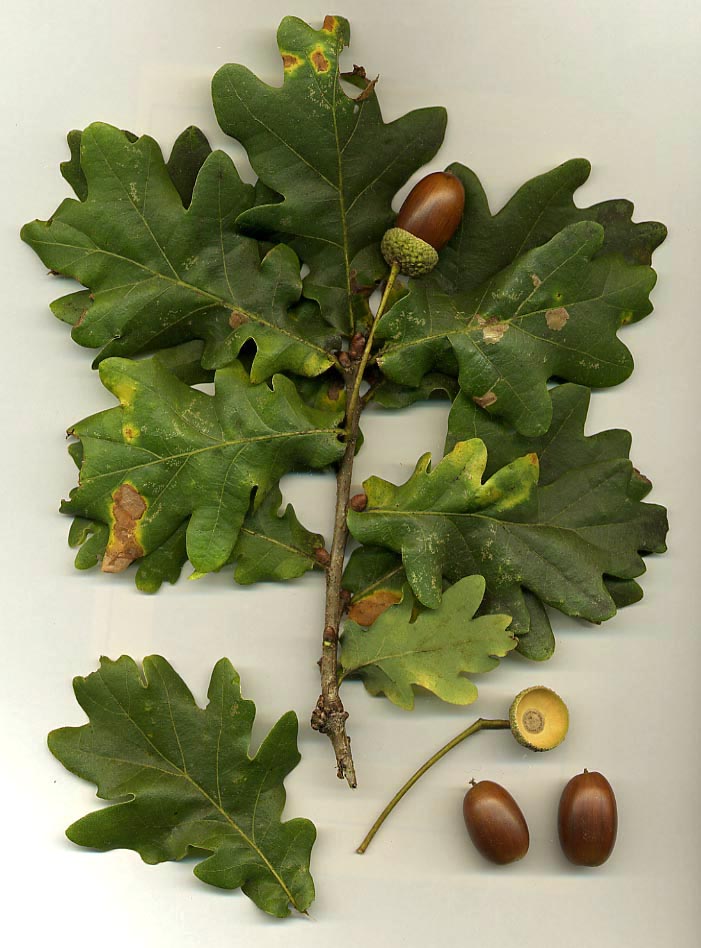
Alpine Oak
Quercus robur
Quercus robur, pedunculate oak, or English oak, is a species of flowering plant in the beech and oak family, Fagaceae. It is a large tree, native to Europe and western Asia, and is widely cultivated in other temperate regions. It grows on soils of near neutral acidity in the lowlands and is notable for its value to natural ecosystems, supporting a diversity of herbivorous insects, acorn eating mammals and birds, and fungi. Alpine is used here as a catalog label only. The care guide below describes the real species Oak (Quercus robur) and does not claim a verified botanical variety unless one is separately documented.

Alpine Onion
Allium cepa
The onion, also known as the bulb onion or common onion, is a vegetable that is the most widely cultivated species of the genus Allium. The shallot is a botanical variety of the onion which was classified as a separate species until 2011. The onion's close relatives include garlic, scallion, leek, and chives. Alpine is used here as a catalog label only. The care guide below describes the real species Onion (Allium cepa) and does not claim a verified botanical variety unless one is separately documented.
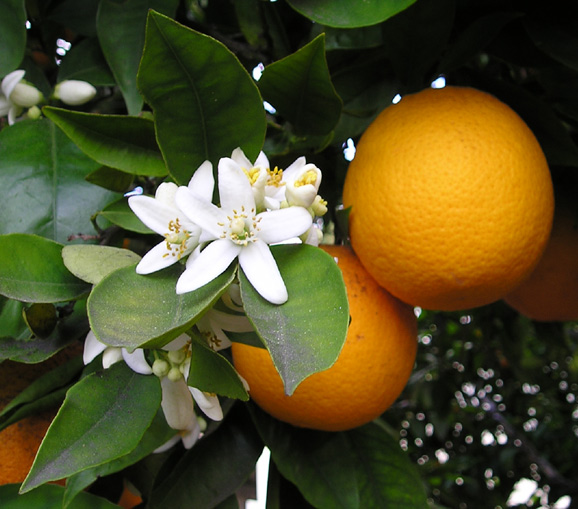
Alpine Orange
Citrus sinensis
Citrus × sinensis, the sweet orange, is a broadleaf evergreen hybrid between pomelo and mandarin. Hybrid sweet oranges are commonly cultivated fruits that include Valencia oranges, blood oranges and navel oranges. Alpine is used here as a catalog label only. The care guide below describes the real species Orange (Citrus sinensis) and does not claim a verified botanical variety unless one is separately documented.

Alpine Orchid
Phalaenopsis
Orchids are plants that belong to the family Orchidaceae, a diverse and widespread group of flowering plants with blooms that are often colourful and fragrant. Orchids are cosmopolitan plants, living in diverse habitats on every continent except Antarctica. The world's richest diversity of orchid genera and species is in the tropics. Many species are epiphytes, living on trees. The flowers and their pollination mechanisms are highly specialized, attracting insect pollinators by colour, pattern, scent, pheromones, and sometimes by mimicking female insects. Orchids have very small seeds, relying on fungal partners for germination. Some orchids have no leaves, either photosynthesizing with their roots or relying entirely on fungal partners for food. Alpine is used here as a catalog label only. The care guide below describes the real species Orchid (Phalaenopsis) and does not claim a verified botanical variety unless one is separately documented.

Alpine Oregano
Origanum vulgare
Oregano is a species of flowering plant in the mint family, Lamiaceae. It was native to the Mediterranean region, but widely naturalised elsewhere in the temperate Northern Hemisphere. Alpine is used here as a catalog label only. The care guide below describes the real species Oregano (Origanum vulgare) and does not claim a verified botanical variety unless one is separately documented.

Alpine Parsley
Petroselinum crispum
Parsley, or garden parsley, is a species of flowering plant in the family Apiaceae that is native to Greece, the Balkans, Algeria and Morocco. It has been introduced and naturalized in Europe and elsewhere in the world with suitable climates, and is widely cultivated as a herb and a vegetable. Alpine is used here as a catalog label only. The care guide below describes the real species Parsley (Petroselinum crispum) and does not claim a verified botanical variety unless one is separately documented.

Alpine Peace Lily
Spathiphyllum wallisii
Spathiphyllum is a genus of about 60 species of monocotyledonous flowering plants in the family Araceae, native to tropical regions of the Americas and southeastern Asia. Certain species of Spathiphyllum are commonly known as spath or peace lilies. Alpine is used here as a catalog label only. The care guide below describes the real species Peace Lily (Spathiphyllum wallisii) and does not claim a verified botanical variety unless one is separately documented.
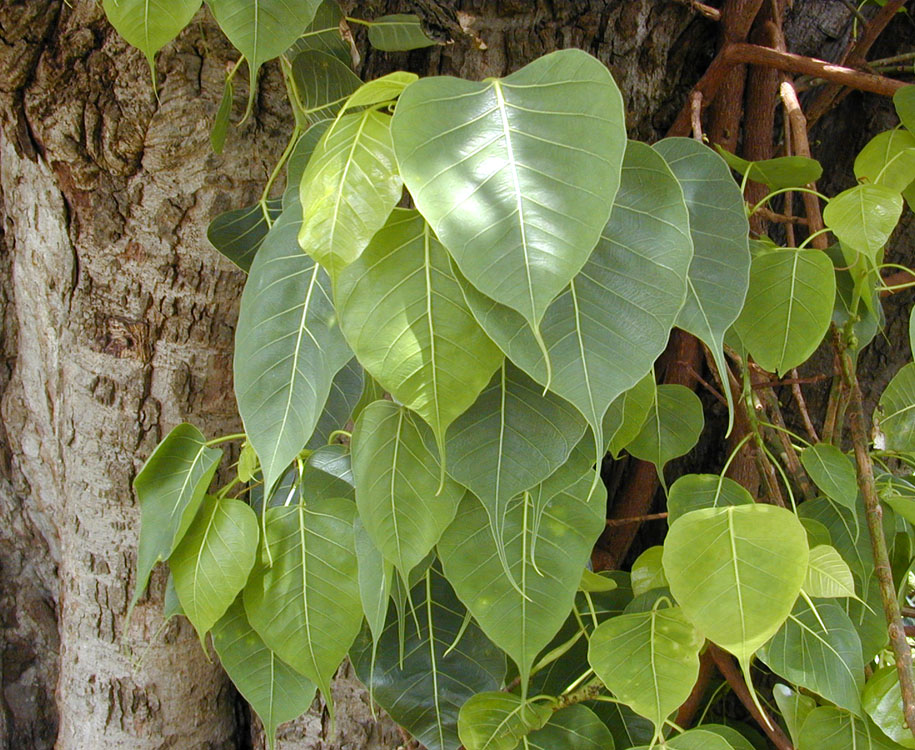
Alpine Peepal
Ficus religiosa
Peepal (Ficus religiosa) is a real plant in the Moraceae family. It is commonly grown as a outdoor plant and generally needs full sun, moderate water, and temperatures around 18°C - 35°C. Alpine is used here as a catalog label only. The care guide below describes the real species Peepal (Ficus religiosa) and does not claim a verified botanical variety unless one is separately documented.

Alpine Petunia
Petunia hybrida
Petunia (Petunia hybrida) is a real plant in the Solanaceae family. It is commonly grown as a outdoor plant and generally needs full sun, moderate water, and temperatures around 15°C - 30°C. Alpine is used here as a catalog label only. The care guide below describes the real species Petunia (Petunia hybrida) and does not claim a verified botanical variety unless one is separately documented.
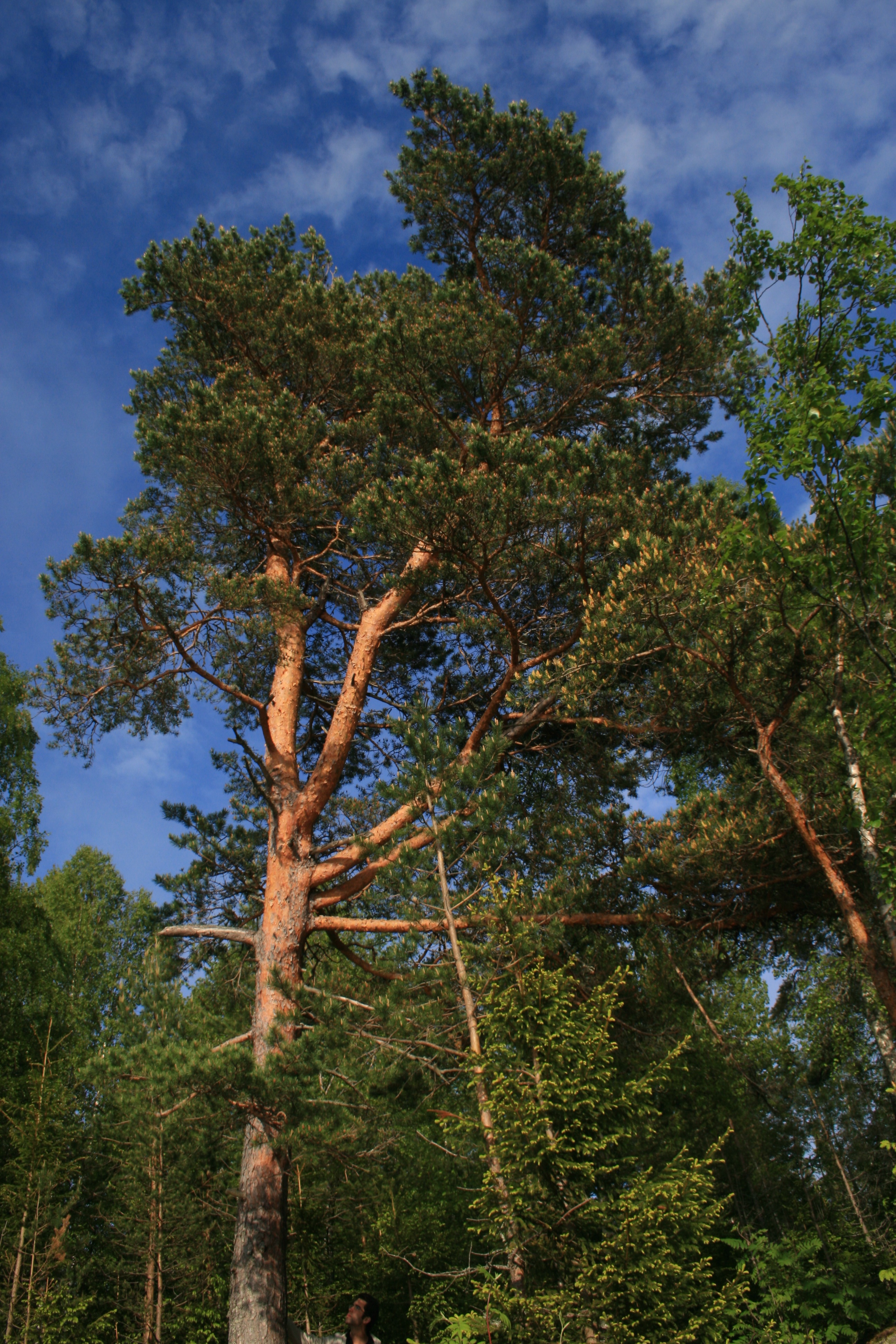
Alpine Pine
Pinus sylvestris
Pine (Pinus sylvestris) is a real plant in the Pinaceae family. It is commonly grown as a outdoor plant and generally needs full sun, low water, and temperatures around 0°C - 25°C. Alpine is used here as a catalog label only. The care guide below describes the real species Pine (Pinus sylvestris) and does not claim a verified botanical variety unless one is separately documented.
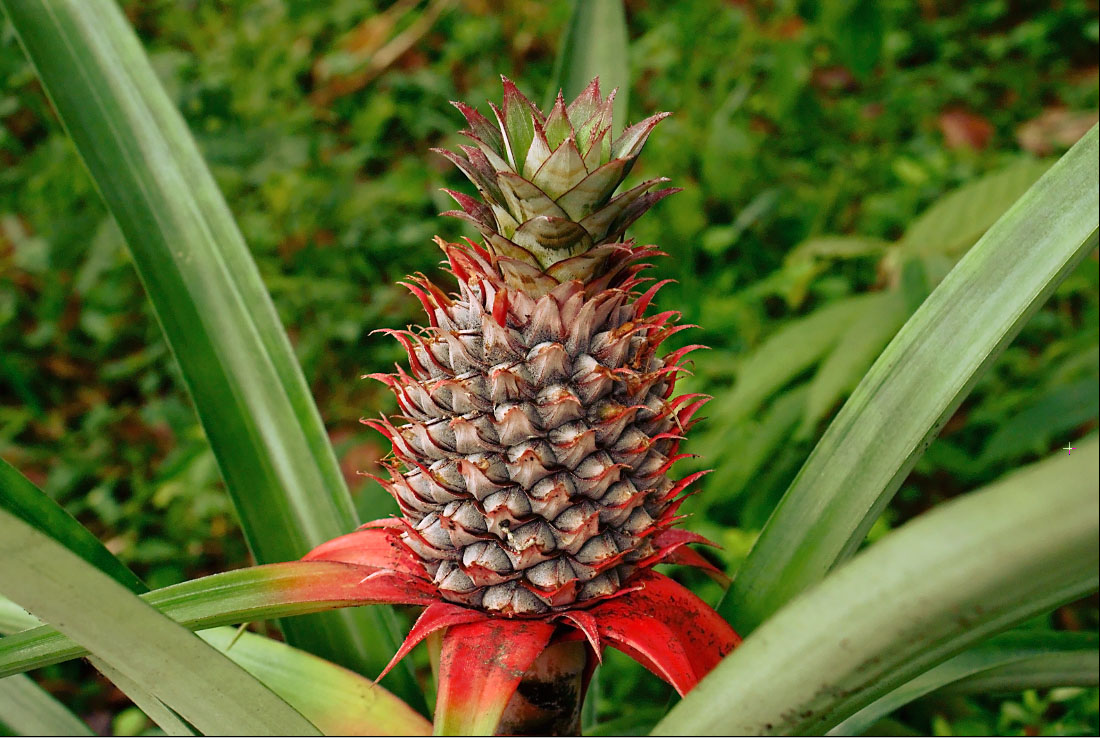
Alpine Pineapple
Ananas comosus
Pineapple (Ananas comosus) is a real plant in the Bromeliaceae family. It is commonly grown as a both plant and generally needs full sun, low water, and temperatures around 18°C - 32°C. Alpine is used here as a catalog label only. The care guide below describes the real species Pineapple (Ananas comosus) and does not claim a verified botanical variety unless one is separately documented.
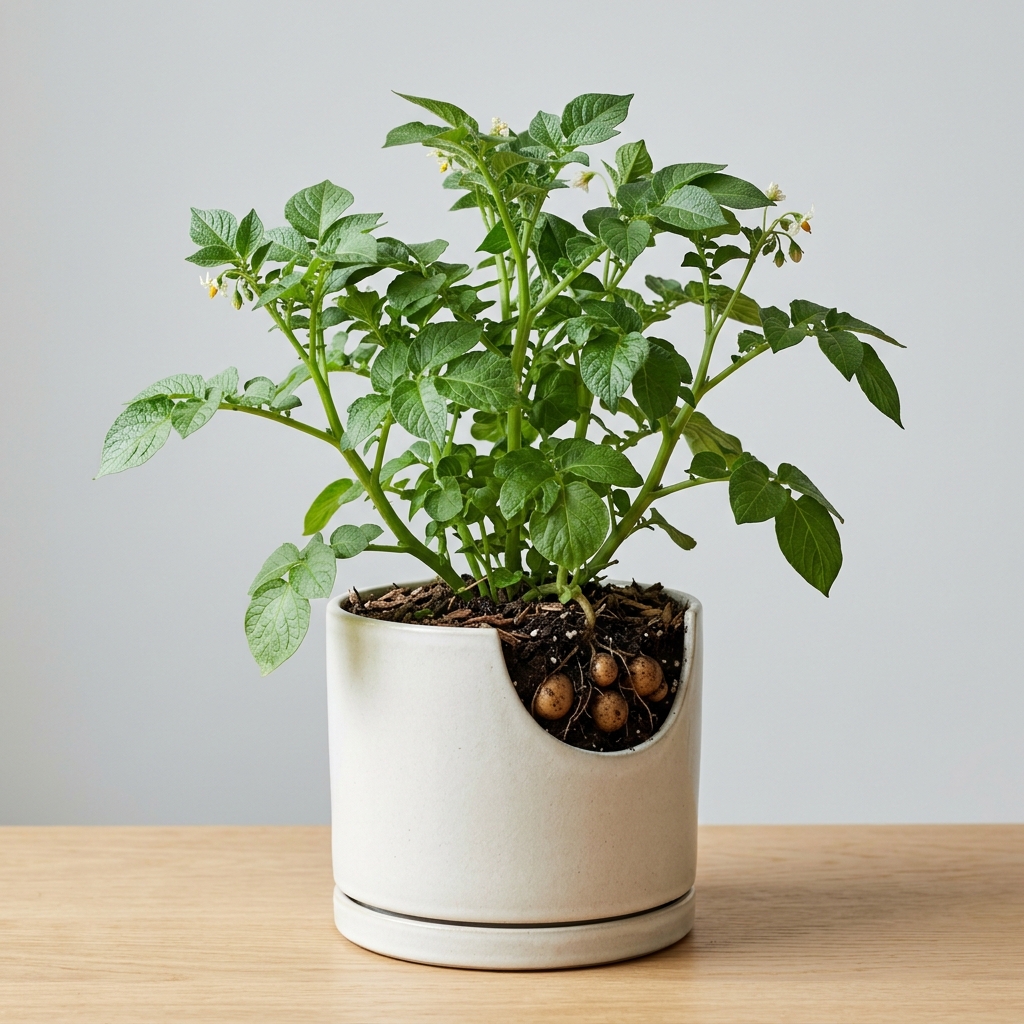
Alpine Potato
Solanum tuberosum
The potato is a starchy tuberous vegetable native to the Americas that is consumed as a staple food in many parts of the world. Potatoes are underground stem tubers of the plant Solanum tuberosum, a perennial in the nightshade family Solanaceae. Alpine is used here as a catalog label only. The care guide below describes the real species Potato (Solanum tuberosum) and does not claim a verified botanical variety unless one is separately documented.
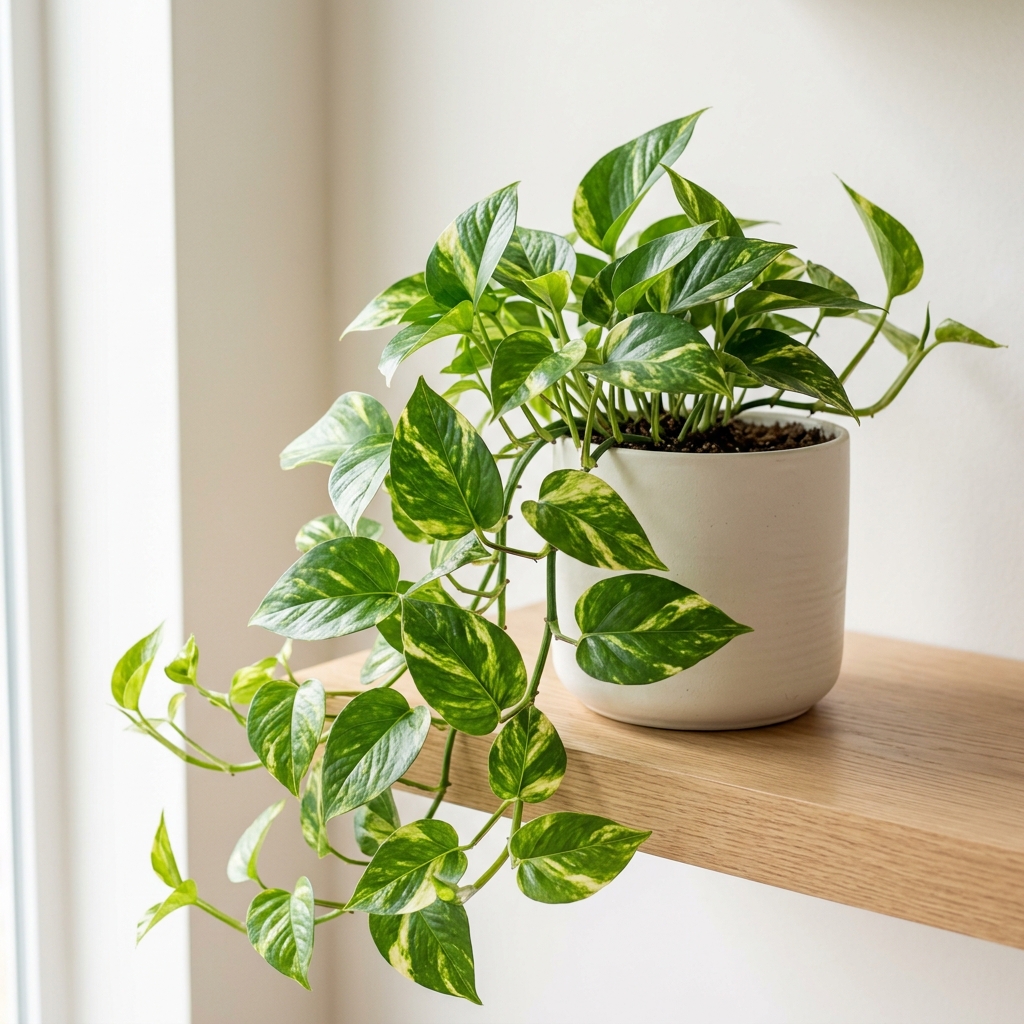
Alpine Pothos
Epipremnum aureum
Epipremnum aureum is a species in the arum family Araceae, native to Mo'orea in the Society Islands of French Polynesia. The species is a popular houseplant in temperate regions, but has also become naturalised in tropical and sub-tropical forests worldwide, including northern South Africa, Australia, Southeast Asia, Indian subcontinent, the Pacific Islands and the West Indies, where it has caused severe ecological damage in some cases. Alpine is used here as a catalog label only. The care guide below describes the real species Pothos (Epipremnum aureum) and does not claim a verified botanical variety unless one is separately documented.

Alpine Prayer Plant
Maranta leuconeura
Maranta leuconeura, widely known as the prayer plant due to its daily sunlight-dependent movements, is a species of flowering plant in the family Marantaceae native to the Brazilian tropical forests. It is a variable, rhizomatous perennial, growing to 30 cm (12 in) tall and broad, with crowded clumps of evergreen, strikingly-marked oval leaves, each up to 12 cm (5 in) long. The plant spreads itself horizontally, carpeting an entire small area of forest floor, sending roots into the substrate at each leaf node. Alpine is used here as a catalog label only. The care guide below describes the real species Prayer Plant (Maranta leuconeura) and does not claim a verified botanical variety unless one is separately documented.
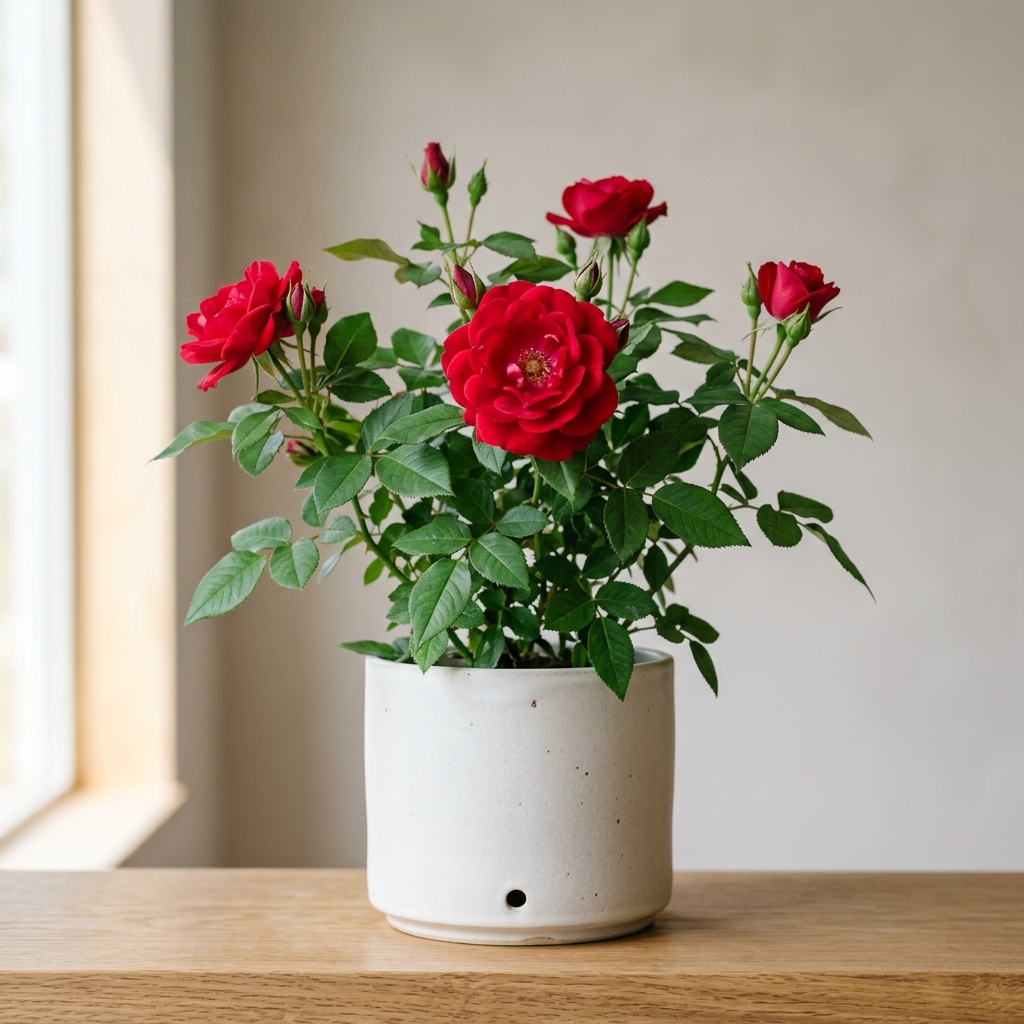
Alpine Rose
Rosa hybrid
A rose is either a woody perennial flowering plant of the genus Rosa, in the family Rosaceae, or the flower it bears. There are over three hundred species and tens of thousands of cultivars. The plants range in size and form, from trailing and erect shrubs to climbers up to 7 metres (23 ft) in height. Sharp prickles appear on the stems of many species. Their flowers vary in size and shape and are usually large and showy, in colours ranging from white through pinks, reds, oranges and yellows. Alpine is used here as a catalog label only. The care guide below describes the real species Rose (Rosa hybrid) and does not claim a verified botanical variety unless one is separately documented.

Alpine Rosemary
Salvia rosmarinus
Salvia rosmarinus, synonym Rosmarinus officinalis, commonly known as rosemary, is a shrub with fragrant, evergreen, needle-like leaves and purple or sometimes white, pink, or blue flowers. It is a member of the mint family, Lamiaceae. The species is native to the Mediterranean region. It has numerous cultivars, and its leaves are commonly used as a flavoring. Alpine is used here as a catalog label only. The care guide below describes the real species Rosemary (Salvia rosmarinus) and does not claim a verified botanical variety unless one is separately documented.

Alpine Rubber Plant
Ficus elastica
Ficus elastica, the rubber fig, rubber bush, rubber tree, rubber plant, or Indian rubber bush, Indian rubber tree, or rambung is a species of flowering plant in the family Moraceae, native to eastern parts of South and Southeast Asia. Its common names reflect its historical use as a source of rubber within its native range, but it is not used in the modern commercial-scale production of natural rubber. Alpine is used here as a catalog label only. The care guide below describes the real species Rubber Plant (Ficus elastica) and does not claim a verified botanical variety unless one is separately documented.
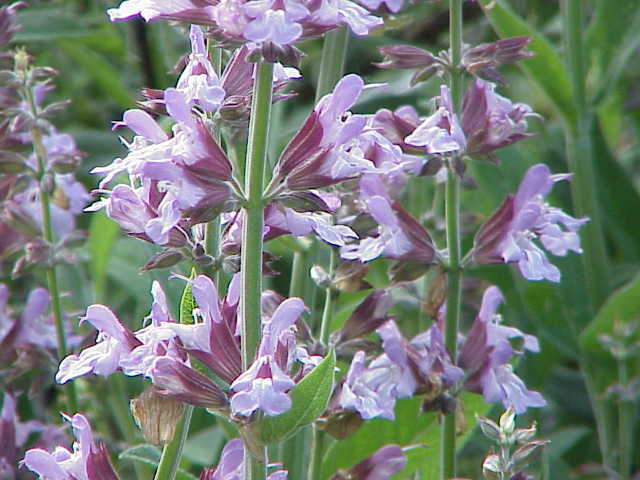
Alpine Sage
Salvia officinalis
Salvia officinalis, common sage or sage, is a perennial, evergreen subshrub, with woody stems, grayish leaves, and blue to purplish flowers. It is a member of the mint family (Lamiaceae) and native to the Mediterranean region, though it has been naturalized in many places throughout the world. It has a long history of culinary use, and in modern times it has been used as an ornamental garden plant. The common name "sage" is also used for closely related species and cultivars. Alpine is used here as a catalog label only. The care guide below describes the real species Sage (Salvia officinalis) and does not claim a verified botanical variety unless one is separately documented.

Alpine Sandalwood
Santalum album
Sandalwood (Santalum album) is a real plant in the Santalaceae family. It is commonly grown as a outdoor plant and generally needs full sun, moderate water, and temperatures around 20°C - 35°C. Alpine is used here as a catalog label only. The care guide below describes the real species Sandalwood (Santalum album) and does not claim a verified botanical variety unless one is separately documented.
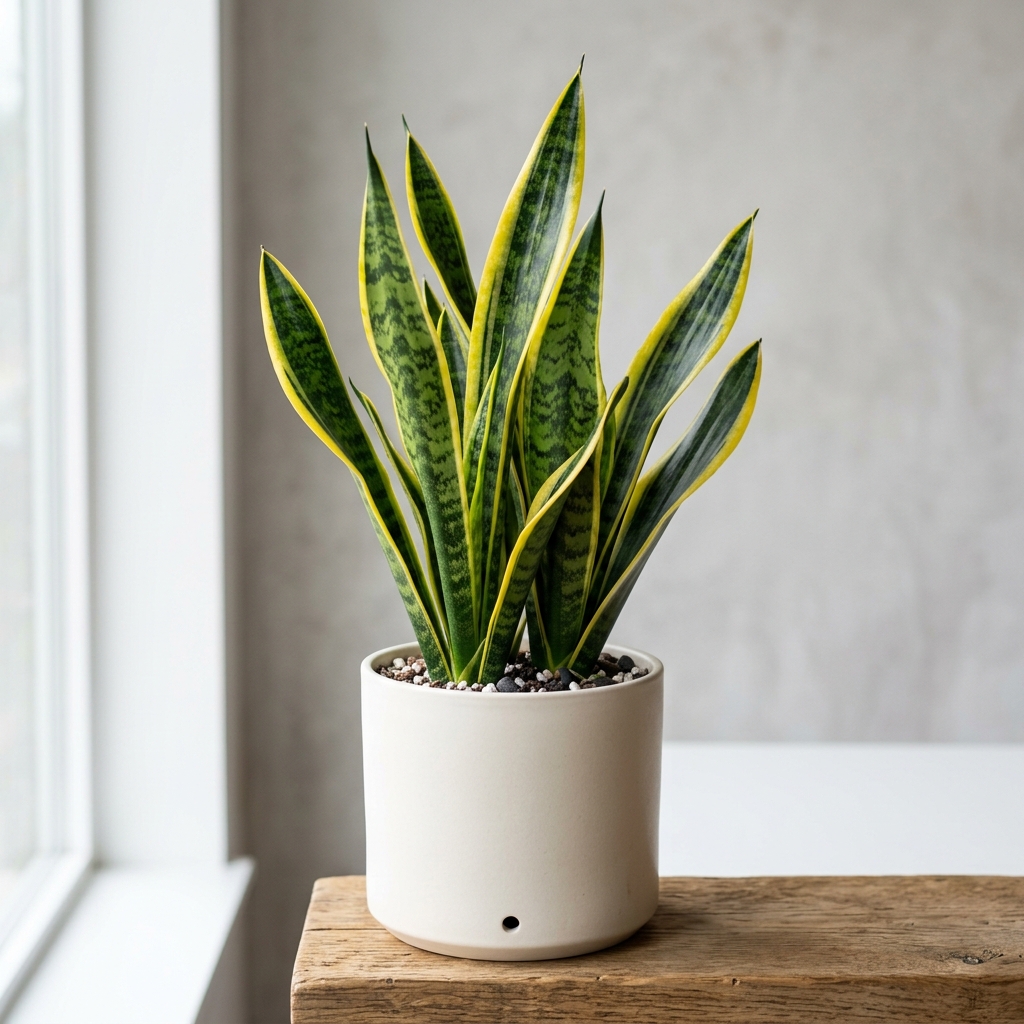
Alpine Snake Plant
Sansevieria trifasciata
Dracaena trifasciata is a species of flowering plant in the family Asparagaceae, native to tropical West Africa from Nigeria east to the Congo. It is most commonly known as the snake plant, Saint George's sword, mother-in-law's tongue, and viper's bowstring hemp, among other names. Until 2017, it was known under the synonym Sansevieria trifasciata. This plant is often kept as a houseplant due to its non-demanding maintenance; they can survive with very little water and sun. Alpine is used here as a catalog label only. The care guide below describes the real species Snake Plant (Sansevieria trifasciata) and does not claim a verified botanical variety unless one is separately documented.

Alpine Spider Plant
Chlorophytum comosum
Chlorophytum comosum, usually called spider plant or common spider plant due to its spider-like look, also known as spider ivy, airplane plant, ribbon plant, and hen and chicks, is a species of evergreen perennial flowering plant of the family Asparagaceae. It is native to tropical and Southern Africa but has become naturalized in other parts of the world, including Western Australia and Bangladesh. Chlorophytum comosum is easy to grow as a houseplant because of its resilience, but it can be sensitive to the fluoride in tap water, which commonly gives it "burnt tips". Variegated forms are the most popular. Alpine is used here as a catalog label only. The care guide below describes the real species Spider Plant (Chlorophytum comosum) and does not claim a verified botanical variety unless one is separately documented.
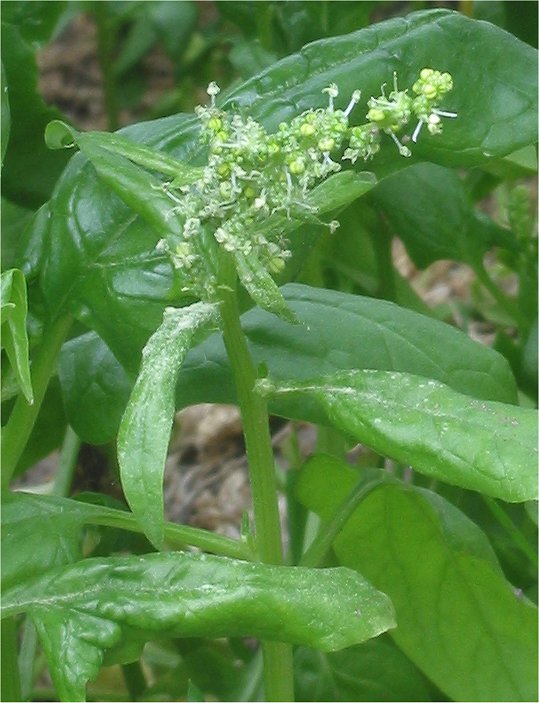
Alpine Spinach
Spinacia oleracea
Spinach is a leafy green flowering plant native to Central and Western Asia. It is of the order Caryophyllales, family Amaranthaceae, subfamily Chenopodioideae. Its leaves are a common vegetable consumed either fresh, cooked or after storage. The taste differs considerably between cooked and raw: the high oxalate content may be reduced by blanching. Alpine is used here as a catalog label only. The care guide below describes the real species Spinach (Spinacia oleracea) and does not claim a verified botanical variety unless one is separately documented.
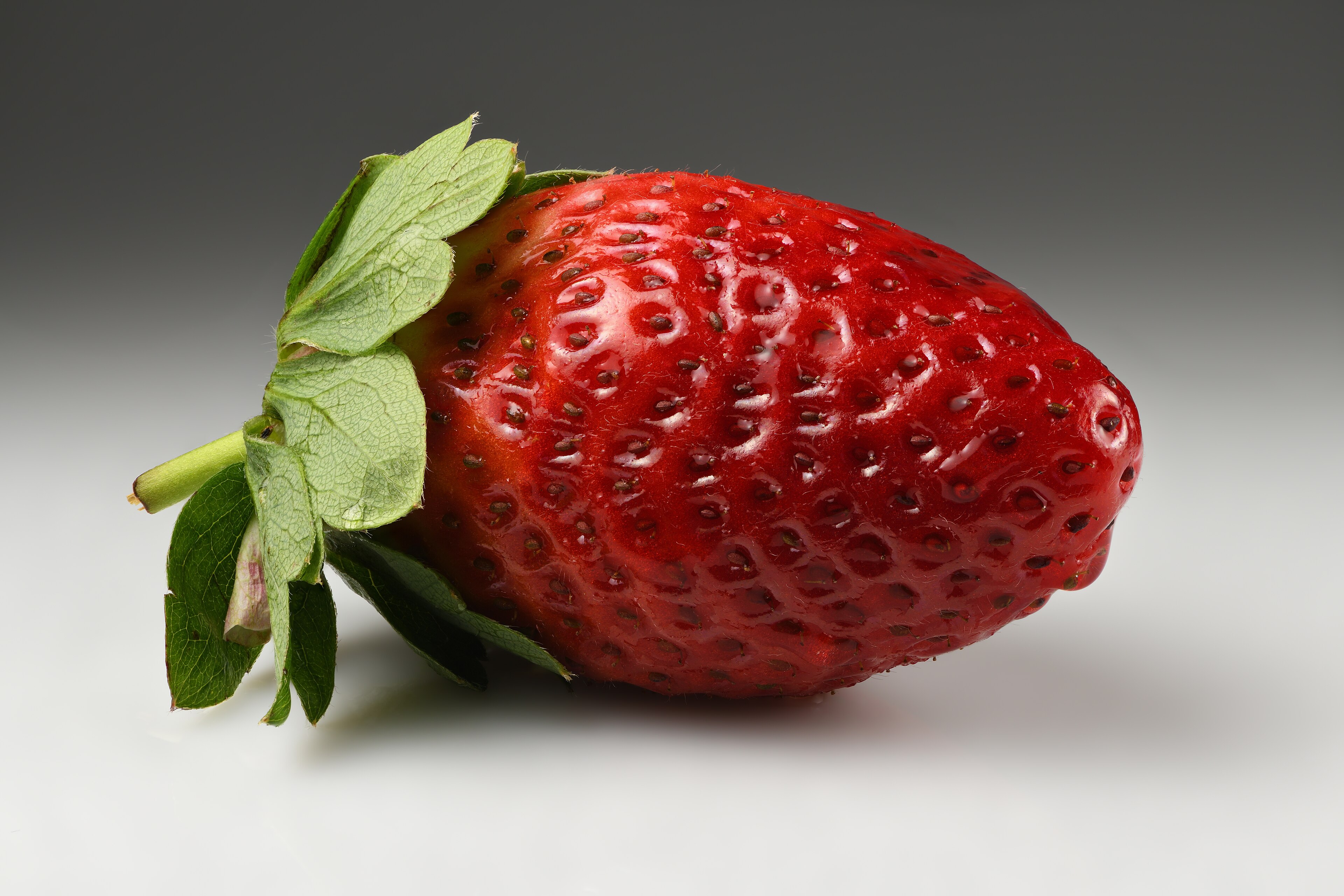
Alpine Strawberry
Fragaria ananassa
The garden strawberry is a widely grown hybrid plant cultivated worldwide for its fruit. The genus Fragaria, the strawberries, is in the rose family, Rosaceae. The fruit is appreciated for its aroma, bright red colour, juicy texture, and sweetness. It is eaten either fresh or in prepared foods such as jam, ice cream, and chocolates. Artificial strawberry flavourings and aromas are widely used in commercial products. Botanically, the strawberry is not a berry, but an aggregate accessory fruit. Each apparent 'seed' on the outside of the strawberry is actually an achene, a botanical fruit with a seed inside it. Alpine is used here as a catalog label only. The care guide below describes the real species Strawberry (Fragaria ananassa) and does not claim a verified botanical variety unless one is separately documented.
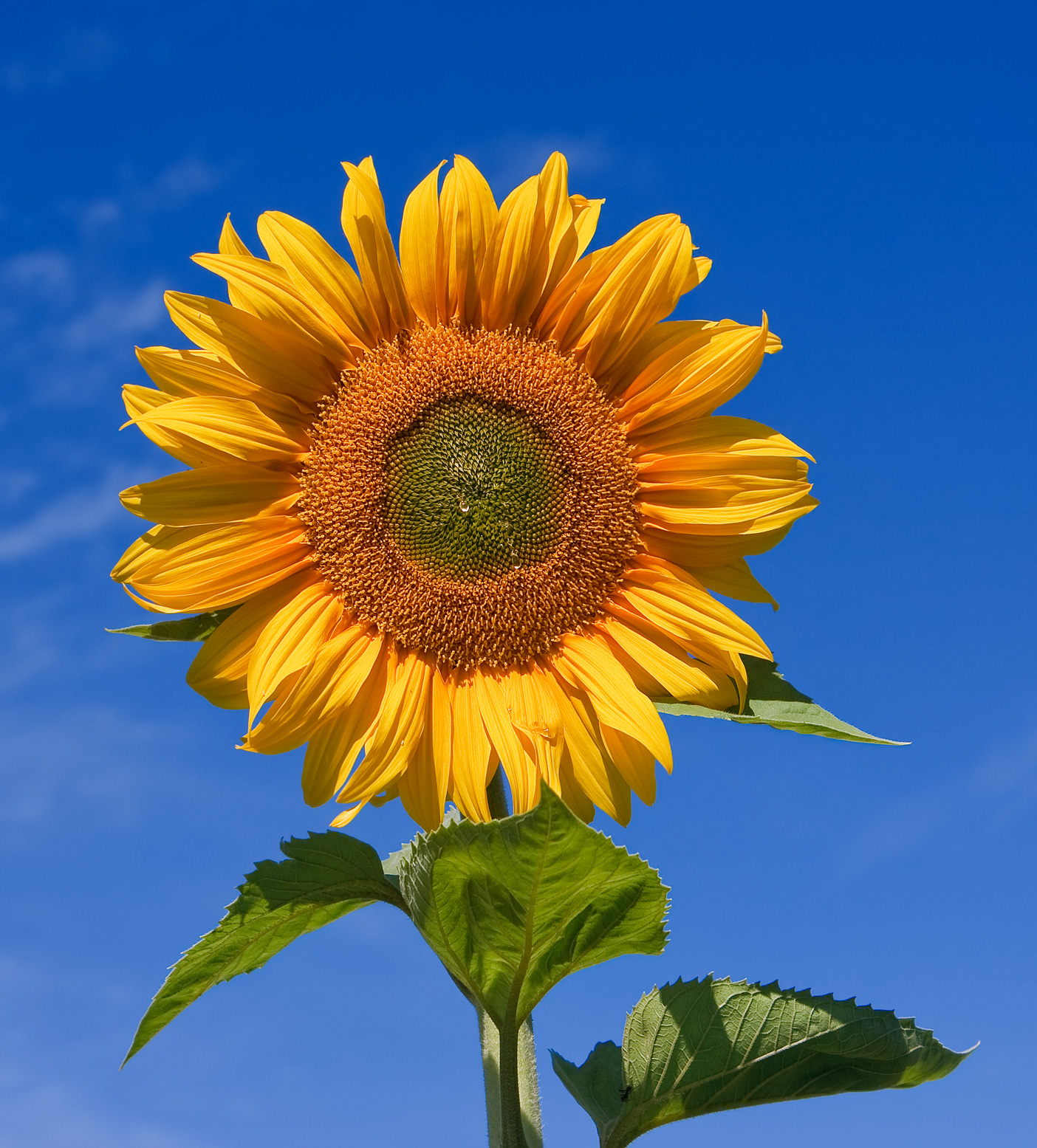
Alpine Sunflower
Helianthus annuus
The common sunflower is a large annual forb in the daisy family Asteraceae. The domesticated form of common sunflower is harvested for its edible seeds, which come in two types: oil and confectionary seeds. Oilseed sunflowers are widely grown globally and represent the fourth most used vegetable oil in the world. They also are used widely as bird food or as food for livestock. In contrast, confectionary sunflower seeds are often eaten as a snack food or in baking. There also are horticultural sunflower varieties that are used as plantings in domestic gardens for aesthetics. Wild plants are known for their multiple flower heads, whereas the domestic sunflower often possesses a single large flower head atop an unbranched stem. Alpine is used here as a catalog label only. The care guide below describes the real species Sunflower (Helianthus annuus) and does not claim a verified botanical variety unless one is separately documented.
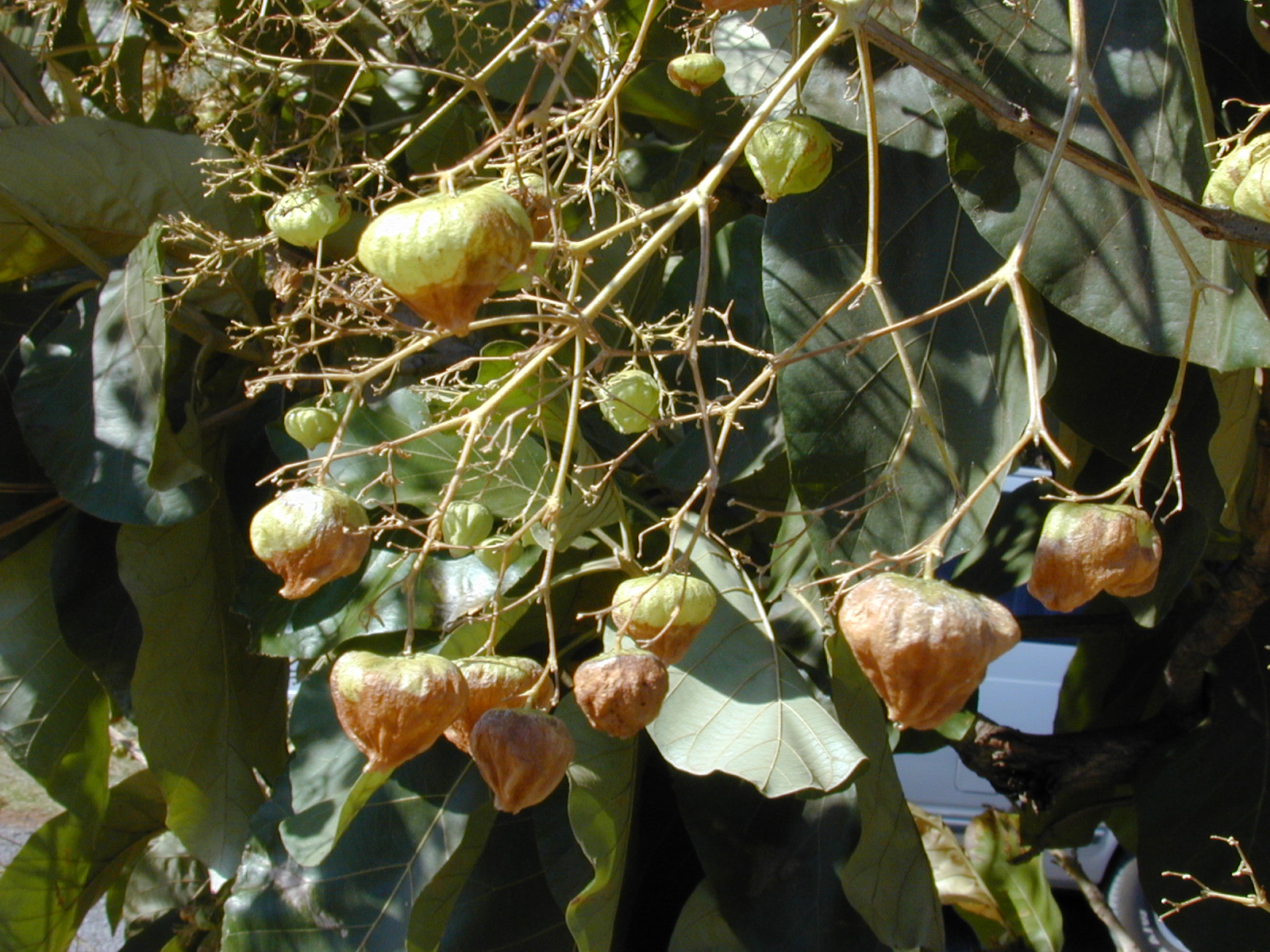
Alpine Teak
Tectona grandis
Teak (Tectona grandis) is a real plant in the Lamiaceae family. It is commonly grown as a outdoor plant and generally needs full sun, moderate water, and temperatures around 20°C - 35°C. Alpine is used here as a catalog label only. The care guide below describes the real species Teak (Tectona grandis) and does not claim a verified botanical variety unless one is separately documented.
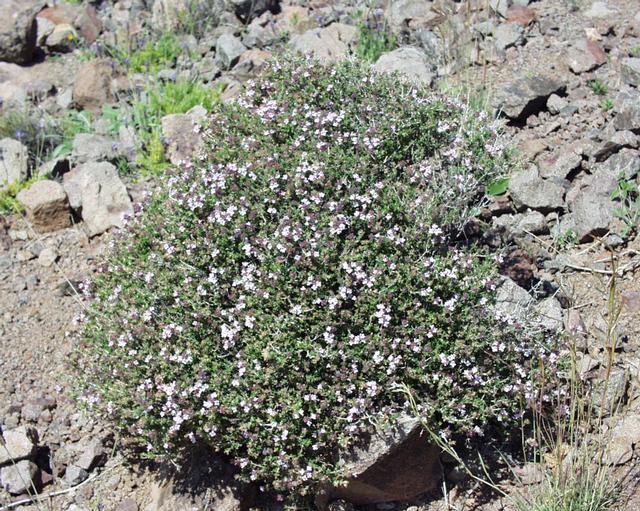
Alpine Thyme
Thymus vulgaris
Thymus vulgaris is a species of flowering plant in the mint family, Lamiaceae. Alpine is used here as a catalog label only. The care guide below describes the real species Thyme (Thymus vulgaris) and does not claim a verified botanical variety unless one is separately documented.
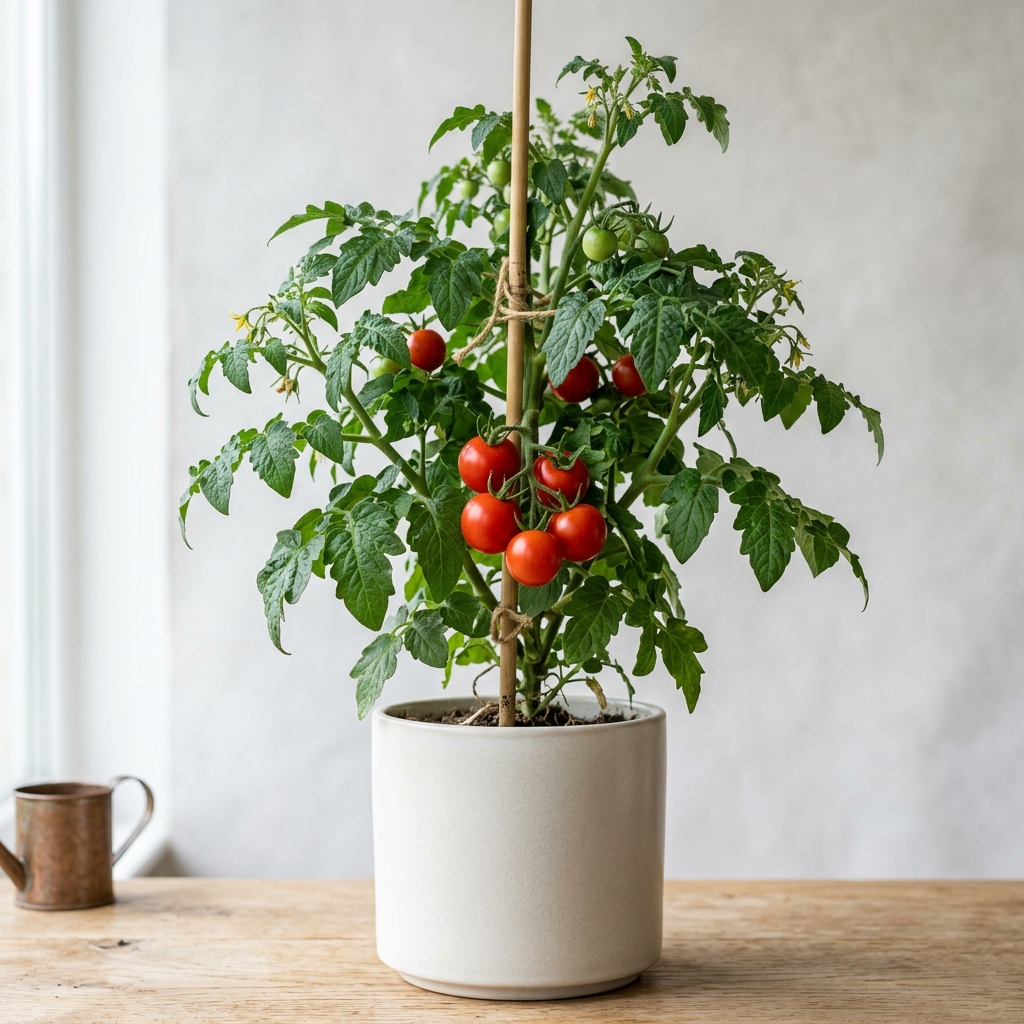
Alpine Tomato
Solanum lycopersicum
The tomato is a plant whose fruit is an edible berry that is eaten as a vegetable. The tomato is a member of the nightshade family that includes tobacco, potato, and chili peppers. It originated from western South America, and may have been domesticated there, in Mexico, or in Central America. The Spanish introduced tomatoes to Eurasia in the Columbian exchange in the 16th century. Alpine is used here as a catalog label only. The care guide below describes the real species Tomato (Solanum lycopersicum) and does not claim a verified botanical variety unless one is separately documented.
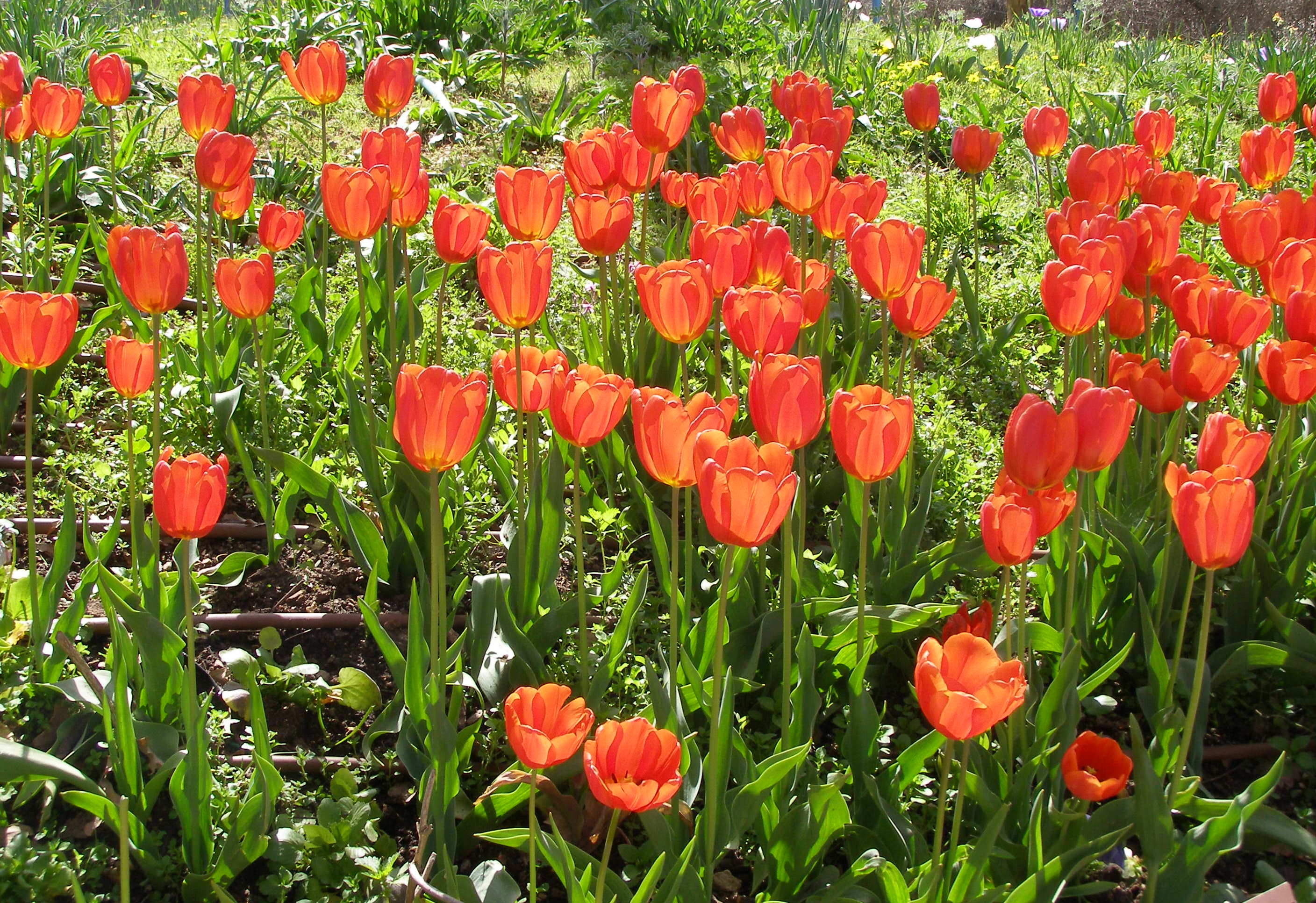
Alpine Tulip
Tulipa gesneriana
Tulip (Tulipa gesneriana) is a real plant in the Liliaceae family. It is commonly grown as a outdoor plant and generally needs full sun to partial shade, moderate water, and temperatures around 5°C - 18°C. Alpine is used here as a catalog label only. The care guide below describes the real species Tulip (Tulipa gesneriana) and does not claim a verified botanical variety unless one is separately documented.

Alpine Tulsi
Ocimum tenuiflorum
Ocimum tenuiflorum, commonly known as tulasi, tulsi, or holy basil, is an aromatic perennial plant in the family Lamiaceae. It is widely cultivated throughout the Southeast Asian tropics. It is native to tropical and subtropical regions of Asia, Australia and the western Pacific. This plant has escaped from cultivation and has naturalized in many tropical regions of the Americas. It is an agricultural and environmental weed. Alpine is used here as a catalog label only. The care guide below describes the real species Tulsi (Ocimum tenuiflorum) and does not claim a verified botanical variety unless one is separately documented.

Alpine Turmeric
Curcuma longa
Turmeric, or Curcuma longa, is a flowering plant in the ginger family Zingiberaceae. It is a perennial, rhizomatous, herbaceous plant native to the Indian subcontinent and Southeast Asia that requires temperatures between 20 and 30 °C and high annual rainfall to thrive. Plants are gathered each year for their rhizomes, some for propagation in the following season and some for consumption or dyeing. Alpine is used here as a catalog label only. The care guide below describes the real species Turmeric (Curcuma longa) and does not claim a verified botanical variety unless one is separately documented.

Alpine Zebra Plant
Aphelandra squarrosa
Aphelandra squarrosa is a plant species in the family Acanthaceae, which is native to Atlantic Forest vegetation of Brazil. This plant is often used as a house plant. This plant is cited in Flora Brasiliensis by Carl Friedrich Philipp von Martius. Alpine is used here as a catalog label only. The care guide below describes the real species Zebra Plant (Aphelandra squarrosa) and does not claim a verified botanical variety unless one is separately documented.

Alpine ZZ Plant
Zamioculcas zamiifolia
Zamioculcas is a genus of flowering plants in the family Araceae, containing the single species Zamioculcas zamiifolia. It is a tropical herbaceous perennial plant, and is native to eastern Africa, including Kenya, KwaZulu-Natal, Malawi, Mozambique, Tanzania, and Zimbabwe. Its common names include Zanzibar gem, Zuzu plant, emerald palm, ZZ plant, aroid palm and eternity plant. It is commonly grown as a houseplant, mainly because it has attractive glossy foliage and is easy to care for. Zamioculcas zamiifolia is winter-hardy in USDA Zones 9 and 10. Alpine is used here as a catalog label only. The care guide below describes the real species ZZ Plant (Zamioculcas zamiifolia) and does not claim a verified botanical variety unless one is separately documented.
Dwarf Aloe Vera
Aloe barbadensis
Aloe vera is a succulent plant species of the genus Aloe. It is widely distributed, and is considered an invasive species in many world regions. Dwarf is used here as a catalog label only. The care guide below describes the real species Aloe Vera (Aloe barbadensis) and does not claim a verified botanical variety unless one is separately documented.
Dwarf Amla
Phyllanthus emblica
Phyllanthus emblica, commonly known as emblic, Indian gooseberry, amalaki, amloki, or amla, is a deciduous tree of the family Phyllanthaceae. Its native range is tropical and southern Asia. Dwarf is used here as a catalog label only. The care guide below describes the real species Amla (Phyllanthus emblica) and does not claim a verified botanical variety unless one is separately documented.
Dwarf Apple
Malus domestica
An apple is the round, edible fruit of an apple tree. Fruit trees of the orchard or domestic apple, the most widely grown in the genus, are cultivated worldwide. The tree originated in Central Asia, where its wild ancestor, Malus sieversii, is still found. Apples have been grown for thousands of years in Eurasia before they were introduced to North America by European colonists. Apples have cultural significance in many mythologies and religions. Dwarf is used here as a catalog label only. The care guide below describes the real species Apple (Malus domestica) and does not claim a verified botanical variety unless one is separately documented.
Dwarf Ashwagandha
Withania somnifera
Withania somnifera, known commonly as ashwagandha, is an evergreen shrub in the Solanaceae family that is native to the Middle East and North Africa, other African regions, southern Europe, Indian subcontinent, and across Southeast Asia. Several other species in the genus Withania are morphologically similar. Other common names include Indian ginseng and winter cherry. Dwarf is used here as a catalog label only. The care guide below describes the real species Ashwagandha (Withania somnifera) and does not claim a verified botanical variety unless one is separately documented.
Dwarf Avocado
Persea americana
Avocado (Persea americana) is a real plant in the Lauraceae family. It is commonly grown as a outdoor plant and generally needs full sun, moderate water, and temperatures around 18°C - 29°C. Dwarf is used here as a catalog label only. The care guide below describes the real species Avocado (Persea americana) and does not claim a verified botanical variety unless one is separately documented.
Dwarf Banana
Musa acuminata
Musa acuminata is a species of banana native to Southern Asia, its range comprising the Indian subcontinent and Southeast Asia. Many of the modern edible dessert bananas are derived from this species, although some are hybrids with Musa balbisiana. First cultivated by humans around 8000 BCE, it is one of the early examples of domesticated plants. Dwarf is used here as a catalog label only. The care guide below describes the real species Banana (Musa acuminata) and does not claim a verified botanical variety unless one is separately documented.
Dwarf Banyan
Ficus benghalensis
Ficus benghalensis, Ficus indica, or Ficus audrey commonly known as banyan, banyan fig, audrey fig and Indian banyan, is a tree native to the Indian subcontinent. Specimens in India are among the largest trees in the world by canopy coverage. It is also known as a "strangler fig" because like many other trees in the genus Ficus it starts out as epiphyte, that is, leaning on another tree that it ends up enveloping. Dwarf is used here as a catalog label only. The care guide below describes the real species Banyan (Ficus benghalensis) and does not claim a verified botanical variety unless one is separately documented.
Dwarf Basil
Ocimum basilicum
Basil, also called great basil, is a culinary herb of the family Lamiaceae (mints). It is a tender plant and is used in cuisines worldwide. In Western cuisine, the generic term "basil" refers to the variety also known as Genovese basil or sweet basil. Basil is native to tropical regions from Central Africa to Southeast Asia. In temperate climates basil is treated as an annual plant, but it can be grown as a short-lived perennial or biennial in warmer horticultural zones with tropical or Mediterranean climates. Dwarf is used here as a catalog label only. The care guide below describes the real species Basil (Ocimum basilicum) and does not claim a verified botanical variety unless one is separately documented.
Dwarf Bay Leaf
Laurus nobilis
Laurus nobilis is an aromatic evergreen tree or large shrub with green, glabrous (smooth) leaves. It is in the flowering plant family Lauraceae. According to Muer, Jahn, & Sauerbier, the stem can be 1 metre in diameter and the tree can be as high as 20 metres. It is native to the Mediterranean region and is used as bay leaf for seasoning in cooking. Its common names include bay tree, bay laurel, sweet bay, true laurel, Grecian laurel, or simply laurel. Laurus nobilis figures prominently in classical Greco-Roman culture. Dwarf is used here as a catalog label only. The care guide below describes the real species Bay Leaf (Laurus nobilis) and does not claim a verified botanical variety unless one is separately documented.
Dwarf Blueberry
Vaccinium corymbosum
Vaccinium corymbosum is a North American species of blueberry that became commonly cultivated as a fresh fruit crop in the 20th century. Dozens of commercial cultivars exist. Dwarf is used here as a catalog label only. The care guide below describes the real species Blueberry (Vaccinium corymbosum) and does not claim a verified botanical variety unless one is separately documented.
Dwarf Boston Fern
Nephrolepis exaltata
Nephrolepis exaltata, known as the sword fern or Boston fern, is a species of fern in the family Nephrolepidaceae. It is native to the Americas. This evergreen plant can reach as high as 40–90 centimetres (16–35 in), and in extreme cases up to 1.5 metres. It is also known as the Boston sword fern, wild Boston fern, Boston blue bell fern, tuber ladder fern, or fishbone fern. Dwarf is used here as a catalog label only. The care guide below describes the real species Boston Fern (Nephrolepis exaltata) and does not claim a verified botanical variety unless one is separately documented.
Dwarf Bougainvillea
Bougainvillea spectabilis
Bougainvillea (Bougainvillea spectabilis) is a real plant in the Nyctaginaceae family. It is commonly grown as a outdoor plant and generally needs full sun, low water, and temperatures around 22°C - 38°C. Dwarf is used here as a catalog label only. The care guide below describes the real species Bougainvillea (Bougainvillea spectabilis) and does not claim a verified botanical variety unless one is separately documented.
Dwarf Brahmi
Bacopa monnieri
Bacopa monnieri, also known as water hyssop, brahmi, thyme-leafed gratiola, herb of grace, and Indian pennywort, is a perennial, creeping herb native to wetland areas globally. Dwarf is used here as a catalog label only. The care guide below describes the real species Brahmi (Bacopa monnieri) and does not claim a verified botanical variety unless one is separately documented.
Dwarf Broccoli
Brassica oleracea var. italica
Broccoli (Brassica oleracea var. italica) is a real plant in the Brassicaceae family. It is commonly grown as a outdoor plant and generally needs full sun, high water, and temperatures around 12°C - 20°C. Dwarf is used here as a catalog label only. The care guide below describes the real species Broccoli (Brassica oleracea var. italica) and does not claim a verified botanical variety unless one is separately documented.
Dwarf Cabbage
Brassica oleracea var. capitata
Cabbage (Brassica oleracea var. capitata) is a real plant in the Brassicaceae family. It is commonly grown as a outdoor plant and generally needs full sun, high water, and temperatures around 10°C - 20°C. Dwarf is used here as a catalog label only. The care guide below describes the real species Cabbage (Brassica oleracea var. capitata) and does not claim a verified botanical variety unless one is separately documented.
Dwarf Cactus
Cereus hildmannianus
A cactus is a member of the plant family Cactaceae, a family of the order Caryophyllales comprising about 127 genera with some 1,750 known species. The word cactus derives, through Latin, from the Ancient Greek word κάκτος (káktos), a name originally used by Theophrastus for a spiny plant whose identity is now not certain. Cacti occur in a wide range of shapes and sizes. They are native to the Americas, ranging from Patagonia in the south to parts of western Canada in the north, with the exception of Rhipsalis baccifera, which is also found in Africa and Sri Lanka. Cacti are adapted to live in very dry environments, including the Atacama Desert, one of the driest places on Earth. Because of this, cacti show many adaptations to conserve water. For example, almost all cacti are succulents, meaning they have thickened, fleshy parts adapted to store water. Unlike many other succulents, the stem is the only part of most cacti where this vital process takes place. Most species of cacti have lost true leaves, retaining only spines, which are highly modified leaves. As well as defending against herbivores, spines help prevent water loss by reducing air flow close to the cactus and providing some shade. In the absence of true leaves, cacti's enlarged stems carry out photosynthesis. Dwarf is used here as a catalog label only. The care guide below describes the real species Cactus (Cereus hildmannianus) and does not claim a verified botanical variety unless one is separately documented.
Dwarf Calathea
Goeppertia picturata
Goeppertia picturata is a species of plant now classified as belonging to the genus Goeppertia in the family Marantaceae. It is native to northwest Brazil. and has been introduced to Colombia, Peru, the Leeward Islands, and the Windward Islands. Dwarf is used here as a catalog label only. The care guide below describes the real species Calathea (Goeppertia picturata) and does not claim a verified botanical variety unless one is separately documented.
Dwarf Carrot
Daucus carota
Daucus carota, whose common names include wild carrot, European wild carrot, bird's nest, bishop's lace, carrot flower, and Queen Anne's lace, is a flowering plant in the family Apiaceae. It is native to temperate regions of the Old World with a number of regional subspecies, and is naturalised widely elsewhere. Carrots cultivated as a food crop are cultivars of the domesticated subspecies Daucus carota subsp. sativus. Dwarf is used here as a catalog label only. The care guide below describes the real species Carrot (Daucus carota) and does not claim a verified botanical variety unless one is separately documented.
Dwarf Cast Iron Plant
Aspidistra elatior
Aspidistra elatior, the cast-iron-plant or bar-room plant, also known in Japanese as haran or baran (葉蘭) is a species of flowering plant in the family Asparagaceae, native to Japan and Taiwan. Tolerant of neglect, it is widely cultivated as a houseplant, but can also be grown outside in shade where temperatures remain above −15 °C (5 °F). It is used as training material for the seika form of ikebana. Dwarf is used here as a catalog label only. The care guide below describes the real species Cast Iron Plant (Aspidistra elatior) and does not claim a verified botanical variety unless one is separately documented.
Dwarf Cedar
Cedrus libani
Cedar (Cedrus libani) is a real plant in the Pinaceae family. It is commonly grown as a outdoor plant and generally needs full sun, low water, and temperatures around 10°C - 25°C. Dwarf is used here as a catalog label only. The care guide below describes the real species Cedar (Cedrus libani) and does not claim a verified botanical variety unless one is separately documented.
Dwarf Cherry Blossom
Prunus serrulata
Cherry Blossom (Prunus serrulata) is a real plant in the Rosaceae family. It is commonly grown as a outdoor plant and generally needs full sun, moderate water, and temperatures around 10°C - 24°C. Dwarf is used here as a catalog label only. The care guide below describes the real species Cherry Blossom (Prunus serrulata) and does not claim a verified botanical variety unless one is separately documented.
Dwarf Chili Pepper
Capsicum annuum
Capsicum annuum is a flowering plant in the family Solanaceae (nightshades), native to the northern regions of South America and to southwestern North America. The plant produces berries of many colors including red, green, and yellow, often with pungent taste. It is one of the oldest cultivated crops, with domestication dating back to around 6,000 years ago in regions of Mexico. The genus Capsicum has over 30 species but Capsicum annuum is the primary species in its genus, as it has been widely cultivated for human consumption for a substantial amount of time and has spread across the world. This species has many uses in culinary, medicine, self-defense, and ornamental applications. Dwarf is used here as a catalog label only. The care guide below describes the real species Chili Pepper (Capsicum annuum) and does not claim a verified botanical variety unless one is separately documented.
Dwarf Chinese Evergreen
Aglaonema commutatum
Aglaonema commutatum, the poison dart plant, is a species of flowering plant in the Chinese evergreen genus Aglaonema, family Araceae. It is native to the Philippines and northeastern Sulawesi, and has been introduced to other tropical locales, including Cuba, Puerto Rico, Trinidad and Tobago, Comoros, the Chagos Archipelago, India, Bangladesh, and the Cook Islands. Its hybrid cultivar 'Silver Queen' has gained the Royal Horticultural Society's Award of Garden Merit as a houseplant. Dwarf is used here as a catalog label only. The care guide below describes the real species Chinese Evergreen (Aglaonema commutatum) and does not claim a verified botanical variety unless one is separately documented.
Dwarf Chinese Money Plant
Pilea peperomioides
Pilea peperomioides, the Chinese money plant, UFO plant, pancake plant, lefse plant or missionary plant, is a species of flowering plant in the nettle family Urticaceae, native to Yunnan and Sichuan provinces in southern China. Dwarf is used here as a catalog label only. The care guide below describes the real species Chinese Money Plant (Pilea peperomioides) and does not claim a verified botanical variety unless one is separately documented.
Dwarf Chives
Allium schoenoprasum
Chives, scientific name Allium schoenoprasum, is a species of flowering plant in the family Amaryllidaceae. Dwarf is used here as a catalog label only. The care guide below describes the real species Chives (Allium schoenoprasum) and does not claim a verified botanical variety unless one is separately documented.
Dwarf Chrysanthemum
Chrysanthemum morifolium
Chrysanthemum (Chrysanthemum morifolium) is a real plant in the Asteraceae family. It is commonly grown as a both plant and generally needs full sun, high water, and temperatures around 15°C - 24°C. Dwarf is used here as a catalog label only. The care guide below describes the real species Chrysanthemum (Chrysanthemum morifolium) and does not claim a verified botanical variety unless one is separately documented.
Dwarf Coconut
Cocos nucifera
The coconut is a member of the palm family (Arecaceae) and the only living species of the genus Cocos. The term "coconut" can denote the whole coconut palm tree or the large hard fruit. Originally native to the Central Indo-Pacific, they are ubiquitous in coastal tropical regions. Dwarf is used here as a catalog label only. The care guide below describes the real species Coconut (Cocos nucifera) and does not claim a verified botanical variety unless one is separately documented.
Dwarf Coriander
Coriandrum sativum
Coriander, or Coriandrum sativum, is an annual herb in the family Apiaceae. The leaves are known as cilantro in the US. Most people perceive the leaves as having a fresh, slightly citrus taste. Due to variations in the gene OR6A2, some people perceive its flavor to be more soaplike or rotten. Dwarf is used here as a catalog label only. The care guide below describes the real species Coriander (Coriandrum sativum) and does not claim a verified botanical variety unless one is separately documented.
Dwarf Croton
Codiaeum variegatum
Codiaeum variegatum, commonly known as croton or variegated croton amongst many other names, is a species of plant in the Euphorbiaceae family. Initially described by Carl Linnaeus in 1753, its native range is from Java east to Fiji, and from the Philippines south to Queensland, Australia. It is widely cultivated and has been introduced to many other countries. Dwarf is used here as a catalog label only. The care guide below describes the real species Croton (Codiaeum variegatum) and does not claim a verified botanical variety unless one is separately documented.
Dwarf Cucumber
Cucumis sativus
The cucumber is a widely-cultivated creeping vine plant in the family Cucurbitaceae that bears cylindrical to spherical fruits, used as culinary vegetables. Considered an annual plant, there are three main types: slicing, pickling, and seedless. Dwarf is used here as a catalog label only. The care guide below describes the real species Cucumber (Cucumis sativus) and does not claim a verified botanical variety unless one is separately documented.
Dwarf Dahlia
Dahlia hortensis
Dahlia (Dahlia hortensis) is a real plant in the Asteraceae family. It is commonly grown as a outdoor plant and generally needs full sun, high water, and temperatures around 15°C - 26°C. Dwarf is used here as a catalog label only. The care guide below describes the real species Dahlia (Dahlia hortensis) and does not claim a verified botanical variety unless one is separately documented.
Dwarf Daisy
Bellis perennis
Bellis perennis, the daisy, is a European species of the family Asteraceae, often considered the archetypal species of the name daisy. To distinguish this species from other plants known as daisies, it is sometimes qualified or known as common daisy, lawn daisy or English daisy. Dwarf is used here as a catalog label only. The care guide below describes the real species Daisy (Bellis perennis) and does not claim a verified botanical variety unless one is separately documented.
Dwarf Dill
Anethum graveolens
Dill is an annual herb in the celery family Apiaceae. Native to North Africa and West Asia, dill is grown widely in Eurasia, where its leaves and seeds are used as a herb or spice for flavouring food. Dwarf is used here as a catalog label only. The care guide below describes the real species Dill (Anethum graveolens) and does not claim a verified botanical variety unless one is separately documented.
Dwarf Eggplant
Solanum melongena
Eggplant, aubergine, brinjal, or baigan is a plant species in the nightshade family Solanaceae. Solanum melongena is grown worldwide for its edible fruit, typically used as a vegetable in cooking. Dwarf is used here as a catalog label only. The care guide below describes the real species Eggplant (Solanum melongena) and does not claim a verified botanical variety unless one is separately documented.
Dwarf English Ivy
Hedera helix
Hedera helix, simply ivy, or common ivy, English ivy, European ivy, King's choice ivy, is a species of flowering plant in the family Araliaceae. It is native to most of Europe and parts of western Asia. Ivy is a clinging evergreen vine that grows on tree trunks, walls, and fences in gardens, waste spaces, and wild habitats. Ivy is popular as an ornamental plant, but escaped plants have become naturalised outside its native range. Ivy has considerable cultural significance and symbolism. Dwarf is used here as a catalog label only. The care guide below describes the real species English Ivy (Hedera helix) and does not claim a verified botanical variety unless one is separately documented.
Dwarf Fennel
Foeniculum vulgare
Fennel is a flowering plant species in the carrot family. It is a hardy, perennial herb with yellow flowers and feathery leaves. It is indigenous to the shores of the Mediterranean but has become widely naturalized in many parts of the world, especially on dry soils near the sea coast and on riverbanks. Dwarf is used here as a catalog label only. The care guide below describes the real species Fennel (Foeniculum vulgare) and does not claim a verified botanical variety unless one is separately documented.
Dwarf Fiddle Leaf Fig
Ficus lyrata
Ficus lyrata, commonly known as the fiddle-leaf fig, banjo fig, fiddle-leaved fig tree, lyre leaf fig tree, or lyre-leaved fig tree, is a species of plant in the mulberry and fig family Moraceae. It is native to western Africa, but is cultivated around the world as an ornamental plant. It has received the Royal Horticultural Society's Award of Garden Merit. Dwarf is used here as a catalog label only. The care guide below describes the real species Fiddle Leaf Fig (Ficus lyrata) and does not claim a verified botanical variety unless one is separately documented.
Dwarf Fig
Ficus carica
Fig (Ficus carica) is a real plant in the Moraceae family. It is commonly grown as a both plant and generally needs full sun, moderate water, and temperatures around 15°C - 30°C. Dwarf is used here as a catalog label only. The care guide below describes the real species Fig (Ficus carica) and does not claim a verified botanical variety unless one is separately documented.
Dwarf Garlic
Allium sativum
Garlic is a species of bulbous flowering plants in the genus Allium. Its close relatives include the onion, shallot, leek, chives, Welsh onion, and Chinese onion. Garlic is native to Central Asia, northeastern Iran and the foothills of Himalayas. It has naturalized in many other parts of the world, including Mediterranean Europe and China. There are two subspecies and hundreds of varieties of garlic. Dwarf is used here as a catalog label only. The care guide below describes the real species Garlic (Allium sativum) and does not claim a verified botanical variety unless one is separately documented.
Dwarf Giloy
Tinospora cordifolia
Tinospora cordifolia, guruchi, guduchi, amrita, or the heart-leaved moonseed, is a herbaceous vine of the family Menispermaceae native to South and Southeast Asia. It has been used in Ayurveda in an attempt to treat various disorders. Dwarf is used here as a catalog label only. The care guide below describes the real species Giloy (Tinospora cordifolia) and does not claim a verified botanical variety unless one is separately documented.
Dwarf Ginger
Zingiber officinale
Ginger is a flowering plant whose rhizome, ginger root or ginger, is widely used as a spice and a folk medicine. It is an herbaceous perennial that grows annual pseudostems about one meter tall, bearing narrow leaf blades. The inflorescences bear flowers having pale yellow petals with purple edges, and arise directly from the rhizome on separate shoots. Dwarf is used here as a catalog label only. The care guide below describes the real species Ginger (Zingiber officinale) and does not claim a verified botanical variety unless one is separately documented.
Dwarf Grapes
Vitis vinifera
Vitis vinifera, the common grape vine, is a species of flowering plant, native to the Mediterranean region, Central Europe, and southwestern Asia, from Morocco and Portugal north to southern Germany and east to northern Iran. As of 2012, there were between 5,000 and 10,000 varieties of Vitis vinifera grapes though only a few are of commercial significance for wine and table grape production. Dwarf is used here as a catalog label only. The care guide below describes the real species Grapes (Vitis vinifera) and does not claim a verified botanical variety unless one is separately documented.
Dwarf Hibiscus
Hibiscus rosa-sinensis
Hibiscus (Hibiscus rosa-sinensis) is a real plant in the Malvaceae family. It is commonly grown as a both plant and generally needs full sun, high water, and temperatures around 18°C - 32°C. Dwarf is used here as a catalog label only. The care guide below describes the real species Hibiscus (Hibiscus rosa-sinensis) and does not claim a verified botanical variety unless one is separately documented.
Dwarf Hydrangea
Hydrangea macrophylla
Hydrangea macrophylla is a species of flowering plant in the family Hydrangeaceae, native and endemic to Japan. It is a deciduous shrub growing to 3 m (10 ft) tall by 2.5 m (8 ft) or more broad with large heads of pink or blue flowers in summer and autumn. It is currently treated as monotypic, with no subspecies or varieties. Common names include bigleaf hydrangea, and, for particular cultivar groups, the names lacecap hydrangea, mophead hydrangea, and hortensia. It is widely cultivated in many parts of the world in many climates. It is not to be confused with H. aspera 'Macrophylla'. Dwarf is used here as a catalog label only. The care guide below describes the real species Hydrangea (Hydrangea macrophylla) and does not claim a verified botanical variety unless one is separately documented.
Dwarf Jade Plant
Crassula ovata
Crassula ovata, commonly known as jade plant, lucky plant, money plant or money tree, is a succulent plant with small pink or white flowers that is native to the KwaZulu-Natal and Eastern Cape provinces of South Africa, and Mozambique; it is common as a houseplant worldwide. Much of its popularity stems from the low levels of care needed; the jade plant requires little water and can survive in most indoor conditions. It is sometimes referred to as the money tree; however, Pachira aquatica also has this nickname. Dwarf is used here as a catalog label only. The care guide below describes the real species Jade Plant (Crassula ovata) and does not claim a verified botanical variety unless one is separately documented.
Dwarf Jasmine
Jasminum officinale
Jasminum officinale, known as the common jasmine or simply jasmine, is a species of flowering plant in the olive family Oleaceae. It is native to the Caucasus and parts of Asia, also widely naturalized. Dwarf is used here as a catalog label only. The care guide below describes the real species Jasmine (Jasminum officinale) and does not claim a verified botanical variety unless one is separately documented.
Dwarf Lavender
Lavandula angustifolia
Lavandula angustifolia, formerly L. officinalis, is a flowering plant in the family Lamiaceae, native to the Mediterranean basin. Its common names include lavender, true lavender and English lavender ; also garden lavender, common lavender and narrow-leaved lavender. Dwarf is used here as a catalog label only. The care guide below describes the real species Lavender (Lavandula angustifolia) and does not claim a verified botanical variety unless one is separately documented.
Dwarf Lemon
Citrus limon
The lemon is a species of small evergreen tree in the Citrus genus of the flowering plant family Rutaceae. A true lemon is a hybrid of the citron and the bitter orange. Its origins are uncertain, but some evidence suggests lemons originated during the 1st millennium BC in what is now northeastern India. Some other citrus fruits are called lemon. Dwarf is used here as a catalog label only. The care guide below describes the real species Lemon (Citrus limon) and does not claim a verified botanical variety unless one is separately documented.
Dwarf Lemongrass
Cymbopogon citratus
Cymbopogon citratus, commonly known as West Indian lemon grass or simply lemon grass, is a tropical plant native to South Asia and Maritime Southeast Asia and introduced to many tropical regions. Dwarf is used here as a catalog label only. The care guide below describes the real species Lemongrass (Cymbopogon citratus) and does not claim a verified botanical variety unless one is separately documented.
Dwarf Mahogany
Swietenia mahagoni
Mahogany (Swietenia mahagoni) is a real plant in the Meliaceae family. It is commonly grown as a outdoor plant and generally needs full sun, moderate water, and temperatures around 22°C - 35°C. Dwarf is used here as a catalog label only. The care guide below describes the real species Mahogany (Swietenia mahagoni) and does not claim a verified botanical variety unless one is separately documented.
Dwarf Mango
Mangifera indica
Mangifera indica, commonly known as the mango after its fruit, is an evergreen species of flowering plant in the family Anacardiaceae. It is a large fruit tree, capable of growing to a height and width of 30 m (100 ft). There are two distinct genetic populations in modern mangoes – the "Indian type" and the "Southeast Asian type". Dwarf is used here as a catalog label only. The care guide below describes the real species Mango (Mangifera indica) and does not claim a verified botanical variety unless one is separately documented.
Dwarf Maple
Acer saccharum
Acer saccharum, the sugar maple, is a species of flowering plant in the soapberry and lychee family Sapindaceae. It is native to the hardwood forests of eastern Canada and the eastern United States. Sugar maple is best known for being the primary source of maple syrup and for its brightly colored autumn foliage. It may also be called "rock maple," "sugar tree," "sweet maple," or, particularly in reference to the wood, "hard maple," "birds-eye maple," or "curly maple," the last two being specially figured lumber. Dwarf is used here as a catalog label only. The care guide below describes the real species Maple (Acer saccharum) and does not claim a verified botanical variety unless one is separately documented.
Dwarf Marigold
Tagetes erecta
Tagetes erecta, the Aztec marigold, Mexican marigold, big marigold, cempaxochitl or cempasúchil, is a species of flowering plant in the genus Tagetes native to Mexico and Central America. Despite being native to the Americas, it is often called the African marigold. In Mexico, this plant is found in the wild in the states of México, Michoacán, Puebla, Veracruz and Guerrero. Dwarf is used here as a catalog label only. The care guide below describes the real species Marigold (Tagetes erecta) and does not claim a verified botanical variety unless one is separately documented.
Dwarf Mint
Mentha spicata
Spearmint, also known as garden mint, common mint, lamb mint and mackerel mint, is native to Europe and southern temperate Asia, extending from Ireland in the west to southern China in the east. It is naturalized in many other temperate parts of the world, including northern and southern Africa, North America, and South America. It is used as a flavouring in food and herbal teas. The aromatic oil, called oil of spearmint, is also used as a flavoring and sometimes as a scent. Dwarf is used here as a catalog label only. The care guide below describes the real species Mint (Mentha spicata) and does not claim a verified botanical variety unless one is separately documented.
Dwarf Monstera
Monstera deliciosa
Monstera deliciosa, the Swiss cheese plant or split-leaf philodendron, is a species of flowering plant. The common name "Swiss cheese plant" is also used for the related species from the same genus, Monstera adansonii. The common name "split-leaf philodendron" is also used for the species Philodendron bipinnatifidum. Dwarf is used here as a catalog label only. The care guide below describes the real species Monstera (Monstera deliciosa) and does not claim a verified botanical variety unless one is separately documented.
Dwarf Moringa
Moringa oleifera
Moringa oleifera is a short-lived, fast-growing, drought-resistant tree of the family Moringaceae, native to northern India and used extensively in South and Southeast Asia. Common names include moringa, drumstick tree, horseradish tree, ben tree, or malunggay. Dwarf is used here as a catalog label only. The care guide below describes the real species Moringa (Moringa oleifera) and does not claim a verified botanical variety unless one is separately documented.
Dwarf Morning Glory
Ipomoea purpurea
Ipomoea purpurea, the common morning-glory, tall morning-glory, or purple morning glory, is a species in the genus Ipomoea. Dwarf is used here as a catalog label only. The care guide below describes the real species Morning Glory (Ipomoea purpurea) and does not claim a verified botanical variety unless one is separately documented.
Dwarf Neem
Azadirachta indica
Azadirachta indica, commonly known as neem, margosa, nimtree or Indian lilac, is a tree in the mahogany family Meliaceae. It is one of the two species in the genus Azadirachta. It is native to the Indian subcontinent and to parts of Southeast Asia, but is naturalized and grown around the world in tropical and subtropical areas. Its fruits and seeds are the source of neem oil. Nim is a Hindustani noun derived from Sanskrit nimba (निंब). Dwarf is used here as a catalog label only. The care guide below describes the real species Neem (Azadirachta indica) and does not claim a verified botanical variety unless one is separately documented.
Dwarf Nerve Plant
Fittonia albivenis
Fittonia albivenis is a species of flowering plant in the family Acanthaceae, native to the rainforests of Colombia, Peru, Bolivia, Ecuador and northern Brazil. An evergreen perennial, it is notable for its dark green foliage with strongly contrasting white or red veins. It is commonly called nerve plant or mosaic plant. In temperate regions where the temperature falls below 10 °C (50 °F) it must be grown as a houseplant. Dwarf is used here as a catalog label only. The care guide below describes the real species Nerve Plant (Fittonia albivenis) and does not claim a verified botanical variety unless one is separately documented.
Dwarf Oak
Quercus robur
Quercus robur, pedunculate oak, or English oak, is a species of flowering plant in the beech and oak family, Fagaceae. It is a large tree, native to Europe and western Asia, and is widely cultivated in other temperate regions. It grows on soils of near neutral acidity in the lowlands and is notable for its value to natural ecosystems, supporting a diversity of herbivorous insects, acorn eating mammals and birds, and fungi. Dwarf is used here as a catalog label only. The care guide below describes the real species Oak (Quercus robur) and does not claim a verified botanical variety unless one is separately documented.
Dwarf Onion
Allium cepa
The onion, also known as the bulb onion or common onion, is a vegetable that is the most widely cultivated species of the genus Allium. The shallot is a botanical variety of the onion which was classified as a separate species until 2011. The onion's close relatives include garlic, scallion, leek, and chives. Dwarf is used here as a catalog label only. The care guide below describes the real species Onion (Allium cepa) and does not claim a verified botanical variety unless one is separately documented.
Dwarf Orange
Citrus sinensis
Citrus × sinensis, the sweet orange, is a broadleaf evergreen hybrid between pomelo and mandarin. Hybrid sweet oranges are commonly cultivated fruits that include Valencia oranges, blood oranges and navel oranges. Dwarf is used here as a catalog label only. The care guide below describes the real species Orange (Citrus sinensis) and does not claim a verified botanical variety unless one is separately documented.
Dwarf Orchid
Phalaenopsis
Orchids are plants that belong to the family Orchidaceae, a diverse and widespread group of flowering plants with blooms that are often colourful and fragrant. Orchids are cosmopolitan plants, living in diverse habitats on every continent except Antarctica. The world's richest diversity of orchid genera and species is in the tropics. Many species are epiphytes, living on trees. The flowers and their pollination mechanisms are highly specialized, attracting insect pollinators by colour, pattern, scent, pheromones, and sometimes by mimicking female insects. Orchids have very small seeds, relying on fungal partners for germination. Some orchids have no leaves, either photosynthesizing with their roots or relying entirely on fungal partners for food. Dwarf is used here as a catalog label only. The care guide below describes the real species Orchid (Phalaenopsis) and does not claim a verified botanical variety unless one is separately documented.
Dwarf Oregano
Origanum vulgare
Oregano is a species of flowering plant in the mint family, Lamiaceae. It was native to the Mediterranean region, but widely naturalised elsewhere in the temperate Northern Hemisphere. Dwarf is used here as a catalog label only. The care guide below describes the real species Oregano (Origanum vulgare) and does not claim a verified botanical variety unless one is separately documented.
Dwarf Parsley
Petroselinum crispum
Parsley, or garden parsley, is a species of flowering plant in the family Apiaceae that is native to Greece, the Balkans, Algeria and Morocco. It has been introduced and naturalized in Europe and elsewhere in the world with suitable climates, and is widely cultivated as a herb and a vegetable. Dwarf is used here as a catalog label only. The care guide below describes the real species Parsley (Petroselinum crispum) and does not claim a verified botanical variety unless one is separately documented.
Dwarf Peace Lily
Spathiphyllum wallisii
Spathiphyllum is a genus of about 60 species of monocotyledonous flowering plants in the family Araceae, native to tropical regions of the Americas and southeastern Asia. Certain species of Spathiphyllum are commonly known as spath or peace lilies. Dwarf is used here as a catalog label only. The care guide below describes the real species Peace Lily (Spathiphyllum wallisii) and does not claim a verified botanical variety unless one is separately documented.
Dwarf Peepal
Ficus religiosa
Peepal (Ficus religiosa) is a real plant in the Moraceae family. It is commonly grown as a outdoor plant and generally needs full sun, moderate water, and temperatures around 18°C - 35°C. Dwarf is used here as a catalog label only. The care guide below describes the real species Peepal (Ficus religiosa) and does not claim a verified botanical variety unless one is separately documented.
Dwarf Petunia
Petunia hybrida
Petunia (Petunia hybrida) is a real plant in the Solanaceae family. It is commonly grown as a outdoor plant and generally needs full sun, moderate water, and temperatures around 15°C - 30°C. Dwarf is used here as a catalog label only. The care guide below describes the real species Petunia (Petunia hybrida) and does not claim a verified botanical variety unless one is separately documented.
Dwarf Pine
Pinus sylvestris
Pine (Pinus sylvestris) is a real plant in the Pinaceae family. It is commonly grown as a outdoor plant and generally needs full sun, low water, and temperatures around 0°C - 25°C. Dwarf is used here as a catalog label only. The care guide below describes the real species Pine (Pinus sylvestris) and does not claim a verified botanical variety unless one is separately documented.
Dwarf Pineapple
Ananas comosus
Pineapple (Ananas comosus) is a real plant in the Bromeliaceae family. It is commonly grown as a both plant and generally needs full sun, low water, and temperatures around 18°C - 32°C. Dwarf is used here as a catalog label only. The care guide below describes the real species Pineapple (Ananas comosus) and does not claim a verified botanical variety unless one is separately documented.
Dwarf Potato
Solanum tuberosum
The potato is a starchy tuberous vegetable native to the Americas that is consumed as a staple food in many parts of the world. Potatoes are underground stem tubers of the plant Solanum tuberosum, a perennial in the nightshade family Solanaceae. Dwarf is used here as a catalog label only. The care guide below describes the real species Potato (Solanum tuberosum) and does not claim a verified botanical variety unless one is separately documented.
Dwarf Pothos
Epipremnum aureum
Epipremnum aureum is a species in the arum family Araceae, native to Mo'orea in the Society Islands of French Polynesia. The species is a popular houseplant in temperate regions, but has also become naturalised in tropical and sub-tropical forests worldwide, including northern South Africa, Australia, Southeast Asia, Indian subcontinent, the Pacific Islands and the West Indies, where it has caused severe ecological damage in some cases. Dwarf is used here as a catalog label only. The care guide below describes the real species Pothos (Epipremnum aureum) and does not claim a verified botanical variety unless one is separately documented.
Dwarf Prayer Plant
Maranta leuconeura
Maranta leuconeura, widely known as the prayer plant due to its daily sunlight-dependent movements, is a species of flowering plant in the family Marantaceae native to the Brazilian tropical forests. It is a variable, rhizomatous perennial, growing to 30 cm (12 in) tall and broad, with crowded clumps of evergreen, strikingly-marked oval leaves, each up to 12 cm (5 in) long. The plant spreads itself horizontally, carpeting an entire small area of forest floor, sending roots into the substrate at each leaf node. Dwarf is used here as a catalog label only. The care guide below describes the real species Prayer Plant (Maranta leuconeura) and does not claim a verified botanical variety unless one is separately documented.
Dwarf Rose
Rosa hybrid
A rose is either a woody perennial flowering plant of the genus Rosa, in the family Rosaceae, or the flower it bears. There are over three hundred species and tens of thousands of cultivars. The plants range in size and form, from trailing and erect shrubs to climbers up to 7 metres (23 ft) in height. Sharp prickles appear on the stems of many species. Their flowers vary in size and shape and are usually large and showy, in colours ranging from white through pinks, reds, oranges and yellows. Dwarf is used here as a catalog label only. The care guide below describes the real species Rose (Rosa hybrid) and does not claim a verified botanical variety unless one is separately documented.
Dwarf Rosemary
Salvia rosmarinus
Salvia rosmarinus, synonym Rosmarinus officinalis, commonly known as rosemary, is a shrub with fragrant, evergreen, needle-like leaves and purple or sometimes white, pink, or blue flowers. It is a member of the mint family, Lamiaceae. The species is native to the Mediterranean region. It has numerous cultivars, and its leaves are commonly used as a flavoring. Dwarf is used here as a catalog label only. The care guide below describes the real species Rosemary (Salvia rosmarinus) and does not claim a verified botanical variety unless one is separately documented.
Dwarf Rubber Plant
Ficus elastica
Ficus elastica, the rubber fig, rubber bush, rubber tree, rubber plant, or Indian rubber bush, Indian rubber tree, or rambung is a species of flowering plant in the family Moraceae, native to eastern parts of South and Southeast Asia. Its common names reflect its historical use as a source of rubber within its native range, but it is not used in the modern commercial-scale production of natural rubber. Dwarf is used here as a catalog label only. The care guide below describes the real species Rubber Plant (Ficus elastica) and does not claim a verified botanical variety unless one is separately documented.
Dwarf Sage
Salvia officinalis
Salvia officinalis, common sage or sage, is a perennial, evergreen subshrub, with woody stems, grayish leaves, and blue to purplish flowers. It is a member of the mint family (Lamiaceae) and native to the Mediterranean region, though it has been naturalized in many places throughout the world. It has a long history of culinary use, and in modern times it has been used as an ornamental garden plant. The common name "sage" is also used for closely related species and cultivars. Dwarf is used here as a catalog label only. The care guide below describes the real species Sage (Salvia officinalis) and does not claim a verified botanical variety unless one is separately documented.
Dwarf Sandalwood
Santalum album
Sandalwood (Santalum album) is a real plant in the Santalaceae family. It is commonly grown as a outdoor plant and generally needs full sun, moderate water, and temperatures around 20°C - 35°C. Dwarf is used here as a catalog label only. The care guide below describes the real species Sandalwood (Santalum album) and does not claim a verified botanical variety unless one is separately documented.
Dwarf Snake Plant
Sansevieria trifasciata
Dracaena trifasciata is a species of flowering plant in the family Asparagaceae, native to tropical West Africa from Nigeria east to the Congo. It is most commonly known as the snake plant, Saint George's sword, mother-in-law's tongue, and viper's bowstring hemp, among other names. Until 2017, it was known under the synonym Sansevieria trifasciata. This plant is often kept as a houseplant due to its non-demanding maintenance; they can survive with very little water and sun. Dwarf is used here as a catalog label only. The care guide below describes the real species Snake Plant (Sansevieria trifasciata) and does not claim a verified botanical variety unless one is separately documented.
Dwarf Spider Plant
Chlorophytum comosum
Chlorophytum comosum, usually called spider plant or common spider plant due to its spider-like look, also known as spider ivy, airplane plant, ribbon plant, and hen and chicks, is a species of evergreen perennial flowering plant of the family Asparagaceae. It is native to tropical and Southern Africa but has become naturalized in other parts of the world, including Western Australia and Bangladesh. Chlorophytum comosum is easy to grow as a houseplant because of its resilience, but it can be sensitive to the fluoride in tap water, which commonly gives it "burnt tips". Variegated forms are the most popular. Dwarf is used here as a catalog label only. The care guide below describes the real species Spider Plant (Chlorophytum comosum) and does not claim a verified botanical variety unless one is separately documented.
Dwarf Spinach
Spinacia oleracea
Spinach is a leafy green flowering plant native to Central and Western Asia. It is of the order Caryophyllales, family Amaranthaceae, subfamily Chenopodioideae. Its leaves are a common vegetable consumed either fresh, cooked or after storage. The taste differs considerably between cooked and raw: the high oxalate content may be reduced by blanching. Dwarf is used here as a catalog label only. The care guide below describes the real species Spinach (Spinacia oleracea) and does not claim a verified botanical variety unless one is separately documented.
Dwarf Strawberry
Fragaria ananassa
The garden strawberry is a widely grown hybrid plant cultivated worldwide for its fruit. The genus Fragaria, the strawberries, is in the rose family, Rosaceae. The fruit is appreciated for its aroma, bright red colour, juicy texture, and sweetness. It is eaten either fresh or in prepared foods such as jam, ice cream, and chocolates. Artificial strawberry flavourings and aromas are widely used in commercial products. Botanically, the strawberry is not a berry, but an aggregate accessory fruit. Each apparent 'seed' on the outside of the strawberry is actually an achene, a botanical fruit with a seed inside it. Dwarf is used here as a catalog label only. The care guide below describes the real species Strawberry (Fragaria ananassa) and does not claim a verified botanical variety unless one is separately documented.
Dwarf Sunflower
Helianthus annuus
The common sunflower is a large annual forb in the daisy family Asteraceae. The domesticated form of common sunflower is harvested for its edible seeds, which come in two types: oil and confectionary seeds. Oilseed sunflowers are widely grown globally and represent the fourth most used vegetable oil in the world. They also are used widely as bird food or as food for livestock. In contrast, confectionary sunflower seeds are often eaten as a snack food or in baking. There also are horticultural sunflower varieties that are used as plantings in domestic gardens for aesthetics. Wild plants are known for their multiple flower heads, whereas the domestic sunflower often possesses a single large flower head atop an unbranched stem. Dwarf is used here as a catalog label only. The care guide below describes the real species Sunflower (Helianthus annuus) and does not claim a verified botanical variety unless one is separately documented.
Dwarf Teak
Tectona grandis
Teak (Tectona grandis) is a real plant in the Lamiaceae family. It is commonly grown as a outdoor plant and generally needs full sun, moderate water, and temperatures around 20°C - 35°C. Dwarf is used here as a catalog label only. The care guide below describes the real species Teak (Tectona grandis) and does not claim a verified botanical variety unless one is separately documented.
Dwarf Thyme
Thymus vulgaris
Thymus vulgaris is a species of flowering plant in the mint family, Lamiaceae. Dwarf is used here as a catalog label only. The care guide below describes the real species Thyme (Thymus vulgaris) and does not claim a verified botanical variety unless one is separately documented.
Dwarf Tomato
Solanum lycopersicum
The tomato is a plant whose fruit is an edible berry that is eaten as a vegetable. The tomato is a member of the nightshade family that includes tobacco, potato, and chili peppers. It originated from western South America, and may have been domesticated there, in Mexico, or in Central America. The Spanish introduced tomatoes to Eurasia in the Columbian exchange in the 16th century. Dwarf is used here as a catalog label only. The care guide below describes the real species Tomato (Solanum lycopersicum) and does not claim a verified botanical variety unless one is separately documented.
Dwarf Tulip
Tulipa gesneriana
Tulip (Tulipa gesneriana) is a real plant in the Liliaceae family. It is commonly grown as a outdoor plant and generally needs full sun to partial shade, moderate water, and temperatures around 5°C - 18°C. Dwarf is used here as a catalog label only. The care guide below describes the real species Tulip (Tulipa gesneriana) and does not claim a verified botanical variety unless one is separately documented.
Dwarf Tulsi
Ocimum tenuiflorum
Ocimum tenuiflorum, commonly known as tulasi, tulsi, or holy basil, is an aromatic perennial plant in the family Lamiaceae. It is widely cultivated throughout the Southeast Asian tropics. It is native to tropical and subtropical regions of Asia, Australia and the western Pacific. This plant has escaped from cultivation and has naturalized in many tropical regions of the Americas. It is an agricultural and environmental weed. Dwarf is used here as a catalog label only. The care guide below describes the real species Tulsi (Ocimum tenuiflorum) and does not claim a verified botanical variety unless one is separately documented.
Dwarf Turmeric
Curcuma longa
Turmeric, or Curcuma longa, is a flowering plant in the ginger family Zingiberaceae. It is a perennial, rhizomatous, herbaceous plant native to the Indian subcontinent and Southeast Asia that requires temperatures between 20 and 30 °C and high annual rainfall to thrive. Plants are gathered each year for their rhizomes, some for propagation in the following season and some for consumption or dyeing. Dwarf is used here as a catalog label only. The care guide below describes the real species Turmeric (Curcuma longa) and does not claim a verified botanical variety unless one is separately documented.
Dwarf Zebra Plant
Aphelandra squarrosa
Aphelandra squarrosa is a plant species in the family Acanthaceae, which is native to Atlantic Forest vegetation of Brazil. This plant is often used as a house plant. This plant is cited in Flora Brasiliensis by Carl Friedrich Philipp von Martius. Dwarf is used here as a catalog label only. The care guide below describes the real species Zebra Plant (Aphelandra squarrosa) and does not claim a verified botanical variety unless one is separately documented.
Dwarf ZZ Plant
Zamioculcas zamiifolia
Zamioculcas is a genus of flowering plants in the family Araceae, containing the single species Zamioculcas zamiifolia. It is a tropical herbaceous perennial plant, and is native to eastern Africa, including Kenya, KwaZulu-Natal, Malawi, Mozambique, Tanzania, and Zimbabwe. Its common names include Zanzibar gem, Zuzu plant, emerald palm, ZZ plant, aroid palm and eternity plant. It is commonly grown as a houseplant, mainly because it has attractive glossy foliage and is easy to care for. Zamioculcas zamiifolia is winter-hardy in USDA Zones 9 and 10. Dwarf is used here as a catalog label only. The care guide below describes the real species ZZ Plant (Zamioculcas zamiifolia) and does not claim a verified botanical variety unless one is separately documented.
Emerald Aloe Vera
Aloe barbadensis
Aloe vera is a succulent plant species of the genus Aloe. It is widely distributed, and is considered an invasive species in many world regions. Emerald is used here as a catalog label only. The care guide below describes the real species Aloe Vera (Aloe barbadensis) and does not claim a verified botanical variety unless one is separately documented.
Emerald Amla
Phyllanthus emblica
Phyllanthus emblica, commonly known as emblic, Indian gooseberry, amalaki, amloki, or amla, is a deciduous tree of the family Phyllanthaceae. Its native range is tropical and southern Asia. Emerald is used here as a catalog label only. The care guide below describes the real species Amla (Phyllanthus emblica) and does not claim a verified botanical variety unless one is separately documented.
Emerald Apple
Malus domestica
An apple is the round, edible fruit of an apple tree. Fruit trees of the orchard or domestic apple, the most widely grown in the genus, are cultivated worldwide. The tree originated in Central Asia, where its wild ancestor, Malus sieversii, is still found. Apples have been grown for thousands of years in Eurasia before they were introduced to North America by European colonists. Apples have cultural significance in many mythologies and religions. Emerald is used here as a catalog label only. The care guide below describes the real species Apple (Malus domestica) and does not claim a verified botanical variety unless one is separately documented.
Emerald Ashwagandha
Withania somnifera
Withania somnifera, known commonly as ashwagandha, is an evergreen shrub in the Solanaceae family that is native to the Middle East and North Africa, other African regions, southern Europe, Indian subcontinent, and across Southeast Asia. Several other species in the genus Withania are morphologically similar. Other common names include Indian ginseng and winter cherry. Emerald is used here as a catalog label only. The care guide below describes the real species Ashwagandha (Withania somnifera) and does not claim a verified botanical variety unless one is separately documented.
Emerald Avocado
Persea americana
Avocado (Persea americana) is a real plant in the Lauraceae family. It is commonly grown as a outdoor plant and generally needs full sun, moderate water, and temperatures around 18°C - 29°C. Emerald is used here as a catalog label only. The care guide below describes the real species Avocado (Persea americana) and does not claim a verified botanical variety unless one is separately documented.
Emerald Banana
Musa acuminata
Musa acuminata is a species of banana native to Southern Asia, its range comprising the Indian subcontinent and Southeast Asia. Many of the modern edible dessert bananas are derived from this species, although some are hybrids with Musa balbisiana. First cultivated by humans around 8000 BCE, it is one of the early examples of domesticated plants. Emerald is used here as a catalog label only. The care guide below describes the real species Banana (Musa acuminata) and does not claim a verified botanical variety unless one is separately documented.
Emerald Banyan
Ficus benghalensis
Ficus benghalensis, Ficus indica, or Ficus audrey commonly known as banyan, banyan fig, audrey fig and Indian banyan, is a tree native to the Indian subcontinent. Specimens in India are among the largest trees in the world by canopy coverage. It is also known as a "strangler fig" because like many other trees in the genus Ficus it starts out as epiphyte, that is, leaning on another tree that it ends up enveloping. Emerald is used here as a catalog label only. The care guide below describes the real species Banyan (Ficus benghalensis) and does not claim a verified botanical variety unless one is separately documented.
Emerald Basil
Ocimum basilicum
Basil, also called great basil, is a culinary herb of the family Lamiaceae (mints). It is a tender plant and is used in cuisines worldwide. In Western cuisine, the generic term "basil" refers to the variety also known as Genovese basil or sweet basil. Basil is native to tropical regions from Central Africa to Southeast Asia. In temperate climates basil is treated as an annual plant, but it can be grown as a short-lived perennial or biennial in warmer horticultural zones with tropical or Mediterranean climates. Emerald is used here as a catalog label only. The care guide below describes the real species Basil (Ocimum basilicum) and does not claim a verified botanical variety unless one is separately documented.
Emerald Bay Leaf
Laurus nobilis
Laurus nobilis is an aromatic evergreen tree or large shrub with green, glabrous (smooth) leaves. It is in the flowering plant family Lauraceae. According to Muer, Jahn, & Sauerbier, the stem can be 1 metre in diameter and the tree can be as high as 20 metres. It is native to the Mediterranean region and is used as bay leaf for seasoning in cooking. Its common names include bay tree, bay laurel, sweet bay, true laurel, Grecian laurel, or simply laurel. Laurus nobilis figures prominently in classical Greco-Roman culture. Emerald is used here as a catalog label only. The care guide below describes the real species Bay Leaf (Laurus nobilis) and does not claim a verified botanical variety unless one is separately documented.
Emerald Blueberry
Vaccinium corymbosum
Vaccinium corymbosum is a North American species of blueberry that became commonly cultivated as a fresh fruit crop in the 20th century. Dozens of commercial cultivars exist. Emerald is used here as a catalog label only. The care guide below describes the real species Blueberry (Vaccinium corymbosum) and does not claim a verified botanical variety unless one is separately documented.
Emerald Boston Fern
Nephrolepis exaltata
Nephrolepis exaltata, known as the sword fern or Boston fern, is a species of fern in the family Nephrolepidaceae. It is native to the Americas. This evergreen plant can reach as high as 40–90 centimetres (16–35 in), and in extreme cases up to 1.5 metres. It is also known as the Boston sword fern, wild Boston fern, Boston blue bell fern, tuber ladder fern, or fishbone fern. Emerald is used here as a catalog label only. The care guide below describes the real species Boston Fern (Nephrolepis exaltata) and does not claim a verified botanical variety unless one is separately documented.
Emerald Bougainvillea
Bougainvillea spectabilis
Bougainvillea (Bougainvillea spectabilis) is a real plant in the Nyctaginaceae family. It is commonly grown as a outdoor plant and generally needs full sun, low water, and temperatures around 22°C - 38°C. Emerald is used here as a catalog label only. The care guide below describes the real species Bougainvillea (Bougainvillea spectabilis) and does not claim a verified botanical variety unless one is separately documented.
Emerald Brahmi
Bacopa monnieri
Bacopa monnieri, also known as water hyssop, brahmi, thyme-leafed gratiola, herb of grace, and Indian pennywort, is a perennial, creeping herb native to wetland areas globally. Emerald is used here as a catalog label only. The care guide below describes the real species Brahmi (Bacopa monnieri) and does not claim a verified botanical variety unless one is separately documented.
Emerald Broccoli
Brassica oleracea var. italica
Broccoli (Brassica oleracea var. italica) is a real plant in the Brassicaceae family. It is commonly grown as a outdoor plant and generally needs full sun, high water, and temperatures around 12°C - 20°C. Emerald is used here as a catalog label only. The care guide below describes the real species Broccoli (Brassica oleracea var. italica) and does not claim a verified botanical variety unless one is separately documented.
Emerald Cabbage
Brassica oleracea var. capitata
Cabbage (Brassica oleracea var. capitata) is a real plant in the Brassicaceae family. It is commonly grown as a outdoor plant and generally needs full sun, high water, and temperatures around 10°C - 20°C. Emerald is used here as a catalog label only. The care guide below describes the real species Cabbage (Brassica oleracea var. capitata) and does not claim a verified botanical variety unless one is separately documented.
Emerald Cactus
Cereus hildmannianus
A cactus is a member of the plant family Cactaceae, a family of the order Caryophyllales comprising about 127 genera with some 1,750 known species. The word cactus derives, through Latin, from the Ancient Greek word κάκτος (káktos), a name originally used by Theophrastus for a spiny plant whose identity is now not certain. Cacti occur in a wide range of shapes and sizes. They are native to the Americas, ranging from Patagonia in the south to parts of western Canada in the north, with the exception of Rhipsalis baccifera, which is also found in Africa and Sri Lanka. Cacti are adapted to live in very dry environments, including the Atacama Desert, one of the driest places on Earth. Because of this, cacti show many adaptations to conserve water. For example, almost all cacti are succulents, meaning they have thickened, fleshy parts adapted to store water. Unlike many other succulents, the stem is the only part of most cacti where this vital process takes place. Most species of cacti have lost true leaves, retaining only spines, which are highly modified leaves. As well as defending against herbivores, spines help prevent water loss by reducing air flow close to the cactus and providing some shade. In the absence of true leaves, cacti's enlarged stems carry out photosynthesis. Emerald is used here as a catalog label only. The care guide below describes the real species Cactus (Cereus hildmannianus) and does not claim a verified botanical variety unless one is separately documented.
Emerald Calathea
Goeppertia picturata
Goeppertia picturata is a species of plant now classified as belonging to the genus Goeppertia in the family Marantaceae. It is native to northwest Brazil. and has been introduced to Colombia, Peru, the Leeward Islands, and the Windward Islands. Emerald is used here as a catalog label only. The care guide below describes the real species Calathea (Goeppertia picturata) and does not claim a verified botanical variety unless one is separately documented.
Emerald Carrot
Daucus carota
Daucus carota, whose common names include wild carrot, European wild carrot, bird's nest, bishop's lace, carrot flower, and Queen Anne's lace, is a flowering plant in the family Apiaceae. It is native to temperate regions of the Old World with a number of regional subspecies, and is naturalised widely elsewhere. Carrots cultivated as a food crop are cultivars of the domesticated subspecies Daucus carota subsp. sativus. Emerald is used here as a catalog label only. The care guide below describes the real species Carrot (Daucus carota) and does not claim a verified botanical variety unless one is separately documented.
Emerald Cast Iron Plant
Aspidistra elatior
Aspidistra elatior, the cast-iron-plant or bar-room plant, also known in Japanese as haran or baran (葉蘭) is a species of flowering plant in the family Asparagaceae, native to Japan and Taiwan. Tolerant of neglect, it is widely cultivated as a houseplant, but can also be grown outside in shade where temperatures remain above −15 °C (5 °F). It is used as training material for the seika form of ikebana. Emerald is used here as a catalog label only. The care guide below describes the real species Cast Iron Plant (Aspidistra elatior) and does not claim a verified botanical variety unless one is separately documented.
Emerald Cedar
Cedrus libani
Cedar (Cedrus libani) is a real plant in the Pinaceae family. It is commonly grown as a outdoor plant and generally needs full sun, low water, and temperatures around 10°C - 25°C. Emerald is used here as a catalog label only. The care guide below describes the real species Cedar (Cedrus libani) and does not claim a verified botanical variety unless one is separately documented.
Emerald Cherry Blossom
Prunus serrulata
Cherry Blossom (Prunus serrulata) is a real plant in the Rosaceae family. It is commonly grown as a outdoor plant and generally needs full sun, moderate water, and temperatures around 10°C - 24°C. Emerald is used here as a catalog label only. The care guide below describes the real species Cherry Blossom (Prunus serrulata) and does not claim a verified botanical variety unless one is separately documented.
Emerald Chili Pepper
Capsicum annuum
Capsicum annuum is a flowering plant in the family Solanaceae (nightshades), native to the northern regions of South America and to southwestern North America. The plant produces berries of many colors including red, green, and yellow, often with pungent taste. It is one of the oldest cultivated crops, with domestication dating back to around 6,000 years ago in regions of Mexico. The genus Capsicum has over 30 species but Capsicum annuum is the primary species in its genus, as it has been widely cultivated for human consumption for a substantial amount of time and has spread across the world. This species has many uses in culinary, medicine, self-defense, and ornamental applications. Emerald is used here as a catalog label only. The care guide below describes the real species Chili Pepper (Capsicum annuum) and does not claim a verified botanical variety unless one is separately documented.
Emerald Chinese Evergreen
Aglaonema commutatum
Aglaonema commutatum, the poison dart plant, is a species of flowering plant in the Chinese evergreen genus Aglaonema, family Araceae. It is native to the Philippines and northeastern Sulawesi, and has been introduced to other tropical locales, including Cuba, Puerto Rico, Trinidad and Tobago, Comoros, the Chagos Archipelago, India, Bangladesh, and the Cook Islands. Its hybrid cultivar 'Silver Queen' has gained the Royal Horticultural Society's Award of Garden Merit as a houseplant. Emerald is used here as a catalog label only. The care guide below describes the real species Chinese Evergreen (Aglaonema commutatum) and does not claim a verified botanical variety unless one is separately documented.
Emerald Chinese Money Plant
Pilea peperomioides
Pilea peperomioides, the Chinese money plant, UFO plant, pancake plant, lefse plant or missionary plant, is a species of flowering plant in the nettle family Urticaceae, native to Yunnan and Sichuan provinces in southern China. Emerald is used here as a catalog label only. The care guide below describes the real species Chinese Money Plant (Pilea peperomioides) and does not claim a verified botanical variety unless one is separately documented.
Emerald Chives
Allium schoenoprasum
Chives, scientific name Allium schoenoprasum, is a species of flowering plant in the family Amaryllidaceae. Emerald is used here as a catalog label only. The care guide below describes the real species Chives (Allium schoenoprasum) and does not claim a verified botanical variety unless one is separately documented.
Emerald Chrysanthemum
Chrysanthemum morifolium
Chrysanthemum (Chrysanthemum morifolium) is a real plant in the Asteraceae family. It is commonly grown as a both plant and generally needs full sun, high water, and temperatures around 15°C - 24°C. Emerald is used here as a catalog label only. The care guide below describes the real species Chrysanthemum (Chrysanthemum morifolium) and does not claim a verified botanical variety unless one is separately documented.
Emerald Coconut
Cocos nucifera
The coconut is a member of the palm family (Arecaceae) and the only living species of the genus Cocos. The term "coconut" can denote the whole coconut palm tree or the large hard fruit. Originally native to the Central Indo-Pacific, they are ubiquitous in coastal tropical regions. Emerald is used here as a catalog label only. The care guide below describes the real species Coconut (Cocos nucifera) and does not claim a verified botanical variety unless one is separately documented.
Emerald Coriander
Coriandrum sativum
Coriander, or Coriandrum sativum, is an annual herb in the family Apiaceae. The leaves are known as cilantro in the US. Most people perceive the leaves as having a fresh, slightly citrus taste. Due to variations in the gene OR6A2, some people perceive its flavor to be more soaplike or rotten. Emerald is used here as a catalog label only. The care guide below describes the real species Coriander (Coriandrum sativum) and does not claim a verified botanical variety unless one is separately documented.
Emerald Croton
Codiaeum variegatum
Codiaeum variegatum, commonly known as croton or variegated croton amongst many other names, is a species of plant in the Euphorbiaceae family. Initially described by Carl Linnaeus in 1753, its native range is from Java east to Fiji, and from the Philippines south to Queensland, Australia. It is widely cultivated and has been introduced to many other countries. Emerald is used here as a catalog label only. The care guide below describes the real species Croton (Codiaeum variegatum) and does not claim a verified botanical variety unless one is separately documented.
Emerald Cucumber
Cucumis sativus
The cucumber is a widely-cultivated creeping vine plant in the family Cucurbitaceae that bears cylindrical to spherical fruits, used as culinary vegetables. Considered an annual plant, there are three main types: slicing, pickling, and seedless. Emerald is used here as a catalog label only. The care guide below describes the real species Cucumber (Cucumis sativus) and does not claim a verified botanical variety unless one is separately documented.
Emerald Dahlia
Dahlia hortensis
Dahlia (Dahlia hortensis) is a real plant in the Asteraceae family. It is commonly grown as a outdoor plant and generally needs full sun, high water, and temperatures around 15°C - 26°C. Emerald is used here as a catalog label only. The care guide below describes the real species Dahlia (Dahlia hortensis) and does not claim a verified botanical variety unless one is separately documented.
Emerald Daisy
Bellis perennis
Bellis perennis, the daisy, is a European species of the family Asteraceae, often considered the archetypal species of the name daisy. To distinguish this species from other plants known as daisies, it is sometimes qualified or known as common daisy, lawn daisy or English daisy. Emerald is used here as a catalog label only. The care guide below describes the real species Daisy (Bellis perennis) and does not claim a verified botanical variety unless one is separately documented.
Emerald Dill
Anethum graveolens
Dill is an annual herb in the celery family Apiaceae. Native to North Africa and West Asia, dill is grown widely in Eurasia, where its leaves and seeds are used as a herb or spice for flavouring food. Emerald is used here as a catalog label only. The care guide below describes the real species Dill (Anethum graveolens) and does not claim a verified botanical variety unless one is separately documented.
Emerald Eggplant
Solanum melongena
Eggplant, aubergine, brinjal, or baigan is a plant species in the nightshade family Solanaceae. Solanum melongena is grown worldwide for its edible fruit, typically used as a vegetable in cooking. Emerald is used here as a catalog label only. The care guide below describes the real species Eggplant (Solanum melongena) and does not claim a verified botanical variety unless one is separately documented.
Emerald English Ivy
Hedera helix
Hedera helix, simply ivy, or common ivy, English ivy, European ivy, King's choice ivy, is a species of flowering plant in the family Araliaceae. It is native to most of Europe and parts of western Asia. Ivy is a clinging evergreen vine that grows on tree trunks, walls, and fences in gardens, waste spaces, and wild habitats. Ivy is popular as an ornamental plant, but escaped plants have become naturalised outside its native range. Ivy has considerable cultural significance and symbolism. Emerald is used here as a catalog label only. The care guide below describes the real species English Ivy (Hedera helix) and does not claim a verified botanical variety unless one is separately documented.
Emerald Fennel
Foeniculum vulgare
Fennel is a flowering plant species in the carrot family. It is a hardy, perennial herb with yellow flowers and feathery leaves. It is indigenous to the shores of the Mediterranean but has become widely naturalized in many parts of the world, especially on dry soils near the sea coast and on riverbanks. Emerald is used here as a catalog label only. The care guide below describes the real species Fennel (Foeniculum vulgare) and does not claim a verified botanical variety unless one is separately documented.
Emerald Fiddle Leaf Fig
Ficus lyrata
Ficus lyrata, commonly known as the fiddle-leaf fig, banjo fig, fiddle-leaved fig tree, lyre leaf fig tree, or lyre-leaved fig tree, is a species of plant in the mulberry and fig family Moraceae. It is native to western Africa, but is cultivated around the world as an ornamental plant. It has received the Royal Horticultural Society's Award of Garden Merit. Emerald is used here as a catalog label only. The care guide below describes the real species Fiddle Leaf Fig (Ficus lyrata) and does not claim a verified botanical variety unless one is separately documented.
Emerald Fig
Ficus carica
Fig (Ficus carica) is a real plant in the Moraceae family. It is commonly grown as a both plant and generally needs full sun, moderate water, and temperatures around 15°C - 30°C. Emerald is used here as a catalog label only. The care guide below describes the real species Fig (Ficus carica) and does not claim a verified botanical variety unless one is separately documented.
Emerald Garlic
Allium sativum
Garlic is a species of bulbous flowering plants in the genus Allium. Its close relatives include the onion, shallot, leek, chives, Welsh onion, and Chinese onion. Garlic is native to Central Asia, northeastern Iran and the foothills of Himalayas. It has naturalized in many other parts of the world, including Mediterranean Europe and China. There are two subspecies and hundreds of varieties of garlic. Emerald is used here as a catalog label only. The care guide below describes the real species Garlic (Allium sativum) and does not claim a verified botanical variety unless one is separately documented.
Emerald Giloy
Tinospora cordifolia
Tinospora cordifolia, guruchi, guduchi, amrita, or the heart-leaved moonseed, is a herbaceous vine of the family Menispermaceae native to South and Southeast Asia. It has been used in Ayurveda in an attempt to treat various disorders. Emerald is used here as a catalog label only. The care guide below describes the real species Giloy (Tinospora cordifolia) and does not claim a verified botanical variety unless one is separately documented.
Emerald Ginger
Zingiber officinale
Ginger is a flowering plant whose rhizome, ginger root or ginger, is widely used as a spice and a folk medicine. It is an herbaceous perennial that grows annual pseudostems about one meter tall, bearing narrow leaf blades. The inflorescences bear flowers having pale yellow petals with purple edges, and arise directly from the rhizome on separate shoots. Emerald is used here as a catalog label only. The care guide below describes the real species Ginger (Zingiber officinale) and does not claim a verified botanical variety unless one is separately documented.
Emerald Grapes
Vitis vinifera
Vitis vinifera, the common grape vine, is a species of flowering plant, native to the Mediterranean region, Central Europe, and southwestern Asia, from Morocco and Portugal north to southern Germany and east to northern Iran. As of 2012, there were between 5,000 and 10,000 varieties of Vitis vinifera grapes though only a few are of commercial significance for wine and table grape production. Emerald is used here as a catalog label only. The care guide below describes the real species Grapes (Vitis vinifera) and does not claim a verified botanical variety unless one is separately documented.
Emerald Hibiscus
Hibiscus rosa-sinensis
Hibiscus (Hibiscus rosa-sinensis) is a real plant in the Malvaceae family. It is commonly grown as a both plant and generally needs full sun, high water, and temperatures around 18°C - 32°C. Emerald is used here as a catalog label only. The care guide below describes the real species Hibiscus (Hibiscus rosa-sinensis) and does not claim a verified botanical variety unless one is separately documented.
Emerald Hydrangea
Hydrangea macrophylla
Hydrangea macrophylla is a species of flowering plant in the family Hydrangeaceae, native and endemic to Japan. It is a deciduous shrub growing to 3 m (10 ft) tall by 2.5 m (8 ft) or more broad with large heads of pink or blue flowers in summer and autumn. It is currently treated as monotypic, with no subspecies or varieties. Common names include bigleaf hydrangea, and, for particular cultivar groups, the names lacecap hydrangea, mophead hydrangea, and hortensia. It is widely cultivated in many parts of the world in many climates. It is not to be confused with H. aspera 'Macrophylla'. Emerald is used here as a catalog label only. The care guide below describes the real species Hydrangea (Hydrangea macrophylla) and does not claim a verified botanical variety unless one is separately documented.
Emerald Jade Plant
Crassula ovata
Crassula ovata, commonly known as jade plant, lucky plant, money plant or money tree, is a succulent plant with small pink or white flowers that is native to the KwaZulu-Natal and Eastern Cape provinces of South Africa, and Mozambique; it is common as a houseplant worldwide. Much of its popularity stems from the low levels of care needed; the jade plant requires little water and can survive in most indoor conditions. It is sometimes referred to as the money tree; however, Pachira aquatica also has this nickname. Emerald is used here as a catalog label only. The care guide below describes the real species Jade Plant (Crassula ovata) and does not claim a verified botanical variety unless one is separately documented.
Emerald Jasmine
Jasminum officinale
Jasminum officinale, known as the common jasmine or simply jasmine, is a species of flowering plant in the olive family Oleaceae. It is native to the Caucasus and parts of Asia, also widely naturalized. Emerald is used here as a catalog label only. The care guide below describes the real species Jasmine (Jasminum officinale) and does not claim a verified botanical variety unless one is separately documented.
Emerald Lavender
Lavandula angustifolia
Lavandula angustifolia, formerly L. officinalis, is a flowering plant in the family Lamiaceae, native to the Mediterranean basin. Its common names include lavender, true lavender and English lavender ; also garden lavender, common lavender and narrow-leaved lavender. Emerald is used here as a catalog label only. The care guide below describes the real species Lavender (Lavandula angustifolia) and does not claim a verified botanical variety unless one is separately documented.
Emerald Lemon
Citrus limon
The lemon is a species of small evergreen tree in the Citrus genus of the flowering plant family Rutaceae. A true lemon is a hybrid of the citron and the bitter orange. Its origins are uncertain, but some evidence suggests lemons originated during the 1st millennium BC in what is now northeastern India. Some other citrus fruits are called lemon. Emerald is used here as a catalog label only. The care guide below describes the real species Lemon (Citrus limon) and does not claim a verified botanical variety unless one is separately documented.
Emerald Lemongrass
Cymbopogon citratus
Cymbopogon citratus, commonly known as West Indian lemon grass or simply lemon grass, is a tropical plant native to South Asia and Maritime Southeast Asia and introduced to many tropical regions. Emerald is used here as a catalog label only. The care guide below describes the real species Lemongrass (Cymbopogon citratus) and does not claim a verified botanical variety unless one is separately documented.
Emerald Mahogany
Swietenia mahagoni
Mahogany (Swietenia mahagoni) is a real plant in the Meliaceae family. It is commonly grown as a outdoor plant and generally needs full sun, moderate water, and temperatures around 22°C - 35°C. Emerald is used here as a catalog label only. The care guide below describes the real species Mahogany (Swietenia mahagoni) and does not claim a verified botanical variety unless one is separately documented.
Emerald Mango
Mangifera indica
Mangifera indica, commonly known as the mango after its fruit, is an evergreen species of flowering plant in the family Anacardiaceae. It is a large fruit tree, capable of growing to a height and width of 30 m (100 ft). There are two distinct genetic populations in modern mangoes – the "Indian type" and the "Southeast Asian type". Emerald is used here as a catalog label only. The care guide below describes the real species Mango (Mangifera indica) and does not claim a verified botanical variety unless one is separately documented.
Emerald Maple
Acer saccharum
Acer saccharum, the sugar maple, is a species of flowering plant in the soapberry and lychee family Sapindaceae. It is native to the hardwood forests of eastern Canada and the eastern United States. Sugar maple is best known for being the primary source of maple syrup and for its brightly colored autumn foliage. It may also be called "rock maple," "sugar tree," "sweet maple," or, particularly in reference to the wood, "hard maple," "birds-eye maple," or "curly maple," the last two being specially figured lumber. Emerald is used here as a catalog label only. The care guide below describes the real species Maple (Acer saccharum) and does not claim a verified botanical variety unless one is separately documented.
Emerald Marigold
Tagetes erecta
Tagetes erecta, the Aztec marigold, Mexican marigold, big marigold, cempaxochitl or cempasúchil, is a species of flowering plant in the genus Tagetes native to Mexico and Central America. Despite being native to the Americas, it is often called the African marigold. In Mexico, this plant is found in the wild in the states of México, Michoacán, Puebla, Veracruz and Guerrero. Emerald is used here as a catalog label only. The care guide below describes the real species Marigold (Tagetes erecta) and does not claim a verified botanical variety unless one is separately documented.
Emerald Mint
Mentha spicata
Spearmint, also known as garden mint, common mint, lamb mint and mackerel mint, is native to Europe and southern temperate Asia, extending from Ireland in the west to southern China in the east. It is naturalized in many other temperate parts of the world, including northern and southern Africa, North America, and South America. It is used as a flavouring in food and herbal teas. The aromatic oil, called oil of spearmint, is also used as a flavoring and sometimes as a scent. Emerald is used here as a catalog label only. The care guide below describes the real species Mint (Mentha spicata) and does not claim a verified botanical variety unless one is separately documented.
Emerald Monstera
Monstera deliciosa
Monstera deliciosa, the Swiss cheese plant or split-leaf philodendron, is a species of flowering plant. The common name "Swiss cheese plant" is also used for the related species from the same genus, Monstera adansonii. The common name "split-leaf philodendron" is also used for the species Philodendron bipinnatifidum. Emerald is used here as a catalog label only. The care guide below describes the real species Monstera (Monstera deliciosa) and does not claim a verified botanical variety unless one is separately documented.
Emerald Moringa
Moringa oleifera
Moringa oleifera is a short-lived, fast-growing, drought-resistant tree of the family Moringaceae, native to northern India and used extensively in South and Southeast Asia. Common names include moringa, drumstick tree, horseradish tree, ben tree, or malunggay. Emerald is used here as a catalog label only. The care guide below describes the real species Moringa (Moringa oleifera) and does not claim a verified botanical variety unless one is separately documented.
Emerald Morning Glory
Ipomoea purpurea
Ipomoea purpurea, the common morning-glory, tall morning-glory, or purple morning glory, is a species in the genus Ipomoea. Emerald is used here as a catalog label only. The care guide below describes the real species Morning Glory (Ipomoea purpurea) and does not claim a verified botanical variety unless one is separately documented.
Emerald Neem
Azadirachta indica
Azadirachta indica, commonly known as neem, margosa, nimtree or Indian lilac, is a tree in the mahogany family Meliaceae. It is one of the two species in the genus Azadirachta. It is native to the Indian subcontinent and to parts of Southeast Asia, but is naturalized and grown around the world in tropical and subtropical areas. Its fruits and seeds are the source of neem oil. Nim is a Hindustani noun derived from Sanskrit nimba (निंब). Emerald is used here as a catalog label only. The care guide below describes the real species Neem (Azadirachta indica) and does not claim a verified botanical variety unless one is separately documented.
Emerald Nerve Plant
Fittonia albivenis
Fittonia albivenis is a species of flowering plant in the family Acanthaceae, native to the rainforests of Colombia, Peru, Bolivia, Ecuador and northern Brazil. An evergreen perennial, it is notable for its dark green foliage with strongly contrasting white or red veins. It is commonly called nerve plant or mosaic plant. In temperate regions where the temperature falls below 10 °C (50 °F) it must be grown as a houseplant. Emerald is used here as a catalog label only. The care guide below describes the real species Nerve Plant (Fittonia albivenis) and does not claim a verified botanical variety unless one is separately documented.
Emerald Oak
Quercus robur
Quercus robur, pedunculate oak, or English oak, is a species of flowering plant in the beech and oak family, Fagaceae. It is a large tree, native to Europe and western Asia, and is widely cultivated in other temperate regions. It grows on soils of near neutral acidity in the lowlands and is notable for its value to natural ecosystems, supporting a diversity of herbivorous insects, acorn eating mammals and birds, and fungi. Emerald is used here as a catalog label only. The care guide below describes the real species Oak (Quercus robur) and does not claim a verified botanical variety unless one is separately documented.
Emerald Onion
Allium cepa
The onion, also known as the bulb onion or common onion, is a vegetable that is the most widely cultivated species of the genus Allium. The shallot is a botanical variety of the onion which was classified as a separate species until 2011. The onion's close relatives include garlic, scallion, leek, and chives. Emerald is used here as a catalog label only. The care guide below describes the real species Onion (Allium cepa) and does not claim a verified botanical variety unless one is separately documented.
Emerald Orange
Citrus sinensis
Citrus × sinensis, the sweet orange, is a broadleaf evergreen hybrid between pomelo and mandarin. Hybrid sweet oranges are commonly cultivated fruits that include Valencia oranges, blood oranges and navel oranges. Emerald is used here as a catalog label only. The care guide below describes the real species Orange (Citrus sinensis) and does not claim a verified botanical variety unless one is separately documented.
Emerald Orchid
Phalaenopsis
Orchids are plants that belong to the family Orchidaceae, a diverse and widespread group of flowering plants with blooms that are often colourful and fragrant. Orchids are cosmopolitan plants, living in diverse habitats on every continent except Antarctica. The world's richest diversity of orchid genera and species is in the tropics. Many species are epiphytes, living on trees. The flowers and their pollination mechanisms are highly specialized, attracting insect pollinators by colour, pattern, scent, pheromones, and sometimes by mimicking female insects. Orchids have very small seeds, relying on fungal partners for germination. Some orchids have no leaves, either photosynthesizing with their roots or relying entirely on fungal partners for food. Emerald is used here as a catalog label only. The care guide below describes the real species Orchid (Phalaenopsis) and does not claim a verified botanical variety unless one is separately documented.
Emerald Oregano
Origanum vulgare
Oregano is a species of flowering plant in the mint family, Lamiaceae. It was native to the Mediterranean region, but widely naturalised elsewhere in the temperate Northern Hemisphere. Emerald is used here as a catalog label only. The care guide below describes the real species Oregano (Origanum vulgare) and does not claim a verified botanical variety unless one is separately documented.
Emerald Parsley
Petroselinum crispum
Parsley, or garden parsley, is a species of flowering plant in the family Apiaceae that is native to Greece, the Balkans, Algeria and Morocco. It has been introduced and naturalized in Europe and elsewhere in the world with suitable climates, and is widely cultivated as a herb and a vegetable. Emerald is used here as a catalog label only. The care guide below describes the real species Parsley (Petroselinum crispum) and does not claim a verified botanical variety unless one is separately documented.
Emerald Peace Lily
Spathiphyllum wallisii
Spathiphyllum is a genus of about 60 species of monocotyledonous flowering plants in the family Araceae, native to tropical regions of the Americas and southeastern Asia. Certain species of Spathiphyllum are commonly known as spath or peace lilies. Emerald is used here as a catalog label only. The care guide below describes the real species Peace Lily (Spathiphyllum wallisii) and does not claim a verified botanical variety unless one is separately documented.
Emerald Peepal
Ficus religiosa
Peepal (Ficus religiosa) is a real plant in the Moraceae family. It is commonly grown as a outdoor plant and generally needs full sun, moderate water, and temperatures around 18°C - 35°C. Emerald is used here as a catalog label only. The care guide below describes the real species Peepal (Ficus religiosa) and does not claim a verified botanical variety unless one is separately documented.
Emerald Petunia
Petunia hybrida
Petunia (Petunia hybrida) is a real plant in the Solanaceae family. It is commonly grown as a outdoor plant and generally needs full sun, moderate water, and temperatures around 15°C - 30°C. Emerald is used here as a catalog label only. The care guide below describes the real species Petunia (Petunia hybrida) and does not claim a verified botanical variety unless one is separately documented.
Emerald Pine
Pinus sylvestris
Pine (Pinus sylvestris) is a real plant in the Pinaceae family. It is commonly grown as a outdoor plant and generally needs full sun, low water, and temperatures around 0°C - 25°C. Emerald is used here as a catalog label only. The care guide below describes the real species Pine (Pinus sylvestris) and does not claim a verified botanical variety unless one is separately documented.
Emerald Pineapple
Ananas comosus
Pineapple (Ananas comosus) is a real plant in the Bromeliaceae family. It is commonly grown as a both plant and generally needs full sun, low water, and temperatures around 18°C - 32°C. Emerald is used here as a catalog label only. The care guide below describes the real species Pineapple (Ananas comosus) and does not claim a verified botanical variety unless one is separately documented.
Emerald Potato
Solanum tuberosum
The potato is a starchy tuberous vegetable native to the Americas that is consumed as a staple food in many parts of the world. Potatoes are underground stem tubers of the plant Solanum tuberosum, a perennial in the nightshade family Solanaceae. Emerald is used here as a catalog label only. The care guide below describes the real species Potato (Solanum tuberosum) and does not claim a verified botanical variety unless one is separately documented.
Emerald Pothos
Epipremnum aureum
Epipremnum aureum is a species in the arum family Araceae, native to Mo'orea in the Society Islands of French Polynesia. The species is a popular houseplant in temperate regions, but has also become naturalised in tropical and sub-tropical forests worldwide, including northern South Africa, Australia, Southeast Asia, Indian subcontinent, the Pacific Islands and the West Indies, where it has caused severe ecological damage in some cases. Emerald is used here as a catalog label only. The care guide below describes the real species Pothos (Epipremnum aureum) and does not claim a verified botanical variety unless one is separately documented.
Emerald Prayer Plant
Maranta leuconeura
Maranta leuconeura, widely known as the prayer plant due to its daily sunlight-dependent movements, is a species of flowering plant in the family Marantaceae native to the Brazilian tropical forests. It is a variable, rhizomatous perennial, growing to 30 cm (12 in) tall and broad, with crowded clumps of evergreen, strikingly-marked oval leaves, each up to 12 cm (5 in) long. The plant spreads itself horizontally, carpeting an entire small area of forest floor, sending roots into the substrate at each leaf node. Emerald is used here as a catalog label only. The care guide below describes the real species Prayer Plant (Maranta leuconeura) and does not claim a verified botanical variety unless one is separately documented.
Emerald Rose
Rosa hybrid
A rose is either a woody perennial flowering plant of the genus Rosa, in the family Rosaceae, or the flower it bears. There are over three hundred species and tens of thousands of cultivars. The plants range in size and form, from trailing and erect shrubs to climbers up to 7 metres (23 ft) in height. Sharp prickles appear on the stems of many species. Their flowers vary in size and shape and are usually large and showy, in colours ranging from white through pinks, reds, oranges and yellows. Emerald is used here as a catalog label only. The care guide below describes the real species Rose (Rosa hybrid) and does not claim a verified botanical variety unless one is separately documented.
Emerald Rosemary
Salvia rosmarinus
Salvia rosmarinus, synonym Rosmarinus officinalis, commonly known as rosemary, is a shrub with fragrant, evergreen, needle-like leaves and purple or sometimes white, pink, or blue flowers. It is a member of the mint family, Lamiaceae. The species is native to the Mediterranean region. It has numerous cultivars, and its leaves are commonly used as a flavoring. Emerald is used here as a catalog label only. The care guide below describes the real species Rosemary (Salvia rosmarinus) and does not claim a verified botanical variety unless one is separately documented.
Emerald Rubber Plant
Ficus elastica
Ficus elastica, the rubber fig, rubber bush, rubber tree, rubber plant, or Indian rubber bush, Indian rubber tree, or rambung is a species of flowering plant in the family Moraceae, native to eastern parts of South and Southeast Asia. Its common names reflect its historical use as a source of rubber within its native range, but it is not used in the modern commercial-scale production of natural rubber. Emerald is used here as a catalog label only. The care guide below describes the real species Rubber Plant (Ficus elastica) and does not claim a verified botanical variety unless one is separately documented.
Emerald Sage
Salvia officinalis
Salvia officinalis, common sage or sage, is a perennial, evergreen subshrub, with woody stems, grayish leaves, and blue to purplish flowers. It is a member of the mint family (Lamiaceae) and native to the Mediterranean region, though it has been naturalized in many places throughout the world. It has a long history of culinary use, and in modern times it has been used as an ornamental garden plant. The common name "sage" is also used for closely related species and cultivars. Emerald is used here as a catalog label only. The care guide below describes the real species Sage (Salvia officinalis) and does not claim a verified botanical variety unless one is separately documented.
Emerald Sandalwood
Santalum album
Sandalwood (Santalum album) is a real plant in the Santalaceae family. It is commonly grown as a outdoor plant and generally needs full sun, moderate water, and temperatures around 20°C - 35°C. Emerald is used here as a catalog label only. The care guide below describes the real species Sandalwood (Santalum album) and does not claim a verified botanical variety unless one is separately documented.
Emerald Snake Plant
Sansevieria trifasciata
Dracaena trifasciata is a species of flowering plant in the family Asparagaceae, native to tropical West Africa from Nigeria east to the Congo. It is most commonly known as the snake plant, Saint George's sword, mother-in-law's tongue, and viper's bowstring hemp, among other names. Until 2017, it was known under the synonym Sansevieria trifasciata. This plant is often kept as a houseplant due to its non-demanding maintenance; they can survive with very little water and sun. Emerald is used here as a catalog label only. The care guide below describes the real species Snake Plant (Sansevieria trifasciata) and does not claim a verified botanical variety unless one is separately documented.
Emerald Spider Plant
Chlorophytum comosum
Chlorophytum comosum, usually called spider plant or common spider plant due to its spider-like look, also known as spider ivy, airplane plant, ribbon plant, and hen and chicks, is a species of evergreen perennial flowering plant of the family Asparagaceae. It is native to tropical and Southern Africa but has become naturalized in other parts of the world, including Western Australia and Bangladesh. Chlorophytum comosum is easy to grow as a houseplant because of its resilience, but it can be sensitive to the fluoride in tap water, which commonly gives it "burnt tips". Variegated forms are the most popular. Emerald is used here as a catalog label only. The care guide below describes the real species Spider Plant (Chlorophytum comosum) and does not claim a verified botanical variety unless one is separately documented.
Emerald Spinach
Spinacia oleracea
Spinach is a leafy green flowering plant native to Central and Western Asia. It is of the order Caryophyllales, family Amaranthaceae, subfamily Chenopodioideae. Its leaves are a common vegetable consumed either fresh, cooked or after storage. The taste differs considerably between cooked and raw: the high oxalate content may be reduced by blanching. Emerald is used here as a catalog label only. The care guide below describes the real species Spinach (Spinacia oleracea) and does not claim a verified botanical variety unless one is separately documented.
Emerald Strawberry
Fragaria ananassa
The garden strawberry is a widely grown hybrid plant cultivated worldwide for its fruit. The genus Fragaria, the strawberries, is in the rose family, Rosaceae. The fruit is appreciated for its aroma, bright red colour, juicy texture, and sweetness. It is eaten either fresh or in prepared foods such as jam, ice cream, and chocolates. Artificial strawberry flavourings and aromas are widely used in commercial products. Botanically, the strawberry is not a berry, but an aggregate accessory fruit. Each apparent 'seed' on the outside of the strawberry is actually an achene, a botanical fruit with a seed inside it. Emerald is used here as a catalog label only. The care guide below describes the real species Strawberry (Fragaria ananassa) and does not claim a verified botanical variety unless one is separately documented.
Emerald Sunflower
Helianthus annuus
The common sunflower is a large annual forb in the daisy family Asteraceae. The domesticated form of common sunflower is harvested for its edible seeds, which come in two types: oil and confectionary seeds. Oilseed sunflowers are widely grown globally and represent the fourth most used vegetable oil in the world. They also are used widely as bird food or as food for livestock. In contrast, confectionary sunflower seeds are often eaten as a snack food or in baking. There also are horticultural sunflower varieties that are used as plantings in domestic gardens for aesthetics. Wild plants are known for their multiple flower heads, whereas the domestic sunflower often possesses a single large flower head atop an unbranched stem. Emerald is used here as a catalog label only. The care guide below describes the real species Sunflower (Helianthus annuus) and does not claim a verified botanical variety unless one is separately documented.
Emerald Teak
Tectona grandis
Teak (Tectona grandis) is a real plant in the Lamiaceae family. It is commonly grown as a outdoor plant and generally needs full sun, moderate water, and temperatures around 20°C - 35°C. Emerald is used here as a catalog label only. The care guide below describes the real species Teak (Tectona grandis) and does not claim a verified botanical variety unless one is separately documented.
Emerald Thyme
Thymus vulgaris
Thymus vulgaris is a species of flowering plant in the mint family, Lamiaceae. Emerald is used here as a catalog label only. The care guide below describes the real species Thyme (Thymus vulgaris) and does not claim a verified botanical variety unless one is separately documented.
Emerald Tomato
Solanum lycopersicum
The tomato is a plant whose fruit is an edible berry that is eaten as a vegetable. The tomato is a member of the nightshade family that includes tobacco, potato, and chili peppers. It originated from western South America, and may have been domesticated there, in Mexico, or in Central America. The Spanish introduced tomatoes to Eurasia in the Columbian exchange in the 16th century. Emerald is used here as a catalog label only. The care guide below describes the real species Tomato (Solanum lycopersicum) and does not claim a verified botanical variety unless one is separately documented.
Emerald Tulip
Tulipa gesneriana
Tulip (Tulipa gesneriana) is a real plant in the Liliaceae family. It is commonly grown as a outdoor plant and generally needs full sun to partial shade, moderate water, and temperatures around 5°C - 18°C. Emerald is used here as a catalog label only. The care guide below describes the real species Tulip (Tulipa gesneriana) and does not claim a verified botanical variety unless one is separately documented.
Emerald Tulsi
Ocimum tenuiflorum
Ocimum tenuiflorum, commonly known as tulasi, tulsi, or holy basil, is an aromatic perennial plant in the family Lamiaceae. It is widely cultivated throughout the Southeast Asian tropics. It is native to tropical and subtropical regions of Asia, Australia and the western Pacific. This plant has escaped from cultivation and has naturalized in many tropical regions of the Americas. It is an agricultural and environmental weed. Emerald is used here as a catalog label only. The care guide below describes the real species Tulsi (Ocimum tenuiflorum) and does not claim a verified botanical variety unless one is separately documented.
Emerald Turmeric
Curcuma longa
Turmeric, or Curcuma longa, is a flowering plant in the ginger family Zingiberaceae. It is a perennial, rhizomatous, herbaceous plant native to the Indian subcontinent and Southeast Asia that requires temperatures between 20 and 30 °C and high annual rainfall to thrive. Plants are gathered each year for their rhizomes, some for propagation in the following season and some for consumption or dyeing. Emerald is used here as a catalog label only. The care guide below describes the real species Turmeric (Curcuma longa) and does not claim a verified botanical variety unless one is separately documented.
Emerald Zebra Plant
Aphelandra squarrosa
Aphelandra squarrosa is a plant species in the family Acanthaceae, which is native to Atlantic Forest vegetation of Brazil. This plant is often used as a house plant. This plant is cited in Flora Brasiliensis by Carl Friedrich Philipp von Martius. Emerald is used here as a catalog label only. The care guide below describes the real species Zebra Plant (Aphelandra squarrosa) and does not claim a verified botanical variety unless one is separately documented.
Emerald ZZ Plant
Zamioculcas zamiifolia
Zamioculcas is a genus of flowering plants in the family Araceae, containing the single species Zamioculcas zamiifolia. It is a tropical herbaceous perennial plant, and is native to eastern Africa, including Kenya, KwaZulu-Natal, Malawi, Mozambique, Tanzania, and Zimbabwe. Its common names include Zanzibar gem, Zuzu plant, emerald palm, ZZ plant, aroid palm and eternity plant. It is commonly grown as a houseplant, mainly because it has attractive glossy foliage and is easy to care for. Zamioculcas zamiifolia is winter-hardy in USDA Zones 9 and 10. Emerald is used here as a catalog label only. The care guide below describes the real species ZZ Plant (Zamioculcas zamiifolia) and does not claim a verified botanical variety unless one is separately documented.
Giant Aloe Vera
Aloe barbadensis
Aloe vera is a succulent plant species of the genus Aloe. It is widely distributed, and is considered an invasive species in many world regions. Giant is used here as a catalog label only. The care guide below describes the real species Aloe Vera (Aloe barbadensis) and does not claim a verified botanical variety unless one is separately documented.
Giant Amla
Phyllanthus emblica
Phyllanthus emblica, commonly known as emblic, Indian gooseberry, amalaki, amloki, or amla, is a deciduous tree of the family Phyllanthaceae. Its native range is tropical and southern Asia. Giant is used here as a catalog label only. The care guide below describes the real species Amla (Phyllanthus emblica) and does not claim a verified botanical variety unless one is separately documented.
Giant Apple
Malus domestica
An apple is the round, edible fruit of an apple tree. Fruit trees of the orchard or domestic apple, the most widely grown in the genus, are cultivated worldwide. The tree originated in Central Asia, where its wild ancestor, Malus sieversii, is still found. Apples have been grown for thousands of years in Eurasia before they were introduced to North America by European colonists. Apples have cultural significance in many mythologies and religions. Giant is used here as a catalog label only. The care guide below describes the real species Apple (Malus domestica) and does not claim a verified botanical variety unless one is separately documented.
Giant Ashwagandha
Withania somnifera
Withania somnifera, known commonly as ashwagandha, is an evergreen shrub in the Solanaceae family that is native to the Middle East and North Africa, other African regions, southern Europe, Indian subcontinent, and across Southeast Asia. Several other species in the genus Withania are morphologically similar. Other common names include Indian ginseng and winter cherry. Giant is used here as a catalog label only. The care guide below describes the real species Ashwagandha (Withania somnifera) and does not claim a verified botanical variety unless one is separately documented.
Giant Avocado
Persea americana
Avocado (Persea americana) is a real plant in the Lauraceae family. It is commonly grown as a outdoor plant and generally needs full sun, moderate water, and temperatures around 18°C - 29°C. Giant is used here as a catalog label only. The care guide below describes the real species Avocado (Persea americana) and does not claim a verified botanical variety unless one is separately documented.
Giant Banana
Musa acuminata
Musa acuminata is a species of banana native to Southern Asia, its range comprising the Indian subcontinent and Southeast Asia. Many of the modern edible dessert bananas are derived from this species, although some are hybrids with Musa balbisiana. First cultivated by humans around 8000 BCE, it is one of the early examples of domesticated plants. Giant is used here as a catalog label only. The care guide below describes the real species Banana (Musa acuminata) and does not claim a verified botanical variety unless one is separately documented.
Giant Banyan
Ficus benghalensis
Ficus benghalensis, Ficus indica, or Ficus audrey commonly known as banyan, banyan fig, audrey fig and Indian banyan, is a tree native to the Indian subcontinent. Specimens in India are among the largest trees in the world by canopy coverage. It is also known as a "strangler fig" because like many other trees in the genus Ficus it starts out as epiphyte, that is, leaning on another tree that it ends up enveloping. Giant is used here as a catalog label only. The care guide below describes the real species Banyan (Ficus benghalensis) and does not claim a verified botanical variety unless one is separately documented.
Giant Basil
Ocimum basilicum
Basil, also called great basil, is a culinary herb of the family Lamiaceae (mints). It is a tender plant and is used in cuisines worldwide. In Western cuisine, the generic term "basil" refers to the variety also known as Genovese basil or sweet basil. Basil is native to tropical regions from Central Africa to Southeast Asia. In temperate climates basil is treated as an annual plant, but it can be grown as a short-lived perennial or biennial in warmer horticultural zones with tropical or Mediterranean climates. Giant is used here as a catalog label only. The care guide below describes the real species Basil (Ocimum basilicum) and does not claim a verified botanical variety unless one is separately documented.
Giant Bay Leaf
Laurus nobilis
Laurus nobilis is an aromatic evergreen tree or large shrub with green, glabrous (smooth) leaves. It is in the flowering plant family Lauraceae. According to Muer, Jahn, & Sauerbier, the stem can be 1 metre in diameter and the tree can be as high as 20 metres. It is native to the Mediterranean region and is used as bay leaf for seasoning in cooking. Its common names include bay tree, bay laurel, sweet bay, true laurel, Grecian laurel, or simply laurel. Laurus nobilis figures prominently in classical Greco-Roman culture. Giant is used here as a catalog label only. The care guide below describes the real species Bay Leaf (Laurus nobilis) and does not claim a verified botanical variety unless one is separately documented.
Giant Blueberry
Vaccinium corymbosum
Vaccinium corymbosum is a North American species of blueberry that became commonly cultivated as a fresh fruit crop in the 20th century. Dozens of commercial cultivars exist. Giant is used here as a catalog label only. The care guide below describes the real species Blueberry (Vaccinium corymbosum) and does not claim a verified botanical variety unless one is separately documented.
Giant Boston Fern
Nephrolepis exaltata
Nephrolepis exaltata, known as the sword fern or Boston fern, is a species of fern in the family Nephrolepidaceae. It is native to the Americas. This evergreen plant can reach as high as 40–90 centimetres (16–35 in), and in extreme cases up to 1.5 metres. It is also known as the Boston sword fern, wild Boston fern, Boston blue bell fern, tuber ladder fern, or fishbone fern. Giant is used here as a catalog label only. The care guide below describes the real species Boston Fern (Nephrolepis exaltata) and does not claim a verified botanical variety unless one is separately documented.
Giant Bougainvillea
Bougainvillea spectabilis
Bougainvillea (Bougainvillea spectabilis) is a real plant in the Nyctaginaceae family. It is commonly grown as a outdoor plant and generally needs full sun, low water, and temperatures around 22°C - 38°C. Giant is used here as a catalog label only. The care guide below describes the real species Bougainvillea (Bougainvillea spectabilis) and does not claim a verified botanical variety unless one is separately documented.
Giant Brahmi
Bacopa monnieri
Bacopa monnieri, also known as water hyssop, brahmi, thyme-leafed gratiola, herb of grace, and Indian pennywort, is a perennial, creeping herb native to wetland areas globally. Giant is used here as a catalog label only. The care guide below describes the real species Brahmi (Bacopa monnieri) and does not claim a verified botanical variety unless one is separately documented.
Giant Broccoli
Brassica oleracea var. italica
Broccoli (Brassica oleracea var. italica) is a real plant in the Brassicaceae family. It is commonly grown as a outdoor plant and generally needs full sun, high water, and temperatures around 12°C - 20°C. Giant is used here as a catalog label only. The care guide below describes the real species Broccoli (Brassica oleracea var. italica) and does not claim a verified botanical variety unless one is separately documented.
Giant Cabbage
Brassica oleracea var. capitata
Cabbage (Brassica oleracea var. capitata) is a real plant in the Brassicaceae family. It is commonly grown as a outdoor plant and generally needs full sun, high water, and temperatures around 10°C - 20°C. Giant is used here as a catalog label only. The care guide below describes the real species Cabbage (Brassica oleracea var. capitata) and does not claim a verified botanical variety unless one is separately documented.
Giant Cactus
Cereus hildmannianus
A cactus is a member of the plant family Cactaceae, a family of the order Caryophyllales comprising about 127 genera with some 1,750 known species. The word cactus derives, through Latin, from the Ancient Greek word κάκτος (káktos), a name originally used by Theophrastus for a spiny plant whose identity is now not certain. Cacti occur in a wide range of shapes and sizes. They are native to the Americas, ranging from Patagonia in the south to parts of western Canada in the north, with the exception of Rhipsalis baccifera, which is also found in Africa and Sri Lanka. Cacti are adapted to live in very dry environments, including the Atacama Desert, one of the driest places on Earth. Because of this, cacti show many adaptations to conserve water. For example, almost all cacti are succulents, meaning they have thickened, fleshy parts adapted to store water. Unlike many other succulents, the stem is the only part of most cacti where this vital process takes place. Most species of cacti have lost true leaves, retaining only spines, which are highly modified leaves. As well as defending against herbivores, spines help prevent water loss by reducing air flow close to the cactus and providing some shade. In the absence of true leaves, cacti's enlarged stems carry out photosynthesis. Giant is used here as a catalog label only. The care guide below describes the real species Cactus (Cereus hildmannianus) and does not claim a verified botanical variety unless one is separately documented.
Giant Calathea
Goeppertia picturata
Goeppertia picturata is a species of plant now classified as belonging to the genus Goeppertia in the family Marantaceae. It is native to northwest Brazil. and has been introduced to Colombia, Peru, the Leeward Islands, and the Windward Islands. Giant is used here as a catalog label only. The care guide below describes the real species Calathea (Goeppertia picturata) and does not claim a verified botanical variety unless one is separately documented.
Giant Carrot
Daucus carota
Daucus carota, whose common names include wild carrot, European wild carrot, bird's nest, bishop's lace, carrot flower, and Queen Anne's lace, is a flowering plant in the family Apiaceae. It is native to temperate regions of the Old World with a number of regional subspecies, and is naturalised widely elsewhere. Carrots cultivated as a food crop are cultivars of the domesticated subspecies Daucus carota subsp. sativus. Giant is used here as a catalog label only. The care guide below describes the real species Carrot (Daucus carota) and does not claim a verified botanical variety unless one is separately documented.
Giant Cast Iron Plant
Aspidistra elatior
Aspidistra elatior, the cast-iron-plant or bar-room plant, also known in Japanese as haran or baran (葉蘭) is a species of flowering plant in the family Asparagaceae, native to Japan and Taiwan. Tolerant of neglect, it is widely cultivated as a houseplant, but can also be grown outside in shade where temperatures remain above −15 °C (5 °F). It is used as training material for the seika form of ikebana. Giant is used here as a catalog label only. The care guide below describes the real species Cast Iron Plant (Aspidistra elatior) and does not claim a verified botanical variety unless one is separately documented.
Giant Cedar
Cedrus libani
Cedar (Cedrus libani) is a real plant in the Pinaceae family. It is commonly grown as a outdoor plant and generally needs full sun, low water, and temperatures around 10°C - 25°C. Giant is used here as a catalog label only. The care guide below describes the real species Cedar (Cedrus libani) and does not claim a verified botanical variety unless one is separately documented.
Giant Cherry Blossom
Prunus serrulata
Cherry Blossom (Prunus serrulata) is a real plant in the Rosaceae family. It is commonly grown as a outdoor plant and generally needs full sun, moderate water, and temperatures around 10°C - 24°C. Giant is used here as a catalog label only. The care guide below describes the real species Cherry Blossom (Prunus serrulata) and does not claim a verified botanical variety unless one is separately documented.
Giant Chili Pepper
Capsicum annuum
Capsicum annuum is a flowering plant in the family Solanaceae (nightshades), native to the northern regions of South America and to southwestern North America. The plant produces berries of many colors including red, green, and yellow, often with pungent taste. It is one of the oldest cultivated crops, with domestication dating back to around 6,000 years ago in regions of Mexico. The genus Capsicum has over 30 species but Capsicum annuum is the primary species in its genus, as it has been widely cultivated for human consumption for a substantial amount of time and has spread across the world. This species has many uses in culinary, medicine, self-defense, and ornamental applications. Giant is used here as a catalog label only. The care guide below describes the real species Chili Pepper (Capsicum annuum) and does not claim a verified botanical variety unless one is separately documented.
Giant Chinese Evergreen
Aglaonema commutatum
Aglaonema commutatum, the poison dart plant, is a species of flowering plant in the Chinese evergreen genus Aglaonema, family Araceae. It is native to the Philippines and northeastern Sulawesi, and has been introduced to other tropical locales, including Cuba, Puerto Rico, Trinidad and Tobago, Comoros, the Chagos Archipelago, India, Bangladesh, and the Cook Islands. Its hybrid cultivar 'Silver Queen' has gained the Royal Horticultural Society's Award of Garden Merit as a houseplant. Giant is used here as a catalog label only. The care guide below describes the real species Chinese Evergreen (Aglaonema commutatum) and does not claim a verified botanical variety unless one is separately documented.
Giant Chinese Money Plant
Pilea peperomioides
Pilea peperomioides, the Chinese money plant, UFO plant, pancake plant, lefse plant or missionary plant, is a species of flowering plant in the nettle family Urticaceae, native to Yunnan and Sichuan provinces in southern China. Giant is used here as a catalog label only. The care guide below describes the real species Chinese Money Plant (Pilea peperomioides) and does not claim a verified botanical variety unless one is separately documented.
Giant Chives
Allium schoenoprasum
Chives, scientific name Allium schoenoprasum, is a species of flowering plant in the family Amaryllidaceae. Giant is used here as a catalog label only. The care guide below describes the real species Chives (Allium schoenoprasum) and does not claim a verified botanical variety unless one is separately documented.
Giant Chrysanthemum
Chrysanthemum morifolium
Chrysanthemum (Chrysanthemum morifolium) is a real plant in the Asteraceae family. It is commonly grown as a both plant and generally needs full sun, high water, and temperatures around 15°C - 24°C. Giant is used here as a catalog label only. The care guide below describes the real species Chrysanthemum (Chrysanthemum morifolium) and does not claim a verified botanical variety unless one is separately documented.
Giant Coconut
Cocos nucifera
The coconut is a member of the palm family (Arecaceae) and the only living species of the genus Cocos. The term "coconut" can denote the whole coconut palm tree or the large hard fruit. Originally native to the Central Indo-Pacific, they are ubiquitous in coastal tropical regions. Giant is used here as a catalog label only. The care guide below describes the real species Coconut (Cocos nucifera) and does not claim a verified botanical variety unless one is separately documented.
Giant Coriander
Coriandrum sativum
Coriander, or Coriandrum sativum, is an annual herb in the family Apiaceae. The leaves are known as cilantro in the US. Most people perceive the leaves as having a fresh, slightly citrus taste. Due to variations in the gene OR6A2, some people perceive its flavor to be more soaplike or rotten. Giant is used here as a catalog label only. The care guide below describes the real species Coriander (Coriandrum sativum) and does not claim a verified botanical variety unless one is separately documented.
Giant Croton
Codiaeum variegatum
Codiaeum variegatum, commonly known as croton or variegated croton amongst many other names, is a species of plant in the Euphorbiaceae family. Initially described by Carl Linnaeus in 1753, its native range is from Java east to Fiji, and from the Philippines south to Queensland, Australia. It is widely cultivated and has been introduced to many other countries. Giant is used here as a catalog label only. The care guide below describes the real species Croton (Codiaeum variegatum) and does not claim a verified botanical variety unless one is separately documented.
Giant Cucumber
Cucumis sativus
The cucumber is a widely-cultivated creeping vine plant in the family Cucurbitaceae that bears cylindrical to spherical fruits, used as culinary vegetables. Considered an annual plant, there are three main types: slicing, pickling, and seedless. Giant is used here as a catalog label only. The care guide below describes the real species Cucumber (Cucumis sativus) and does not claim a verified botanical variety unless one is separately documented.
Giant Dahlia
Dahlia hortensis
Dahlia (Dahlia hortensis) is a real plant in the Asteraceae family. It is commonly grown as a outdoor plant and generally needs full sun, high water, and temperatures around 15°C - 26°C. Giant is used here as a catalog label only. The care guide below describes the real species Dahlia (Dahlia hortensis) and does not claim a verified botanical variety unless one is separately documented.
Giant Daisy
Bellis perennis
Bellis perennis, the daisy, is a European species of the family Asteraceae, often considered the archetypal species of the name daisy. To distinguish this species from other plants known as daisies, it is sometimes qualified or known as common daisy, lawn daisy or English daisy. Giant is used here as a catalog label only. The care guide below describes the real species Daisy (Bellis perennis) and does not claim a verified botanical variety unless one is separately documented.
Giant Dill
Anethum graveolens
Dill is an annual herb in the celery family Apiaceae. Native to North Africa and West Asia, dill is grown widely in Eurasia, where its leaves and seeds are used as a herb or spice for flavouring food. Giant is used here as a catalog label only. The care guide below describes the real species Dill (Anethum graveolens) and does not claim a verified botanical variety unless one is separately documented.
Giant Eggplant
Solanum melongena
Eggplant, aubergine, brinjal, or baigan is a plant species in the nightshade family Solanaceae. Solanum melongena is grown worldwide for its edible fruit, typically used as a vegetable in cooking. Giant is used here as a catalog label only. The care guide below describes the real species Eggplant (Solanum melongena) and does not claim a verified botanical variety unless one is separately documented.
Giant English Ivy
Hedera helix
Hedera helix, simply ivy, or common ivy, English ivy, European ivy, King's choice ivy, is a species of flowering plant in the family Araliaceae. It is native to most of Europe and parts of western Asia. Ivy is a clinging evergreen vine that grows on tree trunks, walls, and fences in gardens, waste spaces, and wild habitats. Ivy is popular as an ornamental plant, but escaped plants have become naturalised outside its native range. Ivy has considerable cultural significance and symbolism. Giant is used here as a catalog label only. The care guide below describes the real species English Ivy (Hedera helix) and does not claim a verified botanical variety unless one is separately documented.
Giant Fennel
Foeniculum vulgare
Fennel is a flowering plant species in the carrot family. It is a hardy, perennial herb with yellow flowers and feathery leaves. It is indigenous to the shores of the Mediterranean but has become widely naturalized in many parts of the world, especially on dry soils near the sea coast and on riverbanks. Giant is used here as a catalog label only. The care guide below describes the real species Fennel (Foeniculum vulgare) and does not claim a verified botanical variety unless one is separately documented.
Giant Fiddle Leaf Fig
Ficus lyrata
Ficus lyrata, commonly known as the fiddle-leaf fig, banjo fig, fiddle-leaved fig tree, lyre leaf fig tree, or lyre-leaved fig tree, is a species of plant in the mulberry and fig family Moraceae. It is native to western Africa, but is cultivated around the world as an ornamental plant. It has received the Royal Horticultural Society's Award of Garden Merit. Giant is used here as a catalog label only. The care guide below describes the real species Fiddle Leaf Fig (Ficus lyrata) and does not claim a verified botanical variety unless one is separately documented.
Giant Fig
Ficus carica
Fig (Ficus carica) is a real plant in the Moraceae family. It is commonly grown as a both plant and generally needs full sun, moderate water, and temperatures around 15°C - 30°C. Giant is used here as a catalog label only. The care guide below describes the real species Fig (Ficus carica) and does not claim a verified botanical variety unless one is separately documented.
Giant Garlic
Allium sativum
Garlic is a species of bulbous flowering plants in the genus Allium. Its close relatives include the onion, shallot, leek, chives, Welsh onion, and Chinese onion. Garlic is native to Central Asia, northeastern Iran and the foothills of Himalayas. It has naturalized in many other parts of the world, including Mediterranean Europe and China. There are two subspecies and hundreds of varieties of garlic. Giant is used here as a catalog label only. The care guide below describes the real species Garlic (Allium sativum) and does not claim a verified botanical variety unless one is separately documented.
Giant Giloy
Tinospora cordifolia
Tinospora cordifolia, guruchi, guduchi, amrita, or the heart-leaved moonseed, is a herbaceous vine of the family Menispermaceae native to South and Southeast Asia. It has been used in Ayurveda in an attempt to treat various disorders. Giant is used here as a catalog label only. The care guide below describes the real species Giloy (Tinospora cordifolia) and does not claim a verified botanical variety unless one is separately documented.
Giant Ginger
Zingiber officinale
Ginger is a flowering plant whose rhizome, ginger root or ginger, is widely used as a spice and a folk medicine. It is an herbaceous perennial that grows annual pseudostems about one meter tall, bearing narrow leaf blades. The inflorescences bear flowers having pale yellow petals with purple edges, and arise directly from the rhizome on separate shoots. Giant is used here as a catalog label only. The care guide below describes the real species Ginger (Zingiber officinale) and does not claim a verified botanical variety unless one is separately documented.
Giant Grapes
Vitis vinifera
Vitis vinifera, the common grape vine, is a species of flowering plant, native to the Mediterranean region, Central Europe, and southwestern Asia, from Morocco and Portugal north to southern Germany and east to northern Iran. As of 2012, there were between 5,000 and 10,000 varieties of Vitis vinifera grapes though only a few are of commercial significance for wine and table grape production. Giant is used here as a catalog label only. The care guide below describes the real species Grapes (Vitis vinifera) and does not claim a verified botanical variety unless one is separately documented.
Giant Hibiscus
Hibiscus rosa-sinensis
Hibiscus (Hibiscus rosa-sinensis) is a real plant in the Malvaceae family. It is commonly grown as a both plant and generally needs full sun, high water, and temperatures around 18°C - 32°C. Giant is used here as a catalog label only. The care guide below describes the real species Hibiscus (Hibiscus rosa-sinensis) and does not claim a verified botanical variety unless one is separately documented.
Giant Hydrangea
Hydrangea macrophylla
Hydrangea macrophylla is a species of flowering plant in the family Hydrangeaceae, native and endemic to Japan. It is a deciduous shrub growing to 3 m (10 ft) tall by 2.5 m (8 ft) or more broad with large heads of pink or blue flowers in summer and autumn. It is currently treated as monotypic, with no subspecies or varieties. Common names include bigleaf hydrangea, and, for particular cultivar groups, the names lacecap hydrangea, mophead hydrangea, and hortensia. It is widely cultivated in many parts of the world in many climates. It is not to be confused with H. aspera 'Macrophylla'. Giant is used here as a catalog label only. The care guide below describes the real species Hydrangea (Hydrangea macrophylla) and does not claim a verified botanical variety unless one is separately documented.
Giant Jade Plant
Crassula ovata
Crassula ovata, commonly known as jade plant, lucky plant, money plant or money tree, is a succulent plant with small pink or white flowers that is native to the KwaZulu-Natal and Eastern Cape provinces of South Africa, and Mozambique; it is common as a houseplant worldwide. Much of its popularity stems from the low levels of care needed; the jade plant requires little water and can survive in most indoor conditions. It is sometimes referred to as the money tree; however, Pachira aquatica also has this nickname. Giant is used here as a catalog label only. The care guide below describes the real species Jade Plant (Crassula ovata) and does not claim a verified botanical variety unless one is separately documented.
Giant Jasmine
Jasminum officinale
Jasminum officinale, known as the common jasmine or simply jasmine, is a species of flowering plant in the olive family Oleaceae. It is native to the Caucasus and parts of Asia, also widely naturalized. Giant is used here as a catalog label only. The care guide below describes the real species Jasmine (Jasminum officinale) and does not claim a verified botanical variety unless one is separately documented.
Giant Lavender
Lavandula angustifolia
Lavandula angustifolia, formerly L. officinalis, is a flowering plant in the family Lamiaceae, native to the Mediterranean basin. Its common names include lavender, true lavender and English lavender ; also garden lavender, common lavender and narrow-leaved lavender. Giant is used here as a catalog label only. The care guide below describes the real species Lavender (Lavandula angustifolia) and does not claim a verified botanical variety unless one is separately documented.
Giant Lemon
Citrus limon
The lemon is a species of small evergreen tree in the Citrus genus of the flowering plant family Rutaceae. A true lemon is a hybrid of the citron and the bitter orange. Its origins are uncertain, but some evidence suggests lemons originated during the 1st millennium BC in what is now northeastern India. Some other citrus fruits are called lemon. Giant is used here as a catalog label only. The care guide below describes the real species Lemon (Citrus limon) and does not claim a verified botanical variety unless one is separately documented.
Giant Lemongrass
Cymbopogon citratus
Cymbopogon citratus, commonly known as West Indian lemon grass or simply lemon grass, is a tropical plant native to South Asia and Maritime Southeast Asia and introduced to many tropical regions. Giant is used here as a catalog label only. The care guide below describes the real species Lemongrass (Cymbopogon citratus) and does not claim a verified botanical variety unless one is separately documented.
Giant Mahogany
Swietenia mahagoni
Mahogany (Swietenia mahagoni) is a real plant in the Meliaceae family. It is commonly grown as a outdoor plant and generally needs full sun, moderate water, and temperatures around 22°C - 35°C. Giant is used here as a catalog label only. The care guide below describes the real species Mahogany (Swietenia mahagoni) and does not claim a verified botanical variety unless one is separately documented.
Giant Mango
Mangifera indica
Mangifera indica, commonly known as the mango after its fruit, is an evergreen species of flowering plant in the family Anacardiaceae. It is a large fruit tree, capable of growing to a height and width of 30 m (100 ft). There are two distinct genetic populations in modern mangoes – the "Indian type" and the "Southeast Asian type". Giant is used here as a catalog label only. The care guide below describes the real species Mango (Mangifera indica) and does not claim a verified botanical variety unless one is separately documented.
Giant Maple
Acer saccharum
Acer saccharum, the sugar maple, is a species of flowering plant in the soapberry and lychee family Sapindaceae. It is native to the hardwood forests of eastern Canada and the eastern United States. Sugar maple is best known for being the primary source of maple syrup and for its brightly colored autumn foliage. It may also be called "rock maple," "sugar tree," "sweet maple," or, particularly in reference to the wood, "hard maple," "birds-eye maple," or "curly maple," the last two being specially figured lumber. Giant is used here as a catalog label only. The care guide below describes the real species Maple (Acer saccharum) and does not claim a verified botanical variety unless one is separately documented.
Giant Marigold
Tagetes erecta
Tagetes erecta, the Aztec marigold, Mexican marigold, big marigold, cempaxochitl or cempasúchil, is a species of flowering plant in the genus Tagetes native to Mexico and Central America. Despite being native to the Americas, it is often called the African marigold. In Mexico, this plant is found in the wild in the states of México, Michoacán, Puebla, Veracruz and Guerrero. Giant is used here as a catalog label only. The care guide below describes the real species Marigold (Tagetes erecta) and does not claim a verified botanical variety unless one is separately documented.
Giant Mint
Mentha spicata
Spearmint, also known as garden mint, common mint, lamb mint and mackerel mint, is native to Europe and southern temperate Asia, extending from Ireland in the west to southern China in the east. It is naturalized in many other temperate parts of the world, including northern and southern Africa, North America, and South America. It is used as a flavouring in food and herbal teas. The aromatic oil, called oil of spearmint, is also used as a flavoring and sometimes as a scent. Giant is used here as a catalog label only. The care guide below describes the real species Mint (Mentha spicata) and does not claim a verified botanical variety unless one is separately documented.
Giant Monstera
Monstera deliciosa
Monstera deliciosa, the Swiss cheese plant or split-leaf philodendron, is a species of flowering plant. The common name "Swiss cheese plant" is also used for the related species from the same genus, Monstera adansonii. The common name "split-leaf philodendron" is also used for the species Philodendron bipinnatifidum. Giant is used here as a catalog label only. The care guide below describes the real species Monstera (Monstera deliciosa) and does not claim a verified botanical variety unless one is separately documented.
Giant Moringa
Moringa oleifera
Moringa oleifera is a short-lived, fast-growing, drought-resistant tree of the family Moringaceae, native to northern India and used extensively in South and Southeast Asia. Common names include moringa, drumstick tree, horseradish tree, ben tree, or malunggay. Giant is used here as a catalog label only. The care guide below describes the real species Moringa (Moringa oleifera) and does not claim a verified botanical variety unless one is separately documented.
Giant Morning Glory
Ipomoea purpurea
Ipomoea purpurea, the common morning-glory, tall morning-glory, or purple morning glory, is a species in the genus Ipomoea. Giant is used here as a catalog label only. The care guide below describes the real species Morning Glory (Ipomoea purpurea) and does not claim a verified botanical variety unless one is separately documented.
Giant Neem
Azadirachta indica
Azadirachta indica, commonly known as neem, margosa, nimtree or Indian lilac, is a tree in the mahogany family Meliaceae. It is one of the two species in the genus Azadirachta. It is native to the Indian subcontinent and to parts of Southeast Asia, but is naturalized and grown around the world in tropical and subtropical areas. Its fruits and seeds are the source of neem oil. Nim is a Hindustani noun derived from Sanskrit nimba (निंब). Giant is used here as a catalog label only. The care guide below describes the real species Neem (Azadirachta indica) and does not claim a verified botanical variety unless one is separately documented.
Giant Nerve Plant
Fittonia albivenis
Fittonia albivenis is a species of flowering plant in the family Acanthaceae, native to the rainforests of Colombia, Peru, Bolivia, Ecuador and northern Brazil. An evergreen perennial, it is notable for its dark green foliage with strongly contrasting white or red veins. It is commonly called nerve plant or mosaic plant. In temperate regions where the temperature falls below 10 °C (50 °F) it must be grown as a houseplant. Giant is used here as a catalog label only. The care guide below describes the real species Nerve Plant (Fittonia albivenis) and does not claim a verified botanical variety unless one is separately documented.
Giant Oak
Quercus robur
Quercus robur, pedunculate oak, or English oak, is a species of flowering plant in the beech and oak family, Fagaceae. It is a large tree, native to Europe and western Asia, and is widely cultivated in other temperate regions. It grows on soils of near neutral acidity in the lowlands and is notable for its value to natural ecosystems, supporting a diversity of herbivorous insects, acorn eating mammals and birds, and fungi. Giant is used here as a catalog label only. The care guide below describes the real species Oak (Quercus robur) and does not claim a verified botanical variety unless one is separately documented.
Giant Onion
Allium cepa
The onion, also known as the bulb onion or common onion, is a vegetable that is the most widely cultivated species of the genus Allium. The shallot is a botanical variety of the onion which was classified as a separate species until 2011. The onion's close relatives include garlic, scallion, leek, and chives. Giant is used here as a catalog label only. The care guide below describes the real species Onion (Allium cepa) and does not claim a verified botanical variety unless one is separately documented.
Giant Orange
Citrus sinensis
Citrus × sinensis, the sweet orange, is a broadleaf evergreen hybrid between pomelo and mandarin. Hybrid sweet oranges are commonly cultivated fruits that include Valencia oranges, blood oranges and navel oranges. Giant is used here as a catalog label only. The care guide below describes the real species Orange (Citrus sinensis) and does not claim a verified botanical variety unless one is separately documented.
Giant Orchid
Phalaenopsis
Orchids are plants that belong to the family Orchidaceae, a diverse and widespread group of flowering plants with blooms that are often colourful and fragrant. Orchids are cosmopolitan plants, living in diverse habitats on every continent except Antarctica. The world's richest diversity of orchid genera and species is in the tropics. Many species are epiphytes, living on trees. The flowers and their pollination mechanisms are highly specialized, attracting insect pollinators by colour, pattern, scent, pheromones, and sometimes by mimicking female insects. Orchids have very small seeds, relying on fungal partners for germination. Some orchids have no leaves, either photosynthesizing with their roots or relying entirely on fungal partners for food. Giant is used here as a catalog label only. The care guide below describes the real species Orchid (Phalaenopsis) and does not claim a verified botanical variety unless one is separately documented.
Giant Oregano
Origanum vulgare
Oregano is a species of flowering plant in the mint family, Lamiaceae. It was native to the Mediterranean region, but widely naturalised elsewhere in the temperate Northern Hemisphere. Giant is used here as a catalog label only. The care guide below describes the real species Oregano (Origanum vulgare) and does not claim a verified botanical variety unless one is separately documented.
Giant Parsley
Petroselinum crispum
Parsley, or garden parsley, is a species of flowering plant in the family Apiaceae that is native to Greece, the Balkans, Algeria and Morocco. It has been introduced and naturalized in Europe and elsewhere in the world with suitable climates, and is widely cultivated as a herb and a vegetable. Giant is used here as a catalog label only. The care guide below describes the real species Parsley (Petroselinum crispum) and does not claim a verified botanical variety unless one is separately documented.
Giant Peace Lily
Spathiphyllum wallisii
Spathiphyllum is a genus of about 60 species of monocotyledonous flowering plants in the family Araceae, native to tropical regions of the Americas and southeastern Asia. Certain species of Spathiphyllum are commonly known as spath or peace lilies. Giant is used here as a catalog label only. The care guide below describes the real species Peace Lily (Spathiphyllum wallisii) and does not claim a verified botanical variety unless one is separately documented.
Giant Peepal
Ficus religiosa
Peepal (Ficus religiosa) is a real plant in the Moraceae family. It is commonly grown as a outdoor plant and generally needs full sun, moderate water, and temperatures around 18°C - 35°C. Giant is used here as a catalog label only. The care guide below describes the real species Peepal (Ficus religiosa) and does not claim a verified botanical variety unless one is separately documented.
Giant Petunia
Petunia hybrida
Petunia (Petunia hybrida) is a real plant in the Solanaceae family. It is commonly grown as a outdoor plant and generally needs full sun, moderate water, and temperatures around 15°C - 30°C. Giant is used here as a catalog label only. The care guide below describes the real species Petunia (Petunia hybrida) and does not claim a verified botanical variety unless one is separately documented.
Giant Pine
Pinus sylvestris
Pine (Pinus sylvestris) is a real plant in the Pinaceae family. It is commonly grown as a outdoor plant and generally needs full sun, low water, and temperatures around 0°C - 25°C. Giant is used here as a catalog label only. The care guide below describes the real species Pine (Pinus sylvestris) and does not claim a verified botanical variety unless one is separately documented.
Giant Pineapple
Ananas comosus
Pineapple (Ananas comosus) is a real plant in the Bromeliaceae family. It is commonly grown as a both plant and generally needs full sun, low water, and temperatures around 18°C - 32°C. Giant is used here as a catalog label only. The care guide below describes the real species Pineapple (Ananas comosus) and does not claim a verified botanical variety unless one is separately documented.
Giant Potato
Solanum tuberosum
The potato is a starchy tuberous vegetable native to the Americas that is consumed as a staple food in many parts of the world. Potatoes are underground stem tubers of the plant Solanum tuberosum, a perennial in the nightshade family Solanaceae. Giant is used here as a catalog label only. The care guide below describes the real species Potato (Solanum tuberosum) and does not claim a verified botanical variety unless one is separately documented.
Giant Pothos
Epipremnum aureum
Epipremnum aureum is a species in the arum family Araceae, native to Mo'orea in the Society Islands of French Polynesia. The species is a popular houseplant in temperate regions, but has also become naturalised in tropical and sub-tropical forests worldwide, including northern South Africa, Australia, Southeast Asia, Indian subcontinent, the Pacific Islands and the West Indies, where it has caused severe ecological damage in some cases. Giant is used here as a catalog label only. The care guide below describes the real species Pothos (Epipremnum aureum) and does not claim a verified botanical variety unless one is separately documented.
Giant Prayer Plant
Maranta leuconeura
Maranta leuconeura, widely known as the prayer plant due to its daily sunlight-dependent movements, is a species of flowering plant in the family Marantaceae native to the Brazilian tropical forests. It is a variable, rhizomatous perennial, growing to 30 cm (12 in) tall and broad, with crowded clumps of evergreen, strikingly-marked oval leaves, each up to 12 cm (5 in) long. The plant spreads itself horizontally, carpeting an entire small area of forest floor, sending roots into the substrate at each leaf node. Giant is used here as a catalog label only. The care guide below describes the real species Prayer Plant (Maranta leuconeura) and does not claim a verified botanical variety unless one is separately documented.
Giant Rose
Rosa hybrid
A rose is either a woody perennial flowering plant of the genus Rosa, in the family Rosaceae, or the flower it bears. There are over three hundred species and tens of thousands of cultivars. The plants range in size and form, from trailing and erect shrubs to climbers up to 7 metres (23 ft) in height. Sharp prickles appear on the stems of many species. Their flowers vary in size and shape and are usually large and showy, in colours ranging from white through pinks, reds, oranges and yellows. Giant is used here as a catalog label only. The care guide below describes the real species Rose (Rosa hybrid) and does not claim a verified botanical variety unless one is separately documented.
Giant Rosemary
Salvia rosmarinus
Salvia rosmarinus, synonym Rosmarinus officinalis, commonly known as rosemary, is a shrub with fragrant, evergreen, needle-like leaves and purple or sometimes white, pink, or blue flowers. It is a member of the mint family, Lamiaceae. The species is native to the Mediterranean region. It has numerous cultivars, and its leaves are commonly used as a flavoring. Giant is used here as a catalog label only. The care guide below describes the real species Rosemary (Salvia rosmarinus) and does not claim a verified botanical variety unless one is separately documented.
Giant Rubber Plant
Ficus elastica
Ficus elastica, the rubber fig, rubber bush, rubber tree, rubber plant, or Indian rubber bush, Indian rubber tree, or rambung is a species of flowering plant in the family Moraceae, native to eastern parts of South and Southeast Asia. Its common names reflect its historical use as a source of rubber within its native range, but it is not used in the modern commercial-scale production of natural rubber. Giant is used here as a catalog label only. The care guide below describes the real species Rubber Plant (Ficus elastica) and does not claim a verified botanical variety unless one is separately documented.
Giant Sage
Salvia officinalis
Salvia officinalis, common sage or sage, is a perennial, evergreen subshrub, with woody stems, grayish leaves, and blue to purplish flowers. It is a member of the mint family (Lamiaceae) and native to the Mediterranean region, though it has been naturalized in many places throughout the world. It has a long history of culinary use, and in modern times it has been used as an ornamental garden plant. The common name "sage" is also used for closely related species and cultivars. Giant is used here as a catalog label only. The care guide below describes the real species Sage (Salvia officinalis) and does not claim a verified botanical variety unless one is separately documented.
Giant Sandalwood
Santalum album
Sandalwood (Santalum album) is a real plant in the Santalaceae family. It is commonly grown as a outdoor plant and generally needs full sun, moderate water, and temperatures around 20°C - 35°C. Giant is used here as a catalog label only. The care guide below describes the real species Sandalwood (Santalum album) and does not claim a verified botanical variety unless one is separately documented.
Giant Snake Plant
Sansevieria trifasciata
Dracaena trifasciata is a species of flowering plant in the family Asparagaceae, native to tropical West Africa from Nigeria east to the Congo. It is most commonly known as the snake plant, Saint George's sword, mother-in-law's tongue, and viper's bowstring hemp, among other names. Until 2017, it was known under the synonym Sansevieria trifasciata. This plant is often kept as a houseplant due to its non-demanding maintenance; they can survive with very little water and sun. Giant is used here as a catalog label only. The care guide below describes the real species Snake Plant (Sansevieria trifasciata) and does not claim a verified botanical variety unless one is separately documented.
Giant Spider Plant
Chlorophytum comosum
Chlorophytum comosum, usually called spider plant or common spider plant due to its spider-like look, also known as spider ivy, airplane plant, ribbon plant, and hen and chicks, is a species of evergreen perennial flowering plant of the family Asparagaceae. It is native to tropical and Southern Africa but has become naturalized in other parts of the world, including Western Australia and Bangladesh. Chlorophytum comosum is easy to grow as a houseplant because of its resilience, but it can be sensitive to the fluoride in tap water, which commonly gives it "burnt tips". Variegated forms are the most popular. Giant is used here as a catalog label only. The care guide below describes the real species Spider Plant (Chlorophytum comosum) and does not claim a verified botanical variety unless one is separately documented.
Giant Spinach
Spinacia oleracea
Spinach is a leafy green flowering plant native to Central and Western Asia. It is of the order Caryophyllales, family Amaranthaceae, subfamily Chenopodioideae. Its leaves are a common vegetable consumed either fresh, cooked or after storage. The taste differs considerably between cooked and raw: the high oxalate content may be reduced by blanching. Giant is used here as a catalog label only. The care guide below describes the real species Spinach (Spinacia oleracea) and does not claim a verified botanical variety unless one is separately documented.
Giant Strawberry
Fragaria ananassa
The garden strawberry is a widely grown hybrid plant cultivated worldwide for its fruit. The genus Fragaria, the strawberries, is in the rose family, Rosaceae. The fruit is appreciated for its aroma, bright red colour, juicy texture, and sweetness. It is eaten either fresh or in prepared foods such as jam, ice cream, and chocolates. Artificial strawberry flavourings and aromas are widely used in commercial products. Botanically, the strawberry is not a berry, but an aggregate accessory fruit. Each apparent 'seed' on the outside of the strawberry is actually an achene, a botanical fruit with a seed inside it. Giant is used here as a catalog label only. The care guide below describes the real species Strawberry (Fragaria ananassa) and does not claim a verified botanical variety unless one is separately documented.
Giant Sunflower
Helianthus annuus
The common sunflower is a large annual forb in the daisy family Asteraceae. The domesticated form of common sunflower is harvested for its edible seeds, which come in two types: oil and confectionary seeds. Oilseed sunflowers are widely grown globally and represent the fourth most used vegetable oil in the world. They also are used widely as bird food or as food for livestock. In contrast, confectionary sunflower seeds are often eaten as a snack food or in baking. There also are horticultural sunflower varieties that are used as plantings in domestic gardens for aesthetics. Wild plants are known for their multiple flower heads, whereas the domestic sunflower often possesses a single large flower head atop an unbranched stem. Giant is used here as a catalog label only. The care guide below describes the real species Sunflower (Helianthus annuus) and does not claim a verified botanical variety unless one is separately documented.
Giant Teak
Tectona grandis
Teak (Tectona grandis) is a real plant in the Lamiaceae family. It is commonly grown as a outdoor plant and generally needs full sun, moderate water, and temperatures around 20°C - 35°C. Giant is used here as a catalog label only. The care guide below describes the real species Teak (Tectona grandis) and does not claim a verified botanical variety unless one is separately documented.
Giant Thyme
Thymus vulgaris
Thymus vulgaris is a species of flowering plant in the mint family, Lamiaceae. Giant is used here as a catalog label only. The care guide below describes the real species Thyme (Thymus vulgaris) and does not claim a verified botanical variety unless one is separately documented.
Giant Tomato
Solanum lycopersicum
The tomato is a plant whose fruit is an edible berry that is eaten as a vegetable. The tomato is a member of the nightshade family that includes tobacco, potato, and chili peppers. It originated from western South America, and may have been domesticated there, in Mexico, or in Central America. The Spanish introduced tomatoes to Eurasia in the Columbian exchange in the 16th century. Giant is used here as a catalog label only. The care guide below describes the real species Tomato (Solanum lycopersicum) and does not claim a verified botanical variety unless one is separately documented.
Giant Tulip
Tulipa gesneriana
Tulip (Tulipa gesneriana) is a real plant in the Liliaceae family. It is commonly grown as a outdoor plant and generally needs full sun to partial shade, moderate water, and temperatures around 5°C - 18°C. Giant is used here as a catalog label only. The care guide below describes the real species Tulip (Tulipa gesneriana) and does not claim a verified botanical variety unless one is separately documented.
Giant Tulsi
Ocimum tenuiflorum
Ocimum tenuiflorum, commonly known as tulasi, tulsi, or holy basil, is an aromatic perennial plant in the family Lamiaceae. It is widely cultivated throughout the Southeast Asian tropics. It is native to tropical and subtropical regions of Asia, Australia and the western Pacific. This plant has escaped from cultivation and has naturalized in many tropical regions of the Americas. It is an agricultural and environmental weed. Giant is used here as a catalog label only. The care guide below describes the real species Tulsi (Ocimum tenuiflorum) and does not claim a verified botanical variety unless one is separately documented.
Giant Turmeric
Curcuma longa
Turmeric, or Curcuma longa, is a flowering plant in the ginger family Zingiberaceae. It is a perennial, rhizomatous, herbaceous plant native to the Indian subcontinent and Southeast Asia that requires temperatures between 20 and 30 °C and high annual rainfall to thrive. Plants are gathered each year for their rhizomes, some for propagation in the following season and some for consumption or dyeing. Giant is used here as a catalog label only. The care guide below describes the real species Turmeric (Curcuma longa) and does not claim a verified botanical variety unless one is separately documented.
Giant Zebra Plant
Aphelandra squarrosa
Aphelandra squarrosa is a plant species in the family Acanthaceae, which is native to Atlantic Forest vegetation of Brazil. This plant is often used as a house plant. This plant is cited in Flora Brasiliensis by Carl Friedrich Philipp von Martius. Giant is used here as a catalog label only. The care guide below describes the real species Zebra Plant (Aphelandra squarrosa) and does not claim a verified botanical variety unless one is separately documented.
Giant ZZ Plant
Zamioculcas zamiifolia
Zamioculcas is a genus of flowering plants in the family Araceae, containing the single species Zamioculcas zamiifolia. It is a tropical herbaceous perennial plant, and is native to eastern Africa, including Kenya, KwaZulu-Natal, Malawi, Mozambique, Tanzania, and Zimbabwe. Its common names include Zanzibar gem, Zuzu plant, emerald palm, ZZ plant, aroid palm and eternity plant. It is commonly grown as a houseplant, mainly because it has attractive glossy foliage and is easy to care for. Zamioculcas zamiifolia is winter-hardy in USDA Zones 9 and 10. Giant is used here as a catalog label only. The care guide below describes the real species ZZ Plant (Zamioculcas zamiifolia) and does not claim a verified botanical variety unless one is separately documented.
Golden Aloe Vera
Aloe barbadensis
Aloe vera is a succulent plant species of the genus Aloe. It is widely distributed, and is considered an invasive species in many world regions. Golden is used here as a catalog label only. The care guide below describes the real species Aloe Vera (Aloe barbadensis) and does not claim a verified botanical variety unless one is separately documented.
Golden Amla
Phyllanthus emblica
Phyllanthus emblica, commonly known as emblic, Indian gooseberry, amalaki, amloki, or amla, is a deciduous tree of the family Phyllanthaceae. Its native range is tropical and southern Asia. Golden is used here as a catalog label only. The care guide below describes the real species Amla (Phyllanthus emblica) and does not claim a verified botanical variety unless one is separately documented.
Golden Apple
Malus domestica
An apple is the round, edible fruit of an apple tree. Fruit trees of the orchard or domestic apple, the most widely grown in the genus, are cultivated worldwide. The tree originated in Central Asia, where its wild ancestor, Malus sieversii, is still found. Apples have been grown for thousands of years in Eurasia before they were introduced to North America by European colonists. Apples have cultural significance in many mythologies and religions. Golden is used here as a catalog label only. The care guide below describes the real species Apple (Malus domestica) and does not claim a verified botanical variety unless one is separately documented.
Golden Ashwagandha
Withania somnifera
Withania somnifera, known commonly as ashwagandha, is an evergreen shrub in the Solanaceae family that is native to the Middle East and North Africa, other African regions, southern Europe, Indian subcontinent, and across Southeast Asia. Several other species in the genus Withania are morphologically similar. Other common names include Indian ginseng and winter cherry. Golden is used here as a catalog label only. The care guide below describes the real species Ashwagandha (Withania somnifera) and does not claim a verified botanical variety unless one is separately documented.
Golden Avocado
Persea americana
Avocado (Persea americana) is a real plant in the Lauraceae family. It is commonly grown as a outdoor plant and generally needs full sun, moderate water, and temperatures around 18°C - 29°C. Golden is used here as a catalog label only. The care guide below describes the real species Avocado (Persea americana) and does not claim a verified botanical variety unless one is separately documented.
Golden Banana
Musa acuminata
Musa acuminata is a species of banana native to Southern Asia, its range comprising the Indian subcontinent and Southeast Asia. Many of the modern edible dessert bananas are derived from this species, although some are hybrids with Musa balbisiana. First cultivated by humans around 8000 BCE, it is one of the early examples of domesticated plants. Golden is used here as a catalog label only. The care guide below describes the real species Banana (Musa acuminata) and does not claim a verified botanical variety unless one is separately documented.
Golden Banyan
Ficus benghalensis
Ficus benghalensis, Ficus indica, or Ficus audrey commonly known as banyan, banyan fig, audrey fig and Indian banyan, is a tree native to the Indian subcontinent. Specimens in India are among the largest trees in the world by canopy coverage. It is also known as a "strangler fig" because like many other trees in the genus Ficus it starts out as epiphyte, that is, leaning on another tree that it ends up enveloping. Golden is used here as a catalog label only. The care guide below describes the real species Banyan (Ficus benghalensis) and does not claim a verified botanical variety unless one is separately documented.
Golden Basil
Ocimum basilicum
Basil, also called great basil, is a culinary herb of the family Lamiaceae (mints). It is a tender plant and is used in cuisines worldwide. In Western cuisine, the generic term "basil" refers to the variety also known as Genovese basil or sweet basil. Basil is native to tropical regions from Central Africa to Southeast Asia. In temperate climates basil is treated as an annual plant, but it can be grown as a short-lived perennial or biennial in warmer horticultural zones with tropical or Mediterranean climates. Golden is used here as a catalog label only. The care guide below describes the real species Basil (Ocimum basilicum) and does not claim a verified botanical variety unless one is separately documented.
Golden Bay Leaf
Laurus nobilis
Laurus nobilis is an aromatic evergreen tree or large shrub with green, glabrous (smooth) leaves. It is in the flowering plant family Lauraceae. According to Muer, Jahn, & Sauerbier, the stem can be 1 metre in diameter and the tree can be as high as 20 metres. It is native to the Mediterranean region and is used as bay leaf for seasoning in cooking. Its common names include bay tree, bay laurel, sweet bay, true laurel, Grecian laurel, or simply laurel. Laurus nobilis figures prominently in classical Greco-Roman culture. Golden is used here as a catalog label only. The care guide below describes the real species Bay Leaf (Laurus nobilis) and does not claim a verified botanical variety unless one is separately documented.
Golden Blueberry
Vaccinium corymbosum
Vaccinium corymbosum is a North American species of blueberry that became commonly cultivated as a fresh fruit crop in the 20th century. Dozens of commercial cultivars exist. Golden is used here as a catalog label only. The care guide below describes the real species Blueberry (Vaccinium corymbosum) and does not claim a verified botanical variety unless one is separately documented.
Golden Boston Fern
Nephrolepis exaltata
Nephrolepis exaltata, known as the sword fern or Boston fern, is a species of fern in the family Nephrolepidaceae. It is native to the Americas. This evergreen plant can reach as high as 40–90 centimetres (16–35 in), and in extreme cases up to 1.5 metres. It is also known as the Boston sword fern, wild Boston fern, Boston blue bell fern, tuber ladder fern, or fishbone fern. Golden is used here as a catalog label only. The care guide below describes the real species Boston Fern (Nephrolepis exaltata) and does not claim a verified botanical variety unless one is separately documented.
Golden Bougainvillea
Bougainvillea spectabilis
Bougainvillea (Bougainvillea spectabilis) is a real plant in the Nyctaginaceae family. It is commonly grown as a outdoor plant and generally needs full sun, low water, and temperatures around 22°C - 38°C. Golden is used here as a catalog label only. The care guide below describes the real species Bougainvillea (Bougainvillea spectabilis) and does not claim a verified botanical variety unless one is separately documented.
Golden Brahmi
Bacopa monnieri
Bacopa monnieri, also known as water hyssop, brahmi, thyme-leafed gratiola, herb of grace, and Indian pennywort, is a perennial, creeping herb native to wetland areas globally. Golden is used here as a catalog label only. The care guide below describes the real species Brahmi (Bacopa monnieri) and does not claim a verified botanical variety unless one is separately documented.
Golden Broccoli
Brassica oleracea var. italica
Broccoli (Brassica oleracea var. italica) is a real plant in the Brassicaceae family. It is commonly grown as a outdoor plant and generally needs full sun, high water, and temperatures around 12°C - 20°C. Golden is used here as a catalog label only. The care guide below describes the real species Broccoli (Brassica oleracea var. italica) and does not claim a verified botanical variety unless one is separately documented.
Golden Cabbage
Brassica oleracea var. capitata
Cabbage (Brassica oleracea var. capitata) is a real plant in the Brassicaceae family. It is commonly grown as a outdoor plant and generally needs full sun, high water, and temperatures around 10°C - 20°C. Golden is used here as a catalog label only. The care guide below describes the real species Cabbage (Brassica oleracea var. capitata) and does not claim a verified botanical variety unless one is separately documented.
Golden Cactus
Cereus hildmannianus
A cactus is a member of the plant family Cactaceae, a family of the order Caryophyllales comprising about 127 genera with some 1,750 known species. The word cactus derives, through Latin, from the Ancient Greek word κάκτος (káktos), a name originally used by Theophrastus for a spiny plant whose identity is now not certain. Cacti occur in a wide range of shapes and sizes. They are native to the Americas, ranging from Patagonia in the south to parts of western Canada in the north, with the exception of Rhipsalis baccifera, which is also found in Africa and Sri Lanka. Cacti are adapted to live in very dry environments, including the Atacama Desert, one of the driest places on Earth. Because of this, cacti show many adaptations to conserve water. For example, almost all cacti are succulents, meaning they have thickened, fleshy parts adapted to store water. Unlike many other succulents, the stem is the only part of most cacti where this vital process takes place. Most species of cacti have lost true leaves, retaining only spines, which are highly modified leaves. As well as defending against herbivores, spines help prevent water loss by reducing air flow close to the cactus and providing some shade. In the absence of true leaves, cacti's enlarged stems carry out photosynthesis. Golden is used here as a catalog label only. The care guide below describes the real species Cactus (Cereus hildmannianus) and does not claim a verified botanical variety unless one is separately documented.
Golden Calathea
Goeppertia picturata
Goeppertia picturata is a species of plant now classified as belonging to the genus Goeppertia in the family Marantaceae. It is native to northwest Brazil. and has been introduced to Colombia, Peru, the Leeward Islands, and the Windward Islands. Golden is used here as a catalog label only. The care guide below describes the real species Calathea (Goeppertia picturata) and does not claim a verified botanical variety unless one is separately documented.
Golden Carrot
Daucus carota
Daucus carota, whose common names include wild carrot, European wild carrot, bird's nest, bishop's lace, carrot flower, and Queen Anne's lace, is a flowering plant in the family Apiaceae. It is native to temperate regions of the Old World with a number of regional subspecies, and is naturalised widely elsewhere. Carrots cultivated as a food crop are cultivars of the domesticated subspecies Daucus carota subsp. sativus. Golden is used here as a catalog label only. The care guide below describes the real species Carrot (Daucus carota) and does not claim a verified botanical variety unless one is separately documented.
Golden Cast Iron Plant
Aspidistra elatior
Aspidistra elatior, the cast-iron-plant or bar-room plant, also known in Japanese as haran or baran (葉蘭) is a species of flowering plant in the family Asparagaceae, native to Japan and Taiwan. Tolerant of neglect, it is widely cultivated as a houseplant, but can also be grown outside in shade where temperatures remain above −15 °C (5 °F). It is used as training material for the seika form of ikebana. Golden is used here as a catalog label only. The care guide below describes the real species Cast Iron Plant (Aspidistra elatior) and does not claim a verified botanical variety unless one is separately documented.
Golden Cedar
Cedrus libani
Cedar (Cedrus libani) is a real plant in the Pinaceae family. It is commonly grown as a outdoor plant and generally needs full sun, low water, and temperatures around 10°C - 25°C. Golden is used here as a catalog label only. The care guide below describes the real species Cedar (Cedrus libani) and does not claim a verified botanical variety unless one is separately documented.
Golden Cherry Blossom
Prunus serrulata
Cherry Blossom (Prunus serrulata) is a real plant in the Rosaceae family. It is commonly grown as a outdoor plant and generally needs full sun, moderate water, and temperatures around 10°C - 24°C. Golden is used here as a catalog label only. The care guide below describes the real species Cherry Blossom (Prunus serrulata) and does not claim a verified botanical variety unless one is separately documented.
Golden Chili Pepper
Capsicum annuum
Capsicum annuum is a flowering plant in the family Solanaceae (nightshades), native to the northern regions of South America and to southwestern North America. The plant produces berries of many colors including red, green, and yellow, often with pungent taste. It is one of the oldest cultivated crops, with domestication dating back to around 6,000 years ago in regions of Mexico. The genus Capsicum has over 30 species but Capsicum annuum is the primary species in its genus, as it has been widely cultivated for human consumption for a substantial amount of time and has spread across the world. This species has many uses in culinary, medicine, self-defense, and ornamental applications. Golden is used here as a catalog label only. The care guide below describes the real species Chili Pepper (Capsicum annuum) and does not claim a verified botanical variety unless one is separately documented.
Golden Chinese Evergreen
Aglaonema commutatum
Aglaonema commutatum, the poison dart plant, is a species of flowering plant in the Chinese evergreen genus Aglaonema, family Araceae. It is native to the Philippines and northeastern Sulawesi, and has been introduced to other tropical locales, including Cuba, Puerto Rico, Trinidad and Tobago, Comoros, the Chagos Archipelago, India, Bangladesh, and the Cook Islands. Its hybrid cultivar 'Silver Queen' has gained the Royal Horticultural Society's Award of Garden Merit as a houseplant. Golden is used here as a catalog label only. The care guide below describes the real species Chinese Evergreen (Aglaonema commutatum) and does not claim a verified botanical variety unless one is separately documented.
Golden Chinese Money Plant
Pilea peperomioides
Pilea peperomioides, the Chinese money plant, UFO plant, pancake plant, lefse plant or missionary plant, is a species of flowering plant in the nettle family Urticaceae, native to Yunnan and Sichuan provinces in southern China. Golden is used here as a catalog label only. The care guide below describes the real species Chinese Money Plant (Pilea peperomioides) and does not claim a verified botanical variety unless one is separately documented.
Golden Chives
Allium schoenoprasum
Chives, scientific name Allium schoenoprasum, is a species of flowering plant in the family Amaryllidaceae. Golden is used here as a catalog label only. The care guide below describes the real species Chives (Allium schoenoprasum) and does not claim a verified botanical variety unless one is separately documented.
Golden Chrysanthemum
Chrysanthemum morifolium
Chrysanthemum (Chrysanthemum morifolium) is a real plant in the Asteraceae family. It is commonly grown as a both plant and generally needs full sun, high water, and temperatures around 15°C - 24°C. Golden is used here as a catalog label only. The care guide below describes the real species Chrysanthemum (Chrysanthemum morifolium) and does not claim a verified botanical variety unless one is separately documented.
Golden Coconut
Cocos nucifera
The coconut is a member of the palm family (Arecaceae) and the only living species of the genus Cocos. The term "coconut" can denote the whole coconut palm tree or the large hard fruit. Originally native to the Central Indo-Pacific, they are ubiquitous in coastal tropical regions. Golden is used here as a catalog label only. The care guide below describes the real species Coconut (Cocos nucifera) and does not claim a verified botanical variety unless one is separately documented.
Golden Coriander
Coriandrum sativum
Coriander, or Coriandrum sativum, is an annual herb in the family Apiaceae. The leaves are known as cilantro in the US. Most people perceive the leaves as having a fresh, slightly citrus taste. Due to variations in the gene OR6A2, some people perceive its flavor to be more soaplike or rotten. Golden is used here as a catalog label only. The care guide below describes the real species Coriander (Coriandrum sativum) and does not claim a verified botanical variety unless one is separately documented.
Golden Croton
Codiaeum variegatum
Codiaeum variegatum, commonly known as croton or variegated croton amongst many other names, is a species of plant in the Euphorbiaceae family. Initially described by Carl Linnaeus in 1753, its native range is from Java east to Fiji, and from the Philippines south to Queensland, Australia. It is widely cultivated and has been introduced to many other countries. Golden is used here as a catalog label only. The care guide below describes the real species Croton (Codiaeum variegatum) and does not claim a verified botanical variety unless one is separately documented.
Golden Cucumber
Cucumis sativus
The cucumber is a widely-cultivated creeping vine plant in the family Cucurbitaceae that bears cylindrical to spherical fruits, used as culinary vegetables. Considered an annual plant, there are three main types: slicing, pickling, and seedless. Golden is used here as a catalog label only. The care guide below describes the real species Cucumber (Cucumis sativus) and does not claim a verified botanical variety unless one is separately documented.
Golden Dahlia
Dahlia hortensis
Dahlia (Dahlia hortensis) is a real plant in the Asteraceae family. It is commonly grown as a outdoor plant and generally needs full sun, high water, and temperatures around 15°C - 26°C. Golden is used here as a catalog label only. The care guide below describes the real species Dahlia (Dahlia hortensis) and does not claim a verified botanical variety unless one is separately documented.
Golden Daisy
Bellis perennis
Bellis perennis, the daisy, is a European species of the family Asteraceae, often considered the archetypal species of the name daisy. To distinguish this species from other plants known as daisies, it is sometimes qualified or known as common daisy, lawn daisy or English daisy. Golden is used here as a catalog label only. The care guide below describes the real species Daisy (Bellis perennis) and does not claim a verified botanical variety unless one is separately documented.
Golden Dill
Anethum graveolens
Dill is an annual herb in the celery family Apiaceae. Native to North Africa and West Asia, dill is grown widely in Eurasia, where its leaves and seeds are used as a herb or spice for flavouring food. Golden is used here as a catalog label only. The care guide below describes the real species Dill (Anethum graveolens) and does not claim a verified botanical variety unless one is separately documented.
Golden Eggplant
Solanum melongena
Eggplant, aubergine, brinjal, or baigan is a plant species in the nightshade family Solanaceae. Solanum melongena is grown worldwide for its edible fruit, typically used as a vegetable in cooking. Golden is used here as a catalog label only. The care guide below describes the real species Eggplant (Solanum melongena) and does not claim a verified botanical variety unless one is separately documented.
Golden English Ivy
Hedera helix
Hedera helix, simply ivy, or common ivy, English ivy, European ivy, King's choice ivy, is a species of flowering plant in the family Araliaceae. It is native to most of Europe and parts of western Asia. Ivy is a clinging evergreen vine that grows on tree trunks, walls, and fences in gardens, waste spaces, and wild habitats. Ivy is popular as an ornamental plant, but escaped plants have become naturalised outside its native range. Ivy has considerable cultural significance and symbolism. Golden is used here as a catalog label only. The care guide below describes the real species English Ivy (Hedera helix) and does not claim a verified botanical variety unless one is separately documented.
Golden Fennel
Foeniculum vulgare
Fennel is a flowering plant species in the carrot family. It is a hardy, perennial herb with yellow flowers and feathery leaves. It is indigenous to the shores of the Mediterranean but has become widely naturalized in many parts of the world, especially on dry soils near the sea coast and on riverbanks. Golden is used here as a catalog label only. The care guide below describes the real species Fennel (Foeniculum vulgare) and does not claim a verified botanical variety unless one is separately documented.
Golden Fiddle Leaf Fig
Ficus lyrata
Ficus lyrata, commonly known as the fiddle-leaf fig, banjo fig, fiddle-leaved fig tree, lyre leaf fig tree, or lyre-leaved fig tree, is a species of plant in the mulberry and fig family Moraceae. It is native to western Africa, but is cultivated around the world as an ornamental plant. It has received the Royal Horticultural Society's Award of Garden Merit. Golden is used here as a catalog label only. The care guide below describes the real species Fiddle Leaf Fig (Ficus lyrata) and does not claim a verified botanical variety unless one is separately documented.
Golden Fig
Ficus carica
Fig (Ficus carica) is a real plant in the Moraceae family. It is commonly grown as a both plant and generally needs full sun, moderate water, and temperatures around 15°C - 30°C. Golden is used here as a catalog label only. The care guide below describes the real species Fig (Ficus carica) and does not claim a verified botanical variety unless one is separately documented.
Golden Garlic
Allium sativum
Garlic is a species of bulbous flowering plants in the genus Allium. Its close relatives include the onion, shallot, leek, chives, Welsh onion, and Chinese onion. Garlic is native to Central Asia, northeastern Iran and the foothills of Himalayas. It has naturalized in many other parts of the world, including Mediterranean Europe and China. There are two subspecies and hundreds of varieties of garlic. Golden is used here as a catalog label only. The care guide below describes the real species Garlic (Allium sativum) and does not claim a verified botanical variety unless one is separately documented.
Golden Giloy
Tinospora cordifolia
Tinospora cordifolia, guruchi, guduchi, amrita, or the heart-leaved moonseed, is a herbaceous vine of the family Menispermaceae native to South and Southeast Asia. It has been used in Ayurveda in an attempt to treat various disorders. Golden is used here as a catalog label only. The care guide below describes the real species Giloy (Tinospora cordifolia) and does not claim a verified botanical variety unless one is separately documented.
Golden Ginger
Zingiber officinale
Ginger is a flowering plant whose rhizome, ginger root or ginger, is widely used as a spice and a folk medicine. It is an herbaceous perennial that grows annual pseudostems about one meter tall, bearing narrow leaf blades. The inflorescences bear flowers having pale yellow petals with purple edges, and arise directly from the rhizome on separate shoots. Golden is used here as a catalog label only. The care guide below describes the real species Ginger (Zingiber officinale) and does not claim a verified botanical variety unless one is separately documented.
Golden Grapes
Vitis vinifera
Vitis vinifera, the common grape vine, is a species of flowering plant, native to the Mediterranean region, Central Europe, and southwestern Asia, from Morocco and Portugal north to southern Germany and east to northern Iran. As of 2012, there were between 5,000 and 10,000 varieties of Vitis vinifera grapes though only a few are of commercial significance for wine and table grape production. Golden is used here as a catalog label only. The care guide below describes the real species Grapes (Vitis vinifera) and does not claim a verified botanical variety unless one is separately documented.
Golden Hibiscus
Hibiscus rosa-sinensis
Hibiscus (Hibiscus rosa-sinensis) is a real plant in the Malvaceae family. It is commonly grown as a both plant and generally needs full sun, high water, and temperatures around 18°C - 32°C. Golden is used here as a catalog label only. The care guide below describes the real species Hibiscus (Hibiscus rosa-sinensis) and does not claim a verified botanical variety unless one is separately documented.
Golden Hydrangea
Hydrangea macrophylla
Hydrangea macrophylla is a species of flowering plant in the family Hydrangeaceae, native and endemic to Japan. It is a deciduous shrub growing to 3 m (10 ft) tall by 2.5 m (8 ft) or more broad with large heads of pink or blue flowers in summer and autumn. It is currently treated as monotypic, with no subspecies or varieties. Common names include bigleaf hydrangea, and, for particular cultivar groups, the names lacecap hydrangea, mophead hydrangea, and hortensia. It is widely cultivated in many parts of the world in many climates. It is not to be confused with H. aspera 'Macrophylla'. Golden is used here as a catalog label only. The care guide below describes the real species Hydrangea (Hydrangea macrophylla) and does not claim a verified botanical variety unless one is separately documented.
Golden Jade Plant
Crassula ovata
Crassula ovata, commonly known as jade plant, lucky plant, money plant or money tree, is a succulent plant with small pink or white flowers that is native to the KwaZulu-Natal and Eastern Cape provinces of South Africa, and Mozambique; it is common as a houseplant worldwide. Much of its popularity stems from the low levels of care needed; the jade plant requires little water and can survive in most indoor conditions. It is sometimes referred to as the money tree; however, Pachira aquatica also has this nickname. Golden is used here as a catalog label only. The care guide below describes the real species Jade Plant (Crassula ovata) and does not claim a verified botanical variety unless one is separately documented.
Golden Jasmine
Jasminum officinale
Jasminum officinale, known as the common jasmine or simply jasmine, is a species of flowering plant in the olive family Oleaceae. It is native to the Caucasus and parts of Asia, also widely naturalized. Golden is used here as a catalog label only. The care guide below describes the real species Jasmine (Jasminum officinale) and does not claim a verified botanical variety unless one is separately documented.
Golden Lavender
Lavandula angustifolia
Lavandula angustifolia, formerly L. officinalis, is a flowering plant in the family Lamiaceae, native to the Mediterranean basin. Its common names include lavender, true lavender and English lavender ; also garden lavender, common lavender and narrow-leaved lavender. Golden is used here as a catalog label only. The care guide below describes the real species Lavender (Lavandula angustifolia) and does not claim a verified botanical variety unless one is separately documented.
Golden Lemon
Citrus limon
The lemon is a species of small evergreen tree in the Citrus genus of the flowering plant family Rutaceae. A true lemon is a hybrid of the citron and the bitter orange. Its origins are uncertain, but some evidence suggests lemons originated during the 1st millennium BC in what is now northeastern India. Some other citrus fruits are called lemon. Golden is used here as a catalog label only. The care guide below describes the real species Lemon (Citrus limon) and does not claim a verified botanical variety unless one is separately documented.
Golden Lemongrass
Cymbopogon citratus
Cymbopogon citratus, commonly known as West Indian lemon grass or simply lemon grass, is a tropical plant native to South Asia and Maritime Southeast Asia and introduced to many tropical regions. Golden is used here as a catalog label only. The care guide below describes the real species Lemongrass (Cymbopogon citratus) and does not claim a verified botanical variety unless one is separately documented.
Golden Mahogany
Swietenia mahagoni
Mahogany (Swietenia mahagoni) is a real plant in the Meliaceae family. It is commonly grown as a outdoor plant and generally needs full sun, moderate water, and temperatures around 22°C - 35°C. Golden is used here as a catalog label only. The care guide below describes the real species Mahogany (Swietenia mahagoni) and does not claim a verified botanical variety unless one is separately documented.
Golden Mango
Mangifera indica
Mangifera indica, commonly known as the mango after its fruit, is an evergreen species of flowering plant in the family Anacardiaceae. It is a large fruit tree, capable of growing to a height and width of 30 m (100 ft). There are two distinct genetic populations in modern mangoes – the "Indian type" and the "Southeast Asian type". Golden is used here as a catalog label only. The care guide below describes the real species Mango (Mangifera indica) and does not claim a verified botanical variety unless one is separately documented.
Golden Maple
Acer saccharum
Acer saccharum, the sugar maple, is a species of flowering plant in the soapberry and lychee family Sapindaceae. It is native to the hardwood forests of eastern Canada and the eastern United States. Sugar maple is best known for being the primary source of maple syrup and for its brightly colored autumn foliage. It may also be called "rock maple," "sugar tree," "sweet maple," or, particularly in reference to the wood, "hard maple," "birds-eye maple," or "curly maple," the last two being specially figured lumber. Golden is used here as a catalog label only. The care guide below describes the real species Maple (Acer saccharum) and does not claim a verified botanical variety unless one is separately documented.
Golden Marigold
Tagetes erecta
Tagetes erecta, the Aztec marigold, Mexican marigold, big marigold, cempaxochitl or cempasúchil, is a species of flowering plant in the genus Tagetes native to Mexico and Central America. Despite being native to the Americas, it is often called the African marigold. In Mexico, this plant is found in the wild in the states of México, Michoacán, Puebla, Veracruz and Guerrero. Golden is used here as a catalog label only. The care guide below describes the real species Marigold (Tagetes erecta) and does not claim a verified botanical variety unless one is separately documented.
Golden Mint
Mentha spicata
Spearmint, also known as garden mint, common mint, lamb mint and mackerel mint, is native to Europe and southern temperate Asia, extending from Ireland in the west to southern China in the east. It is naturalized in many other temperate parts of the world, including northern and southern Africa, North America, and South America. It is used as a flavouring in food and herbal teas. The aromatic oil, called oil of spearmint, is also used as a flavoring and sometimes as a scent. Golden is used here as a catalog label only. The care guide below describes the real species Mint (Mentha spicata) and does not claim a verified botanical variety unless one is separately documented.
Golden Monstera
Monstera deliciosa
Monstera deliciosa, the Swiss cheese plant or split-leaf philodendron, is a species of flowering plant. The common name "Swiss cheese plant" is also used for the related species from the same genus, Monstera adansonii. The common name "split-leaf philodendron" is also used for the species Philodendron bipinnatifidum. Golden is used here as a catalog label only. The care guide below describes the real species Monstera (Monstera deliciosa) and does not claim a verified botanical variety unless one is separately documented.
Golden Moringa
Moringa oleifera
Moringa oleifera is a short-lived, fast-growing, drought-resistant tree of the family Moringaceae, native to northern India and used extensively in South and Southeast Asia. Common names include moringa, drumstick tree, horseradish tree, ben tree, or malunggay. Golden is used here as a catalog label only. The care guide below describes the real species Moringa (Moringa oleifera) and does not claim a verified botanical variety unless one is separately documented.
Golden Morning Glory
Ipomoea purpurea
Ipomoea purpurea, the common morning-glory, tall morning-glory, or purple morning glory, is a species in the genus Ipomoea. Golden is used here as a catalog label only. The care guide below describes the real species Morning Glory (Ipomoea purpurea) and does not claim a verified botanical variety unless one is separately documented.
Golden Neem
Azadirachta indica
Azadirachta indica, commonly known as neem, margosa, nimtree or Indian lilac, is a tree in the mahogany family Meliaceae. It is one of the two species in the genus Azadirachta. It is native to the Indian subcontinent and to parts of Southeast Asia, but is naturalized and grown around the world in tropical and subtropical areas. Its fruits and seeds are the source of neem oil. Nim is a Hindustani noun derived from Sanskrit nimba (निंब). Golden is used here as a catalog label only. The care guide below describes the real species Neem (Azadirachta indica) and does not claim a verified botanical variety unless one is separately documented.
Golden Nerve Plant
Fittonia albivenis
Fittonia albivenis is a species of flowering plant in the family Acanthaceae, native to the rainforests of Colombia, Peru, Bolivia, Ecuador and northern Brazil. An evergreen perennial, it is notable for its dark green foliage with strongly contrasting white or red veins. It is commonly called nerve plant or mosaic plant. In temperate regions where the temperature falls below 10 °C (50 °F) it must be grown as a houseplant. Golden is used here as a catalog label only. The care guide below describes the real species Nerve Plant (Fittonia albivenis) and does not claim a verified botanical variety unless one is separately documented.
Golden Oak
Quercus robur
Quercus robur, pedunculate oak, or English oak, is a species of flowering plant in the beech and oak family, Fagaceae. It is a large tree, native to Europe and western Asia, and is widely cultivated in other temperate regions. It grows on soils of near neutral acidity in the lowlands and is notable for its value to natural ecosystems, supporting a diversity of herbivorous insects, acorn eating mammals and birds, and fungi. Golden is used here as a catalog label only. The care guide below describes the real species Oak (Quercus robur) and does not claim a verified botanical variety unless one is separately documented.
Golden Onion
Allium cepa
The onion, also known as the bulb onion or common onion, is a vegetable that is the most widely cultivated species of the genus Allium. The shallot is a botanical variety of the onion which was classified as a separate species until 2011. The onion's close relatives include garlic, scallion, leek, and chives. Golden is used here as a catalog label only. The care guide below describes the real species Onion (Allium cepa) and does not claim a verified botanical variety unless one is separately documented.
Golden Orange
Citrus sinensis
Citrus × sinensis, the sweet orange, is a broadleaf evergreen hybrid between pomelo and mandarin. Hybrid sweet oranges are commonly cultivated fruits that include Valencia oranges, blood oranges and navel oranges. Golden is used here as a catalog label only. The care guide below describes the real species Orange (Citrus sinensis) and does not claim a verified botanical variety unless one is separately documented.
Golden Orchid
Phalaenopsis
Orchids are plants that belong to the family Orchidaceae, a diverse and widespread group of flowering plants with blooms that are often colourful and fragrant. Orchids are cosmopolitan plants, living in diverse habitats on every continent except Antarctica. The world's richest diversity of orchid genera and species is in the tropics. Many species are epiphytes, living on trees. The flowers and their pollination mechanisms are highly specialized, attracting insect pollinators by colour, pattern, scent, pheromones, and sometimes by mimicking female insects. Orchids have very small seeds, relying on fungal partners for germination. Some orchids have no leaves, either photosynthesizing with their roots or relying entirely on fungal partners for food. Golden is used here as a catalog label only. The care guide below describes the real species Orchid (Phalaenopsis) and does not claim a verified botanical variety unless one is separately documented.
Golden Oregano
Origanum vulgare
Oregano is a species of flowering plant in the mint family, Lamiaceae. It was native to the Mediterranean region, but widely naturalised elsewhere in the temperate Northern Hemisphere. Golden is used here as a catalog label only. The care guide below describes the real species Oregano (Origanum vulgare) and does not claim a verified botanical variety unless one is separately documented.
Golden Parsley
Petroselinum crispum
Parsley, or garden parsley, is a species of flowering plant in the family Apiaceae that is native to Greece, the Balkans, Algeria and Morocco. It has been introduced and naturalized in Europe and elsewhere in the world with suitable climates, and is widely cultivated as a herb and a vegetable. Golden is used here as a catalog label only. The care guide below describes the real species Parsley (Petroselinum crispum) and does not claim a verified botanical variety unless one is separately documented.
Golden Peace Lily
Spathiphyllum wallisii
Spathiphyllum is a genus of about 60 species of monocotyledonous flowering plants in the family Araceae, native to tropical regions of the Americas and southeastern Asia. Certain species of Spathiphyllum are commonly known as spath or peace lilies. Golden is used here as a catalog label only. The care guide below describes the real species Peace Lily (Spathiphyllum wallisii) and does not claim a verified botanical variety unless one is separately documented.
Golden Peepal
Ficus religiosa
Peepal (Ficus religiosa) is a real plant in the Moraceae family. It is commonly grown as a outdoor plant and generally needs full sun, moderate water, and temperatures around 18°C - 35°C. Golden is used here as a catalog label only. The care guide below describes the real species Peepal (Ficus religiosa) and does not claim a verified botanical variety unless one is separately documented.
Golden Petunia
Petunia hybrida
Petunia (Petunia hybrida) is a real plant in the Solanaceae family. It is commonly grown as a outdoor plant and generally needs full sun, moderate water, and temperatures around 15°C - 30°C. Golden is used here as a catalog label only. The care guide below describes the real species Petunia (Petunia hybrida) and does not claim a verified botanical variety unless one is separately documented.
Golden Pine
Pinus sylvestris
Pine (Pinus sylvestris) is a real plant in the Pinaceae family. It is commonly grown as a outdoor plant and generally needs full sun, low water, and temperatures around 0°C - 25°C. Golden is used here as a catalog label only. The care guide below describes the real species Pine (Pinus sylvestris) and does not claim a verified botanical variety unless one is separately documented.
Golden Pineapple
Ananas comosus
Pineapple (Ananas comosus) is a real plant in the Bromeliaceae family. It is commonly grown as a both plant and generally needs full sun, low water, and temperatures around 18°C - 32°C. Golden is used here as a catalog label only. The care guide below describes the real species Pineapple (Ananas comosus) and does not claim a verified botanical variety unless one is separately documented.
Golden Potato
Solanum tuberosum
The potato is a starchy tuberous vegetable native to the Americas that is consumed as a staple food in many parts of the world. Potatoes are underground stem tubers of the plant Solanum tuberosum, a perennial in the nightshade family Solanaceae. Golden is used here as a catalog label only. The care guide below describes the real species Potato (Solanum tuberosum) and does not claim a verified botanical variety unless one is separately documented.
Golden Pothos
Epipremnum aureum
Epipremnum aureum is a species in the arum family Araceae, native to Mo'orea in the Society Islands of French Polynesia. The species is a popular houseplant in temperate regions, but has also become naturalised in tropical and sub-tropical forests worldwide, including northern South Africa, Australia, Southeast Asia, Indian subcontinent, the Pacific Islands and the West Indies, where it has caused severe ecological damage in some cases. Golden is used here as a catalog label only. The care guide below describes the real species Pothos (Epipremnum aureum) and does not claim a verified botanical variety unless one is separately documented.
Golden Prayer Plant
Maranta leuconeura
Maranta leuconeura, widely known as the prayer plant due to its daily sunlight-dependent movements, is a species of flowering plant in the family Marantaceae native to the Brazilian tropical forests. It is a variable, rhizomatous perennial, growing to 30 cm (12 in) tall and broad, with crowded clumps of evergreen, strikingly-marked oval leaves, each up to 12 cm (5 in) long. The plant spreads itself horizontally, carpeting an entire small area of forest floor, sending roots into the substrate at each leaf node. Golden is used here as a catalog label only. The care guide below describes the real species Prayer Plant (Maranta leuconeura) and does not claim a verified botanical variety unless one is separately documented.
Golden Rose
Rosa hybrid
A rose is either a woody perennial flowering plant of the genus Rosa, in the family Rosaceae, or the flower it bears. There are over three hundred species and tens of thousands of cultivars. The plants range in size and form, from trailing and erect shrubs to climbers up to 7 metres (23 ft) in height. Sharp prickles appear on the stems of many species. Their flowers vary in size and shape and are usually large and showy, in colours ranging from white through pinks, reds, oranges and yellows. Golden is used here as a catalog label only. The care guide below describes the real species Rose (Rosa hybrid) and does not claim a verified botanical variety unless one is separately documented.
Golden Rosemary
Salvia rosmarinus
Salvia rosmarinus, synonym Rosmarinus officinalis, commonly known as rosemary, is a shrub with fragrant, evergreen, needle-like leaves and purple or sometimes white, pink, or blue flowers. It is a member of the mint family, Lamiaceae. The species is native to the Mediterranean region. It has numerous cultivars, and its leaves are commonly used as a flavoring. Golden is used here as a catalog label only. The care guide below describes the real species Rosemary (Salvia rosmarinus) and does not claim a verified botanical variety unless one is separately documented.
Golden Rubber Plant
Ficus elastica
Ficus elastica, the rubber fig, rubber bush, rubber tree, rubber plant, or Indian rubber bush, Indian rubber tree, or rambung is a species of flowering plant in the family Moraceae, native to eastern parts of South and Southeast Asia. Its common names reflect its historical use as a source of rubber within its native range, but it is not used in the modern commercial-scale production of natural rubber. Golden is used here as a catalog label only. The care guide below describes the real species Rubber Plant (Ficus elastica) and does not claim a verified botanical variety unless one is separately documented.
Golden Sage
Salvia officinalis
Salvia officinalis, common sage or sage, is a perennial, evergreen subshrub, with woody stems, grayish leaves, and blue to purplish flowers. It is a member of the mint family (Lamiaceae) and native to the Mediterranean region, though it has been naturalized in many places throughout the world. It has a long history of culinary use, and in modern times it has been used as an ornamental garden plant. The common name "sage" is also used for closely related species and cultivars. Golden is used here as a catalog label only. The care guide below describes the real species Sage (Salvia officinalis) and does not claim a verified botanical variety unless one is separately documented.
Golden Sandalwood
Santalum album
Sandalwood (Santalum album) is a real plant in the Santalaceae family. It is commonly grown as a outdoor plant and generally needs full sun, moderate water, and temperatures around 20°C - 35°C. Golden is used here as a catalog label only. The care guide below describes the real species Sandalwood (Santalum album) and does not claim a verified botanical variety unless one is separately documented.
Golden Snake Plant
Sansevieria trifasciata
Dracaena trifasciata is a species of flowering plant in the family Asparagaceae, native to tropical West Africa from Nigeria east to the Congo. It is most commonly known as the snake plant, Saint George's sword, mother-in-law's tongue, and viper's bowstring hemp, among other names. Until 2017, it was known under the synonym Sansevieria trifasciata. This plant is often kept as a houseplant due to its non-demanding maintenance; they can survive with very little water and sun. Golden is used here as a catalog label only. The care guide below describes the real species Snake Plant (Sansevieria trifasciata) and does not claim a verified botanical variety unless one is separately documented.
Golden Spider Plant
Chlorophytum comosum
Chlorophytum comosum, usually called spider plant or common spider plant due to its spider-like look, also known as spider ivy, airplane plant, ribbon plant, and hen and chicks, is a species of evergreen perennial flowering plant of the family Asparagaceae. It is native to tropical and Southern Africa but has become naturalized in other parts of the world, including Western Australia and Bangladesh. Chlorophytum comosum is easy to grow as a houseplant because of its resilience, but it can be sensitive to the fluoride in tap water, which commonly gives it "burnt tips". Variegated forms are the most popular. Golden is used here as a catalog label only. The care guide below describes the real species Spider Plant (Chlorophytum comosum) and does not claim a verified botanical variety unless one is separately documented.
Golden Spinach
Spinacia oleracea
Spinach is a leafy green flowering plant native to Central and Western Asia. It is of the order Caryophyllales, family Amaranthaceae, subfamily Chenopodioideae. Its leaves are a common vegetable consumed either fresh, cooked or after storage. The taste differs considerably between cooked and raw: the high oxalate content may be reduced by blanching. Golden is used here as a catalog label only. The care guide below describes the real species Spinach (Spinacia oleracea) and does not claim a verified botanical variety unless one is separately documented.
Golden Strawberry
Fragaria ananassa
The garden strawberry is a widely grown hybrid plant cultivated worldwide for its fruit. The genus Fragaria, the strawberries, is in the rose family, Rosaceae. The fruit is appreciated for its aroma, bright red colour, juicy texture, and sweetness. It is eaten either fresh or in prepared foods such as jam, ice cream, and chocolates. Artificial strawberry flavourings and aromas are widely used in commercial products. Botanically, the strawberry is not a berry, but an aggregate accessory fruit. Each apparent 'seed' on the outside of the strawberry is actually an achene, a botanical fruit with a seed inside it. Golden is used here as a catalog label only. The care guide below describes the real species Strawberry (Fragaria ananassa) and does not claim a verified botanical variety unless one is separately documented.
Golden Sunflower
Helianthus annuus
The common sunflower is a large annual forb in the daisy family Asteraceae. The domesticated form of common sunflower is harvested for its edible seeds, which come in two types: oil and confectionary seeds. Oilseed sunflowers are widely grown globally and represent the fourth most used vegetable oil in the world. They also are used widely as bird food or as food for livestock. In contrast, confectionary sunflower seeds are often eaten as a snack food or in baking. There also are horticultural sunflower varieties that are used as plantings in domestic gardens for aesthetics. Wild plants are known for their multiple flower heads, whereas the domestic sunflower often possesses a single large flower head atop an unbranched stem. Golden is used here as a catalog label only. The care guide below describes the real species Sunflower (Helianthus annuus) and does not claim a verified botanical variety unless one is separately documented.
Golden Teak
Tectona grandis
Teak (Tectona grandis) is a real plant in the Lamiaceae family. It is commonly grown as a outdoor plant and generally needs full sun, moderate water, and temperatures around 20°C - 35°C. Golden is used here as a catalog label only. The care guide below describes the real species Teak (Tectona grandis) and does not claim a verified botanical variety unless one is separately documented.
Golden Thyme
Thymus vulgaris
Thymus vulgaris is a species of flowering plant in the mint family, Lamiaceae. Golden is used here as a catalog label only. The care guide below describes the real species Thyme (Thymus vulgaris) and does not claim a verified botanical variety unless one is separately documented.
Golden Tomato
Solanum lycopersicum
The tomato is a plant whose fruit is an edible berry that is eaten as a vegetable. The tomato is a member of the nightshade family that includes tobacco, potato, and chili peppers. It originated from western South America, and may have been domesticated there, in Mexico, or in Central America. The Spanish introduced tomatoes to Eurasia in the Columbian exchange in the 16th century. Golden is used here as a catalog label only. The care guide below describes the real species Tomato (Solanum lycopersicum) and does not claim a verified botanical variety unless one is separately documented.
Golden Tulip
Tulipa gesneriana
Tulip (Tulipa gesneriana) is a real plant in the Liliaceae family. It is commonly grown as a outdoor plant and generally needs full sun to partial shade, moderate water, and temperatures around 5°C - 18°C. Golden is used here as a catalog label only. The care guide below describes the real species Tulip (Tulipa gesneriana) and does not claim a verified botanical variety unless one is separately documented.
Golden Tulsi
Ocimum tenuiflorum
Ocimum tenuiflorum, commonly known as tulasi, tulsi, or holy basil, is an aromatic perennial plant in the family Lamiaceae. It is widely cultivated throughout the Southeast Asian tropics. It is native to tropical and subtropical regions of Asia, Australia and the western Pacific. This plant has escaped from cultivation and has naturalized in many tropical regions of the Americas. It is an agricultural and environmental weed. Golden is used here as a catalog label only. The care guide below describes the real species Tulsi (Ocimum tenuiflorum) and does not claim a verified botanical variety unless one is separately documented.
Golden Turmeric
Curcuma longa
Turmeric, or Curcuma longa, is a flowering plant in the ginger family Zingiberaceae. It is a perennial, rhizomatous, herbaceous plant native to the Indian subcontinent and Southeast Asia that requires temperatures between 20 and 30 °C and high annual rainfall to thrive. Plants are gathered each year for their rhizomes, some for propagation in the following season and some for consumption or dyeing. Golden is used here as a catalog label only. The care guide below describes the real species Turmeric (Curcuma longa) and does not claim a verified botanical variety unless one is separately documented.
Golden Zebra Plant
Aphelandra squarrosa
Aphelandra squarrosa is a plant species in the family Acanthaceae, which is native to Atlantic Forest vegetation of Brazil. This plant is often used as a house plant. This plant is cited in Flora Brasiliensis by Carl Friedrich Philipp von Martius. Golden is used here as a catalog label only. The care guide below describes the real species Zebra Plant (Aphelandra squarrosa) and does not claim a verified botanical variety unless one is separately documented.
Golden ZZ Plant
Zamioculcas zamiifolia
Zamioculcas is a genus of flowering plants in the family Araceae, containing the single species Zamioculcas zamiifolia. It is a tropical herbaceous perennial plant, and is native to eastern Africa, including Kenya, KwaZulu-Natal, Malawi, Mozambique, Tanzania, and Zimbabwe. Its common names include Zanzibar gem, Zuzu plant, emerald palm, ZZ plant, aroid palm and eternity plant. It is commonly grown as a houseplant, mainly because it has attractive glossy foliage and is easy to care for. Zamioculcas zamiifolia is winter-hardy in USDA Zones 9 and 10. Golden is used here as a catalog label only. The care guide below describes the real species ZZ Plant (Zamioculcas zamiifolia) and does not claim a verified botanical variety unless one is separately documented.
Neon Aloe Vera
Aloe barbadensis
Aloe vera is a succulent plant species of the genus Aloe. It is widely distributed, and is considered an invasive species in many world regions. Neon is used here as a catalog label only. The care guide below describes the real species Aloe Vera (Aloe barbadensis) and does not claim a verified botanical variety unless one is separately documented.
Neon Amla
Phyllanthus emblica
Phyllanthus emblica, commonly known as emblic, Indian gooseberry, amalaki, amloki, or amla, is a deciduous tree of the family Phyllanthaceae. Its native range is tropical and southern Asia. Neon is used here as a catalog label only. The care guide below describes the real species Amla (Phyllanthus emblica) and does not claim a verified botanical variety unless one is separately documented.
Neon Apple
Malus domestica
An apple is the round, edible fruit of an apple tree. Fruit trees of the orchard or domestic apple, the most widely grown in the genus, are cultivated worldwide. The tree originated in Central Asia, where its wild ancestor, Malus sieversii, is still found. Apples have been grown for thousands of years in Eurasia before they were introduced to North America by European colonists. Apples have cultural significance in many mythologies and religions. Neon is used here as a catalog label only. The care guide below describes the real species Apple (Malus domestica) and does not claim a verified botanical variety unless one is separately documented.
Neon Ashwagandha
Withania somnifera
Withania somnifera, known commonly as ashwagandha, is an evergreen shrub in the Solanaceae family that is native to the Middle East and North Africa, other African regions, southern Europe, Indian subcontinent, and across Southeast Asia. Several other species in the genus Withania are morphologically similar. Other common names include Indian ginseng and winter cherry. Neon is used here as a catalog label only. The care guide below describes the real species Ashwagandha (Withania somnifera) and does not claim a verified botanical variety unless one is separately documented.
Neon Avocado
Persea americana
Avocado (Persea americana) is a real plant in the Lauraceae family. It is commonly grown as a outdoor plant and generally needs full sun, moderate water, and temperatures around 18°C - 29°C. Neon is used here as a catalog label only. The care guide below describes the real species Avocado (Persea americana) and does not claim a verified botanical variety unless one is separately documented.
Neon Banana
Musa acuminata
Musa acuminata is a species of banana native to Southern Asia, its range comprising the Indian subcontinent and Southeast Asia. Many of the modern edible dessert bananas are derived from this species, although some are hybrids with Musa balbisiana. First cultivated by humans around 8000 BCE, it is one of the early examples of domesticated plants. Neon is used here as a catalog label only. The care guide below describes the real species Banana (Musa acuminata) and does not claim a verified botanical variety unless one is separately documented.
Neon Banyan
Ficus benghalensis
Ficus benghalensis, Ficus indica, or Ficus audrey commonly known as banyan, banyan fig, audrey fig and Indian banyan, is a tree native to the Indian subcontinent. Specimens in India are among the largest trees in the world by canopy coverage. It is also known as a "strangler fig" because like many other trees in the genus Ficus it starts out as epiphyte, that is, leaning on another tree that it ends up enveloping. Neon is used here as a catalog label only. The care guide below describes the real species Banyan (Ficus benghalensis) and does not claim a verified botanical variety unless one is separately documented.
Neon Basil
Ocimum basilicum
Basil, also called great basil, is a culinary herb of the family Lamiaceae (mints). It is a tender plant and is used in cuisines worldwide. In Western cuisine, the generic term "basil" refers to the variety also known as Genovese basil or sweet basil. Basil is native to tropical regions from Central Africa to Southeast Asia. In temperate climates basil is treated as an annual plant, but it can be grown as a short-lived perennial or biennial in warmer horticultural zones with tropical or Mediterranean climates. Neon is used here as a catalog label only. The care guide below describes the real species Basil (Ocimum basilicum) and does not claim a verified botanical variety unless one is separately documented.
Neon Bay Leaf
Laurus nobilis
Laurus nobilis is an aromatic evergreen tree or large shrub with green, glabrous (smooth) leaves. It is in the flowering plant family Lauraceae. According to Muer, Jahn, & Sauerbier, the stem can be 1 metre in diameter and the tree can be as high as 20 metres. It is native to the Mediterranean region and is used as bay leaf for seasoning in cooking. Its common names include bay tree, bay laurel, sweet bay, true laurel, Grecian laurel, or simply laurel. Laurus nobilis figures prominently in classical Greco-Roman culture. Neon is used here as a catalog label only. The care guide below describes the real species Bay Leaf (Laurus nobilis) and does not claim a verified botanical variety unless one is separately documented.
Neon Blueberry
Vaccinium corymbosum
Vaccinium corymbosum is a North American species of blueberry that became commonly cultivated as a fresh fruit crop in the 20th century. Dozens of commercial cultivars exist. Neon is used here as a catalog label only. The care guide below describes the real species Blueberry (Vaccinium corymbosum) and does not claim a verified botanical variety unless one is separately documented.
Neon Boston Fern
Nephrolepis exaltata
Nephrolepis exaltata, known as the sword fern or Boston fern, is a species of fern in the family Nephrolepidaceae. It is native to the Americas. This evergreen plant can reach as high as 40–90 centimetres (16–35 in), and in extreme cases up to 1.5 metres. It is also known as the Boston sword fern, wild Boston fern, Boston blue bell fern, tuber ladder fern, or fishbone fern. Neon is used here as a catalog label only. The care guide below describes the real species Boston Fern (Nephrolepis exaltata) and does not claim a verified botanical variety unless one is separately documented.
Neon Bougainvillea
Bougainvillea spectabilis
Bougainvillea (Bougainvillea spectabilis) is a real plant in the Nyctaginaceae family. It is commonly grown as a outdoor plant and generally needs full sun, low water, and temperatures around 22°C - 38°C. Neon is used here as a catalog label only. The care guide below describes the real species Bougainvillea (Bougainvillea spectabilis) and does not claim a verified botanical variety unless one is separately documented.
Neon Brahmi
Bacopa monnieri
Bacopa monnieri, also known as water hyssop, brahmi, thyme-leafed gratiola, herb of grace, and Indian pennywort, is a perennial, creeping herb native to wetland areas globally. Neon is used here as a catalog label only. The care guide below describes the real species Brahmi (Bacopa monnieri) and does not claim a verified botanical variety unless one is separately documented.
Neon Broccoli
Brassica oleracea var. italica
Broccoli (Brassica oleracea var. italica) is a real plant in the Brassicaceae family. It is commonly grown as a outdoor plant and generally needs full sun, high water, and temperatures around 12°C - 20°C. Neon is used here as a catalog label only. The care guide below describes the real species Broccoli (Brassica oleracea var. italica) and does not claim a verified botanical variety unless one is separately documented.
Neon Cabbage
Brassica oleracea var. capitata
Cabbage (Brassica oleracea var. capitata) is a real plant in the Brassicaceae family. It is commonly grown as a outdoor plant and generally needs full sun, high water, and temperatures around 10°C - 20°C. Neon is used here as a catalog label only. The care guide below describes the real species Cabbage (Brassica oleracea var. capitata) and does not claim a verified botanical variety unless one is separately documented.
Neon Cactus
Cereus hildmannianus
A cactus is a member of the plant family Cactaceae, a family of the order Caryophyllales comprising about 127 genera with some 1,750 known species. The word cactus derives, through Latin, from the Ancient Greek word κάκτος (káktos), a name originally used by Theophrastus for a spiny plant whose identity is now not certain. Cacti occur in a wide range of shapes and sizes. They are native to the Americas, ranging from Patagonia in the south to parts of western Canada in the north, with the exception of Rhipsalis baccifera, which is also found in Africa and Sri Lanka. Cacti are adapted to live in very dry environments, including the Atacama Desert, one of the driest places on Earth. Because of this, cacti show many adaptations to conserve water. For example, almost all cacti are succulents, meaning they have thickened, fleshy parts adapted to store water. Unlike many other succulents, the stem is the only part of most cacti where this vital process takes place. Most species of cacti have lost true leaves, retaining only spines, which are highly modified leaves. As well as defending against herbivores, spines help prevent water loss by reducing air flow close to the cactus and providing some shade. In the absence of true leaves, cacti's enlarged stems carry out photosynthesis. Neon is used here as a catalog label only. The care guide below describes the real species Cactus (Cereus hildmannianus) and does not claim a verified botanical variety unless one is separately documented.
Neon Calathea
Goeppertia picturata
Goeppertia picturata is a species of plant now classified as belonging to the genus Goeppertia in the family Marantaceae. It is native to northwest Brazil. and has been introduced to Colombia, Peru, the Leeward Islands, and the Windward Islands. Neon is used here as a catalog label only. The care guide below describes the real species Calathea (Goeppertia picturata) and does not claim a verified botanical variety unless one is separately documented.
Neon Carrot
Daucus carota
Daucus carota, whose common names include wild carrot, European wild carrot, bird's nest, bishop's lace, carrot flower, and Queen Anne's lace, is a flowering plant in the family Apiaceae. It is native to temperate regions of the Old World with a number of regional subspecies, and is naturalised widely elsewhere. Carrots cultivated as a food crop are cultivars of the domesticated subspecies Daucus carota subsp. sativus. Neon is used here as a catalog label only. The care guide below describes the real species Carrot (Daucus carota) and does not claim a verified botanical variety unless one is separately documented.
Neon Cast Iron Plant
Aspidistra elatior
Aspidistra elatior, the cast-iron-plant or bar-room plant, also known in Japanese as haran or baran (葉蘭) is a species of flowering plant in the family Asparagaceae, native to Japan and Taiwan. Tolerant of neglect, it is widely cultivated as a houseplant, but can also be grown outside in shade where temperatures remain above −15 °C (5 °F). It is used as training material for the seika form of ikebana. Neon is used here as a catalog label only. The care guide below describes the real species Cast Iron Plant (Aspidistra elatior) and does not claim a verified botanical variety unless one is separately documented.
Neon Cedar
Cedrus libani
Cedar (Cedrus libani) is a real plant in the Pinaceae family. It is commonly grown as a outdoor plant and generally needs full sun, low water, and temperatures around 10°C - 25°C. Neon is used here as a catalog label only. The care guide below describes the real species Cedar (Cedrus libani) and does not claim a verified botanical variety unless one is separately documented.
Neon Cherry Blossom
Prunus serrulata
Cherry Blossom (Prunus serrulata) is a real plant in the Rosaceae family. It is commonly grown as a outdoor plant and generally needs full sun, moderate water, and temperatures around 10°C - 24°C. Neon is used here as a catalog label only. The care guide below describes the real species Cherry Blossom (Prunus serrulata) and does not claim a verified botanical variety unless one is separately documented.
Neon Chili Pepper
Capsicum annuum
Capsicum annuum is a flowering plant in the family Solanaceae (nightshades), native to the northern regions of South America and to southwestern North America. The plant produces berries of many colors including red, green, and yellow, often with pungent taste. It is one of the oldest cultivated crops, with domestication dating back to around 6,000 years ago in regions of Mexico. The genus Capsicum has over 30 species but Capsicum annuum is the primary species in its genus, as it has been widely cultivated for human consumption for a substantial amount of time and has spread across the world. This species has many uses in culinary, medicine, self-defense, and ornamental applications. Neon is used here as a catalog label only. The care guide below describes the real species Chili Pepper (Capsicum annuum) and does not claim a verified botanical variety unless one is separately documented.
Neon Chinese Evergreen
Aglaonema commutatum
Aglaonema commutatum, the poison dart plant, is a species of flowering plant in the Chinese evergreen genus Aglaonema, family Araceae. It is native to the Philippines and northeastern Sulawesi, and has been introduced to other tropical locales, including Cuba, Puerto Rico, Trinidad and Tobago, Comoros, the Chagos Archipelago, India, Bangladesh, and the Cook Islands. Its hybrid cultivar 'Silver Queen' has gained the Royal Horticultural Society's Award of Garden Merit as a houseplant. Neon is used here as a catalog label only. The care guide below describes the real species Chinese Evergreen (Aglaonema commutatum) and does not claim a verified botanical variety unless one is separately documented.
Neon Chinese Money Plant
Pilea peperomioides
Pilea peperomioides, the Chinese money plant, UFO plant, pancake plant, lefse plant or missionary plant, is a species of flowering plant in the nettle family Urticaceae, native to Yunnan and Sichuan provinces in southern China. Neon is used here as a catalog label only. The care guide below describes the real species Chinese Money Plant (Pilea peperomioides) and does not claim a verified botanical variety unless one is separately documented.
Neon Chives
Allium schoenoprasum
Chives, scientific name Allium schoenoprasum, is a species of flowering plant in the family Amaryllidaceae. Neon is used here as a catalog label only. The care guide below describes the real species Chives (Allium schoenoprasum) and does not claim a verified botanical variety unless one is separately documented.
Neon Chrysanthemum
Chrysanthemum morifolium
Chrysanthemum (Chrysanthemum morifolium) is a real plant in the Asteraceae family. It is commonly grown as a both plant and generally needs full sun, high water, and temperatures around 15°C - 24°C. Neon is used here as a catalog label only. The care guide below describes the real species Chrysanthemum (Chrysanthemum morifolium) and does not claim a verified botanical variety unless one is separately documented.
Neon Coconut
Cocos nucifera
The coconut is a member of the palm family (Arecaceae) and the only living species of the genus Cocos. The term "coconut" can denote the whole coconut palm tree or the large hard fruit. Originally native to the Central Indo-Pacific, they are ubiquitous in coastal tropical regions. Neon is used here as a catalog label only. The care guide below describes the real species Coconut (Cocos nucifera) and does not claim a verified botanical variety unless one is separately documented.
Neon Coriander
Coriandrum sativum
Coriander, or Coriandrum sativum, is an annual herb in the family Apiaceae. The leaves are known as cilantro in the US. Most people perceive the leaves as having a fresh, slightly citrus taste. Due to variations in the gene OR6A2, some people perceive its flavor to be more soaplike or rotten. Neon is used here as a catalog label only. The care guide below describes the real species Coriander (Coriandrum sativum) and does not claim a verified botanical variety unless one is separately documented.
Neon Croton
Codiaeum variegatum
Codiaeum variegatum, commonly known as croton or variegated croton amongst many other names, is a species of plant in the Euphorbiaceae family. Initially described by Carl Linnaeus in 1753, its native range is from Java east to Fiji, and from the Philippines south to Queensland, Australia. It is widely cultivated and has been introduced to many other countries. Neon is used here as a catalog label only. The care guide below describes the real species Croton (Codiaeum variegatum) and does not claim a verified botanical variety unless one is separately documented.
Neon Cucumber
Cucumis sativus
The cucumber is a widely-cultivated creeping vine plant in the family Cucurbitaceae that bears cylindrical to spherical fruits, used as culinary vegetables. Considered an annual plant, there are three main types: slicing, pickling, and seedless. Neon is used here as a catalog label only. The care guide below describes the real species Cucumber (Cucumis sativus) and does not claim a verified botanical variety unless one is separately documented.
Neon Dahlia
Dahlia hortensis
Dahlia (Dahlia hortensis) is a real plant in the Asteraceae family. It is commonly grown as a outdoor plant and generally needs full sun, high water, and temperatures around 15°C - 26°C. Neon is used here as a catalog label only. The care guide below describes the real species Dahlia (Dahlia hortensis) and does not claim a verified botanical variety unless one is separately documented.
Neon Daisy
Bellis perennis
Bellis perennis, the daisy, is a European species of the family Asteraceae, often considered the archetypal species of the name daisy. To distinguish this species from other plants known as daisies, it is sometimes qualified or known as common daisy, lawn daisy or English daisy. Neon is used here as a catalog label only. The care guide below describes the real species Daisy (Bellis perennis) and does not claim a verified botanical variety unless one is separately documented.
Neon Dill
Anethum graveolens
Dill is an annual herb in the celery family Apiaceae. Native to North Africa and West Asia, dill is grown widely in Eurasia, where its leaves and seeds are used as a herb or spice for flavouring food. Neon is used here as a catalog label only. The care guide below describes the real species Dill (Anethum graveolens) and does not claim a verified botanical variety unless one is separately documented.
Neon Eggplant
Solanum melongena
Eggplant, aubergine, brinjal, or baigan is a plant species in the nightshade family Solanaceae. Solanum melongena is grown worldwide for its edible fruit, typically used as a vegetable in cooking. Neon is used here as a catalog label only. The care guide below describes the real species Eggplant (Solanum melongena) and does not claim a verified botanical variety unless one is separately documented.
Neon English Ivy
Hedera helix
Hedera helix, simply ivy, or common ivy, English ivy, European ivy, King's choice ivy, is a species of flowering plant in the family Araliaceae. It is native to most of Europe and parts of western Asia. Ivy is a clinging evergreen vine that grows on tree trunks, walls, and fences in gardens, waste spaces, and wild habitats. Ivy is popular as an ornamental plant, but escaped plants have become naturalised outside its native range. Ivy has considerable cultural significance and symbolism. Neon is used here as a catalog label only. The care guide below describes the real species English Ivy (Hedera helix) and does not claim a verified botanical variety unless one is separately documented.
Neon Fennel
Foeniculum vulgare
Fennel is a flowering plant species in the carrot family. It is a hardy, perennial herb with yellow flowers and feathery leaves. It is indigenous to the shores of the Mediterranean but has become widely naturalized in many parts of the world, especially on dry soils near the sea coast and on riverbanks. Neon is used here as a catalog label only. The care guide below describes the real species Fennel (Foeniculum vulgare) and does not claim a verified botanical variety unless one is separately documented.
Neon Fiddle Leaf Fig
Ficus lyrata
Ficus lyrata, commonly known as the fiddle-leaf fig, banjo fig, fiddle-leaved fig tree, lyre leaf fig tree, or lyre-leaved fig tree, is a species of plant in the mulberry and fig family Moraceae. It is native to western Africa, but is cultivated around the world as an ornamental plant. It has received the Royal Horticultural Society's Award of Garden Merit. Neon is used here as a catalog label only. The care guide below describes the real species Fiddle Leaf Fig (Ficus lyrata) and does not claim a verified botanical variety unless one is separately documented.
Neon Fig
Ficus carica
Fig (Ficus carica) is a real plant in the Moraceae family. It is commonly grown as a both plant and generally needs full sun, moderate water, and temperatures around 15°C - 30°C. Neon is used here as a catalog label only. The care guide below describes the real species Fig (Ficus carica) and does not claim a verified botanical variety unless one is separately documented.
Neon Garlic
Allium sativum
Garlic is a species of bulbous flowering plants in the genus Allium. Its close relatives include the onion, shallot, leek, chives, Welsh onion, and Chinese onion. Garlic is native to Central Asia, northeastern Iran and the foothills of Himalayas. It has naturalized in many other parts of the world, including Mediterranean Europe and China. There are two subspecies and hundreds of varieties of garlic. Neon is used here as a catalog label only. The care guide below describes the real species Garlic (Allium sativum) and does not claim a verified botanical variety unless one is separately documented.
Neon Giloy
Tinospora cordifolia
Tinospora cordifolia, guruchi, guduchi, amrita, or the heart-leaved moonseed, is a herbaceous vine of the family Menispermaceae native to South and Southeast Asia. It has been used in Ayurveda in an attempt to treat various disorders. Neon is used here as a catalog label only. The care guide below describes the real species Giloy (Tinospora cordifolia) and does not claim a verified botanical variety unless one is separately documented.
Neon Ginger
Zingiber officinale
Ginger is a flowering plant whose rhizome, ginger root or ginger, is widely used as a spice and a folk medicine. It is an herbaceous perennial that grows annual pseudostems about one meter tall, bearing narrow leaf blades. The inflorescences bear flowers having pale yellow petals with purple edges, and arise directly from the rhizome on separate shoots. Neon is used here as a catalog label only. The care guide below describes the real species Ginger (Zingiber officinale) and does not claim a verified botanical variety unless one is separately documented.
Neon Grapes
Vitis vinifera
Vitis vinifera, the common grape vine, is a species of flowering plant, native to the Mediterranean region, Central Europe, and southwestern Asia, from Morocco and Portugal north to southern Germany and east to northern Iran. As of 2012, there were between 5,000 and 10,000 varieties of Vitis vinifera grapes though only a few are of commercial significance for wine and table grape production. Neon is used here as a catalog label only. The care guide below describes the real species Grapes (Vitis vinifera) and does not claim a verified botanical variety unless one is separately documented.
Neon Hibiscus
Hibiscus rosa-sinensis
Hibiscus (Hibiscus rosa-sinensis) is a real plant in the Malvaceae family. It is commonly grown as a both plant and generally needs full sun, high water, and temperatures around 18°C - 32°C. Neon is used here as a catalog label only. The care guide below describes the real species Hibiscus (Hibiscus rosa-sinensis) and does not claim a verified botanical variety unless one is separately documented.
Neon Hydrangea
Hydrangea macrophylla
Hydrangea macrophylla is a species of flowering plant in the family Hydrangeaceae, native and endemic to Japan. It is a deciduous shrub growing to 3 m (10 ft) tall by 2.5 m (8 ft) or more broad with large heads of pink or blue flowers in summer and autumn. It is currently treated as monotypic, with no subspecies or varieties. Common names include bigleaf hydrangea, and, for particular cultivar groups, the names lacecap hydrangea, mophead hydrangea, and hortensia. It is widely cultivated in many parts of the world in many climates. It is not to be confused with H. aspera 'Macrophylla'. Neon is used here as a catalog label only. The care guide below describes the real species Hydrangea (Hydrangea macrophylla) and does not claim a verified botanical variety unless one is separately documented.
Neon Jade Plant
Crassula ovata
Crassula ovata, commonly known as jade plant, lucky plant, money plant or money tree, is a succulent plant with small pink or white flowers that is native to the KwaZulu-Natal and Eastern Cape provinces of South Africa, and Mozambique; it is common as a houseplant worldwide. Much of its popularity stems from the low levels of care needed; the jade plant requires little water and can survive in most indoor conditions. It is sometimes referred to as the money tree; however, Pachira aquatica also has this nickname. Neon is used here as a catalog label only. The care guide below describes the real species Jade Plant (Crassula ovata) and does not claim a verified botanical variety unless one is separately documented.
Neon Jasmine
Jasminum officinale
Jasminum officinale, known as the common jasmine or simply jasmine, is a species of flowering plant in the olive family Oleaceae. It is native to the Caucasus and parts of Asia, also widely naturalized. Neon is used here as a catalog label only. The care guide below describes the real species Jasmine (Jasminum officinale) and does not claim a verified botanical variety unless one is separately documented.
Neon Lavender
Lavandula angustifolia
Lavandula angustifolia, formerly L. officinalis, is a flowering plant in the family Lamiaceae, native to the Mediterranean basin. Its common names include lavender, true lavender and English lavender ; also garden lavender, common lavender and narrow-leaved lavender. Neon is used here as a catalog label only. The care guide below describes the real species Lavender (Lavandula angustifolia) and does not claim a verified botanical variety unless one is separately documented.
Neon Lemon
Citrus limon
The lemon is a species of small evergreen tree in the Citrus genus of the flowering plant family Rutaceae. A true lemon is a hybrid of the citron and the bitter orange. Its origins are uncertain, but some evidence suggests lemons originated during the 1st millennium BC in what is now northeastern India. Some other citrus fruits are called lemon. Neon is used here as a catalog label only. The care guide below describes the real species Lemon (Citrus limon) and does not claim a verified botanical variety unless one is separately documented.
Neon Lemongrass
Cymbopogon citratus
Cymbopogon citratus, commonly known as West Indian lemon grass or simply lemon grass, is a tropical plant native to South Asia and Maritime Southeast Asia and introduced to many tropical regions. Neon is used here as a catalog label only. The care guide below describes the real species Lemongrass (Cymbopogon citratus) and does not claim a verified botanical variety unless one is separately documented.
Neon Mahogany
Swietenia mahagoni
Mahogany (Swietenia mahagoni) is a real plant in the Meliaceae family. It is commonly grown as a outdoor plant and generally needs full sun, moderate water, and temperatures around 22°C - 35°C. Neon is used here as a catalog label only. The care guide below describes the real species Mahogany (Swietenia mahagoni) and does not claim a verified botanical variety unless one is separately documented.
Neon Mango
Mangifera indica
Mangifera indica, commonly known as the mango after its fruit, is an evergreen species of flowering plant in the family Anacardiaceae. It is a large fruit tree, capable of growing to a height and width of 30 m (100 ft). There are two distinct genetic populations in modern mangoes – the "Indian type" and the "Southeast Asian type". Neon is used here as a catalog label only. The care guide below describes the real species Mango (Mangifera indica) and does not claim a verified botanical variety unless one is separately documented.
Neon Maple
Acer saccharum
Acer saccharum, the sugar maple, is a species of flowering plant in the soapberry and lychee family Sapindaceae. It is native to the hardwood forests of eastern Canada and the eastern United States. Sugar maple is best known for being the primary source of maple syrup and for its brightly colored autumn foliage. It may also be called "rock maple," "sugar tree," "sweet maple," or, particularly in reference to the wood, "hard maple," "birds-eye maple," or "curly maple," the last two being specially figured lumber. Neon is used here as a catalog label only. The care guide below describes the real species Maple (Acer saccharum) and does not claim a verified botanical variety unless one is separately documented.
Neon Marigold
Tagetes erecta
Tagetes erecta, the Aztec marigold, Mexican marigold, big marigold, cempaxochitl or cempasúchil, is a species of flowering plant in the genus Tagetes native to Mexico and Central America. Despite being native to the Americas, it is often called the African marigold. In Mexico, this plant is found in the wild in the states of México, Michoacán, Puebla, Veracruz and Guerrero. Neon is used here as a catalog label only. The care guide below describes the real species Marigold (Tagetes erecta) and does not claim a verified botanical variety unless one is separately documented.
Neon Mint
Mentha spicata
Spearmint, also known as garden mint, common mint, lamb mint and mackerel mint, is native to Europe and southern temperate Asia, extending from Ireland in the west to southern China in the east. It is naturalized in many other temperate parts of the world, including northern and southern Africa, North America, and South America. It is used as a flavouring in food and herbal teas. The aromatic oil, called oil of spearmint, is also used as a flavoring and sometimes as a scent. Neon is used here as a catalog label only. The care guide below describes the real species Mint (Mentha spicata) and does not claim a verified botanical variety unless one is separately documented.
Neon Monstera
Monstera deliciosa
Monstera deliciosa, the Swiss cheese plant or split-leaf philodendron, is a species of flowering plant. The common name "Swiss cheese plant" is also used for the related species from the same genus, Monstera adansonii. The common name "split-leaf philodendron" is also used for the species Philodendron bipinnatifidum. Neon is used here as a catalog label only. The care guide below describes the real species Monstera (Monstera deliciosa) and does not claim a verified botanical variety unless one is separately documented.
Neon Moringa
Moringa oleifera
Moringa oleifera is a short-lived, fast-growing, drought-resistant tree of the family Moringaceae, native to northern India and used extensively in South and Southeast Asia. Common names include moringa, drumstick tree, horseradish tree, ben tree, or malunggay. Neon is used here as a catalog label only. The care guide below describes the real species Moringa (Moringa oleifera) and does not claim a verified botanical variety unless one is separately documented.
Neon Morning Glory
Ipomoea purpurea
Ipomoea purpurea, the common morning-glory, tall morning-glory, or purple morning glory, is a species in the genus Ipomoea. Neon is used here as a catalog label only. The care guide below describes the real species Morning Glory (Ipomoea purpurea) and does not claim a verified botanical variety unless one is separately documented.
Neon Neem
Azadirachta indica
Azadirachta indica, commonly known as neem, margosa, nimtree or Indian lilac, is a tree in the mahogany family Meliaceae. It is one of the two species in the genus Azadirachta. It is native to the Indian subcontinent and to parts of Southeast Asia, but is naturalized and grown around the world in tropical and subtropical areas. Its fruits and seeds are the source of neem oil. Nim is a Hindustani noun derived from Sanskrit nimba (निंब). Neon is used here as a catalog label only. The care guide below describes the real species Neem (Azadirachta indica) and does not claim a verified botanical variety unless one is separately documented.
Neon Nerve Plant
Fittonia albivenis
Fittonia albivenis is a species of flowering plant in the family Acanthaceae, native to the rainforests of Colombia, Peru, Bolivia, Ecuador and northern Brazil. An evergreen perennial, it is notable for its dark green foliage with strongly contrasting white or red veins. It is commonly called nerve plant or mosaic plant. In temperate regions where the temperature falls below 10 °C (50 °F) it must be grown as a houseplant. Neon is used here as a catalog label only. The care guide below describes the real species Nerve Plant (Fittonia albivenis) and does not claim a verified botanical variety unless one is separately documented.
Neon Oak
Quercus robur
Quercus robur, pedunculate oak, or English oak, is a species of flowering plant in the beech and oak family, Fagaceae. It is a large tree, native to Europe and western Asia, and is widely cultivated in other temperate regions. It grows on soils of near neutral acidity in the lowlands and is notable for its value to natural ecosystems, supporting a diversity of herbivorous insects, acorn eating mammals and birds, and fungi. Neon is used here as a catalog label only. The care guide below describes the real species Oak (Quercus robur) and does not claim a verified botanical variety unless one is separately documented.
Neon Onion
Allium cepa
The onion, also known as the bulb onion or common onion, is a vegetable that is the most widely cultivated species of the genus Allium. The shallot is a botanical variety of the onion which was classified as a separate species until 2011. The onion's close relatives include garlic, scallion, leek, and chives. Neon is used here as a catalog label only. The care guide below describes the real species Onion (Allium cepa) and does not claim a verified botanical variety unless one is separately documented.
Neon Orange
Citrus sinensis
Citrus × sinensis, the sweet orange, is a broadleaf evergreen hybrid between pomelo and mandarin. Hybrid sweet oranges are commonly cultivated fruits that include Valencia oranges, blood oranges and navel oranges. Neon is used here as a catalog label only. The care guide below describes the real species Orange (Citrus sinensis) and does not claim a verified botanical variety unless one is separately documented.
Neon Orchid
Phalaenopsis
Orchids are plants that belong to the family Orchidaceae, a diverse and widespread group of flowering plants with blooms that are often colourful and fragrant. Orchids are cosmopolitan plants, living in diverse habitats on every continent except Antarctica. The world's richest diversity of orchid genera and species is in the tropics. Many species are epiphytes, living on trees. The flowers and their pollination mechanisms are highly specialized, attracting insect pollinators by colour, pattern, scent, pheromones, and sometimes by mimicking female insects. Orchids have very small seeds, relying on fungal partners for germination. Some orchids have no leaves, either photosynthesizing with their roots or relying entirely on fungal partners for food. Neon is used here as a catalog label only. The care guide below describes the real species Orchid (Phalaenopsis) and does not claim a verified botanical variety unless one is separately documented.
Neon Oregano
Origanum vulgare
Oregano is a species of flowering plant in the mint family, Lamiaceae. It was native to the Mediterranean region, but widely naturalised elsewhere in the temperate Northern Hemisphere. Neon is used here as a catalog label only. The care guide below describes the real species Oregano (Origanum vulgare) and does not claim a verified botanical variety unless one is separately documented.
Neon Parsley
Petroselinum crispum
Parsley, or garden parsley, is a species of flowering plant in the family Apiaceae that is native to Greece, the Balkans, Algeria and Morocco. It has been introduced and naturalized in Europe and elsewhere in the world with suitable climates, and is widely cultivated as a herb and a vegetable. Neon is used here as a catalog label only. The care guide below describes the real species Parsley (Petroselinum crispum) and does not claim a verified botanical variety unless one is separately documented.
Neon Peace Lily
Spathiphyllum wallisii
Spathiphyllum is a genus of about 60 species of monocotyledonous flowering plants in the family Araceae, native to tropical regions of the Americas and southeastern Asia. Certain species of Spathiphyllum are commonly known as spath or peace lilies. Neon is used here as a catalog label only. The care guide below describes the real species Peace Lily (Spathiphyllum wallisii) and does not claim a verified botanical variety unless one is separately documented.
Neon Peepal
Ficus religiosa
Peepal (Ficus religiosa) is a real plant in the Moraceae family. It is commonly grown as a outdoor plant and generally needs full sun, moderate water, and temperatures around 18°C - 35°C. Neon is used here as a catalog label only. The care guide below describes the real species Peepal (Ficus religiosa) and does not claim a verified botanical variety unless one is separately documented.
Neon Petunia
Petunia hybrida
Petunia (Petunia hybrida) is a real plant in the Solanaceae family. It is commonly grown as a outdoor plant and generally needs full sun, moderate water, and temperatures around 15°C - 30°C. Neon is used here as a catalog label only. The care guide below describes the real species Petunia (Petunia hybrida) and does not claim a verified botanical variety unless one is separately documented.
Neon Pine
Pinus sylvestris
Pine (Pinus sylvestris) is a real plant in the Pinaceae family. It is commonly grown as a outdoor plant and generally needs full sun, low water, and temperatures around 0°C - 25°C. Neon is used here as a catalog label only. The care guide below describes the real species Pine (Pinus sylvestris) and does not claim a verified botanical variety unless one is separately documented.
Neon Pineapple
Ananas comosus
Pineapple (Ananas comosus) is a real plant in the Bromeliaceae family. It is commonly grown as a both plant and generally needs full sun, low water, and temperatures around 18°C - 32°C. Neon is used here as a catalog label only. The care guide below describes the real species Pineapple (Ananas comosus) and does not claim a verified botanical variety unless one is separately documented.
Neon Potato
Solanum tuberosum
The potato is a starchy tuberous vegetable native to the Americas that is consumed as a staple food in many parts of the world. Potatoes are underground stem tubers of the plant Solanum tuberosum, a perennial in the nightshade family Solanaceae. Neon is used here as a catalog label only. The care guide below describes the real species Potato (Solanum tuberosum) and does not claim a verified botanical variety unless one is separately documented.
Neon Pothos
Epipremnum aureum
Epipremnum aureum is a species in the arum family Araceae, native to Mo'orea in the Society Islands of French Polynesia. The species is a popular houseplant in temperate regions, but has also become naturalised in tropical and sub-tropical forests worldwide, including northern South Africa, Australia, Southeast Asia, Indian subcontinent, the Pacific Islands and the West Indies, where it has caused severe ecological damage in some cases. Neon is used here as a catalog label only. The care guide below describes the real species Pothos (Epipremnum aureum) and does not claim a verified botanical variety unless one is separately documented.
Neon Prayer Plant
Maranta leuconeura
Maranta leuconeura, widely known as the prayer plant due to its daily sunlight-dependent movements, is a species of flowering plant in the family Marantaceae native to the Brazilian tropical forests. It is a variable, rhizomatous perennial, growing to 30 cm (12 in) tall and broad, with crowded clumps of evergreen, strikingly-marked oval leaves, each up to 12 cm (5 in) long. The plant spreads itself horizontally, carpeting an entire small area of forest floor, sending roots into the substrate at each leaf node. Neon is used here as a catalog label only. The care guide below describes the real species Prayer Plant (Maranta leuconeura) and does not claim a verified botanical variety unless one is separately documented.
Neon Rose
Rosa hybrid
A rose is either a woody perennial flowering plant of the genus Rosa, in the family Rosaceae, or the flower it bears. There are over three hundred species and tens of thousands of cultivars. The plants range in size and form, from trailing and erect shrubs to climbers up to 7 metres (23 ft) in height. Sharp prickles appear on the stems of many species. Their flowers vary in size and shape and are usually large and showy, in colours ranging from white through pinks, reds, oranges and yellows. Neon is used here as a catalog label only. The care guide below describes the real species Rose (Rosa hybrid) and does not claim a verified botanical variety unless one is separately documented.
Neon Rosemary
Salvia rosmarinus
Salvia rosmarinus, synonym Rosmarinus officinalis, commonly known as rosemary, is a shrub with fragrant, evergreen, needle-like leaves and purple or sometimes white, pink, or blue flowers. It is a member of the mint family, Lamiaceae. The species is native to the Mediterranean region. It has numerous cultivars, and its leaves are commonly used as a flavoring. Neon is used here as a catalog label only. The care guide below describes the real species Rosemary (Salvia rosmarinus) and does not claim a verified botanical variety unless one is separately documented.
Neon Rubber Plant
Ficus elastica
Ficus elastica, the rubber fig, rubber bush, rubber tree, rubber plant, or Indian rubber bush, Indian rubber tree, or rambung is a species of flowering plant in the family Moraceae, native to eastern parts of South and Southeast Asia. Its common names reflect its historical use as a source of rubber within its native range, but it is not used in the modern commercial-scale production of natural rubber. Neon is used here as a catalog label only. The care guide below describes the real species Rubber Plant (Ficus elastica) and does not claim a verified botanical variety unless one is separately documented.
Neon Sage
Salvia officinalis
Salvia officinalis, common sage or sage, is a perennial, evergreen subshrub, with woody stems, grayish leaves, and blue to purplish flowers. It is a member of the mint family (Lamiaceae) and native to the Mediterranean region, though it has been naturalized in many places throughout the world. It has a long history of culinary use, and in modern times it has been used as an ornamental garden plant. The common name "sage" is also used for closely related species and cultivars. Neon is used here as a catalog label only. The care guide below describes the real species Sage (Salvia officinalis) and does not claim a verified botanical variety unless one is separately documented.
Neon Sandalwood
Santalum album
Sandalwood (Santalum album) is a real plant in the Santalaceae family. It is commonly grown as a outdoor plant and generally needs full sun, moderate water, and temperatures around 20°C - 35°C. Neon is used here as a catalog label only. The care guide below describes the real species Sandalwood (Santalum album) and does not claim a verified botanical variety unless one is separately documented.
Neon Snake Plant
Sansevieria trifasciata
Dracaena trifasciata is a species of flowering plant in the family Asparagaceae, native to tropical West Africa from Nigeria east to the Congo. It is most commonly known as the snake plant, Saint George's sword, mother-in-law's tongue, and viper's bowstring hemp, among other names. Until 2017, it was known under the synonym Sansevieria trifasciata. This plant is often kept as a houseplant due to its non-demanding maintenance; they can survive with very little water and sun. Neon is used here as a catalog label only. The care guide below describes the real species Snake Plant (Sansevieria trifasciata) and does not claim a verified botanical variety unless one is separately documented.
Neon Spider Plant
Chlorophytum comosum
Chlorophytum comosum, usually called spider plant or common spider plant due to its spider-like look, also known as spider ivy, airplane plant, ribbon plant, and hen and chicks, is a species of evergreen perennial flowering plant of the family Asparagaceae. It is native to tropical and Southern Africa but has become naturalized in other parts of the world, including Western Australia and Bangladesh. Chlorophytum comosum is easy to grow as a houseplant because of its resilience, but it can be sensitive to the fluoride in tap water, which commonly gives it "burnt tips". Variegated forms are the most popular. Neon is used here as a catalog label only. The care guide below describes the real species Spider Plant (Chlorophytum comosum) and does not claim a verified botanical variety unless one is separately documented.
Neon Spinach
Spinacia oleracea
Spinach is a leafy green flowering plant native to Central and Western Asia. It is of the order Caryophyllales, family Amaranthaceae, subfamily Chenopodioideae. Its leaves are a common vegetable consumed either fresh, cooked or after storage. The taste differs considerably between cooked and raw: the high oxalate content may be reduced by blanching. Neon is used here as a catalog label only. The care guide below describes the real species Spinach (Spinacia oleracea) and does not claim a verified botanical variety unless one is separately documented.
Neon Strawberry
Fragaria ananassa
The garden strawberry is a widely grown hybrid plant cultivated worldwide for its fruit. The genus Fragaria, the strawberries, is in the rose family, Rosaceae. The fruit is appreciated for its aroma, bright red colour, juicy texture, and sweetness. It is eaten either fresh or in prepared foods such as jam, ice cream, and chocolates. Artificial strawberry flavourings and aromas are widely used in commercial products. Botanically, the strawberry is not a berry, but an aggregate accessory fruit. Each apparent 'seed' on the outside of the strawberry is actually an achene, a botanical fruit with a seed inside it. Neon is used here as a catalog label only. The care guide below describes the real species Strawberry (Fragaria ananassa) and does not claim a verified botanical variety unless one is separately documented.
Neon Sunflower
Helianthus annuus
The common sunflower is a large annual forb in the daisy family Asteraceae. The domesticated form of common sunflower is harvested for its edible seeds, which come in two types: oil and confectionary seeds. Oilseed sunflowers are widely grown globally and represent the fourth most used vegetable oil in the world. They also are used widely as bird food or as food for livestock. In contrast, confectionary sunflower seeds are often eaten as a snack food or in baking. There also are horticultural sunflower varieties that are used as plantings in domestic gardens for aesthetics. Wild plants are known for their multiple flower heads, whereas the domestic sunflower often possesses a single large flower head atop an unbranched stem. Neon is used here as a catalog label only. The care guide below describes the real species Sunflower (Helianthus annuus) and does not claim a verified botanical variety unless one is separately documented.
Neon Teak
Tectona grandis
Teak (Tectona grandis) is a real plant in the Lamiaceae family. It is commonly grown as a outdoor plant and generally needs full sun, moderate water, and temperatures around 20°C - 35°C. Neon is used here as a catalog label only. The care guide below describes the real species Teak (Tectona grandis) and does not claim a verified botanical variety unless one is separately documented.
Neon Thyme
Thymus vulgaris
Thymus vulgaris is a species of flowering plant in the mint family, Lamiaceae. Neon is used here as a catalog label only. The care guide below describes the real species Thyme (Thymus vulgaris) and does not claim a verified botanical variety unless one is separately documented.
Neon Tomato
Solanum lycopersicum
The tomato is a plant whose fruit is an edible berry that is eaten as a vegetable. The tomato is a member of the nightshade family that includes tobacco, potato, and chili peppers. It originated from western South America, and may have been domesticated there, in Mexico, or in Central America. The Spanish introduced tomatoes to Eurasia in the Columbian exchange in the 16th century. Neon is used here as a catalog label only. The care guide below describes the real species Tomato (Solanum lycopersicum) and does not claim a verified botanical variety unless one is separately documented.
Neon Tulip
Tulipa gesneriana
Tulip (Tulipa gesneriana) is a real plant in the Liliaceae family. It is commonly grown as a outdoor plant and generally needs full sun to partial shade, moderate water, and temperatures around 5°C - 18°C. Neon is used here as a catalog label only. The care guide below describes the real species Tulip (Tulipa gesneriana) and does not claim a verified botanical variety unless one is separately documented.
Neon Tulsi
Ocimum tenuiflorum
Ocimum tenuiflorum, commonly known as tulasi, tulsi, or holy basil, is an aromatic perennial plant in the family Lamiaceae. It is widely cultivated throughout the Southeast Asian tropics. It is native to tropical and subtropical regions of Asia, Australia and the western Pacific. This plant has escaped from cultivation and has naturalized in many tropical regions of the Americas. It is an agricultural and environmental weed. Neon is used here as a catalog label only. The care guide below describes the real species Tulsi (Ocimum tenuiflorum) and does not claim a verified botanical variety unless one is separately documented.
Neon Turmeric
Curcuma longa
Turmeric, or Curcuma longa, is a flowering plant in the ginger family Zingiberaceae. It is a perennial, rhizomatous, herbaceous plant native to the Indian subcontinent and Southeast Asia that requires temperatures between 20 and 30 °C and high annual rainfall to thrive. Plants are gathered each year for their rhizomes, some for propagation in the following season and some for consumption or dyeing. Neon is used here as a catalog label only. The care guide below describes the real species Turmeric (Curcuma longa) and does not claim a verified botanical variety unless one is separately documented.
Neon Zebra Plant
Aphelandra squarrosa
Aphelandra squarrosa is a plant species in the family Acanthaceae, which is native to Atlantic Forest vegetation of Brazil. This plant is often used as a house plant. This plant is cited in Flora Brasiliensis by Carl Friedrich Philipp von Martius. Neon is used here as a catalog label only. The care guide below describes the real species Zebra Plant (Aphelandra squarrosa) and does not claim a verified botanical variety unless one is separately documented.
Neon ZZ Plant
Zamioculcas zamiifolia
Zamioculcas is a genus of flowering plants in the family Araceae, containing the single species Zamioculcas zamiifolia. It is a tropical herbaceous perennial plant, and is native to eastern Africa, including Kenya, KwaZulu-Natal, Malawi, Mozambique, Tanzania, and Zimbabwe. Its common names include Zanzibar gem, Zuzu plant, emerald palm, ZZ plant, aroid palm and eternity plant. It is commonly grown as a houseplant, mainly because it has attractive glossy foliage and is easy to care for. Zamioculcas zamiifolia is winter-hardy in USDA Zones 9 and 10. Neon is used here as a catalog label only. The care guide below describes the real species ZZ Plant (Zamioculcas zamiifolia) and does not claim a verified botanical variety unless one is separately documented.
Silver Aloe Vera
Aloe barbadensis
Aloe vera is a succulent plant species of the genus Aloe. It is widely distributed, and is considered an invasive species in many world regions. Silver is used here as a catalog label only. The care guide below describes the real species Aloe Vera (Aloe barbadensis) and does not claim a verified botanical variety unless one is separately documented.
Silver Amla
Phyllanthus emblica
Phyllanthus emblica, commonly known as emblic, Indian gooseberry, amalaki, amloki, or amla, is a deciduous tree of the family Phyllanthaceae. Its native range is tropical and southern Asia. Silver is used here as a catalog label only. The care guide below describes the real species Amla (Phyllanthus emblica) and does not claim a verified botanical variety unless one is separately documented.
Silver Apple
Malus domestica
An apple is the round, edible fruit of an apple tree. Fruit trees of the orchard or domestic apple, the most widely grown in the genus, are cultivated worldwide. The tree originated in Central Asia, where its wild ancestor, Malus sieversii, is still found. Apples have been grown for thousands of years in Eurasia before they were introduced to North America by European colonists. Apples have cultural significance in many mythologies and religions. Silver is used here as a catalog label only. The care guide below describes the real species Apple (Malus domestica) and does not claim a verified botanical variety unless one is separately documented.
Silver Ashwagandha
Withania somnifera
Withania somnifera, known commonly as ashwagandha, is an evergreen shrub in the Solanaceae family that is native to the Middle East and North Africa, other African regions, southern Europe, Indian subcontinent, and across Southeast Asia. Several other species in the genus Withania are morphologically similar. Other common names include Indian ginseng and winter cherry. Silver is used here as a catalog label only. The care guide below describes the real species Ashwagandha (Withania somnifera) and does not claim a verified botanical variety unless one is separately documented.
Silver Avocado
Persea americana
Avocado (Persea americana) is a real plant in the Lauraceae family. It is commonly grown as a outdoor plant and generally needs full sun, moderate water, and temperatures around 18°C - 29°C. Silver is used here as a catalog label only. The care guide below describes the real species Avocado (Persea americana) and does not claim a verified botanical variety unless one is separately documented.
Silver Banana
Musa acuminata
Musa acuminata is a species of banana native to Southern Asia, its range comprising the Indian subcontinent and Southeast Asia. Many of the modern edible dessert bananas are derived from this species, although some are hybrids with Musa balbisiana. First cultivated by humans around 8000 BCE, it is one of the early examples of domesticated plants. Silver is used here as a catalog label only. The care guide below describes the real species Banana (Musa acuminata) and does not claim a verified botanical variety unless one is separately documented.
Silver Banyan
Ficus benghalensis
Ficus benghalensis, Ficus indica, or Ficus audrey commonly known as banyan, banyan fig, audrey fig and Indian banyan, is a tree native to the Indian subcontinent. Specimens in India are among the largest trees in the world by canopy coverage. It is also known as a "strangler fig" because like many other trees in the genus Ficus it starts out as epiphyte, that is, leaning on another tree that it ends up enveloping. Silver is used here as a catalog label only. The care guide below describes the real species Banyan (Ficus benghalensis) and does not claim a verified botanical variety unless one is separately documented.
Silver Basil
Ocimum basilicum
Basil, also called great basil, is a culinary herb of the family Lamiaceae (mints). It is a tender plant and is used in cuisines worldwide. In Western cuisine, the generic term "basil" refers to the variety also known as Genovese basil or sweet basil. Basil is native to tropical regions from Central Africa to Southeast Asia. In temperate climates basil is treated as an annual plant, but it can be grown as a short-lived perennial or biennial in warmer horticultural zones with tropical or Mediterranean climates. Silver is used here as a catalog label only. The care guide below describes the real species Basil (Ocimum basilicum) and does not claim a verified botanical variety unless one is separately documented.
Silver Bay Leaf
Laurus nobilis
Laurus nobilis is an aromatic evergreen tree or large shrub with green, glabrous (smooth) leaves. It is in the flowering plant family Lauraceae. According to Muer, Jahn, & Sauerbier, the stem can be 1 metre in diameter and the tree can be as high as 20 metres. It is native to the Mediterranean region and is used as bay leaf for seasoning in cooking. Its common names include bay tree, bay laurel, sweet bay, true laurel, Grecian laurel, or simply laurel. Laurus nobilis figures prominently in classical Greco-Roman culture. Silver is used here as a catalog label only. The care guide below describes the real species Bay Leaf (Laurus nobilis) and does not claim a verified botanical variety unless one is separately documented.
Silver Blueberry
Vaccinium corymbosum
Vaccinium corymbosum is a North American species of blueberry that became commonly cultivated as a fresh fruit crop in the 20th century. Dozens of commercial cultivars exist. Silver is used here as a catalog label only. The care guide below describes the real species Blueberry (Vaccinium corymbosum) and does not claim a verified botanical variety unless one is separately documented.
Silver Boston Fern
Nephrolepis exaltata
Nephrolepis exaltata, known as the sword fern or Boston fern, is a species of fern in the family Nephrolepidaceae. It is native to the Americas. This evergreen plant can reach as high as 40–90 centimetres (16–35 in), and in extreme cases up to 1.5 metres. It is also known as the Boston sword fern, wild Boston fern, Boston blue bell fern, tuber ladder fern, or fishbone fern. Silver is used here as a catalog label only. The care guide below describes the real species Boston Fern (Nephrolepis exaltata) and does not claim a verified botanical variety unless one is separately documented.
Silver Bougainvillea
Bougainvillea spectabilis
Bougainvillea (Bougainvillea spectabilis) is a real plant in the Nyctaginaceae family. It is commonly grown as a outdoor plant and generally needs full sun, low water, and temperatures around 22°C - 38°C. Silver is used here as a catalog label only. The care guide below describes the real species Bougainvillea (Bougainvillea spectabilis) and does not claim a verified botanical variety unless one is separately documented.
Silver Brahmi
Bacopa monnieri
Bacopa monnieri, also known as water hyssop, brahmi, thyme-leafed gratiola, herb of grace, and Indian pennywort, is a perennial, creeping herb native to wetland areas globally. Silver is used here as a catalog label only. The care guide below describes the real species Brahmi (Bacopa monnieri) and does not claim a verified botanical variety unless one is separately documented.
Silver Broccoli
Brassica oleracea var. italica
Broccoli (Brassica oleracea var. italica) is a real plant in the Brassicaceae family. It is commonly grown as a outdoor plant and generally needs full sun, high water, and temperatures around 12°C - 20°C. Silver is used here as a catalog label only. The care guide below describes the real species Broccoli (Brassica oleracea var. italica) and does not claim a verified botanical variety unless one is separately documented.
Silver Cabbage
Brassica oleracea var. capitata
Cabbage (Brassica oleracea var. capitata) is a real plant in the Brassicaceae family. It is commonly grown as a outdoor plant and generally needs full sun, high water, and temperatures around 10°C - 20°C. Silver is used here as a catalog label only. The care guide below describes the real species Cabbage (Brassica oleracea var. capitata) and does not claim a verified botanical variety unless one is separately documented.
Silver Cactus
Cereus hildmannianus
A cactus is a member of the plant family Cactaceae, a family of the order Caryophyllales comprising about 127 genera with some 1,750 known species. The word cactus derives, through Latin, from the Ancient Greek word κάκτος (káktos), a name originally used by Theophrastus for a spiny plant whose identity is now not certain. Cacti occur in a wide range of shapes and sizes. They are native to the Americas, ranging from Patagonia in the south to parts of western Canada in the north, with the exception of Rhipsalis baccifera, which is also found in Africa and Sri Lanka. Cacti are adapted to live in very dry environments, including the Atacama Desert, one of the driest places on Earth. Because of this, cacti show many adaptations to conserve water. For example, almost all cacti are succulents, meaning they have thickened, fleshy parts adapted to store water. Unlike many other succulents, the stem is the only part of most cacti where this vital process takes place. Most species of cacti have lost true leaves, retaining only spines, which are highly modified leaves. As well as defending against herbivores, spines help prevent water loss by reducing air flow close to the cactus and providing some shade. In the absence of true leaves, cacti's enlarged stems carry out photosynthesis. Silver is used here as a catalog label only. The care guide below describes the real species Cactus (Cereus hildmannianus) and does not claim a verified botanical variety unless one is separately documented.
Silver Calathea
Goeppertia picturata
Goeppertia picturata is a species of plant now classified as belonging to the genus Goeppertia in the family Marantaceae. It is native to northwest Brazil. and has been introduced to Colombia, Peru, the Leeward Islands, and the Windward Islands. Silver is used here as a catalog label only. The care guide below describes the real species Calathea (Goeppertia picturata) and does not claim a verified botanical variety unless one is separately documented.
Silver Carrot
Daucus carota
Daucus carota, whose common names include wild carrot, European wild carrot, bird's nest, bishop's lace, carrot flower, and Queen Anne's lace, is a flowering plant in the family Apiaceae. It is native to temperate regions of the Old World with a number of regional subspecies, and is naturalised widely elsewhere. Carrots cultivated as a food crop are cultivars of the domesticated subspecies Daucus carota subsp. sativus. Silver is used here as a catalog label only. The care guide below describes the real species Carrot (Daucus carota) and does not claim a verified botanical variety unless one is separately documented.
Silver Cast Iron Plant
Aspidistra elatior
Aspidistra elatior, the cast-iron-plant or bar-room plant, also known in Japanese as haran or baran (葉蘭) is a species of flowering plant in the family Asparagaceae, native to Japan and Taiwan. Tolerant of neglect, it is widely cultivated as a houseplant, but can also be grown outside in shade where temperatures remain above −15 °C (5 °F). It is used as training material for the seika form of ikebana. Silver is used here as a catalog label only. The care guide below describes the real species Cast Iron Plant (Aspidistra elatior) and does not claim a verified botanical variety unless one is separately documented.
Silver Cedar
Cedrus libani
Cedar (Cedrus libani) is a real plant in the Pinaceae family. It is commonly grown as a outdoor plant and generally needs full sun, low water, and temperatures around 10°C - 25°C. Silver is used here as a catalog label only. The care guide below describes the real species Cedar (Cedrus libani) and does not claim a verified botanical variety unless one is separately documented.
Silver Cherry Blossom
Prunus serrulata
Cherry Blossom (Prunus serrulata) is a real plant in the Rosaceae family. It is commonly grown as a outdoor plant and generally needs full sun, moderate water, and temperatures around 10°C - 24°C. Silver is used here as a catalog label only. The care guide below describes the real species Cherry Blossom (Prunus serrulata) and does not claim a verified botanical variety unless one is separately documented.
Silver Chili Pepper
Capsicum annuum
Capsicum annuum is a flowering plant in the family Solanaceae (nightshades), native to the northern regions of South America and to southwestern North America. The plant produces berries of many colors including red, green, and yellow, often with pungent taste. It is one of the oldest cultivated crops, with domestication dating back to around 6,000 years ago in regions of Mexico. The genus Capsicum has over 30 species but Capsicum annuum is the primary species in its genus, as it has been widely cultivated for human consumption for a substantial amount of time and has spread across the world. This species has many uses in culinary, medicine, self-defense, and ornamental applications. Silver is used here as a catalog label only. The care guide below describes the real species Chili Pepper (Capsicum annuum) and does not claim a verified botanical variety unless one is separately documented.
Silver Chinese Evergreen
Aglaonema commutatum
Aglaonema commutatum, the poison dart plant, is a species of flowering plant in the Chinese evergreen genus Aglaonema, family Araceae. It is native to the Philippines and northeastern Sulawesi, and has been introduced to other tropical locales, including Cuba, Puerto Rico, Trinidad and Tobago, Comoros, the Chagos Archipelago, India, Bangladesh, and the Cook Islands. Its hybrid cultivar 'Silver Queen' has gained the Royal Horticultural Society's Award of Garden Merit as a houseplant. Silver is used here as a catalog label only. The care guide below describes the real species Chinese Evergreen (Aglaonema commutatum) and does not claim a verified botanical variety unless one is separately documented.
Silver Chinese Money Plant
Pilea peperomioides
Pilea peperomioides, the Chinese money plant, UFO plant, pancake plant, lefse plant or missionary plant, is a species of flowering plant in the nettle family Urticaceae, native to Yunnan and Sichuan provinces in southern China. Silver is used here as a catalog label only. The care guide below describes the real species Chinese Money Plant (Pilea peperomioides) and does not claim a verified botanical variety unless one is separately documented.
Silver Chives
Allium schoenoprasum
Chives, scientific name Allium schoenoprasum, is a species of flowering plant in the family Amaryllidaceae. Silver is used here as a catalog label only. The care guide below describes the real species Chives (Allium schoenoprasum) and does not claim a verified botanical variety unless one is separately documented.
Silver Chrysanthemum
Chrysanthemum morifolium
Chrysanthemum (Chrysanthemum morifolium) is a real plant in the Asteraceae family. It is commonly grown as a both plant and generally needs full sun, high water, and temperatures around 15°C - 24°C. Silver is used here as a catalog label only. The care guide below describes the real species Chrysanthemum (Chrysanthemum morifolium) and does not claim a verified botanical variety unless one is separately documented.
Silver Coconut
Cocos nucifera
The coconut is a member of the palm family (Arecaceae) and the only living species of the genus Cocos. The term "coconut" can denote the whole coconut palm tree or the large hard fruit. Originally native to the Central Indo-Pacific, they are ubiquitous in coastal tropical regions. Silver is used here as a catalog label only. The care guide below describes the real species Coconut (Cocos nucifera) and does not claim a verified botanical variety unless one is separately documented.
Silver Coriander
Coriandrum sativum
Coriander, or Coriandrum sativum, is an annual herb in the family Apiaceae. The leaves are known as cilantro in the US. Most people perceive the leaves as having a fresh, slightly citrus taste. Due to variations in the gene OR6A2, some people perceive its flavor to be more soaplike or rotten. Silver is used here as a catalog label only. The care guide below describes the real species Coriander (Coriandrum sativum) and does not claim a verified botanical variety unless one is separately documented.
Silver Croton
Codiaeum variegatum
Codiaeum variegatum, commonly known as croton or variegated croton amongst many other names, is a species of plant in the Euphorbiaceae family. Initially described by Carl Linnaeus in 1753, its native range is from Java east to Fiji, and from the Philippines south to Queensland, Australia. It is widely cultivated and has been introduced to many other countries. Silver is used here as a catalog label only. The care guide below describes the real species Croton (Codiaeum variegatum) and does not claim a verified botanical variety unless one is separately documented.
Silver Cucumber
Cucumis sativus
The cucumber is a widely-cultivated creeping vine plant in the family Cucurbitaceae that bears cylindrical to spherical fruits, used as culinary vegetables. Considered an annual plant, there are three main types: slicing, pickling, and seedless. Silver is used here as a catalog label only. The care guide below describes the real species Cucumber (Cucumis sativus) and does not claim a verified botanical variety unless one is separately documented.
Silver Dahlia
Dahlia hortensis
Dahlia (Dahlia hortensis) is a real plant in the Asteraceae family. It is commonly grown as a outdoor plant and generally needs full sun, high water, and temperatures around 15°C - 26°C. Silver is used here as a catalog label only. The care guide below describes the real species Dahlia (Dahlia hortensis) and does not claim a verified botanical variety unless one is separately documented.
Silver Daisy
Bellis perennis
Bellis perennis, the daisy, is a European species of the family Asteraceae, often considered the archetypal species of the name daisy. To distinguish this species from other plants known as daisies, it is sometimes qualified or known as common daisy, lawn daisy or English daisy. Silver is used here as a catalog label only. The care guide below describes the real species Daisy (Bellis perennis) and does not claim a verified botanical variety unless one is separately documented.
Silver Dill
Anethum graveolens
Dill is an annual herb in the celery family Apiaceae. Native to North Africa and West Asia, dill is grown widely in Eurasia, where its leaves and seeds are used as a herb or spice for flavouring food. Silver is used here as a catalog label only. The care guide below describes the real species Dill (Anethum graveolens) and does not claim a verified botanical variety unless one is separately documented.
Silver Eggplant
Solanum melongena
Eggplant, aubergine, brinjal, or baigan is a plant species in the nightshade family Solanaceae. Solanum melongena is grown worldwide for its edible fruit, typically used as a vegetable in cooking. Silver is used here as a catalog label only. The care guide below describes the real species Eggplant (Solanum melongena) and does not claim a verified botanical variety unless one is separately documented.
Silver English Ivy
Hedera helix
Hedera helix, simply ivy, or common ivy, English ivy, European ivy, King's choice ivy, is a species of flowering plant in the family Araliaceae. It is native to most of Europe and parts of western Asia. Ivy is a clinging evergreen vine that grows on tree trunks, walls, and fences in gardens, waste spaces, and wild habitats. Ivy is popular as an ornamental plant, but escaped plants have become naturalised outside its native range. Ivy has considerable cultural significance and symbolism. Silver is used here as a catalog label only. The care guide below describes the real species English Ivy (Hedera helix) and does not claim a verified botanical variety unless one is separately documented.
Silver Fennel
Foeniculum vulgare
Fennel is a flowering plant species in the carrot family. It is a hardy, perennial herb with yellow flowers and feathery leaves. It is indigenous to the shores of the Mediterranean but has become widely naturalized in many parts of the world, especially on dry soils near the sea coast and on riverbanks. Silver is used here as a catalog label only. The care guide below describes the real species Fennel (Foeniculum vulgare) and does not claim a verified botanical variety unless one is separately documented.
Silver Fiddle Leaf Fig
Ficus lyrata
Ficus lyrata, commonly known as the fiddle-leaf fig, banjo fig, fiddle-leaved fig tree, lyre leaf fig tree, or lyre-leaved fig tree, is a species of plant in the mulberry and fig family Moraceae. It is native to western Africa, but is cultivated around the world as an ornamental plant. It has received the Royal Horticultural Society's Award of Garden Merit. Silver is used here as a catalog label only. The care guide below describes the real species Fiddle Leaf Fig (Ficus lyrata) and does not claim a verified botanical variety unless one is separately documented.
Silver Fig
Ficus carica
Fig (Ficus carica) is a real plant in the Moraceae family. It is commonly grown as a both plant and generally needs full sun, moderate water, and temperatures around 15°C - 30°C. Silver is used here as a catalog label only. The care guide below describes the real species Fig (Ficus carica) and does not claim a verified botanical variety unless one is separately documented.
Silver Garlic
Allium sativum
Garlic is a species of bulbous flowering plants in the genus Allium. Its close relatives include the onion, shallot, leek, chives, Welsh onion, and Chinese onion. Garlic is native to Central Asia, northeastern Iran and the foothills of Himalayas. It has naturalized in many other parts of the world, including Mediterranean Europe and China. There are two subspecies and hundreds of varieties of garlic. Silver is used here as a catalog label only. The care guide below describes the real species Garlic (Allium sativum) and does not claim a verified botanical variety unless one is separately documented.
Silver Giloy
Tinospora cordifolia
Tinospora cordifolia, guruchi, guduchi, amrita, or the heart-leaved moonseed, is a herbaceous vine of the family Menispermaceae native to South and Southeast Asia. It has been used in Ayurveda in an attempt to treat various disorders. Silver is used here as a catalog label only. The care guide below describes the real species Giloy (Tinospora cordifolia) and does not claim a verified botanical variety unless one is separately documented.
Silver Ginger
Zingiber officinale
Ginger is a flowering plant whose rhizome, ginger root or ginger, is widely used as a spice and a folk medicine. It is an herbaceous perennial that grows annual pseudostems about one meter tall, bearing narrow leaf blades. The inflorescences bear flowers having pale yellow petals with purple edges, and arise directly from the rhizome on separate shoots. Silver is used here as a catalog label only. The care guide below describes the real species Ginger (Zingiber officinale) and does not claim a verified botanical variety unless one is separately documented.
Silver Grapes
Vitis vinifera
Vitis vinifera, the common grape vine, is a species of flowering plant, native to the Mediterranean region, Central Europe, and southwestern Asia, from Morocco and Portugal north to southern Germany and east to northern Iran. As of 2012, there were between 5,000 and 10,000 varieties of Vitis vinifera grapes though only a few are of commercial significance for wine and table grape production. Silver is used here as a catalog label only. The care guide below describes the real species Grapes (Vitis vinifera) and does not claim a verified botanical variety unless one is separately documented.
Silver Hibiscus
Hibiscus rosa-sinensis
Hibiscus (Hibiscus rosa-sinensis) is a real plant in the Malvaceae family. It is commonly grown as a both plant and generally needs full sun, high water, and temperatures around 18°C - 32°C. Silver is used here as a catalog label only. The care guide below describes the real species Hibiscus (Hibiscus rosa-sinensis) and does not claim a verified botanical variety unless one is separately documented.
Silver Hydrangea
Hydrangea macrophylla
Hydrangea macrophylla is a species of flowering plant in the family Hydrangeaceae, native and endemic to Japan. It is a deciduous shrub growing to 3 m (10 ft) tall by 2.5 m (8 ft) or more broad with large heads of pink or blue flowers in summer and autumn. It is currently treated as monotypic, with no subspecies or varieties. Common names include bigleaf hydrangea, and, for particular cultivar groups, the names lacecap hydrangea, mophead hydrangea, and hortensia. It is widely cultivated in many parts of the world in many climates. It is not to be confused with H. aspera 'Macrophylla'. Silver is used here as a catalog label only. The care guide below describes the real species Hydrangea (Hydrangea macrophylla) and does not claim a verified botanical variety unless one is separately documented.
Silver Jade Plant
Crassula ovata
Crassula ovata, commonly known as jade plant, lucky plant, money plant or money tree, is a succulent plant with small pink or white flowers that is native to the KwaZulu-Natal and Eastern Cape provinces of South Africa, and Mozambique; it is common as a houseplant worldwide. Much of its popularity stems from the low levels of care needed; the jade plant requires little water and can survive in most indoor conditions. It is sometimes referred to as the money tree; however, Pachira aquatica also has this nickname. Silver is used here as a catalog label only. The care guide below describes the real species Jade Plant (Crassula ovata) and does not claim a verified botanical variety unless one is separately documented.
Silver Jasmine
Jasminum officinale
Jasminum officinale, known as the common jasmine or simply jasmine, is a species of flowering plant in the olive family Oleaceae. It is native to the Caucasus and parts of Asia, also widely naturalized. Silver is used here as a catalog label only. The care guide below describes the real species Jasmine (Jasminum officinale) and does not claim a verified botanical variety unless one is separately documented.
Silver Lavender
Lavandula angustifolia
Lavandula angustifolia, formerly L. officinalis, is a flowering plant in the family Lamiaceae, native to the Mediterranean basin. Its common names include lavender, true lavender and English lavender ; also garden lavender, common lavender and narrow-leaved lavender. Silver is used here as a catalog label only. The care guide below describes the real species Lavender (Lavandula angustifolia) and does not claim a verified botanical variety unless one is separately documented.
Silver Lemon
Citrus limon
The lemon is a species of small evergreen tree in the Citrus genus of the flowering plant family Rutaceae. A true lemon is a hybrid of the citron and the bitter orange. Its origins are uncertain, but some evidence suggests lemons originated during the 1st millennium BC in what is now northeastern India. Some other citrus fruits are called lemon. Silver is used here as a catalog label only. The care guide below describes the real species Lemon (Citrus limon) and does not claim a verified botanical variety unless one is separately documented.
Silver Lemongrass
Cymbopogon citratus
Cymbopogon citratus, commonly known as West Indian lemon grass or simply lemon grass, is a tropical plant native to South Asia and Maritime Southeast Asia and introduced to many tropical regions. Silver is used here as a catalog label only. The care guide below describes the real species Lemongrass (Cymbopogon citratus) and does not claim a verified botanical variety unless one is separately documented.
Silver Mahogany
Swietenia mahagoni
Mahogany (Swietenia mahagoni) is a real plant in the Meliaceae family. It is commonly grown as a outdoor plant and generally needs full sun, moderate water, and temperatures around 22°C - 35°C. Silver is used here as a catalog label only. The care guide below describes the real species Mahogany (Swietenia mahagoni) and does not claim a verified botanical variety unless one is separately documented.
Silver Mango
Mangifera indica
Mangifera indica, commonly known as the mango after its fruit, is an evergreen species of flowering plant in the family Anacardiaceae. It is a large fruit tree, capable of growing to a height and width of 30 m (100 ft). There are two distinct genetic populations in modern mangoes – the "Indian type" and the "Southeast Asian type". Silver is used here as a catalog label only. The care guide below describes the real species Mango (Mangifera indica) and does not claim a verified botanical variety unless one is separately documented.
Silver Maple
Acer saccharum
Acer saccharum, the sugar maple, is a species of flowering plant in the soapberry and lychee family Sapindaceae. It is native to the hardwood forests of eastern Canada and the eastern United States. Sugar maple is best known for being the primary source of maple syrup and for its brightly colored autumn foliage. It may also be called "rock maple," "sugar tree," "sweet maple," or, particularly in reference to the wood, "hard maple," "birds-eye maple," or "curly maple," the last two being specially figured lumber. Silver is used here as a catalog label only. The care guide below describes the real species Maple (Acer saccharum) and does not claim a verified botanical variety unless one is separately documented.
Silver Marigold
Tagetes erecta
Tagetes erecta, the Aztec marigold, Mexican marigold, big marigold, cempaxochitl or cempasúchil, is a species of flowering plant in the genus Tagetes native to Mexico and Central America. Despite being native to the Americas, it is often called the African marigold. In Mexico, this plant is found in the wild in the states of México, Michoacán, Puebla, Veracruz and Guerrero. Silver is used here as a catalog label only. The care guide below describes the real species Marigold (Tagetes erecta) and does not claim a verified botanical variety unless one is separately documented.
Silver Mint
Mentha spicata
Spearmint, also known as garden mint, common mint, lamb mint and mackerel mint, is native to Europe and southern temperate Asia, extending from Ireland in the west to southern China in the east. It is naturalized in many other temperate parts of the world, including northern and southern Africa, North America, and South America. It is used as a flavouring in food and herbal teas. The aromatic oil, called oil of spearmint, is also used as a flavoring and sometimes as a scent. Silver is used here as a catalog label only. The care guide below describes the real species Mint (Mentha spicata) and does not claim a verified botanical variety unless one is separately documented.
Silver Monstera
Monstera deliciosa
Monstera deliciosa, the Swiss cheese plant or split-leaf philodendron, is a species of flowering plant. The common name "Swiss cheese plant" is also used for the related species from the same genus, Monstera adansonii. The common name "split-leaf philodendron" is also used for the species Philodendron bipinnatifidum. Silver is used here as a catalog label only. The care guide below describes the real species Monstera (Monstera deliciosa) and does not claim a verified botanical variety unless one is separately documented.
Silver Moringa
Moringa oleifera
Moringa oleifera is a short-lived, fast-growing, drought-resistant tree of the family Moringaceae, native to northern India and used extensively in South and Southeast Asia. Common names include moringa, drumstick tree, horseradish tree, ben tree, or malunggay. Silver is used here as a catalog label only. The care guide below describes the real species Moringa (Moringa oleifera) and does not claim a verified botanical variety unless one is separately documented.
Silver Morning Glory
Ipomoea purpurea
Ipomoea purpurea, the common morning-glory, tall morning-glory, or purple morning glory, is a species in the genus Ipomoea. Silver is used here as a catalog label only. The care guide below describes the real species Morning Glory (Ipomoea purpurea) and does not claim a verified botanical variety unless one is separately documented.
Silver Neem
Azadirachta indica
Azadirachta indica, commonly known as neem, margosa, nimtree or Indian lilac, is a tree in the mahogany family Meliaceae. It is one of the two species in the genus Azadirachta. It is native to the Indian subcontinent and to parts of Southeast Asia, but is naturalized and grown around the world in tropical and subtropical areas. Its fruits and seeds are the source of neem oil. Nim is a Hindustani noun derived from Sanskrit nimba (निंब). Silver is used here as a catalog label only. The care guide below describes the real species Neem (Azadirachta indica) and does not claim a verified botanical variety unless one is separately documented.
Silver Nerve Plant
Fittonia albivenis
Fittonia albivenis is a species of flowering plant in the family Acanthaceae, native to the rainforests of Colombia, Peru, Bolivia, Ecuador and northern Brazil. An evergreen perennial, it is notable for its dark green foliage with strongly contrasting white or red veins. It is commonly called nerve plant or mosaic plant. In temperate regions where the temperature falls below 10 °C (50 °F) it must be grown as a houseplant. Silver is used here as a catalog label only. The care guide below describes the real species Nerve Plant (Fittonia albivenis) and does not claim a verified botanical variety unless one is separately documented.
Silver Oak
Quercus robur
Quercus robur, pedunculate oak, or English oak, is a species of flowering plant in the beech and oak family, Fagaceae. It is a large tree, native to Europe and western Asia, and is widely cultivated in other temperate regions. It grows on soils of near neutral acidity in the lowlands and is notable for its value to natural ecosystems, supporting a diversity of herbivorous insects, acorn eating mammals and birds, and fungi. Silver is used here as a catalog label only. The care guide below describes the real species Oak (Quercus robur) and does not claim a verified botanical variety unless one is separately documented.
Silver Onion
Allium cepa
The onion, also known as the bulb onion or common onion, is a vegetable that is the most widely cultivated species of the genus Allium. The shallot is a botanical variety of the onion which was classified as a separate species until 2011. The onion's close relatives include garlic, scallion, leek, and chives. Silver is used here as a catalog label only. The care guide below describes the real species Onion (Allium cepa) and does not claim a verified botanical variety unless one is separately documented.
Silver Orange
Citrus sinensis
Citrus × sinensis, the sweet orange, is a broadleaf evergreen hybrid between pomelo and mandarin. Hybrid sweet oranges are commonly cultivated fruits that include Valencia oranges, blood oranges and navel oranges. Silver is used here as a catalog label only. The care guide below describes the real species Orange (Citrus sinensis) and does not claim a verified botanical variety unless one is separately documented.
Silver Orchid
Phalaenopsis
Orchids are plants that belong to the family Orchidaceae, a diverse and widespread group of flowering plants with blooms that are often colourful and fragrant. Orchids are cosmopolitan plants, living in diverse habitats on every continent except Antarctica. The world's richest diversity of orchid genera and species is in the tropics. Many species are epiphytes, living on trees. The flowers and their pollination mechanisms are highly specialized, attracting insect pollinators by colour, pattern, scent, pheromones, and sometimes by mimicking female insects. Orchids have very small seeds, relying on fungal partners for germination. Some orchids have no leaves, either photosynthesizing with their roots or relying entirely on fungal partners for food. Silver is used here as a catalog label only. The care guide below describes the real species Orchid (Phalaenopsis) and does not claim a verified botanical variety unless one is separately documented.
Silver Oregano
Origanum vulgare
Oregano is a species of flowering plant in the mint family, Lamiaceae. It was native to the Mediterranean region, but widely naturalised elsewhere in the temperate Northern Hemisphere. Silver is used here as a catalog label only. The care guide below describes the real species Oregano (Origanum vulgare) and does not claim a verified botanical variety unless one is separately documented.
Silver Parsley
Petroselinum crispum
Parsley, or garden parsley, is a species of flowering plant in the family Apiaceae that is native to Greece, the Balkans, Algeria and Morocco. It has been introduced and naturalized in Europe and elsewhere in the world with suitable climates, and is widely cultivated as a herb and a vegetable. Silver is used here as a catalog label only. The care guide below describes the real species Parsley (Petroselinum crispum) and does not claim a verified botanical variety unless one is separately documented.
Silver Peace Lily
Spathiphyllum wallisii
Spathiphyllum is a genus of about 60 species of monocotyledonous flowering plants in the family Araceae, native to tropical regions of the Americas and southeastern Asia. Certain species of Spathiphyllum are commonly known as spath or peace lilies. Silver is used here as a catalog label only. The care guide below describes the real species Peace Lily (Spathiphyllum wallisii) and does not claim a verified botanical variety unless one is separately documented.
Silver Peepal
Ficus religiosa
Peepal (Ficus religiosa) is a real plant in the Moraceae family. It is commonly grown as a outdoor plant and generally needs full sun, moderate water, and temperatures around 18°C - 35°C. Silver is used here as a catalog label only. The care guide below describes the real species Peepal (Ficus religiosa) and does not claim a verified botanical variety unless one is separately documented.
Silver Petunia
Petunia hybrida
Petunia (Petunia hybrida) is a real plant in the Solanaceae family. It is commonly grown as a outdoor plant and generally needs full sun, moderate water, and temperatures around 15°C - 30°C. Silver is used here as a catalog label only. The care guide below describes the real species Petunia (Petunia hybrida) and does not claim a verified botanical variety unless one is separately documented.
Silver Pine
Pinus sylvestris
Pine (Pinus sylvestris) is a real plant in the Pinaceae family. It is commonly grown as a outdoor plant and generally needs full sun, low water, and temperatures around 0°C - 25°C. Silver is used here as a catalog label only. The care guide below describes the real species Pine (Pinus sylvestris) and does not claim a verified botanical variety unless one is separately documented.
Silver Pineapple
Ananas comosus
Pineapple (Ananas comosus) is a real plant in the Bromeliaceae family. It is commonly grown as a both plant and generally needs full sun, low water, and temperatures around 18°C - 32°C. Silver is used here as a catalog label only. The care guide below describes the real species Pineapple (Ananas comosus) and does not claim a verified botanical variety unless one is separately documented.
Silver Potato
Solanum tuberosum
The potato is a starchy tuberous vegetable native to the Americas that is consumed as a staple food in many parts of the world. Potatoes are underground stem tubers of the plant Solanum tuberosum, a perennial in the nightshade family Solanaceae. Silver is used here as a catalog label only. The care guide below describes the real species Potato (Solanum tuberosum) and does not claim a verified botanical variety unless one is separately documented.
Silver Pothos
Epipremnum aureum
Epipremnum aureum is a species in the arum family Araceae, native to Mo'orea in the Society Islands of French Polynesia. The species is a popular houseplant in temperate regions, but has also become naturalised in tropical and sub-tropical forests worldwide, including northern South Africa, Australia, Southeast Asia, Indian subcontinent, the Pacific Islands and the West Indies, where it has caused severe ecological damage in some cases. Silver is used here as a catalog label only. The care guide below describes the real species Pothos (Epipremnum aureum) and does not claim a verified botanical variety unless one is separately documented.
Silver Prayer Plant
Maranta leuconeura
Maranta leuconeura, widely known as the prayer plant due to its daily sunlight-dependent movements, is a species of flowering plant in the family Marantaceae native to the Brazilian tropical forests. It is a variable, rhizomatous perennial, growing to 30 cm (12 in) tall and broad, with crowded clumps of evergreen, strikingly-marked oval leaves, each up to 12 cm (5 in) long. The plant spreads itself horizontally, carpeting an entire small area of forest floor, sending roots into the substrate at each leaf node. Silver is used here as a catalog label only. The care guide below describes the real species Prayer Plant (Maranta leuconeura) and does not claim a verified botanical variety unless one is separately documented.
Silver Rose
Rosa hybrid
A rose is either a woody perennial flowering plant of the genus Rosa, in the family Rosaceae, or the flower it bears. There are over three hundred species and tens of thousands of cultivars. The plants range in size and form, from trailing and erect shrubs to climbers up to 7 metres (23 ft) in height. Sharp prickles appear on the stems of many species. Their flowers vary in size and shape and are usually large and showy, in colours ranging from white through pinks, reds, oranges and yellows. Silver is used here as a catalog label only. The care guide below describes the real species Rose (Rosa hybrid) and does not claim a verified botanical variety unless one is separately documented.
Silver Rosemary
Salvia rosmarinus
Salvia rosmarinus, synonym Rosmarinus officinalis, commonly known as rosemary, is a shrub with fragrant, evergreen, needle-like leaves and purple or sometimes white, pink, or blue flowers. It is a member of the mint family, Lamiaceae. The species is native to the Mediterranean region. It has numerous cultivars, and its leaves are commonly used as a flavoring. Silver is used here as a catalog label only. The care guide below describes the real species Rosemary (Salvia rosmarinus) and does not claim a verified botanical variety unless one is separately documented.
Silver Rubber Plant
Ficus elastica
Ficus elastica, the rubber fig, rubber bush, rubber tree, rubber plant, or Indian rubber bush, Indian rubber tree, or rambung is a species of flowering plant in the family Moraceae, native to eastern parts of South and Southeast Asia. Its common names reflect its historical use as a source of rubber within its native range, but it is not used in the modern commercial-scale production of natural rubber. Silver is used here as a catalog label only. The care guide below describes the real species Rubber Plant (Ficus elastica) and does not claim a verified botanical variety unless one is separately documented.
Silver Sage
Salvia officinalis
Salvia officinalis, common sage or sage, is a perennial, evergreen subshrub, with woody stems, grayish leaves, and blue to purplish flowers. It is a member of the mint family (Lamiaceae) and native to the Mediterranean region, though it has been naturalized in many places throughout the world. It has a long history of culinary use, and in modern times it has been used as an ornamental garden plant. The common name "sage" is also used for closely related species and cultivars. Silver is used here as a catalog label only. The care guide below describes the real species Sage (Salvia officinalis) and does not claim a verified botanical variety unless one is separately documented.
Silver Sandalwood
Santalum album
Sandalwood (Santalum album) is a real plant in the Santalaceae family. It is commonly grown as a outdoor plant and generally needs full sun, moderate water, and temperatures around 20°C - 35°C. Silver is used here as a catalog label only. The care guide below describes the real species Sandalwood (Santalum album) and does not claim a verified botanical variety unless one is separately documented.
Silver Snake Plant
Sansevieria trifasciata
Dracaena trifasciata is a species of flowering plant in the family Asparagaceae, native to tropical West Africa from Nigeria east to the Congo. It is most commonly known as the snake plant, Saint George's sword, mother-in-law's tongue, and viper's bowstring hemp, among other names. Until 2017, it was known under the synonym Sansevieria trifasciata. This plant is often kept as a houseplant due to its non-demanding maintenance; they can survive with very little water and sun. Silver is used here as a catalog label only. The care guide below describes the real species Snake Plant (Sansevieria trifasciata) and does not claim a verified botanical variety unless one is separately documented.
Silver Spider Plant
Chlorophytum comosum
Chlorophytum comosum, usually called spider plant or common spider plant due to its spider-like look, also known as spider ivy, airplane plant, ribbon plant, and hen and chicks, is a species of evergreen perennial flowering plant of the family Asparagaceae. It is native to tropical and Southern Africa but has become naturalized in other parts of the world, including Western Australia and Bangladesh. Chlorophytum comosum is easy to grow as a houseplant because of its resilience, but it can be sensitive to the fluoride in tap water, which commonly gives it "burnt tips". Variegated forms are the most popular. Silver is used here as a catalog label only. The care guide below describes the real species Spider Plant (Chlorophytum comosum) and does not claim a verified botanical variety unless one is separately documented.
Silver Spinach
Spinacia oleracea
Spinach is a leafy green flowering plant native to Central and Western Asia. It is of the order Caryophyllales, family Amaranthaceae, subfamily Chenopodioideae. Its leaves are a common vegetable consumed either fresh, cooked or after storage. The taste differs considerably between cooked and raw: the high oxalate content may be reduced by blanching. Silver is used here as a catalog label only. The care guide below describes the real species Spinach (Spinacia oleracea) and does not claim a verified botanical variety unless one is separately documented.
Silver Strawberry
Fragaria ananassa
The garden strawberry is a widely grown hybrid plant cultivated worldwide for its fruit. The genus Fragaria, the strawberries, is in the rose family, Rosaceae. The fruit is appreciated for its aroma, bright red colour, juicy texture, and sweetness. It is eaten either fresh or in prepared foods such as jam, ice cream, and chocolates. Artificial strawberry flavourings and aromas are widely used in commercial products. Botanically, the strawberry is not a berry, but an aggregate accessory fruit. Each apparent 'seed' on the outside of the strawberry is actually an achene, a botanical fruit with a seed inside it. Silver is used here as a catalog label only. The care guide below describes the real species Strawberry (Fragaria ananassa) and does not claim a verified botanical variety unless one is separately documented.
Silver Sunflower
Helianthus annuus
The common sunflower is a large annual forb in the daisy family Asteraceae. The domesticated form of common sunflower is harvested for its edible seeds, which come in two types: oil and confectionary seeds. Oilseed sunflowers are widely grown globally and represent the fourth most used vegetable oil in the world. They also are used widely as bird food or as food for livestock. In contrast, confectionary sunflower seeds are often eaten as a snack food or in baking. There also are horticultural sunflower varieties that are used as plantings in domestic gardens for aesthetics. Wild plants are known for their multiple flower heads, whereas the domestic sunflower often possesses a single large flower head atop an unbranched stem. Silver is used here as a catalog label only. The care guide below describes the real species Sunflower (Helianthus annuus) and does not claim a verified botanical variety unless one is separately documented.
Silver Teak
Tectona grandis
Teak (Tectona grandis) is a real plant in the Lamiaceae family. It is commonly grown as a outdoor plant and generally needs full sun, moderate water, and temperatures around 20°C - 35°C. Silver is used here as a catalog label only. The care guide below describes the real species Teak (Tectona grandis) and does not claim a verified botanical variety unless one is separately documented.
Silver Thyme
Thymus vulgaris
Thymus vulgaris is a species of flowering plant in the mint family, Lamiaceae. Silver is used here as a catalog label only. The care guide below describes the real species Thyme (Thymus vulgaris) and does not claim a verified botanical variety unless one is separately documented.
Silver Tomato
Solanum lycopersicum
The tomato is a plant whose fruit is an edible berry that is eaten as a vegetable. The tomato is a member of the nightshade family that includes tobacco, potato, and chili peppers. It originated from western South America, and may have been domesticated there, in Mexico, or in Central America. The Spanish introduced tomatoes to Eurasia in the Columbian exchange in the 16th century. Silver is used here as a catalog label only. The care guide below describes the real species Tomato (Solanum lycopersicum) and does not claim a verified botanical variety unless one is separately documented.
Silver Tulip
Tulipa gesneriana
Tulip (Tulipa gesneriana) is a real plant in the Liliaceae family. It is commonly grown as a outdoor plant and generally needs full sun to partial shade, moderate water, and temperatures around 5°C - 18°C. Silver is used here as a catalog label only. The care guide below describes the real species Tulip (Tulipa gesneriana) and does not claim a verified botanical variety unless one is separately documented.
Silver Tulsi
Ocimum tenuiflorum
Ocimum tenuiflorum, commonly known as tulasi, tulsi, or holy basil, is an aromatic perennial plant in the family Lamiaceae. It is widely cultivated throughout the Southeast Asian tropics. It is native to tropical and subtropical regions of Asia, Australia and the western Pacific. This plant has escaped from cultivation and has naturalized in many tropical regions of the Americas. It is an agricultural and environmental weed. Silver is used here as a catalog label only. The care guide below describes the real species Tulsi (Ocimum tenuiflorum) and does not claim a verified botanical variety unless one is separately documented.
Silver Turmeric
Curcuma longa
Turmeric, or Curcuma longa, is a flowering plant in the ginger family Zingiberaceae. It is a perennial, rhizomatous, herbaceous plant native to the Indian subcontinent and Southeast Asia that requires temperatures between 20 and 30 °C and high annual rainfall to thrive. Plants are gathered each year for their rhizomes, some for propagation in the following season and some for consumption or dyeing. Silver is used here as a catalog label only. The care guide below describes the real species Turmeric (Curcuma longa) and does not claim a verified botanical variety unless one is separately documented.
Silver Zebra Plant
Aphelandra squarrosa
Aphelandra squarrosa is a plant species in the family Acanthaceae, which is native to Atlantic Forest vegetation of Brazil. This plant is often used as a house plant. This plant is cited in Flora Brasiliensis by Carl Friedrich Philipp von Martius. Silver is used here as a catalog label only. The care guide below describes the real species Zebra Plant (Aphelandra squarrosa) and does not claim a verified botanical variety unless one is separately documented.
Silver ZZ Plant
Zamioculcas zamiifolia
Zamioculcas is a genus of flowering plants in the family Araceae, containing the single species Zamioculcas zamiifolia. It is a tropical herbaceous perennial plant, and is native to eastern Africa, including Kenya, KwaZulu-Natal, Malawi, Mozambique, Tanzania, and Zimbabwe. Its common names include Zanzibar gem, Zuzu plant, emerald palm, ZZ plant, aroid palm and eternity plant. It is commonly grown as a houseplant, mainly because it has attractive glossy foliage and is easy to care for. Zamioculcas zamiifolia is winter-hardy in USDA Zones 9 and 10. Silver is used here as a catalog label only. The care guide below describes the real species ZZ Plant (Zamioculcas zamiifolia) and does not claim a verified botanical variety unless one is separately documented.
Standard Aloe Vera
Aloe barbadensis
Aloe vera is a succulent plant species of the genus Aloe. It is widely distributed, and is considered an invasive species in many world regions. Standard is used here as a catalog label only. The care guide below describes the real species Aloe Vera (Aloe barbadensis) and does not claim a verified botanical variety unless one is separately documented.
Standard Amla
Phyllanthus emblica
Phyllanthus emblica, commonly known as emblic, Indian gooseberry, amalaki, amloki, or amla, is a deciduous tree of the family Phyllanthaceae. Its native range is tropical and southern Asia. Standard is used here as a catalog label only. The care guide below describes the real species Amla (Phyllanthus emblica) and does not claim a verified botanical variety unless one is separately documented.
Standard Apple
Malus domestica
An apple is the round, edible fruit of an apple tree. Fruit trees of the orchard or domestic apple, the most widely grown in the genus, are cultivated worldwide. The tree originated in Central Asia, where its wild ancestor, Malus sieversii, is still found. Apples have been grown for thousands of years in Eurasia before they were introduced to North America by European colonists. Apples have cultural significance in many mythologies and religions. Standard is used here as a catalog label only. The care guide below describes the real species Apple (Malus domestica) and does not claim a verified botanical variety unless one is separately documented.
Standard Ashwagandha
Withania somnifera
Withania somnifera, known commonly as ashwagandha, is an evergreen shrub in the Solanaceae family that is native to the Middle East and North Africa, other African regions, southern Europe, Indian subcontinent, and across Southeast Asia. Several other species in the genus Withania are morphologically similar. Other common names include Indian ginseng and winter cherry. Standard is used here as a catalog label only. The care guide below describes the real species Ashwagandha (Withania somnifera) and does not claim a verified botanical variety unless one is separately documented.
Standard Avocado
Persea americana
Avocado (Persea americana) is a real plant in the Lauraceae family. It is commonly grown as a outdoor plant and generally needs full sun, moderate water, and temperatures around 18°C - 29°C. Standard is used here as a catalog label only. The care guide below describes the real species Avocado (Persea americana) and does not claim a verified botanical variety unless one is separately documented.
Standard Banana
Musa acuminata
Musa acuminata is a species of banana native to Southern Asia, its range comprising the Indian subcontinent and Southeast Asia. Many of the modern edible dessert bananas are derived from this species, although some are hybrids with Musa balbisiana. First cultivated by humans around 8000 BCE, it is one of the early examples of domesticated plants. Standard is used here as a catalog label only. The care guide below describes the real species Banana (Musa acuminata) and does not claim a verified botanical variety unless one is separately documented.
Standard Banyan
Ficus benghalensis
Ficus benghalensis, Ficus indica, or Ficus audrey commonly known as banyan, banyan fig, audrey fig and Indian banyan, is a tree native to the Indian subcontinent. Specimens in India are among the largest trees in the world by canopy coverage. It is also known as a "strangler fig" because like many other trees in the genus Ficus it starts out as epiphyte, that is, leaning on another tree that it ends up enveloping. Standard is used here as a catalog label only. The care guide below describes the real species Banyan (Ficus benghalensis) and does not claim a verified botanical variety unless one is separately documented.
Standard Basil
Ocimum basilicum
Basil, also called great basil, is a culinary herb of the family Lamiaceae (mints). It is a tender plant and is used in cuisines worldwide. In Western cuisine, the generic term "basil" refers to the variety also known as Genovese basil or sweet basil. Basil is native to tropical regions from Central Africa to Southeast Asia. In temperate climates basil is treated as an annual plant, but it can be grown as a short-lived perennial or biennial in warmer horticultural zones with tropical or Mediterranean climates. Standard is used here as a catalog label only. The care guide below describes the real species Basil (Ocimum basilicum) and does not claim a verified botanical variety unless one is separately documented.
Standard Bay Leaf
Laurus nobilis
Laurus nobilis is an aromatic evergreen tree or large shrub with green, glabrous (smooth) leaves. It is in the flowering plant family Lauraceae. According to Muer, Jahn, & Sauerbier, the stem can be 1 metre in diameter and the tree can be as high as 20 metres. It is native to the Mediterranean region and is used as bay leaf for seasoning in cooking. Its common names include bay tree, bay laurel, sweet bay, true laurel, Grecian laurel, or simply laurel. Laurus nobilis figures prominently in classical Greco-Roman culture. Standard is used here as a catalog label only. The care guide below describes the real species Bay Leaf (Laurus nobilis) and does not claim a verified botanical variety unless one is separately documented.
Standard Blueberry
Vaccinium corymbosum
Vaccinium corymbosum is a North American species of blueberry that became commonly cultivated as a fresh fruit crop in the 20th century. Dozens of commercial cultivars exist. Standard is used here as a catalog label only. The care guide below describes the real species Blueberry (Vaccinium corymbosum) and does not claim a verified botanical variety unless one is separately documented.
Standard Boston Fern
Nephrolepis exaltata
Nephrolepis exaltata, known as the sword fern or Boston fern, is a species of fern in the family Nephrolepidaceae. It is native to the Americas. This evergreen plant can reach as high as 40–90 centimetres (16–35 in), and in extreme cases up to 1.5 metres. It is also known as the Boston sword fern, wild Boston fern, Boston blue bell fern, tuber ladder fern, or fishbone fern. Standard is used here as a catalog label only. The care guide below describes the real species Boston Fern (Nephrolepis exaltata) and does not claim a verified botanical variety unless one is separately documented.
Standard Bougainvillea
Bougainvillea spectabilis
Bougainvillea (Bougainvillea spectabilis) is a real plant in the Nyctaginaceae family. It is commonly grown as a outdoor plant and generally needs full sun, low water, and temperatures around 22°C - 38°C. Standard is used here as a catalog label only. The care guide below describes the real species Bougainvillea (Bougainvillea spectabilis) and does not claim a verified botanical variety unless one is separately documented.
Standard Brahmi
Bacopa monnieri
Bacopa monnieri, also known as water hyssop, brahmi, thyme-leafed gratiola, herb of grace, and Indian pennywort, is a perennial, creeping herb native to wetland areas globally. Standard is used here as a catalog label only. The care guide below describes the real species Brahmi (Bacopa monnieri) and does not claim a verified botanical variety unless one is separately documented.
Standard Broccoli
Brassica oleracea var. italica
Broccoli (Brassica oleracea var. italica) is a real plant in the Brassicaceae family. It is commonly grown as a outdoor plant and generally needs full sun, high water, and temperatures around 12°C - 20°C. Standard is used here as a catalog label only. The care guide below describes the real species Broccoli (Brassica oleracea var. italica) and does not claim a verified botanical variety unless one is separately documented.
Standard Cabbage
Brassica oleracea var. capitata
Cabbage (Brassica oleracea var. capitata) is a real plant in the Brassicaceae family. It is commonly grown as a outdoor plant and generally needs full sun, high water, and temperatures around 10°C - 20°C. Standard is used here as a catalog label only. The care guide below describes the real species Cabbage (Brassica oleracea var. capitata) and does not claim a verified botanical variety unless one is separately documented.
Standard Cactus
Cereus hildmannianus
A cactus is a member of the plant family Cactaceae, a family of the order Caryophyllales comprising about 127 genera with some 1,750 known species. The word cactus derives, through Latin, from the Ancient Greek word κάκτος (káktos), a name originally used by Theophrastus for a spiny plant whose identity is now not certain. Cacti occur in a wide range of shapes and sizes. They are native to the Americas, ranging from Patagonia in the south to parts of western Canada in the north, with the exception of Rhipsalis baccifera, which is also found in Africa and Sri Lanka. Cacti are adapted to live in very dry environments, including the Atacama Desert, one of the driest places on Earth. Because of this, cacti show many adaptations to conserve water. For example, almost all cacti are succulents, meaning they have thickened, fleshy parts adapted to store water. Unlike many other succulents, the stem is the only part of most cacti where this vital process takes place. Most species of cacti have lost true leaves, retaining only spines, which are highly modified leaves. As well as defending against herbivores, spines help prevent water loss by reducing air flow close to the cactus and providing some shade. In the absence of true leaves, cacti's enlarged stems carry out photosynthesis. Standard is used here as a catalog label only. The care guide below describes the real species Cactus (Cereus hildmannianus) and does not claim a verified botanical variety unless one is separately documented.
Standard Calathea
Goeppertia picturata
Goeppertia picturata is a species of plant now classified as belonging to the genus Goeppertia in the family Marantaceae. It is native to northwest Brazil. and has been introduced to Colombia, Peru, the Leeward Islands, and the Windward Islands. Standard is used here as a catalog label only. The care guide below describes the real species Calathea (Goeppertia picturata) and does not claim a verified botanical variety unless one is separately documented.
Standard Carrot
Daucus carota
Daucus carota, whose common names include wild carrot, European wild carrot, bird's nest, bishop's lace, carrot flower, and Queen Anne's lace, is a flowering plant in the family Apiaceae. It is native to temperate regions of the Old World with a number of regional subspecies, and is naturalised widely elsewhere. Carrots cultivated as a food crop are cultivars of the domesticated subspecies Daucus carota subsp. sativus. Standard is used here as a catalog label only. The care guide below describes the real species Carrot (Daucus carota) and does not claim a verified botanical variety unless one is separately documented.
Standard Cast Iron Plant
Aspidistra elatior
Aspidistra elatior, the cast-iron-plant or bar-room plant, also known in Japanese as haran or baran (葉蘭) is a species of flowering plant in the family Asparagaceae, native to Japan and Taiwan. Tolerant of neglect, it is widely cultivated as a houseplant, but can also be grown outside in shade where temperatures remain above −15 °C (5 °F). It is used as training material for the seika form of ikebana. Standard is used here as a catalog label only. The care guide below describes the real species Cast Iron Plant (Aspidistra elatior) and does not claim a verified botanical variety unless one is separately documented.
Standard Cedar
Cedrus libani
Cedar (Cedrus libani) is a real plant in the Pinaceae family. It is commonly grown as a outdoor plant and generally needs full sun, low water, and temperatures around 10°C - 25°C. Standard is used here as a catalog label only. The care guide below describes the real species Cedar (Cedrus libani) and does not claim a verified botanical variety unless one is separately documented.
Standard Cherry Blossom
Prunus serrulata
Cherry Blossom (Prunus serrulata) is a real plant in the Rosaceae family. It is commonly grown as a outdoor plant and generally needs full sun, moderate water, and temperatures around 10°C - 24°C. Standard is used here as a catalog label only. The care guide below describes the real species Cherry Blossom (Prunus serrulata) and does not claim a verified botanical variety unless one is separately documented.
Standard Chili Pepper
Capsicum annuum
Capsicum annuum is a flowering plant in the family Solanaceae (nightshades), native to the northern regions of South America and to southwestern North America. The plant produces berries of many colors including red, green, and yellow, often with pungent taste. It is one of the oldest cultivated crops, with domestication dating back to around 6,000 years ago in regions of Mexico. The genus Capsicum has over 30 species but Capsicum annuum is the primary species in its genus, as it has been widely cultivated for human consumption for a substantial amount of time and has spread across the world. This species has many uses in culinary, medicine, self-defense, and ornamental applications. Standard is used here as a catalog label only. The care guide below describes the real species Chili Pepper (Capsicum annuum) and does not claim a verified botanical variety unless one is separately documented.
Standard Chinese Evergreen
Aglaonema commutatum
Aglaonema commutatum, the poison dart plant, is a species of flowering plant in the Chinese evergreen genus Aglaonema, family Araceae. It is native to the Philippines and northeastern Sulawesi, and has been introduced to other tropical locales, including Cuba, Puerto Rico, Trinidad and Tobago, Comoros, the Chagos Archipelago, India, Bangladesh, and the Cook Islands. Its hybrid cultivar 'Silver Queen' has gained the Royal Horticultural Society's Award of Garden Merit as a houseplant. Standard is used here as a catalog label only. The care guide below describes the real species Chinese Evergreen (Aglaonema commutatum) and does not claim a verified botanical variety unless one is separately documented.
Standard Chinese Money Plant
Pilea peperomioides
Pilea peperomioides, the Chinese money plant, UFO plant, pancake plant, lefse plant or missionary plant, is a species of flowering plant in the nettle family Urticaceae, native to Yunnan and Sichuan provinces in southern China. Standard is used here as a catalog label only. The care guide below describes the real species Chinese Money Plant (Pilea peperomioides) and does not claim a verified botanical variety unless one is separately documented.
Standard Chives
Allium schoenoprasum
Chives, scientific name Allium schoenoprasum, is a species of flowering plant in the family Amaryllidaceae. Standard is used here as a catalog label only. The care guide below describes the real species Chives (Allium schoenoprasum) and does not claim a verified botanical variety unless one is separately documented.
Standard Chrysanthemum
Chrysanthemum morifolium
Chrysanthemum (Chrysanthemum morifolium) is a real plant in the Asteraceae family. It is commonly grown as a both plant and generally needs full sun, high water, and temperatures around 15°C - 24°C. Standard is used here as a catalog label only. The care guide below describes the real species Chrysanthemum (Chrysanthemum morifolium) and does not claim a verified botanical variety unless one is separately documented.
Standard Coconut
Cocos nucifera
The coconut is a member of the palm family (Arecaceae) and the only living species of the genus Cocos. The term "coconut" can denote the whole coconut palm tree or the large hard fruit. Originally native to the Central Indo-Pacific, they are ubiquitous in coastal tropical regions. Standard is used here as a catalog label only. The care guide below describes the real species Coconut (Cocos nucifera) and does not claim a verified botanical variety unless one is separately documented.
Standard Coriander
Coriandrum sativum
Coriander, or Coriandrum sativum, is an annual herb in the family Apiaceae. The leaves are known as cilantro in the US. Most people perceive the leaves as having a fresh, slightly citrus taste. Due to variations in the gene OR6A2, some people perceive its flavor to be more soaplike or rotten. Standard is used here as a catalog label only. The care guide below describes the real species Coriander (Coriandrum sativum) and does not claim a verified botanical variety unless one is separately documented.
Standard Croton
Codiaeum variegatum
Codiaeum variegatum, commonly known as croton or variegated croton amongst many other names, is a species of plant in the Euphorbiaceae family. Initially described by Carl Linnaeus in 1753, its native range is from Java east to Fiji, and from the Philippines south to Queensland, Australia. It is widely cultivated and has been introduced to many other countries. Standard is used here as a catalog label only. The care guide below describes the real species Croton (Codiaeum variegatum) and does not claim a verified botanical variety unless one is separately documented.
Standard Cucumber
Cucumis sativus
The cucumber is a widely-cultivated creeping vine plant in the family Cucurbitaceae that bears cylindrical to spherical fruits, used as culinary vegetables. Considered an annual plant, there are three main types: slicing, pickling, and seedless. Standard is used here as a catalog label only. The care guide below describes the real species Cucumber (Cucumis sativus) and does not claim a verified botanical variety unless one is separately documented.
Standard Dahlia
Dahlia hortensis
Dahlia (Dahlia hortensis) is a real plant in the Asteraceae family. It is commonly grown as a outdoor plant and generally needs full sun, high water, and temperatures around 15°C - 26°C. Standard is used here as a catalog label only. The care guide below describes the real species Dahlia (Dahlia hortensis) and does not claim a verified botanical variety unless one is separately documented.
Standard Daisy
Bellis perennis
Bellis perennis, the daisy, is a European species of the family Asteraceae, often considered the archetypal species of the name daisy. To distinguish this species from other plants known as daisies, it is sometimes qualified or known as common daisy, lawn daisy or English daisy. Standard is used here as a catalog label only. The care guide below describes the real species Daisy (Bellis perennis) and does not claim a verified botanical variety unless one is separately documented.
Standard Dill
Anethum graveolens
Dill is an annual herb in the celery family Apiaceae. Native to North Africa and West Asia, dill is grown widely in Eurasia, where its leaves and seeds are used as a herb or spice for flavouring food. Standard is used here as a catalog label only. The care guide below describes the real species Dill (Anethum graveolens) and does not claim a verified botanical variety unless one is separately documented.
Standard Eggplant
Solanum melongena
Eggplant, aubergine, brinjal, or baigan is a plant species in the nightshade family Solanaceae. Solanum melongena is grown worldwide for its edible fruit, typically used as a vegetable in cooking. Standard is used here as a catalog label only. The care guide below describes the real species Eggplant (Solanum melongena) and does not claim a verified botanical variety unless one is separately documented.
Standard English Ivy
Hedera helix
Hedera helix, simply ivy, or common ivy, English ivy, European ivy, King's choice ivy, is a species of flowering plant in the family Araliaceae. It is native to most of Europe and parts of western Asia. Ivy is a clinging evergreen vine that grows on tree trunks, walls, and fences in gardens, waste spaces, and wild habitats. Ivy is popular as an ornamental plant, but escaped plants have become naturalised outside its native range. Ivy has considerable cultural significance and symbolism. Standard is used here as a catalog label only. The care guide below describes the real species English Ivy (Hedera helix) and does not claim a verified botanical variety unless one is separately documented.
Standard Fennel
Foeniculum vulgare
Fennel is a flowering plant species in the carrot family. It is a hardy, perennial herb with yellow flowers and feathery leaves. It is indigenous to the shores of the Mediterranean but has become widely naturalized in many parts of the world, especially on dry soils near the sea coast and on riverbanks. Standard is used here as a catalog label only. The care guide below describes the real species Fennel (Foeniculum vulgare) and does not claim a verified botanical variety unless one is separately documented.
Standard Fiddle Leaf Fig
Ficus lyrata
Ficus lyrata, commonly known as the fiddle-leaf fig, banjo fig, fiddle-leaved fig tree, lyre leaf fig tree, or lyre-leaved fig tree, is a species of plant in the mulberry and fig family Moraceae. It is native to western Africa, but is cultivated around the world as an ornamental plant. It has received the Royal Horticultural Society's Award of Garden Merit. Standard is used here as a catalog label only. The care guide below describes the real species Fiddle Leaf Fig (Ficus lyrata) and does not claim a verified botanical variety unless one is separately documented.
Standard Fig
Ficus carica
Fig (Ficus carica) is a real plant in the Moraceae family. It is commonly grown as a both plant and generally needs full sun, moderate water, and temperatures around 15°C - 30°C. Standard is used here as a catalog label only. The care guide below describes the real species Fig (Ficus carica) and does not claim a verified botanical variety unless one is separately documented.
Standard Garlic
Allium sativum
Garlic is a species of bulbous flowering plants in the genus Allium. Its close relatives include the onion, shallot, leek, chives, Welsh onion, and Chinese onion. Garlic is native to Central Asia, northeastern Iran and the foothills of Himalayas. It has naturalized in many other parts of the world, including Mediterranean Europe and China. There are two subspecies and hundreds of varieties of garlic. Standard is used here as a catalog label only. The care guide below describes the real species Garlic (Allium sativum) and does not claim a verified botanical variety unless one is separately documented.
Standard Giloy
Tinospora cordifolia
Tinospora cordifolia, guruchi, guduchi, amrita, or the heart-leaved moonseed, is a herbaceous vine of the family Menispermaceae native to South and Southeast Asia. It has been used in Ayurveda in an attempt to treat various disorders. Standard is used here as a catalog label only. The care guide below describes the real species Giloy (Tinospora cordifolia) and does not claim a verified botanical variety unless one is separately documented.
Standard Ginger
Zingiber officinale
Ginger is a flowering plant whose rhizome, ginger root or ginger, is widely used as a spice and a folk medicine. It is an herbaceous perennial that grows annual pseudostems about one meter tall, bearing narrow leaf blades. The inflorescences bear flowers having pale yellow petals with purple edges, and arise directly from the rhizome on separate shoots. Standard is used here as a catalog label only. The care guide below describes the real species Ginger (Zingiber officinale) and does not claim a verified botanical variety unless one is separately documented.
Standard Grapes
Vitis vinifera
Vitis vinifera, the common grape vine, is a species of flowering plant, native to the Mediterranean region, Central Europe, and southwestern Asia, from Morocco and Portugal north to southern Germany and east to northern Iran. As of 2012, there were between 5,000 and 10,000 varieties of Vitis vinifera grapes though only a few are of commercial significance for wine and table grape production. Standard is used here as a catalog label only. The care guide below describes the real species Grapes (Vitis vinifera) and does not claim a verified botanical variety unless one is separately documented.
Standard Hibiscus
Hibiscus rosa-sinensis
Hibiscus (Hibiscus rosa-sinensis) is a real plant in the Malvaceae family. It is commonly grown as a both plant and generally needs full sun, high water, and temperatures around 18°C - 32°C. Standard is used here as a catalog label only. The care guide below describes the real species Hibiscus (Hibiscus rosa-sinensis) and does not claim a verified botanical variety unless one is separately documented.
Standard Hydrangea
Hydrangea macrophylla
Hydrangea macrophylla is a species of flowering plant in the family Hydrangeaceae, native and endemic to Japan. It is a deciduous shrub growing to 3 m (10 ft) tall by 2.5 m (8 ft) or more broad with large heads of pink or blue flowers in summer and autumn. It is currently treated as monotypic, with no subspecies or varieties. Common names include bigleaf hydrangea, and, for particular cultivar groups, the names lacecap hydrangea, mophead hydrangea, and hortensia. It is widely cultivated in many parts of the world in many climates. It is not to be confused with H. aspera 'Macrophylla'. Standard is used here as a catalog label only. The care guide below describes the real species Hydrangea (Hydrangea macrophylla) and does not claim a verified botanical variety unless one is separately documented.
Standard Jade Plant
Crassula ovata
Crassula ovata, commonly known as jade plant, lucky plant, money plant or money tree, is a succulent plant with small pink or white flowers that is native to the KwaZulu-Natal and Eastern Cape provinces of South Africa, and Mozambique; it is common as a houseplant worldwide. Much of its popularity stems from the low levels of care needed; the jade plant requires little water and can survive in most indoor conditions. It is sometimes referred to as the money tree; however, Pachira aquatica also has this nickname. Standard is used here as a catalog label only. The care guide below describes the real species Jade Plant (Crassula ovata) and does not claim a verified botanical variety unless one is separately documented.
Standard Jasmine
Jasminum officinale
Jasminum officinale, known as the common jasmine or simply jasmine, is a species of flowering plant in the olive family Oleaceae. It is native to the Caucasus and parts of Asia, also widely naturalized. Standard is used here as a catalog label only. The care guide below describes the real species Jasmine (Jasminum officinale) and does not claim a verified botanical variety unless one is separately documented.
Standard Lavender
Lavandula angustifolia
Lavandula angustifolia, formerly L. officinalis, is a flowering plant in the family Lamiaceae, native to the Mediterranean basin. Its common names include lavender, true lavender and English lavender ; also garden lavender, common lavender and narrow-leaved lavender. Standard is used here as a catalog label only. The care guide below describes the real species Lavender (Lavandula angustifolia) and does not claim a verified botanical variety unless one is separately documented.
Standard Lemon
Citrus limon
The lemon is a species of small evergreen tree in the Citrus genus of the flowering plant family Rutaceae. A true lemon is a hybrid of the citron and the bitter orange. Its origins are uncertain, but some evidence suggests lemons originated during the 1st millennium BC in what is now northeastern India. Some other citrus fruits are called lemon. Standard is used here as a catalog label only. The care guide below describes the real species Lemon (Citrus limon) and does not claim a verified botanical variety unless one is separately documented.
Standard Lemongrass
Cymbopogon citratus
Cymbopogon citratus, commonly known as West Indian lemon grass or simply lemon grass, is a tropical plant native to South Asia and Maritime Southeast Asia and introduced to many tropical regions. Standard is used here as a catalog label only. The care guide below describes the real species Lemongrass (Cymbopogon citratus) and does not claim a verified botanical variety unless one is separately documented.
Standard Mahogany
Swietenia mahagoni
Mahogany (Swietenia mahagoni) is a real plant in the Meliaceae family. It is commonly grown as a outdoor plant and generally needs full sun, moderate water, and temperatures around 22°C - 35°C. Standard is used here as a catalog label only. The care guide below describes the real species Mahogany (Swietenia mahagoni) and does not claim a verified botanical variety unless one is separately documented.
Standard Mango
Mangifera indica
Mangifera indica, commonly known as the mango after its fruit, is an evergreen species of flowering plant in the family Anacardiaceae. It is a large fruit tree, capable of growing to a height and width of 30 m (100 ft). There are two distinct genetic populations in modern mangoes – the "Indian type" and the "Southeast Asian type". Standard is used here as a catalog label only. The care guide below describes the real species Mango (Mangifera indica) and does not claim a verified botanical variety unless one is separately documented.
Standard Maple
Acer saccharum
Acer saccharum, the sugar maple, is a species of flowering plant in the soapberry and lychee family Sapindaceae. It is native to the hardwood forests of eastern Canada and the eastern United States. Sugar maple is best known for being the primary source of maple syrup and for its brightly colored autumn foliage. It may also be called "rock maple," "sugar tree," "sweet maple," or, particularly in reference to the wood, "hard maple," "birds-eye maple," or "curly maple," the last two being specially figured lumber. Standard is used here as a catalog label only. The care guide below describes the real species Maple (Acer saccharum) and does not claim a verified botanical variety unless one is separately documented.
Standard Marigold
Tagetes erecta
Tagetes erecta, the Aztec marigold, Mexican marigold, big marigold, cempaxochitl or cempasúchil, is a species of flowering plant in the genus Tagetes native to Mexico and Central America. Despite being native to the Americas, it is often called the African marigold. In Mexico, this plant is found in the wild in the states of México, Michoacán, Puebla, Veracruz and Guerrero. Standard is used here as a catalog label only. The care guide below describes the real species Marigold (Tagetes erecta) and does not claim a verified botanical variety unless one is separately documented.
Standard Mint
Mentha spicata
Spearmint, also known as garden mint, common mint, lamb mint and mackerel mint, is native to Europe and southern temperate Asia, extending from Ireland in the west to southern China in the east. It is naturalized in many other temperate parts of the world, including northern and southern Africa, North America, and South America. It is used as a flavouring in food and herbal teas. The aromatic oil, called oil of spearmint, is also used as a flavoring and sometimes as a scent. Standard is used here as a catalog label only. The care guide below describes the real species Mint (Mentha spicata) and does not claim a verified botanical variety unless one is separately documented.
Standard Monstera
Monstera deliciosa
Monstera deliciosa, the Swiss cheese plant or split-leaf philodendron, is a species of flowering plant. The common name "Swiss cheese plant" is also used for the related species from the same genus, Monstera adansonii. The common name "split-leaf philodendron" is also used for the species Philodendron bipinnatifidum. Standard is used here as a catalog label only. The care guide below describes the real species Monstera (Monstera deliciosa) and does not claim a verified botanical variety unless one is separately documented.
Standard Moringa
Moringa oleifera
Moringa oleifera is a short-lived, fast-growing, drought-resistant tree of the family Moringaceae, native to northern India and used extensively in South and Southeast Asia. Common names include moringa, drumstick tree, horseradish tree, ben tree, or malunggay. Standard is used here as a catalog label only. The care guide below describes the real species Moringa (Moringa oleifera) and does not claim a verified botanical variety unless one is separately documented.
Standard Morning Glory
Ipomoea purpurea
Ipomoea purpurea, the common morning-glory, tall morning-glory, or purple morning glory, is a species in the genus Ipomoea. Standard is used here as a catalog label only. The care guide below describes the real species Morning Glory (Ipomoea purpurea) and does not claim a verified botanical variety unless one is separately documented.
Standard Neem
Azadirachta indica
Azadirachta indica, commonly known as neem, margosa, nimtree or Indian lilac, is a tree in the mahogany family Meliaceae. It is one of the two species in the genus Azadirachta. It is native to the Indian subcontinent and to parts of Southeast Asia, but is naturalized and grown around the world in tropical and subtropical areas. Its fruits and seeds are the source of neem oil. Nim is a Hindustani noun derived from Sanskrit nimba (निंब). Standard is used here as a catalog label only. The care guide below describes the real species Neem (Azadirachta indica) and does not claim a verified botanical variety unless one is separately documented.
Standard Nerve Plant
Fittonia albivenis
Fittonia albivenis is a species of flowering plant in the family Acanthaceae, native to the rainforests of Colombia, Peru, Bolivia, Ecuador and northern Brazil. An evergreen perennial, it is notable for its dark green foliage with strongly contrasting white or red veins. It is commonly called nerve plant or mosaic plant. In temperate regions where the temperature falls below 10 °C (50 °F) it must be grown as a houseplant. Standard is used here as a catalog label only. The care guide below describes the real species Nerve Plant (Fittonia albivenis) and does not claim a verified botanical variety unless one is separately documented.
Standard Oak
Quercus robur
Quercus robur, pedunculate oak, or English oak, is a species of flowering plant in the beech and oak family, Fagaceae. It is a large tree, native to Europe and western Asia, and is widely cultivated in other temperate regions. It grows on soils of near neutral acidity in the lowlands and is notable for its value to natural ecosystems, supporting a diversity of herbivorous insects, acorn eating mammals and birds, and fungi. Standard is used here as a catalog label only. The care guide below describes the real species Oak (Quercus robur) and does not claim a verified botanical variety unless one is separately documented.
Standard Onion
Allium cepa
The onion, also known as the bulb onion or common onion, is a vegetable that is the most widely cultivated species of the genus Allium. The shallot is a botanical variety of the onion which was classified as a separate species until 2011. The onion's close relatives include garlic, scallion, leek, and chives. Standard is used here as a catalog label only. The care guide below describes the real species Onion (Allium cepa) and does not claim a verified botanical variety unless one is separately documented.
Standard Orange
Citrus sinensis
Citrus × sinensis, the sweet orange, is a broadleaf evergreen hybrid between pomelo and mandarin. Hybrid sweet oranges are commonly cultivated fruits that include Valencia oranges, blood oranges and navel oranges. Standard is used here as a catalog label only. The care guide below describes the real species Orange (Citrus sinensis) and does not claim a verified botanical variety unless one is separately documented.
Standard Orchid
Phalaenopsis
Orchids are plants that belong to the family Orchidaceae, a diverse and widespread group of flowering plants with blooms that are often colourful and fragrant. Orchids are cosmopolitan plants, living in diverse habitats on every continent except Antarctica. The world's richest diversity of orchid genera and species is in the tropics. Many species are epiphytes, living on trees. The flowers and their pollination mechanisms are highly specialized, attracting insect pollinators by colour, pattern, scent, pheromones, and sometimes by mimicking female insects. Orchids have very small seeds, relying on fungal partners for germination. Some orchids have no leaves, either photosynthesizing with their roots or relying entirely on fungal partners for food. Standard is used here as a catalog label only. The care guide below describes the real species Orchid (Phalaenopsis) and does not claim a verified botanical variety unless one is separately documented.
Standard Oregano
Origanum vulgare
Oregano is a species of flowering plant in the mint family, Lamiaceae. It was native to the Mediterranean region, but widely naturalised elsewhere in the temperate Northern Hemisphere. Standard is used here as a catalog label only. The care guide below describes the real species Oregano (Origanum vulgare) and does not claim a verified botanical variety unless one is separately documented.
Standard Parsley
Petroselinum crispum
Parsley, or garden parsley, is a species of flowering plant in the family Apiaceae that is native to Greece, the Balkans, Algeria and Morocco. It has been introduced and naturalized in Europe and elsewhere in the world with suitable climates, and is widely cultivated as a herb and a vegetable. Standard is used here as a catalog label only. The care guide below describes the real species Parsley (Petroselinum crispum) and does not claim a verified botanical variety unless one is separately documented.
Standard Peace Lily
Spathiphyllum wallisii
Spathiphyllum is a genus of about 60 species of monocotyledonous flowering plants in the family Araceae, native to tropical regions of the Americas and southeastern Asia. Certain species of Spathiphyllum are commonly known as spath or peace lilies. Standard is used here as a catalog label only. The care guide below describes the real species Peace Lily (Spathiphyllum wallisii) and does not claim a verified botanical variety unless one is separately documented.
Standard Peepal
Ficus religiosa
Peepal (Ficus religiosa) is a real plant in the Moraceae family. It is commonly grown as a outdoor plant and generally needs full sun, moderate water, and temperatures around 18°C - 35°C. Standard is used here as a catalog label only. The care guide below describes the real species Peepal (Ficus religiosa) and does not claim a verified botanical variety unless one is separately documented.
Standard Petunia
Petunia hybrida
Petunia (Petunia hybrida) is a real plant in the Solanaceae family. It is commonly grown as a outdoor plant and generally needs full sun, moderate water, and temperatures around 15°C - 30°C. Standard is used here as a catalog label only. The care guide below describes the real species Petunia (Petunia hybrida) and does not claim a verified botanical variety unless one is separately documented.
Standard Pine
Pinus sylvestris
Pine (Pinus sylvestris) is a real plant in the Pinaceae family. It is commonly grown as a outdoor plant and generally needs full sun, low water, and temperatures around 0°C - 25°C. Standard is used here as a catalog label only. The care guide below describes the real species Pine (Pinus sylvestris) and does not claim a verified botanical variety unless one is separately documented.
Standard Pineapple
Ananas comosus
Pineapple (Ananas comosus) is a real plant in the Bromeliaceae family. It is commonly grown as a both plant and generally needs full sun, low water, and temperatures around 18°C - 32°C. Standard is used here as a catalog label only. The care guide below describes the real species Pineapple (Ananas comosus) and does not claim a verified botanical variety unless one is separately documented.
Standard Potato
Solanum tuberosum
The potato is a starchy tuberous vegetable native to the Americas that is consumed as a staple food in many parts of the world. Potatoes are underground stem tubers of the plant Solanum tuberosum, a perennial in the nightshade family Solanaceae. Standard is used here as a catalog label only. The care guide below describes the real species Potato (Solanum tuberosum) and does not claim a verified botanical variety unless one is separately documented.
Standard Pothos
Epipremnum aureum
Epipremnum aureum is a species in the arum family Araceae, native to Mo'orea in the Society Islands of French Polynesia. The species is a popular houseplant in temperate regions, but has also become naturalised in tropical and sub-tropical forests worldwide, including northern South Africa, Australia, Southeast Asia, Indian subcontinent, the Pacific Islands and the West Indies, where it has caused severe ecological damage in some cases. Standard is used here as a catalog label only. The care guide below describes the real species Pothos (Epipremnum aureum) and does not claim a verified botanical variety unless one is separately documented.
Standard Prayer Plant
Maranta leuconeura
Maranta leuconeura, widely known as the prayer plant due to its daily sunlight-dependent movements, is a species of flowering plant in the family Marantaceae native to the Brazilian tropical forests. It is a variable, rhizomatous perennial, growing to 30 cm (12 in) tall and broad, with crowded clumps of evergreen, strikingly-marked oval leaves, each up to 12 cm (5 in) long. The plant spreads itself horizontally, carpeting an entire small area of forest floor, sending roots into the substrate at each leaf node. Standard is used here as a catalog label only. The care guide below describes the real species Prayer Plant (Maranta leuconeura) and does not claim a verified botanical variety unless one is separately documented.
Standard Rose
Rosa hybrid
A rose is either a woody perennial flowering plant of the genus Rosa, in the family Rosaceae, or the flower it bears. There are over three hundred species and tens of thousands of cultivars. The plants range in size and form, from trailing and erect shrubs to climbers up to 7 metres (23 ft) in height. Sharp prickles appear on the stems of many species. Their flowers vary in size and shape and are usually large and showy, in colours ranging from white through pinks, reds, oranges and yellows. Standard is used here as a catalog label only. The care guide below describes the real species Rose (Rosa hybrid) and does not claim a verified botanical variety unless one is separately documented.
Standard Rosemary
Salvia rosmarinus
Salvia rosmarinus, synonym Rosmarinus officinalis, commonly known as rosemary, is a shrub with fragrant, evergreen, needle-like leaves and purple or sometimes white, pink, or blue flowers. It is a member of the mint family, Lamiaceae. The species is native to the Mediterranean region. It has numerous cultivars, and its leaves are commonly used as a flavoring. Standard is used here as a catalog label only. The care guide below describes the real species Rosemary (Salvia rosmarinus) and does not claim a verified botanical variety unless one is separately documented.
Standard Rubber Plant
Ficus elastica
Ficus elastica, the rubber fig, rubber bush, rubber tree, rubber plant, or Indian rubber bush, Indian rubber tree, or rambung is a species of flowering plant in the family Moraceae, native to eastern parts of South and Southeast Asia. Its common names reflect its historical use as a source of rubber within its native range, but it is not used in the modern commercial-scale production of natural rubber. Standard is used here as a catalog label only. The care guide below describes the real species Rubber Plant (Ficus elastica) and does not claim a verified botanical variety unless one is separately documented.
Standard Sage
Salvia officinalis
Salvia officinalis, common sage or sage, is a perennial, evergreen subshrub, with woody stems, grayish leaves, and blue to purplish flowers. It is a member of the mint family (Lamiaceae) and native to the Mediterranean region, though it has been naturalized in many places throughout the world. It has a long history of culinary use, and in modern times it has been used as an ornamental garden plant. The common name "sage" is also used for closely related species and cultivars. Standard is used here as a catalog label only. The care guide below describes the real species Sage (Salvia officinalis) and does not claim a verified botanical variety unless one is separately documented.
Standard Sandalwood
Santalum album
Sandalwood (Santalum album) is a real plant in the Santalaceae family. It is commonly grown as a outdoor plant and generally needs full sun, moderate water, and temperatures around 20°C - 35°C. Standard is used here as a catalog label only. The care guide below describes the real species Sandalwood (Santalum album) and does not claim a verified botanical variety unless one is separately documented.
Standard Snake Plant
Sansevieria trifasciata
Dracaena trifasciata is a species of flowering plant in the family Asparagaceae, native to tropical West Africa from Nigeria east to the Congo. It is most commonly known as the snake plant, Saint George's sword, mother-in-law's tongue, and viper's bowstring hemp, among other names. Until 2017, it was known under the synonym Sansevieria trifasciata. This plant is often kept as a houseplant due to its non-demanding maintenance; they can survive with very little water and sun. Standard is used here as a catalog label only. The care guide below describes the real species Snake Plant (Sansevieria trifasciata) and does not claim a verified botanical variety unless one is separately documented.
Standard Spider Plant
Chlorophytum comosum
Chlorophytum comosum, usually called spider plant or common spider plant due to its spider-like look, also known as spider ivy, airplane plant, ribbon plant, and hen and chicks, is a species of evergreen perennial flowering plant of the family Asparagaceae. It is native to tropical and Southern Africa but has become naturalized in other parts of the world, including Western Australia and Bangladesh. Chlorophytum comosum is easy to grow as a houseplant because of its resilience, but it can be sensitive to the fluoride in tap water, which commonly gives it "burnt tips". Variegated forms are the most popular. Standard is used here as a catalog label only. The care guide below describes the real species Spider Plant (Chlorophytum comosum) and does not claim a verified botanical variety unless one is separately documented.
Standard Spinach
Spinacia oleracea
Spinach is a leafy green flowering plant native to Central and Western Asia. It is of the order Caryophyllales, family Amaranthaceae, subfamily Chenopodioideae. Its leaves are a common vegetable consumed either fresh, cooked or after storage. The taste differs considerably between cooked and raw: the high oxalate content may be reduced by blanching. Standard is used here as a catalog label only. The care guide below describes the real species Spinach (Spinacia oleracea) and does not claim a verified botanical variety unless one is separately documented.
Standard Strawberry
Fragaria ananassa
The garden strawberry is a widely grown hybrid plant cultivated worldwide for its fruit. The genus Fragaria, the strawberries, is in the rose family, Rosaceae. The fruit is appreciated for its aroma, bright red colour, juicy texture, and sweetness. It is eaten either fresh or in prepared foods such as jam, ice cream, and chocolates. Artificial strawberry flavourings and aromas are widely used in commercial products. Botanically, the strawberry is not a berry, but an aggregate accessory fruit. Each apparent 'seed' on the outside of the strawberry is actually an achene, a botanical fruit with a seed inside it. Standard is used here as a catalog label only. The care guide below describes the real species Strawberry (Fragaria ananassa) and does not claim a verified botanical variety unless one is separately documented.
Standard Sunflower
Helianthus annuus
The common sunflower is a large annual forb in the daisy family Asteraceae. The domesticated form of common sunflower is harvested for its edible seeds, which come in two types: oil and confectionary seeds. Oilseed sunflowers are widely grown globally and represent the fourth most used vegetable oil in the world. They also are used widely as bird food or as food for livestock. In contrast, confectionary sunflower seeds are often eaten as a snack food or in baking. There also are horticultural sunflower varieties that are used as plantings in domestic gardens for aesthetics. Wild plants are known for their multiple flower heads, whereas the domestic sunflower often possesses a single large flower head atop an unbranched stem. Standard is used here as a catalog label only. The care guide below describes the real species Sunflower (Helianthus annuus) and does not claim a verified botanical variety unless one is separately documented.
Standard Teak
Tectona grandis
Teak (Tectona grandis) is a real plant in the Lamiaceae family. It is commonly grown as a outdoor plant and generally needs full sun, moderate water, and temperatures around 20°C - 35°C. Standard is used here as a catalog label only. The care guide below describes the real species Teak (Tectona grandis) and does not claim a verified botanical variety unless one is separately documented.
Standard Thyme
Thymus vulgaris
Thymus vulgaris is a species of flowering plant in the mint family, Lamiaceae. Standard is used here as a catalog label only. The care guide below describes the real species Thyme (Thymus vulgaris) and does not claim a verified botanical variety unless one is separately documented.
Standard Tomato
Solanum lycopersicum
The tomato is a plant whose fruit is an edible berry that is eaten as a vegetable. The tomato is a member of the nightshade family that includes tobacco, potato, and chili peppers. It originated from western South America, and may have been domesticated there, in Mexico, or in Central America. The Spanish introduced tomatoes to Eurasia in the Columbian exchange in the 16th century. Standard is used here as a catalog label only. The care guide below describes the real species Tomato (Solanum lycopersicum) and does not claim a verified botanical variety unless one is separately documented.
Standard Tulip
Tulipa gesneriana
Tulip (Tulipa gesneriana) is a real plant in the Liliaceae family. It is commonly grown as a outdoor plant and generally needs full sun to partial shade, moderate water, and temperatures around 5°C - 18°C. Standard is used here as a catalog label only. The care guide below describes the real species Tulip (Tulipa gesneriana) and does not claim a verified botanical variety unless one is separately documented.
Standard Tulsi
Ocimum tenuiflorum
Ocimum tenuiflorum, commonly known as tulasi, tulsi, or holy basil, is an aromatic perennial plant in the family Lamiaceae. It is widely cultivated throughout the Southeast Asian tropics. It is native to tropical and subtropical regions of Asia, Australia and the western Pacific. This plant has escaped from cultivation and has naturalized in many tropical regions of the Americas. It is an agricultural and environmental weed. Standard is used here as a catalog label only. The care guide below describes the real species Tulsi (Ocimum tenuiflorum) and does not claim a verified botanical variety unless one is separately documented.
Standard Turmeric
Curcuma longa
Turmeric, or Curcuma longa, is a flowering plant in the ginger family Zingiberaceae. It is a perennial, rhizomatous, herbaceous plant native to the Indian subcontinent and Southeast Asia that requires temperatures between 20 and 30 °C and high annual rainfall to thrive. Plants are gathered each year for their rhizomes, some for propagation in the following season and some for consumption or dyeing. Standard is used here as a catalog label only. The care guide below describes the real species Turmeric (Curcuma longa) and does not claim a verified botanical variety unless one is separately documented.
Standard Zebra Plant
Aphelandra squarrosa
Aphelandra squarrosa is a plant species in the family Acanthaceae, which is native to Atlantic Forest vegetation of Brazil. This plant is often used as a house plant. This plant is cited in Flora Brasiliensis by Carl Friedrich Philipp von Martius. Standard is used here as a catalog label only. The care guide below describes the real species Zebra Plant (Aphelandra squarrosa) and does not claim a verified botanical variety unless one is separately documented.
Standard ZZ Plant
Zamioculcas zamiifolia
Zamioculcas is a genus of flowering plants in the family Araceae, containing the single species Zamioculcas zamiifolia. It is a tropical herbaceous perennial plant, and is native to eastern Africa, including Kenya, KwaZulu-Natal, Malawi, Mozambique, Tanzania, and Zimbabwe. Its common names include Zanzibar gem, Zuzu plant, emerald palm, ZZ plant, aroid palm and eternity plant. It is commonly grown as a houseplant, mainly because it has attractive glossy foliage and is easy to care for. Zamioculcas zamiifolia is winter-hardy in USDA Zones 9 and 10. Standard is used here as a catalog label only. The care guide below describes the real species ZZ Plant (Zamioculcas zamiifolia) and does not claim a verified botanical variety unless one is separately documented.
Sweet Aloe Vera
Aloe barbadensis
Aloe vera is a succulent plant species of the genus Aloe. It is widely distributed, and is considered an invasive species in many world regions. Sweet is used here as a catalog label only. The care guide below describes the real species Aloe Vera (Aloe barbadensis) and does not claim a verified botanical variety unless one is separately documented.
Sweet Amla
Phyllanthus emblica
Phyllanthus emblica, commonly known as emblic, Indian gooseberry, amalaki, amloki, or amla, is a deciduous tree of the family Phyllanthaceae. Its native range is tropical and southern Asia. Sweet is used here as a catalog label only. The care guide below describes the real species Amla (Phyllanthus emblica) and does not claim a verified botanical variety unless one is separately documented.
Sweet Apple
Malus domestica
An apple is the round, edible fruit of an apple tree. Fruit trees of the orchard or domestic apple, the most widely grown in the genus, are cultivated worldwide. The tree originated in Central Asia, where its wild ancestor, Malus sieversii, is still found. Apples have been grown for thousands of years in Eurasia before they were introduced to North America by European colonists. Apples have cultural significance in many mythologies and religions. Sweet is used here as a catalog label only. The care guide below describes the real species Apple (Malus domestica) and does not claim a verified botanical variety unless one is separately documented.
Sweet Ashwagandha
Withania somnifera
Withania somnifera, known commonly as ashwagandha, is an evergreen shrub in the Solanaceae family that is native to the Middle East and North Africa, other African regions, southern Europe, Indian subcontinent, and across Southeast Asia. Several other species in the genus Withania are morphologically similar. Other common names include Indian ginseng and winter cherry. Sweet is used here as a catalog label only. The care guide below describes the real species Ashwagandha (Withania somnifera) and does not claim a verified botanical variety unless one is separately documented.
Sweet Avocado
Persea americana
Avocado (Persea americana) is a real plant in the Lauraceae family. It is commonly grown as a outdoor plant and generally needs full sun, moderate water, and temperatures around 18°C - 29°C. Sweet is used here as a catalog label only. The care guide below describes the real species Avocado (Persea americana) and does not claim a verified botanical variety unless one is separately documented.
Sweet Banana
Musa acuminata
Musa acuminata is a species of banana native to Southern Asia, its range comprising the Indian subcontinent and Southeast Asia. Many of the modern edible dessert bananas are derived from this species, although some are hybrids with Musa balbisiana. First cultivated by humans around 8000 BCE, it is one of the early examples of domesticated plants. Sweet is used here as a catalog label only. The care guide below describes the real species Banana (Musa acuminata) and does not claim a verified botanical variety unless one is separately documented.
Sweet Banyan
Ficus benghalensis
Ficus benghalensis, Ficus indica, or Ficus audrey commonly known as banyan, banyan fig, audrey fig and Indian banyan, is a tree native to the Indian subcontinent. Specimens in India are among the largest trees in the world by canopy coverage. It is also known as a "strangler fig" because like many other trees in the genus Ficus it starts out as epiphyte, that is, leaning on another tree that it ends up enveloping. Sweet is used here as a catalog label only. The care guide below describes the real species Banyan (Ficus benghalensis) and does not claim a verified botanical variety unless one is separately documented.
Sweet Basil
Ocimum basilicum
Basil, also called great basil, is a culinary herb of the family Lamiaceae (mints). It is a tender plant and is used in cuisines worldwide. In Western cuisine, the generic term "basil" refers to the variety also known as Genovese basil or sweet basil. Basil is native to tropical regions from Central Africa to Southeast Asia. In temperate climates basil is treated as an annual plant, but it can be grown as a short-lived perennial or biennial in warmer horticultural zones with tropical or Mediterranean climates. Sweet is used here as a catalog label only. The care guide below describes the real species Basil (Ocimum basilicum) and does not claim a verified botanical variety unless one is separately documented.
Sweet Bay Leaf
Laurus nobilis
Laurus nobilis is an aromatic evergreen tree or large shrub with green, glabrous (smooth) leaves. It is in the flowering plant family Lauraceae. According to Muer, Jahn, & Sauerbier, the stem can be 1 metre in diameter and the tree can be as high as 20 metres. It is native to the Mediterranean region and is used as bay leaf for seasoning in cooking. Its common names include bay tree, bay laurel, sweet bay, true laurel, Grecian laurel, or simply laurel. Laurus nobilis figures prominently in classical Greco-Roman culture. Sweet is used here as a catalog label only. The care guide below describes the real species Bay Leaf (Laurus nobilis) and does not claim a verified botanical variety unless one is separately documented.
Sweet Blueberry
Vaccinium corymbosum
Vaccinium corymbosum is a North American species of blueberry that became commonly cultivated as a fresh fruit crop in the 20th century. Dozens of commercial cultivars exist. Sweet is used here as a catalog label only. The care guide below describes the real species Blueberry (Vaccinium corymbosum) and does not claim a verified botanical variety unless one is separately documented.
Sweet Boston Fern
Nephrolepis exaltata
Nephrolepis exaltata, known as the sword fern or Boston fern, is a species of fern in the family Nephrolepidaceae. It is native to the Americas. This evergreen plant can reach as high as 40–90 centimetres (16–35 in), and in extreme cases up to 1.5 metres. It is also known as the Boston sword fern, wild Boston fern, Boston blue bell fern, tuber ladder fern, or fishbone fern. Sweet is used here as a catalog label only. The care guide below describes the real species Boston Fern (Nephrolepis exaltata) and does not claim a verified botanical variety unless one is separately documented.
Sweet Bougainvillea
Bougainvillea spectabilis
Bougainvillea (Bougainvillea spectabilis) is a real plant in the Nyctaginaceae family. It is commonly grown as a outdoor plant and generally needs full sun, low water, and temperatures around 22°C - 38°C. Sweet is used here as a catalog label only. The care guide below describes the real species Bougainvillea (Bougainvillea spectabilis) and does not claim a verified botanical variety unless one is separately documented.
Sweet Brahmi
Bacopa monnieri
Bacopa monnieri, also known as water hyssop, brahmi, thyme-leafed gratiola, herb of grace, and Indian pennywort, is a perennial, creeping herb native to wetland areas globally. Sweet is used here as a catalog label only. The care guide below describes the real species Brahmi (Bacopa monnieri) and does not claim a verified botanical variety unless one is separately documented.
Sweet Broccoli
Brassica oleracea var. italica
Broccoli (Brassica oleracea var. italica) is a real plant in the Brassicaceae family. It is commonly grown as a outdoor plant and generally needs full sun, high water, and temperatures around 12°C - 20°C. Sweet is used here as a catalog label only. The care guide below describes the real species Broccoli (Brassica oleracea var. italica) and does not claim a verified botanical variety unless one is separately documented.
Sweet Cabbage
Brassica oleracea var. capitata
Cabbage (Brassica oleracea var. capitata) is a real plant in the Brassicaceae family. It is commonly grown as a outdoor plant and generally needs full sun, high water, and temperatures around 10°C - 20°C. Sweet is used here as a catalog label only. The care guide below describes the real species Cabbage (Brassica oleracea var. capitata) and does not claim a verified botanical variety unless one is separately documented.
Sweet Cactus
Cereus hildmannianus
A cactus is a member of the plant family Cactaceae, a family of the order Caryophyllales comprising about 127 genera with some 1,750 known species. The word cactus derives, through Latin, from the Ancient Greek word κάκτος (káktos), a name originally used by Theophrastus for a spiny plant whose identity is now not certain. Cacti occur in a wide range of shapes and sizes. They are native to the Americas, ranging from Patagonia in the south to parts of western Canada in the north, with the exception of Rhipsalis baccifera, which is also found in Africa and Sri Lanka. Cacti are adapted to live in very dry environments, including the Atacama Desert, one of the driest places on Earth. Because of this, cacti show many adaptations to conserve water. For example, almost all cacti are succulents, meaning they have thickened, fleshy parts adapted to store water. Unlike many other succulents, the stem is the only part of most cacti where this vital process takes place. Most species of cacti have lost true leaves, retaining only spines, which are highly modified leaves. As well as defending against herbivores, spines help prevent water loss by reducing air flow close to the cactus and providing some shade. In the absence of true leaves, cacti's enlarged stems carry out photosynthesis. Sweet is used here as a catalog label only. The care guide below describes the real species Cactus (Cereus hildmannianus) and does not claim a verified botanical variety unless one is separately documented.
Sweet Calathea
Goeppertia picturata
Goeppertia picturata is a species of plant now classified as belonging to the genus Goeppertia in the family Marantaceae. It is native to northwest Brazil. and has been introduced to Colombia, Peru, the Leeward Islands, and the Windward Islands. Sweet is used here as a catalog label only. The care guide below describes the real species Calathea (Goeppertia picturata) and does not claim a verified botanical variety unless one is separately documented.
Sweet Carrot
Daucus carota
Daucus carota, whose common names include wild carrot, European wild carrot, bird's nest, bishop's lace, carrot flower, and Queen Anne's lace, is a flowering plant in the family Apiaceae. It is native to temperate regions of the Old World with a number of regional subspecies, and is naturalised widely elsewhere. Carrots cultivated as a food crop are cultivars of the domesticated subspecies Daucus carota subsp. sativus. Sweet is used here as a catalog label only. The care guide below describes the real species Carrot (Daucus carota) and does not claim a verified botanical variety unless one is separately documented.
Sweet Cast Iron Plant
Aspidistra elatior
Aspidistra elatior, the cast-iron-plant or bar-room plant, also known in Japanese as haran or baran (葉蘭) is a species of flowering plant in the family Asparagaceae, native to Japan and Taiwan. Tolerant of neglect, it is widely cultivated as a houseplant, but can also be grown outside in shade where temperatures remain above −15 °C (5 °F). It is used as training material for the seika form of ikebana. Sweet is used here as a catalog label only. The care guide below describes the real species Cast Iron Plant (Aspidistra elatior) and does not claim a verified botanical variety unless one is separately documented.
Sweet Cedar
Cedrus libani
Cedar (Cedrus libani) is a real plant in the Pinaceae family. It is commonly grown as a outdoor plant and generally needs full sun, low water, and temperatures around 10°C - 25°C. Sweet is used here as a catalog label only. The care guide below describes the real species Cedar (Cedrus libani) and does not claim a verified botanical variety unless one is separately documented.
Sweet Cherry Blossom
Prunus serrulata
Cherry Blossom (Prunus serrulata) is a real plant in the Rosaceae family. It is commonly grown as a outdoor plant and generally needs full sun, moderate water, and temperatures around 10°C - 24°C. Sweet is used here as a catalog label only. The care guide below describes the real species Cherry Blossom (Prunus serrulata) and does not claim a verified botanical variety unless one is separately documented.
Sweet Chili Pepper
Capsicum annuum
Capsicum annuum is a flowering plant in the family Solanaceae (nightshades), native to the northern regions of South America and to southwestern North America. The plant produces berries of many colors including red, green, and yellow, often with pungent taste. It is one of the oldest cultivated crops, with domestication dating back to around 6,000 years ago in regions of Mexico. The genus Capsicum has over 30 species but Capsicum annuum is the primary species in its genus, as it has been widely cultivated for human consumption for a substantial amount of time and has spread across the world. This species has many uses in culinary, medicine, self-defense, and ornamental applications. Sweet is used here as a catalog label only. The care guide below describes the real species Chili Pepper (Capsicum annuum) and does not claim a verified botanical variety unless one is separately documented.
Sweet Chinese Evergreen
Aglaonema commutatum
Aglaonema commutatum, the poison dart plant, is a species of flowering plant in the Chinese evergreen genus Aglaonema, family Araceae. It is native to the Philippines and northeastern Sulawesi, and has been introduced to other tropical locales, including Cuba, Puerto Rico, Trinidad and Tobago, Comoros, the Chagos Archipelago, India, Bangladesh, and the Cook Islands. Its hybrid cultivar 'Silver Queen' has gained the Royal Horticultural Society's Award of Garden Merit as a houseplant. Sweet is used here as a catalog label only. The care guide below describes the real species Chinese Evergreen (Aglaonema commutatum) and does not claim a verified botanical variety unless one is separately documented.
Sweet Chinese Money Plant
Pilea peperomioides
Pilea peperomioides, the Chinese money plant, UFO plant, pancake plant, lefse plant or missionary plant, is a species of flowering plant in the nettle family Urticaceae, native to Yunnan and Sichuan provinces in southern China. Sweet is used here as a catalog label only. The care guide below describes the real species Chinese Money Plant (Pilea peperomioides) and does not claim a verified botanical variety unless one is separately documented.
Sweet Chives
Allium schoenoprasum
Chives, scientific name Allium schoenoprasum, is a species of flowering plant in the family Amaryllidaceae. Sweet is used here as a catalog label only. The care guide below describes the real species Chives (Allium schoenoprasum) and does not claim a verified botanical variety unless one is separately documented.
Sweet Chrysanthemum
Chrysanthemum morifolium
Chrysanthemum (Chrysanthemum morifolium) is a real plant in the Asteraceae family. It is commonly grown as a both plant and generally needs full sun, high water, and temperatures around 15°C - 24°C. Sweet is used here as a catalog label only. The care guide below describes the real species Chrysanthemum (Chrysanthemum morifolium) and does not claim a verified botanical variety unless one is separately documented.
Sweet Coconut
Cocos nucifera
The coconut is a member of the palm family (Arecaceae) and the only living species of the genus Cocos. The term "coconut" can denote the whole coconut palm tree or the large hard fruit. Originally native to the Central Indo-Pacific, they are ubiquitous in coastal tropical regions. Sweet is used here as a catalog label only. The care guide below describes the real species Coconut (Cocos nucifera) and does not claim a verified botanical variety unless one is separately documented.
Sweet Coriander
Coriandrum sativum
Coriander, or Coriandrum sativum, is an annual herb in the family Apiaceae. The leaves are known as cilantro in the US. Most people perceive the leaves as having a fresh, slightly citrus taste. Due to variations in the gene OR6A2, some people perceive its flavor to be more soaplike or rotten. Sweet is used here as a catalog label only. The care guide below describes the real species Coriander (Coriandrum sativum) and does not claim a verified botanical variety unless one is separately documented.
Sweet Croton
Codiaeum variegatum
Codiaeum variegatum, commonly known as croton or variegated croton amongst many other names, is a species of plant in the Euphorbiaceae family. Initially described by Carl Linnaeus in 1753, its native range is from Java east to Fiji, and from the Philippines south to Queensland, Australia. It is widely cultivated and has been introduced to many other countries. Sweet is used here as a catalog label only. The care guide below describes the real species Croton (Codiaeum variegatum) and does not claim a verified botanical variety unless one is separately documented.
Sweet Cucumber
Cucumis sativus
The cucumber is a widely-cultivated creeping vine plant in the family Cucurbitaceae that bears cylindrical to spherical fruits, used as culinary vegetables. Considered an annual plant, there are three main types: slicing, pickling, and seedless. Sweet is used here as a catalog label only. The care guide below describes the real species Cucumber (Cucumis sativus) and does not claim a verified botanical variety unless one is separately documented.
Sweet Dahlia
Dahlia hortensis
Dahlia (Dahlia hortensis) is a real plant in the Asteraceae family. It is commonly grown as a outdoor plant and generally needs full sun, high water, and temperatures around 15°C - 26°C. Sweet is used here as a catalog label only. The care guide below describes the real species Dahlia (Dahlia hortensis) and does not claim a verified botanical variety unless one is separately documented.
Sweet Daisy
Bellis perennis
Bellis perennis, the daisy, is a European species of the family Asteraceae, often considered the archetypal species of the name daisy. To distinguish this species from other plants known as daisies, it is sometimes qualified or known as common daisy, lawn daisy or English daisy. Sweet is used here as a catalog label only. The care guide below describes the real species Daisy (Bellis perennis) and does not claim a verified botanical variety unless one is separately documented.
Sweet Dill
Anethum graveolens
Dill is an annual herb in the celery family Apiaceae. Native to North Africa and West Asia, dill is grown widely in Eurasia, where its leaves and seeds are used as a herb or spice for flavouring food. Sweet is used here as a catalog label only. The care guide below describes the real species Dill (Anethum graveolens) and does not claim a verified botanical variety unless one is separately documented.
Sweet Eggplant
Solanum melongena
Eggplant, aubergine, brinjal, or baigan is a plant species in the nightshade family Solanaceae. Solanum melongena is grown worldwide for its edible fruit, typically used as a vegetable in cooking. Sweet is used here as a catalog label only. The care guide below describes the real species Eggplant (Solanum melongena) and does not claim a verified botanical variety unless one is separately documented.
Sweet English Ivy
Hedera helix
Hedera helix, simply ivy, or common ivy, English ivy, European ivy, King's choice ivy, is a species of flowering plant in the family Araliaceae. It is native to most of Europe and parts of western Asia. Ivy is a clinging evergreen vine that grows on tree trunks, walls, and fences in gardens, waste spaces, and wild habitats. Ivy is popular as an ornamental plant, but escaped plants have become naturalised outside its native range. Ivy has considerable cultural significance and symbolism. Sweet is used here as a catalog label only. The care guide below describes the real species English Ivy (Hedera helix) and does not claim a verified botanical variety unless one is separately documented.
Sweet Fennel
Foeniculum vulgare
Fennel is a flowering plant species in the carrot family. It is a hardy, perennial herb with yellow flowers and feathery leaves. It is indigenous to the shores of the Mediterranean but has become widely naturalized in many parts of the world, especially on dry soils near the sea coast and on riverbanks. Sweet is used here as a catalog label only. The care guide below describes the real species Fennel (Foeniculum vulgare) and does not claim a verified botanical variety unless one is separately documented.
Sweet Fiddle Leaf Fig
Ficus lyrata
Ficus lyrata, commonly known as the fiddle-leaf fig, banjo fig, fiddle-leaved fig tree, lyre leaf fig tree, or lyre-leaved fig tree, is a species of plant in the mulberry and fig family Moraceae. It is native to western Africa, but is cultivated around the world as an ornamental plant. It has received the Royal Horticultural Society's Award of Garden Merit. Sweet is used here as a catalog label only. The care guide below describes the real species Fiddle Leaf Fig (Ficus lyrata) and does not claim a verified botanical variety unless one is separately documented.
Sweet Fig
Ficus carica
Fig (Ficus carica) is a real plant in the Moraceae family. It is commonly grown as a both plant and generally needs full sun, moderate water, and temperatures around 15°C - 30°C. Sweet is used here as a catalog label only. The care guide below describes the real species Fig (Ficus carica) and does not claim a verified botanical variety unless one is separately documented.
Sweet Garlic
Allium sativum
Garlic is a species of bulbous flowering plants in the genus Allium. Its close relatives include the onion, shallot, leek, chives, Welsh onion, and Chinese onion. Garlic is native to Central Asia, northeastern Iran and the foothills of Himalayas. It has naturalized in many other parts of the world, including Mediterranean Europe and China. There are two subspecies and hundreds of varieties of garlic. Sweet is used here as a catalog label only. The care guide below describes the real species Garlic (Allium sativum) and does not claim a verified botanical variety unless one is separately documented.
Sweet Giloy
Tinospora cordifolia
Tinospora cordifolia, guruchi, guduchi, amrita, or the heart-leaved moonseed, is a herbaceous vine of the family Menispermaceae native to South and Southeast Asia. It has been used in Ayurveda in an attempt to treat various disorders. Sweet is used here as a catalog label only. The care guide below describes the real species Giloy (Tinospora cordifolia) and does not claim a verified botanical variety unless one is separately documented.
Sweet Ginger
Zingiber officinale
Ginger is a flowering plant whose rhizome, ginger root or ginger, is widely used as a spice and a folk medicine. It is an herbaceous perennial that grows annual pseudostems about one meter tall, bearing narrow leaf blades. The inflorescences bear flowers having pale yellow petals with purple edges, and arise directly from the rhizome on separate shoots. Sweet is used here as a catalog label only. The care guide below describes the real species Ginger (Zingiber officinale) and does not claim a verified botanical variety unless one is separately documented.
Sweet Grapes
Vitis vinifera
Vitis vinifera, the common grape vine, is a species of flowering plant, native to the Mediterranean region, Central Europe, and southwestern Asia, from Morocco and Portugal north to southern Germany and east to northern Iran. As of 2012, there were between 5,000 and 10,000 varieties of Vitis vinifera grapes though only a few are of commercial significance for wine and table grape production. Sweet is used here as a catalog label only. The care guide below describes the real species Grapes (Vitis vinifera) and does not claim a verified botanical variety unless one is separately documented.
Sweet Hibiscus
Hibiscus rosa-sinensis
Hibiscus (Hibiscus rosa-sinensis) is a real plant in the Malvaceae family. It is commonly grown as a both plant and generally needs full sun, high water, and temperatures around 18°C - 32°C. Sweet is used here as a catalog label only. The care guide below describes the real species Hibiscus (Hibiscus rosa-sinensis) and does not claim a verified botanical variety unless one is separately documented.
Sweet Hydrangea
Hydrangea macrophylla
Hydrangea macrophylla is a species of flowering plant in the family Hydrangeaceae, native and endemic to Japan. It is a deciduous shrub growing to 3 m (10 ft) tall by 2.5 m (8 ft) or more broad with large heads of pink or blue flowers in summer and autumn. It is currently treated as monotypic, with no subspecies or varieties. Common names include bigleaf hydrangea, and, for particular cultivar groups, the names lacecap hydrangea, mophead hydrangea, and hortensia. It is widely cultivated in many parts of the world in many climates. It is not to be confused with H. aspera 'Macrophylla'. Sweet is used here as a catalog label only. The care guide below describes the real species Hydrangea (Hydrangea macrophylla) and does not claim a verified botanical variety unless one is separately documented.
Sweet Jade Plant
Crassula ovata
Crassula ovata, commonly known as jade plant, lucky plant, money plant or money tree, is a succulent plant with small pink or white flowers that is native to the KwaZulu-Natal and Eastern Cape provinces of South Africa, and Mozambique; it is common as a houseplant worldwide. Much of its popularity stems from the low levels of care needed; the jade plant requires little water and can survive in most indoor conditions. It is sometimes referred to as the money tree; however, Pachira aquatica also has this nickname. Sweet is used here as a catalog label only. The care guide below describes the real species Jade Plant (Crassula ovata) and does not claim a verified botanical variety unless one is separately documented.
Sweet Jasmine
Jasminum officinale
Jasminum officinale, known as the common jasmine or simply jasmine, is a species of flowering plant in the olive family Oleaceae. It is native to the Caucasus and parts of Asia, also widely naturalized. Sweet is used here as a catalog label only. The care guide below describes the real species Jasmine (Jasminum officinale) and does not claim a verified botanical variety unless one is separately documented.
Sweet Lavender
Lavandula angustifolia
Lavandula angustifolia, formerly L. officinalis, is a flowering plant in the family Lamiaceae, native to the Mediterranean basin. Its common names include lavender, true lavender and English lavender ; also garden lavender, common lavender and narrow-leaved lavender. Sweet is used here as a catalog label only. The care guide below describes the real species Lavender (Lavandula angustifolia) and does not claim a verified botanical variety unless one is separately documented.
Sweet Lemon
Citrus limon
The lemon is a species of small evergreen tree in the Citrus genus of the flowering plant family Rutaceae. A true lemon is a hybrid of the citron and the bitter orange. Its origins are uncertain, but some evidence suggests lemons originated during the 1st millennium BC in what is now northeastern India. Some other citrus fruits are called lemon. Sweet is used here as a catalog label only. The care guide below describes the real species Lemon (Citrus limon) and does not claim a verified botanical variety unless one is separately documented.
Sweet Lemongrass
Cymbopogon citratus
Cymbopogon citratus, commonly known as West Indian lemon grass or simply lemon grass, is a tropical plant native to South Asia and Maritime Southeast Asia and introduced to many tropical regions. Sweet is used here as a catalog label only. The care guide below describes the real species Lemongrass (Cymbopogon citratus) and does not claim a verified botanical variety unless one is separately documented.
Sweet Mahogany
Swietenia mahagoni
Mahogany (Swietenia mahagoni) is a real plant in the Meliaceae family. It is commonly grown as a outdoor plant and generally needs full sun, moderate water, and temperatures around 22°C - 35°C. Sweet is used here as a catalog label only. The care guide below describes the real species Mahogany (Swietenia mahagoni) and does not claim a verified botanical variety unless one is separately documented.
Sweet Mango
Mangifera indica
Mangifera indica, commonly known as the mango after its fruit, is an evergreen species of flowering plant in the family Anacardiaceae. It is a large fruit tree, capable of growing to a height and width of 30 m (100 ft). There are two distinct genetic populations in modern mangoes – the "Indian type" and the "Southeast Asian type". Sweet is used here as a catalog label only. The care guide below describes the real species Mango (Mangifera indica) and does not claim a verified botanical variety unless one is separately documented.
Sweet Maple
Acer saccharum
Acer saccharum, the sugar maple, is a species of flowering plant in the soapberry and lychee family Sapindaceae. It is native to the hardwood forests of eastern Canada and the eastern United States. Sugar maple is best known for being the primary source of maple syrup and for its brightly colored autumn foliage. It may also be called "rock maple," "sugar tree," "sweet maple," or, particularly in reference to the wood, "hard maple," "birds-eye maple," or "curly maple," the last two being specially figured lumber. Sweet is used here as a catalog label only. The care guide below describes the real species Maple (Acer saccharum) and does not claim a verified botanical variety unless one is separately documented.
Sweet Marigold
Tagetes erecta
Tagetes erecta, the Aztec marigold, Mexican marigold, big marigold, cempaxochitl or cempasúchil, is a species of flowering plant in the genus Tagetes native to Mexico and Central America. Despite being native to the Americas, it is often called the African marigold. In Mexico, this plant is found in the wild in the states of México, Michoacán, Puebla, Veracruz and Guerrero. Sweet is used here as a catalog label only. The care guide below describes the real species Marigold (Tagetes erecta) and does not claim a verified botanical variety unless one is separately documented.
Sweet Mint
Mentha spicata
Spearmint, also known as garden mint, common mint, lamb mint and mackerel mint, is native to Europe and southern temperate Asia, extending from Ireland in the west to southern China in the east. It is naturalized in many other temperate parts of the world, including northern and southern Africa, North America, and South America. It is used as a flavouring in food and herbal teas. The aromatic oil, called oil of spearmint, is also used as a flavoring and sometimes as a scent. Sweet is used here as a catalog label only. The care guide below describes the real species Mint (Mentha spicata) and does not claim a verified botanical variety unless one is separately documented.
Sweet Monstera
Monstera deliciosa
Monstera deliciosa, the Swiss cheese plant or split-leaf philodendron, is a species of flowering plant. The common name "Swiss cheese plant" is also used for the related species from the same genus, Monstera adansonii. The common name "split-leaf philodendron" is also used for the species Philodendron bipinnatifidum. Sweet is used here as a catalog label only. The care guide below describes the real species Monstera (Monstera deliciosa) and does not claim a verified botanical variety unless one is separately documented.
Sweet Moringa
Moringa oleifera
Moringa oleifera is a short-lived, fast-growing, drought-resistant tree of the family Moringaceae, native to northern India and used extensively in South and Southeast Asia. Common names include moringa, drumstick tree, horseradish tree, ben tree, or malunggay. Sweet is used here as a catalog label only. The care guide below describes the real species Moringa (Moringa oleifera) and does not claim a verified botanical variety unless one is separately documented.
Sweet Morning Glory
Ipomoea purpurea
Ipomoea purpurea, the common morning-glory, tall morning-glory, or purple morning glory, is a species in the genus Ipomoea. Sweet is used here as a catalog label only. The care guide below describes the real species Morning Glory (Ipomoea purpurea) and does not claim a verified botanical variety unless one is separately documented.
Sweet Neem
Azadirachta indica
Azadirachta indica, commonly known as neem, margosa, nimtree or Indian lilac, is a tree in the mahogany family Meliaceae. It is one of the two species in the genus Azadirachta. It is native to the Indian subcontinent and to parts of Southeast Asia, but is naturalized and grown around the world in tropical and subtropical areas. Its fruits and seeds are the source of neem oil. Nim is a Hindustani noun derived from Sanskrit nimba (निंब). Sweet is used here as a catalog label only. The care guide below describes the real species Neem (Azadirachta indica) and does not claim a verified botanical variety unless one is separately documented.
Sweet Nerve Plant
Fittonia albivenis
Fittonia albivenis is a species of flowering plant in the family Acanthaceae, native to the rainforests of Colombia, Peru, Bolivia, Ecuador and northern Brazil. An evergreen perennial, it is notable for its dark green foliage with strongly contrasting white or red veins. It is commonly called nerve plant or mosaic plant. In temperate regions where the temperature falls below 10 °C (50 °F) it must be grown as a houseplant. Sweet is used here as a catalog label only. The care guide below describes the real species Nerve Plant (Fittonia albivenis) and does not claim a verified botanical variety unless one is separately documented.
Sweet Oak
Quercus robur
Quercus robur, pedunculate oak, or English oak, is a species of flowering plant in the beech and oak family, Fagaceae. It is a large tree, native to Europe and western Asia, and is widely cultivated in other temperate regions. It grows on soils of near neutral acidity in the lowlands and is notable for its value to natural ecosystems, supporting a diversity of herbivorous insects, acorn eating mammals and birds, and fungi. Sweet is used here as a catalog label only. The care guide below describes the real species Oak (Quercus robur) and does not claim a verified botanical variety unless one is separately documented.
Sweet Onion
Allium cepa
The onion, also known as the bulb onion or common onion, is a vegetable that is the most widely cultivated species of the genus Allium. The shallot is a botanical variety of the onion which was classified as a separate species until 2011. The onion's close relatives include garlic, scallion, leek, and chives. Sweet is used here as a catalog label only. The care guide below describes the real species Onion (Allium cepa) and does not claim a verified botanical variety unless one is separately documented.
Sweet Orange
Citrus sinensis
Citrus × sinensis, the sweet orange, is a broadleaf evergreen hybrid between pomelo and mandarin. Hybrid sweet oranges are commonly cultivated fruits that include Valencia oranges, blood oranges and navel oranges. Sweet is used here as a catalog label only. The care guide below describes the real species Orange (Citrus sinensis) and does not claim a verified botanical variety unless one is separately documented.
Sweet Orchid
Phalaenopsis
Orchids are plants that belong to the family Orchidaceae, a diverse and widespread group of flowering plants with blooms that are often colourful and fragrant. Orchids are cosmopolitan plants, living in diverse habitats on every continent except Antarctica. The world's richest diversity of orchid genera and species is in the tropics. Many species are epiphytes, living on trees. The flowers and their pollination mechanisms are highly specialized, attracting insect pollinators by colour, pattern, scent, pheromones, and sometimes by mimicking female insects. Orchids have very small seeds, relying on fungal partners for germination. Some orchids have no leaves, either photosynthesizing with their roots or relying entirely on fungal partners for food. Sweet is used here as a catalog label only. The care guide below describes the real species Orchid (Phalaenopsis) and does not claim a verified botanical variety unless one is separately documented.
Sweet Oregano
Origanum vulgare
Oregano is a species of flowering plant in the mint family, Lamiaceae. It was native to the Mediterranean region, but widely naturalised elsewhere in the temperate Northern Hemisphere. Sweet is used here as a catalog label only. The care guide below describes the real species Oregano (Origanum vulgare) and does not claim a verified botanical variety unless one is separately documented.
Sweet Parsley
Petroselinum crispum
Parsley, or garden parsley, is a species of flowering plant in the family Apiaceae that is native to Greece, the Balkans, Algeria and Morocco. It has been introduced and naturalized in Europe and elsewhere in the world with suitable climates, and is widely cultivated as a herb and a vegetable. Sweet is used here as a catalog label only. The care guide below describes the real species Parsley (Petroselinum crispum) and does not claim a verified botanical variety unless one is separately documented.
Sweet Peace Lily
Spathiphyllum wallisii
Spathiphyllum is a genus of about 60 species of monocotyledonous flowering plants in the family Araceae, native to tropical regions of the Americas and southeastern Asia. Certain species of Spathiphyllum are commonly known as spath or peace lilies. Sweet is used here as a catalog label only. The care guide below describes the real species Peace Lily (Spathiphyllum wallisii) and does not claim a verified botanical variety unless one is separately documented.
Sweet Peepal
Ficus religiosa
Peepal (Ficus religiosa) is a real plant in the Moraceae family. It is commonly grown as a outdoor plant and generally needs full sun, moderate water, and temperatures around 18°C - 35°C. Sweet is used here as a catalog label only. The care guide below describes the real species Peepal (Ficus religiosa) and does not claim a verified botanical variety unless one is separately documented.
Sweet Petunia
Petunia hybrida
Petunia (Petunia hybrida) is a real plant in the Solanaceae family. It is commonly grown as a outdoor plant and generally needs full sun, moderate water, and temperatures around 15°C - 30°C. Sweet is used here as a catalog label only. The care guide below describes the real species Petunia (Petunia hybrida) and does not claim a verified botanical variety unless one is separately documented.
Sweet Pine
Pinus sylvestris
Pine (Pinus sylvestris) is a real plant in the Pinaceae family. It is commonly grown as a outdoor plant and generally needs full sun, low water, and temperatures around 0°C - 25°C. Sweet is used here as a catalog label only. The care guide below describes the real species Pine (Pinus sylvestris) and does not claim a verified botanical variety unless one is separately documented.
Sweet Pineapple
Ananas comosus
Pineapple (Ananas comosus) is a real plant in the Bromeliaceae family. It is commonly grown as a both plant and generally needs full sun, low water, and temperatures around 18°C - 32°C. Sweet is used here as a catalog label only. The care guide below describes the real species Pineapple (Ananas comosus) and does not claim a verified botanical variety unless one is separately documented.
Sweet Potato
Solanum tuberosum
The potato is a starchy tuberous vegetable native to the Americas that is consumed as a staple food in many parts of the world. Potatoes are underground stem tubers of the plant Solanum tuberosum, a perennial in the nightshade family Solanaceae. Sweet is used here as a catalog label only. The care guide below describes the real species Potato (Solanum tuberosum) and does not claim a verified botanical variety unless one is separately documented.
Sweet Pothos
Epipremnum aureum
Epipremnum aureum is a species in the arum family Araceae, native to Mo'orea in the Society Islands of French Polynesia. The species is a popular houseplant in temperate regions, but has also become naturalised in tropical and sub-tropical forests worldwide, including northern South Africa, Australia, Southeast Asia, Indian subcontinent, the Pacific Islands and the West Indies, where it has caused severe ecological damage in some cases. Sweet is used here as a catalog label only. The care guide below describes the real species Pothos (Epipremnum aureum) and does not claim a verified botanical variety unless one is separately documented.
Sweet Prayer Plant
Maranta leuconeura
Maranta leuconeura, widely known as the prayer plant due to its daily sunlight-dependent movements, is a species of flowering plant in the family Marantaceae native to the Brazilian tropical forests. It is a variable, rhizomatous perennial, growing to 30 cm (12 in) tall and broad, with crowded clumps of evergreen, strikingly-marked oval leaves, each up to 12 cm (5 in) long. The plant spreads itself horizontally, carpeting an entire small area of forest floor, sending roots into the substrate at each leaf node. Sweet is used here as a catalog label only. The care guide below describes the real species Prayer Plant (Maranta leuconeura) and does not claim a verified botanical variety unless one is separately documented.
Sweet Rose
Rosa hybrid
A rose is either a woody perennial flowering plant of the genus Rosa, in the family Rosaceae, or the flower it bears. There are over three hundred species and tens of thousands of cultivars. The plants range in size and form, from trailing and erect shrubs to climbers up to 7 metres (23 ft) in height. Sharp prickles appear on the stems of many species. Their flowers vary in size and shape and are usually large and showy, in colours ranging from white through pinks, reds, oranges and yellows. Sweet is used here as a catalog label only. The care guide below describes the real species Rose (Rosa hybrid) and does not claim a verified botanical variety unless one is separately documented.
Sweet Rosemary
Salvia rosmarinus
Salvia rosmarinus, synonym Rosmarinus officinalis, commonly known as rosemary, is a shrub with fragrant, evergreen, needle-like leaves and purple or sometimes white, pink, or blue flowers. It is a member of the mint family, Lamiaceae. The species is native to the Mediterranean region. It has numerous cultivars, and its leaves are commonly used as a flavoring. Sweet is used here as a catalog label only. The care guide below describes the real species Rosemary (Salvia rosmarinus) and does not claim a verified botanical variety unless one is separately documented.
Sweet Rubber Plant
Ficus elastica
Ficus elastica, the rubber fig, rubber bush, rubber tree, rubber plant, or Indian rubber bush, Indian rubber tree, or rambung is a species of flowering plant in the family Moraceae, native to eastern parts of South and Southeast Asia. Its common names reflect its historical use as a source of rubber within its native range, but it is not used in the modern commercial-scale production of natural rubber. Sweet is used here as a catalog label only. The care guide below describes the real species Rubber Plant (Ficus elastica) and does not claim a verified botanical variety unless one is separately documented.
Sweet Sage
Salvia officinalis
Salvia officinalis, common sage or sage, is a perennial, evergreen subshrub, with woody stems, grayish leaves, and blue to purplish flowers. It is a member of the mint family (Lamiaceae) and native to the Mediterranean region, though it has been naturalized in many places throughout the world. It has a long history of culinary use, and in modern times it has been used as an ornamental garden plant. The common name "sage" is also used for closely related species and cultivars. Sweet is used here as a catalog label only. The care guide below describes the real species Sage (Salvia officinalis) and does not claim a verified botanical variety unless one is separately documented.
Sweet Sandalwood
Santalum album
Sandalwood (Santalum album) is a real plant in the Santalaceae family. It is commonly grown as a outdoor plant and generally needs full sun, moderate water, and temperatures around 20°C - 35°C. Sweet is used here as a catalog label only. The care guide below describes the real species Sandalwood (Santalum album) and does not claim a verified botanical variety unless one is separately documented.
Sweet Snake Plant
Sansevieria trifasciata
Dracaena trifasciata is a species of flowering plant in the family Asparagaceae, native to tropical West Africa from Nigeria east to the Congo. It is most commonly known as the snake plant, Saint George's sword, mother-in-law's tongue, and viper's bowstring hemp, among other names. Until 2017, it was known under the synonym Sansevieria trifasciata. This plant is often kept as a houseplant due to its non-demanding maintenance; they can survive with very little water and sun. Sweet is used here as a catalog label only. The care guide below describes the real species Snake Plant (Sansevieria trifasciata) and does not claim a verified botanical variety unless one is separately documented.
Sweet Spider Plant
Chlorophytum comosum
Chlorophytum comosum, usually called spider plant or common spider plant due to its spider-like look, also known as spider ivy, airplane plant, ribbon plant, and hen and chicks, is a species of evergreen perennial flowering plant of the family Asparagaceae. It is native to tropical and Southern Africa but has become naturalized in other parts of the world, including Western Australia and Bangladesh. Chlorophytum comosum is easy to grow as a houseplant because of its resilience, but it can be sensitive to the fluoride in tap water, which commonly gives it "burnt tips". Variegated forms are the most popular. Sweet is used here as a catalog label only. The care guide below describes the real species Spider Plant (Chlorophytum comosum) and does not claim a verified botanical variety unless one is separately documented.
Sweet Spinach
Spinacia oleracea
Spinach is a leafy green flowering plant native to Central and Western Asia. It is of the order Caryophyllales, family Amaranthaceae, subfamily Chenopodioideae. Its leaves are a common vegetable consumed either fresh, cooked or after storage. The taste differs considerably between cooked and raw: the high oxalate content may be reduced by blanching. Sweet is used here as a catalog label only. The care guide below describes the real species Spinach (Spinacia oleracea) and does not claim a verified botanical variety unless one is separately documented.
Sweet Strawberry
Fragaria ananassa
The garden strawberry is a widely grown hybrid plant cultivated worldwide for its fruit. The genus Fragaria, the strawberries, is in the rose family, Rosaceae. The fruit is appreciated for its aroma, bright red colour, juicy texture, and sweetness. It is eaten either fresh or in prepared foods such as jam, ice cream, and chocolates. Artificial strawberry flavourings and aromas are widely used in commercial products. Botanically, the strawberry is not a berry, but an aggregate accessory fruit. Each apparent 'seed' on the outside of the strawberry is actually an achene, a botanical fruit with a seed inside it. Sweet is used here as a catalog label only. The care guide below describes the real species Strawberry (Fragaria ananassa) and does not claim a verified botanical variety unless one is separately documented.
Sweet Sunflower
Helianthus annuus
The common sunflower is a large annual forb in the daisy family Asteraceae. The domesticated form of common sunflower is harvested for its edible seeds, which come in two types: oil and confectionary seeds. Oilseed sunflowers are widely grown globally and represent the fourth most used vegetable oil in the world. They also are used widely as bird food or as food for livestock. In contrast, confectionary sunflower seeds are often eaten as a snack food or in baking. There also are horticultural sunflower varieties that are used as plantings in domestic gardens for aesthetics. Wild plants are known for their multiple flower heads, whereas the domestic sunflower often possesses a single large flower head atop an unbranched stem. Sweet is used here as a catalog label only. The care guide below describes the real species Sunflower (Helianthus annuus) and does not claim a verified botanical variety unless one is separately documented.
Sweet Teak
Tectona grandis
Teak (Tectona grandis) is a real plant in the Lamiaceae family. It is commonly grown as a outdoor plant and generally needs full sun, moderate water, and temperatures around 20°C - 35°C. Sweet is used here as a catalog label only. The care guide below describes the real species Teak (Tectona grandis) and does not claim a verified botanical variety unless one is separately documented.
Sweet Thyme
Thymus vulgaris
Thymus vulgaris is a species of flowering plant in the mint family, Lamiaceae. Sweet is used here as a catalog label only. The care guide below describes the real species Thyme (Thymus vulgaris) and does not claim a verified botanical variety unless one is separately documented.
Sweet Tomato
Solanum lycopersicum
The tomato is a plant whose fruit is an edible berry that is eaten as a vegetable. The tomato is a member of the nightshade family that includes tobacco, potato, and chili peppers. It originated from western South America, and may have been domesticated there, in Mexico, or in Central America. The Spanish introduced tomatoes to Eurasia in the Columbian exchange in the 16th century. Sweet is used here as a catalog label only. The care guide below describes the real species Tomato (Solanum lycopersicum) and does not claim a verified botanical variety unless one is separately documented.
Sweet Tulip
Tulipa gesneriana
Tulip (Tulipa gesneriana) is a real plant in the Liliaceae family. It is commonly grown as a outdoor plant and generally needs full sun to partial shade, moderate water, and temperatures around 5°C - 18°C. Sweet is used here as a catalog label only. The care guide below describes the real species Tulip (Tulipa gesneriana) and does not claim a verified botanical variety unless one is separately documented.
Sweet Tulsi
Ocimum tenuiflorum
Ocimum tenuiflorum, commonly known as tulasi, tulsi, or holy basil, is an aromatic perennial plant in the family Lamiaceae. It is widely cultivated throughout the Southeast Asian tropics. It is native to tropical and subtropical regions of Asia, Australia and the western Pacific. This plant has escaped from cultivation and has naturalized in many tropical regions of the Americas. It is an agricultural and environmental weed. Sweet is used here as a catalog label only. The care guide below describes the real species Tulsi (Ocimum tenuiflorum) and does not claim a verified botanical variety unless one is separately documented.
Sweet Turmeric
Curcuma longa
Turmeric, or Curcuma longa, is a flowering plant in the ginger family Zingiberaceae. It is a perennial, rhizomatous, herbaceous plant native to the Indian subcontinent and Southeast Asia that requires temperatures between 20 and 30 °C and high annual rainfall to thrive. Plants are gathered each year for their rhizomes, some for propagation in the following season and some for consumption or dyeing. Sweet is used here as a catalog label only. The care guide below describes the real species Turmeric (Curcuma longa) and does not claim a verified botanical variety unless one is separately documented.
Sweet Zebra Plant
Aphelandra squarrosa
Aphelandra squarrosa is a plant species in the family Acanthaceae, which is native to Atlantic Forest vegetation of Brazil. This plant is often used as a house plant. This plant is cited in Flora Brasiliensis by Carl Friedrich Philipp von Martius. Sweet is used here as a catalog label only. The care guide below describes the real species Zebra Plant (Aphelandra squarrosa) and does not claim a verified botanical variety unless one is separately documented.
Sweet ZZ Plant
Zamioculcas zamiifolia
Zamioculcas is a genus of flowering plants in the family Araceae, containing the single species Zamioculcas zamiifolia. It is a tropical herbaceous perennial plant, and is native to eastern Africa, including Kenya, KwaZulu-Natal, Malawi, Mozambique, Tanzania, and Zimbabwe. Its common names include Zanzibar gem, Zuzu plant, emerald palm, ZZ plant, aroid palm and eternity plant. It is commonly grown as a houseplant, mainly because it has attractive glossy foliage and is easy to care for. Zamioculcas zamiifolia is winter-hardy in USDA Zones 9 and 10. Sweet is used here as a catalog label only. The care guide below describes the real species ZZ Plant (Zamioculcas zamiifolia) and does not claim a verified botanical variety unless one is separately documented.
Variegated Aloe Vera
Aloe barbadensis
Aloe vera is a succulent plant species of the genus Aloe. It is widely distributed, and is considered an invasive species in many world regions. Variegated is used here as a catalog label only. The care guide below describes the real species Aloe Vera (Aloe barbadensis) and does not claim a verified botanical variety unless one is separately documented.
Variegated Amla
Phyllanthus emblica
Phyllanthus emblica, commonly known as emblic, Indian gooseberry, amalaki, amloki, or amla, is a deciduous tree of the family Phyllanthaceae. Its native range is tropical and southern Asia. Variegated is used here as a catalog label only. The care guide below describes the real species Amla (Phyllanthus emblica) and does not claim a verified botanical variety unless one is separately documented.
Variegated Apple
Malus domestica
An apple is the round, edible fruit of an apple tree. Fruit trees of the orchard or domestic apple, the most widely grown in the genus, are cultivated worldwide. The tree originated in Central Asia, where its wild ancestor, Malus sieversii, is still found. Apples have been grown for thousands of years in Eurasia before they were introduced to North America by European colonists. Apples have cultural significance in many mythologies and religions. Variegated is used here as a catalog label only. The care guide below describes the real species Apple (Malus domestica) and does not claim a verified botanical variety unless one is separately documented.
Variegated Ashwagandha
Withania somnifera
Withania somnifera, known commonly as ashwagandha, is an evergreen shrub in the Solanaceae family that is native to the Middle East and North Africa, other African regions, southern Europe, Indian subcontinent, and across Southeast Asia. Several other species in the genus Withania are morphologically similar. Other common names include Indian ginseng and winter cherry. Variegated is used here as a catalog label only. The care guide below describes the real species Ashwagandha (Withania somnifera) and does not claim a verified botanical variety unless one is separately documented.
Variegated Avocado
Persea americana
Avocado (Persea americana) is a real plant in the Lauraceae family. It is commonly grown as a outdoor plant and generally needs full sun, moderate water, and temperatures around 18°C - 29°C. Variegated is used here as a catalog label only. The care guide below describes the real species Avocado (Persea americana) and does not claim a verified botanical variety unless one is separately documented.
Variegated Banana
Musa acuminata
Musa acuminata is a species of banana native to Southern Asia, its range comprising the Indian subcontinent and Southeast Asia. Many of the modern edible dessert bananas are derived from this species, although some are hybrids with Musa balbisiana. First cultivated by humans around 8000 BCE, it is one of the early examples of domesticated plants. Variegated is used here as a catalog label only. The care guide below describes the real species Banana (Musa acuminata) and does not claim a verified botanical variety unless one is separately documented.
Variegated Banyan
Ficus benghalensis
Ficus benghalensis, Ficus indica, or Ficus audrey commonly known as banyan, banyan fig, audrey fig and Indian banyan, is a tree native to the Indian subcontinent. Specimens in India are among the largest trees in the world by canopy coverage. It is also known as a "strangler fig" because like many other trees in the genus Ficus it starts out as epiphyte, that is, leaning on another tree that it ends up enveloping. Variegated is used here as a catalog label only. The care guide below describes the real species Banyan (Ficus benghalensis) and does not claim a verified botanical variety unless one is separately documented.
Variegated Basil
Ocimum basilicum
Basil, also called great basil, is a culinary herb of the family Lamiaceae (mints). It is a tender plant and is used in cuisines worldwide. In Western cuisine, the generic term "basil" refers to the variety also known as Genovese basil or sweet basil. Basil is native to tropical regions from Central Africa to Southeast Asia. In temperate climates basil is treated as an annual plant, but it can be grown as a short-lived perennial or biennial in warmer horticultural zones with tropical or Mediterranean climates. Variegated is used here as a catalog label only. The care guide below describes the real species Basil (Ocimum basilicum) and does not claim a verified botanical variety unless one is separately documented.
Variegated Bay Leaf
Laurus nobilis
Laurus nobilis is an aromatic evergreen tree or large shrub with green, glabrous (smooth) leaves. It is in the flowering plant family Lauraceae. According to Muer, Jahn, & Sauerbier, the stem can be 1 metre in diameter and the tree can be as high as 20 metres. It is native to the Mediterranean region and is used as bay leaf for seasoning in cooking. Its common names include bay tree, bay laurel, sweet bay, true laurel, Grecian laurel, or simply laurel. Laurus nobilis figures prominently in classical Greco-Roman culture. Variegated is used here as a catalog label only. The care guide below describes the real species Bay Leaf (Laurus nobilis) and does not claim a verified botanical variety unless one is separately documented.
Variegated Blueberry
Vaccinium corymbosum
Vaccinium corymbosum is a North American species of blueberry that became commonly cultivated as a fresh fruit crop in the 20th century. Dozens of commercial cultivars exist. Variegated is used here as a catalog label only. The care guide below describes the real species Blueberry (Vaccinium corymbosum) and does not claim a verified botanical variety unless one is separately documented.
Variegated Boston Fern
Nephrolepis exaltata
Nephrolepis exaltata, known as the sword fern or Boston fern, is a species of fern in the family Nephrolepidaceae. It is native to the Americas. This evergreen plant can reach as high as 40–90 centimetres (16–35 in), and in extreme cases up to 1.5 metres. It is also known as the Boston sword fern, wild Boston fern, Boston blue bell fern, tuber ladder fern, or fishbone fern. Variegated is used here as a catalog label only. The care guide below describes the real species Boston Fern (Nephrolepis exaltata) and does not claim a verified botanical variety unless one is separately documented.
Variegated Bougainvillea
Bougainvillea spectabilis
Bougainvillea (Bougainvillea spectabilis) is a real plant in the Nyctaginaceae family. It is commonly grown as a outdoor plant and generally needs full sun, low water, and temperatures around 22°C - 38°C. Variegated is used here as a catalog label only. The care guide below describes the real species Bougainvillea (Bougainvillea spectabilis) and does not claim a verified botanical variety unless one is separately documented.
Variegated Brahmi
Bacopa monnieri
Bacopa monnieri, also known as water hyssop, brahmi, thyme-leafed gratiola, herb of grace, and Indian pennywort, is a perennial, creeping herb native to wetland areas globally. Variegated is used here as a catalog label only. The care guide below describes the real species Brahmi (Bacopa monnieri) and does not claim a verified botanical variety unless one is separately documented.
Variegated Broccoli
Brassica oleracea var. italica
Broccoli (Brassica oleracea var. italica) is a real plant in the Brassicaceae family. It is commonly grown as a outdoor plant and generally needs full sun, high water, and temperatures around 12°C - 20°C. Variegated is used here as a catalog label only. The care guide below describes the real species Broccoli (Brassica oleracea var. italica) and does not claim a verified botanical variety unless one is separately documented.
Variegated Cabbage
Brassica oleracea var. capitata
Cabbage (Brassica oleracea var. capitata) is a real plant in the Brassicaceae family. It is commonly grown as a outdoor plant and generally needs full sun, high water, and temperatures around 10°C - 20°C. Variegated is used here as a catalog label only. The care guide below describes the real species Cabbage (Brassica oleracea var. capitata) and does not claim a verified botanical variety unless one is separately documented.
Variegated Cactus
Cereus hildmannianus
A cactus is a member of the plant family Cactaceae, a family of the order Caryophyllales comprising about 127 genera with some 1,750 known species. The word cactus derives, through Latin, from the Ancient Greek word κάκτος (káktos), a name originally used by Theophrastus for a spiny plant whose identity is now not certain. Cacti occur in a wide range of shapes and sizes. They are native to the Americas, ranging from Patagonia in the south to parts of western Canada in the north, with the exception of Rhipsalis baccifera, which is also found in Africa and Sri Lanka. Cacti are adapted to live in very dry environments, including the Atacama Desert, one of the driest places on Earth. Because of this, cacti show many adaptations to conserve water. For example, almost all cacti are succulents, meaning they have thickened, fleshy parts adapted to store water. Unlike many other succulents, the stem is the only part of most cacti where this vital process takes place. Most species of cacti have lost true leaves, retaining only spines, which are highly modified leaves. As well as defending against herbivores, spines help prevent water loss by reducing air flow close to the cactus and providing some shade. In the absence of true leaves, cacti's enlarged stems carry out photosynthesis. Variegated is used here as a catalog label only. The care guide below describes the real species Cactus (Cereus hildmannianus) and does not claim a verified botanical variety unless one is separately documented.
Variegated Calathea
Goeppertia picturata
Goeppertia picturata is a species of plant now classified as belonging to the genus Goeppertia in the family Marantaceae. It is native to northwest Brazil. and has been introduced to Colombia, Peru, the Leeward Islands, and the Windward Islands. Variegated is used here as a catalog label only. The care guide below describes the real species Calathea (Goeppertia picturata) and does not claim a verified botanical variety unless one is separately documented.
Variegated Carrot
Daucus carota
Daucus carota, whose common names include wild carrot, European wild carrot, bird's nest, bishop's lace, carrot flower, and Queen Anne's lace, is a flowering plant in the family Apiaceae. It is native to temperate regions of the Old World with a number of regional subspecies, and is naturalised widely elsewhere. Carrots cultivated as a food crop are cultivars of the domesticated subspecies Daucus carota subsp. sativus. Variegated is used here as a catalog label only. The care guide below describes the real species Carrot (Daucus carota) and does not claim a verified botanical variety unless one is separately documented.
Variegated Cast Iron Plant
Aspidistra elatior
Aspidistra elatior, the cast-iron-plant or bar-room plant, also known in Japanese as haran or baran (葉蘭) is a species of flowering plant in the family Asparagaceae, native to Japan and Taiwan. Tolerant of neglect, it is widely cultivated as a houseplant, but can also be grown outside in shade where temperatures remain above −15 °C (5 °F). It is used as training material for the seika form of ikebana. Variegated is used here as a catalog label only. The care guide below describes the real species Cast Iron Plant (Aspidistra elatior) and does not claim a verified botanical variety unless one is separately documented.
Variegated Cedar
Cedrus libani
Cedar (Cedrus libani) is a real plant in the Pinaceae family. It is commonly grown as a outdoor plant and generally needs full sun, low water, and temperatures around 10°C - 25°C. Variegated is used here as a catalog label only. The care guide below describes the real species Cedar (Cedrus libani) and does not claim a verified botanical variety unless one is separately documented.
Variegated Cherry Blossom
Prunus serrulata
Cherry Blossom (Prunus serrulata) is a real plant in the Rosaceae family. It is commonly grown as a outdoor plant and generally needs full sun, moderate water, and temperatures around 10°C - 24°C. Variegated is used here as a catalog label only. The care guide below describes the real species Cherry Blossom (Prunus serrulata) and does not claim a verified botanical variety unless one is separately documented.
Variegated Chili Pepper
Capsicum annuum
Capsicum annuum is a flowering plant in the family Solanaceae (nightshades), native to the northern regions of South America and to southwestern North America. The plant produces berries of many colors including red, green, and yellow, often with pungent taste. It is one of the oldest cultivated crops, with domestication dating back to around 6,000 years ago in regions of Mexico. The genus Capsicum has over 30 species but Capsicum annuum is the primary species in its genus, as it has been widely cultivated for human consumption for a substantial amount of time and has spread across the world. This species has many uses in culinary, medicine, self-defense, and ornamental applications. Variegated is used here as a catalog label only. The care guide below describes the real species Chili Pepper (Capsicum annuum) and does not claim a verified botanical variety unless one is separately documented.
Variegated Chinese Evergreen
Aglaonema commutatum
Aglaonema commutatum, the poison dart plant, is a species of flowering plant in the Chinese evergreen genus Aglaonema, family Araceae. It is native to the Philippines and northeastern Sulawesi, and has been introduced to other tropical locales, including Cuba, Puerto Rico, Trinidad and Tobago, Comoros, the Chagos Archipelago, India, Bangladesh, and the Cook Islands. Its hybrid cultivar 'Silver Queen' has gained the Royal Horticultural Society's Award of Garden Merit as a houseplant. Variegated is used here as a catalog label only. The care guide below describes the real species Chinese Evergreen (Aglaonema commutatum) and does not claim a verified botanical variety unless one is separately documented.
Variegated Chinese Money Plant
Pilea peperomioides
Pilea peperomioides, the Chinese money plant, UFO plant, pancake plant, lefse plant or missionary plant, is a species of flowering plant in the nettle family Urticaceae, native to Yunnan and Sichuan provinces in southern China. Variegated is used here as a catalog label only. The care guide below describes the real species Chinese Money Plant (Pilea peperomioides) and does not claim a verified botanical variety unless one is separately documented.
Variegated Chives
Allium schoenoprasum
Chives, scientific name Allium schoenoprasum, is a species of flowering plant in the family Amaryllidaceae. Variegated is used here as a catalog label only. The care guide below describes the real species Chives (Allium schoenoprasum) and does not claim a verified botanical variety unless one is separately documented.
Variegated Chrysanthemum
Chrysanthemum morifolium
Chrysanthemum (Chrysanthemum morifolium) is a real plant in the Asteraceae family. It is commonly grown as a both plant and generally needs full sun, high water, and temperatures around 15°C - 24°C. Variegated is used here as a catalog label only. The care guide below describes the real species Chrysanthemum (Chrysanthemum morifolium) and does not claim a verified botanical variety unless one is separately documented.
Variegated Coconut
Cocos nucifera
The coconut is a member of the palm family (Arecaceae) and the only living species of the genus Cocos. The term "coconut" can denote the whole coconut palm tree or the large hard fruit. Originally native to the Central Indo-Pacific, they are ubiquitous in coastal tropical regions. Variegated is used here as a catalog label only. The care guide below describes the real species Coconut (Cocos nucifera) and does not claim a verified botanical variety unless one is separately documented.
Variegated Coriander
Coriandrum sativum
Coriander, or Coriandrum sativum, is an annual herb in the family Apiaceae. The leaves are known as cilantro in the US. Most people perceive the leaves as having a fresh, slightly citrus taste. Due to variations in the gene OR6A2, some people perceive its flavor to be more soaplike or rotten. Variegated is used here as a catalog label only. The care guide below describes the real species Coriander (Coriandrum sativum) and does not claim a verified botanical variety unless one is separately documented.
Variegated Croton
Codiaeum variegatum
Codiaeum variegatum, commonly known as croton or variegated croton amongst many other names, is a species of plant in the Euphorbiaceae family. Initially described by Carl Linnaeus in 1753, its native range is from Java east to Fiji, and from the Philippines south to Queensland, Australia. It is widely cultivated and has been introduced to many other countries. Variegated is used here as a catalog label only. The care guide below describes the real species Croton (Codiaeum variegatum) and does not claim a verified botanical variety unless one is separately documented.
Variegated Cucumber
Cucumis sativus
The cucumber is a widely-cultivated creeping vine plant in the family Cucurbitaceae that bears cylindrical to spherical fruits, used as culinary vegetables. Considered an annual plant, there are three main types: slicing, pickling, and seedless. Variegated is used here as a catalog label only. The care guide below describes the real species Cucumber (Cucumis sativus) and does not claim a verified botanical variety unless one is separately documented.
Variegated Dahlia
Dahlia hortensis
Dahlia (Dahlia hortensis) is a real plant in the Asteraceae family. It is commonly grown as a outdoor plant and generally needs full sun, high water, and temperatures around 15°C - 26°C. Variegated is used here as a catalog label only. The care guide below describes the real species Dahlia (Dahlia hortensis) and does not claim a verified botanical variety unless one is separately documented.
Variegated Daisy
Bellis perennis
Bellis perennis, the daisy, is a European species of the family Asteraceae, often considered the archetypal species of the name daisy. To distinguish this species from other plants known as daisies, it is sometimes qualified or known as common daisy, lawn daisy or English daisy. Variegated is used here as a catalog label only. The care guide below describes the real species Daisy (Bellis perennis) and does not claim a verified botanical variety unless one is separately documented.
Variegated Dill
Anethum graveolens
Dill is an annual herb in the celery family Apiaceae. Native to North Africa and West Asia, dill is grown widely in Eurasia, where its leaves and seeds are used as a herb or spice for flavouring food. Variegated is used here as a catalog label only. The care guide below describes the real species Dill (Anethum graveolens) and does not claim a verified botanical variety unless one is separately documented.
Variegated Eggplant
Solanum melongena
Eggplant, aubergine, brinjal, or baigan is a plant species in the nightshade family Solanaceae. Solanum melongena is grown worldwide for its edible fruit, typically used as a vegetable in cooking. Variegated is used here as a catalog label only. The care guide below describes the real species Eggplant (Solanum melongena) and does not claim a verified botanical variety unless one is separately documented.
Variegated English Ivy
Hedera helix
Hedera helix, simply ivy, or common ivy, English ivy, European ivy, King's choice ivy, is a species of flowering plant in the family Araliaceae. It is native to most of Europe and parts of western Asia. Ivy is a clinging evergreen vine that grows on tree trunks, walls, and fences in gardens, waste spaces, and wild habitats. Ivy is popular as an ornamental plant, but escaped plants have become naturalised outside its native range. Ivy has considerable cultural significance and symbolism. Variegated is used here as a catalog label only. The care guide below describes the real species English Ivy (Hedera helix) and does not claim a verified botanical variety unless one is separately documented.
Variegated Fennel
Foeniculum vulgare
Fennel is a flowering plant species in the carrot family. It is a hardy, perennial herb with yellow flowers and feathery leaves. It is indigenous to the shores of the Mediterranean but has become widely naturalized in many parts of the world, especially on dry soils near the sea coast and on riverbanks. Variegated is used here as a catalog label only. The care guide below describes the real species Fennel (Foeniculum vulgare) and does not claim a verified botanical variety unless one is separately documented.
Variegated Fiddle Leaf Fig
Ficus lyrata
Ficus lyrata, commonly known as the fiddle-leaf fig, banjo fig, fiddle-leaved fig tree, lyre leaf fig tree, or lyre-leaved fig tree, is a species of plant in the mulberry and fig family Moraceae. It is native to western Africa, but is cultivated around the world as an ornamental plant. It has received the Royal Horticultural Society's Award of Garden Merit. Variegated is used here as a catalog label only. The care guide below describes the real species Fiddle Leaf Fig (Ficus lyrata) and does not claim a verified botanical variety unless one is separately documented.
Variegated Fig
Ficus carica
Fig (Ficus carica) is a real plant in the Moraceae family. It is commonly grown as a both plant and generally needs full sun, moderate water, and temperatures around 15°C - 30°C. Variegated is used here as a catalog label only. The care guide below describes the real species Fig (Ficus carica) and does not claim a verified botanical variety unless one is separately documented.
Variegated Garlic
Allium sativum
Garlic is a species of bulbous flowering plants in the genus Allium. Its close relatives include the onion, shallot, leek, chives, Welsh onion, and Chinese onion. Garlic is native to Central Asia, northeastern Iran and the foothills of Himalayas. It has naturalized in many other parts of the world, including Mediterranean Europe and China. There are two subspecies and hundreds of varieties of garlic. Variegated is used here as a catalog label only. The care guide below describes the real species Garlic (Allium sativum) and does not claim a verified botanical variety unless one is separately documented.
Variegated Giloy
Tinospora cordifolia
Tinospora cordifolia, guruchi, guduchi, amrita, or the heart-leaved moonseed, is a herbaceous vine of the family Menispermaceae native to South and Southeast Asia. It has been used in Ayurveda in an attempt to treat various disorders. Variegated is used here as a catalog label only. The care guide below describes the real species Giloy (Tinospora cordifolia) and does not claim a verified botanical variety unless one is separately documented.
Variegated Ginger
Zingiber officinale
Ginger is a flowering plant whose rhizome, ginger root or ginger, is widely used as a spice and a folk medicine. It is an herbaceous perennial that grows annual pseudostems about one meter tall, bearing narrow leaf blades. The inflorescences bear flowers having pale yellow petals with purple edges, and arise directly from the rhizome on separate shoots. Variegated is used here as a catalog label only. The care guide below describes the real species Ginger (Zingiber officinale) and does not claim a verified botanical variety unless one is separately documented.
Variegated Grapes
Vitis vinifera
Vitis vinifera, the common grape vine, is a species of flowering plant, native to the Mediterranean region, Central Europe, and southwestern Asia, from Morocco and Portugal north to southern Germany and east to northern Iran. As of 2012, there were between 5,000 and 10,000 varieties of Vitis vinifera grapes though only a few are of commercial significance for wine and table grape production. Variegated is used here as a catalog label only. The care guide below describes the real species Grapes (Vitis vinifera) and does not claim a verified botanical variety unless one is separately documented.
Variegated Hibiscus
Hibiscus rosa-sinensis
Hibiscus (Hibiscus rosa-sinensis) is a real plant in the Malvaceae family. It is commonly grown as a both plant and generally needs full sun, high water, and temperatures around 18°C - 32°C. Variegated is used here as a catalog label only. The care guide below describes the real species Hibiscus (Hibiscus rosa-sinensis) and does not claim a verified botanical variety unless one is separately documented.
Variegated Hydrangea
Hydrangea macrophylla
Hydrangea macrophylla is a species of flowering plant in the family Hydrangeaceae, native and endemic to Japan. It is a deciduous shrub growing to 3 m (10 ft) tall by 2.5 m (8 ft) or more broad with large heads of pink or blue flowers in summer and autumn. It is currently treated as monotypic, with no subspecies or varieties. Common names include bigleaf hydrangea, and, for particular cultivar groups, the names lacecap hydrangea, mophead hydrangea, and hortensia. It is widely cultivated in many parts of the world in many climates. It is not to be confused with H. aspera 'Macrophylla'. Variegated is used here as a catalog label only. The care guide below describes the real species Hydrangea (Hydrangea macrophylla) and does not claim a verified botanical variety unless one is separately documented.
Variegated Jade Plant
Crassula ovata
Crassula ovata, commonly known as jade plant, lucky plant, money plant or money tree, is a succulent plant with small pink or white flowers that is native to the KwaZulu-Natal and Eastern Cape provinces of South Africa, and Mozambique; it is common as a houseplant worldwide. Much of its popularity stems from the low levels of care needed; the jade plant requires little water and can survive in most indoor conditions. It is sometimes referred to as the money tree; however, Pachira aquatica also has this nickname. Variegated is used here as a catalog label only. The care guide below describes the real species Jade Plant (Crassula ovata) and does not claim a verified botanical variety unless one is separately documented.
Variegated Jasmine
Jasminum officinale
Jasminum officinale, known as the common jasmine or simply jasmine, is a species of flowering plant in the olive family Oleaceae. It is native to the Caucasus and parts of Asia, also widely naturalized. Variegated is used here as a catalog label only. The care guide below describes the real species Jasmine (Jasminum officinale) and does not claim a verified botanical variety unless one is separately documented.
Variegated Lavender
Lavandula angustifolia
Lavandula angustifolia, formerly L. officinalis, is a flowering plant in the family Lamiaceae, native to the Mediterranean basin. Its common names include lavender, true lavender and English lavender ; also garden lavender, common lavender and narrow-leaved lavender. Variegated is used here as a catalog label only. The care guide below describes the real species Lavender (Lavandula angustifolia) and does not claim a verified botanical variety unless one is separately documented.
Variegated Lemon
Citrus limon
The lemon is a species of small evergreen tree in the Citrus genus of the flowering plant family Rutaceae. A true lemon is a hybrid of the citron and the bitter orange. Its origins are uncertain, but some evidence suggests lemons originated during the 1st millennium BC in what is now northeastern India. Some other citrus fruits are called lemon. Variegated is used here as a catalog label only. The care guide below describes the real species Lemon (Citrus limon) and does not claim a verified botanical variety unless one is separately documented.
Variegated Lemongrass
Cymbopogon citratus
Cymbopogon citratus, commonly known as West Indian lemon grass or simply lemon grass, is a tropical plant native to South Asia and Maritime Southeast Asia and introduced to many tropical regions. Variegated is used here as a catalog label only. The care guide below describes the real species Lemongrass (Cymbopogon citratus) and does not claim a verified botanical variety unless one is separately documented.
Variegated Mahogany
Swietenia mahagoni
Mahogany (Swietenia mahagoni) is a real plant in the Meliaceae family. It is commonly grown as a outdoor plant and generally needs full sun, moderate water, and temperatures around 22°C - 35°C. Variegated is used here as a catalog label only. The care guide below describes the real species Mahogany (Swietenia mahagoni) and does not claim a verified botanical variety unless one is separately documented.
Variegated Mango
Mangifera indica
Mangifera indica, commonly known as the mango after its fruit, is an evergreen species of flowering plant in the family Anacardiaceae. It is a large fruit tree, capable of growing to a height and width of 30 m (100 ft). There are two distinct genetic populations in modern mangoes – the "Indian type" and the "Southeast Asian type". Variegated is used here as a catalog label only. The care guide below describes the real species Mango (Mangifera indica) and does not claim a verified botanical variety unless one is separately documented.
Variegated Maple
Acer saccharum
Acer saccharum, the sugar maple, is a species of flowering plant in the soapberry and lychee family Sapindaceae. It is native to the hardwood forests of eastern Canada and the eastern United States. Sugar maple is best known for being the primary source of maple syrup and for its brightly colored autumn foliage. It may also be called "rock maple," "sugar tree," "sweet maple," or, particularly in reference to the wood, "hard maple," "birds-eye maple," or "curly maple," the last two being specially figured lumber. Variegated is used here as a catalog label only. The care guide below describes the real species Maple (Acer saccharum) and does not claim a verified botanical variety unless one is separately documented.
Variegated Marigold
Tagetes erecta
Tagetes erecta, the Aztec marigold, Mexican marigold, big marigold, cempaxochitl or cempasúchil, is a species of flowering plant in the genus Tagetes native to Mexico and Central America. Despite being native to the Americas, it is often called the African marigold. In Mexico, this plant is found in the wild in the states of México, Michoacán, Puebla, Veracruz and Guerrero. Variegated is used here as a catalog label only. The care guide below describes the real species Marigold (Tagetes erecta) and does not claim a verified botanical variety unless one is separately documented.
Variegated Mint
Mentha spicata
Spearmint, also known as garden mint, common mint, lamb mint and mackerel mint, is native to Europe and southern temperate Asia, extending from Ireland in the west to southern China in the east. It is naturalized in many other temperate parts of the world, including northern and southern Africa, North America, and South America. It is used as a flavouring in food and herbal teas. The aromatic oil, called oil of spearmint, is also used as a flavoring and sometimes as a scent. Variegated is used here as a catalog label only. The care guide below describes the real species Mint (Mentha spicata) and does not claim a verified botanical variety unless one is separately documented.
Variegated Monstera
Monstera deliciosa
Monstera deliciosa, the Swiss cheese plant or split-leaf philodendron, is a species of flowering plant. The common name "Swiss cheese plant" is also used for the related species from the same genus, Monstera adansonii. The common name "split-leaf philodendron" is also used for the species Philodendron bipinnatifidum. Variegated is used here as a catalog label only. The care guide below describes the real species Monstera (Monstera deliciosa) and does not claim a verified botanical variety unless one is separately documented.
Variegated Moringa
Moringa oleifera
Moringa oleifera is a short-lived, fast-growing, drought-resistant tree of the family Moringaceae, native to northern India and used extensively in South and Southeast Asia. Common names include moringa, drumstick tree, horseradish tree, ben tree, or malunggay. Variegated is used here as a catalog label only. The care guide below describes the real species Moringa (Moringa oleifera) and does not claim a verified botanical variety unless one is separately documented.
Variegated Morning Glory
Ipomoea purpurea
Ipomoea purpurea, the common morning-glory, tall morning-glory, or purple morning glory, is a species in the genus Ipomoea. Variegated is used here as a catalog label only. The care guide below describes the real species Morning Glory (Ipomoea purpurea) and does not claim a verified botanical variety unless one is separately documented.
Variegated Neem
Azadirachta indica
Azadirachta indica, commonly known as neem, margosa, nimtree or Indian lilac, is a tree in the mahogany family Meliaceae. It is one of the two species in the genus Azadirachta. It is native to the Indian subcontinent and to parts of Southeast Asia, but is naturalized and grown around the world in tropical and subtropical areas. Its fruits and seeds are the source of neem oil. Nim is a Hindustani noun derived from Sanskrit nimba (निंब). Variegated is used here as a catalog label only. The care guide below describes the real species Neem (Azadirachta indica) and does not claim a verified botanical variety unless one is separately documented.
Variegated Nerve Plant
Fittonia albivenis
Fittonia albivenis is a species of flowering plant in the family Acanthaceae, native to the rainforests of Colombia, Peru, Bolivia, Ecuador and northern Brazil. An evergreen perennial, it is notable for its dark green foliage with strongly contrasting white or red veins. It is commonly called nerve plant or mosaic plant. In temperate regions where the temperature falls below 10 °C (50 °F) it must be grown as a houseplant. Variegated is used here as a catalog label only. The care guide below describes the real species Nerve Plant (Fittonia albivenis) and does not claim a verified botanical variety unless one is separately documented.
Variegated Oak
Quercus robur
Quercus robur, pedunculate oak, or English oak, is a species of flowering plant in the beech and oak family, Fagaceae. It is a large tree, native to Europe and western Asia, and is widely cultivated in other temperate regions. It grows on soils of near neutral acidity in the lowlands and is notable for its value to natural ecosystems, supporting a diversity of herbivorous insects, acorn eating mammals and birds, and fungi. Variegated is used here as a catalog label only. The care guide below describes the real species Oak (Quercus robur) and does not claim a verified botanical variety unless one is separately documented.
Variegated Onion
Allium cepa
The onion, also known as the bulb onion or common onion, is a vegetable that is the most widely cultivated species of the genus Allium. The shallot is a botanical variety of the onion which was classified as a separate species until 2011. The onion's close relatives include garlic, scallion, leek, and chives. Variegated is used here as a catalog label only. The care guide below describes the real species Onion (Allium cepa) and does not claim a verified botanical variety unless one is separately documented.
Variegated Orange
Citrus sinensis
Citrus × sinensis, the sweet orange, is a broadleaf evergreen hybrid between pomelo and mandarin. Hybrid sweet oranges are commonly cultivated fruits that include Valencia oranges, blood oranges and navel oranges. Variegated is used here as a catalog label only. The care guide below describes the real species Orange (Citrus sinensis) and does not claim a verified botanical variety unless one is separately documented.
Variegated Orchid
Phalaenopsis
Orchids are plants that belong to the family Orchidaceae, a diverse and widespread group of flowering plants with blooms that are often colourful and fragrant. Orchids are cosmopolitan plants, living in diverse habitats on every continent except Antarctica. The world's richest diversity of orchid genera and species is in the tropics. Many species are epiphytes, living on trees. The flowers and their pollination mechanisms are highly specialized, attracting insect pollinators by colour, pattern, scent, pheromones, and sometimes by mimicking female insects. Orchids have very small seeds, relying on fungal partners for germination. Some orchids have no leaves, either photosynthesizing with their roots or relying entirely on fungal partners for food. Variegated is used here as a catalog label only. The care guide below describes the real species Orchid (Phalaenopsis) and does not claim a verified botanical variety unless one is separately documented.
Variegated Oregano
Origanum vulgare
Oregano is a species of flowering plant in the mint family, Lamiaceae. It was native to the Mediterranean region, but widely naturalised elsewhere in the temperate Northern Hemisphere. Variegated is used here as a catalog label only. The care guide below describes the real species Oregano (Origanum vulgare) and does not claim a verified botanical variety unless one is separately documented.
Variegated Parsley
Petroselinum crispum
Parsley, or garden parsley, is a species of flowering plant in the family Apiaceae that is native to Greece, the Balkans, Algeria and Morocco. It has been introduced and naturalized in Europe and elsewhere in the world with suitable climates, and is widely cultivated as a herb and a vegetable. Variegated is used here as a catalog label only. The care guide below describes the real species Parsley (Petroselinum crispum) and does not claim a verified botanical variety unless one is separately documented.
Variegated Peace Lily
Spathiphyllum wallisii
Spathiphyllum is a genus of about 60 species of monocotyledonous flowering plants in the family Araceae, native to tropical regions of the Americas and southeastern Asia. Certain species of Spathiphyllum are commonly known as spath or peace lilies. Variegated is used here as a catalog label only. The care guide below describes the real species Peace Lily (Spathiphyllum wallisii) and does not claim a verified botanical variety unless one is separately documented.
Variegated Peepal
Ficus religiosa
Peepal (Ficus religiosa) is a real plant in the Moraceae family. It is commonly grown as a outdoor plant and generally needs full sun, moderate water, and temperatures around 18°C - 35°C. Variegated is used here as a catalog label only. The care guide below describes the real species Peepal (Ficus religiosa) and does not claim a verified botanical variety unless one is separately documented.
Variegated Petunia
Petunia hybrida
Petunia (Petunia hybrida) is a real plant in the Solanaceae family. It is commonly grown as a outdoor plant and generally needs full sun, moderate water, and temperatures around 15°C - 30°C. Variegated is used here as a catalog label only. The care guide below describes the real species Petunia (Petunia hybrida) and does not claim a verified botanical variety unless one is separately documented.
Variegated Pine
Pinus sylvestris
Pine (Pinus sylvestris) is a real plant in the Pinaceae family. It is commonly grown as a outdoor plant and generally needs full sun, low water, and temperatures around 0°C - 25°C. Variegated is used here as a catalog label only. The care guide below describes the real species Pine (Pinus sylvestris) and does not claim a verified botanical variety unless one is separately documented.
Variegated Pineapple
Ananas comosus
Pineapple (Ananas comosus) is a real plant in the Bromeliaceae family. It is commonly grown as a both plant and generally needs full sun, low water, and temperatures around 18°C - 32°C. Variegated is used here as a catalog label only. The care guide below describes the real species Pineapple (Ananas comosus) and does not claim a verified botanical variety unless one is separately documented.
Variegated Potato
Solanum tuberosum
The potato is a starchy tuberous vegetable native to the Americas that is consumed as a staple food in many parts of the world. Potatoes are underground stem tubers of the plant Solanum tuberosum, a perennial in the nightshade family Solanaceae. Variegated is used here as a catalog label only. The care guide below describes the real species Potato (Solanum tuberosum) and does not claim a verified botanical variety unless one is separately documented.
Variegated Pothos
Epipremnum aureum
Epipremnum aureum is a species in the arum family Araceae, native to Mo'orea in the Society Islands of French Polynesia. The species is a popular houseplant in temperate regions, but has also become naturalised in tropical and sub-tropical forests worldwide, including northern South Africa, Australia, Southeast Asia, Indian subcontinent, the Pacific Islands and the West Indies, where it has caused severe ecological damage in some cases. Variegated is used here as a catalog label only. The care guide below describes the real species Pothos (Epipremnum aureum) and does not claim a verified botanical variety unless one is separately documented.
Variegated Prayer Plant
Maranta leuconeura
Maranta leuconeura, widely known as the prayer plant due to its daily sunlight-dependent movements, is a species of flowering plant in the family Marantaceae native to the Brazilian tropical forests. It is a variable, rhizomatous perennial, growing to 30 cm (12 in) tall and broad, with crowded clumps of evergreen, strikingly-marked oval leaves, each up to 12 cm (5 in) long. The plant spreads itself horizontally, carpeting an entire small area of forest floor, sending roots into the substrate at each leaf node. Variegated is used here as a catalog label only. The care guide below describes the real species Prayer Plant (Maranta leuconeura) and does not claim a verified botanical variety unless one is separately documented.
Variegated Rose
Rosa hybrid
A rose is either a woody perennial flowering plant of the genus Rosa, in the family Rosaceae, or the flower it bears. There are over three hundred species and tens of thousands of cultivars. The plants range in size and form, from trailing and erect shrubs to climbers up to 7 metres (23 ft) in height. Sharp prickles appear on the stems of many species. Their flowers vary in size and shape and are usually large and showy, in colours ranging from white through pinks, reds, oranges and yellows. Variegated is used here as a catalog label only. The care guide below describes the real species Rose (Rosa hybrid) and does not claim a verified botanical variety unless one is separately documented.
Variegated Rosemary
Salvia rosmarinus
Salvia rosmarinus, synonym Rosmarinus officinalis, commonly known as rosemary, is a shrub with fragrant, evergreen, needle-like leaves and purple or sometimes white, pink, or blue flowers. It is a member of the mint family, Lamiaceae. The species is native to the Mediterranean region. It has numerous cultivars, and its leaves are commonly used as a flavoring. Variegated is used here as a catalog label only. The care guide below describes the real species Rosemary (Salvia rosmarinus) and does not claim a verified botanical variety unless one is separately documented.
Variegated Rubber Plant
Ficus elastica
Ficus elastica, the rubber fig, rubber bush, rubber tree, rubber plant, or Indian rubber bush, Indian rubber tree, or rambung is a species of flowering plant in the family Moraceae, native to eastern parts of South and Southeast Asia. Its common names reflect its historical use as a source of rubber within its native range, but it is not used in the modern commercial-scale production of natural rubber. Variegated is used here as a catalog label only. The care guide below describes the real species Rubber Plant (Ficus elastica) and does not claim a verified botanical variety unless one is separately documented.
Variegated Sage
Salvia officinalis
Salvia officinalis, common sage or sage, is a perennial, evergreen subshrub, with woody stems, grayish leaves, and blue to purplish flowers. It is a member of the mint family (Lamiaceae) and native to the Mediterranean region, though it has been naturalized in many places throughout the world. It has a long history of culinary use, and in modern times it has been used as an ornamental garden plant. The common name "sage" is also used for closely related species and cultivars. Variegated is used here as a catalog label only. The care guide below describes the real species Sage (Salvia officinalis) and does not claim a verified botanical variety unless one is separately documented.
Variegated Sandalwood
Santalum album
Sandalwood (Santalum album) is a real plant in the Santalaceae family. It is commonly grown as a outdoor plant and generally needs full sun, moderate water, and temperatures around 20°C - 35°C. Variegated is used here as a catalog label only. The care guide below describes the real species Sandalwood (Santalum album) and does not claim a verified botanical variety unless one is separately documented.
Variegated Snake Plant
Sansevieria trifasciata
Dracaena trifasciata is a species of flowering plant in the family Asparagaceae, native to tropical West Africa from Nigeria east to the Congo. It is most commonly known as the snake plant, Saint George's sword, mother-in-law's tongue, and viper's bowstring hemp, among other names. Until 2017, it was known under the synonym Sansevieria trifasciata. This plant is often kept as a houseplant due to its non-demanding maintenance; they can survive with very little water and sun. Variegated is used here as a catalog label only. The care guide below describes the real species Snake Plant (Sansevieria trifasciata) and does not claim a verified botanical variety unless one is separately documented.
Variegated Spider Plant
Chlorophytum comosum
Chlorophytum comosum, usually called spider plant or common spider plant due to its spider-like look, also known as spider ivy, airplane plant, ribbon plant, and hen and chicks, is a species of evergreen perennial flowering plant of the family Asparagaceae. It is native to tropical and Southern Africa but has become naturalized in other parts of the world, including Western Australia and Bangladesh. Chlorophytum comosum is easy to grow as a houseplant because of its resilience, but it can be sensitive to the fluoride in tap water, which commonly gives it "burnt tips". Variegated forms are the most popular. Variegated is used here as a catalog label only. The care guide below describes the real species Spider Plant (Chlorophytum comosum) and does not claim a verified botanical variety unless one is separately documented.
Variegated Spinach
Spinacia oleracea
Spinach is a leafy green flowering plant native to Central and Western Asia. It is of the order Caryophyllales, family Amaranthaceae, subfamily Chenopodioideae. Its leaves are a common vegetable consumed either fresh, cooked or after storage. The taste differs considerably between cooked and raw: the high oxalate content may be reduced by blanching. Variegated is used here as a catalog label only. The care guide below describes the real species Spinach (Spinacia oleracea) and does not claim a verified botanical variety unless one is separately documented.
Variegated Strawberry
Fragaria ananassa
The garden strawberry is a widely grown hybrid plant cultivated worldwide for its fruit. The genus Fragaria, the strawberries, is in the rose family, Rosaceae. The fruit is appreciated for its aroma, bright red colour, juicy texture, and sweetness. It is eaten either fresh or in prepared foods such as jam, ice cream, and chocolates. Artificial strawberry flavourings and aromas are widely used in commercial products. Botanically, the strawberry is not a berry, but an aggregate accessory fruit. Each apparent 'seed' on the outside of the strawberry is actually an achene, a botanical fruit with a seed inside it. Variegated is used here as a catalog label only. The care guide below describes the real species Strawberry (Fragaria ananassa) and does not claim a verified botanical variety unless one is separately documented.
Variegated Sunflower
Helianthus annuus
The common sunflower is a large annual forb in the daisy family Asteraceae. The domesticated form of common sunflower is harvested for its edible seeds, which come in two types: oil and confectionary seeds. Oilseed sunflowers are widely grown globally and represent the fourth most used vegetable oil in the world. They also are used widely as bird food or as food for livestock. In contrast, confectionary sunflower seeds are often eaten as a snack food or in baking. There also are horticultural sunflower varieties that are used as plantings in domestic gardens for aesthetics. Wild plants are known for their multiple flower heads, whereas the domestic sunflower often possesses a single large flower head atop an unbranched stem. Variegated is used here as a catalog label only. The care guide below describes the real species Sunflower (Helianthus annuus) and does not claim a verified botanical variety unless one is separately documented.
Variegated Teak
Tectona grandis
Teak (Tectona grandis) is a real plant in the Lamiaceae family. It is commonly grown as a outdoor plant and generally needs full sun, moderate water, and temperatures around 20°C - 35°C. Variegated is used here as a catalog label only. The care guide below describes the real species Teak (Tectona grandis) and does not claim a verified botanical variety unless one is separately documented.
Variegated Thyme
Thymus vulgaris
Thymus vulgaris is a species of flowering plant in the mint family, Lamiaceae. Variegated is used here as a catalog label only. The care guide below describes the real species Thyme (Thymus vulgaris) and does not claim a verified botanical variety unless one is separately documented.
Variegated Tomato
Solanum lycopersicum
The tomato is a plant whose fruit is an edible berry that is eaten as a vegetable. The tomato is a member of the nightshade family that includes tobacco, potato, and chili peppers. It originated from western South America, and may have been domesticated there, in Mexico, or in Central America. The Spanish introduced tomatoes to Eurasia in the Columbian exchange in the 16th century. Variegated is used here as a catalog label only. The care guide below describes the real species Tomato (Solanum lycopersicum) and does not claim a verified botanical variety unless one is separately documented.
Variegated Tulip
Tulipa gesneriana
Tulip (Tulipa gesneriana) is a real plant in the Liliaceae family. It is commonly grown as a outdoor plant and generally needs full sun to partial shade, moderate water, and temperatures around 5°C - 18°C. Variegated is used here as a catalog label only. The care guide below describes the real species Tulip (Tulipa gesneriana) and does not claim a verified botanical variety unless one is separately documented.
Variegated Tulsi
Ocimum tenuiflorum
Ocimum tenuiflorum, commonly known as tulasi, tulsi, or holy basil, is an aromatic perennial plant in the family Lamiaceae. It is widely cultivated throughout the Southeast Asian tropics. It is native to tropical and subtropical regions of Asia, Australia and the western Pacific. This plant has escaped from cultivation and has naturalized in many tropical regions of the Americas. It is an agricultural and environmental weed. Variegated is used here as a catalog label only. The care guide below describes the real species Tulsi (Ocimum tenuiflorum) and does not claim a verified botanical variety unless one is separately documented.
Variegated Turmeric
Curcuma longa
Turmeric, or Curcuma longa, is a flowering plant in the ginger family Zingiberaceae. It is a perennial, rhizomatous, herbaceous plant native to the Indian subcontinent and Southeast Asia that requires temperatures between 20 and 30 °C and high annual rainfall to thrive. Plants are gathered each year for their rhizomes, some for propagation in the following season and some for consumption or dyeing. Variegated is used here as a catalog label only. The care guide below describes the real species Turmeric (Curcuma longa) and does not claim a verified botanical variety unless one is separately documented.
Variegated Zebra Plant
Aphelandra squarrosa
Aphelandra squarrosa is a plant species in the family Acanthaceae, which is native to Atlantic Forest vegetation of Brazil. This plant is often used as a house plant. This plant is cited in Flora Brasiliensis by Carl Friedrich Philipp von Martius. Variegated is used here as a catalog label only. The care guide below describes the real species Zebra Plant (Aphelandra squarrosa) and does not claim a verified botanical variety unless one is separately documented.
Variegated ZZ Plant
Zamioculcas zamiifolia
Zamioculcas is a genus of flowering plants in the family Araceae, containing the single species Zamioculcas zamiifolia. It is a tropical herbaceous perennial plant, and is native to eastern Africa, including Kenya, KwaZulu-Natal, Malawi, Mozambique, Tanzania, and Zimbabwe. Its common names include Zanzibar gem, Zuzu plant, emerald palm, ZZ plant, aroid palm and eternity plant. It is commonly grown as a houseplant, mainly because it has attractive glossy foliage and is easy to care for. Zamioculcas zamiifolia is winter-hardy in USDA Zones 9 and 10. Variegated is used here as a catalog label only. The care guide below describes the real species ZZ Plant (Zamioculcas zamiifolia) and does not claim a verified botanical variety unless one is separately documented.
Wild Aloe Vera
Aloe barbadensis
Aloe vera is a succulent plant species of the genus Aloe. It is widely distributed, and is considered an invasive species in many world regions. Wild is used here as a catalog label only. The care guide below describes the real species Aloe Vera (Aloe barbadensis) and does not claim a verified botanical variety unless one is separately documented.
Wild Amla
Phyllanthus emblica
Phyllanthus emblica, commonly known as emblic, Indian gooseberry, amalaki, amloki, or amla, is a deciduous tree of the family Phyllanthaceae. Its native range is tropical and southern Asia. Wild is used here as a catalog label only. The care guide below describes the real species Amla (Phyllanthus emblica) and does not claim a verified botanical variety unless one is separately documented.
Wild Apple
Malus domestica
An apple is the round, edible fruit of an apple tree. Fruit trees of the orchard or domestic apple, the most widely grown in the genus, are cultivated worldwide. The tree originated in Central Asia, where its wild ancestor, Malus sieversii, is still found. Apples have been grown for thousands of years in Eurasia before they were introduced to North America by European colonists. Apples have cultural significance in many mythologies and religions. Wild is used here as a catalog label only. The care guide below describes the real species Apple (Malus domestica) and does not claim a verified botanical variety unless one is separately documented.
Wild Ashwagandha
Withania somnifera
Withania somnifera, known commonly as ashwagandha, is an evergreen shrub in the Solanaceae family that is native to the Middle East and North Africa, other African regions, southern Europe, Indian subcontinent, and across Southeast Asia. Several other species in the genus Withania are morphologically similar. Other common names include Indian ginseng and winter cherry. Wild is used here as a catalog label only. The care guide below describes the real species Ashwagandha (Withania somnifera) and does not claim a verified botanical variety unless one is separately documented.
Wild Avocado
Persea americana
Avocado (Persea americana) is a real plant in the Lauraceae family. It is commonly grown as a outdoor plant and generally needs full sun, moderate water, and temperatures around 18°C - 29°C. Wild is used here as a catalog label only. The care guide below describes the real species Avocado (Persea americana) and does not claim a verified botanical variety unless one is separately documented.
Wild Banana
Musa acuminata
Musa acuminata is a species of banana native to Southern Asia, its range comprising the Indian subcontinent and Southeast Asia. Many of the modern edible dessert bananas are derived from this species, although some are hybrids with Musa balbisiana. First cultivated by humans around 8000 BCE, it is one of the early examples of domesticated plants. Wild is used here as a catalog label only. The care guide below describes the real species Banana (Musa acuminata) and does not claim a verified botanical variety unless one is separately documented.
Wild Banyan
Ficus benghalensis
Ficus benghalensis, Ficus indica, or Ficus audrey commonly known as banyan, banyan fig, audrey fig and Indian banyan, is a tree native to the Indian subcontinent. Specimens in India are among the largest trees in the world by canopy coverage. It is also known as a "strangler fig" because like many other trees in the genus Ficus it starts out as epiphyte, that is, leaning on another tree that it ends up enveloping. Wild is used here as a catalog label only. The care guide below describes the real species Banyan (Ficus benghalensis) and does not claim a verified botanical variety unless one is separately documented.
Wild Basil
Ocimum basilicum
Basil, also called great basil, is a culinary herb of the family Lamiaceae (mints). It is a tender plant and is used in cuisines worldwide. In Western cuisine, the generic term "basil" refers to the variety also known as Genovese basil or sweet basil. Basil is native to tropical regions from Central Africa to Southeast Asia. In temperate climates basil is treated as an annual plant, but it can be grown as a short-lived perennial or biennial in warmer horticultural zones with tropical or Mediterranean climates. Wild is used here as a catalog label only. The care guide below describes the real species Basil (Ocimum basilicum) and does not claim a verified botanical variety unless one is separately documented.
Wild Bay Leaf
Laurus nobilis
Laurus nobilis is an aromatic evergreen tree or large shrub with green, glabrous (smooth) leaves. It is in the flowering plant family Lauraceae. According to Muer, Jahn, & Sauerbier, the stem can be 1 metre in diameter and the tree can be as high as 20 metres. It is native to the Mediterranean region and is used as bay leaf for seasoning in cooking. Its common names include bay tree, bay laurel, sweet bay, true laurel, Grecian laurel, or simply laurel. Laurus nobilis figures prominently in classical Greco-Roman culture. Wild is used here as a catalog label only. The care guide below describes the real species Bay Leaf (Laurus nobilis) and does not claim a verified botanical variety unless one is separately documented.
Wild Blueberry
Vaccinium corymbosum
Vaccinium corymbosum is a North American species of blueberry that became commonly cultivated as a fresh fruit crop in the 20th century. Dozens of commercial cultivars exist. Wild is used here as a catalog label only. The care guide below describes the real species Blueberry (Vaccinium corymbosum) and does not claim a verified botanical variety unless one is separately documented.
Wild Boston Fern
Nephrolepis exaltata
Nephrolepis exaltata, known as the sword fern or Boston fern, is a species of fern in the family Nephrolepidaceae. It is native to the Americas. This evergreen plant can reach as high as 40–90 centimetres (16–35 in), and in extreme cases up to 1.5 metres. It is also known as the Boston sword fern, wild Boston fern, Boston blue bell fern, tuber ladder fern, or fishbone fern. Wild is used here as a catalog label only. The care guide below describes the real species Boston Fern (Nephrolepis exaltata) and does not claim a verified botanical variety unless one is separately documented.
Wild Bougainvillea
Bougainvillea spectabilis
Bougainvillea (Bougainvillea spectabilis) is a real plant in the Nyctaginaceae family. It is commonly grown as a outdoor plant and generally needs full sun, low water, and temperatures around 22°C - 38°C. Wild is used here as a catalog label only. The care guide below describes the real species Bougainvillea (Bougainvillea spectabilis) and does not claim a verified botanical variety unless one is separately documented.
Wild Brahmi
Bacopa monnieri
Bacopa monnieri, also known as water hyssop, brahmi, thyme-leafed gratiola, herb of grace, and Indian pennywort, is a perennial, creeping herb native to wetland areas globally. Wild is used here as a catalog label only. The care guide below describes the real species Brahmi (Bacopa monnieri) and does not claim a verified botanical variety unless one is separately documented.
Wild Broccoli
Brassica oleracea var. italica
Broccoli (Brassica oleracea var. italica) is a real plant in the Brassicaceae family. It is commonly grown as a outdoor plant and generally needs full sun, high water, and temperatures around 12°C - 20°C. Wild is used here as a catalog label only. The care guide below describes the real species Broccoli (Brassica oleracea var. italica) and does not claim a verified botanical variety unless one is separately documented.
Wild Cabbage
Brassica oleracea var. capitata
Cabbage (Brassica oleracea var. capitata) is a real plant in the Brassicaceae family. It is commonly grown as a outdoor plant and generally needs full sun, high water, and temperatures around 10°C - 20°C. Wild is used here as a catalog label only. The care guide below describes the real species Cabbage (Brassica oleracea var. capitata) and does not claim a verified botanical variety unless one is separately documented.
Wild Cactus
Cereus hildmannianus
A cactus is a member of the plant family Cactaceae, a family of the order Caryophyllales comprising about 127 genera with some 1,750 known species. The word cactus derives, through Latin, from the Ancient Greek word κάκτος (káktos), a name originally used by Theophrastus for a spiny plant whose identity is now not certain. Cacti occur in a wide range of shapes and sizes. They are native to the Americas, ranging from Patagonia in the south to parts of western Canada in the north, with the exception of Rhipsalis baccifera, which is also found in Africa and Sri Lanka. Cacti are adapted to live in very dry environments, including the Atacama Desert, one of the driest places on Earth. Because of this, cacti show many adaptations to conserve water. For example, almost all cacti are succulents, meaning they have thickened, fleshy parts adapted to store water. Unlike many other succulents, the stem is the only part of most cacti where this vital process takes place. Most species of cacti have lost true leaves, retaining only spines, which are highly modified leaves. As well as defending against herbivores, spines help prevent water loss by reducing air flow close to the cactus and providing some shade. In the absence of true leaves, cacti's enlarged stems carry out photosynthesis. Wild is used here as a catalog label only. The care guide below describes the real species Cactus (Cereus hildmannianus) and does not claim a verified botanical variety unless one is separately documented.
Wild Calathea
Goeppertia picturata
Goeppertia picturata is a species of plant now classified as belonging to the genus Goeppertia in the family Marantaceae. It is native to northwest Brazil. and has been introduced to Colombia, Peru, the Leeward Islands, and the Windward Islands. Wild is used here as a catalog label only. The care guide below describes the real species Calathea (Goeppertia picturata) and does not claim a verified botanical variety unless one is separately documented.
Wild Carrot
Daucus carota
Daucus carota, whose common names include wild carrot, European wild carrot, bird's nest, bishop's lace, carrot flower, and Queen Anne's lace, is a flowering plant in the family Apiaceae. It is native to temperate regions of the Old World with a number of regional subspecies, and is naturalised widely elsewhere. Carrots cultivated as a food crop are cultivars of the domesticated subspecies Daucus carota subsp. sativus. Wild is used here as a catalog label only. The care guide below describes the real species Carrot (Daucus carota) and does not claim a verified botanical variety unless one is separately documented.
Wild Cast Iron Plant
Aspidistra elatior
Aspidistra elatior, the cast-iron-plant or bar-room plant, also known in Japanese as haran or baran (葉蘭) is a species of flowering plant in the family Asparagaceae, native to Japan and Taiwan. Tolerant of neglect, it is widely cultivated as a houseplant, but can also be grown outside in shade where temperatures remain above −15 °C (5 °F). It is used as training material for the seika form of ikebana. Wild is used here as a catalog label only. The care guide below describes the real species Cast Iron Plant (Aspidistra elatior) and does not claim a verified botanical variety unless one is separately documented.
Wild Cedar
Cedrus libani
Cedar (Cedrus libani) is a real plant in the Pinaceae family. It is commonly grown as a outdoor plant and generally needs full sun, low water, and temperatures around 10°C - 25°C. Wild is used here as a catalog label only. The care guide below describes the real species Cedar (Cedrus libani) and does not claim a verified botanical variety unless one is separately documented.
Wild Cherry Blossom
Prunus serrulata
Cherry Blossom (Prunus serrulata) is a real plant in the Rosaceae family. It is commonly grown as a outdoor plant and generally needs full sun, moderate water, and temperatures around 10°C - 24°C. Wild is used here as a catalog label only. The care guide below describes the real species Cherry Blossom (Prunus serrulata) and does not claim a verified botanical variety unless one is separately documented.
Wild Chili Pepper
Capsicum annuum
Capsicum annuum is a flowering plant in the family Solanaceae (nightshades), native to the northern regions of South America and to southwestern North America. The plant produces berries of many colors including red, green, and yellow, often with pungent taste. It is one of the oldest cultivated crops, with domestication dating back to around 6,000 years ago in regions of Mexico. The genus Capsicum has over 30 species but Capsicum annuum is the primary species in its genus, as it has been widely cultivated for human consumption for a substantial amount of time and has spread across the world. This species has many uses in culinary, medicine, self-defense, and ornamental applications. Wild is used here as a catalog label only. The care guide below describes the real species Chili Pepper (Capsicum annuum) and does not claim a verified botanical variety unless one is separately documented.
Wild Chinese Evergreen
Aglaonema commutatum
Aglaonema commutatum, the poison dart plant, is a species of flowering plant in the Chinese evergreen genus Aglaonema, family Araceae. It is native to the Philippines and northeastern Sulawesi, and has been introduced to other tropical locales, including Cuba, Puerto Rico, Trinidad and Tobago, Comoros, the Chagos Archipelago, India, Bangladesh, and the Cook Islands. Its hybrid cultivar 'Silver Queen' has gained the Royal Horticultural Society's Award of Garden Merit as a houseplant. Wild is used here as a catalog label only. The care guide below describes the real species Chinese Evergreen (Aglaonema commutatum) and does not claim a verified botanical variety unless one is separately documented.
Wild Chinese Money Plant
Pilea peperomioides
Pilea peperomioides, the Chinese money plant, UFO plant, pancake plant, lefse plant or missionary plant, is a species of flowering plant in the nettle family Urticaceae, native to Yunnan and Sichuan provinces in southern China. Wild is used here as a catalog label only. The care guide below describes the real species Chinese Money Plant (Pilea peperomioides) and does not claim a verified botanical variety unless one is separately documented.
Wild Chives
Allium schoenoprasum
Chives, scientific name Allium schoenoprasum, is a species of flowering plant in the family Amaryllidaceae. Wild is used here as a catalog label only. The care guide below describes the real species Chives (Allium schoenoprasum) and does not claim a verified botanical variety unless one is separately documented.
Wild Chrysanthemum
Chrysanthemum morifolium
Chrysanthemum (Chrysanthemum morifolium) is a real plant in the Asteraceae family. It is commonly grown as a both plant and generally needs full sun, high water, and temperatures around 15°C - 24°C. Wild is used here as a catalog label only. The care guide below describes the real species Chrysanthemum (Chrysanthemum morifolium) and does not claim a verified botanical variety unless one is separately documented.
Wild Coconut
Cocos nucifera
The coconut is a member of the palm family (Arecaceae) and the only living species of the genus Cocos. The term "coconut" can denote the whole coconut palm tree or the large hard fruit. Originally native to the Central Indo-Pacific, they are ubiquitous in coastal tropical regions. Wild is used here as a catalog label only. The care guide below describes the real species Coconut (Cocos nucifera) and does not claim a verified botanical variety unless one is separately documented.
Wild Coriander
Coriandrum sativum
Coriander, or Coriandrum sativum, is an annual herb in the family Apiaceae. The leaves are known as cilantro in the US. Most people perceive the leaves as having a fresh, slightly citrus taste. Due to variations in the gene OR6A2, some people perceive its flavor to be more soaplike or rotten. Wild is used here as a catalog label only. The care guide below describes the real species Coriander (Coriandrum sativum) and does not claim a verified botanical variety unless one is separately documented.
Wild Croton
Codiaeum variegatum
Codiaeum variegatum, commonly known as croton or variegated croton amongst many other names, is a species of plant in the Euphorbiaceae family. Initially described by Carl Linnaeus in 1753, its native range is from Java east to Fiji, and from the Philippines south to Queensland, Australia. It is widely cultivated and has been introduced to many other countries. Wild is used here as a catalog label only. The care guide below describes the real species Croton (Codiaeum variegatum) and does not claim a verified botanical variety unless one is separately documented.
Wild Cucumber
Cucumis sativus
The cucumber is a widely-cultivated creeping vine plant in the family Cucurbitaceae that bears cylindrical to spherical fruits, used as culinary vegetables. Considered an annual plant, there are three main types: slicing, pickling, and seedless. Wild is used here as a catalog label only. The care guide below describes the real species Cucumber (Cucumis sativus) and does not claim a verified botanical variety unless one is separately documented.
Wild Dahlia
Dahlia hortensis
Dahlia (Dahlia hortensis) is a real plant in the Asteraceae family. It is commonly grown as a outdoor plant and generally needs full sun, high water, and temperatures around 15°C - 26°C. Wild is used here as a catalog label only. The care guide below describes the real species Dahlia (Dahlia hortensis) and does not claim a verified botanical variety unless one is separately documented.
Wild Daisy
Bellis perennis
Bellis perennis, the daisy, is a European species of the family Asteraceae, often considered the archetypal species of the name daisy. To distinguish this species from other plants known as daisies, it is sometimes qualified or known as common daisy, lawn daisy or English daisy. Wild is used here as a catalog label only. The care guide below describes the real species Daisy (Bellis perennis) and does not claim a verified botanical variety unless one is separately documented.
Wild Dill
Anethum graveolens
Dill is an annual herb in the celery family Apiaceae. Native to North Africa and West Asia, dill is grown widely in Eurasia, where its leaves and seeds are used as a herb or spice for flavouring food. Wild is used here as a catalog label only. The care guide below describes the real species Dill (Anethum graveolens) and does not claim a verified botanical variety unless one is separately documented.
Wild Eggplant
Solanum melongena
Eggplant, aubergine, brinjal, or baigan is a plant species in the nightshade family Solanaceae. Solanum melongena is grown worldwide for its edible fruit, typically used as a vegetable in cooking. Wild is used here as a catalog label only. The care guide below describes the real species Eggplant (Solanum melongena) and does not claim a verified botanical variety unless one is separately documented.
Wild English Ivy
Hedera helix
Hedera helix, simply ivy, or common ivy, English ivy, European ivy, King's choice ivy, is a species of flowering plant in the family Araliaceae. It is native to most of Europe and parts of western Asia. Ivy is a clinging evergreen vine that grows on tree trunks, walls, and fences in gardens, waste spaces, and wild habitats. Ivy is popular as an ornamental plant, but escaped plants have become naturalised outside its native range. Ivy has considerable cultural significance and symbolism. Wild is used here as a catalog label only. The care guide below describes the real species English Ivy (Hedera helix) and does not claim a verified botanical variety unless one is separately documented.
Wild Fennel
Foeniculum vulgare
Fennel is a flowering plant species in the carrot family. It is a hardy, perennial herb with yellow flowers and feathery leaves. It is indigenous to the shores of the Mediterranean but has become widely naturalized in many parts of the world, especially on dry soils near the sea coast and on riverbanks. Wild is used here as a catalog label only. The care guide below describes the real species Fennel (Foeniculum vulgare) and does not claim a verified botanical variety unless one is separately documented.
Wild Fiddle Leaf Fig
Ficus lyrata
Ficus lyrata, commonly known as the fiddle-leaf fig, banjo fig, fiddle-leaved fig tree, lyre leaf fig tree, or lyre-leaved fig tree, is a species of plant in the mulberry and fig family Moraceae. It is native to western Africa, but is cultivated around the world as an ornamental plant. It has received the Royal Horticultural Society's Award of Garden Merit. Wild is used here as a catalog label only. The care guide below describes the real species Fiddle Leaf Fig (Ficus lyrata) and does not claim a verified botanical variety unless one is separately documented.
Wild Fig
Ficus carica
Fig (Ficus carica) is a real plant in the Moraceae family. It is commonly grown as a both plant and generally needs full sun, moderate water, and temperatures around 15°C - 30°C. Wild is used here as a catalog label only. The care guide below describes the real species Fig (Ficus carica) and does not claim a verified botanical variety unless one is separately documented.
Wild Garlic
Allium sativum
Garlic is a species of bulbous flowering plants in the genus Allium. Its close relatives include the onion, shallot, leek, chives, Welsh onion, and Chinese onion. Garlic is native to Central Asia, northeastern Iran and the foothills of Himalayas. It has naturalized in many other parts of the world, including Mediterranean Europe and China. There are two subspecies and hundreds of varieties of garlic. Wild is used here as a catalog label only. The care guide below describes the real species Garlic (Allium sativum) and does not claim a verified botanical variety unless one is separately documented.
Wild Giloy
Tinospora cordifolia
Tinospora cordifolia, guruchi, guduchi, amrita, or the heart-leaved moonseed, is a herbaceous vine of the family Menispermaceae native to South and Southeast Asia. It has been used in Ayurveda in an attempt to treat various disorders. Wild is used here as a catalog label only. The care guide below describes the real species Giloy (Tinospora cordifolia) and does not claim a verified botanical variety unless one is separately documented.
Wild Ginger
Zingiber officinale
Ginger is a flowering plant whose rhizome, ginger root or ginger, is widely used as a spice and a folk medicine. It is an herbaceous perennial that grows annual pseudostems about one meter tall, bearing narrow leaf blades. The inflorescences bear flowers having pale yellow petals with purple edges, and arise directly from the rhizome on separate shoots. Wild is used here as a catalog label only. The care guide below describes the real species Ginger (Zingiber officinale) and does not claim a verified botanical variety unless one is separately documented.
Wild Grapes
Vitis vinifera
Vitis vinifera, the common grape vine, is a species of flowering plant, native to the Mediterranean region, Central Europe, and southwestern Asia, from Morocco and Portugal north to southern Germany and east to northern Iran. As of 2012, there were between 5,000 and 10,000 varieties of Vitis vinifera grapes though only a few are of commercial significance for wine and table grape production. Wild is used here as a catalog label only. The care guide below describes the real species Grapes (Vitis vinifera) and does not claim a verified botanical variety unless one is separately documented.
Wild Hibiscus
Hibiscus rosa-sinensis
Hibiscus (Hibiscus rosa-sinensis) is a real plant in the Malvaceae family. It is commonly grown as a both plant and generally needs full sun, high water, and temperatures around 18°C - 32°C. Wild is used here as a catalog label only. The care guide below describes the real species Hibiscus (Hibiscus rosa-sinensis) and does not claim a verified botanical variety unless one is separately documented.
Wild Hydrangea
Hydrangea macrophylla
Hydrangea macrophylla is a species of flowering plant in the family Hydrangeaceae, native and endemic to Japan. It is a deciduous shrub growing to 3 m (10 ft) tall by 2.5 m (8 ft) or more broad with large heads of pink or blue flowers in summer and autumn. It is currently treated as monotypic, with no subspecies or varieties. Common names include bigleaf hydrangea, and, for particular cultivar groups, the names lacecap hydrangea, mophead hydrangea, and hortensia. It is widely cultivated in many parts of the world in many climates. It is not to be confused with H. aspera 'Macrophylla'. Wild is used here as a catalog label only. The care guide below describes the real species Hydrangea (Hydrangea macrophylla) and does not claim a verified botanical variety unless one is separately documented.
Wild Jade Plant
Crassula ovata
Crassula ovata, commonly known as jade plant, lucky plant, money plant or money tree, is a succulent plant with small pink or white flowers that is native to the KwaZulu-Natal and Eastern Cape provinces of South Africa, and Mozambique; it is common as a houseplant worldwide. Much of its popularity stems from the low levels of care needed; the jade plant requires little water and can survive in most indoor conditions. It is sometimes referred to as the money tree; however, Pachira aquatica also has this nickname. Wild is used here as a catalog label only. The care guide below describes the real species Jade Plant (Crassula ovata) and does not claim a verified botanical variety unless one is separately documented.
Wild Jasmine
Jasminum officinale
Jasminum officinale, known as the common jasmine or simply jasmine, is a species of flowering plant in the olive family Oleaceae. It is native to the Caucasus and parts of Asia, also widely naturalized. Wild is used here as a catalog label only. The care guide below describes the real species Jasmine (Jasminum officinale) and does not claim a verified botanical variety unless one is separately documented.
Wild Lavender
Lavandula angustifolia
Lavandula angustifolia, formerly L. officinalis, is a flowering plant in the family Lamiaceae, native to the Mediterranean basin. Its common names include lavender, true lavender and English lavender ; also garden lavender, common lavender and narrow-leaved lavender. Wild is used here as a catalog label only. The care guide below describes the real species Lavender (Lavandula angustifolia) and does not claim a verified botanical variety unless one is separately documented.
Wild Lemon
Citrus limon
The lemon is a species of small evergreen tree in the Citrus genus of the flowering plant family Rutaceae. A true lemon is a hybrid of the citron and the bitter orange. Its origins are uncertain, but some evidence suggests lemons originated during the 1st millennium BC in what is now northeastern India. Some other citrus fruits are called lemon. Wild is used here as a catalog label only. The care guide below describes the real species Lemon (Citrus limon) and does not claim a verified botanical variety unless one is separately documented.
Wild Lemongrass
Cymbopogon citratus
Cymbopogon citratus, commonly known as West Indian lemon grass or simply lemon grass, is a tropical plant native to South Asia and Maritime Southeast Asia and introduced to many tropical regions. Wild is used here as a catalog label only. The care guide below describes the real species Lemongrass (Cymbopogon citratus) and does not claim a verified botanical variety unless one is separately documented.
Wild Mahogany
Swietenia mahagoni
Mahogany (Swietenia mahagoni) is a real plant in the Meliaceae family. It is commonly grown as a outdoor plant and generally needs full sun, moderate water, and temperatures around 22°C - 35°C. Wild is used here as a catalog label only. The care guide below describes the real species Mahogany (Swietenia mahagoni) and does not claim a verified botanical variety unless one is separately documented.
Wild Mango
Mangifera indica
Mangifera indica, commonly known as the mango after its fruit, is an evergreen species of flowering plant in the family Anacardiaceae. It is a large fruit tree, capable of growing to a height and width of 30 m (100 ft). There are two distinct genetic populations in modern mangoes – the "Indian type" and the "Southeast Asian type". Wild is used here as a catalog label only. The care guide below describes the real species Mango (Mangifera indica) and does not claim a verified botanical variety unless one is separately documented.
Wild Maple
Acer saccharum
Acer saccharum, the sugar maple, is a species of flowering plant in the soapberry and lychee family Sapindaceae. It is native to the hardwood forests of eastern Canada and the eastern United States. Sugar maple is best known for being the primary source of maple syrup and for its brightly colored autumn foliage. It may also be called "rock maple," "sugar tree," "sweet maple," or, particularly in reference to the wood, "hard maple," "birds-eye maple," or "curly maple," the last two being specially figured lumber. Wild is used here as a catalog label only. The care guide below describes the real species Maple (Acer saccharum) and does not claim a verified botanical variety unless one is separately documented.
Wild Marigold
Tagetes erecta
Tagetes erecta, the Aztec marigold, Mexican marigold, big marigold, cempaxochitl or cempasúchil, is a species of flowering plant in the genus Tagetes native to Mexico and Central America. Despite being native to the Americas, it is often called the African marigold. In Mexico, this plant is found in the wild in the states of México, Michoacán, Puebla, Veracruz and Guerrero. Wild is used here as a catalog label only. The care guide below describes the real species Marigold (Tagetes erecta) and does not claim a verified botanical variety unless one is separately documented.
Wild Mint
Mentha spicata
Spearmint, also known as garden mint, common mint, lamb mint and mackerel mint, is native to Europe and southern temperate Asia, extending from Ireland in the west to southern China in the east. It is naturalized in many other temperate parts of the world, including northern and southern Africa, North America, and South America. It is used as a flavouring in food and herbal teas. The aromatic oil, called oil of spearmint, is also used as a flavoring and sometimes as a scent. Wild is used here as a catalog label only. The care guide below describes the real species Mint (Mentha spicata) and does not claim a verified botanical variety unless one is separately documented.
Wild Monstera
Monstera deliciosa
Monstera deliciosa, the Swiss cheese plant or split-leaf philodendron, is a species of flowering plant. The common name "Swiss cheese plant" is also used for the related species from the same genus, Monstera adansonii. The common name "split-leaf philodendron" is also used for the species Philodendron bipinnatifidum. Wild is used here as a catalog label only. The care guide below describes the real species Monstera (Monstera deliciosa) and does not claim a verified botanical variety unless one is separately documented.
Wild Moringa
Moringa oleifera
Moringa oleifera is a short-lived, fast-growing, drought-resistant tree of the family Moringaceae, native to northern India and used extensively in South and Southeast Asia. Common names include moringa, drumstick tree, horseradish tree, ben tree, or malunggay. Wild is used here as a catalog label only. The care guide below describes the real species Moringa (Moringa oleifera) and does not claim a verified botanical variety unless one is separately documented.
Wild Morning Glory
Ipomoea purpurea
Ipomoea purpurea, the common morning-glory, tall morning-glory, or purple morning glory, is a species in the genus Ipomoea. Wild is used here as a catalog label only. The care guide below describes the real species Morning Glory (Ipomoea purpurea) and does not claim a verified botanical variety unless one is separately documented.
Wild Neem
Azadirachta indica
Azadirachta indica, commonly known as neem, margosa, nimtree or Indian lilac, is a tree in the mahogany family Meliaceae. It is one of the two species in the genus Azadirachta. It is native to the Indian subcontinent and to parts of Southeast Asia, but is naturalized and grown around the world in tropical and subtropical areas. Its fruits and seeds are the source of neem oil. Nim is a Hindustani noun derived from Sanskrit nimba (निंब). Wild is used here as a catalog label only. The care guide below describes the real species Neem (Azadirachta indica) and does not claim a verified botanical variety unless one is separately documented.
Wild Nerve Plant
Fittonia albivenis
Fittonia albivenis is a species of flowering plant in the family Acanthaceae, native to the rainforests of Colombia, Peru, Bolivia, Ecuador and northern Brazil. An evergreen perennial, it is notable for its dark green foliage with strongly contrasting white or red veins. It is commonly called nerve plant or mosaic plant. In temperate regions where the temperature falls below 10 °C (50 °F) it must be grown as a houseplant. Wild is used here as a catalog label only. The care guide below describes the real species Nerve Plant (Fittonia albivenis) and does not claim a verified botanical variety unless one is separately documented.
Wild Oak
Quercus robur
Quercus robur, pedunculate oak, or English oak, is a species of flowering plant in the beech and oak family, Fagaceae. It is a large tree, native to Europe and western Asia, and is widely cultivated in other temperate regions. It grows on soils of near neutral acidity in the lowlands and is notable for its value to natural ecosystems, supporting a diversity of herbivorous insects, acorn eating mammals and birds, and fungi. Wild is used here as a catalog label only. The care guide below describes the real species Oak (Quercus robur) and does not claim a verified botanical variety unless one is separately documented.
Wild Onion
Allium cepa
The onion, also known as the bulb onion or common onion, is a vegetable that is the most widely cultivated species of the genus Allium. The shallot is a botanical variety of the onion which was classified as a separate species until 2011. The onion's close relatives include garlic, scallion, leek, and chives. Wild is used here as a catalog label only. The care guide below describes the real species Onion (Allium cepa) and does not claim a verified botanical variety unless one is separately documented.
Wild Orange
Citrus sinensis
Citrus × sinensis, the sweet orange, is a broadleaf evergreen hybrid between pomelo and mandarin. Hybrid sweet oranges are commonly cultivated fruits that include Valencia oranges, blood oranges and navel oranges. Wild is used here as a catalog label only. The care guide below describes the real species Orange (Citrus sinensis) and does not claim a verified botanical variety unless one is separately documented.
Wild Orchid
Phalaenopsis
Orchids are plants that belong to the family Orchidaceae, a diverse and widespread group of flowering plants with blooms that are often colourful and fragrant. Orchids are cosmopolitan plants, living in diverse habitats on every continent except Antarctica. The world's richest diversity of orchid genera and species is in the tropics. Many species are epiphytes, living on trees. The flowers and their pollination mechanisms are highly specialized, attracting insect pollinators by colour, pattern, scent, pheromones, and sometimes by mimicking female insects. Orchids have very small seeds, relying on fungal partners for germination. Some orchids have no leaves, either photosynthesizing with their roots or relying entirely on fungal partners for food. Wild is used here as a catalog label only. The care guide below describes the real species Orchid (Phalaenopsis) and does not claim a verified botanical variety unless one is separately documented.
Wild Oregano
Origanum vulgare
Oregano is a species of flowering plant in the mint family, Lamiaceae. It was native to the Mediterranean region, but widely naturalised elsewhere in the temperate Northern Hemisphere. Wild is used here as a catalog label only. The care guide below describes the real species Oregano (Origanum vulgare) and does not claim a verified botanical variety unless one is separately documented.
Wild Parsley
Petroselinum crispum
Parsley, or garden parsley, is a species of flowering plant in the family Apiaceae that is native to Greece, the Balkans, Algeria and Morocco. It has been introduced and naturalized in Europe and elsewhere in the world with suitable climates, and is widely cultivated as a herb and a vegetable. Wild is used here as a catalog label only. The care guide below describes the real species Parsley (Petroselinum crispum) and does not claim a verified botanical variety unless one is separately documented.
Wild Peace Lily
Spathiphyllum wallisii
Spathiphyllum is a genus of about 60 species of monocotyledonous flowering plants in the family Araceae, native to tropical regions of the Americas and southeastern Asia. Certain species of Spathiphyllum are commonly known as spath or peace lilies. Wild is used here as a catalog label only. The care guide below describes the real species Peace Lily (Spathiphyllum wallisii) and does not claim a verified botanical variety unless one is separately documented.
Wild Peepal
Ficus religiosa
Peepal (Ficus religiosa) is a real plant in the Moraceae family. It is commonly grown as a outdoor plant and generally needs full sun, moderate water, and temperatures around 18°C - 35°C. Wild is used here as a catalog label only. The care guide below describes the real species Peepal (Ficus religiosa) and does not claim a verified botanical variety unless one is separately documented.
Wild Petunia
Petunia hybrida
Petunia (Petunia hybrida) is a real plant in the Solanaceae family. It is commonly grown as a outdoor plant and generally needs full sun, moderate water, and temperatures around 15°C - 30°C. Wild is used here as a catalog label only. The care guide below describes the real species Petunia (Petunia hybrida) and does not claim a verified botanical variety unless one is separately documented.
Wild Pine
Pinus sylvestris
Pine (Pinus sylvestris) is a real plant in the Pinaceae family. It is commonly grown as a outdoor plant and generally needs full sun, low water, and temperatures around 0°C - 25°C. Wild is used here as a catalog label only. The care guide below describes the real species Pine (Pinus sylvestris) and does not claim a verified botanical variety unless one is separately documented.
Wild Pineapple
Ananas comosus
Pineapple (Ananas comosus) is a real plant in the Bromeliaceae family. It is commonly grown as a both plant and generally needs full sun, low water, and temperatures around 18°C - 32°C. Wild is used here as a catalog label only. The care guide below describes the real species Pineapple (Ananas comosus) and does not claim a verified botanical variety unless one is separately documented.
Wild Potato
Solanum tuberosum
The potato is a starchy tuberous vegetable native to the Americas that is consumed as a staple food in many parts of the world. Potatoes are underground stem tubers of the plant Solanum tuberosum, a perennial in the nightshade family Solanaceae. Wild is used here as a catalog label only. The care guide below describes the real species Potato (Solanum tuberosum) and does not claim a verified botanical variety unless one is separately documented.
Wild Pothos
Epipremnum aureum
Epipremnum aureum is a species in the arum family Araceae, native to Mo'orea in the Society Islands of French Polynesia. The species is a popular houseplant in temperate regions, but has also become naturalised in tropical and sub-tropical forests worldwide, including northern South Africa, Australia, Southeast Asia, Indian subcontinent, the Pacific Islands and the West Indies, where it has caused severe ecological damage in some cases. Wild is used here as a catalog label only. The care guide below describes the real species Pothos (Epipremnum aureum) and does not claim a verified botanical variety unless one is separately documented.
Wild Prayer Plant
Maranta leuconeura
Maranta leuconeura, widely known as the prayer plant due to its daily sunlight-dependent movements, is a species of flowering plant in the family Marantaceae native to the Brazilian tropical forests. It is a variable, rhizomatous perennial, growing to 30 cm (12 in) tall and broad, with crowded clumps of evergreen, strikingly-marked oval leaves, each up to 12 cm (5 in) long. The plant spreads itself horizontally, carpeting an entire small area of forest floor, sending roots into the substrate at each leaf node. Wild is used here as a catalog label only. The care guide below describes the real species Prayer Plant (Maranta leuconeura) and does not claim a verified botanical variety unless one is separately documented.
Wild Rose
Rosa hybrid
A rose is either a woody perennial flowering plant of the genus Rosa, in the family Rosaceae, or the flower it bears. There are over three hundred species and tens of thousands of cultivars. The plants range in size and form, from trailing and erect shrubs to climbers up to 7 metres (23 ft) in height. Sharp prickles appear on the stems of many species. Their flowers vary in size and shape and are usually large and showy, in colours ranging from white through pinks, reds, oranges and yellows. Wild is used here as a catalog label only. The care guide below describes the real species Rose (Rosa hybrid) and does not claim a verified botanical variety unless one is separately documented.
Wild Rosemary
Salvia rosmarinus
Salvia rosmarinus, synonym Rosmarinus officinalis, commonly known as rosemary, is a shrub with fragrant, evergreen, needle-like leaves and purple or sometimes white, pink, or blue flowers. It is a member of the mint family, Lamiaceae. The species is native to the Mediterranean region. It has numerous cultivars, and its leaves are commonly used as a flavoring. Wild is used here as a catalog label only. The care guide below describes the real species Rosemary (Salvia rosmarinus) and does not claim a verified botanical variety unless one is separately documented.
Wild Rubber Plant
Ficus elastica
Ficus elastica, the rubber fig, rubber bush, rubber tree, rubber plant, or Indian rubber bush, Indian rubber tree, or rambung is a species of flowering plant in the family Moraceae, native to eastern parts of South and Southeast Asia. Its common names reflect its historical use as a source of rubber within its native range, but it is not used in the modern commercial-scale production of natural rubber. Wild is used here as a catalog label only. The care guide below describes the real species Rubber Plant (Ficus elastica) and does not claim a verified botanical variety unless one is separately documented.
Wild Sage
Salvia officinalis
Salvia officinalis, common sage or sage, is a perennial, evergreen subshrub, with woody stems, grayish leaves, and blue to purplish flowers. It is a member of the mint family (Lamiaceae) and native to the Mediterranean region, though it has been naturalized in many places throughout the world. It has a long history of culinary use, and in modern times it has been used as an ornamental garden plant. The common name "sage" is also used for closely related species and cultivars. Wild is used here as a catalog label only. The care guide below describes the real species Sage (Salvia officinalis) and does not claim a verified botanical variety unless one is separately documented.
Wild Sandalwood
Santalum album
Sandalwood (Santalum album) is a real plant in the Santalaceae family. It is commonly grown as a outdoor plant and generally needs full sun, moderate water, and temperatures around 20°C - 35°C. Wild is used here as a catalog label only. The care guide below describes the real species Sandalwood (Santalum album) and does not claim a verified botanical variety unless one is separately documented.
Wild Snake Plant
Sansevieria trifasciata
Dracaena trifasciata is a species of flowering plant in the family Asparagaceae, native to tropical West Africa from Nigeria east to the Congo. It is most commonly known as the snake plant, Saint George's sword, mother-in-law's tongue, and viper's bowstring hemp, among other names. Until 2017, it was known under the synonym Sansevieria trifasciata. This plant is often kept as a houseplant due to its non-demanding maintenance; they can survive with very little water and sun. Wild is used here as a catalog label only. The care guide below describes the real species Snake Plant (Sansevieria trifasciata) and does not claim a verified botanical variety unless one is separately documented.
Wild Spider Plant
Chlorophytum comosum
Chlorophytum comosum, usually called spider plant or common spider plant due to its spider-like look, also known as spider ivy, airplane plant, ribbon plant, and hen and chicks, is a species of evergreen perennial flowering plant of the family Asparagaceae. It is native to tropical and Southern Africa but has become naturalized in other parts of the world, including Western Australia and Bangladesh. Chlorophytum comosum is easy to grow as a houseplant because of its resilience, but it can be sensitive to the fluoride in tap water, which commonly gives it "burnt tips". Variegated forms are the most popular. Wild is used here as a catalog label only. The care guide below describes the real species Spider Plant (Chlorophytum comosum) and does not claim a verified botanical variety unless one is separately documented.
Wild Spinach
Spinacia oleracea
Spinach is a leafy green flowering plant native to Central and Western Asia. It is of the order Caryophyllales, family Amaranthaceae, subfamily Chenopodioideae. Its leaves are a common vegetable consumed either fresh, cooked or after storage. The taste differs considerably between cooked and raw: the high oxalate content may be reduced by blanching. Wild is used here as a catalog label only. The care guide below describes the real species Spinach (Spinacia oleracea) and does not claim a verified botanical variety unless one is separately documented.
Wild Strawberry
Fragaria ananassa
The garden strawberry is a widely grown hybrid plant cultivated worldwide for its fruit. The genus Fragaria, the strawberries, is in the rose family, Rosaceae. The fruit is appreciated for its aroma, bright red colour, juicy texture, and sweetness. It is eaten either fresh or in prepared foods such as jam, ice cream, and chocolates. Artificial strawberry flavourings and aromas are widely used in commercial products. Botanically, the strawberry is not a berry, but an aggregate accessory fruit. Each apparent 'seed' on the outside of the strawberry is actually an achene, a botanical fruit with a seed inside it. Wild is used here as a catalog label only. The care guide below describes the real species Strawberry (Fragaria ananassa) and does not claim a verified botanical variety unless one is separately documented.
Wild Sunflower
Helianthus annuus
The common sunflower is a large annual forb in the daisy family Asteraceae. The domesticated form of common sunflower is harvested for its edible seeds, which come in two types: oil and confectionary seeds. Oilseed sunflowers are widely grown globally and represent the fourth most used vegetable oil in the world. They also are used widely as bird food or as food for livestock. In contrast, confectionary sunflower seeds are often eaten as a snack food or in baking. There also are horticultural sunflower varieties that are used as plantings in domestic gardens for aesthetics. Wild plants are known for their multiple flower heads, whereas the domestic sunflower often possesses a single large flower head atop an unbranched stem. Wild is used here as a catalog label only. The care guide below describes the real species Sunflower (Helianthus annuus) and does not claim a verified botanical variety unless one is separately documented.
Wild Teak
Tectona grandis
Teak (Tectona grandis) is a real plant in the Lamiaceae family. It is commonly grown as a outdoor plant and generally needs full sun, moderate water, and temperatures around 20°C - 35°C. Wild is used here as a catalog label only. The care guide below describes the real species Teak (Tectona grandis) and does not claim a verified botanical variety unless one is separately documented.
Wild Thyme
Thymus vulgaris
Thymus vulgaris is a species of flowering plant in the mint family, Lamiaceae. Wild is used here as a catalog label only. The care guide below describes the real species Thyme (Thymus vulgaris) and does not claim a verified botanical variety unless one is separately documented.
Wild Tomato
Solanum lycopersicum
The tomato is a plant whose fruit is an edible berry that is eaten as a vegetable. The tomato is a member of the nightshade family that includes tobacco, potato, and chili peppers. It originated from western South America, and may have been domesticated there, in Mexico, or in Central America. The Spanish introduced tomatoes to Eurasia in the Columbian exchange in the 16th century. Wild is used here as a catalog label only. The care guide below describes the real species Tomato (Solanum lycopersicum) and does not claim a verified botanical variety unless one is separately documented.
Wild Tulip
Tulipa gesneriana
Tulip (Tulipa gesneriana) is a real plant in the Liliaceae family. It is commonly grown as a outdoor plant and generally needs full sun to partial shade, moderate water, and temperatures around 5°C - 18°C. Wild is used here as a catalog label only. The care guide below describes the real species Tulip (Tulipa gesneriana) and does not claim a verified botanical variety unless one is separately documented.
Wild Tulsi
Ocimum tenuiflorum
Ocimum tenuiflorum, commonly known as tulasi, tulsi, or holy basil, is an aromatic perennial plant in the family Lamiaceae. It is widely cultivated throughout the Southeast Asian tropics. It is native to tropical and subtropical regions of Asia, Australia and the western Pacific. This plant has escaped from cultivation and has naturalized in many tropical regions of the Americas. It is an agricultural and environmental weed. Wild is used here as a catalog label only. The care guide below describes the real species Tulsi (Ocimum tenuiflorum) and does not claim a verified botanical variety unless one is separately documented.
Wild Turmeric
Curcuma longa
Turmeric, or Curcuma longa, is a flowering plant in the ginger family Zingiberaceae. It is a perennial, rhizomatous, herbaceous plant native to the Indian subcontinent and Southeast Asia that requires temperatures between 20 and 30 °C and high annual rainfall to thrive. Plants are gathered each year for their rhizomes, some for propagation in the following season and some for consumption or dyeing. Wild is used here as a catalog label only. The care guide below describes the real species Turmeric (Curcuma longa) and does not claim a verified botanical variety unless one is separately documented.
Wild Zebra Plant
Aphelandra squarrosa
Aphelandra squarrosa is a plant species in the family Acanthaceae, which is native to Atlantic Forest vegetation of Brazil. This plant is often used as a house plant. This plant is cited in Flora Brasiliensis by Carl Friedrich Philipp von Martius. Wild is used here as a catalog label only. The care guide below describes the real species Zebra Plant (Aphelandra squarrosa) and does not claim a verified botanical variety unless one is separately documented.
Wild ZZ Plant
Zamioculcas zamiifolia
Zamioculcas is a genus of flowering plants in the family Araceae, containing the single species Zamioculcas zamiifolia. It is a tropical herbaceous perennial plant, and is native to eastern Africa, including Kenya, KwaZulu-Natal, Malawi, Mozambique, Tanzania, and Zimbabwe. Its common names include Zanzibar gem, Zuzu plant, emerald palm, ZZ plant, aroid palm and eternity plant. It is commonly grown as a houseplant, mainly because it has attractive glossy foliage and is easy to care for. Zamioculcas zamiifolia is winter-hardy in USDA Zones 9 and 10. Wild is used here as a catalog label only. The care guide below describes the real species ZZ Plant (Zamioculcas zamiifolia) and does not claim a verified botanical variety unless one is separately documented.
Plant Not Found
We couldn't find this plant yet. Request this plant and we'll add it soon.