

Succulents
Drought-tolerant fleshy leaf plants. Ideal for sandy containers, hot climates, and busy gardeners.
Expert Care Tip
For Succulents:
Water deeply but very rarely. Pot only in gritty clay or terracotta pots using specialized sandy cactus soil mixes.
Tip: Water deeply but very rarely. Pot only in gritty clay or terracotta pots using specialized sandy cactus soil mixes.
No plants found
Try adjusting your search terms or view another category.

Alpine Aloe Vera
Aloe barbadensis
Aloe vera is a succulent plant species of the genus Aloe. It is widely distributed, and is considered an invasive species in many world regions. Alpine is used here as a catalog label only. The care guide below describes the real species Aloe Vera (Aloe barbadensis) and does not claim a verified botanical variety unless one is separately documented.
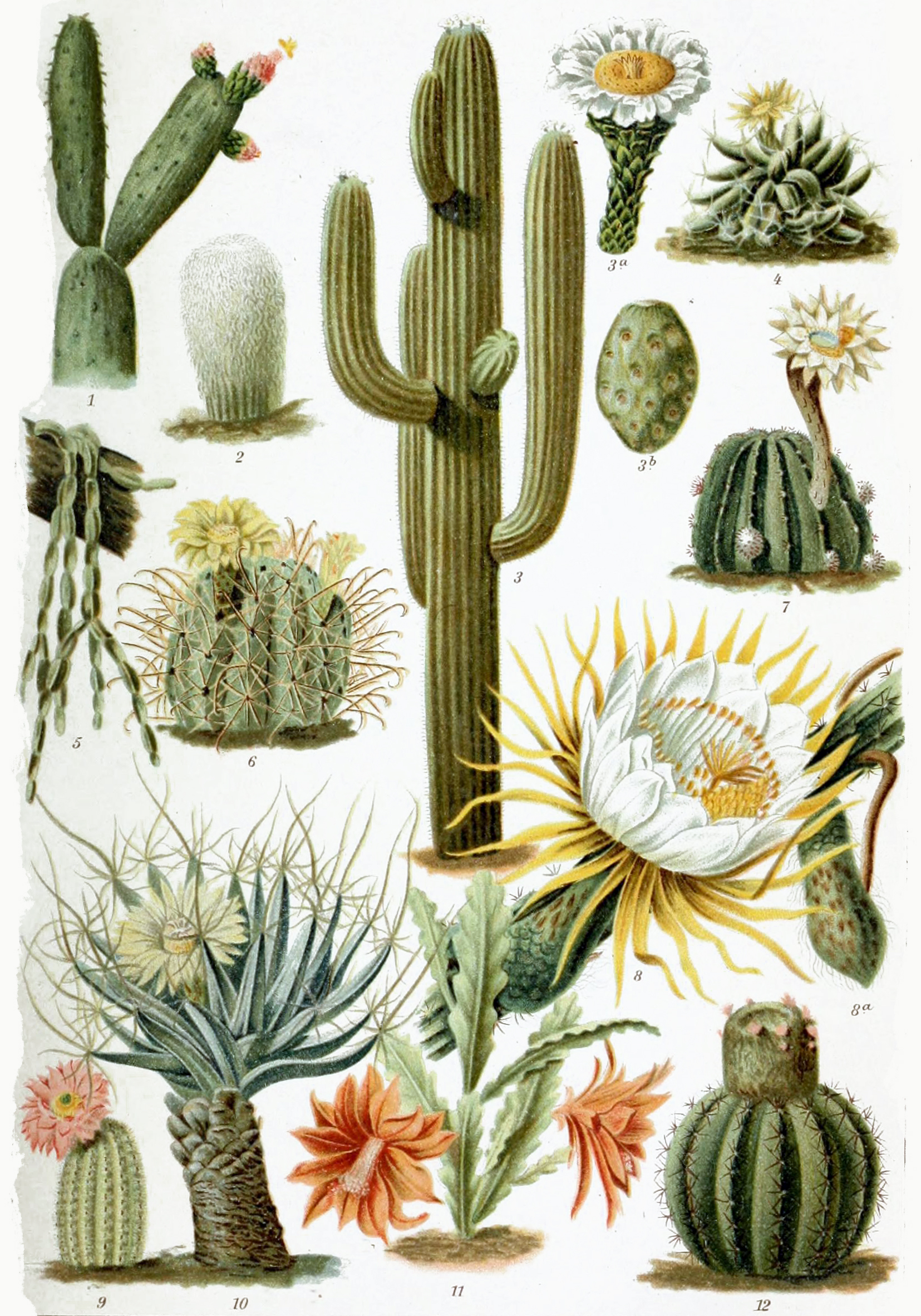
Alpine Cactus
Cereus hildmannianus
A cactus is a member of the plant family Cactaceae, a family of the order Caryophyllales comprising about 127 genera with some 1,750 known species. The word cactus derives, through Latin, from the Ancient Greek word κάκτος (káktos), a name originally used by Theophrastus for a spiny plant whose identity is now not certain. Cacti occur in a wide range of shapes and sizes. They are native to the Americas, ranging from Patagonia in the south to parts of western Canada in the north, with the exception of Rhipsalis baccifera, which is also found in Africa and Sri Lanka. Cacti are adapted to live in very dry environments, including the Atacama Desert, one of the driest places on Earth. Because of this, cacti show many adaptations to conserve water. For example, almost all cacti are succulents, meaning they have thickened, fleshy parts adapted to store water. Unlike many other succulents, the stem is the only part of most cacti where this vital process takes place. Most species of cacti have lost true leaves, retaining only spines, which are highly modified leaves. As well as defending against herbivores, spines help prevent water loss by reducing air flow close to the cactus and providing some shade. In the absence of true leaves, cacti's enlarged stems carry out photosynthesis. Alpine is used here as a catalog label only. The care guide below describes the real species Cactus (Cereus hildmannianus) and does not claim a verified botanical variety unless one is separately documented.

Alpine Jade Plant
Crassula ovata
Crassula ovata, commonly known as jade plant, lucky plant, money plant or money tree, is a succulent plant with small pink or white flowers that is native to the KwaZulu-Natal and Eastern Cape provinces of South Africa, and Mozambique; it is common as a houseplant worldwide. Much of its popularity stems from the low levels of care needed; the jade plant requires little water and can survive in most indoor conditions. It is sometimes referred to as the money tree; however, Pachira aquatica also has this nickname. Alpine is used here as a catalog label only. The care guide below describes the real species Jade Plant (Crassula ovata) and does not claim a verified botanical variety unless one is separately documented.
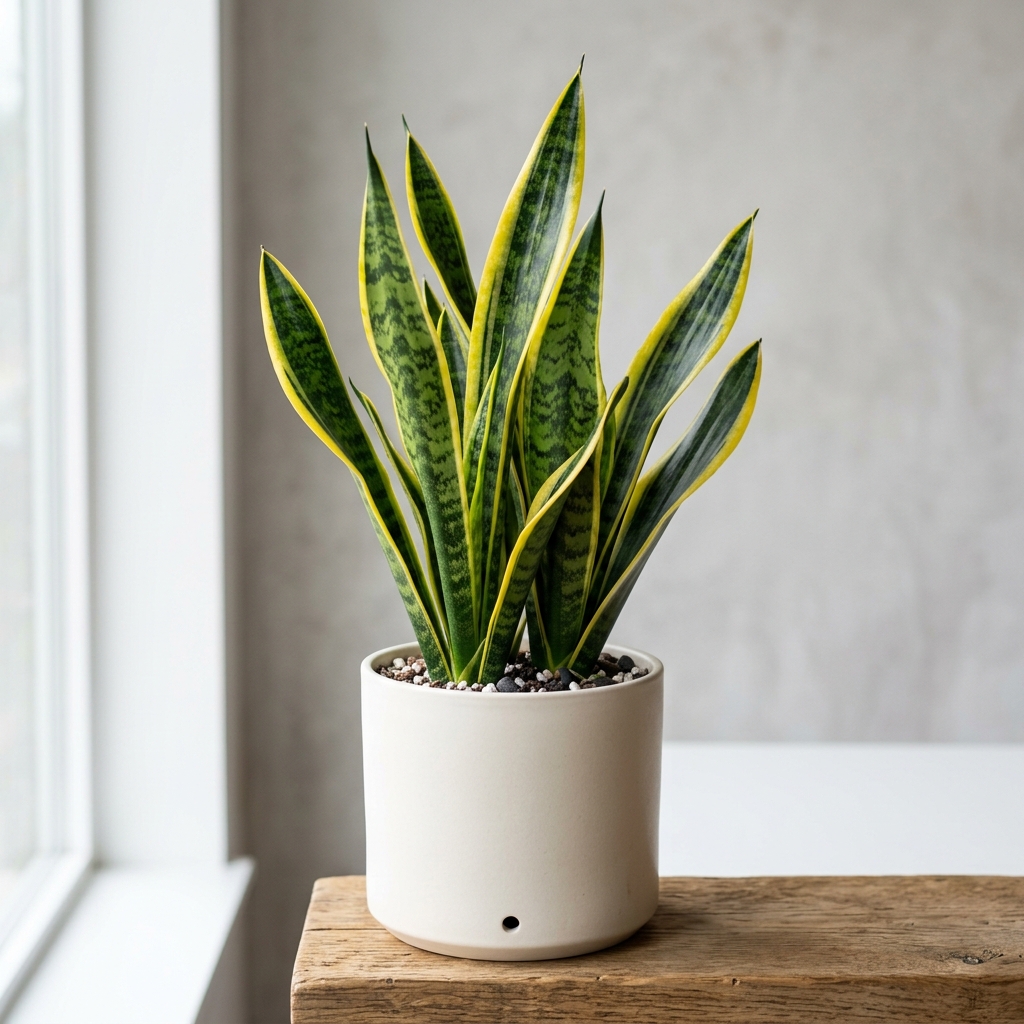
Alpine Snake Plant
Sansevieria trifasciata
Dracaena trifasciata is a species of flowering plant in the family Asparagaceae, native to tropical West Africa from Nigeria east to the Congo. It is most commonly known as the snake plant, Saint George's sword, mother-in-law's tongue, and viper's bowstring hemp, among other names. Until 2017, it was known under the synonym Sansevieria trifasciata. This plant is often kept as a houseplant due to its non-demanding maintenance; they can survive with very little water and sun. Alpine is used here as a catalog label only. The care guide below describes the real species Snake Plant (Sansevieria trifasciata) and does not claim a verified botanical variety unless one is separately documented.
Dwarf Aloe Vera
Aloe barbadensis
Aloe vera is a succulent plant species of the genus Aloe. It is widely distributed, and is considered an invasive species in many world regions. Dwarf is used here as a catalog label only. The care guide below describes the real species Aloe Vera (Aloe barbadensis) and does not claim a verified botanical variety unless one is separately documented.
Dwarf Cactus
Cereus hildmannianus
A cactus is a member of the plant family Cactaceae, a family of the order Caryophyllales comprising about 127 genera with some 1,750 known species. The word cactus derives, through Latin, from the Ancient Greek word κάκτος (káktos), a name originally used by Theophrastus for a spiny plant whose identity is now not certain. Cacti occur in a wide range of shapes and sizes. They are native to the Americas, ranging from Patagonia in the south to parts of western Canada in the north, with the exception of Rhipsalis baccifera, which is also found in Africa and Sri Lanka. Cacti are adapted to live in very dry environments, including the Atacama Desert, one of the driest places on Earth. Because of this, cacti show many adaptations to conserve water. For example, almost all cacti are succulents, meaning they have thickened, fleshy parts adapted to store water. Unlike many other succulents, the stem is the only part of most cacti where this vital process takes place. Most species of cacti have lost true leaves, retaining only spines, which are highly modified leaves. As well as defending against herbivores, spines help prevent water loss by reducing air flow close to the cactus and providing some shade. In the absence of true leaves, cacti's enlarged stems carry out photosynthesis. Dwarf is used here as a catalog label only. The care guide below describes the real species Cactus (Cereus hildmannianus) and does not claim a verified botanical variety unless one is separately documented.
Dwarf Jade Plant
Crassula ovata
Crassula ovata, commonly known as jade plant, lucky plant, money plant or money tree, is a succulent plant with small pink or white flowers that is native to the KwaZulu-Natal and Eastern Cape provinces of South Africa, and Mozambique; it is common as a houseplant worldwide. Much of its popularity stems from the low levels of care needed; the jade plant requires little water and can survive in most indoor conditions. It is sometimes referred to as the money tree; however, Pachira aquatica also has this nickname. Dwarf is used here as a catalog label only. The care guide below describes the real species Jade Plant (Crassula ovata) and does not claim a verified botanical variety unless one is separately documented.
Dwarf Snake Plant
Sansevieria trifasciata
Dracaena trifasciata is a species of flowering plant in the family Asparagaceae, native to tropical West Africa from Nigeria east to the Congo. It is most commonly known as the snake plant, Saint George's sword, mother-in-law's tongue, and viper's bowstring hemp, among other names. Until 2017, it was known under the synonym Sansevieria trifasciata. This plant is often kept as a houseplant due to its non-demanding maintenance; they can survive with very little water and sun. Dwarf is used here as a catalog label only. The care guide below describes the real species Snake Plant (Sansevieria trifasciata) and does not claim a verified botanical variety unless one is separately documented.
Emerald Aloe Vera
Aloe barbadensis
Aloe vera is a succulent plant species of the genus Aloe. It is widely distributed, and is considered an invasive species in many world regions. Emerald is used here as a catalog label only. The care guide below describes the real species Aloe Vera (Aloe barbadensis) and does not claim a verified botanical variety unless one is separately documented.
Emerald Cactus
Cereus hildmannianus
A cactus is a member of the plant family Cactaceae, a family of the order Caryophyllales comprising about 127 genera with some 1,750 known species. The word cactus derives, through Latin, from the Ancient Greek word κάκτος (káktos), a name originally used by Theophrastus for a spiny plant whose identity is now not certain. Cacti occur in a wide range of shapes and sizes. They are native to the Americas, ranging from Patagonia in the south to parts of western Canada in the north, with the exception of Rhipsalis baccifera, which is also found in Africa and Sri Lanka. Cacti are adapted to live in very dry environments, including the Atacama Desert, one of the driest places on Earth. Because of this, cacti show many adaptations to conserve water. For example, almost all cacti are succulents, meaning they have thickened, fleshy parts adapted to store water. Unlike many other succulents, the stem is the only part of most cacti where this vital process takes place. Most species of cacti have lost true leaves, retaining only spines, which are highly modified leaves. As well as defending against herbivores, spines help prevent water loss by reducing air flow close to the cactus and providing some shade. In the absence of true leaves, cacti's enlarged stems carry out photosynthesis. Emerald is used here as a catalog label only. The care guide below describes the real species Cactus (Cereus hildmannianus) and does not claim a verified botanical variety unless one is separately documented.
Emerald Jade Plant
Crassula ovata
Crassula ovata, commonly known as jade plant, lucky plant, money plant or money tree, is a succulent plant with small pink or white flowers that is native to the KwaZulu-Natal and Eastern Cape provinces of South Africa, and Mozambique; it is common as a houseplant worldwide. Much of its popularity stems from the low levels of care needed; the jade plant requires little water and can survive in most indoor conditions. It is sometimes referred to as the money tree; however, Pachira aquatica also has this nickname. Emerald is used here as a catalog label only. The care guide below describes the real species Jade Plant (Crassula ovata) and does not claim a verified botanical variety unless one is separately documented.
Emerald Snake Plant
Sansevieria trifasciata
Dracaena trifasciata is a species of flowering plant in the family Asparagaceae, native to tropical West Africa from Nigeria east to the Congo. It is most commonly known as the snake plant, Saint George's sword, mother-in-law's tongue, and viper's bowstring hemp, among other names. Until 2017, it was known under the synonym Sansevieria trifasciata. This plant is often kept as a houseplant due to its non-demanding maintenance; they can survive with very little water and sun. Emerald is used here as a catalog label only. The care guide below describes the real species Snake Plant (Sansevieria trifasciata) and does not claim a verified botanical variety unless one is separately documented.
Giant Aloe Vera
Aloe barbadensis
Aloe vera is a succulent plant species of the genus Aloe. It is widely distributed, and is considered an invasive species in many world regions. Giant is used here as a catalog label only. The care guide below describes the real species Aloe Vera (Aloe barbadensis) and does not claim a verified botanical variety unless one is separately documented.
Giant Cactus
Cereus hildmannianus
A cactus is a member of the plant family Cactaceae, a family of the order Caryophyllales comprising about 127 genera with some 1,750 known species. The word cactus derives, through Latin, from the Ancient Greek word κάκτος (káktos), a name originally used by Theophrastus for a spiny plant whose identity is now not certain. Cacti occur in a wide range of shapes and sizes. They are native to the Americas, ranging from Patagonia in the south to parts of western Canada in the north, with the exception of Rhipsalis baccifera, which is also found in Africa and Sri Lanka. Cacti are adapted to live in very dry environments, including the Atacama Desert, one of the driest places on Earth. Because of this, cacti show many adaptations to conserve water. For example, almost all cacti are succulents, meaning they have thickened, fleshy parts adapted to store water. Unlike many other succulents, the stem is the only part of most cacti where this vital process takes place. Most species of cacti have lost true leaves, retaining only spines, which are highly modified leaves. As well as defending against herbivores, spines help prevent water loss by reducing air flow close to the cactus and providing some shade. In the absence of true leaves, cacti's enlarged stems carry out photosynthesis. Giant is used here as a catalog label only. The care guide below describes the real species Cactus (Cereus hildmannianus) and does not claim a verified botanical variety unless one is separately documented.
Giant Jade Plant
Crassula ovata
Crassula ovata, commonly known as jade plant, lucky plant, money plant or money tree, is a succulent plant with small pink or white flowers that is native to the KwaZulu-Natal and Eastern Cape provinces of South Africa, and Mozambique; it is common as a houseplant worldwide. Much of its popularity stems from the low levels of care needed; the jade plant requires little water and can survive in most indoor conditions. It is sometimes referred to as the money tree; however, Pachira aquatica also has this nickname. Giant is used here as a catalog label only. The care guide below describes the real species Jade Plant (Crassula ovata) and does not claim a verified botanical variety unless one is separately documented.
Giant Snake Plant
Sansevieria trifasciata
Dracaena trifasciata is a species of flowering plant in the family Asparagaceae, native to tropical West Africa from Nigeria east to the Congo. It is most commonly known as the snake plant, Saint George's sword, mother-in-law's tongue, and viper's bowstring hemp, among other names. Until 2017, it was known under the synonym Sansevieria trifasciata. This plant is often kept as a houseplant due to its non-demanding maintenance; they can survive with very little water and sun. Giant is used here as a catalog label only. The care guide below describes the real species Snake Plant (Sansevieria trifasciata) and does not claim a verified botanical variety unless one is separately documented.
Golden Aloe Vera
Aloe barbadensis
Aloe vera is a succulent plant species of the genus Aloe. It is widely distributed, and is considered an invasive species in many world regions. Golden is used here as a catalog label only. The care guide below describes the real species Aloe Vera (Aloe barbadensis) and does not claim a verified botanical variety unless one is separately documented.
Golden Cactus
Cereus hildmannianus
A cactus is a member of the plant family Cactaceae, a family of the order Caryophyllales comprising about 127 genera with some 1,750 known species. The word cactus derives, through Latin, from the Ancient Greek word κάκτος (káktos), a name originally used by Theophrastus for a spiny plant whose identity is now not certain. Cacti occur in a wide range of shapes and sizes. They are native to the Americas, ranging from Patagonia in the south to parts of western Canada in the north, with the exception of Rhipsalis baccifera, which is also found in Africa and Sri Lanka. Cacti are adapted to live in very dry environments, including the Atacama Desert, one of the driest places on Earth. Because of this, cacti show many adaptations to conserve water. For example, almost all cacti are succulents, meaning they have thickened, fleshy parts adapted to store water. Unlike many other succulents, the stem is the only part of most cacti where this vital process takes place. Most species of cacti have lost true leaves, retaining only spines, which are highly modified leaves. As well as defending against herbivores, spines help prevent water loss by reducing air flow close to the cactus and providing some shade. In the absence of true leaves, cacti's enlarged stems carry out photosynthesis. Golden is used here as a catalog label only. The care guide below describes the real species Cactus (Cereus hildmannianus) and does not claim a verified botanical variety unless one is separately documented.
Golden Jade Plant
Crassula ovata
Crassula ovata, commonly known as jade plant, lucky plant, money plant or money tree, is a succulent plant with small pink or white flowers that is native to the KwaZulu-Natal and Eastern Cape provinces of South Africa, and Mozambique; it is common as a houseplant worldwide. Much of its popularity stems from the low levels of care needed; the jade plant requires little water and can survive in most indoor conditions. It is sometimes referred to as the money tree; however, Pachira aquatica also has this nickname. Golden is used here as a catalog label only. The care guide below describes the real species Jade Plant (Crassula ovata) and does not claim a verified botanical variety unless one is separately documented.
Golden Snake Plant
Sansevieria trifasciata
Dracaena trifasciata is a species of flowering plant in the family Asparagaceae, native to tropical West Africa from Nigeria east to the Congo. It is most commonly known as the snake plant, Saint George's sword, mother-in-law's tongue, and viper's bowstring hemp, among other names. Until 2017, it was known under the synonym Sansevieria trifasciata. This plant is often kept as a houseplant due to its non-demanding maintenance; they can survive with very little water and sun. Golden is used here as a catalog label only. The care guide below describes the real species Snake Plant (Sansevieria trifasciata) and does not claim a verified botanical variety unless one is separately documented.
Neon Aloe Vera
Aloe barbadensis
Aloe vera is a succulent plant species of the genus Aloe. It is widely distributed, and is considered an invasive species in many world regions. Neon is used here as a catalog label only. The care guide below describes the real species Aloe Vera (Aloe barbadensis) and does not claim a verified botanical variety unless one is separately documented.
Neon Cactus
Cereus hildmannianus
A cactus is a member of the plant family Cactaceae, a family of the order Caryophyllales comprising about 127 genera with some 1,750 known species. The word cactus derives, through Latin, from the Ancient Greek word κάκτος (káktos), a name originally used by Theophrastus for a spiny plant whose identity is now not certain. Cacti occur in a wide range of shapes and sizes. They are native to the Americas, ranging from Patagonia in the south to parts of western Canada in the north, with the exception of Rhipsalis baccifera, which is also found in Africa and Sri Lanka. Cacti are adapted to live in very dry environments, including the Atacama Desert, one of the driest places on Earth. Because of this, cacti show many adaptations to conserve water. For example, almost all cacti are succulents, meaning they have thickened, fleshy parts adapted to store water. Unlike many other succulents, the stem is the only part of most cacti where this vital process takes place. Most species of cacti have lost true leaves, retaining only spines, which are highly modified leaves. As well as defending against herbivores, spines help prevent water loss by reducing air flow close to the cactus and providing some shade. In the absence of true leaves, cacti's enlarged stems carry out photosynthesis. Neon is used here as a catalog label only. The care guide below describes the real species Cactus (Cereus hildmannianus) and does not claim a verified botanical variety unless one is separately documented.
Neon Jade Plant
Crassula ovata
Crassula ovata, commonly known as jade plant, lucky plant, money plant or money tree, is a succulent plant with small pink or white flowers that is native to the KwaZulu-Natal and Eastern Cape provinces of South Africa, and Mozambique; it is common as a houseplant worldwide. Much of its popularity stems from the low levels of care needed; the jade plant requires little water and can survive in most indoor conditions. It is sometimes referred to as the money tree; however, Pachira aquatica also has this nickname. Neon is used here as a catalog label only. The care guide below describes the real species Jade Plant (Crassula ovata) and does not claim a verified botanical variety unless one is separately documented.
Neon Snake Plant
Sansevieria trifasciata
Dracaena trifasciata is a species of flowering plant in the family Asparagaceae, native to tropical West Africa from Nigeria east to the Congo. It is most commonly known as the snake plant, Saint George's sword, mother-in-law's tongue, and viper's bowstring hemp, among other names. Until 2017, it was known under the synonym Sansevieria trifasciata. This plant is often kept as a houseplant due to its non-demanding maintenance; they can survive with very little water and sun. Neon is used here as a catalog label only. The care guide below describes the real species Snake Plant (Sansevieria trifasciata) and does not claim a verified botanical variety unless one is separately documented.
Silver Aloe Vera
Aloe barbadensis
Aloe vera is a succulent plant species of the genus Aloe. It is widely distributed, and is considered an invasive species in many world regions. Silver is used here as a catalog label only. The care guide below describes the real species Aloe Vera (Aloe barbadensis) and does not claim a verified botanical variety unless one is separately documented.
Silver Cactus
Cereus hildmannianus
A cactus is a member of the plant family Cactaceae, a family of the order Caryophyllales comprising about 127 genera with some 1,750 known species. The word cactus derives, through Latin, from the Ancient Greek word κάκτος (káktos), a name originally used by Theophrastus for a spiny plant whose identity is now not certain. Cacti occur in a wide range of shapes and sizes. They are native to the Americas, ranging from Patagonia in the south to parts of western Canada in the north, with the exception of Rhipsalis baccifera, which is also found in Africa and Sri Lanka. Cacti are adapted to live in very dry environments, including the Atacama Desert, one of the driest places on Earth. Because of this, cacti show many adaptations to conserve water. For example, almost all cacti are succulents, meaning they have thickened, fleshy parts adapted to store water. Unlike many other succulents, the stem is the only part of most cacti where this vital process takes place. Most species of cacti have lost true leaves, retaining only spines, which are highly modified leaves. As well as defending against herbivores, spines help prevent water loss by reducing air flow close to the cactus and providing some shade. In the absence of true leaves, cacti's enlarged stems carry out photosynthesis. Silver is used here as a catalog label only. The care guide below describes the real species Cactus (Cereus hildmannianus) and does not claim a verified botanical variety unless one is separately documented.
Silver Jade Plant
Crassula ovata
Crassula ovata, commonly known as jade plant, lucky plant, money plant or money tree, is a succulent plant with small pink or white flowers that is native to the KwaZulu-Natal and Eastern Cape provinces of South Africa, and Mozambique; it is common as a houseplant worldwide. Much of its popularity stems from the low levels of care needed; the jade plant requires little water and can survive in most indoor conditions. It is sometimes referred to as the money tree; however, Pachira aquatica also has this nickname. Silver is used here as a catalog label only. The care guide below describes the real species Jade Plant (Crassula ovata) and does not claim a verified botanical variety unless one is separately documented.
Silver Snake Plant
Sansevieria trifasciata
Dracaena trifasciata is a species of flowering plant in the family Asparagaceae, native to tropical West Africa from Nigeria east to the Congo. It is most commonly known as the snake plant, Saint George's sword, mother-in-law's tongue, and viper's bowstring hemp, among other names. Until 2017, it was known under the synonym Sansevieria trifasciata. This plant is often kept as a houseplant due to its non-demanding maintenance; they can survive with very little water and sun. Silver is used here as a catalog label only. The care guide below describes the real species Snake Plant (Sansevieria trifasciata) and does not claim a verified botanical variety unless one is separately documented.
Standard Aloe Vera
Aloe barbadensis
Aloe vera is a succulent plant species of the genus Aloe. It is widely distributed, and is considered an invasive species in many world regions. Standard is used here as a catalog label only. The care guide below describes the real species Aloe Vera (Aloe barbadensis) and does not claim a verified botanical variety unless one is separately documented.
Standard Cactus
Cereus hildmannianus
A cactus is a member of the plant family Cactaceae, a family of the order Caryophyllales comprising about 127 genera with some 1,750 known species. The word cactus derives, through Latin, from the Ancient Greek word κάκτος (káktos), a name originally used by Theophrastus for a spiny plant whose identity is now not certain. Cacti occur in a wide range of shapes and sizes. They are native to the Americas, ranging from Patagonia in the south to parts of western Canada in the north, with the exception of Rhipsalis baccifera, which is also found in Africa and Sri Lanka. Cacti are adapted to live in very dry environments, including the Atacama Desert, one of the driest places on Earth. Because of this, cacti show many adaptations to conserve water. For example, almost all cacti are succulents, meaning they have thickened, fleshy parts adapted to store water. Unlike many other succulents, the stem is the only part of most cacti where this vital process takes place. Most species of cacti have lost true leaves, retaining only spines, which are highly modified leaves. As well as defending against herbivores, spines help prevent water loss by reducing air flow close to the cactus and providing some shade. In the absence of true leaves, cacti's enlarged stems carry out photosynthesis. Standard is used here as a catalog label only. The care guide below describes the real species Cactus (Cereus hildmannianus) and does not claim a verified botanical variety unless one is separately documented.
Standard Jade Plant
Crassula ovata
Crassula ovata, commonly known as jade plant, lucky plant, money plant or money tree, is a succulent plant with small pink or white flowers that is native to the KwaZulu-Natal and Eastern Cape provinces of South Africa, and Mozambique; it is common as a houseplant worldwide. Much of its popularity stems from the low levels of care needed; the jade plant requires little water and can survive in most indoor conditions. It is sometimes referred to as the money tree; however, Pachira aquatica also has this nickname. Standard is used here as a catalog label only. The care guide below describes the real species Jade Plant (Crassula ovata) and does not claim a verified botanical variety unless one is separately documented.
Standard Snake Plant
Sansevieria trifasciata
Dracaena trifasciata is a species of flowering plant in the family Asparagaceae, native to tropical West Africa from Nigeria east to the Congo. It is most commonly known as the snake plant, Saint George's sword, mother-in-law's tongue, and viper's bowstring hemp, among other names. Until 2017, it was known under the synonym Sansevieria trifasciata. This plant is often kept as a houseplant due to its non-demanding maintenance; they can survive with very little water and sun. Standard is used here as a catalog label only. The care guide below describes the real species Snake Plant (Sansevieria trifasciata) and does not claim a verified botanical variety unless one is separately documented.
Sweet Aloe Vera
Aloe barbadensis
Aloe vera is a succulent plant species of the genus Aloe. It is widely distributed, and is considered an invasive species in many world regions. Sweet is used here as a catalog label only. The care guide below describes the real species Aloe Vera (Aloe barbadensis) and does not claim a verified botanical variety unless one is separately documented.
Sweet Cactus
Cereus hildmannianus
A cactus is a member of the plant family Cactaceae, a family of the order Caryophyllales comprising about 127 genera with some 1,750 known species. The word cactus derives, through Latin, from the Ancient Greek word κάκτος (káktos), a name originally used by Theophrastus for a spiny plant whose identity is now not certain. Cacti occur in a wide range of shapes and sizes. They are native to the Americas, ranging from Patagonia in the south to parts of western Canada in the north, with the exception of Rhipsalis baccifera, which is also found in Africa and Sri Lanka. Cacti are adapted to live in very dry environments, including the Atacama Desert, one of the driest places on Earth. Because of this, cacti show many adaptations to conserve water. For example, almost all cacti are succulents, meaning they have thickened, fleshy parts adapted to store water. Unlike many other succulents, the stem is the only part of most cacti where this vital process takes place. Most species of cacti have lost true leaves, retaining only spines, which are highly modified leaves. As well as defending against herbivores, spines help prevent water loss by reducing air flow close to the cactus and providing some shade. In the absence of true leaves, cacti's enlarged stems carry out photosynthesis. Sweet is used here as a catalog label only. The care guide below describes the real species Cactus (Cereus hildmannianus) and does not claim a verified botanical variety unless one is separately documented.
Sweet Jade Plant
Crassula ovata
Crassula ovata, commonly known as jade plant, lucky plant, money plant or money tree, is a succulent plant with small pink or white flowers that is native to the KwaZulu-Natal and Eastern Cape provinces of South Africa, and Mozambique; it is common as a houseplant worldwide. Much of its popularity stems from the low levels of care needed; the jade plant requires little water and can survive in most indoor conditions. It is sometimes referred to as the money tree; however, Pachira aquatica also has this nickname. Sweet is used here as a catalog label only. The care guide below describes the real species Jade Plant (Crassula ovata) and does not claim a verified botanical variety unless one is separately documented.
Sweet Snake Plant
Sansevieria trifasciata
Dracaena trifasciata is a species of flowering plant in the family Asparagaceae, native to tropical West Africa from Nigeria east to the Congo. It is most commonly known as the snake plant, Saint George's sword, mother-in-law's tongue, and viper's bowstring hemp, among other names. Until 2017, it was known under the synonym Sansevieria trifasciata. This plant is often kept as a houseplant due to its non-demanding maintenance; they can survive with very little water and sun. Sweet is used here as a catalog label only. The care guide below describes the real species Snake Plant (Sansevieria trifasciata) and does not claim a verified botanical variety unless one is separately documented.
Variegated Aloe Vera
Aloe barbadensis
Aloe vera is a succulent plant species of the genus Aloe. It is widely distributed, and is considered an invasive species in many world regions. Variegated is used here as a catalog label only. The care guide below describes the real species Aloe Vera (Aloe barbadensis) and does not claim a verified botanical variety unless one is separately documented.
Variegated Cactus
Cereus hildmannianus
A cactus is a member of the plant family Cactaceae, a family of the order Caryophyllales comprising about 127 genera with some 1,750 known species. The word cactus derives, through Latin, from the Ancient Greek word κάκτος (káktos), a name originally used by Theophrastus for a spiny plant whose identity is now not certain. Cacti occur in a wide range of shapes and sizes. They are native to the Americas, ranging from Patagonia in the south to parts of western Canada in the north, with the exception of Rhipsalis baccifera, which is also found in Africa and Sri Lanka. Cacti are adapted to live in very dry environments, including the Atacama Desert, one of the driest places on Earth. Because of this, cacti show many adaptations to conserve water. For example, almost all cacti are succulents, meaning they have thickened, fleshy parts adapted to store water. Unlike many other succulents, the stem is the only part of most cacti where this vital process takes place. Most species of cacti have lost true leaves, retaining only spines, which are highly modified leaves. As well as defending against herbivores, spines help prevent water loss by reducing air flow close to the cactus and providing some shade. In the absence of true leaves, cacti's enlarged stems carry out photosynthesis. Variegated is used here as a catalog label only. The care guide below describes the real species Cactus (Cereus hildmannianus) and does not claim a verified botanical variety unless one is separately documented.
Variegated Jade Plant
Crassula ovata
Crassula ovata, commonly known as jade plant, lucky plant, money plant or money tree, is a succulent plant with small pink or white flowers that is native to the KwaZulu-Natal and Eastern Cape provinces of South Africa, and Mozambique; it is common as a houseplant worldwide. Much of its popularity stems from the low levels of care needed; the jade plant requires little water and can survive in most indoor conditions. It is sometimes referred to as the money tree; however, Pachira aquatica also has this nickname. Variegated is used here as a catalog label only. The care guide below describes the real species Jade Plant (Crassula ovata) and does not claim a verified botanical variety unless one is separately documented.
Variegated Snake Plant
Sansevieria trifasciata
Dracaena trifasciata is a species of flowering plant in the family Asparagaceae, native to tropical West Africa from Nigeria east to the Congo. It is most commonly known as the snake plant, Saint George's sword, mother-in-law's tongue, and viper's bowstring hemp, among other names. Until 2017, it was known under the synonym Sansevieria trifasciata. This plant is often kept as a houseplant due to its non-demanding maintenance; they can survive with very little water and sun. Variegated is used here as a catalog label only. The care guide below describes the real species Snake Plant (Sansevieria trifasciata) and does not claim a verified botanical variety unless one is separately documented.
Wild Aloe Vera
Aloe barbadensis
Aloe vera is a succulent plant species of the genus Aloe. It is widely distributed, and is considered an invasive species in many world regions. Wild is used here as a catalog label only. The care guide below describes the real species Aloe Vera (Aloe barbadensis) and does not claim a verified botanical variety unless one is separately documented.
Wild Cactus
Cereus hildmannianus
A cactus is a member of the plant family Cactaceae, a family of the order Caryophyllales comprising about 127 genera with some 1,750 known species. The word cactus derives, through Latin, from the Ancient Greek word κάκτος (káktos), a name originally used by Theophrastus for a spiny plant whose identity is now not certain. Cacti occur in a wide range of shapes and sizes. They are native to the Americas, ranging from Patagonia in the south to parts of western Canada in the north, with the exception of Rhipsalis baccifera, which is also found in Africa and Sri Lanka. Cacti are adapted to live in very dry environments, including the Atacama Desert, one of the driest places on Earth. Because of this, cacti show many adaptations to conserve water. For example, almost all cacti are succulents, meaning they have thickened, fleshy parts adapted to store water. Unlike many other succulents, the stem is the only part of most cacti where this vital process takes place. Most species of cacti have lost true leaves, retaining only spines, which are highly modified leaves. As well as defending against herbivores, spines help prevent water loss by reducing air flow close to the cactus and providing some shade. In the absence of true leaves, cacti's enlarged stems carry out photosynthesis. Wild is used here as a catalog label only. The care guide below describes the real species Cactus (Cereus hildmannianus) and does not claim a verified botanical variety unless one is separately documented.
Wild Jade Plant
Crassula ovata
Crassula ovata, commonly known as jade plant, lucky plant, money plant or money tree, is a succulent plant with small pink or white flowers that is native to the KwaZulu-Natal and Eastern Cape provinces of South Africa, and Mozambique; it is common as a houseplant worldwide. Much of its popularity stems from the low levels of care needed; the jade plant requires little water and can survive in most indoor conditions. It is sometimes referred to as the money tree; however, Pachira aquatica also has this nickname. Wild is used here as a catalog label only. The care guide below describes the real species Jade Plant (Crassula ovata) and does not claim a verified botanical variety unless one is separately documented.
Wild Snake Plant
Sansevieria trifasciata
Dracaena trifasciata is a species of flowering plant in the family Asparagaceae, native to tropical West Africa from Nigeria east to the Congo. It is most commonly known as the snake plant, Saint George's sword, mother-in-law's tongue, and viper's bowstring hemp, among other names. Until 2017, it was known under the synonym Sansevieria trifasciata. This plant is often kept as a houseplant due to its non-demanding maintenance; they can survive with very little water and sun. Wild is used here as a catalog label only. The care guide below describes the real species Snake Plant (Sansevieria trifasciata) and does not claim a verified botanical variety unless one is separately documented.