

Vegetables
Edible garden crops and vines providing fresh kitchen ingredients. Heavy feeders requiring high organic compost levels.
Expert Care Tip
For Vegetables:
Add bone meal to the soil to provide adequate calcium and prevent end rot in fruits. Provide support stakes early in growth.
Tip: Add bone meal to the soil to provide adequate calcium and prevent end rot in fruits. Provide support stakes early in growth.
No plants found
Try adjusting your search terms or view another category.

Alpine Broccoli
Brassica oleracea var. italica
Broccoli (Brassica oleracea var. italica) is a real plant in the Brassicaceae family. It is commonly grown as a outdoor plant and generally needs full sun, high water, and temperatures around 12°C - 20°C. Alpine is used here as a catalog label only. The care guide below describes the real species Broccoli (Brassica oleracea var. italica) and does not claim a verified botanical variety unless one is separately documented.
Alpine Cabbage
Brassica oleracea var. capitata
Cabbage (Brassica oleracea var. capitata) is a real plant in the Brassicaceae family. It is commonly grown as a outdoor plant and generally needs full sun, high water, and temperatures around 10°C - 20°C. Alpine is used here as a catalog label only. The care guide below describes the real species Cabbage (Brassica oleracea var. capitata) and does not claim a verified botanical variety unless one is separately documented.
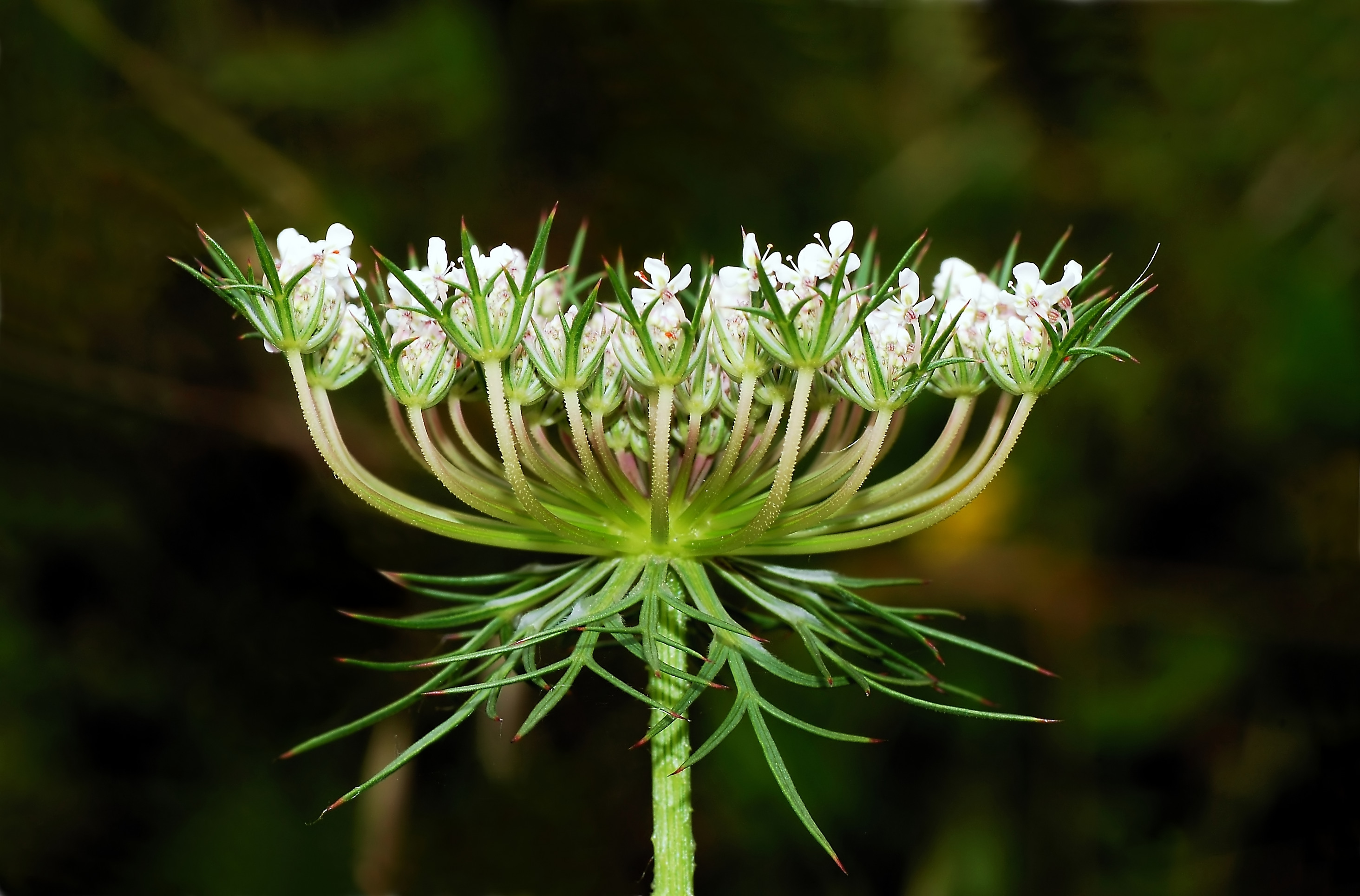
Alpine Carrot
Daucus carota
Daucus carota, whose common names include wild carrot, European wild carrot, bird's nest, bishop's lace, carrot flower, and Queen Anne's lace, is a flowering plant in the family Apiaceae. It is native to temperate regions of the Old World with a number of regional subspecies, and is naturalised widely elsewhere. Carrots cultivated as a food crop are cultivars of the domesticated subspecies Daucus carota subsp. sativus. Alpine is used here as a catalog label only. The care guide below describes the real species Carrot (Daucus carota) and does not claim a verified botanical variety unless one is separately documented.

Alpine Chili Pepper
Capsicum annuum
Capsicum annuum is a flowering plant in the family Solanaceae (nightshades), native to the northern regions of South America and to southwestern North America. The plant produces berries of many colors including red, green, and yellow, often with pungent taste. It is one of the oldest cultivated crops, with domestication dating back to around 6,000 years ago in regions of Mexico. The genus Capsicum has over 30 species but Capsicum annuum is the primary species in its genus, as it has been widely cultivated for human consumption for a substantial amount of time and has spread across the world. This species has many uses in culinary, medicine, self-defense, and ornamental applications. Alpine is used here as a catalog label only. The care guide below describes the real species Chili Pepper (Capsicum annuum) and does not claim a verified botanical variety unless one is separately documented.
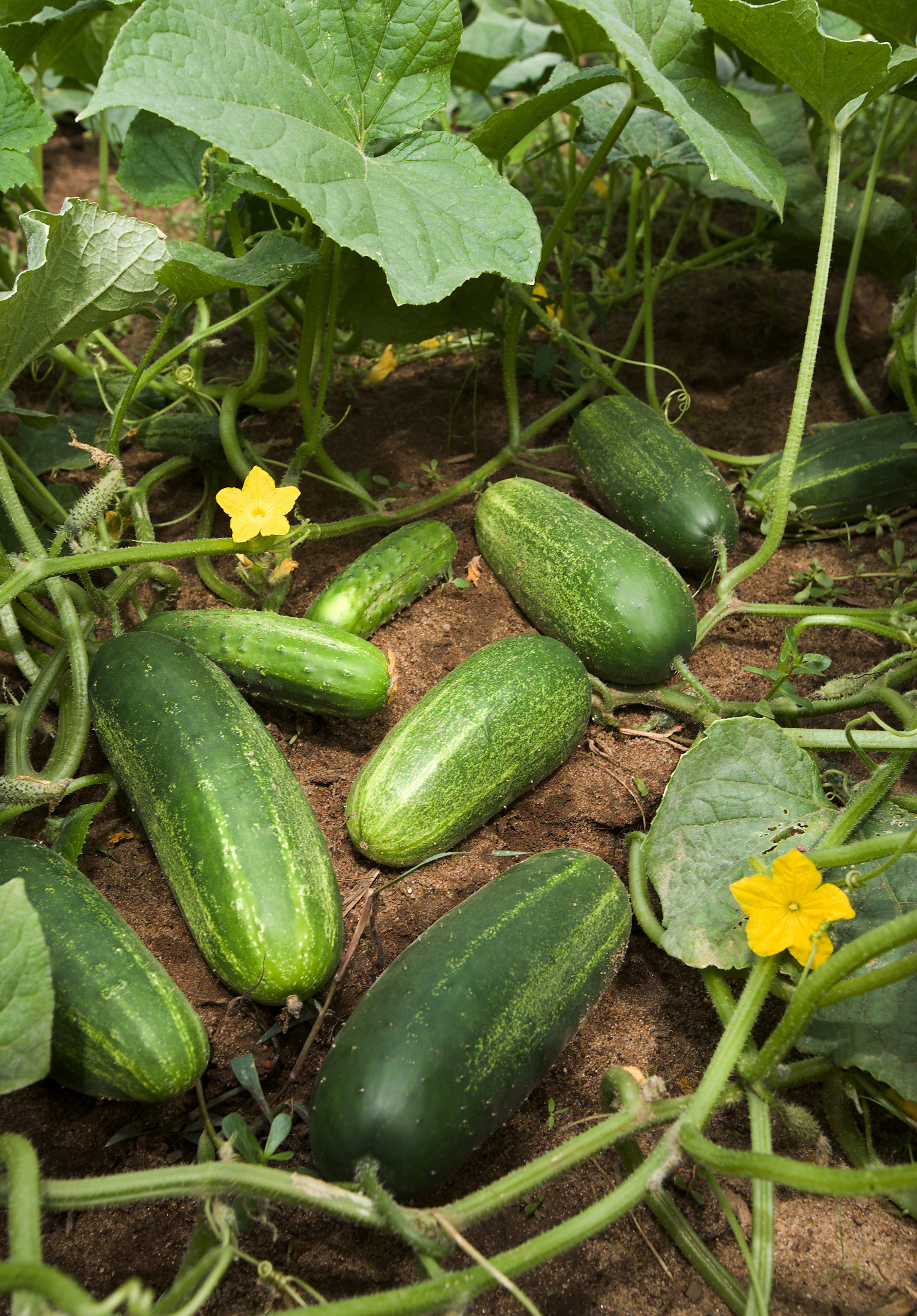
Alpine Cucumber
Cucumis sativus
The cucumber is a widely-cultivated creeping vine plant in the family Cucurbitaceae that bears cylindrical to spherical fruits, used as culinary vegetables. Considered an annual plant, there are three main types: slicing, pickling, and seedless. Alpine is used here as a catalog label only. The care guide below describes the real species Cucumber (Cucumis sativus) and does not claim a verified botanical variety unless one is separately documented.

Alpine Eggplant
Solanum melongena
Eggplant, aubergine, brinjal, or baigan is a plant species in the nightshade family Solanaceae. Solanum melongena is grown worldwide for its edible fruit, typically used as a vegetable in cooking. Alpine is used here as a catalog label only. The care guide below describes the real species Eggplant (Solanum melongena) and does not claim a verified botanical variety unless one is separately documented.
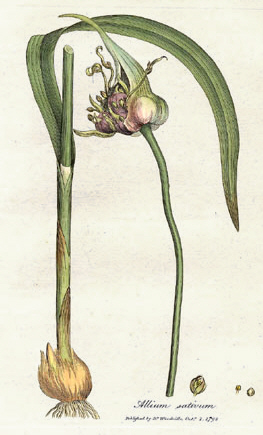
Alpine Garlic
Allium sativum
Garlic is a species of bulbous flowering plants in the genus Allium. Its close relatives include the onion, shallot, leek, chives, Welsh onion, and Chinese onion. Garlic is native to Central Asia, northeastern Iran and the foothills of Himalayas. It has naturalized in many other parts of the world, including Mediterranean Europe and China. There are two subspecies and hundreds of varieties of garlic. Alpine is used here as a catalog label only. The care guide below describes the real species Garlic (Allium sativum) and does not claim a verified botanical variety unless one is separately documented.

Alpine Onion
Allium cepa
The onion, also known as the bulb onion or common onion, is a vegetable that is the most widely cultivated species of the genus Allium. The shallot is a botanical variety of the onion which was classified as a separate species until 2011. The onion's close relatives include garlic, scallion, leek, and chives. Alpine is used here as a catalog label only. The care guide below describes the real species Onion (Allium cepa) and does not claim a verified botanical variety unless one is separately documented.
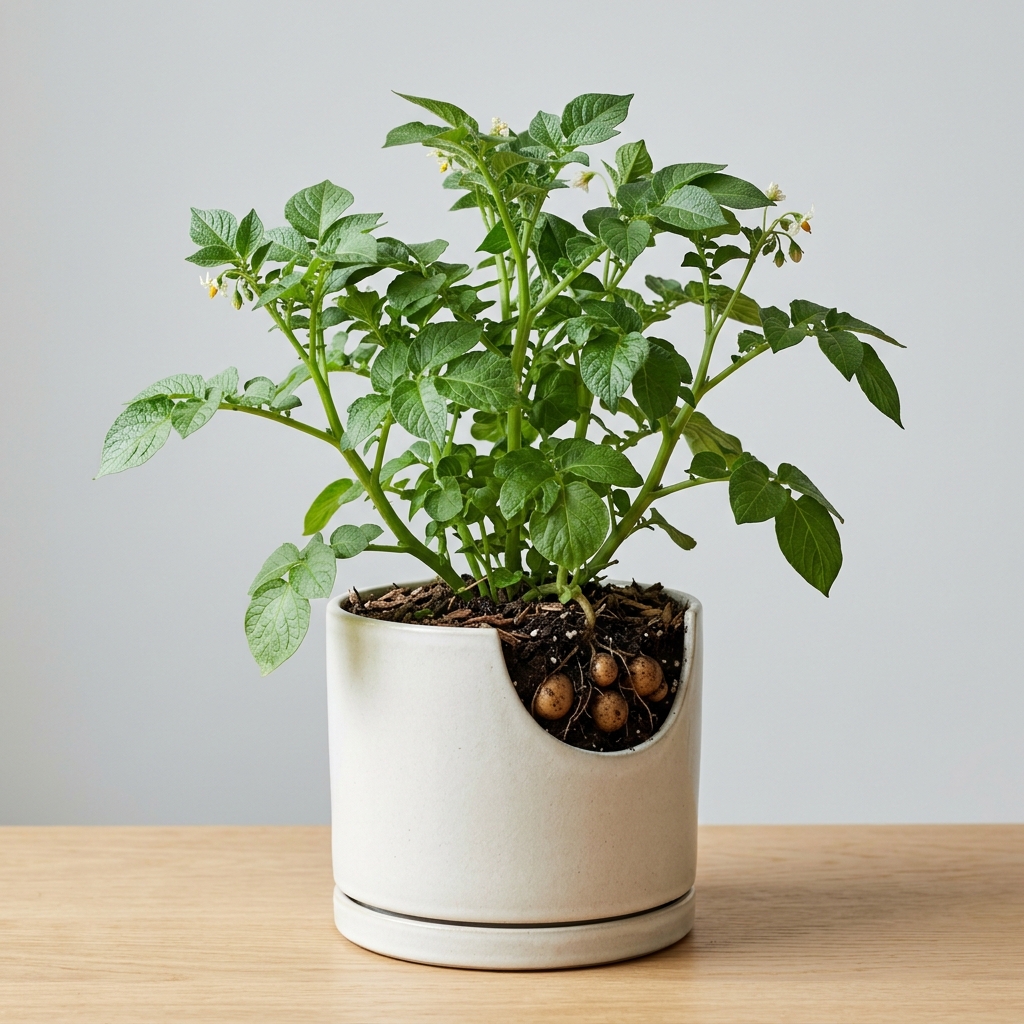
Alpine Potato
Solanum tuberosum
The potato is a starchy tuberous vegetable native to the Americas that is consumed as a staple food in many parts of the world. Potatoes are underground stem tubers of the plant Solanum tuberosum, a perennial in the nightshade family Solanaceae. Alpine is used here as a catalog label only. The care guide below describes the real species Potato (Solanum tuberosum) and does not claim a verified botanical variety unless one is separately documented.
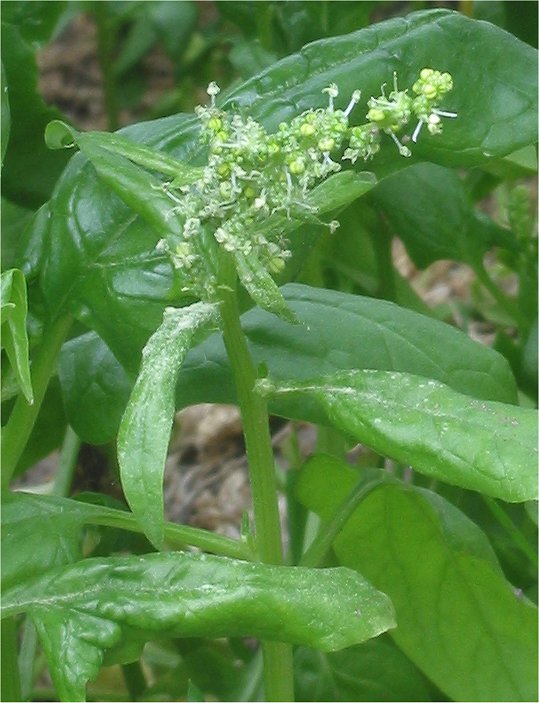
Alpine Spinach
Spinacia oleracea
Spinach is a leafy green flowering plant native to Central and Western Asia. It is of the order Caryophyllales, family Amaranthaceae, subfamily Chenopodioideae. Its leaves are a common vegetable consumed either fresh, cooked or after storage. The taste differs considerably between cooked and raw: the high oxalate content may be reduced by blanching. Alpine is used here as a catalog label only. The care guide below describes the real species Spinach (Spinacia oleracea) and does not claim a verified botanical variety unless one is separately documented.
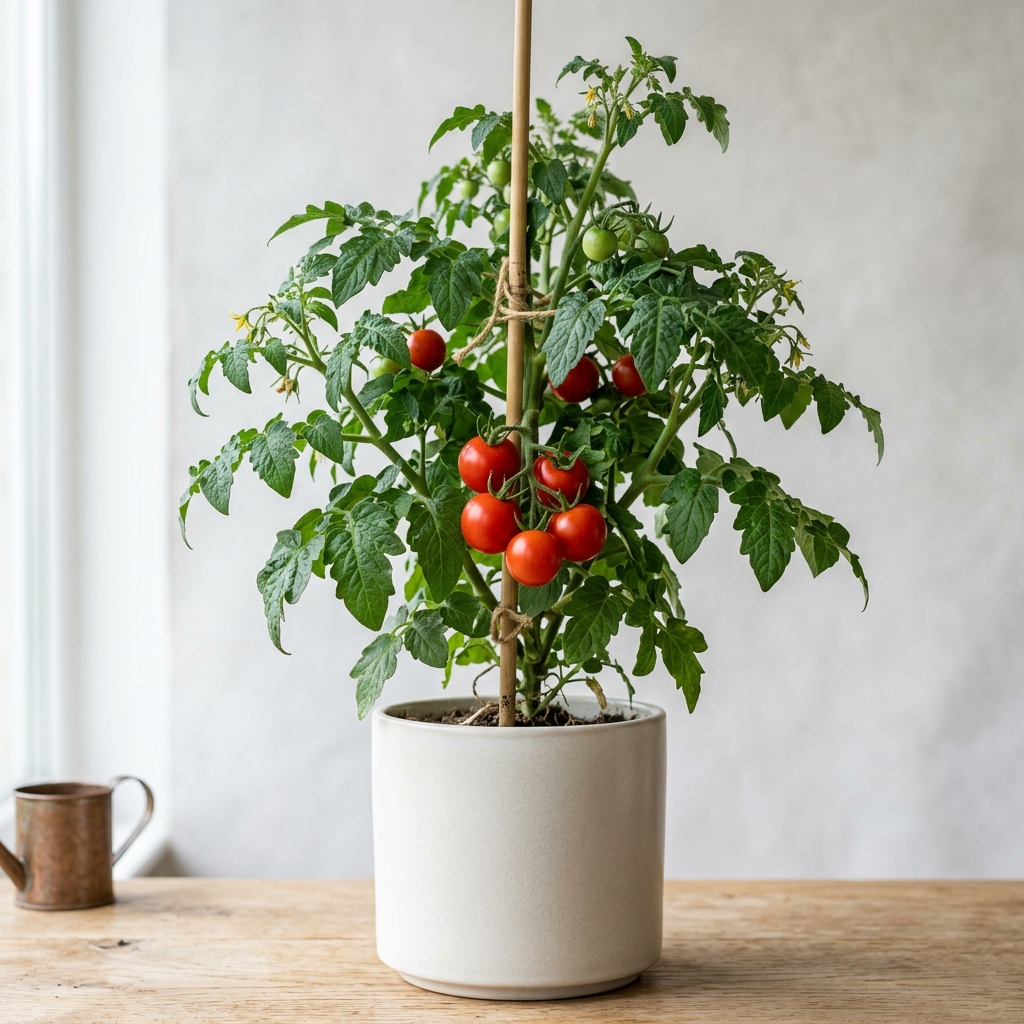
Alpine Tomato
Solanum lycopersicum
The tomato is a plant whose fruit is an edible berry that is eaten as a vegetable. The tomato is a member of the nightshade family that includes tobacco, potato, and chili peppers. It originated from western South America, and may have been domesticated there, in Mexico, or in Central America. The Spanish introduced tomatoes to Eurasia in the Columbian exchange in the 16th century. Alpine is used here as a catalog label only. The care guide below describes the real species Tomato (Solanum lycopersicum) and does not claim a verified botanical variety unless one is separately documented.
Dwarf Broccoli
Brassica oleracea var. italica
Broccoli (Brassica oleracea var. italica) is a real plant in the Brassicaceae family. It is commonly grown as a outdoor plant and generally needs full sun, high water, and temperatures around 12°C - 20°C. Dwarf is used here as a catalog label only. The care guide below describes the real species Broccoli (Brassica oleracea var. italica) and does not claim a verified botanical variety unless one is separately documented.
Dwarf Cabbage
Brassica oleracea var. capitata
Cabbage (Brassica oleracea var. capitata) is a real plant in the Brassicaceae family. It is commonly grown as a outdoor plant and generally needs full sun, high water, and temperatures around 10°C - 20°C. Dwarf is used here as a catalog label only. The care guide below describes the real species Cabbage (Brassica oleracea var. capitata) and does not claim a verified botanical variety unless one is separately documented.
Dwarf Carrot
Daucus carota
Daucus carota, whose common names include wild carrot, European wild carrot, bird's nest, bishop's lace, carrot flower, and Queen Anne's lace, is a flowering plant in the family Apiaceae. It is native to temperate regions of the Old World with a number of regional subspecies, and is naturalised widely elsewhere. Carrots cultivated as a food crop are cultivars of the domesticated subspecies Daucus carota subsp. sativus. Dwarf is used here as a catalog label only. The care guide below describes the real species Carrot (Daucus carota) and does not claim a verified botanical variety unless one is separately documented.
Dwarf Chili Pepper
Capsicum annuum
Capsicum annuum is a flowering plant in the family Solanaceae (nightshades), native to the northern regions of South America and to southwestern North America. The plant produces berries of many colors including red, green, and yellow, often with pungent taste. It is one of the oldest cultivated crops, with domestication dating back to around 6,000 years ago in regions of Mexico. The genus Capsicum has over 30 species but Capsicum annuum is the primary species in its genus, as it has been widely cultivated for human consumption for a substantial amount of time and has spread across the world. This species has many uses in culinary, medicine, self-defense, and ornamental applications. Dwarf is used here as a catalog label only. The care guide below describes the real species Chili Pepper (Capsicum annuum) and does not claim a verified botanical variety unless one is separately documented.
Dwarf Cucumber
Cucumis sativus
The cucumber is a widely-cultivated creeping vine plant in the family Cucurbitaceae that bears cylindrical to spherical fruits, used as culinary vegetables. Considered an annual plant, there are three main types: slicing, pickling, and seedless. Dwarf is used here as a catalog label only. The care guide below describes the real species Cucumber (Cucumis sativus) and does not claim a verified botanical variety unless one is separately documented.
Dwarf Eggplant
Solanum melongena
Eggplant, aubergine, brinjal, or baigan is a plant species in the nightshade family Solanaceae. Solanum melongena is grown worldwide for its edible fruit, typically used as a vegetable in cooking. Dwarf is used here as a catalog label only. The care guide below describes the real species Eggplant (Solanum melongena) and does not claim a verified botanical variety unless one is separately documented.
Dwarf Garlic
Allium sativum
Garlic is a species of bulbous flowering plants in the genus Allium. Its close relatives include the onion, shallot, leek, chives, Welsh onion, and Chinese onion. Garlic is native to Central Asia, northeastern Iran and the foothills of Himalayas. It has naturalized in many other parts of the world, including Mediterranean Europe and China. There are two subspecies and hundreds of varieties of garlic. Dwarf is used here as a catalog label only. The care guide below describes the real species Garlic (Allium sativum) and does not claim a verified botanical variety unless one is separately documented.
Dwarf Onion
Allium cepa
The onion, also known as the bulb onion or common onion, is a vegetable that is the most widely cultivated species of the genus Allium. The shallot is a botanical variety of the onion which was classified as a separate species until 2011. The onion's close relatives include garlic, scallion, leek, and chives. Dwarf is used here as a catalog label only. The care guide below describes the real species Onion (Allium cepa) and does not claim a verified botanical variety unless one is separately documented.
Dwarf Potato
Solanum tuberosum
The potato is a starchy tuberous vegetable native to the Americas that is consumed as a staple food in many parts of the world. Potatoes are underground stem tubers of the plant Solanum tuberosum, a perennial in the nightshade family Solanaceae. Dwarf is used here as a catalog label only. The care guide below describes the real species Potato (Solanum tuberosum) and does not claim a verified botanical variety unless one is separately documented.
Dwarf Spinach
Spinacia oleracea
Spinach is a leafy green flowering plant native to Central and Western Asia. It is of the order Caryophyllales, family Amaranthaceae, subfamily Chenopodioideae. Its leaves are a common vegetable consumed either fresh, cooked or after storage. The taste differs considerably between cooked and raw: the high oxalate content may be reduced by blanching. Dwarf is used here as a catalog label only. The care guide below describes the real species Spinach (Spinacia oleracea) and does not claim a verified botanical variety unless one is separately documented.
Dwarf Tomato
Solanum lycopersicum
The tomato is a plant whose fruit is an edible berry that is eaten as a vegetable. The tomato is a member of the nightshade family that includes tobacco, potato, and chili peppers. It originated from western South America, and may have been domesticated there, in Mexico, or in Central America. The Spanish introduced tomatoes to Eurasia in the Columbian exchange in the 16th century. Dwarf is used here as a catalog label only. The care guide below describes the real species Tomato (Solanum lycopersicum) and does not claim a verified botanical variety unless one is separately documented.
Emerald Broccoli
Brassica oleracea var. italica
Broccoli (Brassica oleracea var. italica) is a real plant in the Brassicaceae family. It is commonly grown as a outdoor plant and generally needs full sun, high water, and temperatures around 12°C - 20°C. Emerald is used here as a catalog label only. The care guide below describes the real species Broccoli (Brassica oleracea var. italica) and does not claim a verified botanical variety unless one is separately documented.
Emerald Cabbage
Brassica oleracea var. capitata
Cabbage (Brassica oleracea var. capitata) is a real plant in the Brassicaceae family. It is commonly grown as a outdoor plant and generally needs full sun, high water, and temperatures around 10°C - 20°C. Emerald is used here as a catalog label only. The care guide below describes the real species Cabbage (Brassica oleracea var. capitata) and does not claim a verified botanical variety unless one is separately documented.
Emerald Carrot
Daucus carota
Daucus carota, whose common names include wild carrot, European wild carrot, bird's nest, bishop's lace, carrot flower, and Queen Anne's lace, is a flowering plant in the family Apiaceae. It is native to temperate regions of the Old World with a number of regional subspecies, and is naturalised widely elsewhere. Carrots cultivated as a food crop are cultivars of the domesticated subspecies Daucus carota subsp. sativus. Emerald is used here as a catalog label only. The care guide below describes the real species Carrot (Daucus carota) and does not claim a verified botanical variety unless one is separately documented.
Emerald Chili Pepper
Capsicum annuum
Capsicum annuum is a flowering plant in the family Solanaceae (nightshades), native to the northern regions of South America and to southwestern North America. The plant produces berries of many colors including red, green, and yellow, often with pungent taste. It is one of the oldest cultivated crops, with domestication dating back to around 6,000 years ago in regions of Mexico. The genus Capsicum has over 30 species but Capsicum annuum is the primary species in its genus, as it has been widely cultivated for human consumption for a substantial amount of time and has spread across the world. This species has many uses in culinary, medicine, self-defense, and ornamental applications. Emerald is used here as a catalog label only. The care guide below describes the real species Chili Pepper (Capsicum annuum) and does not claim a verified botanical variety unless one is separately documented.
Emerald Cucumber
Cucumis sativus
The cucumber is a widely-cultivated creeping vine plant in the family Cucurbitaceae that bears cylindrical to spherical fruits, used as culinary vegetables. Considered an annual plant, there are three main types: slicing, pickling, and seedless. Emerald is used here as a catalog label only. The care guide below describes the real species Cucumber (Cucumis sativus) and does not claim a verified botanical variety unless one is separately documented.
Emerald Eggplant
Solanum melongena
Eggplant, aubergine, brinjal, or baigan is a plant species in the nightshade family Solanaceae. Solanum melongena is grown worldwide for its edible fruit, typically used as a vegetable in cooking. Emerald is used here as a catalog label only. The care guide below describes the real species Eggplant (Solanum melongena) and does not claim a verified botanical variety unless one is separately documented.
Emerald Garlic
Allium sativum
Garlic is a species of bulbous flowering plants in the genus Allium. Its close relatives include the onion, shallot, leek, chives, Welsh onion, and Chinese onion. Garlic is native to Central Asia, northeastern Iran and the foothills of Himalayas. It has naturalized in many other parts of the world, including Mediterranean Europe and China. There are two subspecies and hundreds of varieties of garlic. Emerald is used here as a catalog label only. The care guide below describes the real species Garlic (Allium sativum) and does not claim a verified botanical variety unless one is separately documented.
Emerald Onion
Allium cepa
The onion, also known as the bulb onion or common onion, is a vegetable that is the most widely cultivated species of the genus Allium. The shallot is a botanical variety of the onion which was classified as a separate species until 2011. The onion's close relatives include garlic, scallion, leek, and chives. Emerald is used here as a catalog label only. The care guide below describes the real species Onion (Allium cepa) and does not claim a verified botanical variety unless one is separately documented.
Emerald Potato
Solanum tuberosum
The potato is a starchy tuberous vegetable native to the Americas that is consumed as a staple food in many parts of the world. Potatoes are underground stem tubers of the plant Solanum tuberosum, a perennial in the nightshade family Solanaceae. Emerald is used here as a catalog label only. The care guide below describes the real species Potato (Solanum tuberosum) and does not claim a verified botanical variety unless one is separately documented.
Emerald Spinach
Spinacia oleracea
Spinach is a leafy green flowering plant native to Central and Western Asia. It is of the order Caryophyllales, family Amaranthaceae, subfamily Chenopodioideae. Its leaves are a common vegetable consumed either fresh, cooked or after storage. The taste differs considerably between cooked and raw: the high oxalate content may be reduced by blanching. Emerald is used here as a catalog label only. The care guide below describes the real species Spinach (Spinacia oleracea) and does not claim a verified botanical variety unless one is separately documented.
Emerald Tomato
Solanum lycopersicum
The tomato is a plant whose fruit is an edible berry that is eaten as a vegetable. The tomato is a member of the nightshade family that includes tobacco, potato, and chili peppers. It originated from western South America, and may have been domesticated there, in Mexico, or in Central America. The Spanish introduced tomatoes to Eurasia in the Columbian exchange in the 16th century. Emerald is used here as a catalog label only. The care guide below describes the real species Tomato (Solanum lycopersicum) and does not claim a verified botanical variety unless one is separately documented.
Giant Broccoli
Brassica oleracea var. italica
Broccoli (Brassica oleracea var. italica) is a real plant in the Brassicaceae family. It is commonly grown as a outdoor plant and generally needs full sun, high water, and temperatures around 12°C - 20°C. Giant is used here as a catalog label only. The care guide below describes the real species Broccoli (Brassica oleracea var. italica) and does not claim a verified botanical variety unless one is separately documented.
Giant Cabbage
Brassica oleracea var. capitata
Cabbage (Brassica oleracea var. capitata) is a real plant in the Brassicaceae family. It is commonly grown as a outdoor plant and generally needs full sun, high water, and temperatures around 10°C - 20°C. Giant is used here as a catalog label only. The care guide below describes the real species Cabbage (Brassica oleracea var. capitata) and does not claim a verified botanical variety unless one is separately documented.
Giant Carrot
Daucus carota
Daucus carota, whose common names include wild carrot, European wild carrot, bird's nest, bishop's lace, carrot flower, and Queen Anne's lace, is a flowering plant in the family Apiaceae. It is native to temperate regions of the Old World with a number of regional subspecies, and is naturalised widely elsewhere. Carrots cultivated as a food crop are cultivars of the domesticated subspecies Daucus carota subsp. sativus. Giant is used here as a catalog label only. The care guide below describes the real species Carrot (Daucus carota) and does not claim a verified botanical variety unless one is separately documented.
Giant Chili Pepper
Capsicum annuum
Capsicum annuum is a flowering plant in the family Solanaceae (nightshades), native to the northern regions of South America and to southwestern North America. The plant produces berries of many colors including red, green, and yellow, often with pungent taste. It is one of the oldest cultivated crops, with domestication dating back to around 6,000 years ago in regions of Mexico. The genus Capsicum has over 30 species but Capsicum annuum is the primary species in its genus, as it has been widely cultivated for human consumption for a substantial amount of time and has spread across the world. This species has many uses in culinary, medicine, self-defense, and ornamental applications. Giant is used here as a catalog label only. The care guide below describes the real species Chili Pepper (Capsicum annuum) and does not claim a verified botanical variety unless one is separately documented.
Giant Cucumber
Cucumis sativus
The cucumber is a widely-cultivated creeping vine plant in the family Cucurbitaceae that bears cylindrical to spherical fruits, used as culinary vegetables. Considered an annual plant, there are three main types: slicing, pickling, and seedless. Giant is used here as a catalog label only. The care guide below describes the real species Cucumber (Cucumis sativus) and does not claim a verified botanical variety unless one is separately documented.
Giant Eggplant
Solanum melongena
Eggplant, aubergine, brinjal, or baigan is a plant species in the nightshade family Solanaceae. Solanum melongena is grown worldwide for its edible fruit, typically used as a vegetable in cooking. Giant is used here as a catalog label only. The care guide below describes the real species Eggplant (Solanum melongena) and does not claim a verified botanical variety unless one is separately documented.
Giant Garlic
Allium sativum
Garlic is a species of bulbous flowering plants in the genus Allium. Its close relatives include the onion, shallot, leek, chives, Welsh onion, and Chinese onion. Garlic is native to Central Asia, northeastern Iran and the foothills of Himalayas. It has naturalized in many other parts of the world, including Mediterranean Europe and China. There are two subspecies and hundreds of varieties of garlic. Giant is used here as a catalog label only. The care guide below describes the real species Garlic (Allium sativum) and does not claim a verified botanical variety unless one is separately documented.
Giant Onion
Allium cepa
The onion, also known as the bulb onion or common onion, is a vegetable that is the most widely cultivated species of the genus Allium. The shallot is a botanical variety of the onion which was classified as a separate species until 2011. The onion's close relatives include garlic, scallion, leek, and chives. Giant is used here as a catalog label only. The care guide below describes the real species Onion (Allium cepa) and does not claim a verified botanical variety unless one is separately documented.
Giant Potato
Solanum tuberosum
The potato is a starchy tuberous vegetable native to the Americas that is consumed as a staple food in many parts of the world. Potatoes are underground stem tubers of the plant Solanum tuberosum, a perennial in the nightshade family Solanaceae. Giant is used here as a catalog label only. The care guide below describes the real species Potato (Solanum tuberosum) and does not claim a verified botanical variety unless one is separately documented.
Giant Spinach
Spinacia oleracea
Spinach is a leafy green flowering plant native to Central and Western Asia. It is of the order Caryophyllales, family Amaranthaceae, subfamily Chenopodioideae. Its leaves are a common vegetable consumed either fresh, cooked or after storage. The taste differs considerably between cooked and raw: the high oxalate content may be reduced by blanching. Giant is used here as a catalog label only. The care guide below describes the real species Spinach (Spinacia oleracea) and does not claim a verified botanical variety unless one is separately documented.
Giant Tomato
Solanum lycopersicum
The tomato is a plant whose fruit is an edible berry that is eaten as a vegetable. The tomato is a member of the nightshade family that includes tobacco, potato, and chili peppers. It originated from western South America, and may have been domesticated there, in Mexico, or in Central America. The Spanish introduced tomatoes to Eurasia in the Columbian exchange in the 16th century. Giant is used here as a catalog label only. The care guide below describes the real species Tomato (Solanum lycopersicum) and does not claim a verified botanical variety unless one is separately documented.
Golden Broccoli
Brassica oleracea var. italica
Broccoli (Brassica oleracea var. italica) is a real plant in the Brassicaceae family. It is commonly grown as a outdoor plant and generally needs full sun, high water, and temperatures around 12°C - 20°C. Golden is used here as a catalog label only. The care guide below describes the real species Broccoli (Brassica oleracea var. italica) and does not claim a verified botanical variety unless one is separately documented.
Golden Cabbage
Brassica oleracea var. capitata
Cabbage (Brassica oleracea var. capitata) is a real plant in the Brassicaceae family. It is commonly grown as a outdoor plant and generally needs full sun, high water, and temperatures around 10°C - 20°C. Golden is used here as a catalog label only. The care guide below describes the real species Cabbage (Brassica oleracea var. capitata) and does not claim a verified botanical variety unless one is separately documented.
Golden Carrot
Daucus carota
Daucus carota, whose common names include wild carrot, European wild carrot, bird's nest, bishop's lace, carrot flower, and Queen Anne's lace, is a flowering plant in the family Apiaceae. It is native to temperate regions of the Old World with a number of regional subspecies, and is naturalised widely elsewhere. Carrots cultivated as a food crop are cultivars of the domesticated subspecies Daucus carota subsp. sativus. Golden is used here as a catalog label only. The care guide below describes the real species Carrot (Daucus carota) and does not claim a verified botanical variety unless one is separately documented.
Golden Chili Pepper
Capsicum annuum
Capsicum annuum is a flowering plant in the family Solanaceae (nightshades), native to the northern regions of South America and to southwestern North America. The plant produces berries of many colors including red, green, and yellow, often with pungent taste. It is one of the oldest cultivated crops, with domestication dating back to around 6,000 years ago in regions of Mexico. The genus Capsicum has over 30 species but Capsicum annuum is the primary species in its genus, as it has been widely cultivated for human consumption for a substantial amount of time and has spread across the world. This species has many uses in culinary, medicine, self-defense, and ornamental applications. Golden is used here as a catalog label only. The care guide below describes the real species Chili Pepper (Capsicum annuum) and does not claim a verified botanical variety unless one is separately documented.
Golden Cucumber
Cucumis sativus
The cucumber is a widely-cultivated creeping vine plant in the family Cucurbitaceae that bears cylindrical to spherical fruits, used as culinary vegetables. Considered an annual plant, there are three main types: slicing, pickling, and seedless. Golden is used here as a catalog label only. The care guide below describes the real species Cucumber (Cucumis sativus) and does not claim a verified botanical variety unless one is separately documented.
Golden Eggplant
Solanum melongena
Eggplant, aubergine, brinjal, or baigan is a plant species in the nightshade family Solanaceae. Solanum melongena is grown worldwide for its edible fruit, typically used as a vegetable in cooking. Golden is used here as a catalog label only. The care guide below describes the real species Eggplant (Solanum melongena) and does not claim a verified botanical variety unless one is separately documented.
Golden Garlic
Allium sativum
Garlic is a species of bulbous flowering plants in the genus Allium. Its close relatives include the onion, shallot, leek, chives, Welsh onion, and Chinese onion. Garlic is native to Central Asia, northeastern Iran and the foothills of Himalayas. It has naturalized in many other parts of the world, including Mediterranean Europe and China. There are two subspecies and hundreds of varieties of garlic. Golden is used here as a catalog label only. The care guide below describes the real species Garlic (Allium sativum) and does not claim a verified botanical variety unless one is separately documented.
Golden Onion
Allium cepa
The onion, also known as the bulb onion or common onion, is a vegetable that is the most widely cultivated species of the genus Allium. The shallot is a botanical variety of the onion which was classified as a separate species until 2011. The onion's close relatives include garlic, scallion, leek, and chives. Golden is used here as a catalog label only. The care guide below describes the real species Onion (Allium cepa) and does not claim a verified botanical variety unless one is separately documented.
Golden Potato
Solanum tuberosum
The potato is a starchy tuberous vegetable native to the Americas that is consumed as a staple food in many parts of the world. Potatoes are underground stem tubers of the plant Solanum tuberosum, a perennial in the nightshade family Solanaceae. Golden is used here as a catalog label only. The care guide below describes the real species Potato (Solanum tuberosum) and does not claim a verified botanical variety unless one is separately documented.
Golden Spinach
Spinacia oleracea
Spinach is a leafy green flowering plant native to Central and Western Asia. It is of the order Caryophyllales, family Amaranthaceae, subfamily Chenopodioideae. Its leaves are a common vegetable consumed either fresh, cooked or after storage. The taste differs considerably between cooked and raw: the high oxalate content may be reduced by blanching. Golden is used here as a catalog label only. The care guide below describes the real species Spinach (Spinacia oleracea) and does not claim a verified botanical variety unless one is separately documented.
Golden Tomato
Solanum lycopersicum
The tomato is a plant whose fruit is an edible berry that is eaten as a vegetable. The tomato is a member of the nightshade family that includes tobacco, potato, and chili peppers. It originated from western South America, and may have been domesticated there, in Mexico, or in Central America. The Spanish introduced tomatoes to Eurasia in the Columbian exchange in the 16th century. Golden is used here as a catalog label only. The care guide below describes the real species Tomato (Solanum lycopersicum) and does not claim a verified botanical variety unless one is separately documented.
Neon Broccoli
Brassica oleracea var. italica
Broccoli (Brassica oleracea var. italica) is a real plant in the Brassicaceae family. It is commonly grown as a outdoor plant and generally needs full sun, high water, and temperatures around 12°C - 20°C. Neon is used here as a catalog label only. The care guide below describes the real species Broccoli (Brassica oleracea var. italica) and does not claim a verified botanical variety unless one is separately documented.
Neon Cabbage
Brassica oleracea var. capitata
Cabbage (Brassica oleracea var. capitata) is a real plant in the Brassicaceae family. It is commonly grown as a outdoor plant and generally needs full sun, high water, and temperatures around 10°C - 20°C. Neon is used here as a catalog label only. The care guide below describes the real species Cabbage (Brassica oleracea var. capitata) and does not claim a verified botanical variety unless one is separately documented.
Neon Carrot
Daucus carota
Daucus carota, whose common names include wild carrot, European wild carrot, bird's nest, bishop's lace, carrot flower, and Queen Anne's lace, is a flowering plant in the family Apiaceae. It is native to temperate regions of the Old World with a number of regional subspecies, and is naturalised widely elsewhere. Carrots cultivated as a food crop are cultivars of the domesticated subspecies Daucus carota subsp. sativus. Neon is used here as a catalog label only. The care guide below describes the real species Carrot (Daucus carota) and does not claim a verified botanical variety unless one is separately documented.
Neon Chili Pepper
Capsicum annuum
Capsicum annuum is a flowering plant in the family Solanaceae (nightshades), native to the northern regions of South America and to southwestern North America. The plant produces berries of many colors including red, green, and yellow, often with pungent taste. It is one of the oldest cultivated crops, with domestication dating back to around 6,000 years ago in regions of Mexico. The genus Capsicum has over 30 species but Capsicum annuum is the primary species in its genus, as it has been widely cultivated for human consumption for a substantial amount of time and has spread across the world. This species has many uses in culinary, medicine, self-defense, and ornamental applications. Neon is used here as a catalog label only. The care guide below describes the real species Chili Pepper (Capsicum annuum) and does not claim a verified botanical variety unless one is separately documented.
Neon Cucumber
Cucumis sativus
The cucumber is a widely-cultivated creeping vine plant in the family Cucurbitaceae that bears cylindrical to spherical fruits, used as culinary vegetables. Considered an annual plant, there are three main types: slicing, pickling, and seedless. Neon is used here as a catalog label only. The care guide below describes the real species Cucumber (Cucumis sativus) and does not claim a verified botanical variety unless one is separately documented.
Neon Eggplant
Solanum melongena
Eggplant, aubergine, brinjal, or baigan is a plant species in the nightshade family Solanaceae. Solanum melongena is grown worldwide for its edible fruit, typically used as a vegetable in cooking. Neon is used here as a catalog label only. The care guide below describes the real species Eggplant (Solanum melongena) and does not claim a verified botanical variety unless one is separately documented.
Neon Garlic
Allium sativum
Garlic is a species of bulbous flowering plants in the genus Allium. Its close relatives include the onion, shallot, leek, chives, Welsh onion, and Chinese onion. Garlic is native to Central Asia, northeastern Iran and the foothills of Himalayas. It has naturalized in many other parts of the world, including Mediterranean Europe and China. There are two subspecies and hundreds of varieties of garlic. Neon is used here as a catalog label only. The care guide below describes the real species Garlic (Allium sativum) and does not claim a verified botanical variety unless one is separately documented.
Neon Onion
Allium cepa
The onion, also known as the bulb onion or common onion, is a vegetable that is the most widely cultivated species of the genus Allium. The shallot is a botanical variety of the onion which was classified as a separate species until 2011. The onion's close relatives include garlic, scallion, leek, and chives. Neon is used here as a catalog label only. The care guide below describes the real species Onion (Allium cepa) and does not claim a verified botanical variety unless one is separately documented.
Neon Potato
Solanum tuberosum
The potato is a starchy tuberous vegetable native to the Americas that is consumed as a staple food in many parts of the world. Potatoes are underground stem tubers of the plant Solanum tuberosum, a perennial in the nightshade family Solanaceae. Neon is used here as a catalog label only. The care guide below describes the real species Potato (Solanum tuberosum) and does not claim a verified botanical variety unless one is separately documented.
Neon Spinach
Spinacia oleracea
Spinach is a leafy green flowering plant native to Central and Western Asia. It is of the order Caryophyllales, family Amaranthaceae, subfamily Chenopodioideae. Its leaves are a common vegetable consumed either fresh, cooked or after storage. The taste differs considerably between cooked and raw: the high oxalate content may be reduced by blanching. Neon is used here as a catalog label only. The care guide below describes the real species Spinach (Spinacia oleracea) and does not claim a verified botanical variety unless one is separately documented.
Neon Tomato
Solanum lycopersicum
The tomato is a plant whose fruit is an edible berry that is eaten as a vegetable. The tomato is a member of the nightshade family that includes tobacco, potato, and chili peppers. It originated from western South America, and may have been domesticated there, in Mexico, or in Central America. The Spanish introduced tomatoes to Eurasia in the Columbian exchange in the 16th century. Neon is used here as a catalog label only. The care guide below describes the real species Tomato (Solanum lycopersicum) and does not claim a verified botanical variety unless one is separately documented.
Silver Broccoli
Brassica oleracea var. italica
Broccoli (Brassica oleracea var. italica) is a real plant in the Brassicaceae family. It is commonly grown as a outdoor plant and generally needs full sun, high water, and temperatures around 12°C - 20°C. Silver is used here as a catalog label only. The care guide below describes the real species Broccoli (Brassica oleracea var. italica) and does not claim a verified botanical variety unless one is separately documented.
Silver Cabbage
Brassica oleracea var. capitata
Cabbage (Brassica oleracea var. capitata) is a real plant in the Brassicaceae family. It is commonly grown as a outdoor plant and generally needs full sun, high water, and temperatures around 10°C - 20°C. Silver is used here as a catalog label only. The care guide below describes the real species Cabbage (Brassica oleracea var. capitata) and does not claim a verified botanical variety unless one is separately documented.
Silver Carrot
Daucus carota
Daucus carota, whose common names include wild carrot, European wild carrot, bird's nest, bishop's lace, carrot flower, and Queen Anne's lace, is a flowering plant in the family Apiaceae. It is native to temperate regions of the Old World with a number of regional subspecies, and is naturalised widely elsewhere. Carrots cultivated as a food crop are cultivars of the domesticated subspecies Daucus carota subsp. sativus. Silver is used here as a catalog label only. The care guide below describes the real species Carrot (Daucus carota) and does not claim a verified botanical variety unless one is separately documented.
Silver Chili Pepper
Capsicum annuum
Capsicum annuum is a flowering plant in the family Solanaceae (nightshades), native to the northern regions of South America and to southwestern North America. The plant produces berries of many colors including red, green, and yellow, often with pungent taste. It is one of the oldest cultivated crops, with domestication dating back to around 6,000 years ago in regions of Mexico. The genus Capsicum has over 30 species but Capsicum annuum is the primary species in its genus, as it has been widely cultivated for human consumption for a substantial amount of time and has spread across the world. This species has many uses in culinary, medicine, self-defense, and ornamental applications. Silver is used here as a catalog label only. The care guide below describes the real species Chili Pepper (Capsicum annuum) and does not claim a verified botanical variety unless one is separately documented.
Silver Cucumber
Cucumis sativus
The cucumber is a widely-cultivated creeping vine plant in the family Cucurbitaceae that bears cylindrical to spherical fruits, used as culinary vegetables. Considered an annual plant, there are three main types: slicing, pickling, and seedless. Silver is used here as a catalog label only. The care guide below describes the real species Cucumber (Cucumis sativus) and does not claim a verified botanical variety unless one is separately documented.
Silver Eggplant
Solanum melongena
Eggplant, aubergine, brinjal, or baigan is a plant species in the nightshade family Solanaceae. Solanum melongena is grown worldwide for its edible fruit, typically used as a vegetable in cooking. Silver is used here as a catalog label only. The care guide below describes the real species Eggplant (Solanum melongena) and does not claim a verified botanical variety unless one is separately documented.
Silver Garlic
Allium sativum
Garlic is a species of bulbous flowering plants in the genus Allium. Its close relatives include the onion, shallot, leek, chives, Welsh onion, and Chinese onion. Garlic is native to Central Asia, northeastern Iran and the foothills of Himalayas. It has naturalized in many other parts of the world, including Mediterranean Europe and China. There are two subspecies and hundreds of varieties of garlic. Silver is used here as a catalog label only. The care guide below describes the real species Garlic (Allium sativum) and does not claim a verified botanical variety unless one is separately documented.
Silver Onion
Allium cepa
The onion, also known as the bulb onion or common onion, is a vegetable that is the most widely cultivated species of the genus Allium. The shallot is a botanical variety of the onion which was classified as a separate species until 2011. The onion's close relatives include garlic, scallion, leek, and chives. Silver is used here as a catalog label only. The care guide below describes the real species Onion (Allium cepa) and does not claim a verified botanical variety unless one is separately documented.
Silver Potato
Solanum tuberosum
The potato is a starchy tuberous vegetable native to the Americas that is consumed as a staple food in many parts of the world. Potatoes are underground stem tubers of the plant Solanum tuberosum, a perennial in the nightshade family Solanaceae. Silver is used here as a catalog label only. The care guide below describes the real species Potato (Solanum tuberosum) and does not claim a verified botanical variety unless one is separately documented.
Silver Spinach
Spinacia oleracea
Spinach is a leafy green flowering plant native to Central and Western Asia. It is of the order Caryophyllales, family Amaranthaceae, subfamily Chenopodioideae. Its leaves are a common vegetable consumed either fresh, cooked or after storage. The taste differs considerably between cooked and raw: the high oxalate content may be reduced by blanching. Silver is used here as a catalog label only. The care guide below describes the real species Spinach (Spinacia oleracea) and does not claim a verified botanical variety unless one is separately documented.
Silver Tomato
Solanum lycopersicum
The tomato is a plant whose fruit is an edible berry that is eaten as a vegetable. The tomato is a member of the nightshade family that includes tobacco, potato, and chili peppers. It originated from western South America, and may have been domesticated there, in Mexico, or in Central America. The Spanish introduced tomatoes to Eurasia in the Columbian exchange in the 16th century. Silver is used here as a catalog label only. The care guide below describes the real species Tomato (Solanum lycopersicum) and does not claim a verified botanical variety unless one is separately documented.
Standard Broccoli
Brassica oleracea var. italica
Broccoli (Brassica oleracea var. italica) is a real plant in the Brassicaceae family. It is commonly grown as a outdoor plant and generally needs full sun, high water, and temperatures around 12°C - 20°C. Standard is used here as a catalog label only. The care guide below describes the real species Broccoli (Brassica oleracea var. italica) and does not claim a verified botanical variety unless one is separately documented.
Standard Cabbage
Brassica oleracea var. capitata
Cabbage (Brassica oleracea var. capitata) is a real plant in the Brassicaceae family. It is commonly grown as a outdoor plant and generally needs full sun, high water, and temperatures around 10°C - 20°C. Standard is used here as a catalog label only. The care guide below describes the real species Cabbage (Brassica oleracea var. capitata) and does not claim a verified botanical variety unless one is separately documented.
Standard Carrot
Daucus carota
Daucus carota, whose common names include wild carrot, European wild carrot, bird's nest, bishop's lace, carrot flower, and Queen Anne's lace, is a flowering plant in the family Apiaceae. It is native to temperate regions of the Old World with a number of regional subspecies, and is naturalised widely elsewhere. Carrots cultivated as a food crop are cultivars of the domesticated subspecies Daucus carota subsp. sativus. Standard is used here as a catalog label only. The care guide below describes the real species Carrot (Daucus carota) and does not claim a verified botanical variety unless one is separately documented.
Standard Chili Pepper
Capsicum annuum
Capsicum annuum is a flowering plant in the family Solanaceae (nightshades), native to the northern regions of South America and to southwestern North America. The plant produces berries of many colors including red, green, and yellow, often with pungent taste. It is one of the oldest cultivated crops, with domestication dating back to around 6,000 years ago in regions of Mexico. The genus Capsicum has over 30 species but Capsicum annuum is the primary species in its genus, as it has been widely cultivated for human consumption for a substantial amount of time and has spread across the world. This species has many uses in culinary, medicine, self-defense, and ornamental applications. Standard is used here as a catalog label only. The care guide below describes the real species Chili Pepper (Capsicum annuum) and does not claim a verified botanical variety unless one is separately documented.
Standard Cucumber
Cucumis sativus
The cucumber is a widely-cultivated creeping vine plant in the family Cucurbitaceae that bears cylindrical to spherical fruits, used as culinary vegetables. Considered an annual plant, there are three main types: slicing, pickling, and seedless. Standard is used here as a catalog label only. The care guide below describes the real species Cucumber (Cucumis sativus) and does not claim a verified botanical variety unless one is separately documented.
Standard Eggplant
Solanum melongena
Eggplant, aubergine, brinjal, or baigan is a plant species in the nightshade family Solanaceae. Solanum melongena is grown worldwide for its edible fruit, typically used as a vegetable in cooking. Standard is used here as a catalog label only. The care guide below describes the real species Eggplant (Solanum melongena) and does not claim a verified botanical variety unless one is separately documented.
Standard Garlic
Allium sativum
Garlic is a species of bulbous flowering plants in the genus Allium. Its close relatives include the onion, shallot, leek, chives, Welsh onion, and Chinese onion. Garlic is native to Central Asia, northeastern Iran and the foothills of Himalayas. It has naturalized in many other parts of the world, including Mediterranean Europe and China. There are two subspecies and hundreds of varieties of garlic. Standard is used here as a catalog label only. The care guide below describes the real species Garlic (Allium sativum) and does not claim a verified botanical variety unless one is separately documented.
Standard Onion
Allium cepa
The onion, also known as the bulb onion or common onion, is a vegetable that is the most widely cultivated species of the genus Allium. The shallot is a botanical variety of the onion which was classified as a separate species until 2011. The onion's close relatives include garlic, scallion, leek, and chives. Standard is used here as a catalog label only. The care guide below describes the real species Onion (Allium cepa) and does not claim a verified botanical variety unless one is separately documented.
Standard Potato
Solanum tuberosum
The potato is a starchy tuberous vegetable native to the Americas that is consumed as a staple food in many parts of the world. Potatoes are underground stem tubers of the plant Solanum tuberosum, a perennial in the nightshade family Solanaceae. Standard is used here as a catalog label only. The care guide below describes the real species Potato (Solanum tuberosum) and does not claim a verified botanical variety unless one is separately documented.
Standard Spinach
Spinacia oleracea
Spinach is a leafy green flowering plant native to Central and Western Asia. It is of the order Caryophyllales, family Amaranthaceae, subfamily Chenopodioideae. Its leaves are a common vegetable consumed either fresh, cooked or after storage. The taste differs considerably between cooked and raw: the high oxalate content may be reduced by blanching. Standard is used here as a catalog label only. The care guide below describes the real species Spinach (Spinacia oleracea) and does not claim a verified botanical variety unless one is separately documented.
Standard Tomato
Solanum lycopersicum
The tomato is a plant whose fruit is an edible berry that is eaten as a vegetable. The tomato is a member of the nightshade family that includes tobacco, potato, and chili peppers. It originated from western South America, and may have been domesticated there, in Mexico, or in Central America. The Spanish introduced tomatoes to Eurasia in the Columbian exchange in the 16th century. Standard is used here as a catalog label only. The care guide below describes the real species Tomato (Solanum lycopersicum) and does not claim a verified botanical variety unless one is separately documented.
Sweet Broccoli
Brassica oleracea var. italica
Broccoli (Brassica oleracea var. italica) is a real plant in the Brassicaceae family. It is commonly grown as a outdoor plant and generally needs full sun, high water, and temperatures around 12°C - 20°C. Sweet is used here as a catalog label only. The care guide below describes the real species Broccoli (Brassica oleracea var. italica) and does not claim a verified botanical variety unless one is separately documented.
Sweet Cabbage
Brassica oleracea var. capitata
Cabbage (Brassica oleracea var. capitata) is a real plant in the Brassicaceae family. It is commonly grown as a outdoor plant and generally needs full sun, high water, and temperatures around 10°C - 20°C. Sweet is used here as a catalog label only. The care guide below describes the real species Cabbage (Brassica oleracea var. capitata) and does not claim a verified botanical variety unless one is separately documented.
Sweet Carrot
Daucus carota
Daucus carota, whose common names include wild carrot, European wild carrot, bird's nest, bishop's lace, carrot flower, and Queen Anne's lace, is a flowering plant in the family Apiaceae. It is native to temperate regions of the Old World with a number of regional subspecies, and is naturalised widely elsewhere. Carrots cultivated as a food crop are cultivars of the domesticated subspecies Daucus carota subsp. sativus. Sweet is used here as a catalog label only. The care guide below describes the real species Carrot (Daucus carota) and does not claim a verified botanical variety unless one is separately documented.
Sweet Chili Pepper
Capsicum annuum
Capsicum annuum is a flowering plant in the family Solanaceae (nightshades), native to the northern regions of South America and to southwestern North America. The plant produces berries of many colors including red, green, and yellow, often with pungent taste. It is one of the oldest cultivated crops, with domestication dating back to around 6,000 years ago in regions of Mexico. The genus Capsicum has over 30 species but Capsicum annuum is the primary species in its genus, as it has been widely cultivated for human consumption for a substantial amount of time and has spread across the world. This species has many uses in culinary, medicine, self-defense, and ornamental applications. Sweet is used here as a catalog label only. The care guide below describes the real species Chili Pepper (Capsicum annuum) and does not claim a verified botanical variety unless one is separately documented.
Sweet Cucumber
Cucumis sativus
The cucumber is a widely-cultivated creeping vine plant in the family Cucurbitaceae that bears cylindrical to spherical fruits, used as culinary vegetables. Considered an annual plant, there are three main types: slicing, pickling, and seedless. Sweet is used here as a catalog label only. The care guide below describes the real species Cucumber (Cucumis sativus) and does not claim a verified botanical variety unless one is separately documented.
Sweet Eggplant
Solanum melongena
Eggplant, aubergine, brinjal, or baigan is a plant species in the nightshade family Solanaceae. Solanum melongena is grown worldwide for its edible fruit, typically used as a vegetable in cooking. Sweet is used here as a catalog label only. The care guide below describes the real species Eggplant (Solanum melongena) and does not claim a verified botanical variety unless one is separately documented.
Sweet Garlic
Allium sativum
Garlic is a species of bulbous flowering plants in the genus Allium. Its close relatives include the onion, shallot, leek, chives, Welsh onion, and Chinese onion. Garlic is native to Central Asia, northeastern Iran and the foothills of Himalayas. It has naturalized in many other parts of the world, including Mediterranean Europe and China. There are two subspecies and hundreds of varieties of garlic. Sweet is used here as a catalog label only. The care guide below describes the real species Garlic (Allium sativum) and does not claim a verified botanical variety unless one is separately documented.
Sweet Onion
Allium cepa
The onion, also known as the bulb onion or common onion, is a vegetable that is the most widely cultivated species of the genus Allium. The shallot is a botanical variety of the onion which was classified as a separate species until 2011. The onion's close relatives include garlic, scallion, leek, and chives. Sweet is used here as a catalog label only. The care guide below describes the real species Onion (Allium cepa) and does not claim a verified botanical variety unless one is separately documented.
Sweet Potato
Solanum tuberosum
The potato is a starchy tuberous vegetable native to the Americas that is consumed as a staple food in many parts of the world. Potatoes are underground stem tubers of the plant Solanum tuberosum, a perennial in the nightshade family Solanaceae. Sweet is used here as a catalog label only. The care guide below describes the real species Potato (Solanum tuberosum) and does not claim a verified botanical variety unless one is separately documented.
Sweet Spinach
Spinacia oleracea
Spinach is a leafy green flowering plant native to Central and Western Asia. It is of the order Caryophyllales, family Amaranthaceae, subfamily Chenopodioideae. Its leaves are a common vegetable consumed either fresh, cooked or after storage. The taste differs considerably between cooked and raw: the high oxalate content may be reduced by blanching. Sweet is used here as a catalog label only. The care guide below describes the real species Spinach (Spinacia oleracea) and does not claim a verified botanical variety unless one is separately documented.
Sweet Tomato
Solanum lycopersicum
The tomato is a plant whose fruit is an edible berry that is eaten as a vegetable. The tomato is a member of the nightshade family that includes tobacco, potato, and chili peppers. It originated from western South America, and may have been domesticated there, in Mexico, or in Central America. The Spanish introduced tomatoes to Eurasia in the Columbian exchange in the 16th century. Sweet is used here as a catalog label only. The care guide below describes the real species Tomato (Solanum lycopersicum) and does not claim a verified botanical variety unless one is separately documented.
Variegated Broccoli
Brassica oleracea var. italica
Broccoli (Brassica oleracea var. italica) is a real plant in the Brassicaceae family. It is commonly grown as a outdoor plant and generally needs full sun, high water, and temperatures around 12°C - 20°C. Variegated is used here as a catalog label only. The care guide below describes the real species Broccoli (Brassica oleracea var. italica) and does not claim a verified botanical variety unless one is separately documented.
Variegated Cabbage
Brassica oleracea var. capitata
Cabbage (Brassica oleracea var. capitata) is a real plant in the Brassicaceae family. It is commonly grown as a outdoor plant and generally needs full sun, high water, and temperatures around 10°C - 20°C. Variegated is used here as a catalog label only. The care guide below describes the real species Cabbage (Brassica oleracea var. capitata) and does not claim a verified botanical variety unless one is separately documented.
Variegated Carrot
Daucus carota
Daucus carota, whose common names include wild carrot, European wild carrot, bird's nest, bishop's lace, carrot flower, and Queen Anne's lace, is a flowering plant in the family Apiaceae. It is native to temperate regions of the Old World with a number of regional subspecies, and is naturalised widely elsewhere. Carrots cultivated as a food crop are cultivars of the domesticated subspecies Daucus carota subsp. sativus. Variegated is used here as a catalog label only. The care guide below describes the real species Carrot (Daucus carota) and does not claim a verified botanical variety unless one is separately documented.
Variegated Chili Pepper
Capsicum annuum
Capsicum annuum is a flowering plant in the family Solanaceae (nightshades), native to the northern regions of South America and to southwestern North America. The plant produces berries of many colors including red, green, and yellow, often with pungent taste. It is one of the oldest cultivated crops, with domestication dating back to around 6,000 years ago in regions of Mexico. The genus Capsicum has over 30 species but Capsicum annuum is the primary species in its genus, as it has been widely cultivated for human consumption for a substantial amount of time and has spread across the world. This species has many uses in culinary, medicine, self-defense, and ornamental applications. Variegated is used here as a catalog label only. The care guide below describes the real species Chili Pepper (Capsicum annuum) and does not claim a verified botanical variety unless one is separately documented.
Variegated Cucumber
Cucumis sativus
The cucumber is a widely-cultivated creeping vine plant in the family Cucurbitaceae that bears cylindrical to spherical fruits, used as culinary vegetables. Considered an annual plant, there are three main types: slicing, pickling, and seedless. Variegated is used here as a catalog label only. The care guide below describes the real species Cucumber (Cucumis sativus) and does not claim a verified botanical variety unless one is separately documented.
Variegated Eggplant
Solanum melongena
Eggplant, aubergine, brinjal, or baigan is a plant species in the nightshade family Solanaceae. Solanum melongena is grown worldwide for its edible fruit, typically used as a vegetable in cooking. Variegated is used here as a catalog label only. The care guide below describes the real species Eggplant (Solanum melongena) and does not claim a verified botanical variety unless one is separately documented.
Variegated Garlic
Allium sativum
Garlic is a species of bulbous flowering plants in the genus Allium. Its close relatives include the onion, shallot, leek, chives, Welsh onion, and Chinese onion. Garlic is native to Central Asia, northeastern Iran and the foothills of Himalayas. It has naturalized in many other parts of the world, including Mediterranean Europe and China. There are two subspecies and hundreds of varieties of garlic. Variegated is used here as a catalog label only. The care guide below describes the real species Garlic (Allium sativum) and does not claim a verified botanical variety unless one is separately documented.
Variegated Onion
Allium cepa
The onion, also known as the bulb onion or common onion, is a vegetable that is the most widely cultivated species of the genus Allium. The shallot is a botanical variety of the onion which was classified as a separate species until 2011. The onion's close relatives include garlic, scallion, leek, and chives. Variegated is used here as a catalog label only. The care guide below describes the real species Onion (Allium cepa) and does not claim a verified botanical variety unless one is separately documented.
Variegated Potato
Solanum tuberosum
The potato is a starchy tuberous vegetable native to the Americas that is consumed as a staple food in many parts of the world. Potatoes are underground stem tubers of the plant Solanum tuberosum, a perennial in the nightshade family Solanaceae. Variegated is used here as a catalog label only. The care guide below describes the real species Potato (Solanum tuberosum) and does not claim a verified botanical variety unless one is separately documented.
Variegated Spinach
Spinacia oleracea
Spinach is a leafy green flowering plant native to Central and Western Asia. It is of the order Caryophyllales, family Amaranthaceae, subfamily Chenopodioideae. Its leaves are a common vegetable consumed either fresh, cooked or after storage. The taste differs considerably between cooked and raw: the high oxalate content may be reduced by blanching. Variegated is used here as a catalog label only. The care guide below describes the real species Spinach (Spinacia oleracea) and does not claim a verified botanical variety unless one is separately documented.
Variegated Tomato
Solanum lycopersicum
The tomato is a plant whose fruit is an edible berry that is eaten as a vegetable. The tomato is a member of the nightshade family that includes tobacco, potato, and chili peppers. It originated from western South America, and may have been domesticated there, in Mexico, or in Central America. The Spanish introduced tomatoes to Eurasia in the Columbian exchange in the 16th century. Variegated is used here as a catalog label only. The care guide below describes the real species Tomato (Solanum lycopersicum) and does not claim a verified botanical variety unless one is separately documented.
Wild Broccoli
Brassica oleracea var. italica
Broccoli (Brassica oleracea var. italica) is a real plant in the Brassicaceae family. It is commonly grown as a outdoor plant and generally needs full sun, high water, and temperatures around 12°C - 20°C. Wild is used here as a catalog label only. The care guide below describes the real species Broccoli (Brassica oleracea var. italica) and does not claim a verified botanical variety unless one is separately documented.
Wild Cabbage
Brassica oleracea var. capitata
Cabbage (Brassica oleracea var. capitata) is a real plant in the Brassicaceae family. It is commonly grown as a outdoor plant and generally needs full sun, high water, and temperatures around 10°C - 20°C. Wild is used here as a catalog label only. The care guide below describes the real species Cabbage (Brassica oleracea var. capitata) and does not claim a verified botanical variety unless one is separately documented.
Wild Carrot
Daucus carota
Daucus carota, whose common names include wild carrot, European wild carrot, bird's nest, bishop's lace, carrot flower, and Queen Anne's lace, is a flowering plant in the family Apiaceae. It is native to temperate regions of the Old World with a number of regional subspecies, and is naturalised widely elsewhere. Carrots cultivated as a food crop are cultivars of the domesticated subspecies Daucus carota subsp. sativus. Wild is used here as a catalog label only. The care guide below describes the real species Carrot (Daucus carota) and does not claim a verified botanical variety unless one is separately documented.
Wild Chili Pepper
Capsicum annuum
Capsicum annuum is a flowering plant in the family Solanaceae (nightshades), native to the northern regions of South America and to southwestern North America. The plant produces berries of many colors including red, green, and yellow, often with pungent taste. It is one of the oldest cultivated crops, with domestication dating back to around 6,000 years ago in regions of Mexico. The genus Capsicum has over 30 species but Capsicum annuum is the primary species in its genus, as it has been widely cultivated for human consumption for a substantial amount of time and has spread across the world. This species has many uses in culinary, medicine, self-defense, and ornamental applications. Wild is used here as a catalog label only. The care guide below describes the real species Chili Pepper (Capsicum annuum) and does not claim a verified botanical variety unless one is separately documented.
Wild Cucumber
Cucumis sativus
The cucumber is a widely-cultivated creeping vine plant in the family Cucurbitaceae that bears cylindrical to spherical fruits, used as culinary vegetables. Considered an annual plant, there are three main types: slicing, pickling, and seedless. Wild is used here as a catalog label only. The care guide below describes the real species Cucumber (Cucumis sativus) and does not claim a verified botanical variety unless one is separately documented.
Wild Eggplant
Solanum melongena
Eggplant, aubergine, brinjal, or baigan is a plant species in the nightshade family Solanaceae. Solanum melongena is grown worldwide for its edible fruit, typically used as a vegetable in cooking. Wild is used here as a catalog label only. The care guide below describes the real species Eggplant (Solanum melongena) and does not claim a verified botanical variety unless one is separately documented.
Wild Garlic
Allium sativum
Garlic is a species of bulbous flowering plants in the genus Allium. Its close relatives include the onion, shallot, leek, chives, Welsh onion, and Chinese onion. Garlic is native to Central Asia, northeastern Iran and the foothills of Himalayas. It has naturalized in many other parts of the world, including Mediterranean Europe and China. There are two subspecies and hundreds of varieties of garlic. Wild is used here as a catalog label only. The care guide below describes the real species Garlic (Allium sativum) and does not claim a verified botanical variety unless one is separately documented.
Wild Onion
Allium cepa
The onion, also known as the bulb onion or common onion, is a vegetable that is the most widely cultivated species of the genus Allium. The shallot is a botanical variety of the onion which was classified as a separate species until 2011. The onion's close relatives include garlic, scallion, leek, and chives. Wild is used here as a catalog label only. The care guide below describes the real species Onion (Allium cepa) and does not claim a verified botanical variety unless one is separately documented.
Wild Potato
Solanum tuberosum
The potato is a starchy tuberous vegetable native to the Americas that is consumed as a staple food in many parts of the world. Potatoes are underground stem tubers of the plant Solanum tuberosum, a perennial in the nightshade family Solanaceae. Wild is used here as a catalog label only. The care guide below describes the real species Potato (Solanum tuberosum) and does not claim a verified botanical variety unless one is separately documented.
Wild Spinach
Spinacia oleracea
Spinach is a leafy green flowering plant native to Central and Western Asia. It is of the order Caryophyllales, family Amaranthaceae, subfamily Chenopodioideae. Its leaves are a common vegetable consumed either fresh, cooked or after storage. The taste differs considerably between cooked and raw: the high oxalate content may be reduced by blanching. Wild is used here as a catalog label only. The care guide below describes the real species Spinach (Spinacia oleracea) and does not claim a verified botanical variety unless one is separately documented.
Wild Tomato
Solanum lycopersicum
The tomato is a plant whose fruit is an edible berry that is eaten as a vegetable. The tomato is a member of the nightshade family that includes tobacco, potato, and chili peppers. It originated from western South America, and may have been domesticated there, in Mexico, or in Central America. The Spanish introduced tomatoes to Eurasia in the Columbian exchange in the 16th century. Wild is used here as a catalog label only. The care guide below describes the real species Tomato (Solanum lycopersicum) and does not claim a verified botanical variety unless one is separately documented.