

Outdoor Plants
Garden beds, boundary shrubs, and container plants that require full sunlight exposure and open-air ventilation.
Expert Care Tip
For Outdoor Plants:
Mulch heavily to retain soil moisture under the blazing afternoon sun. Water deeply in the morning rather than afternoon.
Tip: Mulch heavily to retain soil moisture under the blazing afternoon sun. Water deeply in the morning rather than afternoon.
No plants found
Try adjusting your search terms or view another category.

Alpine Ashwagandha
Withania somnifera
Withania somnifera, known commonly as ashwagandha, is an evergreen shrub in the Solanaceae family that is native to the Middle East and North Africa, other African regions, southern Europe, Indian subcontinent, and across Southeast Asia. Several other species in the genus Withania are morphologically similar. Other common names include Indian ginseng and winter cherry. Alpine is used here as a catalog label only. The care guide below describes the real species Ashwagandha (Withania somnifera) and does not claim a verified botanical variety unless one is separately documented.

Alpine Bougainvillea
Bougainvillea spectabilis
Bougainvillea (Bougainvillea spectabilis) is a real plant in the Nyctaginaceae family. It is commonly grown as a outdoor plant and generally needs full sun, low water, and temperatures around 22°C - 38°C. Alpine is used here as a catalog label only. The care guide below describes the real species Bougainvillea (Bougainvillea spectabilis) and does not claim a verified botanical variety unless one is separately documented.

Alpine Chrysanthemum
Chrysanthemum morifolium
Chrysanthemum (Chrysanthemum morifolium) is a real plant in the Asteraceae family. It is commonly grown as a both plant and generally needs full sun, high water, and temperatures around 15°C - 24°C. Alpine is used here as a catalog label only. The care guide below describes the real species Chrysanthemum (Chrysanthemum morifolium) and does not claim a verified botanical variety unless one is separately documented.

Alpine Dahlia
Dahlia hortensis
Dahlia (Dahlia hortensis) is a real plant in the Asteraceae family. It is commonly grown as a outdoor plant and generally needs full sun, high water, and temperatures around 15°C - 26°C. Alpine is used here as a catalog label only. The care guide below describes the real species Dahlia (Dahlia hortensis) and does not claim a verified botanical variety unless one is separately documented.
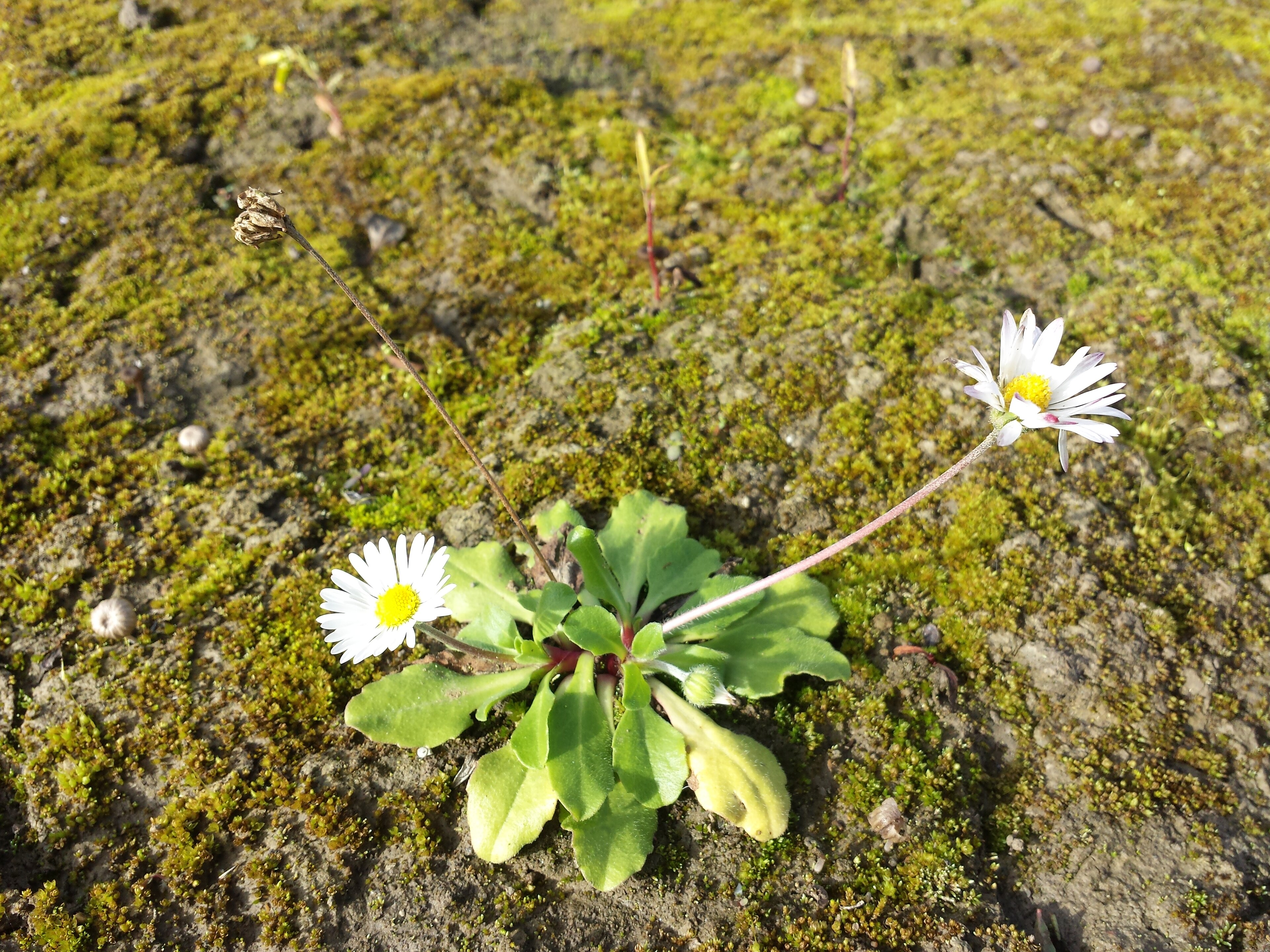
Alpine Daisy
Bellis perennis
Bellis perennis, the daisy, is a European species of the family Asteraceae, often considered the archetypal species of the name daisy. To distinguish this species from other plants known as daisies, it is sometimes qualified or known as common daisy, lawn daisy or English daisy. Alpine is used here as a catalog label only. The care guide below describes the real species Daisy (Bellis perennis) and does not claim a verified botanical variety unless one is separately documented.

Alpine Giloy
Tinospora cordifolia
Tinospora cordifolia, guruchi, guduchi, amrita, or the heart-leaved moonseed, is a herbaceous vine of the family Menispermaceae native to South and Southeast Asia. It has been used in Ayurveda in an attempt to treat various disorders. Alpine is used here as a catalog label only. The care guide below describes the real species Giloy (Tinospora cordifolia) and does not claim a verified botanical variety unless one is separately documented.
Alpine Hibiscus
Hibiscus rosa-sinensis
Hibiscus (Hibiscus rosa-sinensis) is a real plant in the Malvaceae family. It is commonly grown as a both plant and generally needs full sun, high water, and temperatures around 18°C - 32°C. Alpine is used here as a catalog label only. The care guide below describes the real species Hibiscus (Hibiscus rosa-sinensis) and does not claim a verified botanical variety unless one is separately documented.
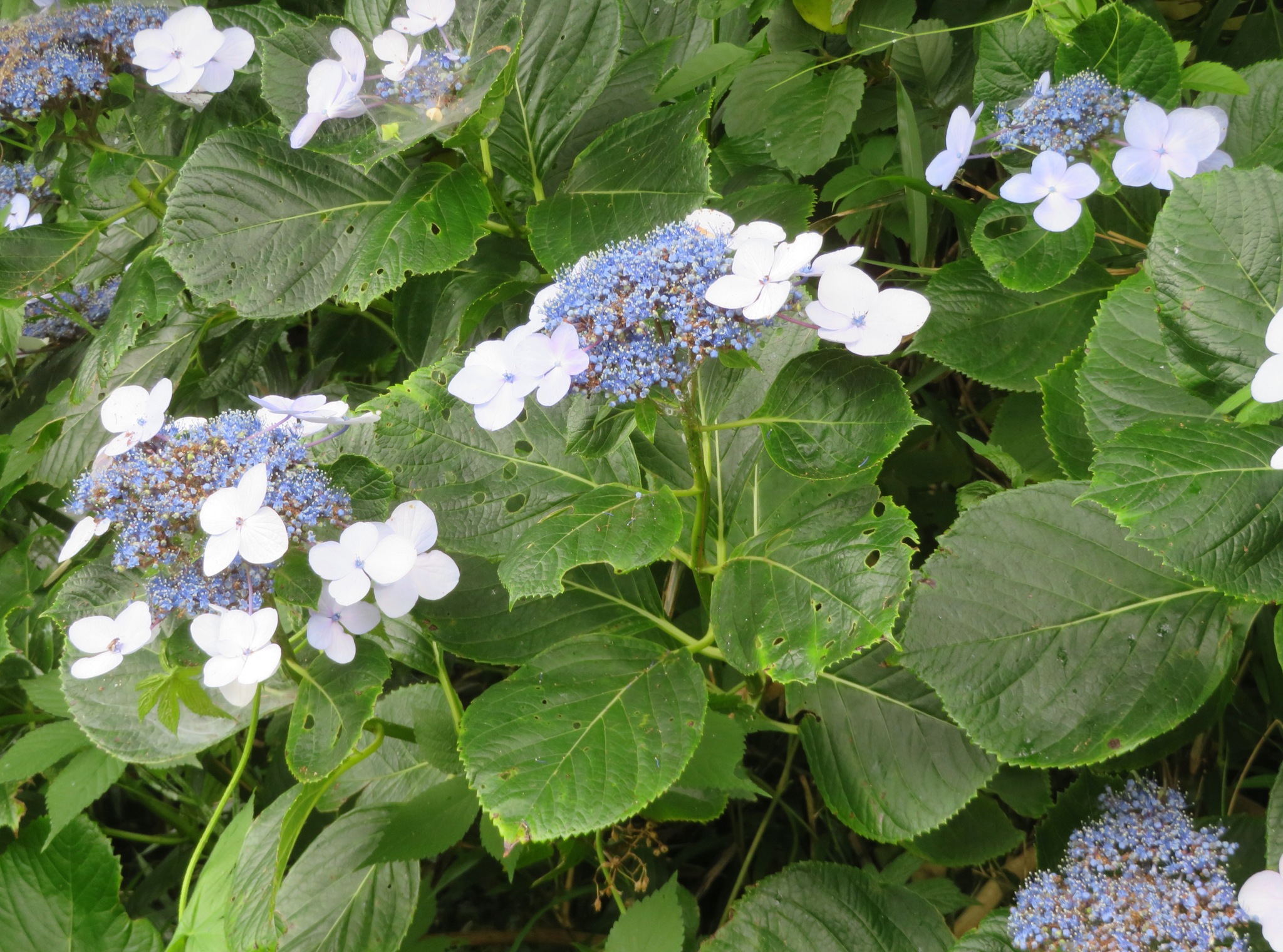
Alpine Hydrangea
Hydrangea macrophylla
Hydrangea macrophylla is a species of flowering plant in the family Hydrangeaceae, native and endemic to Japan. It is a deciduous shrub growing to 3 m (10 ft) tall by 2.5 m (8 ft) or more broad with large heads of pink or blue flowers in summer and autumn. It is currently treated as monotypic, with no subspecies or varieties. Common names include bigleaf hydrangea, and, for particular cultivar groups, the names lacecap hydrangea, mophead hydrangea, and hortensia. It is widely cultivated in many parts of the world in many climates. It is not to be confused with H. aspera 'Macrophylla'. Alpine is used here as a catalog label only. The care guide below describes the real species Hydrangea (Hydrangea macrophylla) and does not claim a verified botanical variety unless one is separately documented.

Alpine Jasmine
Jasminum officinale
Jasminum officinale, known as the common jasmine or simply jasmine, is a species of flowering plant in the olive family Oleaceae. It is native to the Caucasus and parts of Asia, also widely naturalized. Alpine is used here as a catalog label only. The care guide below describes the real species Jasmine (Jasminum officinale) and does not claim a verified botanical variety unless one is separately documented.
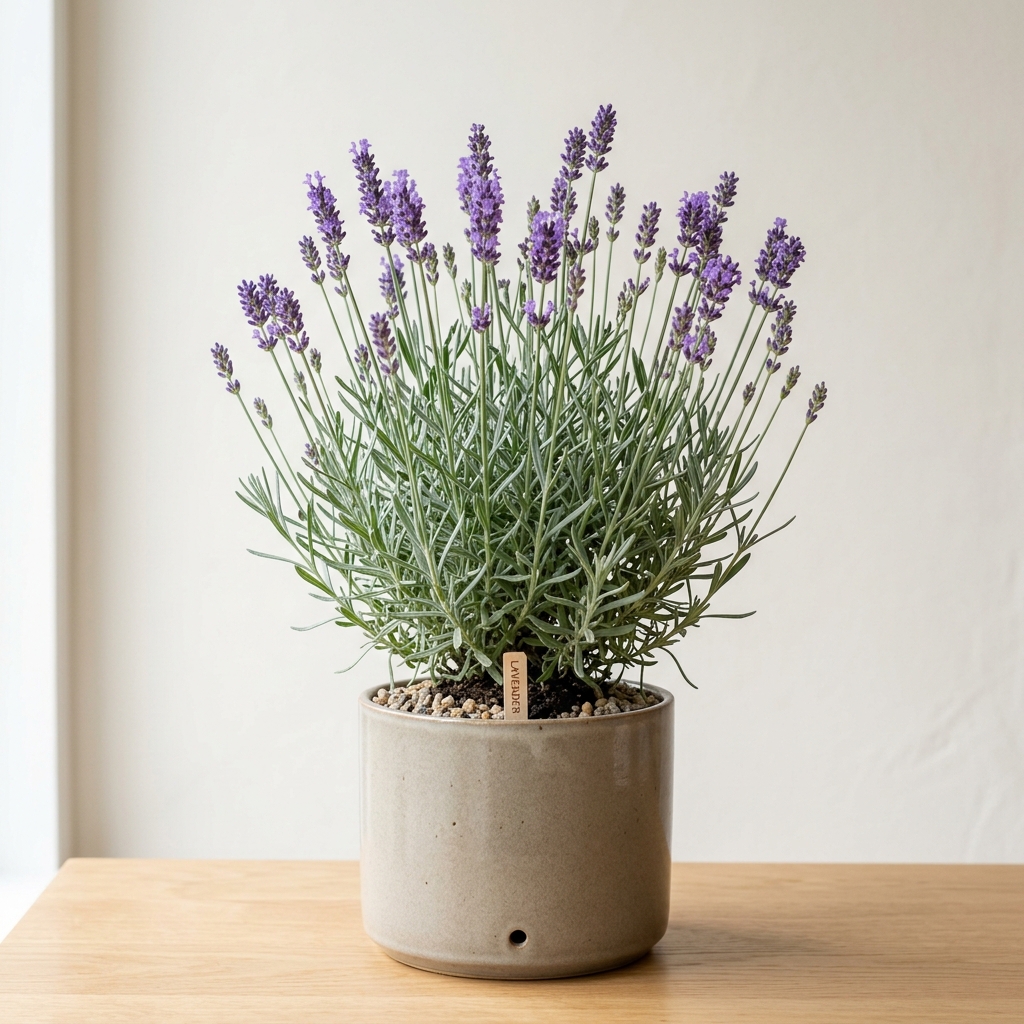
Alpine Lavender
Lavandula angustifolia
Lavandula angustifolia, formerly L. officinalis, is a flowering plant in the family Lamiaceae, native to the Mediterranean basin. Its common names include lavender, true lavender and English lavender ; also garden lavender, common lavender and narrow-leaved lavender. Alpine is used here as a catalog label only. The care guide below describes the real species Lavender (Lavandula angustifolia) and does not claim a verified botanical variety unless one is separately documented.
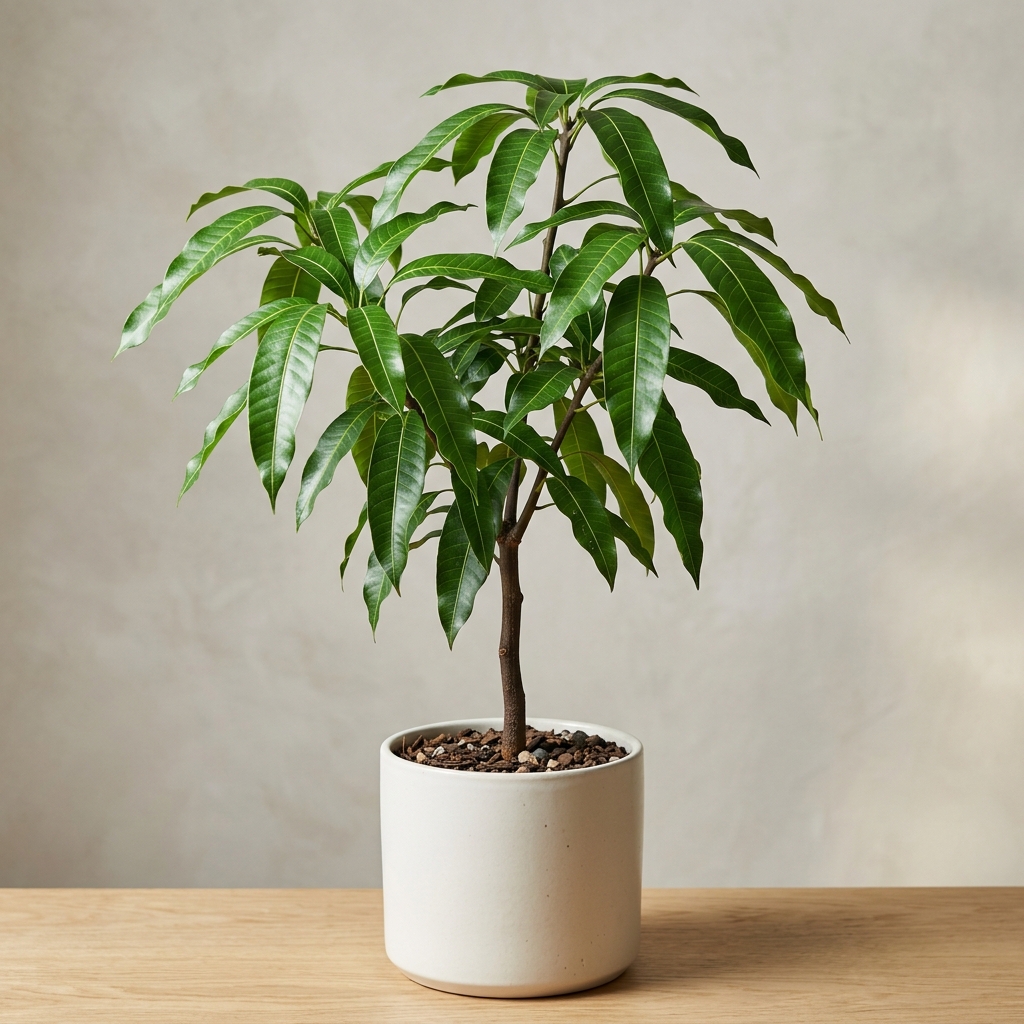
Alpine Mango
Mangifera indica
Mangifera indica, commonly known as the mango after its fruit, is an evergreen species of flowering plant in the family Anacardiaceae. It is a large fruit tree, capable of growing to a height and width of 30 m (100 ft). There are two distinct genetic populations in modern mangoes – the "Indian type" and the "Southeast Asian type". Alpine is used here as a catalog label only. The care guide below describes the real species Mango (Mangifera indica) and does not claim a verified botanical variety unless one is separately documented.
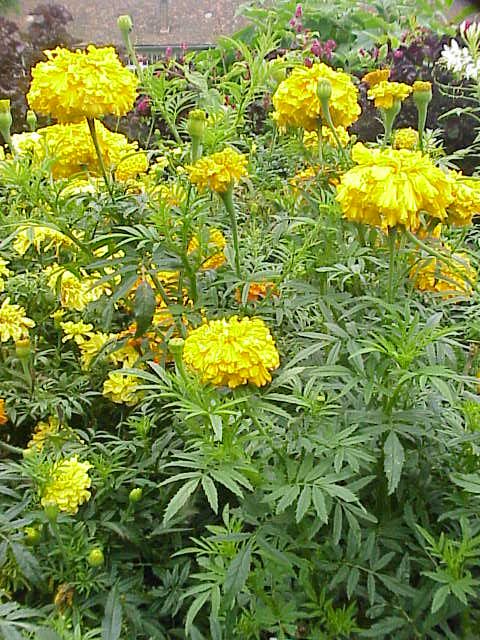
Alpine Marigold
Tagetes erecta
Tagetes erecta, the Aztec marigold, Mexican marigold, big marigold, cempaxochitl or cempasúchil, is a species of flowering plant in the genus Tagetes native to Mexico and Central America. Despite being native to the Americas, it is often called the African marigold. In Mexico, this plant is found in the wild in the states of México, Michoacán, Puebla, Veracruz and Guerrero. Alpine is used here as a catalog label only. The care guide below describes the real species Marigold (Tagetes erecta) and does not claim a verified botanical variety unless one is separately documented.

Alpine Morning Glory
Ipomoea purpurea
Ipomoea purpurea, the common morning-glory, tall morning-glory, or purple morning glory, is a species in the genus Ipomoea. Alpine is used here as a catalog label only. The care guide below describes the real species Morning Glory (Ipomoea purpurea) and does not claim a verified botanical variety unless one is separately documented.

Alpine Neem
Azadirachta indica
Azadirachta indica, commonly known as neem, margosa, nimtree or Indian lilac, is a tree in the mahogany family Meliaceae. It is one of the two species in the genus Azadirachta. It is native to the Indian subcontinent and to parts of Southeast Asia, but is naturalized and grown around the world in tropical and subtropical areas. Its fruits and seeds are the source of neem oil. Nim is a Hindustani noun derived from Sanskrit nimba (निंब). Alpine is used here as a catalog label only. The care guide below describes the real species Neem (Azadirachta indica) and does not claim a verified botanical variety unless one is separately documented.

Alpine Petunia
Petunia hybrida
Petunia (Petunia hybrida) is a real plant in the Solanaceae family. It is commonly grown as a outdoor plant and generally needs full sun, moderate water, and temperatures around 15°C - 30°C. Alpine is used here as a catalog label only. The care guide below describes the real species Petunia (Petunia hybrida) and does not claim a verified botanical variety unless one is separately documented.
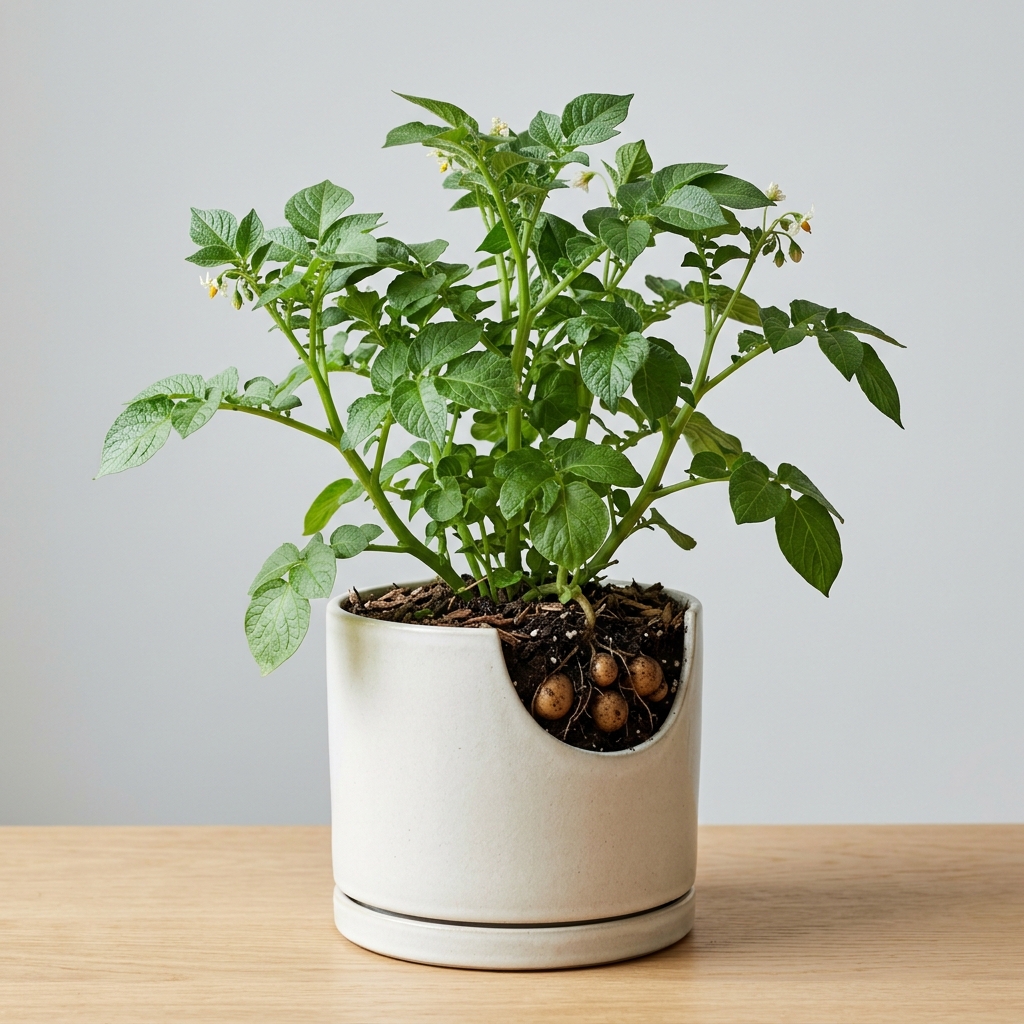
Alpine Potato
Solanum tuberosum
The potato is a starchy tuberous vegetable native to the Americas that is consumed as a staple food in many parts of the world. Potatoes are underground stem tubers of the plant Solanum tuberosum, a perennial in the nightshade family Solanaceae. Alpine is used here as a catalog label only. The care guide below describes the real species Potato (Solanum tuberosum) and does not claim a verified botanical variety unless one is separately documented.
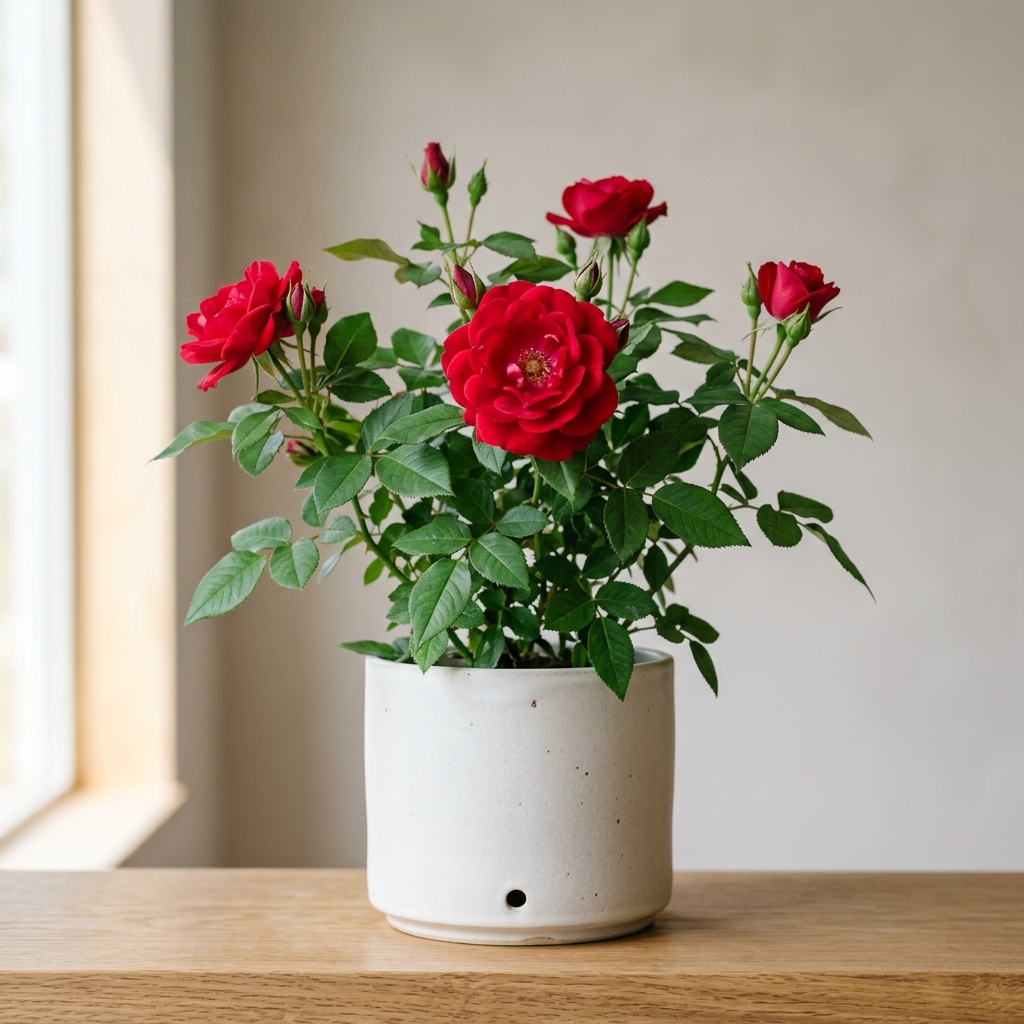
Alpine Rose
Rosa hybrid
A rose is either a woody perennial flowering plant of the genus Rosa, in the family Rosaceae, or the flower it bears. There are over three hundred species and tens of thousands of cultivars. The plants range in size and form, from trailing and erect shrubs to climbers up to 7 metres (23 ft) in height. Sharp prickles appear on the stems of many species. Their flowers vary in size and shape and are usually large and showy, in colours ranging from white through pinks, reds, oranges and yellows. Alpine is used here as a catalog label only. The care guide below describes the real species Rose (Rosa hybrid) and does not claim a verified botanical variety unless one is separately documented.
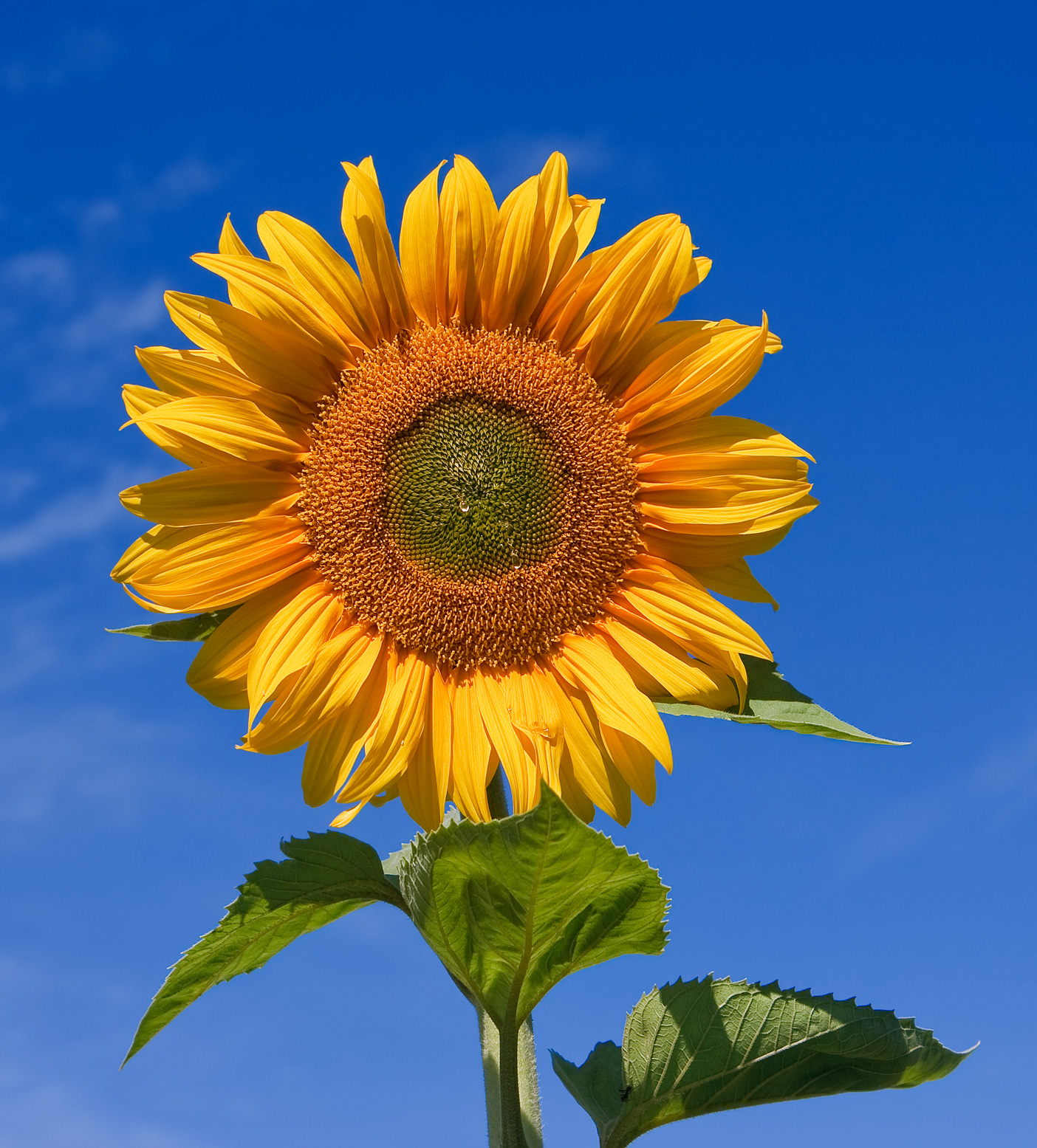
Alpine Sunflower
Helianthus annuus
The common sunflower is a large annual forb in the daisy family Asteraceae. The domesticated form of common sunflower is harvested for its edible seeds, which come in two types: oil and confectionary seeds. Oilseed sunflowers are widely grown globally and represent the fourth most used vegetable oil in the world. They also are used widely as bird food or as food for livestock. In contrast, confectionary sunflower seeds are often eaten as a snack food or in baking. There also are horticultural sunflower varieties that are used as plantings in domestic gardens for aesthetics. Wild plants are known for their multiple flower heads, whereas the domestic sunflower often possesses a single large flower head atop an unbranched stem. Alpine is used here as a catalog label only. The care guide below describes the real species Sunflower (Helianthus annuus) and does not claim a verified botanical variety unless one is separately documented.
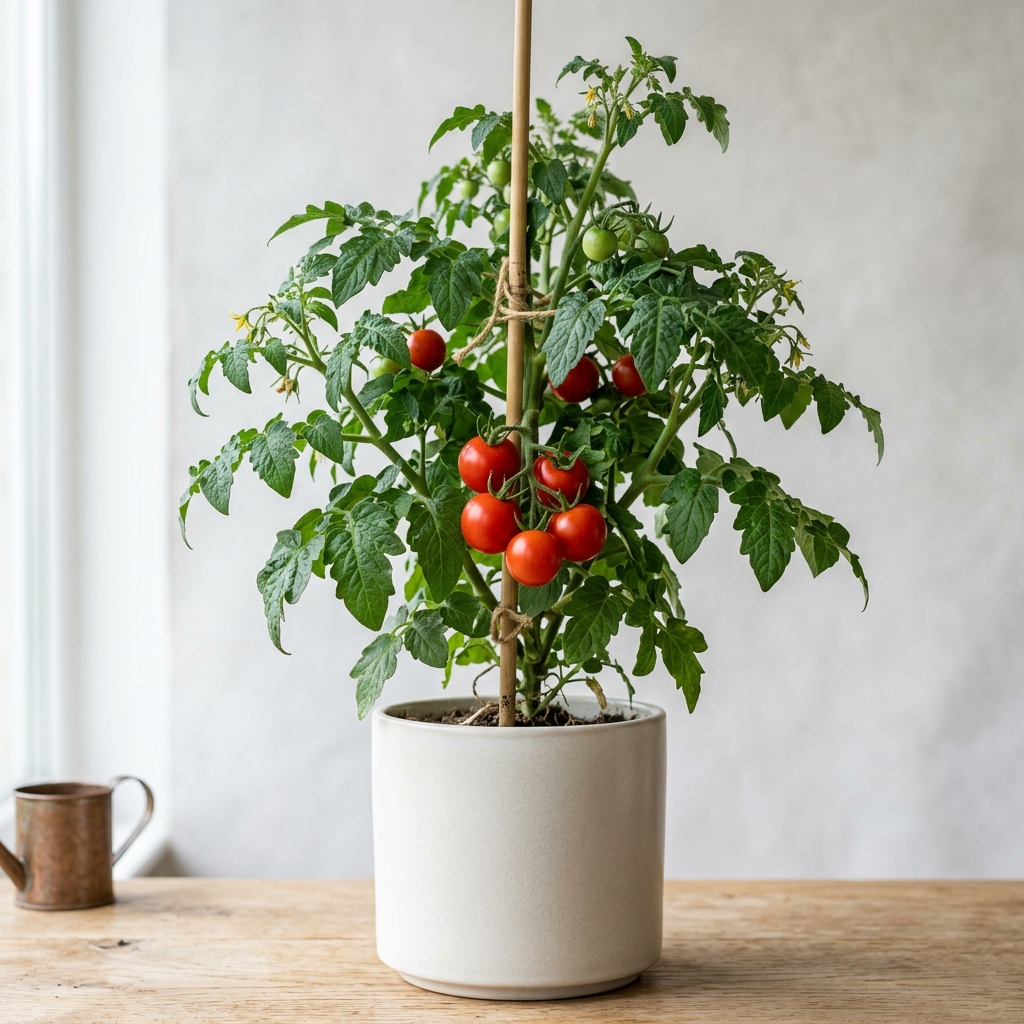
Alpine Tomato
Solanum lycopersicum
The tomato is a plant whose fruit is an edible berry that is eaten as a vegetable. The tomato is a member of the nightshade family that includes tobacco, potato, and chili peppers. It originated from western South America, and may have been domesticated there, in Mexico, or in Central America. The Spanish introduced tomatoes to Eurasia in the Columbian exchange in the 16th century. Alpine is used here as a catalog label only. The care guide below describes the real species Tomato (Solanum lycopersicum) and does not claim a verified botanical variety unless one is separately documented.
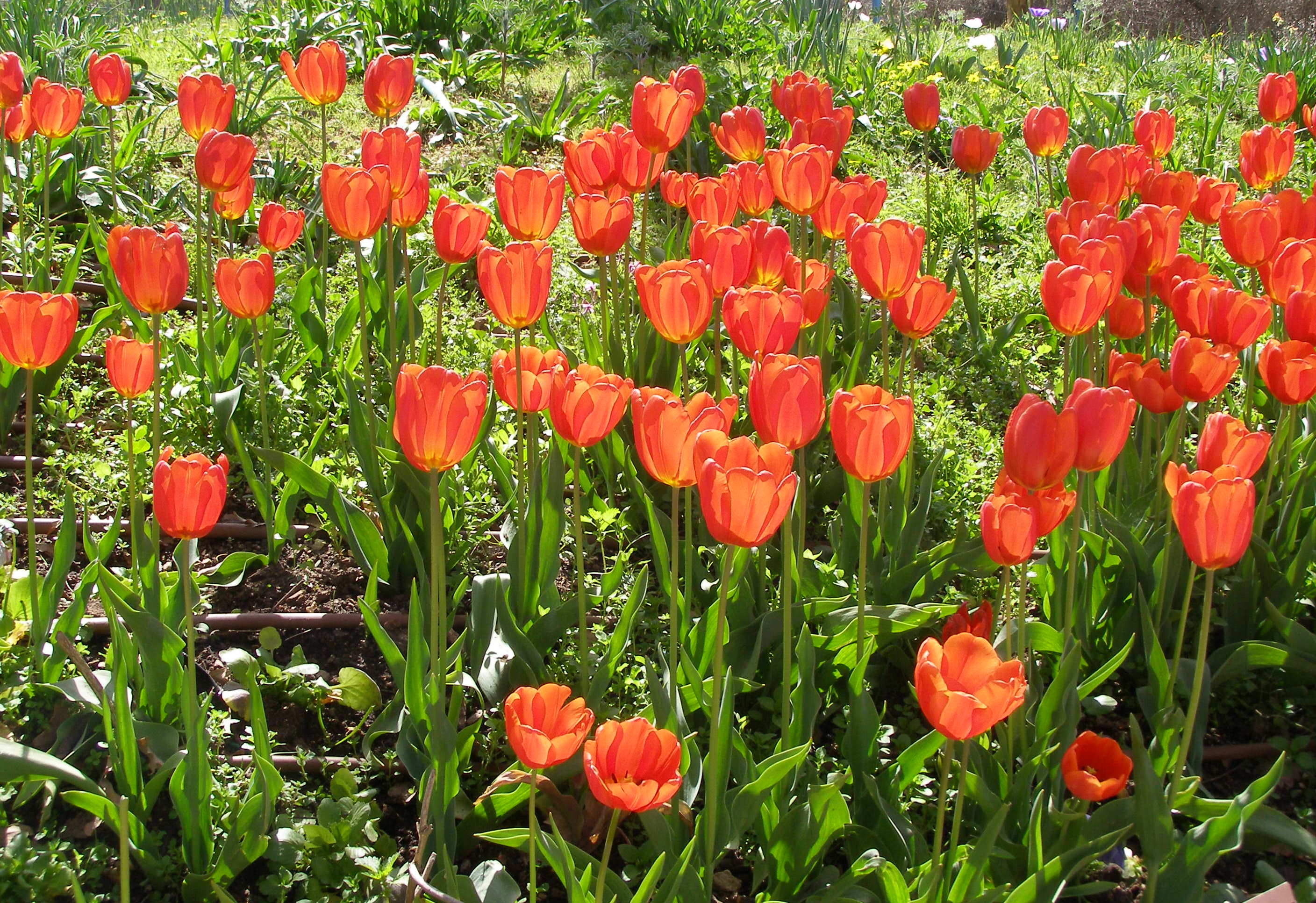
Alpine Tulip
Tulipa gesneriana
Tulip (Tulipa gesneriana) is a real plant in the Liliaceae family. It is commonly grown as a outdoor plant and generally needs full sun to partial shade, moderate water, and temperatures around 5°C - 18°C. Alpine is used here as a catalog label only. The care guide below describes the real species Tulip (Tulipa gesneriana) and does not claim a verified botanical variety unless one is separately documented.
Dwarf Ashwagandha
Withania somnifera
Withania somnifera, known commonly as ashwagandha, is an evergreen shrub in the Solanaceae family that is native to the Middle East and North Africa, other African regions, southern Europe, Indian subcontinent, and across Southeast Asia. Several other species in the genus Withania are morphologically similar. Other common names include Indian ginseng and winter cherry. Dwarf is used here as a catalog label only. The care guide below describes the real species Ashwagandha (Withania somnifera) and does not claim a verified botanical variety unless one is separately documented.
Dwarf Bougainvillea
Bougainvillea spectabilis
Bougainvillea (Bougainvillea spectabilis) is a real plant in the Nyctaginaceae family. It is commonly grown as a outdoor plant and generally needs full sun, low water, and temperatures around 22°C - 38°C. Dwarf is used here as a catalog label only. The care guide below describes the real species Bougainvillea (Bougainvillea spectabilis) and does not claim a verified botanical variety unless one is separately documented.
Dwarf Chrysanthemum
Chrysanthemum morifolium
Chrysanthemum (Chrysanthemum morifolium) is a real plant in the Asteraceae family. It is commonly grown as a both plant and generally needs full sun, high water, and temperatures around 15°C - 24°C. Dwarf is used here as a catalog label only. The care guide below describes the real species Chrysanthemum (Chrysanthemum morifolium) and does not claim a verified botanical variety unless one is separately documented.
Dwarf Dahlia
Dahlia hortensis
Dahlia (Dahlia hortensis) is a real plant in the Asteraceae family. It is commonly grown as a outdoor plant and generally needs full sun, high water, and temperatures around 15°C - 26°C. Dwarf is used here as a catalog label only. The care guide below describes the real species Dahlia (Dahlia hortensis) and does not claim a verified botanical variety unless one is separately documented.
Dwarf Daisy
Bellis perennis
Bellis perennis, the daisy, is a European species of the family Asteraceae, often considered the archetypal species of the name daisy. To distinguish this species from other plants known as daisies, it is sometimes qualified or known as common daisy, lawn daisy or English daisy. Dwarf is used here as a catalog label only. The care guide below describes the real species Daisy (Bellis perennis) and does not claim a verified botanical variety unless one is separately documented.
Dwarf Giloy
Tinospora cordifolia
Tinospora cordifolia, guruchi, guduchi, amrita, or the heart-leaved moonseed, is a herbaceous vine of the family Menispermaceae native to South and Southeast Asia. It has been used in Ayurveda in an attempt to treat various disorders. Dwarf is used here as a catalog label only. The care guide below describes the real species Giloy (Tinospora cordifolia) and does not claim a verified botanical variety unless one is separately documented.
Dwarf Hibiscus
Hibiscus rosa-sinensis
Hibiscus (Hibiscus rosa-sinensis) is a real plant in the Malvaceae family. It is commonly grown as a both plant and generally needs full sun, high water, and temperatures around 18°C - 32°C. Dwarf is used here as a catalog label only. The care guide below describes the real species Hibiscus (Hibiscus rosa-sinensis) and does not claim a verified botanical variety unless one is separately documented.
Dwarf Hydrangea
Hydrangea macrophylla
Hydrangea macrophylla is a species of flowering plant in the family Hydrangeaceae, native and endemic to Japan. It is a deciduous shrub growing to 3 m (10 ft) tall by 2.5 m (8 ft) or more broad with large heads of pink or blue flowers in summer and autumn. It is currently treated as monotypic, with no subspecies or varieties. Common names include bigleaf hydrangea, and, for particular cultivar groups, the names lacecap hydrangea, mophead hydrangea, and hortensia. It is widely cultivated in many parts of the world in many climates. It is not to be confused with H. aspera 'Macrophylla'. Dwarf is used here as a catalog label only. The care guide below describes the real species Hydrangea (Hydrangea macrophylla) and does not claim a verified botanical variety unless one is separately documented.
Dwarf Jasmine
Jasminum officinale
Jasminum officinale, known as the common jasmine or simply jasmine, is a species of flowering plant in the olive family Oleaceae. It is native to the Caucasus and parts of Asia, also widely naturalized. Dwarf is used here as a catalog label only. The care guide below describes the real species Jasmine (Jasminum officinale) and does not claim a verified botanical variety unless one is separately documented.
Dwarf Lavender
Lavandula angustifolia
Lavandula angustifolia, formerly L. officinalis, is a flowering plant in the family Lamiaceae, native to the Mediterranean basin. Its common names include lavender, true lavender and English lavender ; also garden lavender, common lavender and narrow-leaved lavender. Dwarf is used here as a catalog label only. The care guide below describes the real species Lavender (Lavandula angustifolia) and does not claim a verified botanical variety unless one is separately documented.
Dwarf Mango
Mangifera indica
Mangifera indica, commonly known as the mango after its fruit, is an evergreen species of flowering plant in the family Anacardiaceae. It is a large fruit tree, capable of growing to a height and width of 30 m (100 ft). There are two distinct genetic populations in modern mangoes – the "Indian type" and the "Southeast Asian type". Dwarf is used here as a catalog label only. The care guide below describes the real species Mango (Mangifera indica) and does not claim a verified botanical variety unless one is separately documented.
Dwarf Marigold
Tagetes erecta
Tagetes erecta, the Aztec marigold, Mexican marigold, big marigold, cempaxochitl or cempasúchil, is a species of flowering plant in the genus Tagetes native to Mexico and Central America. Despite being native to the Americas, it is often called the African marigold. In Mexico, this plant is found in the wild in the states of México, Michoacán, Puebla, Veracruz and Guerrero. Dwarf is used here as a catalog label only. The care guide below describes the real species Marigold (Tagetes erecta) and does not claim a verified botanical variety unless one is separately documented.
Dwarf Morning Glory
Ipomoea purpurea
Ipomoea purpurea, the common morning-glory, tall morning-glory, or purple morning glory, is a species in the genus Ipomoea. Dwarf is used here as a catalog label only. The care guide below describes the real species Morning Glory (Ipomoea purpurea) and does not claim a verified botanical variety unless one is separately documented.
Dwarf Neem
Azadirachta indica
Azadirachta indica, commonly known as neem, margosa, nimtree or Indian lilac, is a tree in the mahogany family Meliaceae. It is one of the two species in the genus Azadirachta. It is native to the Indian subcontinent and to parts of Southeast Asia, but is naturalized and grown around the world in tropical and subtropical areas. Its fruits and seeds are the source of neem oil. Nim is a Hindustani noun derived from Sanskrit nimba (निंब). Dwarf is used here as a catalog label only. The care guide below describes the real species Neem (Azadirachta indica) and does not claim a verified botanical variety unless one is separately documented.
Dwarf Petunia
Petunia hybrida
Petunia (Petunia hybrida) is a real plant in the Solanaceae family. It is commonly grown as a outdoor plant and generally needs full sun, moderate water, and temperatures around 15°C - 30°C. Dwarf is used here as a catalog label only. The care guide below describes the real species Petunia (Petunia hybrida) and does not claim a verified botanical variety unless one is separately documented.
Dwarf Potato
Solanum tuberosum
The potato is a starchy tuberous vegetable native to the Americas that is consumed as a staple food in many parts of the world. Potatoes are underground stem tubers of the plant Solanum tuberosum, a perennial in the nightshade family Solanaceae. Dwarf is used here as a catalog label only. The care guide below describes the real species Potato (Solanum tuberosum) and does not claim a verified botanical variety unless one is separately documented.
Dwarf Rose
Rosa hybrid
A rose is either a woody perennial flowering plant of the genus Rosa, in the family Rosaceae, or the flower it bears. There are over three hundred species and tens of thousands of cultivars. The plants range in size and form, from trailing and erect shrubs to climbers up to 7 metres (23 ft) in height. Sharp prickles appear on the stems of many species. Their flowers vary in size and shape and are usually large and showy, in colours ranging from white through pinks, reds, oranges and yellows. Dwarf is used here as a catalog label only. The care guide below describes the real species Rose (Rosa hybrid) and does not claim a verified botanical variety unless one is separately documented.
Dwarf Sunflower
Helianthus annuus
The common sunflower is a large annual forb in the daisy family Asteraceae. The domesticated form of common sunflower is harvested for its edible seeds, which come in two types: oil and confectionary seeds. Oilseed sunflowers are widely grown globally and represent the fourth most used vegetable oil in the world. They also are used widely as bird food or as food for livestock. In contrast, confectionary sunflower seeds are often eaten as a snack food or in baking. There also are horticultural sunflower varieties that are used as plantings in domestic gardens for aesthetics. Wild plants are known for their multiple flower heads, whereas the domestic sunflower often possesses a single large flower head atop an unbranched stem. Dwarf is used here as a catalog label only. The care guide below describes the real species Sunflower (Helianthus annuus) and does not claim a verified botanical variety unless one is separately documented.
Dwarf Tomato
Solanum lycopersicum
The tomato is a plant whose fruit is an edible berry that is eaten as a vegetable. The tomato is a member of the nightshade family that includes tobacco, potato, and chili peppers. It originated from western South America, and may have been domesticated there, in Mexico, or in Central America. The Spanish introduced tomatoes to Eurasia in the Columbian exchange in the 16th century. Dwarf is used here as a catalog label only. The care guide below describes the real species Tomato (Solanum lycopersicum) and does not claim a verified botanical variety unless one is separately documented.
Dwarf Tulip
Tulipa gesneriana
Tulip (Tulipa gesneriana) is a real plant in the Liliaceae family. It is commonly grown as a outdoor plant and generally needs full sun to partial shade, moderate water, and temperatures around 5°C - 18°C. Dwarf is used here as a catalog label only. The care guide below describes the real species Tulip (Tulipa gesneriana) and does not claim a verified botanical variety unless one is separately documented.
Emerald Ashwagandha
Withania somnifera
Withania somnifera, known commonly as ashwagandha, is an evergreen shrub in the Solanaceae family that is native to the Middle East and North Africa, other African regions, southern Europe, Indian subcontinent, and across Southeast Asia. Several other species in the genus Withania are morphologically similar. Other common names include Indian ginseng and winter cherry. Emerald is used here as a catalog label only. The care guide below describes the real species Ashwagandha (Withania somnifera) and does not claim a verified botanical variety unless one is separately documented.
Emerald Bougainvillea
Bougainvillea spectabilis
Bougainvillea (Bougainvillea spectabilis) is a real plant in the Nyctaginaceae family. It is commonly grown as a outdoor plant and generally needs full sun, low water, and temperatures around 22°C - 38°C. Emerald is used here as a catalog label only. The care guide below describes the real species Bougainvillea (Bougainvillea spectabilis) and does not claim a verified botanical variety unless one is separately documented.
Emerald Chrysanthemum
Chrysanthemum morifolium
Chrysanthemum (Chrysanthemum morifolium) is a real plant in the Asteraceae family. It is commonly grown as a both plant and generally needs full sun, high water, and temperatures around 15°C - 24°C. Emerald is used here as a catalog label only. The care guide below describes the real species Chrysanthemum (Chrysanthemum morifolium) and does not claim a verified botanical variety unless one is separately documented.
Emerald Dahlia
Dahlia hortensis
Dahlia (Dahlia hortensis) is a real plant in the Asteraceae family. It is commonly grown as a outdoor plant and generally needs full sun, high water, and temperatures around 15°C - 26°C. Emerald is used here as a catalog label only. The care guide below describes the real species Dahlia (Dahlia hortensis) and does not claim a verified botanical variety unless one is separately documented.
Emerald Daisy
Bellis perennis
Bellis perennis, the daisy, is a European species of the family Asteraceae, often considered the archetypal species of the name daisy. To distinguish this species from other plants known as daisies, it is sometimes qualified or known as common daisy, lawn daisy or English daisy. Emerald is used here as a catalog label only. The care guide below describes the real species Daisy (Bellis perennis) and does not claim a verified botanical variety unless one is separately documented.
Emerald Giloy
Tinospora cordifolia
Tinospora cordifolia, guruchi, guduchi, amrita, or the heart-leaved moonseed, is a herbaceous vine of the family Menispermaceae native to South and Southeast Asia. It has been used in Ayurveda in an attempt to treat various disorders. Emerald is used here as a catalog label only. The care guide below describes the real species Giloy (Tinospora cordifolia) and does not claim a verified botanical variety unless one is separately documented.
Emerald Hibiscus
Hibiscus rosa-sinensis
Hibiscus (Hibiscus rosa-sinensis) is a real plant in the Malvaceae family. It is commonly grown as a both plant and generally needs full sun, high water, and temperatures around 18°C - 32°C. Emerald is used here as a catalog label only. The care guide below describes the real species Hibiscus (Hibiscus rosa-sinensis) and does not claim a verified botanical variety unless one is separately documented.
Emerald Hydrangea
Hydrangea macrophylla
Hydrangea macrophylla is a species of flowering plant in the family Hydrangeaceae, native and endemic to Japan. It is a deciduous shrub growing to 3 m (10 ft) tall by 2.5 m (8 ft) or more broad with large heads of pink or blue flowers in summer and autumn. It is currently treated as monotypic, with no subspecies or varieties. Common names include bigleaf hydrangea, and, for particular cultivar groups, the names lacecap hydrangea, mophead hydrangea, and hortensia. It is widely cultivated in many parts of the world in many climates. It is not to be confused with H. aspera 'Macrophylla'. Emerald is used here as a catalog label only. The care guide below describes the real species Hydrangea (Hydrangea macrophylla) and does not claim a verified botanical variety unless one is separately documented.
Emerald Jasmine
Jasminum officinale
Jasminum officinale, known as the common jasmine or simply jasmine, is a species of flowering plant in the olive family Oleaceae. It is native to the Caucasus and parts of Asia, also widely naturalized. Emerald is used here as a catalog label only. The care guide below describes the real species Jasmine (Jasminum officinale) and does not claim a verified botanical variety unless one is separately documented.
Emerald Lavender
Lavandula angustifolia
Lavandula angustifolia, formerly L. officinalis, is a flowering plant in the family Lamiaceae, native to the Mediterranean basin. Its common names include lavender, true lavender and English lavender ; also garden lavender, common lavender and narrow-leaved lavender. Emerald is used here as a catalog label only. The care guide below describes the real species Lavender (Lavandula angustifolia) and does not claim a verified botanical variety unless one is separately documented.
Emerald Mango
Mangifera indica
Mangifera indica, commonly known as the mango after its fruit, is an evergreen species of flowering plant in the family Anacardiaceae. It is a large fruit tree, capable of growing to a height and width of 30 m (100 ft). There are two distinct genetic populations in modern mangoes – the "Indian type" and the "Southeast Asian type". Emerald is used here as a catalog label only. The care guide below describes the real species Mango (Mangifera indica) and does not claim a verified botanical variety unless one is separately documented.
Emerald Marigold
Tagetes erecta
Tagetes erecta, the Aztec marigold, Mexican marigold, big marigold, cempaxochitl or cempasúchil, is a species of flowering plant in the genus Tagetes native to Mexico and Central America. Despite being native to the Americas, it is often called the African marigold. In Mexico, this plant is found in the wild in the states of México, Michoacán, Puebla, Veracruz and Guerrero. Emerald is used here as a catalog label only. The care guide below describes the real species Marigold (Tagetes erecta) and does not claim a verified botanical variety unless one is separately documented.
Emerald Morning Glory
Ipomoea purpurea
Ipomoea purpurea, the common morning-glory, tall morning-glory, or purple morning glory, is a species in the genus Ipomoea. Emerald is used here as a catalog label only. The care guide below describes the real species Morning Glory (Ipomoea purpurea) and does not claim a verified botanical variety unless one is separately documented.
Emerald Neem
Azadirachta indica
Azadirachta indica, commonly known as neem, margosa, nimtree or Indian lilac, is a tree in the mahogany family Meliaceae. It is one of the two species in the genus Azadirachta. It is native to the Indian subcontinent and to parts of Southeast Asia, but is naturalized and grown around the world in tropical and subtropical areas. Its fruits and seeds are the source of neem oil. Nim is a Hindustani noun derived from Sanskrit nimba (निंब). Emerald is used here as a catalog label only. The care guide below describes the real species Neem (Azadirachta indica) and does not claim a verified botanical variety unless one is separately documented.
Emerald Petunia
Petunia hybrida
Petunia (Petunia hybrida) is a real plant in the Solanaceae family. It is commonly grown as a outdoor plant and generally needs full sun, moderate water, and temperatures around 15°C - 30°C. Emerald is used here as a catalog label only. The care guide below describes the real species Petunia (Petunia hybrida) and does not claim a verified botanical variety unless one is separately documented.
Emerald Potato
Solanum tuberosum
The potato is a starchy tuberous vegetable native to the Americas that is consumed as a staple food in many parts of the world. Potatoes are underground stem tubers of the plant Solanum tuberosum, a perennial in the nightshade family Solanaceae. Emerald is used here as a catalog label only. The care guide below describes the real species Potato (Solanum tuberosum) and does not claim a verified botanical variety unless one is separately documented.
Emerald Rose
Rosa hybrid
A rose is either a woody perennial flowering plant of the genus Rosa, in the family Rosaceae, or the flower it bears. There are over three hundred species and tens of thousands of cultivars. The plants range in size and form, from trailing and erect shrubs to climbers up to 7 metres (23 ft) in height. Sharp prickles appear on the stems of many species. Their flowers vary in size and shape and are usually large and showy, in colours ranging from white through pinks, reds, oranges and yellows. Emerald is used here as a catalog label only. The care guide below describes the real species Rose (Rosa hybrid) and does not claim a verified botanical variety unless one is separately documented.
Emerald Sunflower
Helianthus annuus
The common sunflower is a large annual forb in the daisy family Asteraceae. The domesticated form of common sunflower is harvested for its edible seeds, which come in two types: oil and confectionary seeds. Oilseed sunflowers are widely grown globally and represent the fourth most used vegetable oil in the world. They also are used widely as bird food or as food for livestock. In contrast, confectionary sunflower seeds are often eaten as a snack food or in baking. There also are horticultural sunflower varieties that are used as plantings in domestic gardens for aesthetics. Wild plants are known for their multiple flower heads, whereas the domestic sunflower often possesses a single large flower head atop an unbranched stem. Emerald is used here as a catalog label only. The care guide below describes the real species Sunflower (Helianthus annuus) and does not claim a verified botanical variety unless one is separately documented.
Emerald Tomato
Solanum lycopersicum
The tomato is a plant whose fruit is an edible berry that is eaten as a vegetable. The tomato is a member of the nightshade family that includes tobacco, potato, and chili peppers. It originated from western South America, and may have been domesticated there, in Mexico, or in Central America. The Spanish introduced tomatoes to Eurasia in the Columbian exchange in the 16th century. Emerald is used here as a catalog label only. The care guide below describes the real species Tomato (Solanum lycopersicum) and does not claim a verified botanical variety unless one is separately documented.
Emerald Tulip
Tulipa gesneriana
Tulip (Tulipa gesneriana) is a real plant in the Liliaceae family. It is commonly grown as a outdoor plant and generally needs full sun to partial shade, moderate water, and temperatures around 5°C - 18°C. Emerald is used here as a catalog label only. The care guide below describes the real species Tulip (Tulipa gesneriana) and does not claim a verified botanical variety unless one is separately documented.
Giant Ashwagandha
Withania somnifera
Withania somnifera, known commonly as ashwagandha, is an evergreen shrub in the Solanaceae family that is native to the Middle East and North Africa, other African regions, southern Europe, Indian subcontinent, and across Southeast Asia. Several other species in the genus Withania are morphologically similar. Other common names include Indian ginseng and winter cherry. Giant is used here as a catalog label only. The care guide below describes the real species Ashwagandha (Withania somnifera) and does not claim a verified botanical variety unless one is separately documented.
Giant Bougainvillea
Bougainvillea spectabilis
Bougainvillea (Bougainvillea spectabilis) is a real plant in the Nyctaginaceae family. It is commonly grown as a outdoor plant and generally needs full sun, low water, and temperatures around 22°C - 38°C. Giant is used here as a catalog label only. The care guide below describes the real species Bougainvillea (Bougainvillea spectabilis) and does not claim a verified botanical variety unless one is separately documented.
Giant Chrysanthemum
Chrysanthemum morifolium
Chrysanthemum (Chrysanthemum morifolium) is a real plant in the Asteraceae family. It is commonly grown as a both plant and generally needs full sun, high water, and temperatures around 15°C - 24°C. Giant is used here as a catalog label only. The care guide below describes the real species Chrysanthemum (Chrysanthemum morifolium) and does not claim a verified botanical variety unless one is separately documented.
Giant Dahlia
Dahlia hortensis
Dahlia (Dahlia hortensis) is a real plant in the Asteraceae family. It is commonly grown as a outdoor plant and generally needs full sun, high water, and temperatures around 15°C - 26°C. Giant is used here as a catalog label only. The care guide below describes the real species Dahlia (Dahlia hortensis) and does not claim a verified botanical variety unless one is separately documented.
Giant Daisy
Bellis perennis
Bellis perennis, the daisy, is a European species of the family Asteraceae, often considered the archetypal species of the name daisy. To distinguish this species from other plants known as daisies, it is sometimes qualified or known as common daisy, lawn daisy or English daisy. Giant is used here as a catalog label only. The care guide below describes the real species Daisy (Bellis perennis) and does not claim a verified botanical variety unless one is separately documented.
Giant Giloy
Tinospora cordifolia
Tinospora cordifolia, guruchi, guduchi, amrita, or the heart-leaved moonseed, is a herbaceous vine of the family Menispermaceae native to South and Southeast Asia. It has been used in Ayurveda in an attempt to treat various disorders. Giant is used here as a catalog label only. The care guide below describes the real species Giloy (Tinospora cordifolia) and does not claim a verified botanical variety unless one is separately documented.
Giant Hibiscus
Hibiscus rosa-sinensis
Hibiscus (Hibiscus rosa-sinensis) is a real plant in the Malvaceae family. It is commonly grown as a both plant and generally needs full sun, high water, and temperatures around 18°C - 32°C. Giant is used here as a catalog label only. The care guide below describes the real species Hibiscus (Hibiscus rosa-sinensis) and does not claim a verified botanical variety unless one is separately documented.
Giant Hydrangea
Hydrangea macrophylla
Hydrangea macrophylla is a species of flowering plant in the family Hydrangeaceae, native and endemic to Japan. It is a deciduous shrub growing to 3 m (10 ft) tall by 2.5 m (8 ft) or more broad with large heads of pink or blue flowers in summer and autumn. It is currently treated as monotypic, with no subspecies or varieties. Common names include bigleaf hydrangea, and, for particular cultivar groups, the names lacecap hydrangea, mophead hydrangea, and hortensia. It is widely cultivated in many parts of the world in many climates. It is not to be confused with H. aspera 'Macrophylla'. Giant is used here as a catalog label only. The care guide below describes the real species Hydrangea (Hydrangea macrophylla) and does not claim a verified botanical variety unless one is separately documented.
Giant Jasmine
Jasminum officinale
Jasminum officinale, known as the common jasmine or simply jasmine, is a species of flowering plant in the olive family Oleaceae. It is native to the Caucasus and parts of Asia, also widely naturalized. Giant is used here as a catalog label only. The care guide below describes the real species Jasmine (Jasminum officinale) and does not claim a verified botanical variety unless one is separately documented.
Giant Lavender
Lavandula angustifolia
Lavandula angustifolia, formerly L. officinalis, is a flowering plant in the family Lamiaceae, native to the Mediterranean basin. Its common names include lavender, true lavender and English lavender ; also garden lavender, common lavender and narrow-leaved lavender. Giant is used here as a catalog label only. The care guide below describes the real species Lavender (Lavandula angustifolia) and does not claim a verified botanical variety unless one is separately documented.
Giant Mango
Mangifera indica
Mangifera indica, commonly known as the mango after its fruit, is an evergreen species of flowering plant in the family Anacardiaceae. It is a large fruit tree, capable of growing to a height and width of 30 m (100 ft). There are two distinct genetic populations in modern mangoes – the "Indian type" and the "Southeast Asian type". Giant is used here as a catalog label only. The care guide below describes the real species Mango (Mangifera indica) and does not claim a verified botanical variety unless one is separately documented.
Giant Marigold
Tagetes erecta
Tagetes erecta, the Aztec marigold, Mexican marigold, big marigold, cempaxochitl or cempasúchil, is a species of flowering plant in the genus Tagetes native to Mexico and Central America. Despite being native to the Americas, it is often called the African marigold. In Mexico, this plant is found in the wild in the states of México, Michoacán, Puebla, Veracruz and Guerrero. Giant is used here as a catalog label only. The care guide below describes the real species Marigold (Tagetes erecta) and does not claim a verified botanical variety unless one is separately documented.
Giant Morning Glory
Ipomoea purpurea
Ipomoea purpurea, the common morning-glory, tall morning-glory, or purple morning glory, is a species in the genus Ipomoea. Giant is used here as a catalog label only. The care guide below describes the real species Morning Glory (Ipomoea purpurea) and does not claim a verified botanical variety unless one is separately documented.
Giant Neem
Azadirachta indica
Azadirachta indica, commonly known as neem, margosa, nimtree or Indian lilac, is a tree in the mahogany family Meliaceae. It is one of the two species in the genus Azadirachta. It is native to the Indian subcontinent and to parts of Southeast Asia, but is naturalized and grown around the world in tropical and subtropical areas. Its fruits and seeds are the source of neem oil. Nim is a Hindustani noun derived from Sanskrit nimba (निंब). Giant is used here as a catalog label only. The care guide below describes the real species Neem (Azadirachta indica) and does not claim a verified botanical variety unless one is separately documented.
Giant Petunia
Petunia hybrida
Petunia (Petunia hybrida) is a real plant in the Solanaceae family. It is commonly grown as a outdoor plant and generally needs full sun, moderate water, and temperatures around 15°C - 30°C. Giant is used here as a catalog label only. The care guide below describes the real species Petunia (Petunia hybrida) and does not claim a verified botanical variety unless one is separately documented.
Giant Potato
Solanum tuberosum
The potato is a starchy tuberous vegetable native to the Americas that is consumed as a staple food in many parts of the world. Potatoes are underground stem tubers of the plant Solanum tuberosum, a perennial in the nightshade family Solanaceae. Giant is used here as a catalog label only. The care guide below describes the real species Potato (Solanum tuberosum) and does not claim a verified botanical variety unless one is separately documented.
Giant Rose
Rosa hybrid
A rose is either a woody perennial flowering plant of the genus Rosa, in the family Rosaceae, or the flower it bears. There are over three hundred species and tens of thousands of cultivars. The plants range in size and form, from trailing and erect shrubs to climbers up to 7 metres (23 ft) in height. Sharp prickles appear on the stems of many species. Their flowers vary in size and shape and are usually large and showy, in colours ranging from white through pinks, reds, oranges and yellows. Giant is used here as a catalog label only. The care guide below describes the real species Rose (Rosa hybrid) and does not claim a verified botanical variety unless one is separately documented.
Giant Sunflower
Helianthus annuus
The common sunflower is a large annual forb in the daisy family Asteraceae. The domesticated form of common sunflower is harvested for its edible seeds, which come in two types: oil and confectionary seeds. Oilseed sunflowers are widely grown globally and represent the fourth most used vegetable oil in the world. They also are used widely as bird food or as food for livestock. In contrast, confectionary sunflower seeds are often eaten as a snack food or in baking. There also are horticultural sunflower varieties that are used as plantings in domestic gardens for aesthetics. Wild plants are known for their multiple flower heads, whereas the domestic sunflower often possesses a single large flower head atop an unbranched stem. Giant is used here as a catalog label only. The care guide below describes the real species Sunflower (Helianthus annuus) and does not claim a verified botanical variety unless one is separately documented.
Giant Tomato
Solanum lycopersicum
The tomato is a plant whose fruit is an edible berry that is eaten as a vegetable. The tomato is a member of the nightshade family that includes tobacco, potato, and chili peppers. It originated from western South America, and may have been domesticated there, in Mexico, or in Central America. The Spanish introduced tomatoes to Eurasia in the Columbian exchange in the 16th century. Giant is used here as a catalog label only. The care guide below describes the real species Tomato (Solanum lycopersicum) and does not claim a verified botanical variety unless one is separately documented.
Giant Tulip
Tulipa gesneriana
Tulip (Tulipa gesneriana) is a real plant in the Liliaceae family. It is commonly grown as a outdoor plant and generally needs full sun to partial shade, moderate water, and temperatures around 5°C - 18°C. Giant is used here as a catalog label only. The care guide below describes the real species Tulip (Tulipa gesneriana) and does not claim a verified botanical variety unless one is separately documented.
Golden Ashwagandha
Withania somnifera
Withania somnifera, known commonly as ashwagandha, is an evergreen shrub in the Solanaceae family that is native to the Middle East and North Africa, other African regions, southern Europe, Indian subcontinent, and across Southeast Asia. Several other species in the genus Withania are morphologically similar. Other common names include Indian ginseng and winter cherry. Golden is used here as a catalog label only. The care guide below describes the real species Ashwagandha (Withania somnifera) and does not claim a verified botanical variety unless one is separately documented.
Golden Bougainvillea
Bougainvillea spectabilis
Bougainvillea (Bougainvillea spectabilis) is a real plant in the Nyctaginaceae family. It is commonly grown as a outdoor plant and generally needs full sun, low water, and temperatures around 22°C - 38°C. Golden is used here as a catalog label only. The care guide below describes the real species Bougainvillea (Bougainvillea spectabilis) and does not claim a verified botanical variety unless one is separately documented.
Golden Chrysanthemum
Chrysanthemum morifolium
Chrysanthemum (Chrysanthemum morifolium) is a real plant in the Asteraceae family. It is commonly grown as a both plant and generally needs full sun, high water, and temperatures around 15°C - 24°C. Golden is used here as a catalog label only. The care guide below describes the real species Chrysanthemum (Chrysanthemum morifolium) and does not claim a verified botanical variety unless one is separately documented.
Golden Dahlia
Dahlia hortensis
Dahlia (Dahlia hortensis) is a real plant in the Asteraceae family. It is commonly grown as a outdoor plant and generally needs full sun, high water, and temperatures around 15°C - 26°C. Golden is used here as a catalog label only. The care guide below describes the real species Dahlia (Dahlia hortensis) and does not claim a verified botanical variety unless one is separately documented.
Golden Daisy
Bellis perennis
Bellis perennis, the daisy, is a European species of the family Asteraceae, often considered the archetypal species of the name daisy. To distinguish this species from other plants known as daisies, it is sometimes qualified or known as common daisy, lawn daisy or English daisy. Golden is used here as a catalog label only. The care guide below describes the real species Daisy (Bellis perennis) and does not claim a verified botanical variety unless one is separately documented.
Golden Giloy
Tinospora cordifolia
Tinospora cordifolia, guruchi, guduchi, amrita, or the heart-leaved moonseed, is a herbaceous vine of the family Menispermaceae native to South and Southeast Asia. It has been used in Ayurveda in an attempt to treat various disorders. Golden is used here as a catalog label only. The care guide below describes the real species Giloy (Tinospora cordifolia) and does not claim a verified botanical variety unless one is separately documented.
Golden Hibiscus
Hibiscus rosa-sinensis
Hibiscus (Hibiscus rosa-sinensis) is a real plant in the Malvaceae family. It is commonly grown as a both plant and generally needs full sun, high water, and temperatures around 18°C - 32°C. Golden is used here as a catalog label only. The care guide below describes the real species Hibiscus (Hibiscus rosa-sinensis) and does not claim a verified botanical variety unless one is separately documented.
Golden Hydrangea
Hydrangea macrophylla
Hydrangea macrophylla is a species of flowering plant in the family Hydrangeaceae, native and endemic to Japan. It is a deciduous shrub growing to 3 m (10 ft) tall by 2.5 m (8 ft) or more broad with large heads of pink or blue flowers in summer and autumn. It is currently treated as monotypic, with no subspecies or varieties. Common names include bigleaf hydrangea, and, for particular cultivar groups, the names lacecap hydrangea, mophead hydrangea, and hortensia. It is widely cultivated in many parts of the world in many climates. It is not to be confused with H. aspera 'Macrophylla'. Golden is used here as a catalog label only. The care guide below describes the real species Hydrangea (Hydrangea macrophylla) and does not claim a verified botanical variety unless one is separately documented.
Golden Jasmine
Jasminum officinale
Jasminum officinale, known as the common jasmine or simply jasmine, is a species of flowering plant in the olive family Oleaceae. It is native to the Caucasus and parts of Asia, also widely naturalized. Golden is used here as a catalog label only. The care guide below describes the real species Jasmine (Jasminum officinale) and does not claim a verified botanical variety unless one is separately documented.
Golden Lavender
Lavandula angustifolia
Lavandula angustifolia, formerly L. officinalis, is a flowering plant in the family Lamiaceae, native to the Mediterranean basin. Its common names include lavender, true lavender and English lavender ; also garden lavender, common lavender and narrow-leaved lavender. Golden is used here as a catalog label only. The care guide below describes the real species Lavender (Lavandula angustifolia) and does not claim a verified botanical variety unless one is separately documented.
Golden Mango
Mangifera indica
Mangifera indica, commonly known as the mango after its fruit, is an evergreen species of flowering plant in the family Anacardiaceae. It is a large fruit tree, capable of growing to a height and width of 30 m (100 ft). There are two distinct genetic populations in modern mangoes – the "Indian type" and the "Southeast Asian type". Golden is used here as a catalog label only. The care guide below describes the real species Mango (Mangifera indica) and does not claim a verified botanical variety unless one is separately documented.
Golden Marigold
Tagetes erecta
Tagetes erecta, the Aztec marigold, Mexican marigold, big marigold, cempaxochitl or cempasúchil, is a species of flowering plant in the genus Tagetes native to Mexico and Central America. Despite being native to the Americas, it is often called the African marigold. In Mexico, this plant is found in the wild in the states of México, Michoacán, Puebla, Veracruz and Guerrero. Golden is used here as a catalog label only. The care guide below describes the real species Marigold (Tagetes erecta) and does not claim a verified botanical variety unless one is separately documented.
Golden Morning Glory
Ipomoea purpurea
Ipomoea purpurea, the common morning-glory, tall morning-glory, or purple morning glory, is a species in the genus Ipomoea. Golden is used here as a catalog label only. The care guide below describes the real species Morning Glory (Ipomoea purpurea) and does not claim a verified botanical variety unless one is separately documented.
Golden Neem
Azadirachta indica
Azadirachta indica, commonly known as neem, margosa, nimtree or Indian lilac, is a tree in the mahogany family Meliaceae. It is one of the two species in the genus Azadirachta. It is native to the Indian subcontinent and to parts of Southeast Asia, but is naturalized and grown around the world in tropical and subtropical areas. Its fruits and seeds are the source of neem oil. Nim is a Hindustani noun derived from Sanskrit nimba (निंब). Golden is used here as a catalog label only. The care guide below describes the real species Neem (Azadirachta indica) and does not claim a verified botanical variety unless one is separately documented.
Golden Petunia
Petunia hybrida
Petunia (Petunia hybrida) is a real plant in the Solanaceae family. It is commonly grown as a outdoor plant and generally needs full sun, moderate water, and temperatures around 15°C - 30°C. Golden is used here as a catalog label only. The care guide below describes the real species Petunia (Petunia hybrida) and does not claim a verified botanical variety unless one is separately documented.
Golden Potato
Solanum tuberosum
The potato is a starchy tuberous vegetable native to the Americas that is consumed as a staple food in many parts of the world. Potatoes are underground stem tubers of the plant Solanum tuberosum, a perennial in the nightshade family Solanaceae. Golden is used here as a catalog label only. The care guide below describes the real species Potato (Solanum tuberosum) and does not claim a verified botanical variety unless one is separately documented.
Golden Rose
Rosa hybrid
A rose is either a woody perennial flowering plant of the genus Rosa, in the family Rosaceae, or the flower it bears. There are over three hundred species and tens of thousands of cultivars. The plants range in size and form, from trailing and erect shrubs to climbers up to 7 metres (23 ft) in height. Sharp prickles appear on the stems of many species. Their flowers vary in size and shape and are usually large and showy, in colours ranging from white through pinks, reds, oranges and yellows. Golden is used here as a catalog label only. The care guide below describes the real species Rose (Rosa hybrid) and does not claim a verified botanical variety unless one is separately documented.
Golden Sunflower
Helianthus annuus
The common sunflower is a large annual forb in the daisy family Asteraceae. The domesticated form of common sunflower is harvested for its edible seeds, which come in two types: oil and confectionary seeds. Oilseed sunflowers are widely grown globally and represent the fourth most used vegetable oil in the world. They also are used widely as bird food or as food for livestock. In contrast, confectionary sunflower seeds are often eaten as a snack food or in baking. There also are horticultural sunflower varieties that are used as plantings in domestic gardens for aesthetics. Wild plants are known for their multiple flower heads, whereas the domestic sunflower often possesses a single large flower head atop an unbranched stem. Golden is used here as a catalog label only. The care guide below describes the real species Sunflower (Helianthus annuus) and does not claim a verified botanical variety unless one is separately documented.
Golden Tomato
Solanum lycopersicum
The tomato is a plant whose fruit is an edible berry that is eaten as a vegetable. The tomato is a member of the nightshade family that includes tobacco, potato, and chili peppers. It originated from western South America, and may have been domesticated there, in Mexico, or in Central America. The Spanish introduced tomatoes to Eurasia in the Columbian exchange in the 16th century. Golden is used here as a catalog label only. The care guide below describes the real species Tomato (Solanum lycopersicum) and does not claim a verified botanical variety unless one is separately documented.
Golden Tulip
Tulipa gesneriana
Tulip (Tulipa gesneriana) is a real plant in the Liliaceae family. It is commonly grown as a outdoor plant and generally needs full sun to partial shade, moderate water, and temperatures around 5°C - 18°C. Golden is used here as a catalog label only. The care guide below describes the real species Tulip (Tulipa gesneriana) and does not claim a verified botanical variety unless one is separately documented.
Neon Ashwagandha
Withania somnifera
Withania somnifera, known commonly as ashwagandha, is an evergreen shrub in the Solanaceae family that is native to the Middle East and North Africa, other African regions, southern Europe, Indian subcontinent, and across Southeast Asia. Several other species in the genus Withania are morphologically similar. Other common names include Indian ginseng and winter cherry. Neon is used here as a catalog label only. The care guide below describes the real species Ashwagandha (Withania somnifera) and does not claim a verified botanical variety unless one is separately documented.
Neon Bougainvillea
Bougainvillea spectabilis
Bougainvillea (Bougainvillea spectabilis) is a real plant in the Nyctaginaceae family. It is commonly grown as a outdoor plant and generally needs full sun, low water, and temperatures around 22°C - 38°C. Neon is used here as a catalog label only. The care guide below describes the real species Bougainvillea (Bougainvillea spectabilis) and does not claim a verified botanical variety unless one is separately documented.
Neon Chrysanthemum
Chrysanthemum morifolium
Chrysanthemum (Chrysanthemum morifolium) is a real plant in the Asteraceae family. It is commonly grown as a both plant and generally needs full sun, high water, and temperatures around 15°C - 24°C. Neon is used here as a catalog label only. The care guide below describes the real species Chrysanthemum (Chrysanthemum morifolium) and does not claim a verified botanical variety unless one is separately documented.
Neon Dahlia
Dahlia hortensis
Dahlia (Dahlia hortensis) is a real plant in the Asteraceae family. It is commonly grown as a outdoor plant and generally needs full sun, high water, and temperatures around 15°C - 26°C. Neon is used here as a catalog label only. The care guide below describes the real species Dahlia (Dahlia hortensis) and does not claim a verified botanical variety unless one is separately documented.
Neon Daisy
Bellis perennis
Bellis perennis, the daisy, is a European species of the family Asteraceae, often considered the archetypal species of the name daisy. To distinguish this species from other plants known as daisies, it is sometimes qualified or known as common daisy, lawn daisy or English daisy. Neon is used here as a catalog label only. The care guide below describes the real species Daisy (Bellis perennis) and does not claim a verified botanical variety unless one is separately documented.
Neon Giloy
Tinospora cordifolia
Tinospora cordifolia, guruchi, guduchi, amrita, or the heart-leaved moonseed, is a herbaceous vine of the family Menispermaceae native to South and Southeast Asia. It has been used in Ayurveda in an attempt to treat various disorders. Neon is used here as a catalog label only. The care guide below describes the real species Giloy (Tinospora cordifolia) and does not claim a verified botanical variety unless one is separately documented.
Neon Hibiscus
Hibiscus rosa-sinensis
Hibiscus (Hibiscus rosa-sinensis) is a real plant in the Malvaceae family. It is commonly grown as a both plant and generally needs full sun, high water, and temperatures around 18°C - 32°C. Neon is used here as a catalog label only. The care guide below describes the real species Hibiscus (Hibiscus rosa-sinensis) and does not claim a verified botanical variety unless one is separately documented.
Neon Hydrangea
Hydrangea macrophylla
Hydrangea macrophylla is a species of flowering plant in the family Hydrangeaceae, native and endemic to Japan. It is a deciduous shrub growing to 3 m (10 ft) tall by 2.5 m (8 ft) or more broad with large heads of pink or blue flowers in summer and autumn. It is currently treated as monotypic, with no subspecies or varieties. Common names include bigleaf hydrangea, and, for particular cultivar groups, the names lacecap hydrangea, mophead hydrangea, and hortensia. It is widely cultivated in many parts of the world in many climates. It is not to be confused with H. aspera 'Macrophylla'. Neon is used here as a catalog label only. The care guide below describes the real species Hydrangea (Hydrangea macrophylla) and does not claim a verified botanical variety unless one is separately documented.
Neon Jasmine
Jasminum officinale
Jasminum officinale, known as the common jasmine or simply jasmine, is a species of flowering plant in the olive family Oleaceae. It is native to the Caucasus and parts of Asia, also widely naturalized. Neon is used here as a catalog label only. The care guide below describes the real species Jasmine (Jasminum officinale) and does not claim a verified botanical variety unless one is separately documented.
Neon Lavender
Lavandula angustifolia
Lavandula angustifolia, formerly L. officinalis, is a flowering plant in the family Lamiaceae, native to the Mediterranean basin. Its common names include lavender, true lavender and English lavender ; also garden lavender, common lavender and narrow-leaved lavender. Neon is used here as a catalog label only. The care guide below describes the real species Lavender (Lavandula angustifolia) and does not claim a verified botanical variety unless one is separately documented.
Neon Mango
Mangifera indica
Mangifera indica, commonly known as the mango after its fruit, is an evergreen species of flowering plant in the family Anacardiaceae. It is a large fruit tree, capable of growing to a height and width of 30 m (100 ft). There are two distinct genetic populations in modern mangoes – the "Indian type" and the "Southeast Asian type". Neon is used here as a catalog label only. The care guide below describes the real species Mango (Mangifera indica) and does not claim a verified botanical variety unless one is separately documented.
Neon Marigold
Tagetes erecta
Tagetes erecta, the Aztec marigold, Mexican marigold, big marigold, cempaxochitl or cempasúchil, is a species of flowering plant in the genus Tagetes native to Mexico and Central America. Despite being native to the Americas, it is often called the African marigold. In Mexico, this plant is found in the wild in the states of México, Michoacán, Puebla, Veracruz and Guerrero. Neon is used here as a catalog label only. The care guide below describes the real species Marigold (Tagetes erecta) and does not claim a verified botanical variety unless one is separately documented.
Neon Morning Glory
Ipomoea purpurea
Ipomoea purpurea, the common morning-glory, tall morning-glory, or purple morning glory, is a species in the genus Ipomoea. Neon is used here as a catalog label only. The care guide below describes the real species Morning Glory (Ipomoea purpurea) and does not claim a verified botanical variety unless one is separately documented.
Neon Neem
Azadirachta indica
Azadirachta indica, commonly known as neem, margosa, nimtree or Indian lilac, is a tree in the mahogany family Meliaceae. It is one of the two species in the genus Azadirachta. It is native to the Indian subcontinent and to parts of Southeast Asia, but is naturalized and grown around the world in tropical and subtropical areas. Its fruits and seeds are the source of neem oil. Nim is a Hindustani noun derived from Sanskrit nimba (निंब). Neon is used here as a catalog label only. The care guide below describes the real species Neem (Azadirachta indica) and does not claim a verified botanical variety unless one is separately documented.
Neon Petunia
Petunia hybrida
Petunia (Petunia hybrida) is a real plant in the Solanaceae family. It is commonly grown as a outdoor plant and generally needs full sun, moderate water, and temperatures around 15°C - 30°C. Neon is used here as a catalog label only. The care guide below describes the real species Petunia (Petunia hybrida) and does not claim a verified botanical variety unless one is separately documented.
Neon Potato
Solanum tuberosum
The potato is a starchy tuberous vegetable native to the Americas that is consumed as a staple food in many parts of the world. Potatoes are underground stem tubers of the plant Solanum tuberosum, a perennial in the nightshade family Solanaceae. Neon is used here as a catalog label only. The care guide below describes the real species Potato (Solanum tuberosum) and does not claim a verified botanical variety unless one is separately documented.
Neon Rose
Rosa hybrid
A rose is either a woody perennial flowering plant of the genus Rosa, in the family Rosaceae, or the flower it bears. There are over three hundred species and tens of thousands of cultivars. The plants range in size and form, from trailing and erect shrubs to climbers up to 7 metres (23 ft) in height. Sharp prickles appear on the stems of many species. Their flowers vary in size and shape and are usually large and showy, in colours ranging from white through pinks, reds, oranges and yellows. Neon is used here as a catalog label only. The care guide below describes the real species Rose (Rosa hybrid) and does not claim a verified botanical variety unless one is separately documented.
Neon Sunflower
Helianthus annuus
The common sunflower is a large annual forb in the daisy family Asteraceae. The domesticated form of common sunflower is harvested for its edible seeds, which come in two types: oil and confectionary seeds. Oilseed sunflowers are widely grown globally and represent the fourth most used vegetable oil in the world. They also are used widely as bird food or as food for livestock. In contrast, confectionary sunflower seeds are often eaten as a snack food or in baking. There also are horticultural sunflower varieties that are used as plantings in domestic gardens for aesthetics. Wild plants are known for their multiple flower heads, whereas the domestic sunflower often possesses a single large flower head atop an unbranched stem. Neon is used here as a catalog label only. The care guide below describes the real species Sunflower (Helianthus annuus) and does not claim a verified botanical variety unless one is separately documented.
Neon Tomato
Solanum lycopersicum
The tomato is a plant whose fruit is an edible berry that is eaten as a vegetable. The tomato is a member of the nightshade family that includes tobacco, potato, and chili peppers. It originated from western South America, and may have been domesticated there, in Mexico, or in Central America. The Spanish introduced tomatoes to Eurasia in the Columbian exchange in the 16th century. Neon is used here as a catalog label only. The care guide below describes the real species Tomato (Solanum lycopersicum) and does not claim a verified botanical variety unless one is separately documented.
Neon Tulip
Tulipa gesneriana
Tulip (Tulipa gesneriana) is a real plant in the Liliaceae family. It is commonly grown as a outdoor plant and generally needs full sun to partial shade, moderate water, and temperatures around 5°C - 18°C. Neon is used here as a catalog label only. The care guide below describes the real species Tulip (Tulipa gesneriana) and does not claim a verified botanical variety unless one is separately documented.
Silver Ashwagandha
Withania somnifera
Withania somnifera, known commonly as ashwagandha, is an evergreen shrub in the Solanaceae family that is native to the Middle East and North Africa, other African regions, southern Europe, Indian subcontinent, and across Southeast Asia. Several other species in the genus Withania are morphologically similar. Other common names include Indian ginseng and winter cherry. Silver is used here as a catalog label only. The care guide below describes the real species Ashwagandha (Withania somnifera) and does not claim a verified botanical variety unless one is separately documented.
Silver Bougainvillea
Bougainvillea spectabilis
Bougainvillea (Bougainvillea spectabilis) is a real plant in the Nyctaginaceae family. It is commonly grown as a outdoor plant and generally needs full sun, low water, and temperatures around 22°C - 38°C. Silver is used here as a catalog label only. The care guide below describes the real species Bougainvillea (Bougainvillea spectabilis) and does not claim a verified botanical variety unless one is separately documented.
Silver Chrysanthemum
Chrysanthemum morifolium
Chrysanthemum (Chrysanthemum morifolium) is a real plant in the Asteraceae family. It is commonly grown as a both plant and generally needs full sun, high water, and temperatures around 15°C - 24°C. Silver is used here as a catalog label only. The care guide below describes the real species Chrysanthemum (Chrysanthemum morifolium) and does not claim a verified botanical variety unless one is separately documented.
Silver Dahlia
Dahlia hortensis
Dahlia (Dahlia hortensis) is a real plant in the Asteraceae family. It is commonly grown as a outdoor plant and generally needs full sun, high water, and temperatures around 15°C - 26°C. Silver is used here as a catalog label only. The care guide below describes the real species Dahlia (Dahlia hortensis) and does not claim a verified botanical variety unless one is separately documented.
Silver Daisy
Bellis perennis
Bellis perennis, the daisy, is a European species of the family Asteraceae, often considered the archetypal species of the name daisy. To distinguish this species from other plants known as daisies, it is sometimes qualified or known as common daisy, lawn daisy or English daisy. Silver is used here as a catalog label only. The care guide below describes the real species Daisy (Bellis perennis) and does not claim a verified botanical variety unless one is separately documented.
Silver Giloy
Tinospora cordifolia
Tinospora cordifolia, guruchi, guduchi, amrita, or the heart-leaved moonseed, is a herbaceous vine of the family Menispermaceae native to South and Southeast Asia. It has been used in Ayurveda in an attempt to treat various disorders. Silver is used here as a catalog label only. The care guide below describes the real species Giloy (Tinospora cordifolia) and does not claim a verified botanical variety unless one is separately documented.
Silver Hibiscus
Hibiscus rosa-sinensis
Hibiscus (Hibiscus rosa-sinensis) is a real plant in the Malvaceae family. It is commonly grown as a both plant and generally needs full sun, high water, and temperatures around 18°C - 32°C. Silver is used here as a catalog label only. The care guide below describes the real species Hibiscus (Hibiscus rosa-sinensis) and does not claim a verified botanical variety unless one is separately documented.
Silver Hydrangea
Hydrangea macrophylla
Hydrangea macrophylla is a species of flowering plant in the family Hydrangeaceae, native and endemic to Japan. It is a deciduous shrub growing to 3 m (10 ft) tall by 2.5 m (8 ft) or more broad with large heads of pink or blue flowers in summer and autumn. It is currently treated as monotypic, with no subspecies or varieties. Common names include bigleaf hydrangea, and, for particular cultivar groups, the names lacecap hydrangea, mophead hydrangea, and hortensia. It is widely cultivated in many parts of the world in many climates. It is not to be confused with H. aspera 'Macrophylla'. Silver is used here as a catalog label only. The care guide below describes the real species Hydrangea (Hydrangea macrophylla) and does not claim a verified botanical variety unless one is separately documented.
Silver Jasmine
Jasminum officinale
Jasminum officinale, known as the common jasmine or simply jasmine, is a species of flowering plant in the olive family Oleaceae. It is native to the Caucasus and parts of Asia, also widely naturalized. Silver is used here as a catalog label only. The care guide below describes the real species Jasmine (Jasminum officinale) and does not claim a verified botanical variety unless one is separately documented.
Silver Lavender
Lavandula angustifolia
Lavandula angustifolia, formerly L. officinalis, is a flowering plant in the family Lamiaceae, native to the Mediterranean basin. Its common names include lavender, true lavender and English lavender ; also garden lavender, common lavender and narrow-leaved lavender. Silver is used here as a catalog label only. The care guide below describes the real species Lavender (Lavandula angustifolia) and does not claim a verified botanical variety unless one is separately documented.
Silver Mango
Mangifera indica
Mangifera indica, commonly known as the mango after its fruit, is an evergreen species of flowering plant in the family Anacardiaceae. It is a large fruit tree, capable of growing to a height and width of 30 m (100 ft). There are two distinct genetic populations in modern mangoes – the "Indian type" and the "Southeast Asian type". Silver is used here as a catalog label only. The care guide below describes the real species Mango (Mangifera indica) and does not claim a verified botanical variety unless one is separately documented.
Silver Marigold
Tagetes erecta
Tagetes erecta, the Aztec marigold, Mexican marigold, big marigold, cempaxochitl or cempasúchil, is a species of flowering plant in the genus Tagetes native to Mexico and Central America. Despite being native to the Americas, it is often called the African marigold. In Mexico, this plant is found in the wild in the states of México, Michoacán, Puebla, Veracruz and Guerrero. Silver is used here as a catalog label only. The care guide below describes the real species Marigold (Tagetes erecta) and does not claim a verified botanical variety unless one is separately documented.
Silver Morning Glory
Ipomoea purpurea
Ipomoea purpurea, the common morning-glory, tall morning-glory, or purple morning glory, is a species in the genus Ipomoea. Silver is used here as a catalog label only. The care guide below describes the real species Morning Glory (Ipomoea purpurea) and does not claim a verified botanical variety unless one is separately documented.
Silver Neem
Azadirachta indica
Azadirachta indica, commonly known as neem, margosa, nimtree or Indian lilac, is a tree in the mahogany family Meliaceae. It is one of the two species in the genus Azadirachta. It is native to the Indian subcontinent and to parts of Southeast Asia, but is naturalized and grown around the world in tropical and subtropical areas. Its fruits and seeds are the source of neem oil. Nim is a Hindustani noun derived from Sanskrit nimba (निंब). Silver is used here as a catalog label only. The care guide below describes the real species Neem (Azadirachta indica) and does not claim a verified botanical variety unless one is separately documented.
Silver Petunia
Petunia hybrida
Petunia (Petunia hybrida) is a real plant in the Solanaceae family. It is commonly grown as a outdoor plant and generally needs full sun, moderate water, and temperatures around 15°C - 30°C. Silver is used here as a catalog label only. The care guide below describes the real species Petunia (Petunia hybrida) and does not claim a verified botanical variety unless one is separately documented.
Silver Potato
Solanum tuberosum
The potato is a starchy tuberous vegetable native to the Americas that is consumed as a staple food in many parts of the world. Potatoes are underground stem tubers of the plant Solanum tuberosum, a perennial in the nightshade family Solanaceae. Silver is used here as a catalog label only. The care guide below describes the real species Potato (Solanum tuberosum) and does not claim a verified botanical variety unless one is separately documented.
Silver Rose
Rosa hybrid
A rose is either a woody perennial flowering plant of the genus Rosa, in the family Rosaceae, or the flower it bears. There are over three hundred species and tens of thousands of cultivars. The plants range in size and form, from trailing and erect shrubs to climbers up to 7 metres (23 ft) in height. Sharp prickles appear on the stems of many species. Their flowers vary in size and shape and are usually large and showy, in colours ranging from white through pinks, reds, oranges and yellows. Silver is used here as a catalog label only. The care guide below describes the real species Rose (Rosa hybrid) and does not claim a verified botanical variety unless one is separately documented.
Silver Sunflower
Helianthus annuus
The common sunflower is a large annual forb in the daisy family Asteraceae. The domesticated form of common sunflower is harvested for its edible seeds, which come in two types: oil and confectionary seeds. Oilseed sunflowers are widely grown globally and represent the fourth most used vegetable oil in the world. They also are used widely as bird food or as food for livestock. In contrast, confectionary sunflower seeds are often eaten as a snack food or in baking. There also are horticultural sunflower varieties that are used as plantings in domestic gardens for aesthetics. Wild plants are known for their multiple flower heads, whereas the domestic sunflower often possesses a single large flower head atop an unbranched stem. Silver is used here as a catalog label only. The care guide below describes the real species Sunflower (Helianthus annuus) and does not claim a verified botanical variety unless one is separately documented.
Silver Tomato
Solanum lycopersicum
The tomato is a plant whose fruit is an edible berry that is eaten as a vegetable. The tomato is a member of the nightshade family that includes tobacco, potato, and chili peppers. It originated from western South America, and may have been domesticated there, in Mexico, or in Central America. The Spanish introduced tomatoes to Eurasia in the Columbian exchange in the 16th century. Silver is used here as a catalog label only. The care guide below describes the real species Tomato (Solanum lycopersicum) and does not claim a verified botanical variety unless one is separately documented.
Silver Tulip
Tulipa gesneriana
Tulip (Tulipa gesneriana) is a real plant in the Liliaceae family. It is commonly grown as a outdoor plant and generally needs full sun to partial shade, moderate water, and temperatures around 5°C - 18°C. Silver is used here as a catalog label only. The care guide below describes the real species Tulip (Tulipa gesneriana) and does not claim a verified botanical variety unless one is separately documented.
Standard Ashwagandha
Withania somnifera
Withania somnifera, known commonly as ashwagandha, is an evergreen shrub in the Solanaceae family that is native to the Middle East and North Africa, other African regions, southern Europe, Indian subcontinent, and across Southeast Asia. Several other species in the genus Withania are morphologically similar. Other common names include Indian ginseng and winter cherry. Standard is used here as a catalog label only. The care guide below describes the real species Ashwagandha (Withania somnifera) and does not claim a verified botanical variety unless one is separately documented.
Standard Bougainvillea
Bougainvillea spectabilis
Bougainvillea (Bougainvillea spectabilis) is a real plant in the Nyctaginaceae family. It is commonly grown as a outdoor plant and generally needs full sun, low water, and temperatures around 22°C - 38°C. Standard is used here as a catalog label only. The care guide below describes the real species Bougainvillea (Bougainvillea spectabilis) and does not claim a verified botanical variety unless one is separately documented.
Standard Chrysanthemum
Chrysanthemum morifolium
Chrysanthemum (Chrysanthemum morifolium) is a real plant in the Asteraceae family. It is commonly grown as a both plant and generally needs full sun, high water, and temperatures around 15°C - 24°C. Standard is used here as a catalog label only. The care guide below describes the real species Chrysanthemum (Chrysanthemum morifolium) and does not claim a verified botanical variety unless one is separately documented.
Standard Dahlia
Dahlia hortensis
Dahlia (Dahlia hortensis) is a real plant in the Asteraceae family. It is commonly grown as a outdoor plant and generally needs full sun, high water, and temperatures around 15°C - 26°C. Standard is used here as a catalog label only. The care guide below describes the real species Dahlia (Dahlia hortensis) and does not claim a verified botanical variety unless one is separately documented.
Standard Daisy
Bellis perennis
Bellis perennis, the daisy, is a European species of the family Asteraceae, often considered the archetypal species of the name daisy. To distinguish this species from other plants known as daisies, it is sometimes qualified or known as common daisy, lawn daisy or English daisy. Standard is used here as a catalog label only. The care guide below describes the real species Daisy (Bellis perennis) and does not claim a verified botanical variety unless one is separately documented.
Standard Giloy
Tinospora cordifolia
Tinospora cordifolia, guruchi, guduchi, amrita, or the heart-leaved moonseed, is a herbaceous vine of the family Menispermaceae native to South and Southeast Asia. It has been used in Ayurveda in an attempt to treat various disorders. Standard is used here as a catalog label only. The care guide below describes the real species Giloy (Tinospora cordifolia) and does not claim a verified botanical variety unless one is separately documented.
Standard Hibiscus
Hibiscus rosa-sinensis
Hibiscus (Hibiscus rosa-sinensis) is a real plant in the Malvaceae family. It is commonly grown as a both plant and generally needs full sun, high water, and temperatures around 18°C - 32°C. Standard is used here as a catalog label only. The care guide below describes the real species Hibiscus (Hibiscus rosa-sinensis) and does not claim a verified botanical variety unless one is separately documented.
Standard Hydrangea
Hydrangea macrophylla
Hydrangea macrophylla is a species of flowering plant in the family Hydrangeaceae, native and endemic to Japan. It is a deciduous shrub growing to 3 m (10 ft) tall by 2.5 m (8 ft) or more broad with large heads of pink or blue flowers in summer and autumn. It is currently treated as monotypic, with no subspecies or varieties. Common names include bigleaf hydrangea, and, for particular cultivar groups, the names lacecap hydrangea, mophead hydrangea, and hortensia. It is widely cultivated in many parts of the world in many climates. It is not to be confused with H. aspera 'Macrophylla'. Standard is used here as a catalog label only. The care guide below describes the real species Hydrangea (Hydrangea macrophylla) and does not claim a verified botanical variety unless one is separately documented.
Standard Jasmine
Jasminum officinale
Jasminum officinale, known as the common jasmine or simply jasmine, is a species of flowering plant in the olive family Oleaceae. It is native to the Caucasus and parts of Asia, also widely naturalized. Standard is used here as a catalog label only. The care guide below describes the real species Jasmine (Jasminum officinale) and does not claim a verified botanical variety unless one is separately documented.
Standard Lavender
Lavandula angustifolia
Lavandula angustifolia, formerly L. officinalis, is a flowering plant in the family Lamiaceae, native to the Mediterranean basin. Its common names include lavender, true lavender and English lavender ; also garden lavender, common lavender and narrow-leaved lavender. Standard is used here as a catalog label only. The care guide below describes the real species Lavender (Lavandula angustifolia) and does not claim a verified botanical variety unless one is separately documented.
Standard Mango
Mangifera indica
Mangifera indica, commonly known as the mango after its fruit, is an evergreen species of flowering plant in the family Anacardiaceae. It is a large fruit tree, capable of growing to a height and width of 30 m (100 ft). There are two distinct genetic populations in modern mangoes – the "Indian type" and the "Southeast Asian type". Standard is used here as a catalog label only. The care guide below describes the real species Mango (Mangifera indica) and does not claim a verified botanical variety unless one is separately documented.
Standard Marigold
Tagetes erecta
Tagetes erecta, the Aztec marigold, Mexican marigold, big marigold, cempaxochitl or cempasúchil, is a species of flowering plant in the genus Tagetes native to Mexico and Central America. Despite being native to the Americas, it is often called the African marigold. In Mexico, this plant is found in the wild in the states of México, Michoacán, Puebla, Veracruz and Guerrero. Standard is used here as a catalog label only. The care guide below describes the real species Marigold (Tagetes erecta) and does not claim a verified botanical variety unless one is separately documented.
Standard Morning Glory
Ipomoea purpurea
Ipomoea purpurea, the common morning-glory, tall morning-glory, or purple morning glory, is a species in the genus Ipomoea. Standard is used here as a catalog label only. The care guide below describes the real species Morning Glory (Ipomoea purpurea) and does not claim a verified botanical variety unless one is separately documented.
Standard Neem
Azadirachta indica
Azadirachta indica, commonly known as neem, margosa, nimtree or Indian lilac, is a tree in the mahogany family Meliaceae. It is one of the two species in the genus Azadirachta. It is native to the Indian subcontinent and to parts of Southeast Asia, but is naturalized and grown around the world in tropical and subtropical areas. Its fruits and seeds are the source of neem oil. Nim is a Hindustani noun derived from Sanskrit nimba (निंब). Standard is used here as a catalog label only. The care guide below describes the real species Neem (Azadirachta indica) and does not claim a verified botanical variety unless one is separately documented.
Standard Petunia
Petunia hybrida
Petunia (Petunia hybrida) is a real plant in the Solanaceae family. It is commonly grown as a outdoor plant and generally needs full sun, moderate water, and temperatures around 15°C - 30°C. Standard is used here as a catalog label only. The care guide below describes the real species Petunia (Petunia hybrida) and does not claim a verified botanical variety unless one is separately documented.
Standard Potato
Solanum tuberosum
The potato is a starchy tuberous vegetable native to the Americas that is consumed as a staple food in many parts of the world. Potatoes are underground stem tubers of the plant Solanum tuberosum, a perennial in the nightshade family Solanaceae. Standard is used here as a catalog label only. The care guide below describes the real species Potato (Solanum tuberosum) and does not claim a verified botanical variety unless one is separately documented.
Standard Rose
Rosa hybrid
A rose is either a woody perennial flowering plant of the genus Rosa, in the family Rosaceae, or the flower it bears. There are over three hundred species and tens of thousands of cultivars. The plants range in size and form, from trailing and erect shrubs to climbers up to 7 metres (23 ft) in height. Sharp prickles appear on the stems of many species. Their flowers vary in size and shape and are usually large and showy, in colours ranging from white through pinks, reds, oranges and yellows. Standard is used here as a catalog label only. The care guide below describes the real species Rose (Rosa hybrid) and does not claim a verified botanical variety unless one is separately documented.
Standard Sunflower
Helianthus annuus
The common sunflower is a large annual forb in the daisy family Asteraceae. The domesticated form of common sunflower is harvested for its edible seeds, which come in two types: oil and confectionary seeds. Oilseed sunflowers are widely grown globally and represent the fourth most used vegetable oil in the world. They also are used widely as bird food or as food for livestock. In contrast, confectionary sunflower seeds are often eaten as a snack food or in baking. There also are horticultural sunflower varieties that are used as plantings in domestic gardens for aesthetics. Wild plants are known for their multiple flower heads, whereas the domestic sunflower often possesses a single large flower head atop an unbranched stem. Standard is used here as a catalog label only. The care guide below describes the real species Sunflower (Helianthus annuus) and does not claim a verified botanical variety unless one is separately documented.
Standard Tomato
Solanum lycopersicum
The tomato is a plant whose fruit is an edible berry that is eaten as a vegetable. The tomato is a member of the nightshade family that includes tobacco, potato, and chili peppers. It originated from western South America, and may have been domesticated there, in Mexico, or in Central America. The Spanish introduced tomatoes to Eurasia in the Columbian exchange in the 16th century. Standard is used here as a catalog label only. The care guide below describes the real species Tomato (Solanum lycopersicum) and does not claim a verified botanical variety unless one is separately documented.
Standard Tulip
Tulipa gesneriana
Tulip (Tulipa gesneriana) is a real plant in the Liliaceae family. It is commonly grown as a outdoor plant and generally needs full sun to partial shade, moderate water, and temperatures around 5°C - 18°C. Standard is used here as a catalog label only. The care guide below describes the real species Tulip (Tulipa gesneriana) and does not claim a verified botanical variety unless one is separately documented.
Sweet Ashwagandha
Withania somnifera
Withania somnifera, known commonly as ashwagandha, is an evergreen shrub in the Solanaceae family that is native to the Middle East and North Africa, other African regions, southern Europe, Indian subcontinent, and across Southeast Asia. Several other species in the genus Withania are morphologically similar. Other common names include Indian ginseng and winter cherry. Sweet is used here as a catalog label only. The care guide below describes the real species Ashwagandha (Withania somnifera) and does not claim a verified botanical variety unless one is separately documented.
Sweet Bougainvillea
Bougainvillea spectabilis
Bougainvillea (Bougainvillea spectabilis) is a real plant in the Nyctaginaceae family. It is commonly grown as a outdoor plant and generally needs full sun, low water, and temperatures around 22°C - 38°C. Sweet is used here as a catalog label only. The care guide below describes the real species Bougainvillea (Bougainvillea spectabilis) and does not claim a verified botanical variety unless one is separately documented.
Sweet Chrysanthemum
Chrysanthemum morifolium
Chrysanthemum (Chrysanthemum morifolium) is a real plant in the Asteraceae family. It is commonly grown as a both plant and generally needs full sun, high water, and temperatures around 15°C - 24°C. Sweet is used here as a catalog label only. The care guide below describes the real species Chrysanthemum (Chrysanthemum morifolium) and does not claim a verified botanical variety unless one is separately documented.
Sweet Dahlia
Dahlia hortensis
Dahlia (Dahlia hortensis) is a real plant in the Asteraceae family. It is commonly grown as a outdoor plant and generally needs full sun, high water, and temperatures around 15°C - 26°C. Sweet is used here as a catalog label only. The care guide below describes the real species Dahlia (Dahlia hortensis) and does not claim a verified botanical variety unless one is separately documented.
Sweet Daisy
Bellis perennis
Bellis perennis, the daisy, is a European species of the family Asteraceae, often considered the archetypal species of the name daisy. To distinguish this species from other plants known as daisies, it is sometimes qualified or known as common daisy, lawn daisy or English daisy. Sweet is used here as a catalog label only. The care guide below describes the real species Daisy (Bellis perennis) and does not claim a verified botanical variety unless one is separately documented.
Sweet Giloy
Tinospora cordifolia
Tinospora cordifolia, guruchi, guduchi, amrita, or the heart-leaved moonseed, is a herbaceous vine of the family Menispermaceae native to South and Southeast Asia. It has been used in Ayurveda in an attempt to treat various disorders. Sweet is used here as a catalog label only. The care guide below describes the real species Giloy (Tinospora cordifolia) and does not claim a verified botanical variety unless one is separately documented.
Sweet Hibiscus
Hibiscus rosa-sinensis
Hibiscus (Hibiscus rosa-sinensis) is a real plant in the Malvaceae family. It is commonly grown as a both plant and generally needs full sun, high water, and temperatures around 18°C - 32°C. Sweet is used here as a catalog label only. The care guide below describes the real species Hibiscus (Hibiscus rosa-sinensis) and does not claim a verified botanical variety unless one is separately documented.
Sweet Hydrangea
Hydrangea macrophylla
Hydrangea macrophylla is a species of flowering plant in the family Hydrangeaceae, native and endemic to Japan. It is a deciduous shrub growing to 3 m (10 ft) tall by 2.5 m (8 ft) or more broad with large heads of pink or blue flowers in summer and autumn. It is currently treated as monotypic, with no subspecies or varieties. Common names include bigleaf hydrangea, and, for particular cultivar groups, the names lacecap hydrangea, mophead hydrangea, and hortensia. It is widely cultivated in many parts of the world in many climates. It is not to be confused with H. aspera 'Macrophylla'. Sweet is used here as a catalog label only. The care guide below describes the real species Hydrangea (Hydrangea macrophylla) and does not claim a verified botanical variety unless one is separately documented.
Sweet Jasmine
Jasminum officinale
Jasminum officinale, known as the common jasmine or simply jasmine, is a species of flowering plant in the olive family Oleaceae. It is native to the Caucasus and parts of Asia, also widely naturalized. Sweet is used here as a catalog label only. The care guide below describes the real species Jasmine (Jasminum officinale) and does not claim a verified botanical variety unless one is separately documented.
Sweet Lavender
Lavandula angustifolia
Lavandula angustifolia, formerly L. officinalis, is a flowering plant in the family Lamiaceae, native to the Mediterranean basin. Its common names include lavender, true lavender and English lavender ; also garden lavender, common lavender and narrow-leaved lavender. Sweet is used here as a catalog label only. The care guide below describes the real species Lavender (Lavandula angustifolia) and does not claim a verified botanical variety unless one is separately documented.
Sweet Mango
Mangifera indica
Mangifera indica, commonly known as the mango after its fruit, is an evergreen species of flowering plant in the family Anacardiaceae. It is a large fruit tree, capable of growing to a height and width of 30 m (100 ft). There are two distinct genetic populations in modern mangoes – the "Indian type" and the "Southeast Asian type". Sweet is used here as a catalog label only. The care guide below describes the real species Mango (Mangifera indica) and does not claim a verified botanical variety unless one is separately documented.
Sweet Marigold
Tagetes erecta
Tagetes erecta, the Aztec marigold, Mexican marigold, big marigold, cempaxochitl or cempasúchil, is a species of flowering plant in the genus Tagetes native to Mexico and Central America. Despite being native to the Americas, it is often called the African marigold. In Mexico, this plant is found in the wild in the states of México, Michoacán, Puebla, Veracruz and Guerrero. Sweet is used here as a catalog label only. The care guide below describes the real species Marigold (Tagetes erecta) and does not claim a verified botanical variety unless one is separately documented.
Sweet Morning Glory
Ipomoea purpurea
Ipomoea purpurea, the common morning-glory, tall morning-glory, or purple morning glory, is a species in the genus Ipomoea. Sweet is used here as a catalog label only. The care guide below describes the real species Morning Glory (Ipomoea purpurea) and does not claim a verified botanical variety unless one is separately documented.
Sweet Neem
Azadirachta indica
Azadirachta indica, commonly known as neem, margosa, nimtree or Indian lilac, is a tree in the mahogany family Meliaceae. It is one of the two species in the genus Azadirachta. It is native to the Indian subcontinent and to parts of Southeast Asia, but is naturalized and grown around the world in tropical and subtropical areas. Its fruits and seeds are the source of neem oil. Nim is a Hindustani noun derived from Sanskrit nimba (निंब). Sweet is used here as a catalog label only. The care guide below describes the real species Neem (Azadirachta indica) and does not claim a verified botanical variety unless one is separately documented.
Sweet Petunia
Petunia hybrida
Petunia (Petunia hybrida) is a real plant in the Solanaceae family. It is commonly grown as a outdoor plant and generally needs full sun, moderate water, and temperatures around 15°C - 30°C. Sweet is used here as a catalog label only. The care guide below describes the real species Petunia (Petunia hybrida) and does not claim a verified botanical variety unless one is separately documented.
Sweet Potato
Solanum tuberosum
The potato is a starchy tuberous vegetable native to the Americas that is consumed as a staple food in many parts of the world. Potatoes are underground stem tubers of the plant Solanum tuberosum, a perennial in the nightshade family Solanaceae. Sweet is used here as a catalog label only. The care guide below describes the real species Potato (Solanum tuberosum) and does not claim a verified botanical variety unless one is separately documented.
Sweet Rose
Rosa hybrid
A rose is either a woody perennial flowering plant of the genus Rosa, in the family Rosaceae, or the flower it bears. There are over three hundred species and tens of thousands of cultivars. The plants range in size and form, from trailing and erect shrubs to climbers up to 7 metres (23 ft) in height. Sharp prickles appear on the stems of many species. Their flowers vary in size and shape and are usually large and showy, in colours ranging from white through pinks, reds, oranges and yellows. Sweet is used here as a catalog label only. The care guide below describes the real species Rose (Rosa hybrid) and does not claim a verified botanical variety unless one is separately documented.
Sweet Sunflower
Helianthus annuus
The common sunflower is a large annual forb in the daisy family Asteraceae. The domesticated form of common sunflower is harvested for its edible seeds, which come in two types: oil and confectionary seeds. Oilseed sunflowers are widely grown globally and represent the fourth most used vegetable oil in the world. They also are used widely as bird food or as food for livestock. In contrast, confectionary sunflower seeds are often eaten as a snack food or in baking. There also are horticultural sunflower varieties that are used as plantings in domestic gardens for aesthetics. Wild plants are known for their multiple flower heads, whereas the domestic sunflower often possesses a single large flower head atop an unbranched stem. Sweet is used here as a catalog label only. The care guide below describes the real species Sunflower (Helianthus annuus) and does not claim a verified botanical variety unless one is separately documented.
Sweet Tomato
Solanum lycopersicum
The tomato is a plant whose fruit is an edible berry that is eaten as a vegetable. The tomato is a member of the nightshade family that includes tobacco, potato, and chili peppers. It originated from western South America, and may have been domesticated there, in Mexico, or in Central America. The Spanish introduced tomatoes to Eurasia in the Columbian exchange in the 16th century. Sweet is used here as a catalog label only. The care guide below describes the real species Tomato (Solanum lycopersicum) and does not claim a verified botanical variety unless one is separately documented.
Sweet Tulip
Tulipa gesneriana
Tulip (Tulipa gesneriana) is a real plant in the Liliaceae family. It is commonly grown as a outdoor plant and generally needs full sun to partial shade, moderate water, and temperatures around 5°C - 18°C. Sweet is used here as a catalog label only. The care guide below describes the real species Tulip (Tulipa gesneriana) and does not claim a verified botanical variety unless one is separately documented.
Variegated Ashwagandha
Withania somnifera
Withania somnifera, known commonly as ashwagandha, is an evergreen shrub in the Solanaceae family that is native to the Middle East and North Africa, other African regions, southern Europe, Indian subcontinent, and across Southeast Asia. Several other species in the genus Withania are morphologically similar. Other common names include Indian ginseng and winter cherry. Variegated is used here as a catalog label only. The care guide below describes the real species Ashwagandha (Withania somnifera) and does not claim a verified botanical variety unless one is separately documented.
Variegated Bougainvillea
Bougainvillea spectabilis
Bougainvillea (Bougainvillea spectabilis) is a real plant in the Nyctaginaceae family. It is commonly grown as a outdoor plant and generally needs full sun, low water, and temperatures around 22°C - 38°C. Variegated is used here as a catalog label only. The care guide below describes the real species Bougainvillea (Bougainvillea spectabilis) and does not claim a verified botanical variety unless one is separately documented.
Variegated Chrysanthemum
Chrysanthemum morifolium
Chrysanthemum (Chrysanthemum morifolium) is a real plant in the Asteraceae family. It is commonly grown as a both plant and generally needs full sun, high water, and temperatures around 15°C - 24°C. Variegated is used here as a catalog label only. The care guide below describes the real species Chrysanthemum (Chrysanthemum morifolium) and does not claim a verified botanical variety unless one is separately documented.
Variegated Dahlia
Dahlia hortensis
Dahlia (Dahlia hortensis) is a real plant in the Asteraceae family. It is commonly grown as a outdoor plant and generally needs full sun, high water, and temperatures around 15°C - 26°C. Variegated is used here as a catalog label only. The care guide below describes the real species Dahlia (Dahlia hortensis) and does not claim a verified botanical variety unless one is separately documented.
Variegated Daisy
Bellis perennis
Bellis perennis, the daisy, is a European species of the family Asteraceae, often considered the archetypal species of the name daisy. To distinguish this species from other plants known as daisies, it is sometimes qualified or known as common daisy, lawn daisy or English daisy. Variegated is used here as a catalog label only. The care guide below describes the real species Daisy (Bellis perennis) and does not claim a verified botanical variety unless one is separately documented.
Variegated Giloy
Tinospora cordifolia
Tinospora cordifolia, guruchi, guduchi, amrita, or the heart-leaved moonseed, is a herbaceous vine of the family Menispermaceae native to South and Southeast Asia. It has been used in Ayurveda in an attempt to treat various disorders. Variegated is used here as a catalog label only. The care guide below describes the real species Giloy (Tinospora cordifolia) and does not claim a verified botanical variety unless one is separately documented.
Variegated Hibiscus
Hibiscus rosa-sinensis
Hibiscus (Hibiscus rosa-sinensis) is a real plant in the Malvaceae family. It is commonly grown as a both plant and generally needs full sun, high water, and temperatures around 18°C - 32°C. Variegated is used here as a catalog label only. The care guide below describes the real species Hibiscus (Hibiscus rosa-sinensis) and does not claim a verified botanical variety unless one is separately documented.
Variegated Hydrangea
Hydrangea macrophylla
Hydrangea macrophylla is a species of flowering plant in the family Hydrangeaceae, native and endemic to Japan. It is a deciduous shrub growing to 3 m (10 ft) tall by 2.5 m (8 ft) or more broad with large heads of pink or blue flowers in summer and autumn. It is currently treated as monotypic, with no subspecies or varieties. Common names include bigleaf hydrangea, and, for particular cultivar groups, the names lacecap hydrangea, mophead hydrangea, and hortensia. It is widely cultivated in many parts of the world in many climates. It is not to be confused with H. aspera 'Macrophylla'. Variegated is used here as a catalog label only. The care guide below describes the real species Hydrangea (Hydrangea macrophylla) and does not claim a verified botanical variety unless one is separately documented.
Variegated Jasmine
Jasminum officinale
Jasminum officinale, known as the common jasmine or simply jasmine, is a species of flowering plant in the olive family Oleaceae. It is native to the Caucasus and parts of Asia, also widely naturalized. Variegated is used here as a catalog label only. The care guide below describes the real species Jasmine (Jasminum officinale) and does not claim a verified botanical variety unless one is separately documented.
Variegated Lavender
Lavandula angustifolia
Lavandula angustifolia, formerly L. officinalis, is a flowering plant in the family Lamiaceae, native to the Mediterranean basin. Its common names include lavender, true lavender and English lavender ; also garden lavender, common lavender and narrow-leaved lavender. Variegated is used here as a catalog label only. The care guide below describes the real species Lavender (Lavandula angustifolia) and does not claim a verified botanical variety unless one is separately documented.
Variegated Mango
Mangifera indica
Mangifera indica, commonly known as the mango after its fruit, is an evergreen species of flowering plant in the family Anacardiaceae. It is a large fruit tree, capable of growing to a height and width of 30 m (100 ft). There are two distinct genetic populations in modern mangoes – the "Indian type" and the "Southeast Asian type". Variegated is used here as a catalog label only. The care guide below describes the real species Mango (Mangifera indica) and does not claim a verified botanical variety unless one is separately documented.
Variegated Marigold
Tagetes erecta
Tagetes erecta, the Aztec marigold, Mexican marigold, big marigold, cempaxochitl or cempasúchil, is a species of flowering plant in the genus Tagetes native to Mexico and Central America. Despite being native to the Americas, it is often called the African marigold. In Mexico, this plant is found in the wild in the states of México, Michoacán, Puebla, Veracruz and Guerrero. Variegated is used here as a catalog label only. The care guide below describes the real species Marigold (Tagetes erecta) and does not claim a verified botanical variety unless one is separately documented.
Variegated Morning Glory
Ipomoea purpurea
Ipomoea purpurea, the common morning-glory, tall morning-glory, or purple morning glory, is a species in the genus Ipomoea. Variegated is used here as a catalog label only. The care guide below describes the real species Morning Glory (Ipomoea purpurea) and does not claim a verified botanical variety unless one is separately documented.
Variegated Neem
Azadirachta indica
Azadirachta indica, commonly known as neem, margosa, nimtree or Indian lilac, is a tree in the mahogany family Meliaceae. It is one of the two species in the genus Azadirachta. It is native to the Indian subcontinent and to parts of Southeast Asia, but is naturalized and grown around the world in tropical and subtropical areas. Its fruits and seeds are the source of neem oil. Nim is a Hindustani noun derived from Sanskrit nimba (निंब). Variegated is used here as a catalog label only. The care guide below describes the real species Neem (Azadirachta indica) and does not claim a verified botanical variety unless one is separately documented.
Variegated Petunia
Petunia hybrida
Petunia (Petunia hybrida) is a real plant in the Solanaceae family. It is commonly grown as a outdoor plant and generally needs full sun, moderate water, and temperatures around 15°C - 30°C. Variegated is used here as a catalog label only. The care guide below describes the real species Petunia (Petunia hybrida) and does not claim a verified botanical variety unless one is separately documented.
Variegated Potato
Solanum tuberosum
The potato is a starchy tuberous vegetable native to the Americas that is consumed as a staple food in many parts of the world. Potatoes are underground stem tubers of the plant Solanum tuberosum, a perennial in the nightshade family Solanaceae. Variegated is used here as a catalog label only. The care guide below describes the real species Potato (Solanum tuberosum) and does not claim a verified botanical variety unless one is separately documented.
Variegated Rose
Rosa hybrid
A rose is either a woody perennial flowering plant of the genus Rosa, in the family Rosaceae, or the flower it bears. There are over three hundred species and tens of thousands of cultivars. The plants range in size and form, from trailing and erect shrubs to climbers up to 7 metres (23 ft) in height. Sharp prickles appear on the stems of many species. Their flowers vary in size and shape and are usually large and showy, in colours ranging from white through pinks, reds, oranges and yellows. Variegated is used here as a catalog label only. The care guide below describes the real species Rose (Rosa hybrid) and does not claim a verified botanical variety unless one is separately documented.
Variegated Sunflower
Helianthus annuus
The common sunflower is a large annual forb in the daisy family Asteraceae. The domesticated form of common sunflower is harvested for its edible seeds, which come in two types: oil and confectionary seeds. Oilseed sunflowers are widely grown globally and represent the fourth most used vegetable oil in the world. They also are used widely as bird food or as food for livestock. In contrast, confectionary sunflower seeds are often eaten as a snack food or in baking. There also are horticultural sunflower varieties that are used as plantings in domestic gardens for aesthetics. Wild plants are known for their multiple flower heads, whereas the domestic sunflower often possesses a single large flower head atop an unbranched stem. Variegated is used here as a catalog label only. The care guide below describes the real species Sunflower (Helianthus annuus) and does not claim a verified botanical variety unless one is separately documented.
Variegated Tomato
Solanum lycopersicum
The tomato is a plant whose fruit is an edible berry that is eaten as a vegetable. The tomato is a member of the nightshade family that includes tobacco, potato, and chili peppers. It originated from western South America, and may have been domesticated there, in Mexico, or in Central America. The Spanish introduced tomatoes to Eurasia in the Columbian exchange in the 16th century. Variegated is used here as a catalog label only. The care guide below describes the real species Tomato (Solanum lycopersicum) and does not claim a verified botanical variety unless one is separately documented.
Variegated Tulip
Tulipa gesneriana
Tulip (Tulipa gesneriana) is a real plant in the Liliaceae family. It is commonly grown as a outdoor plant and generally needs full sun to partial shade, moderate water, and temperatures around 5°C - 18°C. Variegated is used here as a catalog label only. The care guide below describes the real species Tulip (Tulipa gesneriana) and does not claim a verified botanical variety unless one is separately documented.
Wild Ashwagandha
Withania somnifera
Withania somnifera, known commonly as ashwagandha, is an evergreen shrub in the Solanaceae family that is native to the Middle East and North Africa, other African regions, southern Europe, Indian subcontinent, and across Southeast Asia. Several other species in the genus Withania are morphologically similar. Other common names include Indian ginseng and winter cherry. Wild is used here as a catalog label only. The care guide below describes the real species Ashwagandha (Withania somnifera) and does not claim a verified botanical variety unless one is separately documented.
Wild Bougainvillea
Bougainvillea spectabilis
Bougainvillea (Bougainvillea spectabilis) is a real plant in the Nyctaginaceae family. It is commonly grown as a outdoor plant and generally needs full sun, low water, and temperatures around 22°C - 38°C. Wild is used here as a catalog label only. The care guide below describes the real species Bougainvillea (Bougainvillea spectabilis) and does not claim a verified botanical variety unless one is separately documented.
Wild Chrysanthemum
Chrysanthemum morifolium
Chrysanthemum (Chrysanthemum morifolium) is a real plant in the Asteraceae family. It is commonly grown as a both plant and generally needs full sun, high water, and temperatures around 15°C - 24°C. Wild is used here as a catalog label only. The care guide below describes the real species Chrysanthemum (Chrysanthemum morifolium) and does not claim a verified botanical variety unless one is separately documented.
Wild Dahlia
Dahlia hortensis
Dahlia (Dahlia hortensis) is a real plant in the Asteraceae family. It is commonly grown as a outdoor plant and generally needs full sun, high water, and temperatures around 15°C - 26°C. Wild is used here as a catalog label only. The care guide below describes the real species Dahlia (Dahlia hortensis) and does not claim a verified botanical variety unless one is separately documented.
Wild Daisy
Bellis perennis
Bellis perennis, the daisy, is a European species of the family Asteraceae, often considered the archetypal species of the name daisy. To distinguish this species from other plants known as daisies, it is sometimes qualified or known as common daisy, lawn daisy or English daisy. Wild is used here as a catalog label only. The care guide below describes the real species Daisy (Bellis perennis) and does not claim a verified botanical variety unless one is separately documented.
Wild Giloy
Tinospora cordifolia
Tinospora cordifolia, guruchi, guduchi, amrita, or the heart-leaved moonseed, is a herbaceous vine of the family Menispermaceae native to South and Southeast Asia. It has been used in Ayurveda in an attempt to treat various disorders. Wild is used here as a catalog label only. The care guide below describes the real species Giloy (Tinospora cordifolia) and does not claim a verified botanical variety unless one is separately documented.
Wild Hibiscus
Hibiscus rosa-sinensis
Hibiscus (Hibiscus rosa-sinensis) is a real plant in the Malvaceae family. It is commonly grown as a both plant and generally needs full sun, high water, and temperatures around 18°C - 32°C. Wild is used here as a catalog label only. The care guide below describes the real species Hibiscus (Hibiscus rosa-sinensis) and does not claim a verified botanical variety unless one is separately documented.
Wild Hydrangea
Hydrangea macrophylla
Hydrangea macrophylla is a species of flowering plant in the family Hydrangeaceae, native and endemic to Japan. It is a deciduous shrub growing to 3 m (10 ft) tall by 2.5 m (8 ft) or more broad with large heads of pink or blue flowers in summer and autumn. It is currently treated as monotypic, with no subspecies or varieties. Common names include bigleaf hydrangea, and, for particular cultivar groups, the names lacecap hydrangea, mophead hydrangea, and hortensia. It is widely cultivated in many parts of the world in many climates. It is not to be confused with H. aspera 'Macrophylla'. Wild is used here as a catalog label only. The care guide below describes the real species Hydrangea (Hydrangea macrophylla) and does not claim a verified botanical variety unless one is separately documented.
Wild Jasmine
Jasminum officinale
Jasminum officinale, known as the common jasmine or simply jasmine, is a species of flowering plant in the olive family Oleaceae. It is native to the Caucasus and parts of Asia, also widely naturalized. Wild is used here as a catalog label only. The care guide below describes the real species Jasmine (Jasminum officinale) and does not claim a verified botanical variety unless one is separately documented.
Wild Lavender
Lavandula angustifolia
Lavandula angustifolia, formerly L. officinalis, is a flowering plant in the family Lamiaceae, native to the Mediterranean basin. Its common names include lavender, true lavender and English lavender ; also garden lavender, common lavender and narrow-leaved lavender. Wild is used here as a catalog label only. The care guide below describes the real species Lavender (Lavandula angustifolia) and does not claim a verified botanical variety unless one is separately documented.
Wild Mango
Mangifera indica
Mangifera indica, commonly known as the mango after its fruit, is an evergreen species of flowering plant in the family Anacardiaceae. It is a large fruit tree, capable of growing to a height and width of 30 m (100 ft). There are two distinct genetic populations in modern mangoes – the "Indian type" and the "Southeast Asian type". Wild is used here as a catalog label only. The care guide below describes the real species Mango (Mangifera indica) and does not claim a verified botanical variety unless one is separately documented.
Wild Marigold
Tagetes erecta
Tagetes erecta, the Aztec marigold, Mexican marigold, big marigold, cempaxochitl or cempasúchil, is a species of flowering plant in the genus Tagetes native to Mexico and Central America. Despite being native to the Americas, it is often called the African marigold. In Mexico, this plant is found in the wild in the states of México, Michoacán, Puebla, Veracruz and Guerrero. Wild is used here as a catalog label only. The care guide below describes the real species Marigold (Tagetes erecta) and does not claim a verified botanical variety unless one is separately documented.
Wild Morning Glory
Ipomoea purpurea
Ipomoea purpurea, the common morning-glory, tall morning-glory, or purple morning glory, is a species in the genus Ipomoea. Wild is used here as a catalog label only. The care guide below describes the real species Morning Glory (Ipomoea purpurea) and does not claim a verified botanical variety unless one is separately documented.
Wild Neem
Azadirachta indica
Azadirachta indica, commonly known as neem, margosa, nimtree or Indian lilac, is a tree in the mahogany family Meliaceae. It is one of the two species in the genus Azadirachta. It is native to the Indian subcontinent and to parts of Southeast Asia, but is naturalized and grown around the world in tropical and subtropical areas. Its fruits and seeds are the source of neem oil. Nim is a Hindustani noun derived from Sanskrit nimba (निंब). Wild is used here as a catalog label only. The care guide below describes the real species Neem (Azadirachta indica) and does not claim a verified botanical variety unless one is separately documented.
Wild Petunia
Petunia hybrida
Petunia (Petunia hybrida) is a real plant in the Solanaceae family. It is commonly grown as a outdoor plant and generally needs full sun, moderate water, and temperatures around 15°C - 30°C. Wild is used here as a catalog label only. The care guide below describes the real species Petunia (Petunia hybrida) and does not claim a verified botanical variety unless one is separately documented.
Wild Potato
Solanum tuberosum
The potato is a starchy tuberous vegetable native to the Americas that is consumed as a staple food in many parts of the world. Potatoes are underground stem tubers of the plant Solanum tuberosum, a perennial in the nightshade family Solanaceae. Wild is used here as a catalog label only. The care guide below describes the real species Potato (Solanum tuberosum) and does not claim a verified botanical variety unless one is separately documented.
Wild Rose
Rosa hybrid
A rose is either a woody perennial flowering plant of the genus Rosa, in the family Rosaceae, or the flower it bears. There are over three hundred species and tens of thousands of cultivars. The plants range in size and form, from trailing and erect shrubs to climbers up to 7 metres (23 ft) in height. Sharp prickles appear on the stems of many species. Their flowers vary in size and shape and are usually large and showy, in colours ranging from white through pinks, reds, oranges and yellows. Wild is used here as a catalog label only. The care guide below describes the real species Rose (Rosa hybrid) and does not claim a verified botanical variety unless one is separately documented.
Wild Sunflower
Helianthus annuus
The common sunflower is a large annual forb in the daisy family Asteraceae. The domesticated form of common sunflower is harvested for its edible seeds, which come in two types: oil and confectionary seeds. Oilseed sunflowers are widely grown globally and represent the fourth most used vegetable oil in the world. They also are used widely as bird food or as food for livestock. In contrast, confectionary sunflower seeds are often eaten as a snack food or in baking. There also are horticultural sunflower varieties that are used as plantings in domestic gardens for aesthetics. Wild plants are known for their multiple flower heads, whereas the domestic sunflower often possesses a single large flower head atop an unbranched stem. Wild is used here as a catalog label only. The care guide below describes the real species Sunflower (Helianthus annuus) and does not claim a verified botanical variety unless one is separately documented.
Wild Tomato
Solanum lycopersicum
The tomato is a plant whose fruit is an edible berry that is eaten as a vegetable. The tomato is a member of the nightshade family that includes tobacco, potato, and chili peppers. It originated from western South America, and may have been domesticated there, in Mexico, or in Central America. The Spanish introduced tomatoes to Eurasia in the Columbian exchange in the 16th century. Wild is used here as a catalog label only. The care guide below describes the real species Tomato (Solanum lycopersicum) and does not claim a verified botanical variety unless one is separately documented.
Wild Tulip
Tulipa gesneriana
Tulip (Tulipa gesneriana) is a real plant in the Liliaceae family. It is commonly grown as a outdoor plant and generally needs full sun to partial shade, moderate water, and temperatures around 5°C - 18°C. Wild is used here as a catalog label only. The care guide below describes the real species Tulip (Tulipa gesneriana) and does not claim a verified botanical variety unless one is separately documented.