

Trees
Plants belonging to the trees botanical category.
Expert Care Tip
For Trees:
Maintain consistent soil checking and provide adequate light for species growth.
Tip: Maintain consistent soil checking and provide adequate light for species growth.
No plants found
Try adjusting your search terms or view another category.
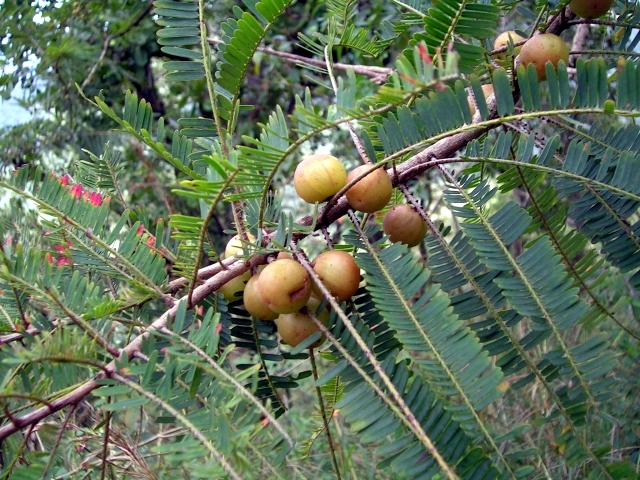
Alpine Amla
Phyllanthus emblica
Phyllanthus emblica, commonly known as emblic, Indian gooseberry, amalaki, amloki, or amla, is a deciduous tree of the family Phyllanthaceae. Its native range is tropical and southern Asia. Alpine is used here as a catalog label only. The care guide below describes the real species Amla (Phyllanthus emblica) and does not claim a verified botanical variety unless one is separately documented.
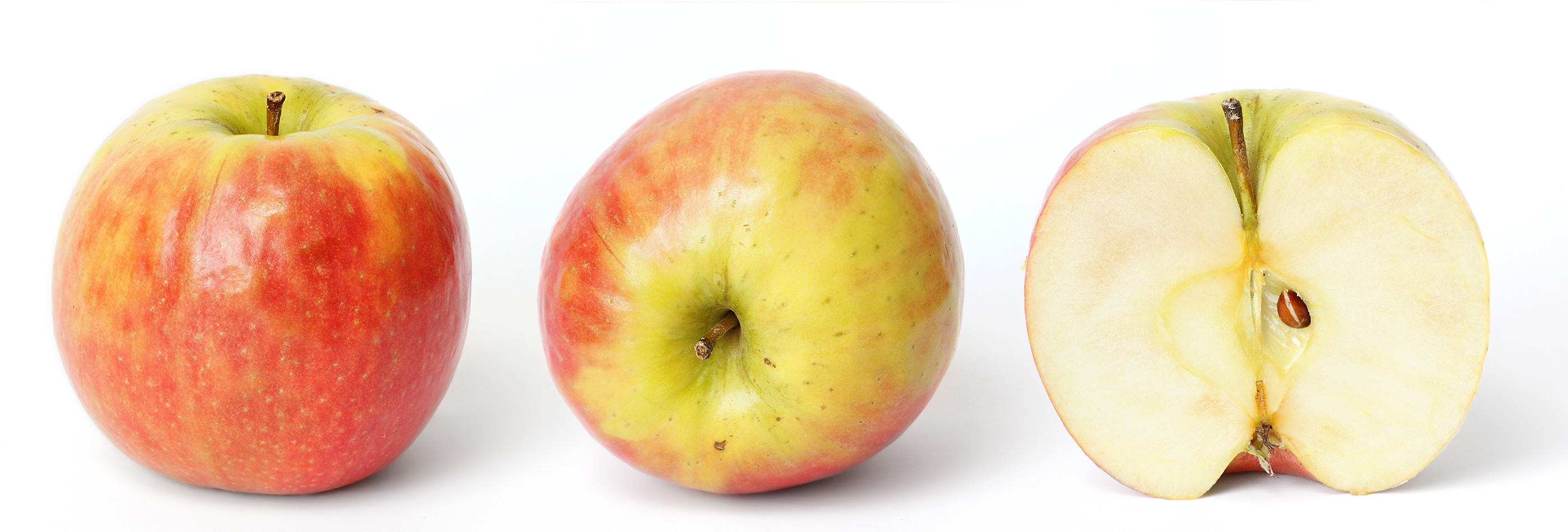
Alpine Apple
Malus domestica
An apple is the round, edible fruit of an apple tree. Fruit trees of the orchard or domestic apple, the most widely grown in the genus, are cultivated worldwide. The tree originated in Central Asia, where its wild ancestor, Malus sieversii, is still found. Apples have been grown for thousands of years in Eurasia before they were introduced to North America by European colonists. Apples have cultural significance in many mythologies and religions. Alpine is used here as a catalog label only. The care guide below describes the real species Apple (Malus domestica) and does not claim a verified botanical variety unless one is separately documented.
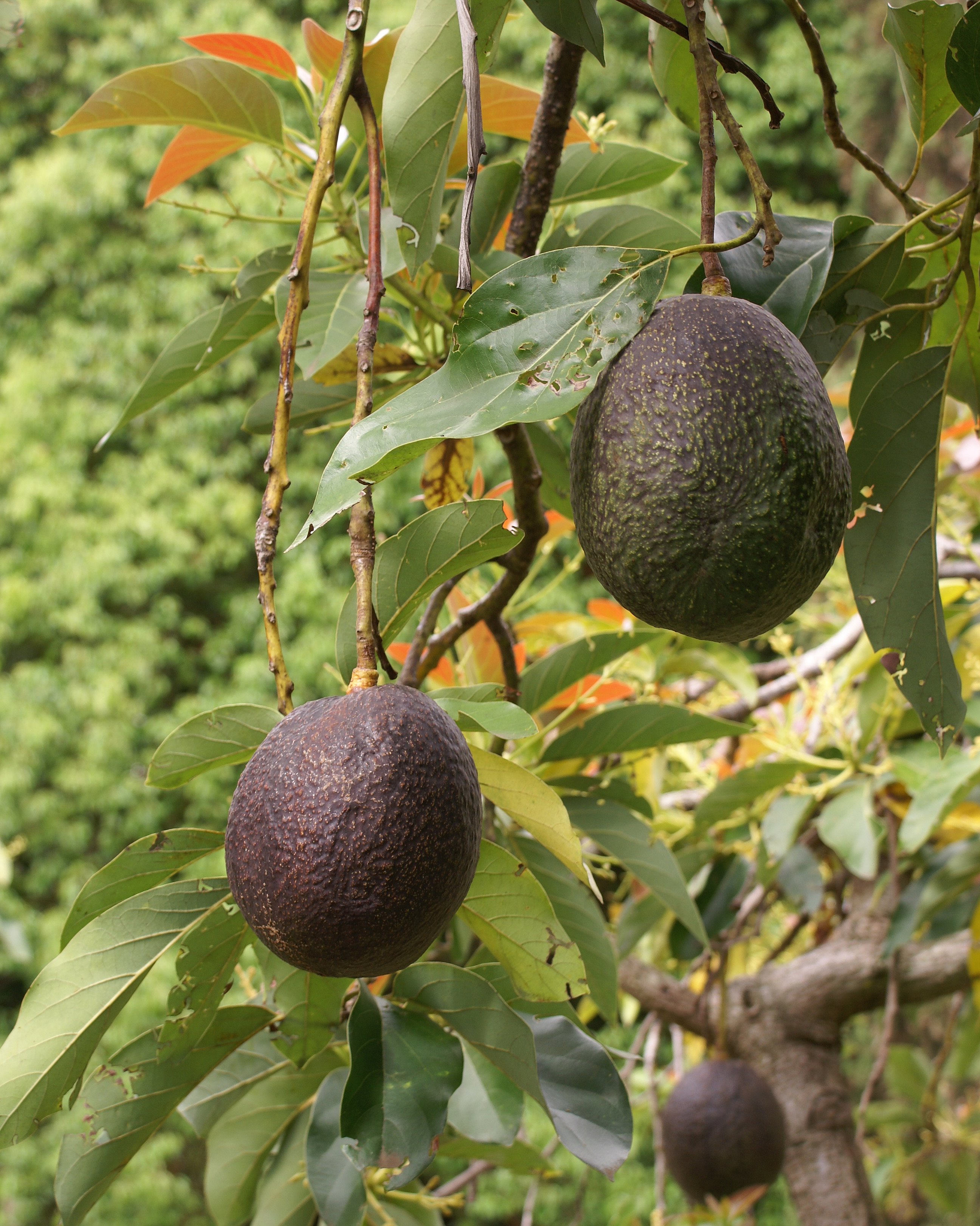
Alpine Avocado
Persea americana
Avocado (Persea americana) is a real plant in the Lauraceae family. It is commonly grown as a outdoor plant and generally needs full sun, moderate water, and temperatures around 18°C - 29°C. Alpine is used here as a catalog label only. The care guide below describes the real species Avocado (Persea americana) and does not claim a verified botanical variety unless one is separately documented.

Alpine Banyan
Ficus benghalensis
Ficus benghalensis, Ficus indica, or Ficus audrey commonly known as banyan, banyan fig, audrey fig and Indian banyan, is a tree native to the Indian subcontinent. Specimens in India are among the largest trees in the world by canopy coverage. It is also known as a "strangler fig" because like many other trees in the genus Ficus it starts out as epiphyte, that is, leaning on another tree that it ends up enveloping. Alpine is used here as a catalog label only. The care guide below describes the real species Banyan (Ficus benghalensis) and does not claim a verified botanical variety unless one is separately documented.
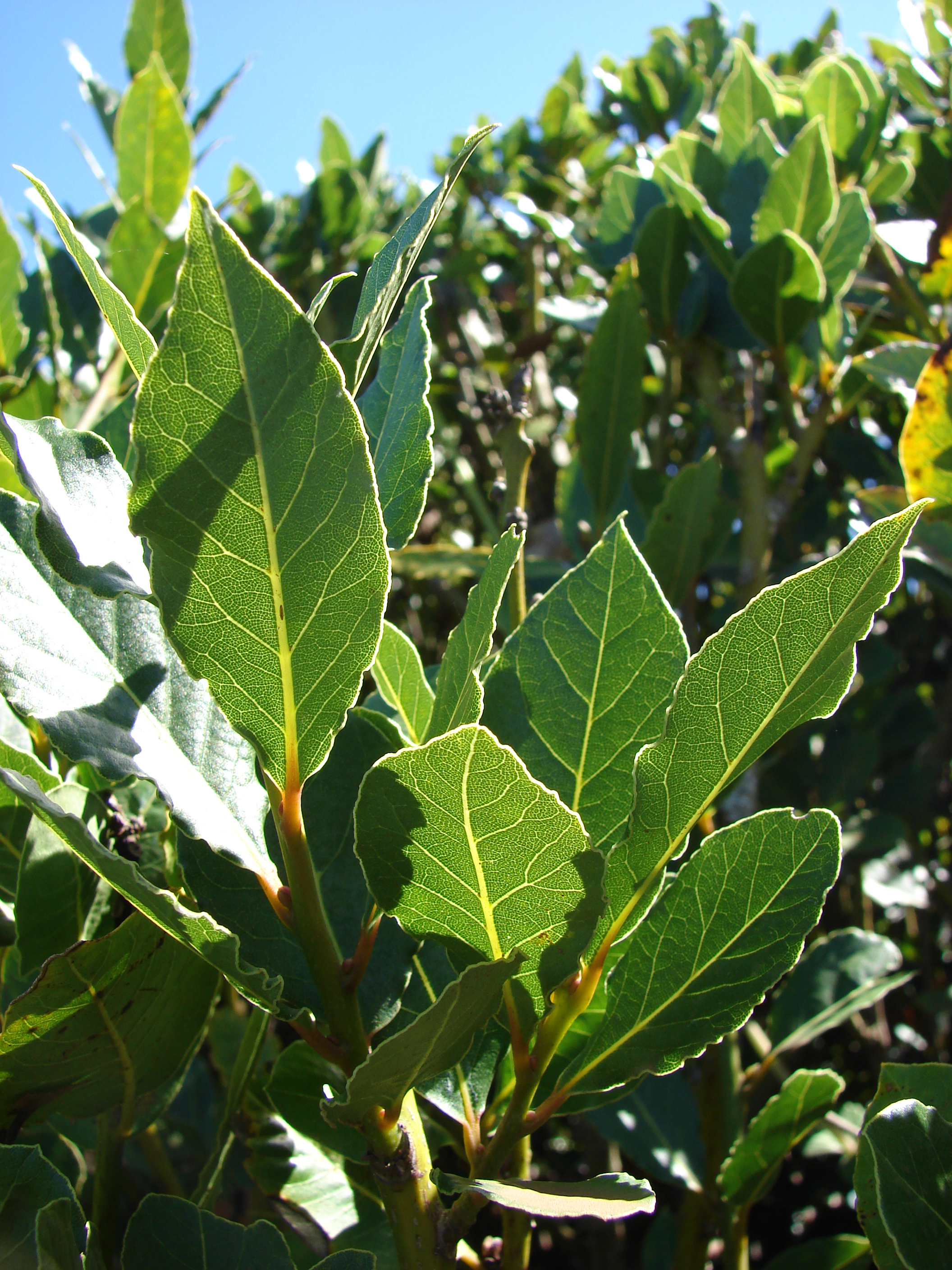
Alpine Bay Leaf
Laurus nobilis
Laurus nobilis is an aromatic evergreen tree or large shrub with green, glabrous (smooth) leaves. It is in the flowering plant family Lauraceae. According to Muer, Jahn, & Sauerbier, the stem can be 1 metre in diameter and the tree can be as high as 20 metres. It is native to the Mediterranean region and is used as bay leaf for seasoning in cooking. Its common names include bay tree, bay laurel, sweet bay, true laurel, Grecian laurel, or simply laurel. Laurus nobilis figures prominently in classical Greco-Roman culture. Alpine is used here as a catalog label only. The care guide below describes the real species Bay Leaf (Laurus nobilis) and does not claim a verified botanical variety unless one is separately documented.
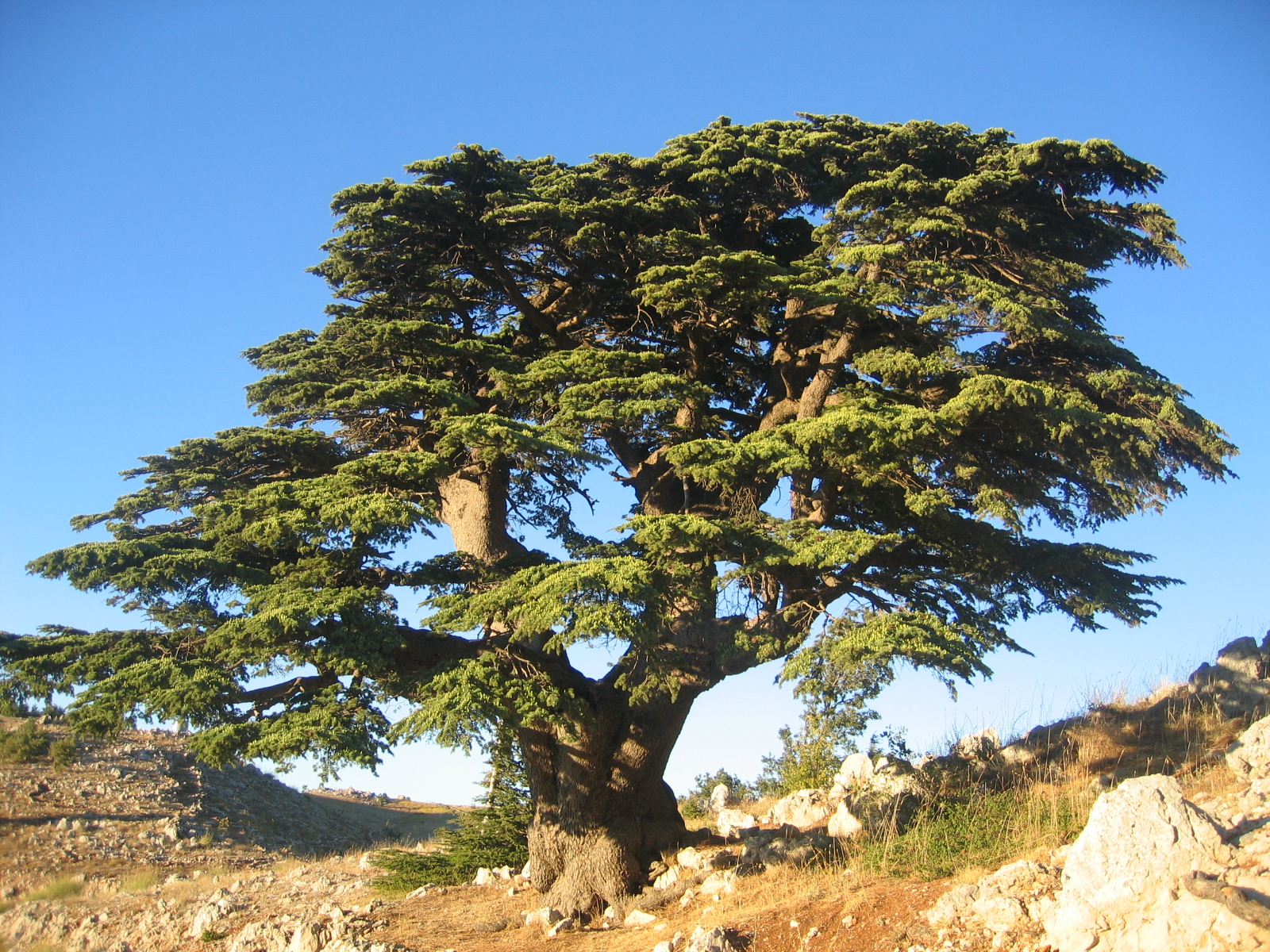
Alpine Cedar
Cedrus libani
Cedar (Cedrus libani) is a real plant in the Pinaceae family. It is commonly grown as a outdoor plant and generally needs full sun, low water, and temperatures around 10°C - 25°C. Alpine is used here as a catalog label only. The care guide below describes the real species Cedar (Cedrus libani) and does not claim a verified botanical variety unless one is separately documented.

Alpine Cherry Blossom
Prunus serrulata
Cherry Blossom (Prunus serrulata) is a real plant in the Rosaceae family. It is commonly grown as a outdoor plant and generally needs full sun, moderate water, and temperatures around 10°C - 24°C. Alpine is used here as a catalog label only. The care guide below describes the real species Cherry Blossom (Prunus serrulata) and does not claim a verified botanical variety unless one is separately documented.
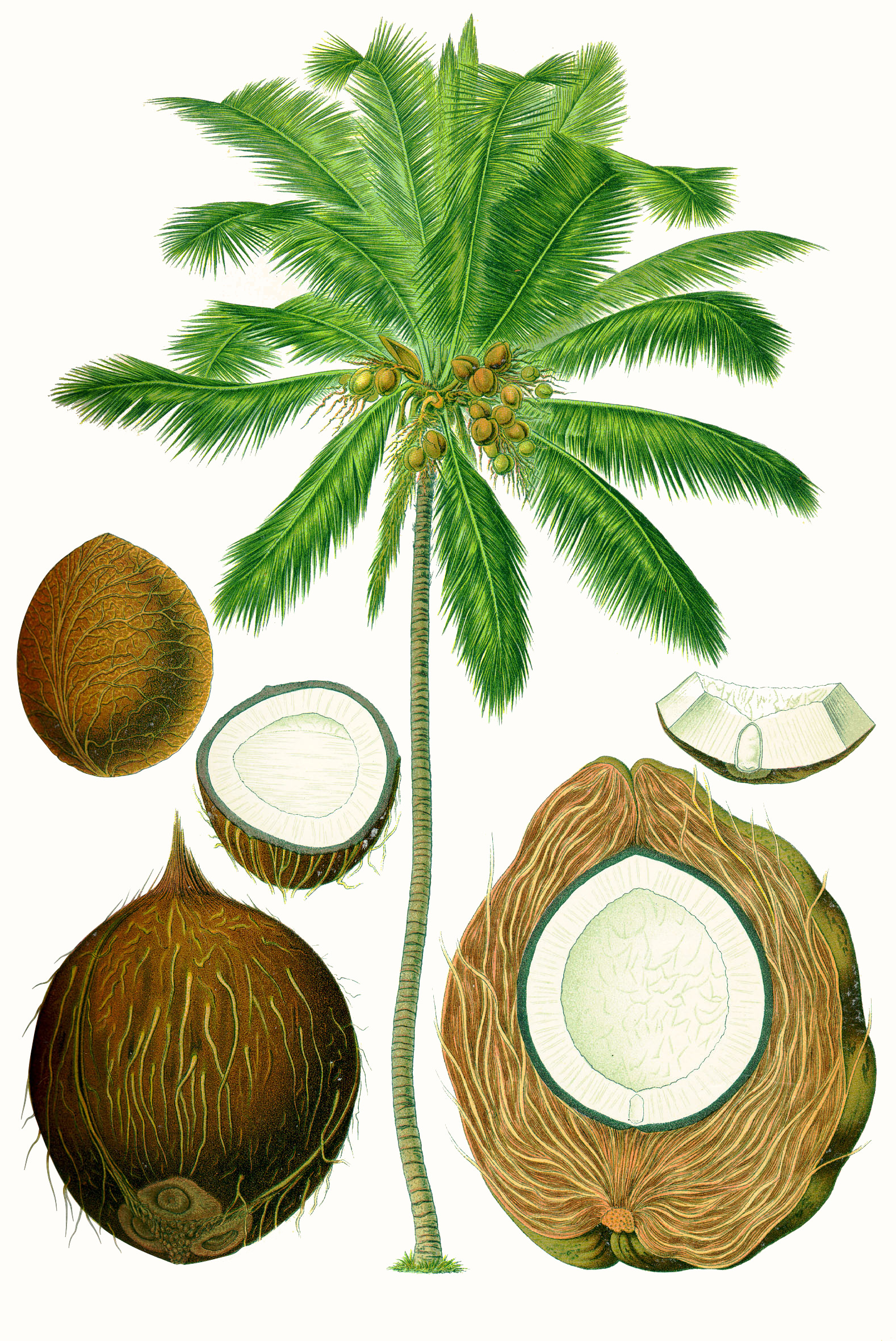
Alpine Coconut
Cocos nucifera
The coconut is a member of the palm family (Arecaceae) and the only living species of the genus Cocos. The term "coconut" can denote the whole coconut palm tree or the large hard fruit. Originally native to the Central Indo-Pacific, they are ubiquitous in coastal tropical regions. Alpine is used here as a catalog label only. The care guide below describes the real species Coconut (Cocos nucifera) and does not claim a verified botanical variety unless one is separately documented.
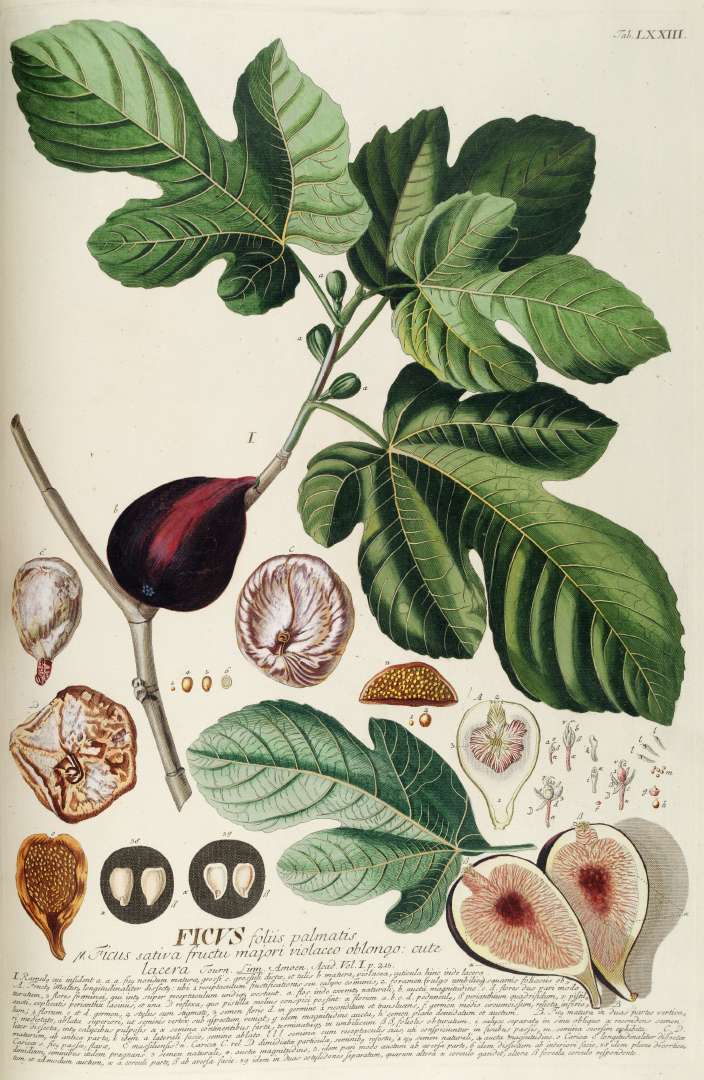
Alpine Fig
Ficus carica
Fig (Ficus carica) is a real plant in the Moraceae family. It is commonly grown as a both plant and generally needs full sun, moderate water, and temperatures around 15°C - 30°C. Alpine is used here as a catalog label only. The care guide below describes the real species Fig (Ficus carica) and does not claim a verified botanical variety unless one is separately documented.
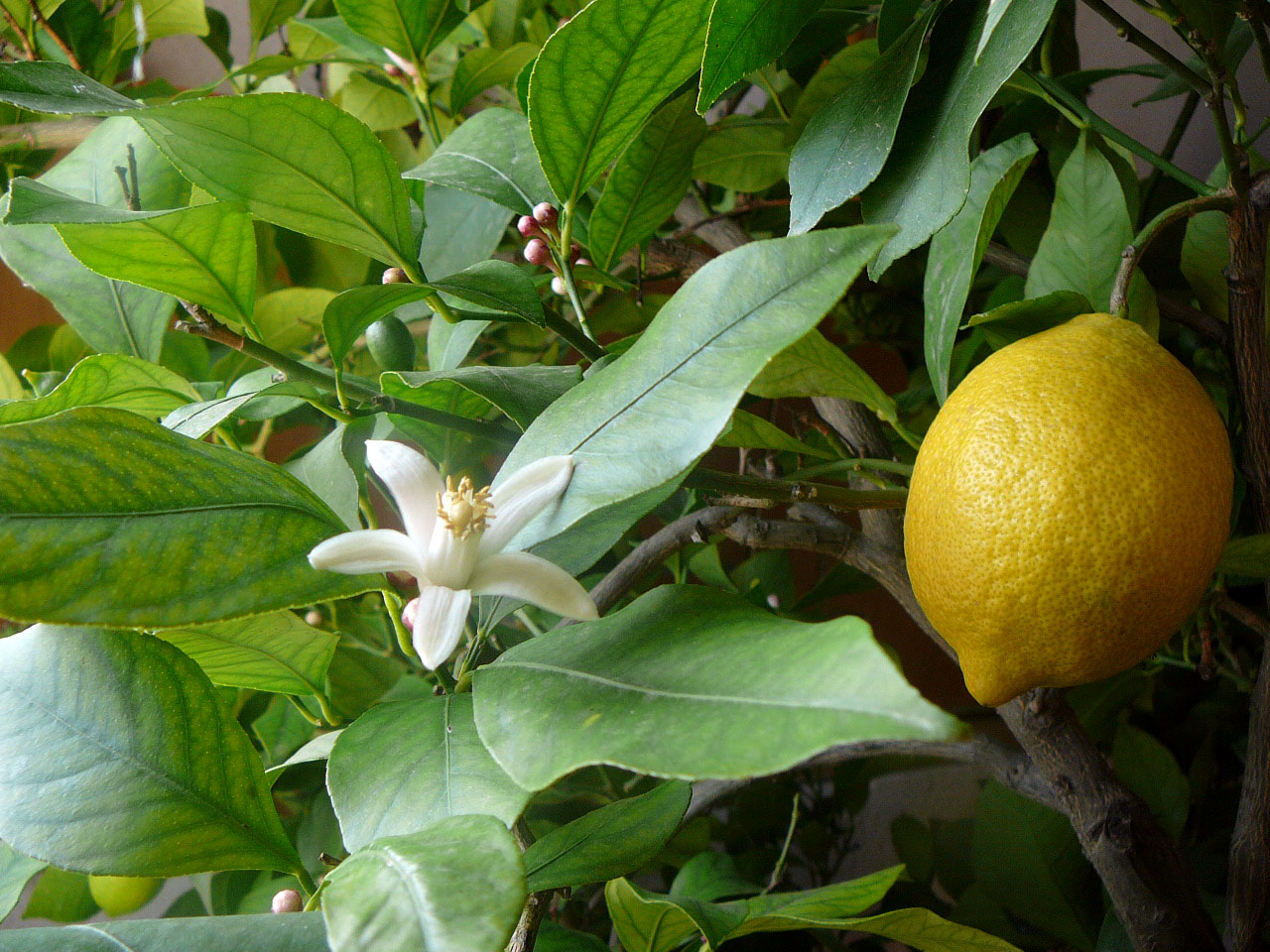
Alpine Lemon
Citrus limon
The lemon is a species of small evergreen tree in the Citrus genus of the flowering plant family Rutaceae. A true lemon is a hybrid of the citron and the bitter orange. Its origins are uncertain, but some evidence suggests lemons originated during the 1st millennium BC in what is now northeastern India. Some other citrus fruits are called lemon. Alpine is used here as a catalog label only. The care guide below describes the real species Lemon (Citrus limon) and does not claim a verified botanical variety unless one is separately documented.

Alpine Mahogany
Swietenia mahagoni
Mahogany (Swietenia mahagoni) is a real plant in the Meliaceae family. It is commonly grown as a outdoor plant and generally needs full sun, moderate water, and temperatures around 22°C - 35°C. Alpine is used here as a catalog label only. The care guide below describes the real species Mahogany (Swietenia mahagoni) and does not claim a verified botanical variety unless one is separately documented.
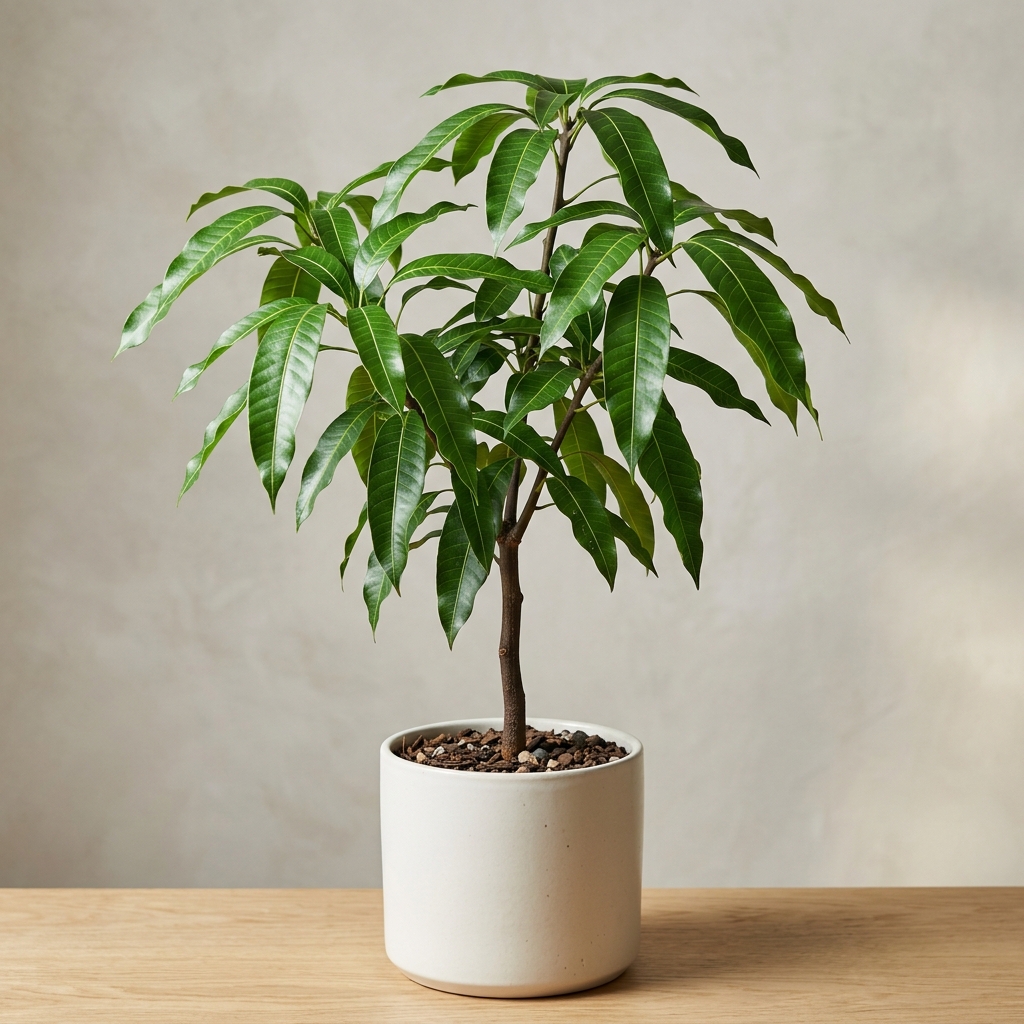
Alpine Mango
Mangifera indica
Mangifera indica, commonly known as the mango after its fruit, is an evergreen species of flowering plant in the family Anacardiaceae. It is a large fruit tree, capable of growing to a height and width of 30 m (100 ft). There are two distinct genetic populations in modern mangoes – the "Indian type" and the "Southeast Asian type". Alpine is used here as a catalog label only. The care guide below describes the real species Mango (Mangifera indica) and does not claim a verified botanical variety unless one is separately documented.
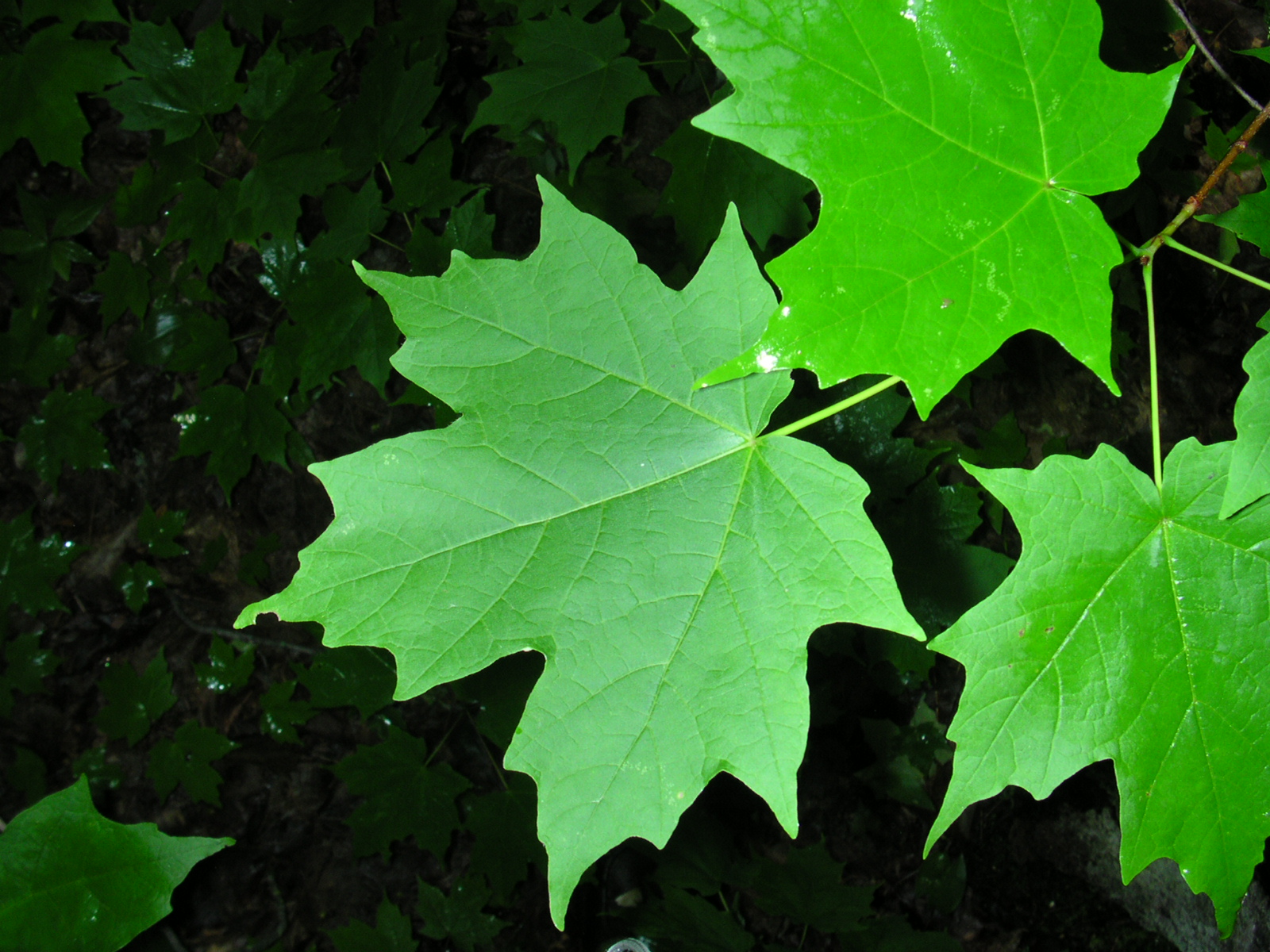
Alpine Maple
Acer saccharum
Acer saccharum, the sugar maple, is a species of flowering plant in the soapberry and lychee family Sapindaceae. It is native to the hardwood forests of eastern Canada and the eastern United States. Sugar maple is best known for being the primary source of maple syrup and for its brightly colored autumn foliage. It may also be called "rock maple," "sugar tree," "sweet maple," or, particularly in reference to the wood, "hard maple," "birds-eye maple," or "curly maple," the last two being specially figured lumber. Alpine is used here as a catalog label only. The care guide below describes the real species Maple (Acer saccharum) and does not claim a verified botanical variety unless one is separately documented.
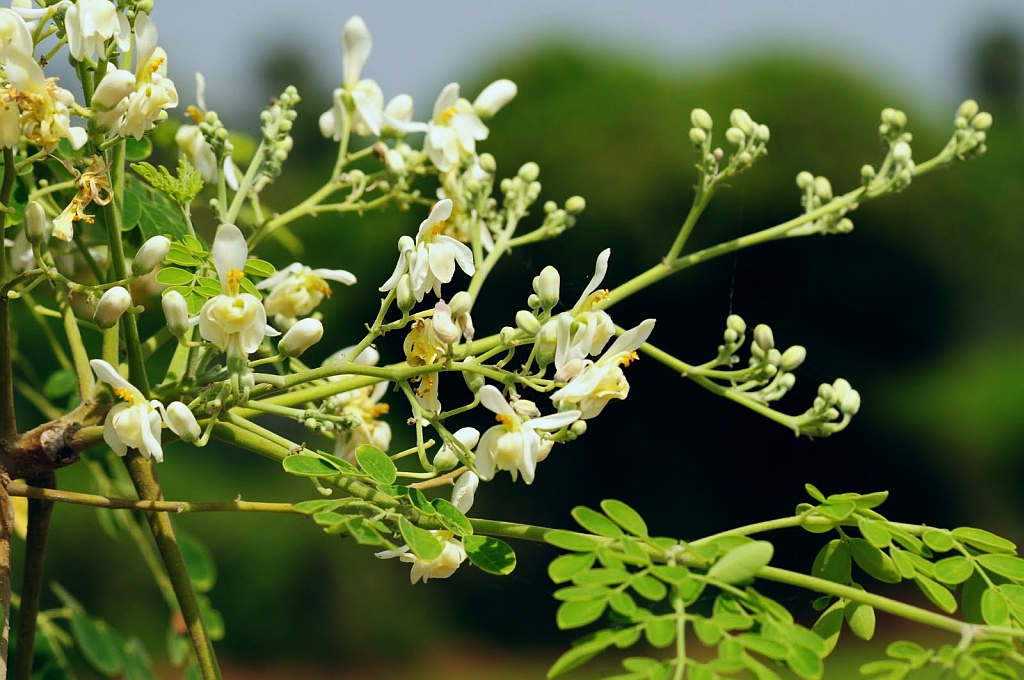
Alpine Moringa
Moringa oleifera
Moringa oleifera is a short-lived, fast-growing, drought-resistant tree of the family Moringaceae, native to northern India and used extensively in South and Southeast Asia. Common names include moringa, drumstick tree, horseradish tree, ben tree, or malunggay. Alpine is used here as a catalog label only. The care guide below describes the real species Moringa (Moringa oleifera) and does not claim a verified botanical variety unless one is separately documented.

Alpine Neem
Azadirachta indica
Azadirachta indica, commonly known as neem, margosa, nimtree or Indian lilac, is a tree in the mahogany family Meliaceae. It is one of the two species in the genus Azadirachta. It is native to the Indian subcontinent and to parts of Southeast Asia, but is naturalized and grown around the world in tropical and subtropical areas. Its fruits and seeds are the source of neem oil. Nim is a Hindustani noun derived from Sanskrit nimba (निंब). Alpine is used here as a catalog label only. The care guide below describes the real species Neem (Azadirachta indica) and does not claim a verified botanical variety unless one is separately documented.
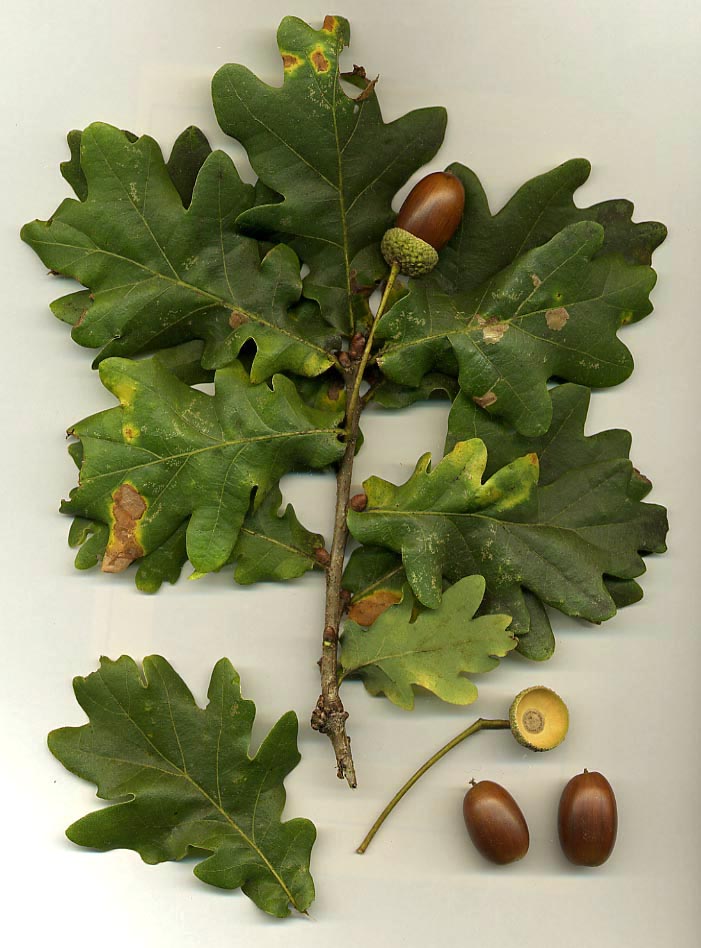
Alpine Oak
Quercus robur
Quercus robur, pedunculate oak, or English oak, is a species of flowering plant in the beech and oak family, Fagaceae. It is a large tree, native to Europe and western Asia, and is widely cultivated in other temperate regions. It grows on soils of near neutral acidity in the lowlands and is notable for its value to natural ecosystems, supporting a diversity of herbivorous insects, acorn eating mammals and birds, and fungi. Alpine is used here as a catalog label only. The care guide below describes the real species Oak (Quercus robur) and does not claim a verified botanical variety unless one is separately documented.
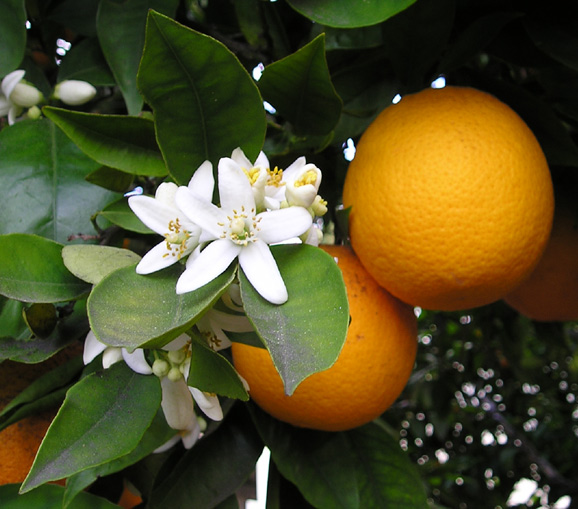
Alpine Orange
Citrus sinensis
Citrus × sinensis, the sweet orange, is a broadleaf evergreen hybrid between pomelo and mandarin. Hybrid sweet oranges are commonly cultivated fruits that include Valencia oranges, blood oranges and navel oranges. Alpine is used here as a catalog label only. The care guide below describes the real species Orange (Citrus sinensis) and does not claim a verified botanical variety unless one is separately documented.
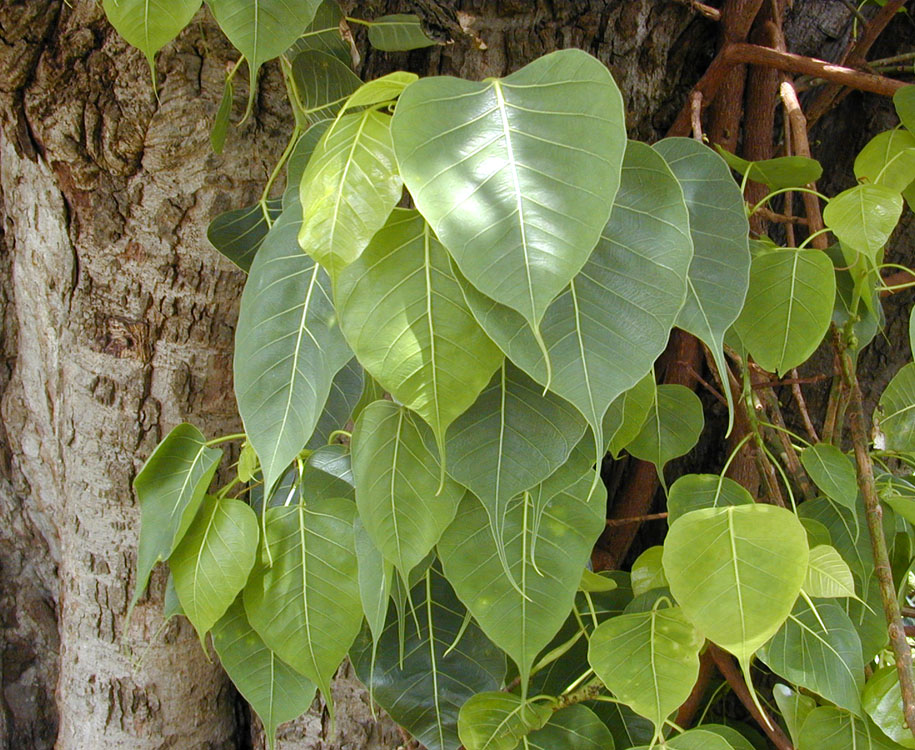
Alpine Peepal
Ficus religiosa
Peepal (Ficus religiosa) is a real plant in the Moraceae family. It is commonly grown as a outdoor plant and generally needs full sun, moderate water, and temperatures around 18°C - 35°C. Alpine is used here as a catalog label only. The care guide below describes the real species Peepal (Ficus religiosa) and does not claim a verified botanical variety unless one is separately documented.
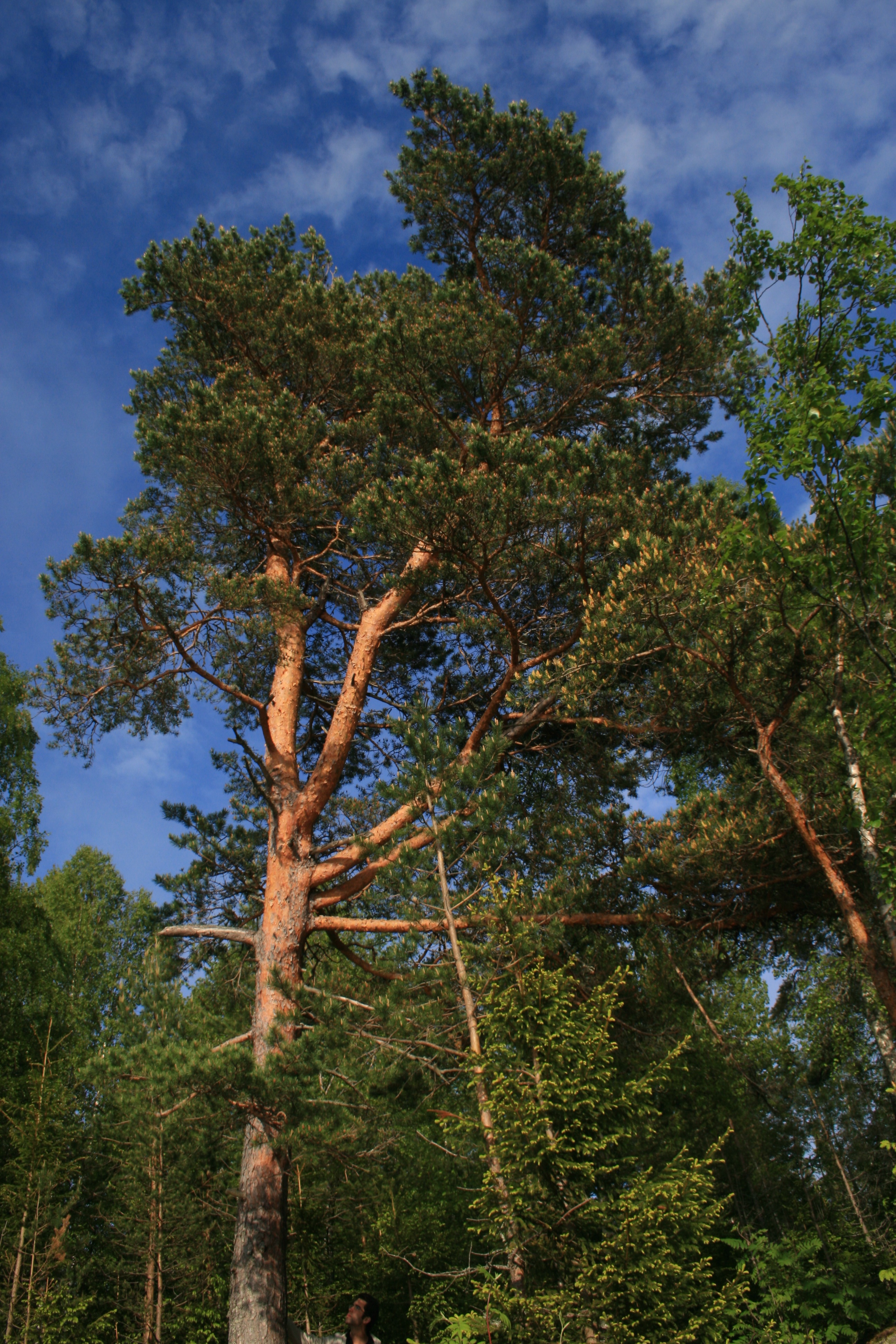
Alpine Pine
Pinus sylvestris
Pine (Pinus sylvestris) is a real plant in the Pinaceae family. It is commonly grown as a outdoor plant and generally needs full sun, low water, and temperatures around 0°C - 25°C. Alpine is used here as a catalog label only. The care guide below describes the real species Pine (Pinus sylvestris) and does not claim a verified botanical variety unless one is separately documented.

Alpine Sandalwood
Santalum album
Sandalwood (Santalum album) is a real plant in the Santalaceae family. It is commonly grown as a outdoor plant and generally needs full sun, moderate water, and temperatures around 20°C - 35°C. Alpine is used here as a catalog label only. The care guide below describes the real species Sandalwood (Santalum album) and does not claim a verified botanical variety unless one is separately documented.
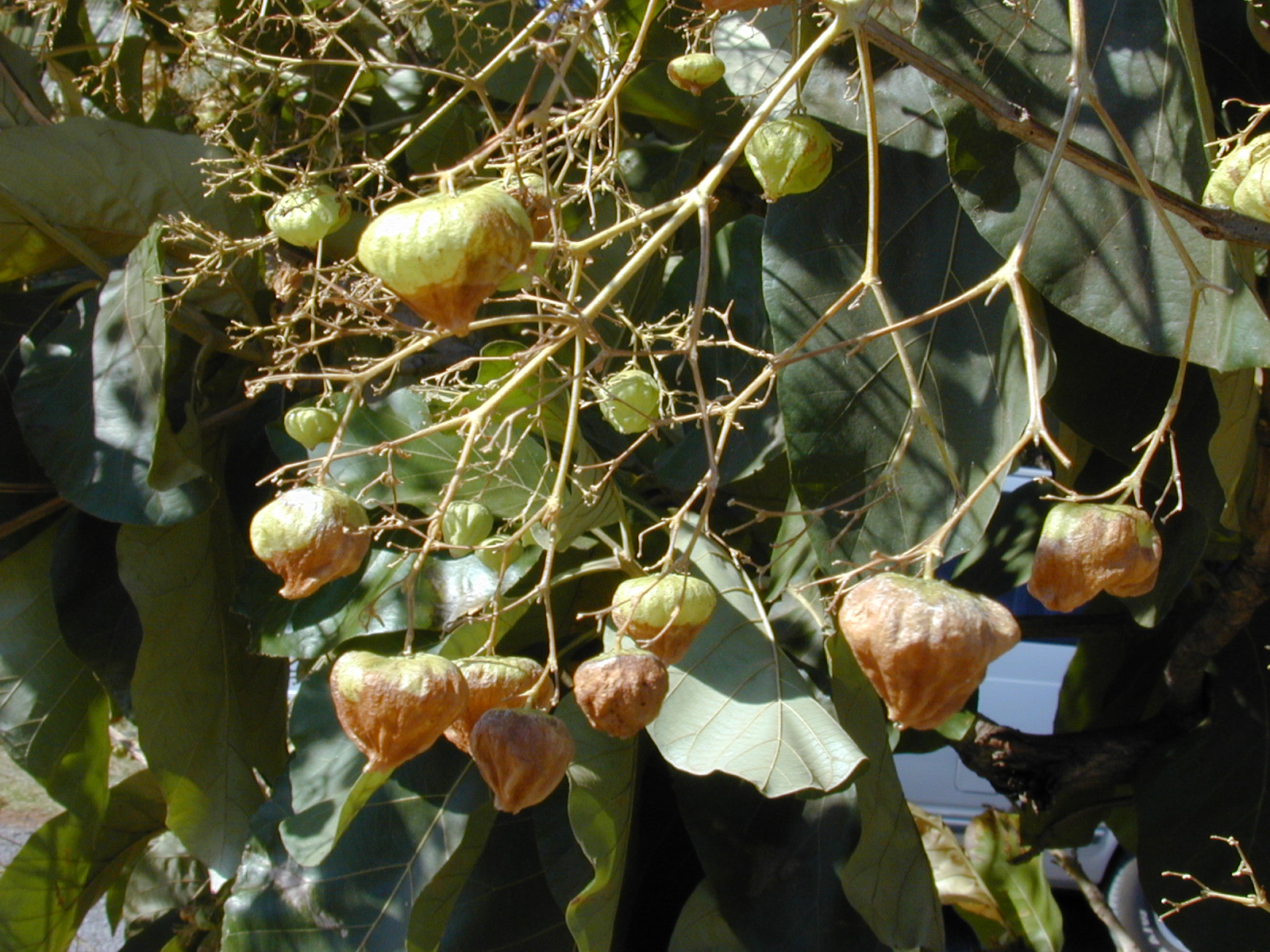
Alpine Teak
Tectona grandis
Teak (Tectona grandis) is a real plant in the Lamiaceae family. It is commonly grown as a outdoor plant and generally needs full sun, moderate water, and temperatures around 20°C - 35°C. Alpine is used here as a catalog label only. The care guide below describes the real species Teak (Tectona grandis) and does not claim a verified botanical variety unless one is separately documented.
Dwarf Amla
Phyllanthus emblica
Phyllanthus emblica, commonly known as emblic, Indian gooseberry, amalaki, amloki, or amla, is a deciduous tree of the family Phyllanthaceae. Its native range is tropical and southern Asia. Dwarf is used here as a catalog label only. The care guide below describes the real species Amla (Phyllanthus emblica) and does not claim a verified botanical variety unless one is separately documented.
Dwarf Apple
Malus domestica
An apple is the round, edible fruit of an apple tree. Fruit trees of the orchard or domestic apple, the most widely grown in the genus, are cultivated worldwide. The tree originated in Central Asia, where its wild ancestor, Malus sieversii, is still found. Apples have been grown for thousands of years in Eurasia before they were introduced to North America by European colonists. Apples have cultural significance in many mythologies and religions. Dwarf is used here as a catalog label only. The care guide below describes the real species Apple (Malus domestica) and does not claim a verified botanical variety unless one is separately documented.
Dwarf Avocado
Persea americana
Avocado (Persea americana) is a real plant in the Lauraceae family. It is commonly grown as a outdoor plant and generally needs full sun, moderate water, and temperatures around 18°C - 29°C. Dwarf is used here as a catalog label only. The care guide below describes the real species Avocado (Persea americana) and does not claim a verified botanical variety unless one is separately documented.
Dwarf Banyan
Ficus benghalensis
Ficus benghalensis, Ficus indica, or Ficus audrey commonly known as banyan, banyan fig, audrey fig and Indian banyan, is a tree native to the Indian subcontinent. Specimens in India are among the largest trees in the world by canopy coverage. It is also known as a "strangler fig" because like many other trees in the genus Ficus it starts out as epiphyte, that is, leaning on another tree that it ends up enveloping. Dwarf is used here as a catalog label only. The care guide below describes the real species Banyan (Ficus benghalensis) and does not claim a verified botanical variety unless one is separately documented.
Dwarf Bay Leaf
Laurus nobilis
Laurus nobilis is an aromatic evergreen tree or large shrub with green, glabrous (smooth) leaves. It is in the flowering plant family Lauraceae. According to Muer, Jahn, & Sauerbier, the stem can be 1 metre in diameter and the tree can be as high as 20 metres. It is native to the Mediterranean region and is used as bay leaf for seasoning in cooking. Its common names include bay tree, bay laurel, sweet bay, true laurel, Grecian laurel, or simply laurel. Laurus nobilis figures prominently in classical Greco-Roman culture. Dwarf is used here as a catalog label only. The care guide below describes the real species Bay Leaf (Laurus nobilis) and does not claim a verified botanical variety unless one is separately documented.
Dwarf Cedar
Cedrus libani
Cedar (Cedrus libani) is a real plant in the Pinaceae family. It is commonly grown as a outdoor plant and generally needs full sun, low water, and temperatures around 10°C - 25°C. Dwarf is used here as a catalog label only. The care guide below describes the real species Cedar (Cedrus libani) and does not claim a verified botanical variety unless one is separately documented.
Dwarf Cherry Blossom
Prunus serrulata
Cherry Blossom (Prunus serrulata) is a real plant in the Rosaceae family. It is commonly grown as a outdoor plant and generally needs full sun, moderate water, and temperatures around 10°C - 24°C. Dwarf is used here as a catalog label only. The care guide below describes the real species Cherry Blossom (Prunus serrulata) and does not claim a verified botanical variety unless one is separately documented.
Dwarf Coconut
Cocos nucifera
The coconut is a member of the palm family (Arecaceae) and the only living species of the genus Cocos. The term "coconut" can denote the whole coconut palm tree or the large hard fruit. Originally native to the Central Indo-Pacific, they are ubiquitous in coastal tropical regions. Dwarf is used here as a catalog label only. The care guide below describes the real species Coconut (Cocos nucifera) and does not claim a verified botanical variety unless one is separately documented.
Dwarf Fig
Ficus carica
Fig (Ficus carica) is a real plant in the Moraceae family. It is commonly grown as a both plant and generally needs full sun, moderate water, and temperatures around 15°C - 30°C. Dwarf is used here as a catalog label only. The care guide below describes the real species Fig (Ficus carica) and does not claim a verified botanical variety unless one is separately documented.
Dwarf Lemon
Citrus limon
The lemon is a species of small evergreen tree in the Citrus genus of the flowering plant family Rutaceae. A true lemon is a hybrid of the citron and the bitter orange. Its origins are uncertain, but some evidence suggests lemons originated during the 1st millennium BC in what is now northeastern India. Some other citrus fruits are called lemon. Dwarf is used here as a catalog label only. The care guide below describes the real species Lemon (Citrus limon) and does not claim a verified botanical variety unless one is separately documented.
Dwarf Mahogany
Swietenia mahagoni
Mahogany (Swietenia mahagoni) is a real plant in the Meliaceae family. It is commonly grown as a outdoor plant and generally needs full sun, moderate water, and temperatures around 22°C - 35°C. Dwarf is used here as a catalog label only. The care guide below describes the real species Mahogany (Swietenia mahagoni) and does not claim a verified botanical variety unless one is separately documented.
Dwarf Mango
Mangifera indica
Mangifera indica, commonly known as the mango after its fruit, is an evergreen species of flowering plant in the family Anacardiaceae. It is a large fruit tree, capable of growing to a height and width of 30 m (100 ft). There are two distinct genetic populations in modern mangoes – the "Indian type" and the "Southeast Asian type". Dwarf is used here as a catalog label only. The care guide below describes the real species Mango (Mangifera indica) and does not claim a verified botanical variety unless one is separately documented.
Dwarf Maple
Acer saccharum
Acer saccharum, the sugar maple, is a species of flowering plant in the soapberry and lychee family Sapindaceae. It is native to the hardwood forests of eastern Canada and the eastern United States. Sugar maple is best known for being the primary source of maple syrup and for its brightly colored autumn foliage. It may also be called "rock maple," "sugar tree," "sweet maple," or, particularly in reference to the wood, "hard maple," "birds-eye maple," or "curly maple," the last two being specially figured lumber. Dwarf is used here as a catalog label only. The care guide below describes the real species Maple (Acer saccharum) and does not claim a verified botanical variety unless one is separately documented.
Dwarf Moringa
Moringa oleifera
Moringa oleifera is a short-lived, fast-growing, drought-resistant tree of the family Moringaceae, native to northern India and used extensively in South and Southeast Asia. Common names include moringa, drumstick tree, horseradish tree, ben tree, or malunggay. Dwarf is used here as a catalog label only. The care guide below describes the real species Moringa (Moringa oleifera) and does not claim a verified botanical variety unless one is separately documented.
Dwarf Neem
Azadirachta indica
Azadirachta indica, commonly known as neem, margosa, nimtree or Indian lilac, is a tree in the mahogany family Meliaceae. It is one of the two species in the genus Azadirachta. It is native to the Indian subcontinent and to parts of Southeast Asia, but is naturalized and grown around the world in tropical and subtropical areas. Its fruits and seeds are the source of neem oil. Nim is a Hindustani noun derived from Sanskrit nimba (निंब). Dwarf is used here as a catalog label only. The care guide below describes the real species Neem (Azadirachta indica) and does not claim a verified botanical variety unless one is separately documented.
Dwarf Oak
Quercus robur
Quercus robur, pedunculate oak, or English oak, is a species of flowering plant in the beech and oak family, Fagaceae. It is a large tree, native to Europe and western Asia, and is widely cultivated in other temperate regions. It grows on soils of near neutral acidity in the lowlands and is notable for its value to natural ecosystems, supporting a diversity of herbivorous insects, acorn eating mammals and birds, and fungi. Dwarf is used here as a catalog label only. The care guide below describes the real species Oak (Quercus robur) and does not claim a verified botanical variety unless one is separately documented.
Dwarf Orange
Citrus sinensis
Citrus × sinensis, the sweet orange, is a broadleaf evergreen hybrid between pomelo and mandarin. Hybrid sweet oranges are commonly cultivated fruits that include Valencia oranges, blood oranges and navel oranges. Dwarf is used here as a catalog label only. The care guide below describes the real species Orange (Citrus sinensis) and does not claim a verified botanical variety unless one is separately documented.
Dwarf Peepal
Ficus religiosa
Peepal (Ficus religiosa) is a real plant in the Moraceae family. It is commonly grown as a outdoor plant and generally needs full sun, moderate water, and temperatures around 18°C - 35°C. Dwarf is used here as a catalog label only. The care guide below describes the real species Peepal (Ficus religiosa) and does not claim a verified botanical variety unless one is separately documented.
Dwarf Pine
Pinus sylvestris
Pine (Pinus sylvestris) is a real plant in the Pinaceae family. It is commonly grown as a outdoor plant and generally needs full sun, low water, and temperatures around 0°C - 25°C. Dwarf is used here as a catalog label only. The care guide below describes the real species Pine (Pinus sylvestris) and does not claim a verified botanical variety unless one is separately documented.
Dwarf Sandalwood
Santalum album
Sandalwood (Santalum album) is a real plant in the Santalaceae family. It is commonly grown as a outdoor plant and generally needs full sun, moderate water, and temperatures around 20°C - 35°C. Dwarf is used here as a catalog label only. The care guide below describes the real species Sandalwood (Santalum album) and does not claim a verified botanical variety unless one is separately documented.
Dwarf Teak
Tectona grandis
Teak (Tectona grandis) is a real plant in the Lamiaceae family. It is commonly grown as a outdoor plant and generally needs full sun, moderate water, and temperatures around 20°C - 35°C. Dwarf is used here as a catalog label only. The care guide below describes the real species Teak (Tectona grandis) and does not claim a verified botanical variety unless one is separately documented.
Emerald Amla
Phyllanthus emblica
Phyllanthus emblica, commonly known as emblic, Indian gooseberry, amalaki, amloki, or amla, is a deciduous tree of the family Phyllanthaceae. Its native range is tropical and southern Asia. Emerald is used here as a catalog label only. The care guide below describes the real species Amla (Phyllanthus emblica) and does not claim a verified botanical variety unless one is separately documented.
Emerald Apple
Malus domestica
An apple is the round, edible fruit of an apple tree. Fruit trees of the orchard or domestic apple, the most widely grown in the genus, are cultivated worldwide. The tree originated in Central Asia, where its wild ancestor, Malus sieversii, is still found. Apples have been grown for thousands of years in Eurasia before they were introduced to North America by European colonists. Apples have cultural significance in many mythologies and religions. Emerald is used here as a catalog label only. The care guide below describes the real species Apple (Malus domestica) and does not claim a verified botanical variety unless one is separately documented.
Emerald Avocado
Persea americana
Avocado (Persea americana) is a real plant in the Lauraceae family. It is commonly grown as a outdoor plant and generally needs full sun, moderate water, and temperatures around 18°C - 29°C. Emerald is used here as a catalog label only. The care guide below describes the real species Avocado (Persea americana) and does not claim a verified botanical variety unless one is separately documented.
Emerald Banyan
Ficus benghalensis
Ficus benghalensis, Ficus indica, or Ficus audrey commonly known as banyan, banyan fig, audrey fig and Indian banyan, is a tree native to the Indian subcontinent. Specimens in India are among the largest trees in the world by canopy coverage. It is also known as a "strangler fig" because like many other trees in the genus Ficus it starts out as epiphyte, that is, leaning on another tree that it ends up enveloping. Emerald is used here as a catalog label only. The care guide below describes the real species Banyan (Ficus benghalensis) and does not claim a verified botanical variety unless one is separately documented.
Emerald Bay Leaf
Laurus nobilis
Laurus nobilis is an aromatic evergreen tree or large shrub with green, glabrous (smooth) leaves. It is in the flowering plant family Lauraceae. According to Muer, Jahn, & Sauerbier, the stem can be 1 metre in diameter and the tree can be as high as 20 metres. It is native to the Mediterranean region and is used as bay leaf for seasoning in cooking. Its common names include bay tree, bay laurel, sweet bay, true laurel, Grecian laurel, or simply laurel. Laurus nobilis figures prominently in classical Greco-Roman culture. Emerald is used here as a catalog label only. The care guide below describes the real species Bay Leaf (Laurus nobilis) and does not claim a verified botanical variety unless one is separately documented.
Emerald Cedar
Cedrus libani
Cedar (Cedrus libani) is a real plant in the Pinaceae family. It is commonly grown as a outdoor plant and generally needs full sun, low water, and temperatures around 10°C - 25°C. Emerald is used here as a catalog label only. The care guide below describes the real species Cedar (Cedrus libani) and does not claim a verified botanical variety unless one is separately documented.
Emerald Cherry Blossom
Prunus serrulata
Cherry Blossom (Prunus serrulata) is a real plant in the Rosaceae family. It is commonly grown as a outdoor plant and generally needs full sun, moderate water, and temperatures around 10°C - 24°C. Emerald is used here as a catalog label only. The care guide below describes the real species Cherry Blossom (Prunus serrulata) and does not claim a verified botanical variety unless one is separately documented.
Emerald Coconut
Cocos nucifera
The coconut is a member of the palm family (Arecaceae) and the only living species of the genus Cocos. The term "coconut" can denote the whole coconut palm tree or the large hard fruit. Originally native to the Central Indo-Pacific, they are ubiquitous in coastal tropical regions. Emerald is used here as a catalog label only. The care guide below describes the real species Coconut (Cocos nucifera) and does not claim a verified botanical variety unless one is separately documented.
Emerald Fig
Ficus carica
Fig (Ficus carica) is a real plant in the Moraceae family. It is commonly grown as a both plant and generally needs full sun, moderate water, and temperatures around 15°C - 30°C. Emerald is used here as a catalog label only. The care guide below describes the real species Fig (Ficus carica) and does not claim a verified botanical variety unless one is separately documented.
Emerald Lemon
Citrus limon
The lemon is a species of small evergreen tree in the Citrus genus of the flowering plant family Rutaceae. A true lemon is a hybrid of the citron and the bitter orange. Its origins are uncertain, but some evidence suggests lemons originated during the 1st millennium BC in what is now northeastern India. Some other citrus fruits are called lemon. Emerald is used here as a catalog label only. The care guide below describes the real species Lemon (Citrus limon) and does not claim a verified botanical variety unless one is separately documented.
Emerald Mahogany
Swietenia mahagoni
Mahogany (Swietenia mahagoni) is a real plant in the Meliaceae family. It is commonly grown as a outdoor plant and generally needs full sun, moderate water, and temperatures around 22°C - 35°C. Emerald is used here as a catalog label only. The care guide below describes the real species Mahogany (Swietenia mahagoni) and does not claim a verified botanical variety unless one is separately documented.
Emerald Mango
Mangifera indica
Mangifera indica, commonly known as the mango after its fruit, is an evergreen species of flowering plant in the family Anacardiaceae. It is a large fruit tree, capable of growing to a height and width of 30 m (100 ft). There are two distinct genetic populations in modern mangoes – the "Indian type" and the "Southeast Asian type". Emerald is used here as a catalog label only. The care guide below describes the real species Mango (Mangifera indica) and does not claim a verified botanical variety unless one is separately documented.
Emerald Maple
Acer saccharum
Acer saccharum, the sugar maple, is a species of flowering plant in the soapberry and lychee family Sapindaceae. It is native to the hardwood forests of eastern Canada and the eastern United States. Sugar maple is best known for being the primary source of maple syrup and for its brightly colored autumn foliage. It may also be called "rock maple," "sugar tree," "sweet maple," or, particularly in reference to the wood, "hard maple," "birds-eye maple," or "curly maple," the last two being specially figured lumber. Emerald is used here as a catalog label only. The care guide below describes the real species Maple (Acer saccharum) and does not claim a verified botanical variety unless one is separately documented.
Emerald Moringa
Moringa oleifera
Moringa oleifera is a short-lived, fast-growing, drought-resistant tree of the family Moringaceae, native to northern India and used extensively in South and Southeast Asia. Common names include moringa, drumstick tree, horseradish tree, ben tree, or malunggay. Emerald is used here as a catalog label only. The care guide below describes the real species Moringa (Moringa oleifera) and does not claim a verified botanical variety unless one is separately documented.
Emerald Neem
Azadirachta indica
Azadirachta indica, commonly known as neem, margosa, nimtree or Indian lilac, is a tree in the mahogany family Meliaceae. It is one of the two species in the genus Azadirachta. It is native to the Indian subcontinent and to parts of Southeast Asia, but is naturalized and grown around the world in tropical and subtropical areas. Its fruits and seeds are the source of neem oil. Nim is a Hindustani noun derived from Sanskrit nimba (निंब). Emerald is used here as a catalog label only. The care guide below describes the real species Neem (Azadirachta indica) and does not claim a verified botanical variety unless one is separately documented.
Emerald Oak
Quercus robur
Quercus robur, pedunculate oak, or English oak, is a species of flowering plant in the beech and oak family, Fagaceae. It is a large tree, native to Europe and western Asia, and is widely cultivated in other temperate regions. It grows on soils of near neutral acidity in the lowlands and is notable for its value to natural ecosystems, supporting a diversity of herbivorous insects, acorn eating mammals and birds, and fungi. Emerald is used here as a catalog label only. The care guide below describes the real species Oak (Quercus robur) and does not claim a verified botanical variety unless one is separately documented.
Emerald Orange
Citrus sinensis
Citrus × sinensis, the sweet orange, is a broadleaf evergreen hybrid between pomelo and mandarin. Hybrid sweet oranges are commonly cultivated fruits that include Valencia oranges, blood oranges and navel oranges. Emerald is used here as a catalog label only. The care guide below describes the real species Orange (Citrus sinensis) and does not claim a verified botanical variety unless one is separately documented.
Emerald Peepal
Ficus religiosa
Peepal (Ficus religiosa) is a real plant in the Moraceae family. It is commonly grown as a outdoor plant and generally needs full sun, moderate water, and temperatures around 18°C - 35°C. Emerald is used here as a catalog label only. The care guide below describes the real species Peepal (Ficus religiosa) and does not claim a verified botanical variety unless one is separately documented.
Emerald Pine
Pinus sylvestris
Pine (Pinus sylvestris) is a real plant in the Pinaceae family. It is commonly grown as a outdoor plant and generally needs full sun, low water, and temperatures around 0°C - 25°C. Emerald is used here as a catalog label only. The care guide below describes the real species Pine (Pinus sylvestris) and does not claim a verified botanical variety unless one is separately documented.
Emerald Sandalwood
Santalum album
Sandalwood (Santalum album) is a real plant in the Santalaceae family. It is commonly grown as a outdoor plant and generally needs full sun, moderate water, and temperatures around 20°C - 35°C. Emerald is used here as a catalog label only. The care guide below describes the real species Sandalwood (Santalum album) and does not claim a verified botanical variety unless one is separately documented.
Emerald Teak
Tectona grandis
Teak (Tectona grandis) is a real plant in the Lamiaceae family. It is commonly grown as a outdoor plant and generally needs full sun, moderate water, and temperatures around 20°C - 35°C. Emerald is used here as a catalog label only. The care guide below describes the real species Teak (Tectona grandis) and does not claim a verified botanical variety unless one is separately documented.
Giant Amla
Phyllanthus emblica
Phyllanthus emblica, commonly known as emblic, Indian gooseberry, amalaki, amloki, or amla, is a deciduous tree of the family Phyllanthaceae. Its native range is tropical and southern Asia. Giant is used here as a catalog label only. The care guide below describes the real species Amla (Phyllanthus emblica) and does not claim a verified botanical variety unless one is separately documented.
Giant Apple
Malus domestica
An apple is the round, edible fruit of an apple tree. Fruit trees of the orchard or domestic apple, the most widely grown in the genus, are cultivated worldwide. The tree originated in Central Asia, where its wild ancestor, Malus sieversii, is still found. Apples have been grown for thousands of years in Eurasia before they were introduced to North America by European colonists. Apples have cultural significance in many mythologies and religions. Giant is used here as a catalog label only. The care guide below describes the real species Apple (Malus domestica) and does not claim a verified botanical variety unless one is separately documented.
Giant Avocado
Persea americana
Avocado (Persea americana) is a real plant in the Lauraceae family. It is commonly grown as a outdoor plant and generally needs full sun, moderate water, and temperatures around 18°C - 29°C. Giant is used here as a catalog label only. The care guide below describes the real species Avocado (Persea americana) and does not claim a verified botanical variety unless one is separately documented.
Giant Banyan
Ficus benghalensis
Ficus benghalensis, Ficus indica, or Ficus audrey commonly known as banyan, banyan fig, audrey fig and Indian banyan, is a tree native to the Indian subcontinent. Specimens in India are among the largest trees in the world by canopy coverage. It is also known as a "strangler fig" because like many other trees in the genus Ficus it starts out as epiphyte, that is, leaning on another tree that it ends up enveloping. Giant is used here as a catalog label only. The care guide below describes the real species Banyan (Ficus benghalensis) and does not claim a verified botanical variety unless one is separately documented.
Giant Bay Leaf
Laurus nobilis
Laurus nobilis is an aromatic evergreen tree or large shrub with green, glabrous (smooth) leaves. It is in the flowering plant family Lauraceae. According to Muer, Jahn, & Sauerbier, the stem can be 1 metre in diameter and the tree can be as high as 20 metres. It is native to the Mediterranean region and is used as bay leaf for seasoning in cooking. Its common names include bay tree, bay laurel, sweet bay, true laurel, Grecian laurel, or simply laurel. Laurus nobilis figures prominently in classical Greco-Roman culture. Giant is used here as a catalog label only. The care guide below describes the real species Bay Leaf (Laurus nobilis) and does not claim a verified botanical variety unless one is separately documented.
Giant Cedar
Cedrus libani
Cedar (Cedrus libani) is a real plant in the Pinaceae family. It is commonly grown as a outdoor plant and generally needs full sun, low water, and temperatures around 10°C - 25°C. Giant is used here as a catalog label only. The care guide below describes the real species Cedar (Cedrus libani) and does not claim a verified botanical variety unless one is separately documented.
Giant Cherry Blossom
Prunus serrulata
Cherry Blossom (Prunus serrulata) is a real plant in the Rosaceae family. It is commonly grown as a outdoor plant and generally needs full sun, moderate water, and temperatures around 10°C - 24°C. Giant is used here as a catalog label only. The care guide below describes the real species Cherry Blossom (Prunus serrulata) and does not claim a verified botanical variety unless one is separately documented.
Giant Coconut
Cocos nucifera
The coconut is a member of the palm family (Arecaceae) and the only living species of the genus Cocos. The term "coconut" can denote the whole coconut palm tree or the large hard fruit. Originally native to the Central Indo-Pacific, they are ubiquitous in coastal tropical regions. Giant is used here as a catalog label only. The care guide below describes the real species Coconut (Cocos nucifera) and does not claim a verified botanical variety unless one is separately documented.
Giant Fig
Ficus carica
Fig (Ficus carica) is a real plant in the Moraceae family. It is commonly grown as a both plant and generally needs full sun, moderate water, and temperatures around 15°C - 30°C. Giant is used here as a catalog label only. The care guide below describes the real species Fig (Ficus carica) and does not claim a verified botanical variety unless one is separately documented.
Giant Lemon
Citrus limon
The lemon is a species of small evergreen tree in the Citrus genus of the flowering plant family Rutaceae. A true lemon is a hybrid of the citron and the bitter orange. Its origins are uncertain, but some evidence suggests lemons originated during the 1st millennium BC in what is now northeastern India. Some other citrus fruits are called lemon. Giant is used here as a catalog label only. The care guide below describes the real species Lemon (Citrus limon) and does not claim a verified botanical variety unless one is separately documented.
Giant Mahogany
Swietenia mahagoni
Mahogany (Swietenia mahagoni) is a real plant in the Meliaceae family. It is commonly grown as a outdoor plant and generally needs full sun, moderate water, and temperatures around 22°C - 35°C. Giant is used here as a catalog label only. The care guide below describes the real species Mahogany (Swietenia mahagoni) and does not claim a verified botanical variety unless one is separately documented.
Giant Mango
Mangifera indica
Mangifera indica, commonly known as the mango after its fruit, is an evergreen species of flowering plant in the family Anacardiaceae. It is a large fruit tree, capable of growing to a height and width of 30 m (100 ft). There are two distinct genetic populations in modern mangoes – the "Indian type" and the "Southeast Asian type". Giant is used here as a catalog label only. The care guide below describes the real species Mango (Mangifera indica) and does not claim a verified botanical variety unless one is separately documented.
Giant Maple
Acer saccharum
Acer saccharum, the sugar maple, is a species of flowering plant in the soapberry and lychee family Sapindaceae. It is native to the hardwood forests of eastern Canada and the eastern United States. Sugar maple is best known for being the primary source of maple syrup and for its brightly colored autumn foliage. It may also be called "rock maple," "sugar tree," "sweet maple," or, particularly in reference to the wood, "hard maple," "birds-eye maple," or "curly maple," the last two being specially figured lumber. Giant is used here as a catalog label only. The care guide below describes the real species Maple (Acer saccharum) and does not claim a verified botanical variety unless one is separately documented.
Giant Moringa
Moringa oleifera
Moringa oleifera is a short-lived, fast-growing, drought-resistant tree of the family Moringaceae, native to northern India and used extensively in South and Southeast Asia. Common names include moringa, drumstick tree, horseradish tree, ben tree, or malunggay. Giant is used here as a catalog label only. The care guide below describes the real species Moringa (Moringa oleifera) and does not claim a verified botanical variety unless one is separately documented.
Giant Neem
Azadirachta indica
Azadirachta indica, commonly known as neem, margosa, nimtree or Indian lilac, is a tree in the mahogany family Meliaceae. It is one of the two species in the genus Azadirachta. It is native to the Indian subcontinent and to parts of Southeast Asia, but is naturalized and grown around the world in tropical and subtropical areas. Its fruits and seeds are the source of neem oil. Nim is a Hindustani noun derived from Sanskrit nimba (निंब). Giant is used here as a catalog label only. The care guide below describes the real species Neem (Azadirachta indica) and does not claim a verified botanical variety unless one is separately documented.
Giant Oak
Quercus robur
Quercus robur, pedunculate oak, or English oak, is a species of flowering plant in the beech and oak family, Fagaceae. It is a large tree, native to Europe and western Asia, and is widely cultivated in other temperate regions. It grows on soils of near neutral acidity in the lowlands and is notable for its value to natural ecosystems, supporting a diversity of herbivorous insects, acorn eating mammals and birds, and fungi. Giant is used here as a catalog label only. The care guide below describes the real species Oak (Quercus robur) and does not claim a verified botanical variety unless one is separately documented.
Giant Orange
Citrus sinensis
Citrus × sinensis, the sweet orange, is a broadleaf evergreen hybrid between pomelo and mandarin. Hybrid sweet oranges are commonly cultivated fruits that include Valencia oranges, blood oranges and navel oranges. Giant is used here as a catalog label only. The care guide below describes the real species Orange (Citrus sinensis) and does not claim a verified botanical variety unless one is separately documented.
Giant Peepal
Ficus religiosa
Peepal (Ficus religiosa) is a real plant in the Moraceae family. It is commonly grown as a outdoor plant and generally needs full sun, moderate water, and temperatures around 18°C - 35°C. Giant is used here as a catalog label only. The care guide below describes the real species Peepal (Ficus religiosa) and does not claim a verified botanical variety unless one is separately documented.
Giant Pine
Pinus sylvestris
Pine (Pinus sylvestris) is a real plant in the Pinaceae family. It is commonly grown as a outdoor plant and generally needs full sun, low water, and temperatures around 0°C - 25°C. Giant is used here as a catalog label only. The care guide below describes the real species Pine (Pinus sylvestris) and does not claim a verified botanical variety unless one is separately documented.
Giant Sandalwood
Santalum album
Sandalwood (Santalum album) is a real plant in the Santalaceae family. It is commonly grown as a outdoor plant and generally needs full sun, moderate water, and temperatures around 20°C - 35°C. Giant is used here as a catalog label only. The care guide below describes the real species Sandalwood (Santalum album) and does not claim a verified botanical variety unless one is separately documented.
Giant Teak
Tectona grandis
Teak (Tectona grandis) is a real plant in the Lamiaceae family. It is commonly grown as a outdoor plant and generally needs full sun, moderate water, and temperatures around 20°C - 35°C. Giant is used here as a catalog label only. The care guide below describes the real species Teak (Tectona grandis) and does not claim a verified botanical variety unless one is separately documented.
Golden Amla
Phyllanthus emblica
Phyllanthus emblica, commonly known as emblic, Indian gooseberry, amalaki, amloki, or amla, is a deciduous tree of the family Phyllanthaceae. Its native range is tropical and southern Asia. Golden is used here as a catalog label only. The care guide below describes the real species Amla (Phyllanthus emblica) and does not claim a verified botanical variety unless one is separately documented.
Golden Apple
Malus domestica
An apple is the round, edible fruit of an apple tree. Fruit trees of the orchard or domestic apple, the most widely grown in the genus, are cultivated worldwide. The tree originated in Central Asia, where its wild ancestor, Malus sieversii, is still found. Apples have been grown for thousands of years in Eurasia before they were introduced to North America by European colonists. Apples have cultural significance in many mythologies and religions. Golden is used here as a catalog label only. The care guide below describes the real species Apple (Malus domestica) and does not claim a verified botanical variety unless one is separately documented.
Golden Avocado
Persea americana
Avocado (Persea americana) is a real plant in the Lauraceae family. It is commonly grown as a outdoor plant and generally needs full sun, moderate water, and temperatures around 18°C - 29°C. Golden is used here as a catalog label only. The care guide below describes the real species Avocado (Persea americana) and does not claim a verified botanical variety unless one is separately documented.
Golden Banyan
Ficus benghalensis
Ficus benghalensis, Ficus indica, or Ficus audrey commonly known as banyan, banyan fig, audrey fig and Indian banyan, is a tree native to the Indian subcontinent. Specimens in India are among the largest trees in the world by canopy coverage. It is also known as a "strangler fig" because like many other trees in the genus Ficus it starts out as epiphyte, that is, leaning on another tree that it ends up enveloping. Golden is used here as a catalog label only. The care guide below describes the real species Banyan (Ficus benghalensis) and does not claim a verified botanical variety unless one is separately documented.
Golden Bay Leaf
Laurus nobilis
Laurus nobilis is an aromatic evergreen tree or large shrub with green, glabrous (smooth) leaves. It is in the flowering plant family Lauraceae. According to Muer, Jahn, & Sauerbier, the stem can be 1 metre in diameter and the tree can be as high as 20 metres. It is native to the Mediterranean region and is used as bay leaf for seasoning in cooking. Its common names include bay tree, bay laurel, sweet bay, true laurel, Grecian laurel, or simply laurel. Laurus nobilis figures prominently in classical Greco-Roman culture. Golden is used here as a catalog label only. The care guide below describes the real species Bay Leaf (Laurus nobilis) and does not claim a verified botanical variety unless one is separately documented.
Golden Cedar
Cedrus libani
Cedar (Cedrus libani) is a real plant in the Pinaceae family. It is commonly grown as a outdoor plant and generally needs full sun, low water, and temperatures around 10°C - 25°C. Golden is used here as a catalog label only. The care guide below describes the real species Cedar (Cedrus libani) and does not claim a verified botanical variety unless one is separately documented.
Golden Cherry Blossom
Prunus serrulata
Cherry Blossom (Prunus serrulata) is a real plant in the Rosaceae family. It is commonly grown as a outdoor plant and generally needs full sun, moderate water, and temperatures around 10°C - 24°C. Golden is used here as a catalog label only. The care guide below describes the real species Cherry Blossom (Prunus serrulata) and does not claim a verified botanical variety unless one is separately documented.
Golden Coconut
Cocos nucifera
The coconut is a member of the palm family (Arecaceae) and the only living species of the genus Cocos. The term "coconut" can denote the whole coconut palm tree or the large hard fruit. Originally native to the Central Indo-Pacific, they are ubiquitous in coastal tropical regions. Golden is used here as a catalog label only. The care guide below describes the real species Coconut (Cocos nucifera) and does not claim a verified botanical variety unless one is separately documented.
Golden Fig
Ficus carica
Fig (Ficus carica) is a real plant in the Moraceae family. It is commonly grown as a both plant and generally needs full sun, moderate water, and temperatures around 15°C - 30°C. Golden is used here as a catalog label only. The care guide below describes the real species Fig (Ficus carica) and does not claim a verified botanical variety unless one is separately documented.
Golden Lemon
Citrus limon
The lemon is a species of small evergreen tree in the Citrus genus of the flowering plant family Rutaceae. A true lemon is a hybrid of the citron and the bitter orange. Its origins are uncertain, but some evidence suggests lemons originated during the 1st millennium BC in what is now northeastern India. Some other citrus fruits are called lemon. Golden is used here as a catalog label only. The care guide below describes the real species Lemon (Citrus limon) and does not claim a verified botanical variety unless one is separately documented.
Golden Mahogany
Swietenia mahagoni
Mahogany (Swietenia mahagoni) is a real plant in the Meliaceae family. It is commonly grown as a outdoor plant and generally needs full sun, moderate water, and temperatures around 22°C - 35°C. Golden is used here as a catalog label only. The care guide below describes the real species Mahogany (Swietenia mahagoni) and does not claim a verified botanical variety unless one is separately documented.
Golden Mango
Mangifera indica
Mangifera indica, commonly known as the mango after its fruit, is an evergreen species of flowering plant in the family Anacardiaceae. It is a large fruit tree, capable of growing to a height and width of 30 m (100 ft). There are two distinct genetic populations in modern mangoes – the "Indian type" and the "Southeast Asian type". Golden is used here as a catalog label only. The care guide below describes the real species Mango (Mangifera indica) and does not claim a verified botanical variety unless one is separately documented.
Golden Maple
Acer saccharum
Acer saccharum, the sugar maple, is a species of flowering plant in the soapberry and lychee family Sapindaceae. It is native to the hardwood forests of eastern Canada and the eastern United States. Sugar maple is best known for being the primary source of maple syrup and for its brightly colored autumn foliage. It may also be called "rock maple," "sugar tree," "sweet maple," or, particularly in reference to the wood, "hard maple," "birds-eye maple," or "curly maple," the last two being specially figured lumber. Golden is used here as a catalog label only. The care guide below describes the real species Maple (Acer saccharum) and does not claim a verified botanical variety unless one is separately documented.
Golden Moringa
Moringa oleifera
Moringa oleifera is a short-lived, fast-growing, drought-resistant tree of the family Moringaceae, native to northern India and used extensively in South and Southeast Asia. Common names include moringa, drumstick tree, horseradish tree, ben tree, or malunggay. Golden is used here as a catalog label only. The care guide below describes the real species Moringa (Moringa oleifera) and does not claim a verified botanical variety unless one is separately documented.
Golden Neem
Azadirachta indica
Azadirachta indica, commonly known as neem, margosa, nimtree or Indian lilac, is a tree in the mahogany family Meliaceae. It is one of the two species in the genus Azadirachta. It is native to the Indian subcontinent and to parts of Southeast Asia, but is naturalized and grown around the world in tropical and subtropical areas. Its fruits and seeds are the source of neem oil. Nim is a Hindustani noun derived from Sanskrit nimba (निंब). Golden is used here as a catalog label only. The care guide below describes the real species Neem (Azadirachta indica) and does not claim a verified botanical variety unless one is separately documented.
Golden Oak
Quercus robur
Quercus robur, pedunculate oak, or English oak, is a species of flowering plant in the beech and oak family, Fagaceae. It is a large tree, native to Europe and western Asia, and is widely cultivated in other temperate regions. It grows on soils of near neutral acidity in the lowlands and is notable for its value to natural ecosystems, supporting a diversity of herbivorous insects, acorn eating mammals and birds, and fungi. Golden is used here as a catalog label only. The care guide below describes the real species Oak (Quercus robur) and does not claim a verified botanical variety unless one is separately documented.
Golden Orange
Citrus sinensis
Citrus × sinensis, the sweet orange, is a broadleaf evergreen hybrid between pomelo and mandarin. Hybrid sweet oranges are commonly cultivated fruits that include Valencia oranges, blood oranges and navel oranges. Golden is used here as a catalog label only. The care guide below describes the real species Orange (Citrus sinensis) and does not claim a verified botanical variety unless one is separately documented.
Golden Peepal
Ficus religiosa
Peepal (Ficus religiosa) is a real plant in the Moraceae family. It is commonly grown as a outdoor plant and generally needs full sun, moderate water, and temperatures around 18°C - 35°C. Golden is used here as a catalog label only. The care guide below describes the real species Peepal (Ficus religiosa) and does not claim a verified botanical variety unless one is separately documented.
Golden Pine
Pinus sylvestris
Pine (Pinus sylvestris) is a real plant in the Pinaceae family. It is commonly grown as a outdoor plant and generally needs full sun, low water, and temperatures around 0°C - 25°C. Golden is used here as a catalog label only. The care guide below describes the real species Pine (Pinus sylvestris) and does not claim a verified botanical variety unless one is separately documented.
Golden Sandalwood
Santalum album
Sandalwood (Santalum album) is a real plant in the Santalaceae family. It is commonly grown as a outdoor plant and generally needs full sun, moderate water, and temperatures around 20°C - 35°C. Golden is used here as a catalog label only. The care guide below describes the real species Sandalwood (Santalum album) and does not claim a verified botanical variety unless one is separately documented.
Golden Teak
Tectona grandis
Teak (Tectona grandis) is a real plant in the Lamiaceae family. It is commonly grown as a outdoor plant and generally needs full sun, moderate water, and temperatures around 20°C - 35°C. Golden is used here as a catalog label only. The care guide below describes the real species Teak (Tectona grandis) and does not claim a verified botanical variety unless one is separately documented.
Neon Amla
Phyllanthus emblica
Phyllanthus emblica, commonly known as emblic, Indian gooseberry, amalaki, amloki, or amla, is a deciduous tree of the family Phyllanthaceae. Its native range is tropical and southern Asia. Neon is used here as a catalog label only. The care guide below describes the real species Amla (Phyllanthus emblica) and does not claim a verified botanical variety unless one is separately documented.
Neon Apple
Malus domestica
An apple is the round, edible fruit of an apple tree. Fruit trees of the orchard or domestic apple, the most widely grown in the genus, are cultivated worldwide. The tree originated in Central Asia, where its wild ancestor, Malus sieversii, is still found. Apples have been grown for thousands of years in Eurasia before they were introduced to North America by European colonists. Apples have cultural significance in many mythologies and religions. Neon is used here as a catalog label only. The care guide below describes the real species Apple (Malus domestica) and does not claim a verified botanical variety unless one is separately documented.
Neon Avocado
Persea americana
Avocado (Persea americana) is a real plant in the Lauraceae family. It is commonly grown as a outdoor plant and generally needs full sun, moderate water, and temperatures around 18°C - 29°C. Neon is used here as a catalog label only. The care guide below describes the real species Avocado (Persea americana) and does not claim a verified botanical variety unless one is separately documented.
Neon Banyan
Ficus benghalensis
Ficus benghalensis, Ficus indica, or Ficus audrey commonly known as banyan, banyan fig, audrey fig and Indian banyan, is a tree native to the Indian subcontinent. Specimens in India are among the largest trees in the world by canopy coverage. It is also known as a "strangler fig" because like many other trees in the genus Ficus it starts out as epiphyte, that is, leaning on another tree that it ends up enveloping. Neon is used here as a catalog label only. The care guide below describes the real species Banyan (Ficus benghalensis) and does not claim a verified botanical variety unless one is separately documented.
Neon Bay Leaf
Laurus nobilis
Laurus nobilis is an aromatic evergreen tree or large shrub with green, glabrous (smooth) leaves. It is in the flowering plant family Lauraceae. According to Muer, Jahn, & Sauerbier, the stem can be 1 metre in diameter and the tree can be as high as 20 metres. It is native to the Mediterranean region and is used as bay leaf for seasoning in cooking. Its common names include bay tree, bay laurel, sweet bay, true laurel, Grecian laurel, or simply laurel. Laurus nobilis figures prominently in classical Greco-Roman culture. Neon is used here as a catalog label only. The care guide below describes the real species Bay Leaf (Laurus nobilis) and does not claim a verified botanical variety unless one is separately documented.
Neon Cedar
Cedrus libani
Cedar (Cedrus libani) is a real plant in the Pinaceae family. It is commonly grown as a outdoor plant and generally needs full sun, low water, and temperatures around 10°C - 25°C. Neon is used here as a catalog label only. The care guide below describes the real species Cedar (Cedrus libani) and does not claim a verified botanical variety unless one is separately documented.
Neon Cherry Blossom
Prunus serrulata
Cherry Blossom (Prunus serrulata) is a real plant in the Rosaceae family. It is commonly grown as a outdoor plant and generally needs full sun, moderate water, and temperatures around 10°C - 24°C. Neon is used here as a catalog label only. The care guide below describes the real species Cherry Blossom (Prunus serrulata) and does not claim a verified botanical variety unless one is separately documented.
Neon Coconut
Cocos nucifera
The coconut is a member of the palm family (Arecaceae) and the only living species of the genus Cocos. The term "coconut" can denote the whole coconut palm tree or the large hard fruit. Originally native to the Central Indo-Pacific, they are ubiquitous in coastal tropical regions. Neon is used here as a catalog label only. The care guide below describes the real species Coconut (Cocos nucifera) and does not claim a verified botanical variety unless one is separately documented.
Neon Fig
Ficus carica
Fig (Ficus carica) is a real plant in the Moraceae family. It is commonly grown as a both plant and generally needs full sun, moderate water, and temperatures around 15°C - 30°C. Neon is used here as a catalog label only. The care guide below describes the real species Fig (Ficus carica) and does not claim a verified botanical variety unless one is separately documented.
Neon Lemon
Citrus limon
The lemon is a species of small evergreen tree in the Citrus genus of the flowering plant family Rutaceae. A true lemon is a hybrid of the citron and the bitter orange. Its origins are uncertain, but some evidence suggests lemons originated during the 1st millennium BC in what is now northeastern India. Some other citrus fruits are called lemon. Neon is used here as a catalog label only. The care guide below describes the real species Lemon (Citrus limon) and does not claim a verified botanical variety unless one is separately documented.
Neon Mahogany
Swietenia mahagoni
Mahogany (Swietenia mahagoni) is a real plant in the Meliaceae family. It is commonly grown as a outdoor plant and generally needs full sun, moderate water, and temperatures around 22°C - 35°C. Neon is used here as a catalog label only. The care guide below describes the real species Mahogany (Swietenia mahagoni) and does not claim a verified botanical variety unless one is separately documented.
Neon Mango
Mangifera indica
Mangifera indica, commonly known as the mango after its fruit, is an evergreen species of flowering plant in the family Anacardiaceae. It is a large fruit tree, capable of growing to a height and width of 30 m (100 ft). There are two distinct genetic populations in modern mangoes – the "Indian type" and the "Southeast Asian type". Neon is used here as a catalog label only. The care guide below describes the real species Mango (Mangifera indica) and does not claim a verified botanical variety unless one is separately documented.
Neon Maple
Acer saccharum
Acer saccharum, the sugar maple, is a species of flowering plant in the soapberry and lychee family Sapindaceae. It is native to the hardwood forests of eastern Canada and the eastern United States. Sugar maple is best known for being the primary source of maple syrup and for its brightly colored autumn foliage. It may also be called "rock maple," "sugar tree," "sweet maple," or, particularly in reference to the wood, "hard maple," "birds-eye maple," or "curly maple," the last two being specially figured lumber. Neon is used here as a catalog label only. The care guide below describes the real species Maple (Acer saccharum) and does not claim a verified botanical variety unless one is separately documented.
Neon Moringa
Moringa oleifera
Moringa oleifera is a short-lived, fast-growing, drought-resistant tree of the family Moringaceae, native to northern India and used extensively in South and Southeast Asia. Common names include moringa, drumstick tree, horseradish tree, ben tree, or malunggay. Neon is used here as a catalog label only. The care guide below describes the real species Moringa (Moringa oleifera) and does not claim a verified botanical variety unless one is separately documented.
Neon Neem
Azadirachta indica
Azadirachta indica, commonly known as neem, margosa, nimtree or Indian lilac, is a tree in the mahogany family Meliaceae. It is one of the two species in the genus Azadirachta. It is native to the Indian subcontinent and to parts of Southeast Asia, but is naturalized and grown around the world in tropical and subtropical areas. Its fruits and seeds are the source of neem oil. Nim is a Hindustani noun derived from Sanskrit nimba (निंब). Neon is used here as a catalog label only. The care guide below describes the real species Neem (Azadirachta indica) and does not claim a verified botanical variety unless one is separately documented.
Neon Oak
Quercus robur
Quercus robur, pedunculate oak, or English oak, is a species of flowering plant in the beech and oak family, Fagaceae. It is a large tree, native to Europe and western Asia, and is widely cultivated in other temperate regions. It grows on soils of near neutral acidity in the lowlands and is notable for its value to natural ecosystems, supporting a diversity of herbivorous insects, acorn eating mammals and birds, and fungi. Neon is used here as a catalog label only. The care guide below describes the real species Oak (Quercus robur) and does not claim a verified botanical variety unless one is separately documented.
Neon Orange
Citrus sinensis
Citrus × sinensis, the sweet orange, is a broadleaf evergreen hybrid between pomelo and mandarin. Hybrid sweet oranges are commonly cultivated fruits that include Valencia oranges, blood oranges and navel oranges. Neon is used here as a catalog label only. The care guide below describes the real species Orange (Citrus sinensis) and does not claim a verified botanical variety unless one is separately documented.
Neon Peepal
Ficus religiosa
Peepal (Ficus religiosa) is a real plant in the Moraceae family. It is commonly grown as a outdoor plant and generally needs full sun, moderate water, and temperatures around 18°C - 35°C. Neon is used here as a catalog label only. The care guide below describes the real species Peepal (Ficus religiosa) and does not claim a verified botanical variety unless one is separately documented.
Neon Pine
Pinus sylvestris
Pine (Pinus sylvestris) is a real plant in the Pinaceae family. It is commonly grown as a outdoor plant and generally needs full sun, low water, and temperatures around 0°C - 25°C. Neon is used here as a catalog label only. The care guide below describes the real species Pine (Pinus sylvestris) and does not claim a verified botanical variety unless one is separately documented.
Neon Sandalwood
Santalum album
Sandalwood (Santalum album) is a real plant in the Santalaceae family. It is commonly grown as a outdoor plant and generally needs full sun, moderate water, and temperatures around 20°C - 35°C. Neon is used here as a catalog label only. The care guide below describes the real species Sandalwood (Santalum album) and does not claim a verified botanical variety unless one is separately documented.
Neon Teak
Tectona grandis
Teak (Tectona grandis) is a real plant in the Lamiaceae family. It is commonly grown as a outdoor plant and generally needs full sun, moderate water, and temperatures around 20°C - 35°C. Neon is used here as a catalog label only. The care guide below describes the real species Teak (Tectona grandis) and does not claim a verified botanical variety unless one is separately documented.
Silver Amla
Phyllanthus emblica
Phyllanthus emblica, commonly known as emblic, Indian gooseberry, amalaki, amloki, or amla, is a deciduous tree of the family Phyllanthaceae. Its native range is tropical and southern Asia. Silver is used here as a catalog label only. The care guide below describes the real species Amla (Phyllanthus emblica) and does not claim a verified botanical variety unless one is separately documented.
Silver Apple
Malus domestica
An apple is the round, edible fruit of an apple tree. Fruit trees of the orchard or domestic apple, the most widely grown in the genus, are cultivated worldwide. The tree originated in Central Asia, where its wild ancestor, Malus sieversii, is still found. Apples have been grown for thousands of years in Eurasia before they were introduced to North America by European colonists. Apples have cultural significance in many mythologies and religions. Silver is used here as a catalog label only. The care guide below describes the real species Apple (Malus domestica) and does not claim a verified botanical variety unless one is separately documented.
Silver Avocado
Persea americana
Avocado (Persea americana) is a real plant in the Lauraceae family. It is commonly grown as a outdoor plant and generally needs full sun, moderate water, and temperatures around 18°C - 29°C. Silver is used here as a catalog label only. The care guide below describes the real species Avocado (Persea americana) and does not claim a verified botanical variety unless one is separately documented.
Silver Banyan
Ficus benghalensis
Ficus benghalensis, Ficus indica, or Ficus audrey commonly known as banyan, banyan fig, audrey fig and Indian banyan, is a tree native to the Indian subcontinent. Specimens in India are among the largest trees in the world by canopy coverage. It is also known as a "strangler fig" because like many other trees in the genus Ficus it starts out as epiphyte, that is, leaning on another tree that it ends up enveloping. Silver is used here as a catalog label only. The care guide below describes the real species Banyan (Ficus benghalensis) and does not claim a verified botanical variety unless one is separately documented.
Silver Bay Leaf
Laurus nobilis
Laurus nobilis is an aromatic evergreen tree or large shrub with green, glabrous (smooth) leaves. It is in the flowering plant family Lauraceae. According to Muer, Jahn, & Sauerbier, the stem can be 1 metre in diameter and the tree can be as high as 20 metres. It is native to the Mediterranean region and is used as bay leaf for seasoning in cooking. Its common names include bay tree, bay laurel, sweet bay, true laurel, Grecian laurel, or simply laurel. Laurus nobilis figures prominently in classical Greco-Roman culture. Silver is used here as a catalog label only. The care guide below describes the real species Bay Leaf (Laurus nobilis) and does not claim a verified botanical variety unless one is separately documented.
Silver Cedar
Cedrus libani
Cedar (Cedrus libani) is a real plant in the Pinaceae family. It is commonly grown as a outdoor plant and generally needs full sun, low water, and temperatures around 10°C - 25°C. Silver is used here as a catalog label only. The care guide below describes the real species Cedar (Cedrus libani) and does not claim a verified botanical variety unless one is separately documented.
Silver Cherry Blossom
Prunus serrulata
Cherry Blossom (Prunus serrulata) is a real plant in the Rosaceae family. It is commonly grown as a outdoor plant and generally needs full sun, moderate water, and temperatures around 10°C - 24°C. Silver is used here as a catalog label only. The care guide below describes the real species Cherry Blossom (Prunus serrulata) and does not claim a verified botanical variety unless one is separately documented.
Silver Coconut
Cocos nucifera
The coconut is a member of the palm family (Arecaceae) and the only living species of the genus Cocos. The term "coconut" can denote the whole coconut palm tree or the large hard fruit. Originally native to the Central Indo-Pacific, they are ubiquitous in coastal tropical regions. Silver is used here as a catalog label only. The care guide below describes the real species Coconut (Cocos nucifera) and does not claim a verified botanical variety unless one is separately documented.
Silver Fig
Ficus carica
Fig (Ficus carica) is a real plant in the Moraceae family. It is commonly grown as a both plant and generally needs full sun, moderate water, and temperatures around 15°C - 30°C. Silver is used here as a catalog label only. The care guide below describes the real species Fig (Ficus carica) and does not claim a verified botanical variety unless one is separately documented.
Silver Lemon
Citrus limon
The lemon is a species of small evergreen tree in the Citrus genus of the flowering plant family Rutaceae. A true lemon is a hybrid of the citron and the bitter orange. Its origins are uncertain, but some evidence suggests lemons originated during the 1st millennium BC in what is now northeastern India. Some other citrus fruits are called lemon. Silver is used here as a catalog label only. The care guide below describes the real species Lemon (Citrus limon) and does not claim a verified botanical variety unless one is separately documented.
Silver Mahogany
Swietenia mahagoni
Mahogany (Swietenia mahagoni) is a real plant in the Meliaceae family. It is commonly grown as a outdoor plant and generally needs full sun, moderate water, and temperatures around 22°C - 35°C. Silver is used here as a catalog label only. The care guide below describes the real species Mahogany (Swietenia mahagoni) and does not claim a verified botanical variety unless one is separately documented.
Silver Mango
Mangifera indica
Mangifera indica, commonly known as the mango after its fruit, is an evergreen species of flowering plant in the family Anacardiaceae. It is a large fruit tree, capable of growing to a height and width of 30 m (100 ft). There are two distinct genetic populations in modern mangoes – the "Indian type" and the "Southeast Asian type". Silver is used here as a catalog label only. The care guide below describes the real species Mango (Mangifera indica) and does not claim a verified botanical variety unless one is separately documented.
Silver Maple
Acer saccharum
Acer saccharum, the sugar maple, is a species of flowering plant in the soapberry and lychee family Sapindaceae. It is native to the hardwood forests of eastern Canada and the eastern United States. Sugar maple is best known for being the primary source of maple syrup and for its brightly colored autumn foliage. It may also be called "rock maple," "sugar tree," "sweet maple," or, particularly in reference to the wood, "hard maple," "birds-eye maple," or "curly maple," the last two being specially figured lumber. Silver is used here as a catalog label only. The care guide below describes the real species Maple (Acer saccharum) and does not claim a verified botanical variety unless one is separately documented.
Silver Moringa
Moringa oleifera
Moringa oleifera is a short-lived, fast-growing, drought-resistant tree of the family Moringaceae, native to northern India and used extensively in South and Southeast Asia. Common names include moringa, drumstick tree, horseradish tree, ben tree, or malunggay. Silver is used here as a catalog label only. The care guide below describes the real species Moringa (Moringa oleifera) and does not claim a verified botanical variety unless one is separately documented.
Silver Neem
Azadirachta indica
Azadirachta indica, commonly known as neem, margosa, nimtree or Indian lilac, is a tree in the mahogany family Meliaceae. It is one of the two species in the genus Azadirachta. It is native to the Indian subcontinent and to parts of Southeast Asia, but is naturalized and grown around the world in tropical and subtropical areas. Its fruits and seeds are the source of neem oil. Nim is a Hindustani noun derived from Sanskrit nimba (निंब). Silver is used here as a catalog label only. The care guide below describes the real species Neem (Azadirachta indica) and does not claim a verified botanical variety unless one is separately documented.
Silver Oak
Quercus robur
Quercus robur, pedunculate oak, or English oak, is a species of flowering plant in the beech and oak family, Fagaceae. It is a large tree, native to Europe and western Asia, and is widely cultivated in other temperate regions. It grows on soils of near neutral acidity in the lowlands and is notable for its value to natural ecosystems, supporting a diversity of herbivorous insects, acorn eating mammals and birds, and fungi. Silver is used here as a catalog label only. The care guide below describes the real species Oak (Quercus robur) and does not claim a verified botanical variety unless one is separately documented.
Silver Orange
Citrus sinensis
Citrus × sinensis, the sweet orange, is a broadleaf evergreen hybrid between pomelo and mandarin. Hybrid sweet oranges are commonly cultivated fruits that include Valencia oranges, blood oranges and navel oranges. Silver is used here as a catalog label only. The care guide below describes the real species Orange (Citrus sinensis) and does not claim a verified botanical variety unless one is separately documented.
Silver Peepal
Ficus religiosa
Peepal (Ficus religiosa) is a real plant in the Moraceae family. It is commonly grown as a outdoor plant and generally needs full sun, moderate water, and temperatures around 18°C - 35°C. Silver is used here as a catalog label only. The care guide below describes the real species Peepal (Ficus religiosa) and does not claim a verified botanical variety unless one is separately documented.
Silver Pine
Pinus sylvestris
Pine (Pinus sylvestris) is a real plant in the Pinaceae family. It is commonly grown as a outdoor plant and generally needs full sun, low water, and temperatures around 0°C - 25°C. Silver is used here as a catalog label only. The care guide below describes the real species Pine (Pinus sylvestris) and does not claim a verified botanical variety unless one is separately documented.
Silver Sandalwood
Santalum album
Sandalwood (Santalum album) is a real plant in the Santalaceae family. It is commonly grown as a outdoor plant and generally needs full sun, moderate water, and temperatures around 20°C - 35°C. Silver is used here as a catalog label only. The care guide below describes the real species Sandalwood (Santalum album) and does not claim a verified botanical variety unless one is separately documented.
Silver Teak
Tectona grandis
Teak (Tectona grandis) is a real plant in the Lamiaceae family. It is commonly grown as a outdoor plant and generally needs full sun, moderate water, and temperatures around 20°C - 35°C. Silver is used here as a catalog label only. The care guide below describes the real species Teak (Tectona grandis) and does not claim a verified botanical variety unless one is separately documented.
Standard Amla
Phyllanthus emblica
Phyllanthus emblica, commonly known as emblic, Indian gooseberry, amalaki, amloki, or amla, is a deciduous tree of the family Phyllanthaceae. Its native range is tropical and southern Asia. Standard is used here as a catalog label only. The care guide below describes the real species Amla (Phyllanthus emblica) and does not claim a verified botanical variety unless one is separately documented.
Standard Apple
Malus domestica
An apple is the round, edible fruit of an apple tree. Fruit trees of the orchard or domestic apple, the most widely grown in the genus, are cultivated worldwide. The tree originated in Central Asia, where its wild ancestor, Malus sieversii, is still found. Apples have been grown for thousands of years in Eurasia before they were introduced to North America by European colonists. Apples have cultural significance in many mythologies and religions. Standard is used here as a catalog label only. The care guide below describes the real species Apple (Malus domestica) and does not claim a verified botanical variety unless one is separately documented.
Standard Avocado
Persea americana
Avocado (Persea americana) is a real plant in the Lauraceae family. It is commonly grown as a outdoor plant and generally needs full sun, moderate water, and temperatures around 18°C - 29°C. Standard is used here as a catalog label only. The care guide below describes the real species Avocado (Persea americana) and does not claim a verified botanical variety unless one is separately documented.
Standard Banyan
Ficus benghalensis
Ficus benghalensis, Ficus indica, or Ficus audrey commonly known as banyan, banyan fig, audrey fig and Indian banyan, is a tree native to the Indian subcontinent. Specimens in India are among the largest trees in the world by canopy coverage. It is also known as a "strangler fig" because like many other trees in the genus Ficus it starts out as epiphyte, that is, leaning on another tree that it ends up enveloping. Standard is used here as a catalog label only. The care guide below describes the real species Banyan (Ficus benghalensis) and does not claim a verified botanical variety unless one is separately documented.
Standard Bay Leaf
Laurus nobilis
Laurus nobilis is an aromatic evergreen tree or large shrub with green, glabrous (smooth) leaves. It is in the flowering plant family Lauraceae. According to Muer, Jahn, & Sauerbier, the stem can be 1 metre in diameter and the tree can be as high as 20 metres. It is native to the Mediterranean region and is used as bay leaf for seasoning in cooking. Its common names include bay tree, bay laurel, sweet bay, true laurel, Grecian laurel, or simply laurel. Laurus nobilis figures prominently in classical Greco-Roman culture. Standard is used here as a catalog label only. The care guide below describes the real species Bay Leaf (Laurus nobilis) and does not claim a verified botanical variety unless one is separately documented.
Standard Cedar
Cedrus libani
Cedar (Cedrus libani) is a real plant in the Pinaceae family. It is commonly grown as a outdoor plant and generally needs full sun, low water, and temperatures around 10°C - 25°C. Standard is used here as a catalog label only. The care guide below describes the real species Cedar (Cedrus libani) and does not claim a verified botanical variety unless one is separately documented.
Standard Cherry Blossom
Prunus serrulata
Cherry Blossom (Prunus serrulata) is a real plant in the Rosaceae family. It is commonly grown as a outdoor plant and generally needs full sun, moderate water, and temperatures around 10°C - 24°C. Standard is used here as a catalog label only. The care guide below describes the real species Cherry Blossom (Prunus serrulata) and does not claim a verified botanical variety unless one is separately documented.
Standard Coconut
Cocos nucifera
The coconut is a member of the palm family (Arecaceae) and the only living species of the genus Cocos. The term "coconut" can denote the whole coconut palm tree or the large hard fruit. Originally native to the Central Indo-Pacific, they are ubiquitous in coastal tropical regions. Standard is used here as a catalog label only. The care guide below describes the real species Coconut (Cocos nucifera) and does not claim a verified botanical variety unless one is separately documented.
Standard Fig
Ficus carica
Fig (Ficus carica) is a real plant in the Moraceae family. It is commonly grown as a both plant and generally needs full sun, moderate water, and temperatures around 15°C - 30°C. Standard is used here as a catalog label only. The care guide below describes the real species Fig (Ficus carica) and does not claim a verified botanical variety unless one is separately documented.
Standard Lemon
Citrus limon
The lemon is a species of small evergreen tree in the Citrus genus of the flowering plant family Rutaceae. A true lemon is a hybrid of the citron and the bitter orange. Its origins are uncertain, but some evidence suggests lemons originated during the 1st millennium BC in what is now northeastern India. Some other citrus fruits are called lemon. Standard is used here as a catalog label only. The care guide below describes the real species Lemon (Citrus limon) and does not claim a verified botanical variety unless one is separately documented.
Standard Mahogany
Swietenia mahagoni
Mahogany (Swietenia mahagoni) is a real plant in the Meliaceae family. It is commonly grown as a outdoor plant and generally needs full sun, moderate water, and temperatures around 22°C - 35°C. Standard is used here as a catalog label only. The care guide below describes the real species Mahogany (Swietenia mahagoni) and does not claim a verified botanical variety unless one is separately documented.
Standard Mango
Mangifera indica
Mangifera indica, commonly known as the mango after its fruit, is an evergreen species of flowering plant in the family Anacardiaceae. It is a large fruit tree, capable of growing to a height and width of 30 m (100 ft). There are two distinct genetic populations in modern mangoes – the "Indian type" and the "Southeast Asian type". Standard is used here as a catalog label only. The care guide below describes the real species Mango (Mangifera indica) and does not claim a verified botanical variety unless one is separately documented.
Standard Maple
Acer saccharum
Acer saccharum, the sugar maple, is a species of flowering plant in the soapberry and lychee family Sapindaceae. It is native to the hardwood forests of eastern Canada and the eastern United States. Sugar maple is best known for being the primary source of maple syrup and for its brightly colored autumn foliage. It may also be called "rock maple," "sugar tree," "sweet maple," or, particularly in reference to the wood, "hard maple," "birds-eye maple," or "curly maple," the last two being specially figured lumber. Standard is used here as a catalog label only. The care guide below describes the real species Maple (Acer saccharum) and does not claim a verified botanical variety unless one is separately documented.
Standard Moringa
Moringa oleifera
Moringa oleifera is a short-lived, fast-growing, drought-resistant tree of the family Moringaceae, native to northern India and used extensively in South and Southeast Asia. Common names include moringa, drumstick tree, horseradish tree, ben tree, or malunggay. Standard is used here as a catalog label only. The care guide below describes the real species Moringa (Moringa oleifera) and does not claim a verified botanical variety unless one is separately documented.
Standard Neem
Azadirachta indica
Azadirachta indica, commonly known as neem, margosa, nimtree or Indian lilac, is a tree in the mahogany family Meliaceae. It is one of the two species in the genus Azadirachta. It is native to the Indian subcontinent and to parts of Southeast Asia, but is naturalized and grown around the world in tropical and subtropical areas. Its fruits and seeds are the source of neem oil. Nim is a Hindustani noun derived from Sanskrit nimba (निंब). Standard is used here as a catalog label only. The care guide below describes the real species Neem (Azadirachta indica) and does not claim a verified botanical variety unless one is separately documented.
Standard Oak
Quercus robur
Quercus robur, pedunculate oak, or English oak, is a species of flowering plant in the beech and oak family, Fagaceae. It is a large tree, native to Europe and western Asia, and is widely cultivated in other temperate regions. It grows on soils of near neutral acidity in the lowlands and is notable for its value to natural ecosystems, supporting a diversity of herbivorous insects, acorn eating mammals and birds, and fungi. Standard is used here as a catalog label only. The care guide below describes the real species Oak (Quercus robur) and does not claim a verified botanical variety unless one is separately documented.
Standard Orange
Citrus sinensis
Citrus × sinensis, the sweet orange, is a broadleaf evergreen hybrid between pomelo and mandarin. Hybrid sweet oranges are commonly cultivated fruits that include Valencia oranges, blood oranges and navel oranges. Standard is used here as a catalog label only. The care guide below describes the real species Orange (Citrus sinensis) and does not claim a verified botanical variety unless one is separately documented.
Standard Peepal
Ficus religiosa
Peepal (Ficus religiosa) is a real plant in the Moraceae family. It is commonly grown as a outdoor plant and generally needs full sun, moderate water, and temperatures around 18°C - 35°C. Standard is used here as a catalog label only. The care guide below describes the real species Peepal (Ficus religiosa) and does not claim a verified botanical variety unless one is separately documented.
Standard Pine
Pinus sylvestris
Pine (Pinus sylvestris) is a real plant in the Pinaceae family. It is commonly grown as a outdoor plant and generally needs full sun, low water, and temperatures around 0°C - 25°C. Standard is used here as a catalog label only. The care guide below describes the real species Pine (Pinus sylvestris) and does not claim a verified botanical variety unless one is separately documented.
Standard Sandalwood
Santalum album
Sandalwood (Santalum album) is a real plant in the Santalaceae family. It is commonly grown as a outdoor plant and generally needs full sun, moderate water, and temperatures around 20°C - 35°C. Standard is used here as a catalog label only. The care guide below describes the real species Sandalwood (Santalum album) and does not claim a verified botanical variety unless one is separately documented.
Standard Teak
Tectona grandis
Teak (Tectona grandis) is a real plant in the Lamiaceae family. It is commonly grown as a outdoor plant and generally needs full sun, moderate water, and temperatures around 20°C - 35°C. Standard is used here as a catalog label only. The care guide below describes the real species Teak (Tectona grandis) and does not claim a verified botanical variety unless one is separately documented.
Sweet Amla
Phyllanthus emblica
Phyllanthus emblica, commonly known as emblic, Indian gooseberry, amalaki, amloki, or amla, is a deciduous tree of the family Phyllanthaceae. Its native range is tropical and southern Asia. Sweet is used here as a catalog label only. The care guide below describes the real species Amla (Phyllanthus emblica) and does not claim a verified botanical variety unless one is separately documented.
Sweet Apple
Malus domestica
An apple is the round, edible fruit of an apple tree. Fruit trees of the orchard or domestic apple, the most widely grown in the genus, are cultivated worldwide. The tree originated in Central Asia, where its wild ancestor, Malus sieversii, is still found. Apples have been grown for thousands of years in Eurasia before they were introduced to North America by European colonists. Apples have cultural significance in many mythologies and religions. Sweet is used here as a catalog label only. The care guide below describes the real species Apple (Malus domestica) and does not claim a verified botanical variety unless one is separately documented.
Sweet Avocado
Persea americana
Avocado (Persea americana) is a real plant in the Lauraceae family. It is commonly grown as a outdoor plant and generally needs full sun, moderate water, and temperatures around 18°C - 29°C. Sweet is used here as a catalog label only. The care guide below describes the real species Avocado (Persea americana) and does not claim a verified botanical variety unless one is separately documented.
Sweet Banyan
Ficus benghalensis
Ficus benghalensis, Ficus indica, or Ficus audrey commonly known as banyan, banyan fig, audrey fig and Indian banyan, is a tree native to the Indian subcontinent. Specimens in India are among the largest trees in the world by canopy coverage. It is also known as a "strangler fig" because like many other trees in the genus Ficus it starts out as epiphyte, that is, leaning on another tree that it ends up enveloping. Sweet is used here as a catalog label only. The care guide below describes the real species Banyan (Ficus benghalensis) and does not claim a verified botanical variety unless one is separately documented.
Sweet Bay Leaf
Laurus nobilis
Laurus nobilis is an aromatic evergreen tree or large shrub with green, glabrous (smooth) leaves. It is in the flowering plant family Lauraceae. According to Muer, Jahn, & Sauerbier, the stem can be 1 metre in diameter and the tree can be as high as 20 metres. It is native to the Mediterranean region and is used as bay leaf for seasoning in cooking. Its common names include bay tree, bay laurel, sweet bay, true laurel, Grecian laurel, or simply laurel. Laurus nobilis figures prominently in classical Greco-Roman culture. Sweet is used here as a catalog label only. The care guide below describes the real species Bay Leaf (Laurus nobilis) and does not claim a verified botanical variety unless one is separately documented.
Sweet Cedar
Cedrus libani
Cedar (Cedrus libani) is a real plant in the Pinaceae family. It is commonly grown as a outdoor plant and generally needs full sun, low water, and temperatures around 10°C - 25°C. Sweet is used here as a catalog label only. The care guide below describes the real species Cedar (Cedrus libani) and does not claim a verified botanical variety unless one is separately documented.
Sweet Cherry Blossom
Prunus serrulata
Cherry Blossom (Prunus serrulata) is a real plant in the Rosaceae family. It is commonly grown as a outdoor plant and generally needs full sun, moderate water, and temperatures around 10°C - 24°C. Sweet is used here as a catalog label only. The care guide below describes the real species Cherry Blossom (Prunus serrulata) and does not claim a verified botanical variety unless one is separately documented.
Sweet Coconut
Cocos nucifera
The coconut is a member of the palm family (Arecaceae) and the only living species of the genus Cocos. The term "coconut" can denote the whole coconut palm tree or the large hard fruit. Originally native to the Central Indo-Pacific, they are ubiquitous in coastal tropical regions. Sweet is used here as a catalog label only. The care guide below describes the real species Coconut (Cocos nucifera) and does not claim a verified botanical variety unless one is separately documented.
Sweet Fig
Ficus carica
Fig (Ficus carica) is a real plant in the Moraceae family. It is commonly grown as a both plant and generally needs full sun, moderate water, and temperatures around 15°C - 30°C. Sweet is used here as a catalog label only. The care guide below describes the real species Fig (Ficus carica) and does not claim a verified botanical variety unless one is separately documented.
Sweet Lemon
Citrus limon
The lemon is a species of small evergreen tree in the Citrus genus of the flowering plant family Rutaceae. A true lemon is a hybrid of the citron and the bitter orange. Its origins are uncertain, but some evidence suggests lemons originated during the 1st millennium BC in what is now northeastern India. Some other citrus fruits are called lemon. Sweet is used here as a catalog label only. The care guide below describes the real species Lemon (Citrus limon) and does not claim a verified botanical variety unless one is separately documented.
Sweet Mahogany
Swietenia mahagoni
Mahogany (Swietenia mahagoni) is a real plant in the Meliaceae family. It is commonly grown as a outdoor plant and generally needs full sun, moderate water, and temperatures around 22°C - 35°C. Sweet is used here as a catalog label only. The care guide below describes the real species Mahogany (Swietenia mahagoni) and does not claim a verified botanical variety unless one is separately documented.
Sweet Mango
Mangifera indica
Mangifera indica, commonly known as the mango after its fruit, is an evergreen species of flowering plant in the family Anacardiaceae. It is a large fruit tree, capable of growing to a height and width of 30 m (100 ft). There are two distinct genetic populations in modern mangoes – the "Indian type" and the "Southeast Asian type". Sweet is used here as a catalog label only. The care guide below describes the real species Mango (Mangifera indica) and does not claim a verified botanical variety unless one is separately documented.
Sweet Maple
Acer saccharum
Acer saccharum, the sugar maple, is a species of flowering plant in the soapberry and lychee family Sapindaceae. It is native to the hardwood forests of eastern Canada and the eastern United States. Sugar maple is best known for being the primary source of maple syrup and for its brightly colored autumn foliage. It may also be called "rock maple," "sugar tree," "sweet maple," or, particularly in reference to the wood, "hard maple," "birds-eye maple," or "curly maple," the last two being specially figured lumber. Sweet is used here as a catalog label only. The care guide below describes the real species Maple (Acer saccharum) and does not claim a verified botanical variety unless one is separately documented.
Sweet Moringa
Moringa oleifera
Moringa oleifera is a short-lived, fast-growing, drought-resistant tree of the family Moringaceae, native to northern India and used extensively in South and Southeast Asia. Common names include moringa, drumstick tree, horseradish tree, ben tree, or malunggay. Sweet is used here as a catalog label only. The care guide below describes the real species Moringa (Moringa oleifera) and does not claim a verified botanical variety unless one is separately documented.
Sweet Neem
Azadirachta indica
Azadirachta indica, commonly known as neem, margosa, nimtree or Indian lilac, is a tree in the mahogany family Meliaceae. It is one of the two species in the genus Azadirachta. It is native to the Indian subcontinent and to parts of Southeast Asia, but is naturalized and grown around the world in tropical and subtropical areas. Its fruits and seeds are the source of neem oil. Nim is a Hindustani noun derived from Sanskrit nimba (निंब). Sweet is used here as a catalog label only. The care guide below describes the real species Neem (Azadirachta indica) and does not claim a verified botanical variety unless one is separately documented.
Sweet Oak
Quercus robur
Quercus robur, pedunculate oak, or English oak, is a species of flowering plant in the beech and oak family, Fagaceae. It is a large tree, native to Europe and western Asia, and is widely cultivated in other temperate regions. It grows on soils of near neutral acidity in the lowlands and is notable for its value to natural ecosystems, supporting a diversity of herbivorous insects, acorn eating mammals and birds, and fungi. Sweet is used here as a catalog label only. The care guide below describes the real species Oak (Quercus robur) and does not claim a verified botanical variety unless one is separately documented.
Sweet Orange
Citrus sinensis
Citrus × sinensis, the sweet orange, is a broadleaf evergreen hybrid between pomelo and mandarin. Hybrid sweet oranges are commonly cultivated fruits that include Valencia oranges, blood oranges and navel oranges. Sweet is used here as a catalog label only. The care guide below describes the real species Orange (Citrus sinensis) and does not claim a verified botanical variety unless one is separately documented.
Sweet Peepal
Ficus religiosa
Peepal (Ficus religiosa) is a real plant in the Moraceae family. It is commonly grown as a outdoor plant and generally needs full sun, moderate water, and temperatures around 18°C - 35°C. Sweet is used here as a catalog label only. The care guide below describes the real species Peepal (Ficus religiosa) and does not claim a verified botanical variety unless one is separately documented.
Sweet Pine
Pinus sylvestris
Pine (Pinus sylvestris) is a real plant in the Pinaceae family. It is commonly grown as a outdoor plant and generally needs full sun, low water, and temperatures around 0°C - 25°C. Sweet is used here as a catalog label only. The care guide below describes the real species Pine (Pinus sylvestris) and does not claim a verified botanical variety unless one is separately documented.
Sweet Sandalwood
Santalum album
Sandalwood (Santalum album) is a real plant in the Santalaceae family. It is commonly grown as a outdoor plant and generally needs full sun, moderate water, and temperatures around 20°C - 35°C. Sweet is used here as a catalog label only. The care guide below describes the real species Sandalwood (Santalum album) and does not claim a verified botanical variety unless one is separately documented.
Sweet Teak
Tectona grandis
Teak (Tectona grandis) is a real plant in the Lamiaceae family. It is commonly grown as a outdoor plant and generally needs full sun, moderate water, and temperatures around 20°C - 35°C. Sweet is used here as a catalog label only. The care guide below describes the real species Teak (Tectona grandis) and does not claim a verified botanical variety unless one is separately documented.
Variegated Amla
Phyllanthus emblica
Phyllanthus emblica, commonly known as emblic, Indian gooseberry, amalaki, amloki, or amla, is a deciduous tree of the family Phyllanthaceae. Its native range is tropical and southern Asia. Variegated is used here as a catalog label only. The care guide below describes the real species Amla (Phyllanthus emblica) and does not claim a verified botanical variety unless one is separately documented.
Variegated Apple
Malus domestica
An apple is the round, edible fruit of an apple tree. Fruit trees of the orchard or domestic apple, the most widely grown in the genus, are cultivated worldwide. The tree originated in Central Asia, where its wild ancestor, Malus sieversii, is still found. Apples have been grown for thousands of years in Eurasia before they were introduced to North America by European colonists. Apples have cultural significance in many mythologies and religions. Variegated is used here as a catalog label only. The care guide below describes the real species Apple (Malus domestica) and does not claim a verified botanical variety unless one is separately documented.
Variegated Avocado
Persea americana
Avocado (Persea americana) is a real plant in the Lauraceae family. It is commonly grown as a outdoor plant and generally needs full sun, moderate water, and temperatures around 18°C - 29°C. Variegated is used here as a catalog label only. The care guide below describes the real species Avocado (Persea americana) and does not claim a verified botanical variety unless one is separately documented.
Variegated Banyan
Ficus benghalensis
Ficus benghalensis, Ficus indica, or Ficus audrey commonly known as banyan, banyan fig, audrey fig and Indian banyan, is a tree native to the Indian subcontinent. Specimens in India are among the largest trees in the world by canopy coverage. It is also known as a "strangler fig" because like many other trees in the genus Ficus it starts out as epiphyte, that is, leaning on another tree that it ends up enveloping. Variegated is used here as a catalog label only. The care guide below describes the real species Banyan (Ficus benghalensis) and does not claim a verified botanical variety unless one is separately documented.
Variegated Bay Leaf
Laurus nobilis
Laurus nobilis is an aromatic evergreen tree or large shrub with green, glabrous (smooth) leaves. It is in the flowering plant family Lauraceae. According to Muer, Jahn, & Sauerbier, the stem can be 1 metre in diameter and the tree can be as high as 20 metres. It is native to the Mediterranean region and is used as bay leaf for seasoning in cooking. Its common names include bay tree, bay laurel, sweet bay, true laurel, Grecian laurel, or simply laurel. Laurus nobilis figures prominently in classical Greco-Roman culture. Variegated is used here as a catalog label only. The care guide below describes the real species Bay Leaf (Laurus nobilis) and does not claim a verified botanical variety unless one is separately documented.
Variegated Cedar
Cedrus libani
Cedar (Cedrus libani) is a real plant in the Pinaceae family. It is commonly grown as a outdoor plant and generally needs full sun, low water, and temperatures around 10°C - 25°C. Variegated is used here as a catalog label only. The care guide below describes the real species Cedar (Cedrus libani) and does not claim a verified botanical variety unless one is separately documented.
Variegated Cherry Blossom
Prunus serrulata
Cherry Blossom (Prunus serrulata) is a real plant in the Rosaceae family. It is commonly grown as a outdoor plant and generally needs full sun, moderate water, and temperatures around 10°C - 24°C. Variegated is used here as a catalog label only. The care guide below describes the real species Cherry Blossom (Prunus serrulata) and does not claim a verified botanical variety unless one is separately documented.
Variegated Coconut
Cocos nucifera
The coconut is a member of the palm family (Arecaceae) and the only living species of the genus Cocos. The term "coconut" can denote the whole coconut palm tree or the large hard fruit. Originally native to the Central Indo-Pacific, they are ubiquitous in coastal tropical regions. Variegated is used here as a catalog label only. The care guide below describes the real species Coconut (Cocos nucifera) and does not claim a verified botanical variety unless one is separately documented.
Variegated Fig
Ficus carica
Fig (Ficus carica) is a real plant in the Moraceae family. It is commonly grown as a both plant and generally needs full sun, moderate water, and temperatures around 15°C - 30°C. Variegated is used here as a catalog label only. The care guide below describes the real species Fig (Ficus carica) and does not claim a verified botanical variety unless one is separately documented.
Variegated Lemon
Citrus limon
The lemon is a species of small evergreen tree in the Citrus genus of the flowering plant family Rutaceae. A true lemon is a hybrid of the citron and the bitter orange. Its origins are uncertain, but some evidence suggests lemons originated during the 1st millennium BC in what is now northeastern India. Some other citrus fruits are called lemon. Variegated is used here as a catalog label only. The care guide below describes the real species Lemon (Citrus limon) and does not claim a verified botanical variety unless one is separately documented.
Variegated Mahogany
Swietenia mahagoni
Mahogany (Swietenia mahagoni) is a real plant in the Meliaceae family. It is commonly grown as a outdoor plant and generally needs full sun, moderate water, and temperatures around 22°C - 35°C. Variegated is used here as a catalog label only. The care guide below describes the real species Mahogany (Swietenia mahagoni) and does not claim a verified botanical variety unless one is separately documented.
Variegated Mango
Mangifera indica
Mangifera indica, commonly known as the mango after its fruit, is an evergreen species of flowering plant in the family Anacardiaceae. It is a large fruit tree, capable of growing to a height and width of 30 m (100 ft). There are two distinct genetic populations in modern mangoes – the "Indian type" and the "Southeast Asian type". Variegated is used here as a catalog label only. The care guide below describes the real species Mango (Mangifera indica) and does not claim a verified botanical variety unless one is separately documented.
Variegated Maple
Acer saccharum
Acer saccharum, the sugar maple, is a species of flowering plant in the soapberry and lychee family Sapindaceae. It is native to the hardwood forests of eastern Canada and the eastern United States. Sugar maple is best known for being the primary source of maple syrup and for its brightly colored autumn foliage. It may also be called "rock maple," "sugar tree," "sweet maple," or, particularly in reference to the wood, "hard maple," "birds-eye maple," or "curly maple," the last two being specially figured lumber. Variegated is used here as a catalog label only. The care guide below describes the real species Maple (Acer saccharum) and does not claim a verified botanical variety unless one is separately documented.
Variegated Moringa
Moringa oleifera
Moringa oleifera is a short-lived, fast-growing, drought-resistant tree of the family Moringaceae, native to northern India and used extensively in South and Southeast Asia. Common names include moringa, drumstick tree, horseradish tree, ben tree, or malunggay. Variegated is used here as a catalog label only. The care guide below describes the real species Moringa (Moringa oleifera) and does not claim a verified botanical variety unless one is separately documented.
Variegated Neem
Azadirachta indica
Azadirachta indica, commonly known as neem, margosa, nimtree or Indian lilac, is a tree in the mahogany family Meliaceae. It is one of the two species in the genus Azadirachta. It is native to the Indian subcontinent and to parts of Southeast Asia, but is naturalized and grown around the world in tropical and subtropical areas. Its fruits and seeds are the source of neem oil. Nim is a Hindustani noun derived from Sanskrit nimba (निंब). Variegated is used here as a catalog label only. The care guide below describes the real species Neem (Azadirachta indica) and does not claim a verified botanical variety unless one is separately documented.
Variegated Oak
Quercus robur
Quercus robur, pedunculate oak, or English oak, is a species of flowering plant in the beech and oak family, Fagaceae. It is a large tree, native to Europe and western Asia, and is widely cultivated in other temperate regions. It grows on soils of near neutral acidity in the lowlands and is notable for its value to natural ecosystems, supporting a diversity of herbivorous insects, acorn eating mammals and birds, and fungi. Variegated is used here as a catalog label only. The care guide below describes the real species Oak (Quercus robur) and does not claim a verified botanical variety unless one is separately documented.
Variegated Orange
Citrus sinensis
Citrus × sinensis, the sweet orange, is a broadleaf evergreen hybrid between pomelo and mandarin. Hybrid sweet oranges are commonly cultivated fruits that include Valencia oranges, blood oranges and navel oranges. Variegated is used here as a catalog label only. The care guide below describes the real species Orange (Citrus sinensis) and does not claim a verified botanical variety unless one is separately documented.
Variegated Peepal
Ficus religiosa
Peepal (Ficus religiosa) is a real plant in the Moraceae family. It is commonly grown as a outdoor plant and generally needs full sun, moderate water, and temperatures around 18°C - 35°C. Variegated is used here as a catalog label only. The care guide below describes the real species Peepal (Ficus religiosa) and does not claim a verified botanical variety unless one is separately documented.
Variegated Pine
Pinus sylvestris
Pine (Pinus sylvestris) is a real plant in the Pinaceae family. It is commonly grown as a outdoor plant and generally needs full sun, low water, and temperatures around 0°C - 25°C. Variegated is used here as a catalog label only. The care guide below describes the real species Pine (Pinus sylvestris) and does not claim a verified botanical variety unless one is separately documented.
Variegated Sandalwood
Santalum album
Sandalwood (Santalum album) is a real plant in the Santalaceae family. It is commonly grown as a outdoor plant and generally needs full sun, moderate water, and temperatures around 20°C - 35°C. Variegated is used here as a catalog label only. The care guide below describes the real species Sandalwood (Santalum album) and does not claim a verified botanical variety unless one is separately documented.
Variegated Teak
Tectona grandis
Teak (Tectona grandis) is a real plant in the Lamiaceae family. It is commonly grown as a outdoor plant and generally needs full sun, moderate water, and temperatures around 20°C - 35°C. Variegated is used here as a catalog label only. The care guide below describes the real species Teak (Tectona grandis) and does not claim a verified botanical variety unless one is separately documented.
Wild Amla
Phyllanthus emblica
Phyllanthus emblica, commonly known as emblic, Indian gooseberry, amalaki, amloki, or amla, is a deciduous tree of the family Phyllanthaceae. Its native range is tropical and southern Asia. Wild is used here as a catalog label only. The care guide below describes the real species Amla (Phyllanthus emblica) and does not claim a verified botanical variety unless one is separately documented.
Wild Apple
Malus domestica
An apple is the round, edible fruit of an apple tree. Fruit trees of the orchard or domestic apple, the most widely grown in the genus, are cultivated worldwide. The tree originated in Central Asia, where its wild ancestor, Malus sieversii, is still found. Apples have been grown for thousands of years in Eurasia before they were introduced to North America by European colonists. Apples have cultural significance in many mythologies and religions. Wild is used here as a catalog label only. The care guide below describes the real species Apple (Malus domestica) and does not claim a verified botanical variety unless one is separately documented.
Wild Avocado
Persea americana
Avocado (Persea americana) is a real plant in the Lauraceae family. It is commonly grown as a outdoor plant and generally needs full sun, moderate water, and temperatures around 18°C - 29°C. Wild is used here as a catalog label only. The care guide below describes the real species Avocado (Persea americana) and does not claim a verified botanical variety unless one is separately documented.
Wild Banyan
Ficus benghalensis
Ficus benghalensis, Ficus indica, or Ficus audrey commonly known as banyan, banyan fig, audrey fig and Indian banyan, is a tree native to the Indian subcontinent. Specimens in India are among the largest trees in the world by canopy coverage. It is also known as a "strangler fig" because like many other trees in the genus Ficus it starts out as epiphyte, that is, leaning on another tree that it ends up enveloping. Wild is used here as a catalog label only. The care guide below describes the real species Banyan (Ficus benghalensis) and does not claim a verified botanical variety unless one is separately documented.
Wild Bay Leaf
Laurus nobilis
Laurus nobilis is an aromatic evergreen tree or large shrub with green, glabrous (smooth) leaves. It is in the flowering plant family Lauraceae. According to Muer, Jahn, & Sauerbier, the stem can be 1 metre in diameter and the tree can be as high as 20 metres. It is native to the Mediterranean region and is used as bay leaf for seasoning in cooking. Its common names include bay tree, bay laurel, sweet bay, true laurel, Grecian laurel, or simply laurel. Laurus nobilis figures prominently in classical Greco-Roman culture. Wild is used here as a catalog label only. The care guide below describes the real species Bay Leaf (Laurus nobilis) and does not claim a verified botanical variety unless one is separately documented.
Wild Cedar
Cedrus libani
Cedar (Cedrus libani) is a real plant in the Pinaceae family. It is commonly grown as a outdoor plant and generally needs full sun, low water, and temperatures around 10°C - 25°C. Wild is used here as a catalog label only. The care guide below describes the real species Cedar (Cedrus libani) and does not claim a verified botanical variety unless one is separately documented.
Wild Cherry Blossom
Prunus serrulata
Cherry Blossom (Prunus serrulata) is a real plant in the Rosaceae family. It is commonly grown as a outdoor plant and generally needs full sun, moderate water, and temperatures around 10°C - 24°C. Wild is used here as a catalog label only. The care guide below describes the real species Cherry Blossom (Prunus serrulata) and does not claim a verified botanical variety unless one is separately documented.
Wild Coconut
Cocos nucifera
The coconut is a member of the palm family (Arecaceae) and the only living species of the genus Cocos. The term "coconut" can denote the whole coconut palm tree or the large hard fruit. Originally native to the Central Indo-Pacific, they are ubiquitous in coastal tropical regions. Wild is used here as a catalog label only. The care guide below describes the real species Coconut (Cocos nucifera) and does not claim a verified botanical variety unless one is separately documented.
Wild Fig
Ficus carica
Fig (Ficus carica) is a real plant in the Moraceae family. It is commonly grown as a both plant and generally needs full sun, moderate water, and temperatures around 15°C - 30°C. Wild is used here as a catalog label only. The care guide below describes the real species Fig (Ficus carica) and does not claim a verified botanical variety unless one is separately documented.
Wild Lemon
Citrus limon
The lemon is a species of small evergreen tree in the Citrus genus of the flowering plant family Rutaceae. A true lemon is a hybrid of the citron and the bitter orange. Its origins are uncertain, but some evidence suggests lemons originated during the 1st millennium BC in what is now northeastern India. Some other citrus fruits are called lemon. Wild is used here as a catalog label only. The care guide below describes the real species Lemon (Citrus limon) and does not claim a verified botanical variety unless one is separately documented.
Wild Mahogany
Swietenia mahagoni
Mahogany (Swietenia mahagoni) is a real plant in the Meliaceae family. It is commonly grown as a outdoor plant and generally needs full sun, moderate water, and temperatures around 22°C - 35°C. Wild is used here as a catalog label only. The care guide below describes the real species Mahogany (Swietenia mahagoni) and does not claim a verified botanical variety unless one is separately documented.
Wild Mango
Mangifera indica
Mangifera indica, commonly known as the mango after its fruit, is an evergreen species of flowering plant in the family Anacardiaceae. It is a large fruit tree, capable of growing to a height and width of 30 m (100 ft). There are two distinct genetic populations in modern mangoes – the "Indian type" and the "Southeast Asian type". Wild is used here as a catalog label only. The care guide below describes the real species Mango (Mangifera indica) and does not claim a verified botanical variety unless one is separately documented.
Wild Maple
Acer saccharum
Acer saccharum, the sugar maple, is a species of flowering plant in the soapberry and lychee family Sapindaceae. It is native to the hardwood forests of eastern Canada and the eastern United States. Sugar maple is best known for being the primary source of maple syrup and for its brightly colored autumn foliage. It may also be called "rock maple," "sugar tree," "sweet maple," or, particularly in reference to the wood, "hard maple," "birds-eye maple," or "curly maple," the last two being specially figured lumber. Wild is used here as a catalog label only. The care guide below describes the real species Maple (Acer saccharum) and does not claim a verified botanical variety unless one is separately documented.
Wild Moringa
Moringa oleifera
Moringa oleifera is a short-lived, fast-growing, drought-resistant tree of the family Moringaceae, native to northern India and used extensively in South and Southeast Asia. Common names include moringa, drumstick tree, horseradish tree, ben tree, or malunggay. Wild is used here as a catalog label only. The care guide below describes the real species Moringa (Moringa oleifera) and does not claim a verified botanical variety unless one is separately documented.
Wild Neem
Azadirachta indica
Azadirachta indica, commonly known as neem, margosa, nimtree or Indian lilac, is a tree in the mahogany family Meliaceae. It is one of the two species in the genus Azadirachta. It is native to the Indian subcontinent and to parts of Southeast Asia, but is naturalized and grown around the world in tropical and subtropical areas. Its fruits and seeds are the source of neem oil. Nim is a Hindustani noun derived from Sanskrit nimba (निंब). Wild is used here as a catalog label only. The care guide below describes the real species Neem (Azadirachta indica) and does not claim a verified botanical variety unless one is separately documented.
Wild Oak
Quercus robur
Quercus robur, pedunculate oak, or English oak, is a species of flowering plant in the beech and oak family, Fagaceae. It is a large tree, native to Europe and western Asia, and is widely cultivated in other temperate regions. It grows on soils of near neutral acidity in the lowlands and is notable for its value to natural ecosystems, supporting a diversity of herbivorous insects, acorn eating mammals and birds, and fungi. Wild is used here as a catalog label only. The care guide below describes the real species Oak (Quercus robur) and does not claim a verified botanical variety unless one is separately documented.
Wild Orange
Citrus sinensis
Citrus × sinensis, the sweet orange, is a broadleaf evergreen hybrid between pomelo and mandarin. Hybrid sweet oranges are commonly cultivated fruits that include Valencia oranges, blood oranges and navel oranges. Wild is used here as a catalog label only. The care guide below describes the real species Orange (Citrus sinensis) and does not claim a verified botanical variety unless one is separately documented.
Wild Peepal
Ficus religiosa
Peepal (Ficus religiosa) is a real plant in the Moraceae family. It is commonly grown as a outdoor plant and generally needs full sun, moderate water, and temperatures around 18°C - 35°C. Wild is used here as a catalog label only. The care guide below describes the real species Peepal (Ficus religiosa) and does not claim a verified botanical variety unless one is separately documented.
Wild Pine
Pinus sylvestris
Pine (Pinus sylvestris) is a real plant in the Pinaceae family. It is commonly grown as a outdoor plant and generally needs full sun, low water, and temperatures around 0°C - 25°C. Wild is used here as a catalog label only. The care guide below describes the real species Pine (Pinus sylvestris) and does not claim a verified botanical variety unless one is separately documented.
Wild Sandalwood
Santalum album
Sandalwood (Santalum album) is a real plant in the Santalaceae family. It is commonly grown as a outdoor plant and generally needs full sun, moderate water, and temperatures around 20°C - 35°C. Wild is used here as a catalog label only. The care guide below describes the real species Sandalwood (Santalum album) and does not claim a verified botanical variety unless one is separately documented.
Wild Teak
Tectona grandis
Teak (Tectona grandis) is a real plant in the Lamiaceae family. It is commonly grown as a outdoor plant and generally needs full sun, moderate water, and temperatures around 20°C - 35°C. Wild is used here as a catalog label only. The care guide below describes the real species Teak (Tectona grandis) and does not claim a verified botanical variety unless one is separately documented.