

Fruit Plants
Fruiting garden crops and orchard shrubs. High sunlight requirements and specific harvest periods.
Expert Care Tip
For Fruit Plants:
Prune dead canes yearly and feed high-potassium nutrients during flowering to increase the weight and sweetness of fruits.
Tip: Prune dead canes yearly and feed high-potassium nutrients during flowering to increase the weight and sweetness of fruits.
No plants found
Try adjusting your search terms or view another category.
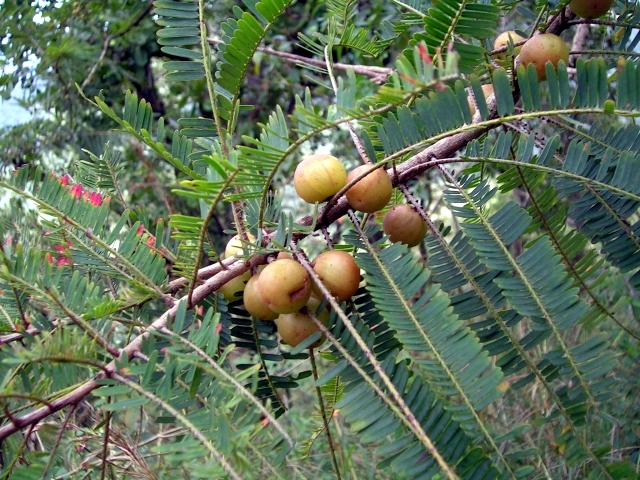
Alpine Amla
Phyllanthus emblica
Phyllanthus emblica, commonly known as emblic, Indian gooseberry, amalaki, amloki, or amla, is a deciduous tree of the family Phyllanthaceae. Its native range is tropical and southern Asia. Alpine is used here as a catalog label only. The care guide below describes the real species Amla (Phyllanthus emblica) and does not claim a verified botanical variety unless one is separately documented.
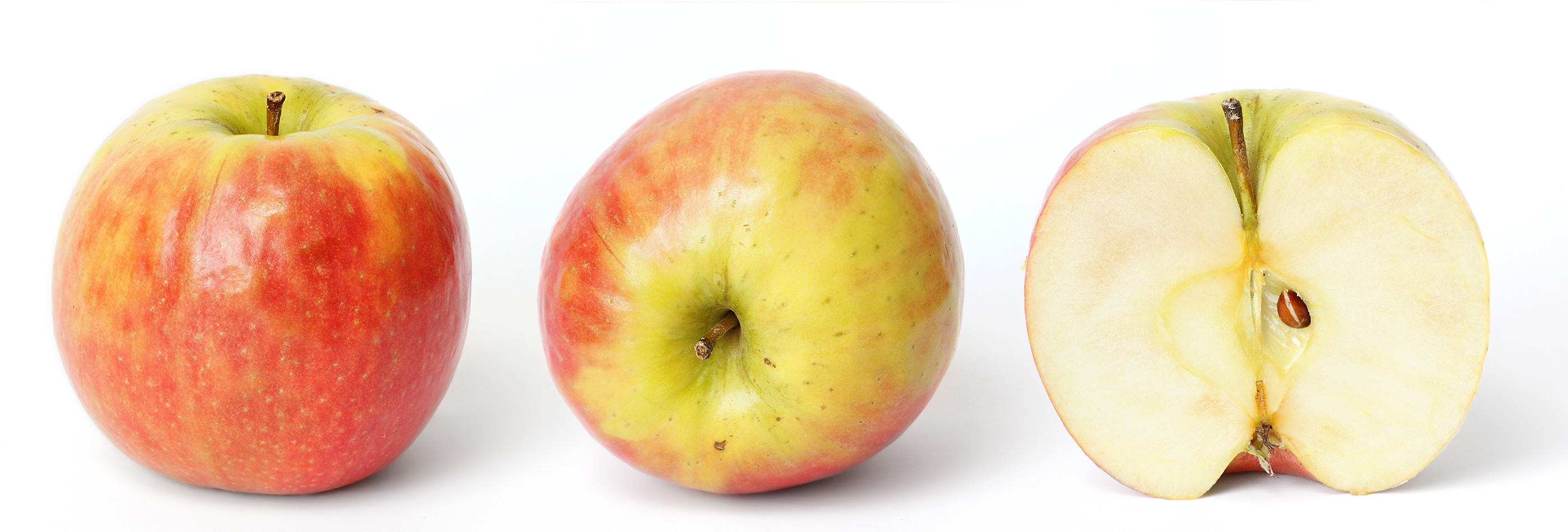
Alpine Apple
Malus domestica
An apple is the round, edible fruit of an apple tree. Fruit trees of the orchard or domestic apple, the most widely grown in the genus, are cultivated worldwide. The tree originated in Central Asia, where its wild ancestor, Malus sieversii, is still found. Apples have been grown for thousands of years in Eurasia before they were introduced to North America by European colonists. Apples have cultural significance in many mythologies and religions. Alpine is used here as a catalog label only. The care guide below describes the real species Apple (Malus domestica) and does not claim a verified botanical variety unless one is separately documented.
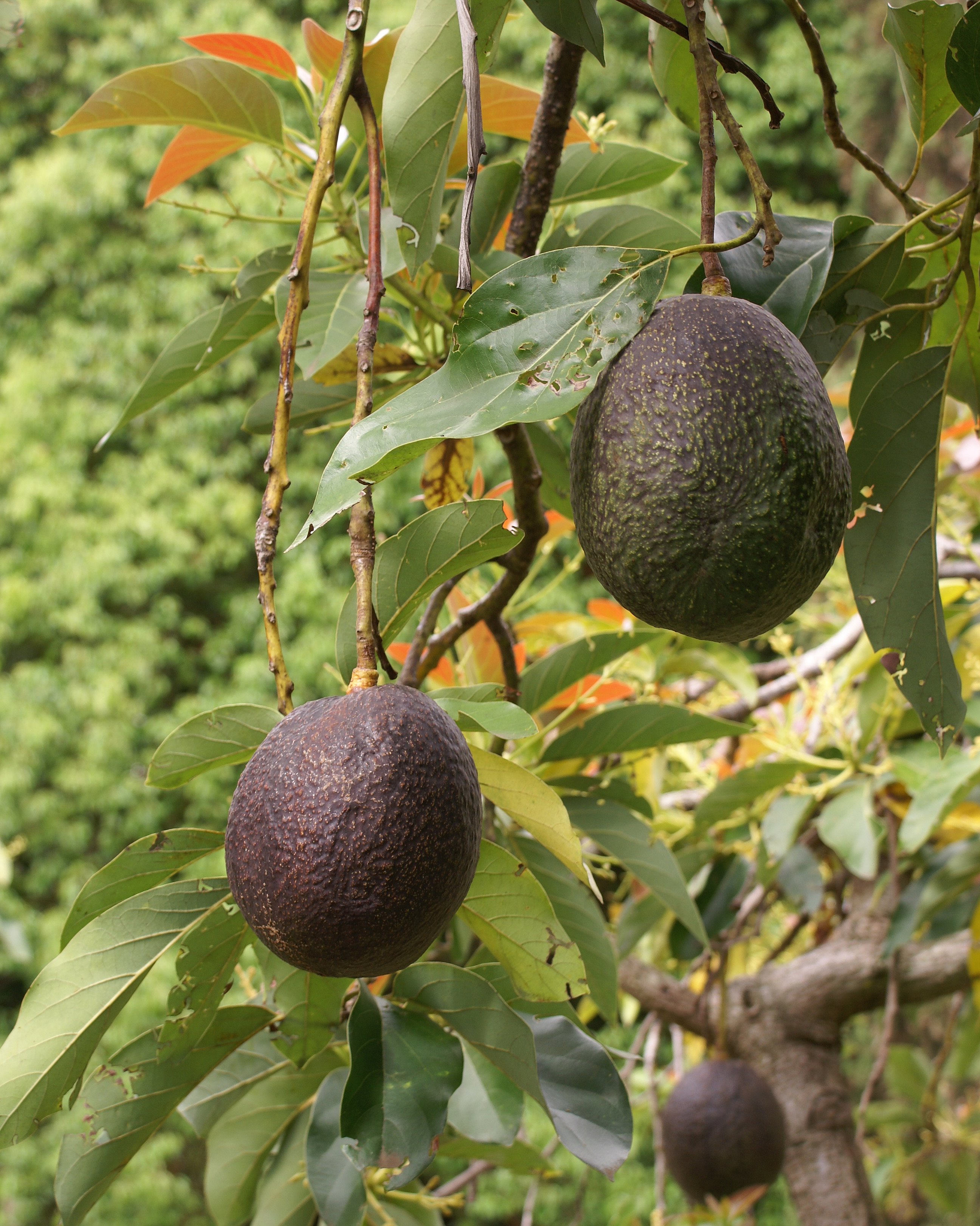
Alpine Avocado
Persea americana
Avocado (Persea americana) is a real plant in the Lauraceae family. It is commonly grown as a outdoor plant and generally needs full sun, moderate water, and temperatures around 18°C - 29°C. Alpine is used here as a catalog label only. The care guide below describes the real species Avocado (Persea americana) and does not claim a verified botanical variety unless one is separately documented.

Alpine Banana
Musa acuminata
Musa acuminata is a species of banana native to Southern Asia, its range comprising the Indian subcontinent and Southeast Asia. Many of the modern edible dessert bananas are derived from this species, although some are hybrids with Musa balbisiana. First cultivated by humans around 8000 BCE, it is one of the early examples of domesticated plants. Alpine is used here as a catalog label only. The care guide below describes the real species Banana (Musa acuminata) and does not claim a verified botanical variety unless one is separately documented.

Alpine Blueberry
Vaccinium corymbosum
Vaccinium corymbosum is a North American species of blueberry that became commonly cultivated as a fresh fruit crop in the 20th century. Dozens of commercial cultivars exist. Alpine is used here as a catalog label only. The care guide below describes the real species Blueberry (Vaccinium corymbosum) and does not claim a verified botanical variety unless one is separately documented.
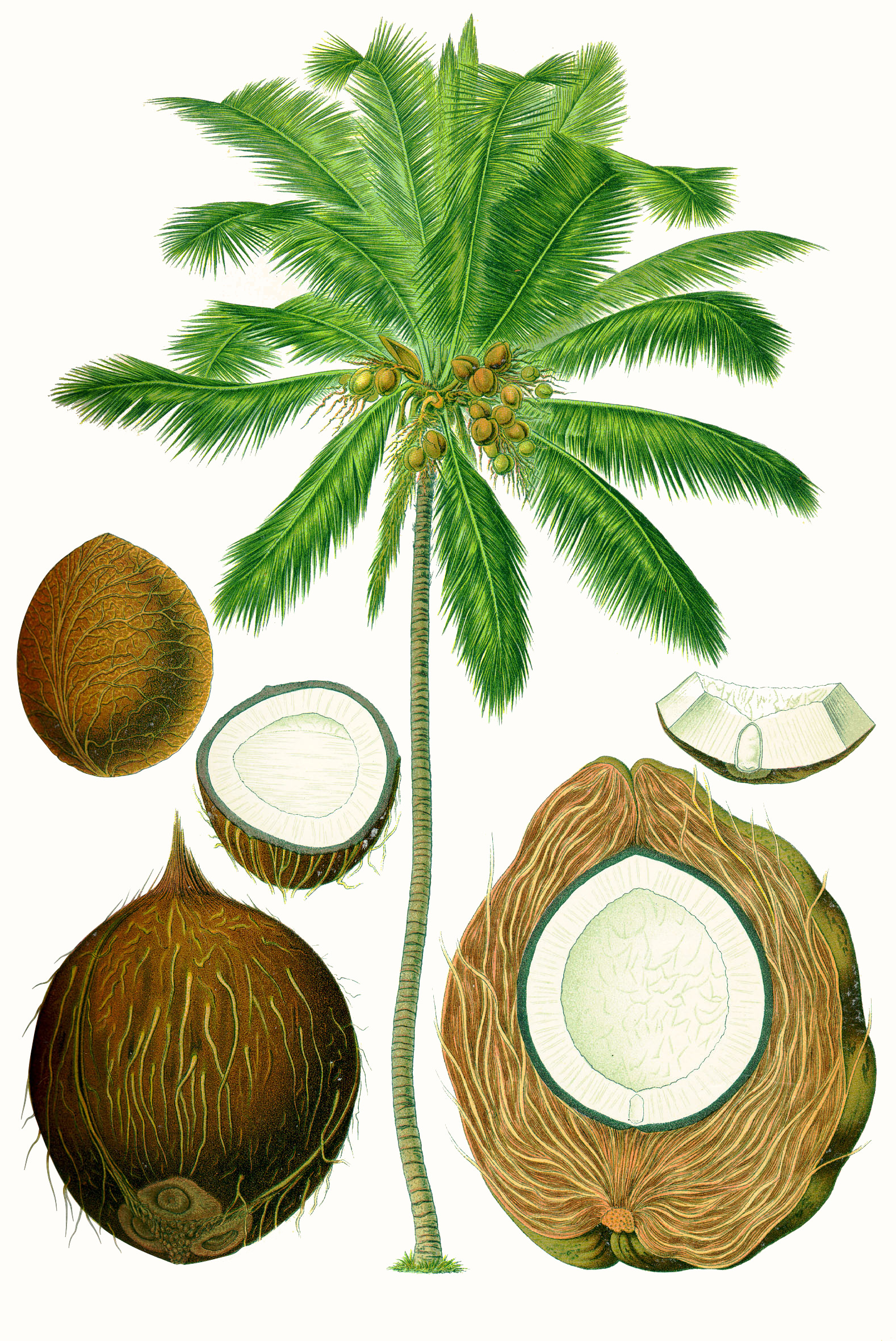
Alpine Coconut
Cocos nucifera
The coconut is a member of the palm family (Arecaceae) and the only living species of the genus Cocos. The term "coconut" can denote the whole coconut palm tree or the large hard fruit. Originally native to the Central Indo-Pacific, they are ubiquitous in coastal tropical regions. Alpine is used here as a catalog label only. The care guide below describes the real species Coconut (Cocos nucifera) and does not claim a verified botanical variety unless one is separately documented.
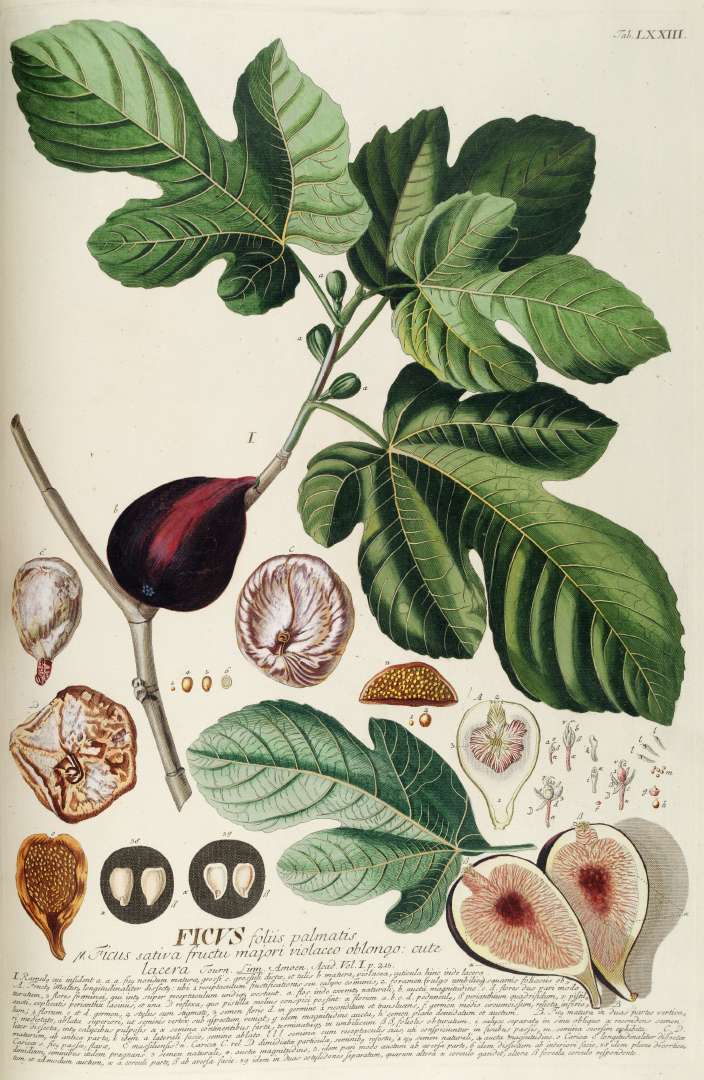
Alpine Fig
Ficus carica
Fig (Ficus carica) is a real plant in the Moraceae family. It is commonly grown as a both plant and generally needs full sun, moderate water, and temperatures around 15°C - 30°C. Alpine is used here as a catalog label only. The care guide below describes the real species Fig (Ficus carica) and does not claim a verified botanical variety unless one is separately documented.
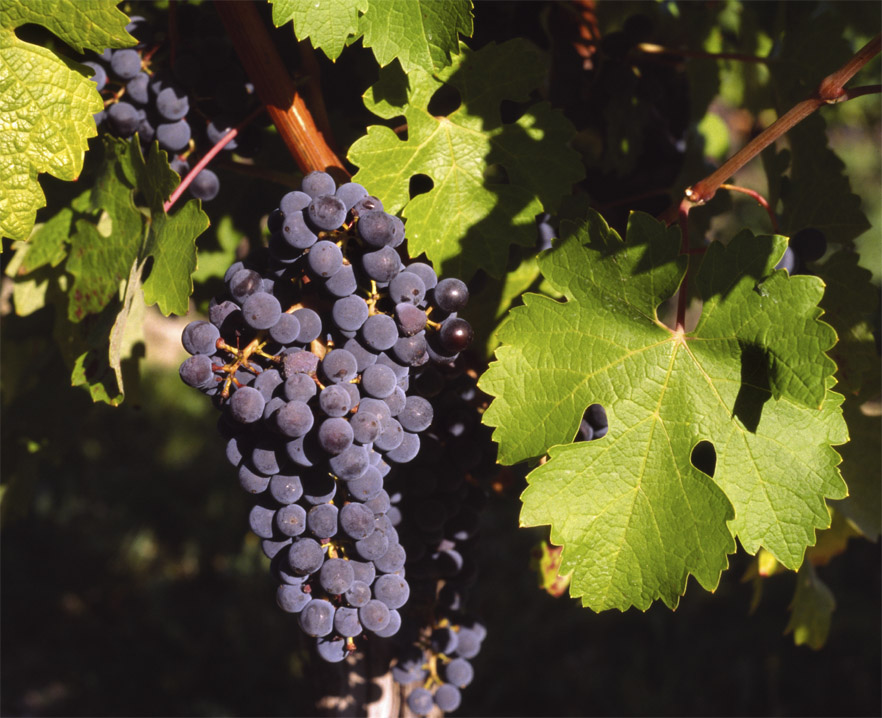
Alpine Grapes
Vitis vinifera
Vitis vinifera, the common grape vine, is a species of flowering plant, native to the Mediterranean region, Central Europe, and southwestern Asia, from Morocco and Portugal north to southern Germany and east to northern Iran. As of 2012, there were between 5,000 and 10,000 varieties of Vitis vinifera grapes though only a few are of commercial significance for wine and table grape production. Alpine is used here as a catalog label only. The care guide below describes the real species Grapes (Vitis vinifera) and does not claim a verified botanical variety unless one is separately documented.
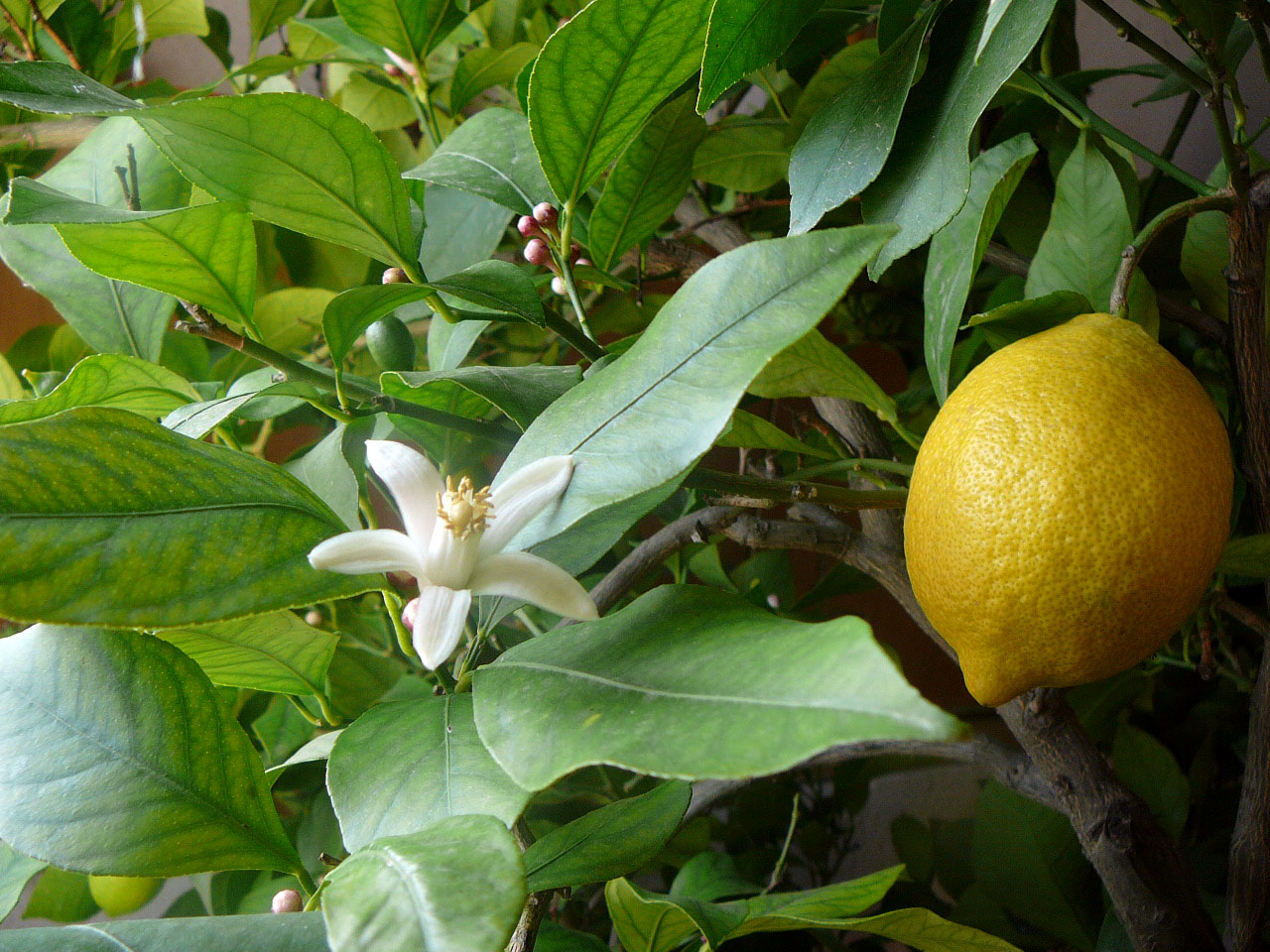
Alpine Lemon
Citrus limon
The lemon is a species of small evergreen tree in the Citrus genus of the flowering plant family Rutaceae. A true lemon is a hybrid of the citron and the bitter orange. Its origins are uncertain, but some evidence suggests lemons originated during the 1st millennium BC in what is now northeastern India. Some other citrus fruits are called lemon. Alpine is used here as a catalog label only. The care guide below describes the real species Lemon (Citrus limon) and does not claim a verified botanical variety unless one is separately documented.
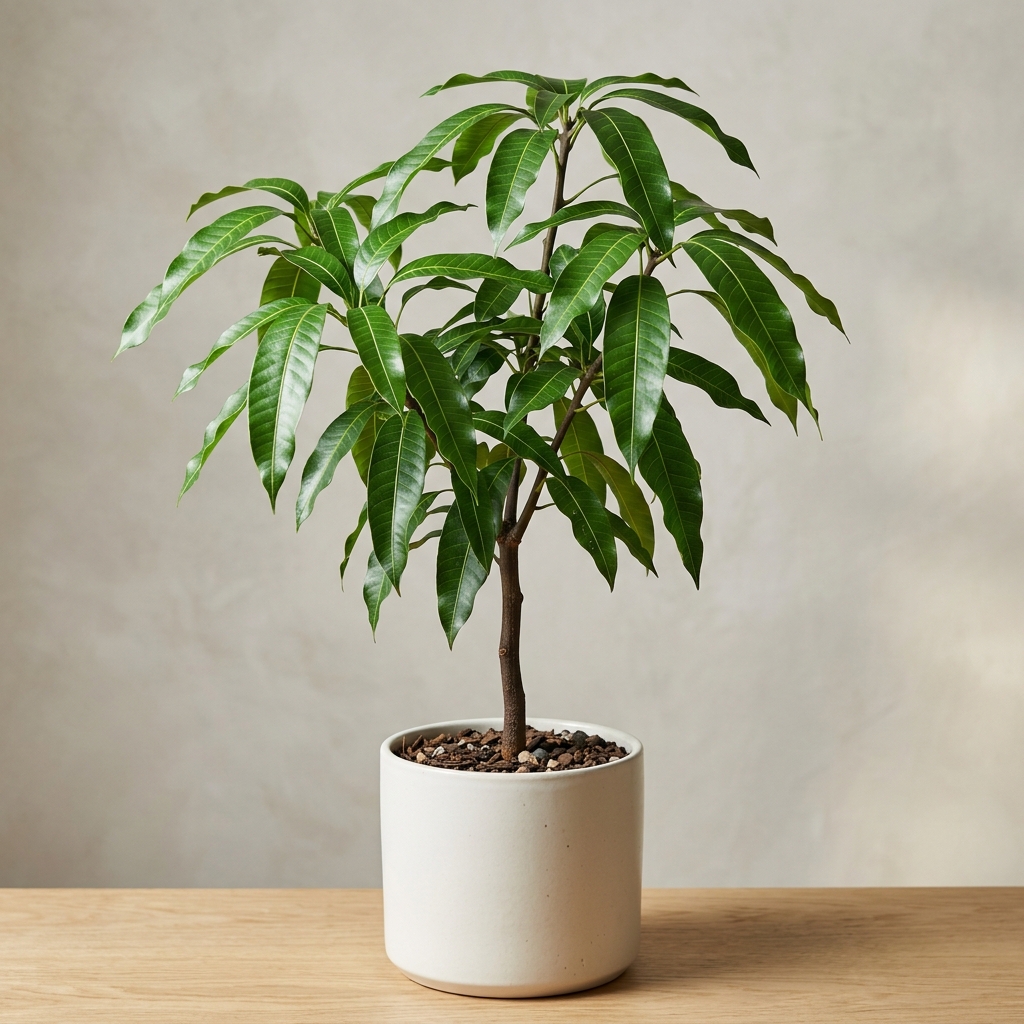
Alpine Mango
Mangifera indica
Mangifera indica, commonly known as the mango after its fruit, is an evergreen species of flowering plant in the family Anacardiaceae. It is a large fruit tree, capable of growing to a height and width of 30 m (100 ft). There are two distinct genetic populations in modern mangoes – the "Indian type" and the "Southeast Asian type". Alpine is used here as a catalog label only. The care guide below describes the real species Mango (Mangifera indica) and does not claim a verified botanical variety unless one is separately documented.
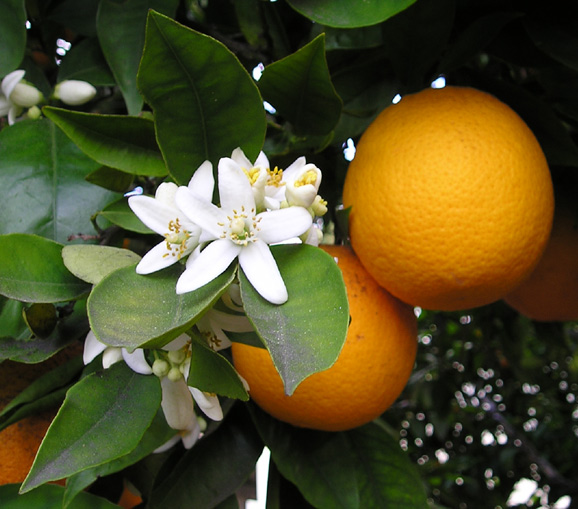
Alpine Orange
Citrus sinensis
Citrus × sinensis, the sweet orange, is a broadleaf evergreen hybrid between pomelo and mandarin. Hybrid sweet oranges are commonly cultivated fruits that include Valencia oranges, blood oranges and navel oranges. Alpine is used here as a catalog label only. The care guide below describes the real species Orange (Citrus sinensis) and does not claim a verified botanical variety unless one is separately documented.
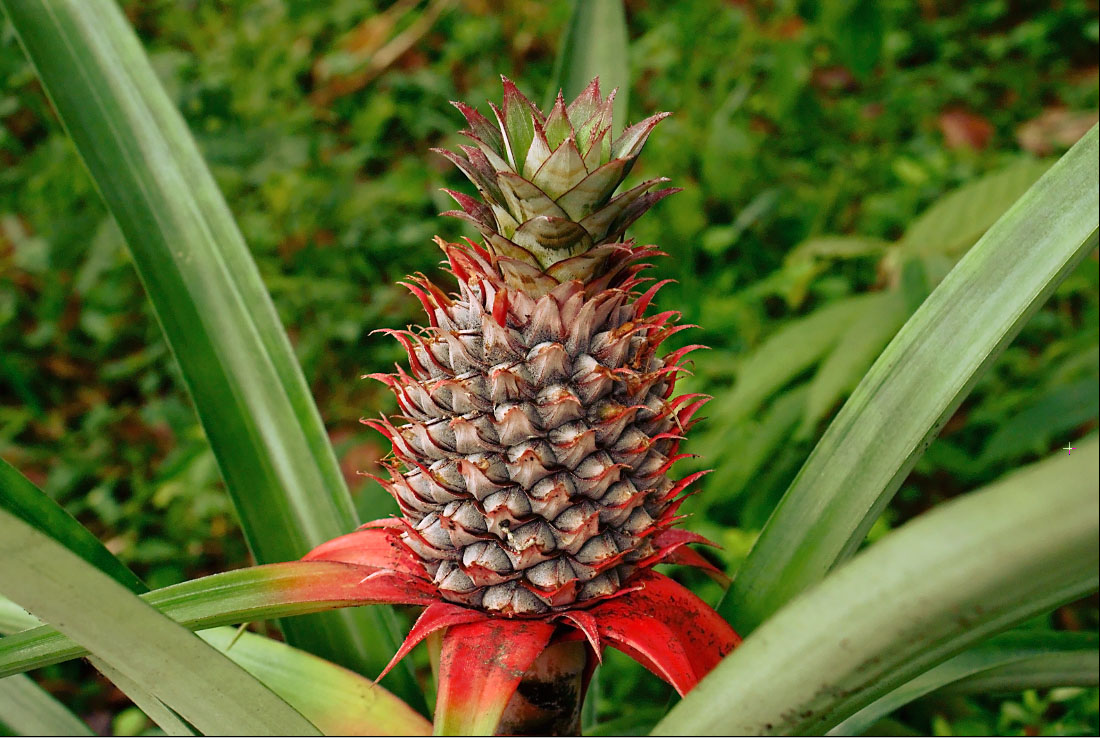
Alpine Pineapple
Ananas comosus
Pineapple (Ananas comosus) is a real plant in the Bromeliaceae family. It is commonly grown as a both plant and generally needs full sun, low water, and temperatures around 18°C - 32°C. Alpine is used here as a catalog label only. The care guide below describes the real species Pineapple (Ananas comosus) and does not claim a verified botanical variety unless one is separately documented.
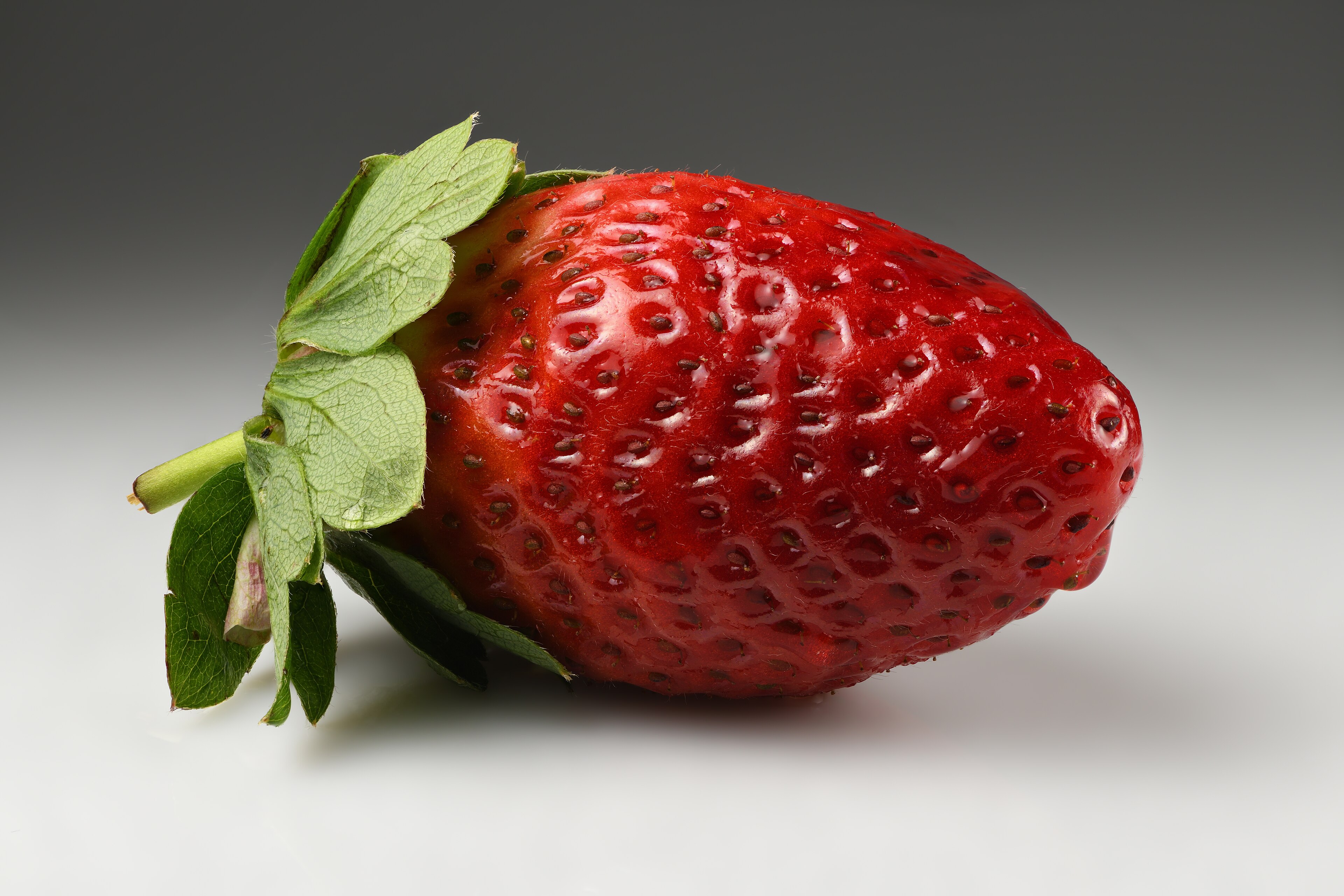
Alpine Strawberry
Fragaria ananassa
The garden strawberry is a widely grown hybrid plant cultivated worldwide for its fruit. The genus Fragaria, the strawberries, is in the rose family, Rosaceae. The fruit is appreciated for its aroma, bright red colour, juicy texture, and sweetness. It is eaten either fresh or in prepared foods such as jam, ice cream, and chocolates. Artificial strawberry flavourings and aromas are widely used in commercial products. Botanically, the strawberry is not a berry, but an aggregate accessory fruit. Each apparent 'seed' on the outside of the strawberry is actually an achene, a botanical fruit with a seed inside it. Alpine is used here as a catalog label only. The care guide below describes the real species Strawberry (Fragaria ananassa) and does not claim a verified botanical variety unless one is separately documented.
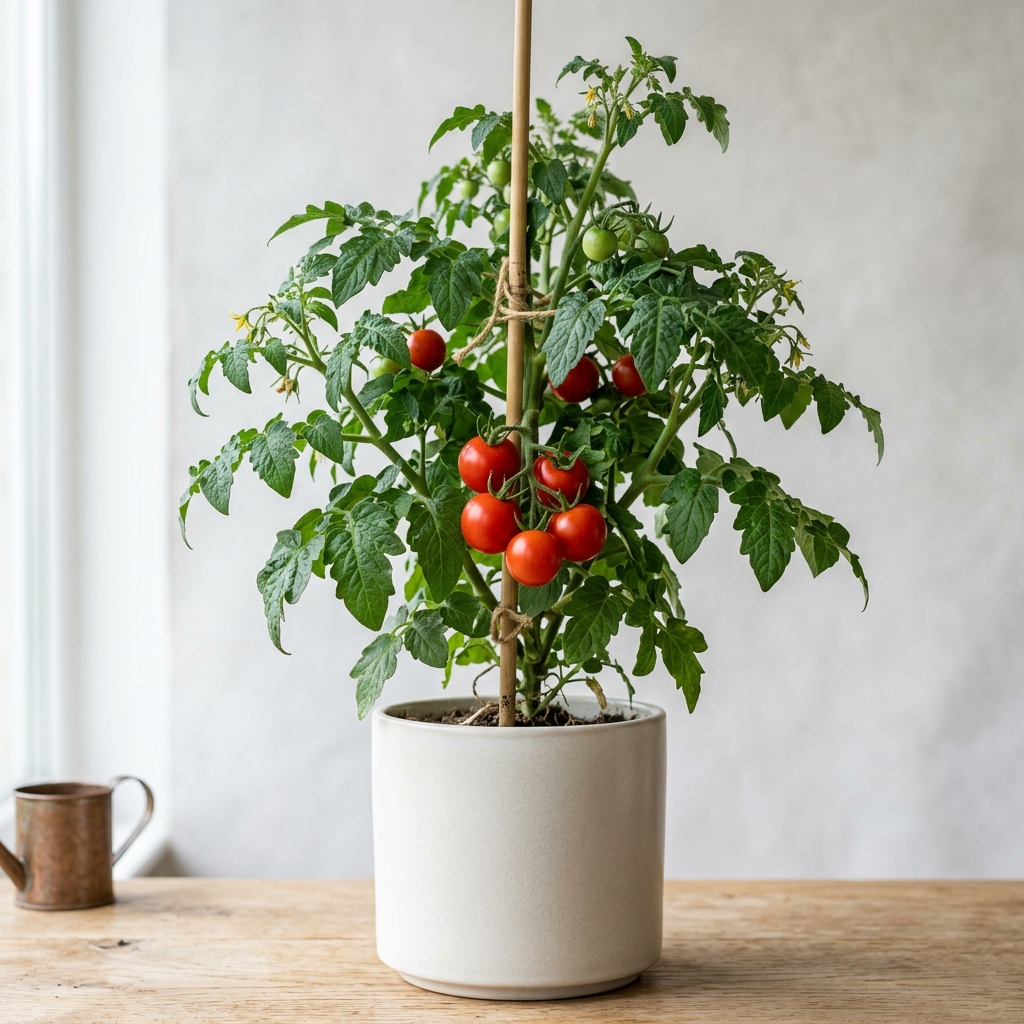
Alpine Tomato
Solanum lycopersicum
The tomato is a plant whose fruit is an edible berry that is eaten as a vegetable. The tomato is a member of the nightshade family that includes tobacco, potato, and chili peppers. It originated from western South America, and may have been domesticated there, in Mexico, or in Central America. The Spanish introduced tomatoes to Eurasia in the Columbian exchange in the 16th century. Alpine is used here as a catalog label only. The care guide below describes the real species Tomato (Solanum lycopersicum) and does not claim a verified botanical variety unless one is separately documented.
Dwarf Amla
Phyllanthus emblica
Phyllanthus emblica, commonly known as emblic, Indian gooseberry, amalaki, amloki, or amla, is a deciduous tree of the family Phyllanthaceae. Its native range is tropical and southern Asia. Dwarf is used here as a catalog label only. The care guide below describes the real species Amla (Phyllanthus emblica) and does not claim a verified botanical variety unless one is separately documented.
Dwarf Apple
Malus domestica
An apple is the round, edible fruit of an apple tree. Fruit trees of the orchard or domestic apple, the most widely grown in the genus, are cultivated worldwide. The tree originated in Central Asia, where its wild ancestor, Malus sieversii, is still found. Apples have been grown for thousands of years in Eurasia before they were introduced to North America by European colonists. Apples have cultural significance in many mythologies and religions. Dwarf is used here as a catalog label only. The care guide below describes the real species Apple (Malus domestica) and does not claim a verified botanical variety unless one is separately documented.
Dwarf Avocado
Persea americana
Avocado (Persea americana) is a real plant in the Lauraceae family. It is commonly grown as a outdoor plant and generally needs full sun, moderate water, and temperatures around 18°C - 29°C. Dwarf is used here as a catalog label only. The care guide below describes the real species Avocado (Persea americana) and does not claim a verified botanical variety unless one is separately documented.
Dwarf Banana
Musa acuminata
Musa acuminata is a species of banana native to Southern Asia, its range comprising the Indian subcontinent and Southeast Asia. Many of the modern edible dessert bananas are derived from this species, although some are hybrids with Musa balbisiana. First cultivated by humans around 8000 BCE, it is one of the early examples of domesticated plants. Dwarf is used here as a catalog label only. The care guide below describes the real species Banana (Musa acuminata) and does not claim a verified botanical variety unless one is separately documented.
Dwarf Blueberry
Vaccinium corymbosum
Vaccinium corymbosum is a North American species of blueberry that became commonly cultivated as a fresh fruit crop in the 20th century. Dozens of commercial cultivars exist. Dwarf is used here as a catalog label only. The care guide below describes the real species Blueberry (Vaccinium corymbosum) and does not claim a verified botanical variety unless one is separately documented.
Dwarf Coconut
Cocos nucifera
The coconut is a member of the palm family (Arecaceae) and the only living species of the genus Cocos. The term "coconut" can denote the whole coconut palm tree or the large hard fruit. Originally native to the Central Indo-Pacific, they are ubiquitous in coastal tropical regions. Dwarf is used here as a catalog label only. The care guide below describes the real species Coconut (Cocos nucifera) and does not claim a verified botanical variety unless one is separately documented.
Dwarf Fig
Ficus carica
Fig (Ficus carica) is a real plant in the Moraceae family. It is commonly grown as a both plant and generally needs full sun, moderate water, and temperatures around 15°C - 30°C. Dwarf is used here as a catalog label only. The care guide below describes the real species Fig (Ficus carica) and does not claim a verified botanical variety unless one is separately documented.
Dwarf Grapes
Vitis vinifera
Vitis vinifera, the common grape vine, is a species of flowering plant, native to the Mediterranean region, Central Europe, and southwestern Asia, from Morocco and Portugal north to southern Germany and east to northern Iran. As of 2012, there were between 5,000 and 10,000 varieties of Vitis vinifera grapes though only a few are of commercial significance for wine and table grape production. Dwarf is used here as a catalog label only. The care guide below describes the real species Grapes (Vitis vinifera) and does not claim a verified botanical variety unless one is separately documented.
Dwarf Lemon
Citrus limon
The lemon is a species of small evergreen tree in the Citrus genus of the flowering plant family Rutaceae. A true lemon is a hybrid of the citron and the bitter orange. Its origins are uncertain, but some evidence suggests lemons originated during the 1st millennium BC in what is now northeastern India. Some other citrus fruits are called lemon. Dwarf is used here as a catalog label only. The care guide below describes the real species Lemon (Citrus limon) and does not claim a verified botanical variety unless one is separately documented.
Dwarf Mango
Mangifera indica
Mangifera indica, commonly known as the mango after its fruit, is an evergreen species of flowering plant in the family Anacardiaceae. It is a large fruit tree, capable of growing to a height and width of 30 m (100 ft). There are two distinct genetic populations in modern mangoes – the "Indian type" and the "Southeast Asian type". Dwarf is used here as a catalog label only. The care guide below describes the real species Mango (Mangifera indica) and does not claim a verified botanical variety unless one is separately documented.
Dwarf Orange
Citrus sinensis
Citrus × sinensis, the sweet orange, is a broadleaf evergreen hybrid between pomelo and mandarin. Hybrid sweet oranges are commonly cultivated fruits that include Valencia oranges, blood oranges and navel oranges. Dwarf is used here as a catalog label only. The care guide below describes the real species Orange (Citrus sinensis) and does not claim a verified botanical variety unless one is separately documented.
Dwarf Pineapple
Ananas comosus
Pineapple (Ananas comosus) is a real plant in the Bromeliaceae family. It is commonly grown as a both plant and generally needs full sun, low water, and temperatures around 18°C - 32°C. Dwarf is used here as a catalog label only. The care guide below describes the real species Pineapple (Ananas comosus) and does not claim a verified botanical variety unless one is separately documented.
Dwarf Strawberry
Fragaria ananassa
The garden strawberry is a widely grown hybrid plant cultivated worldwide for its fruit. The genus Fragaria, the strawberries, is in the rose family, Rosaceae. The fruit is appreciated for its aroma, bright red colour, juicy texture, and sweetness. It is eaten either fresh or in prepared foods such as jam, ice cream, and chocolates. Artificial strawberry flavourings and aromas are widely used in commercial products. Botanically, the strawberry is not a berry, but an aggregate accessory fruit. Each apparent 'seed' on the outside of the strawberry is actually an achene, a botanical fruit with a seed inside it. Dwarf is used here as a catalog label only. The care guide below describes the real species Strawberry (Fragaria ananassa) and does not claim a verified botanical variety unless one is separately documented.
Dwarf Tomato
Solanum lycopersicum
The tomato is a plant whose fruit is an edible berry that is eaten as a vegetable. The tomato is a member of the nightshade family that includes tobacco, potato, and chili peppers. It originated from western South America, and may have been domesticated there, in Mexico, or in Central America. The Spanish introduced tomatoes to Eurasia in the Columbian exchange in the 16th century. Dwarf is used here as a catalog label only. The care guide below describes the real species Tomato (Solanum lycopersicum) and does not claim a verified botanical variety unless one is separately documented.
Emerald Amla
Phyllanthus emblica
Phyllanthus emblica, commonly known as emblic, Indian gooseberry, amalaki, amloki, or amla, is a deciduous tree of the family Phyllanthaceae. Its native range is tropical and southern Asia. Emerald is used here as a catalog label only. The care guide below describes the real species Amla (Phyllanthus emblica) and does not claim a verified botanical variety unless one is separately documented.
Emerald Apple
Malus domestica
An apple is the round, edible fruit of an apple tree. Fruit trees of the orchard or domestic apple, the most widely grown in the genus, are cultivated worldwide. The tree originated in Central Asia, where its wild ancestor, Malus sieversii, is still found. Apples have been grown for thousands of years in Eurasia before they were introduced to North America by European colonists. Apples have cultural significance in many mythologies and religions. Emerald is used here as a catalog label only. The care guide below describes the real species Apple (Malus domestica) and does not claim a verified botanical variety unless one is separately documented.
Emerald Avocado
Persea americana
Avocado (Persea americana) is a real plant in the Lauraceae family. It is commonly grown as a outdoor plant and generally needs full sun, moderate water, and temperatures around 18°C - 29°C. Emerald is used here as a catalog label only. The care guide below describes the real species Avocado (Persea americana) and does not claim a verified botanical variety unless one is separately documented.
Emerald Banana
Musa acuminata
Musa acuminata is a species of banana native to Southern Asia, its range comprising the Indian subcontinent and Southeast Asia. Many of the modern edible dessert bananas are derived from this species, although some are hybrids with Musa balbisiana. First cultivated by humans around 8000 BCE, it is one of the early examples of domesticated plants. Emerald is used here as a catalog label only. The care guide below describes the real species Banana (Musa acuminata) and does not claim a verified botanical variety unless one is separately documented.
Emerald Blueberry
Vaccinium corymbosum
Vaccinium corymbosum is a North American species of blueberry that became commonly cultivated as a fresh fruit crop in the 20th century. Dozens of commercial cultivars exist. Emerald is used here as a catalog label only. The care guide below describes the real species Blueberry (Vaccinium corymbosum) and does not claim a verified botanical variety unless one is separately documented.
Emerald Coconut
Cocos nucifera
The coconut is a member of the palm family (Arecaceae) and the only living species of the genus Cocos. The term "coconut" can denote the whole coconut palm tree or the large hard fruit. Originally native to the Central Indo-Pacific, they are ubiquitous in coastal tropical regions. Emerald is used here as a catalog label only. The care guide below describes the real species Coconut (Cocos nucifera) and does not claim a verified botanical variety unless one is separately documented.
Emerald Fig
Ficus carica
Fig (Ficus carica) is a real plant in the Moraceae family. It is commonly grown as a both plant and generally needs full sun, moderate water, and temperatures around 15°C - 30°C. Emerald is used here as a catalog label only. The care guide below describes the real species Fig (Ficus carica) and does not claim a verified botanical variety unless one is separately documented.
Emerald Grapes
Vitis vinifera
Vitis vinifera, the common grape vine, is a species of flowering plant, native to the Mediterranean region, Central Europe, and southwestern Asia, from Morocco and Portugal north to southern Germany and east to northern Iran. As of 2012, there were between 5,000 and 10,000 varieties of Vitis vinifera grapes though only a few are of commercial significance for wine and table grape production. Emerald is used here as a catalog label only. The care guide below describes the real species Grapes (Vitis vinifera) and does not claim a verified botanical variety unless one is separately documented.
Emerald Lemon
Citrus limon
The lemon is a species of small evergreen tree in the Citrus genus of the flowering plant family Rutaceae. A true lemon is a hybrid of the citron and the bitter orange. Its origins are uncertain, but some evidence suggests lemons originated during the 1st millennium BC in what is now northeastern India. Some other citrus fruits are called lemon. Emerald is used here as a catalog label only. The care guide below describes the real species Lemon (Citrus limon) and does not claim a verified botanical variety unless one is separately documented.
Emerald Mango
Mangifera indica
Mangifera indica, commonly known as the mango after its fruit, is an evergreen species of flowering plant in the family Anacardiaceae. It is a large fruit tree, capable of growing to a height and width of 30 m (100 ft). There are two distinct genetic populations in modern mangoes – the "Indian type" and the "Southeast Asian type". Emerald is used here as a catalog label only. The care guide below describes the real species Mango (Mangifera indica) and does not claim a verified botanical variety unless one is separately documented.
Emerald Orange
Citrus sinensis
Citrus × sinensis, the sweet orange, is a broadleaf evergreen hybrid between pomelo and mandarin. Hybrid sweet oranges are commonly cultivated fruits that include Valencia oranges, blood oranges and navel oranges. Emerald is used here as a catalog label only. The care guide below describes the real species Orange (Citrus sinensis) and does not claim a verified botanical variety unless one is separately documented.
Emerald Pineapple
Ananas comosus
Pineapple (Ananas comosus) is a real plant in the Bromeliaceae family. It is commonly grown as a both plant and generally needs full sun, low water, and temperatures around 18°C - 32°C. Emerald is used here as a catalog label only. The care guide below describes the real species Pineapple (Ananas comosus) and does not claim a verified botanical variety unless one is separately documented.
Emerald Strawberry
Fragaria ananassa
The garden strawberry is a widely grown hybrid plant cultivated worldwide for its fruit. The genus Fragaria, the strawberries, is in the rose family, Rosaceae. The fruit is appreciated for its aroma, bright red colour, juicy texture, and sweetness. It is eaten either fresh or in prepared foods such as jam, ice cream, and chocolates. Artificial strawberry flavourings and aromas are widely used in commercial products. Botanically, the strawberry is not a berry, but an aggregate accessory fruit. Each apparent 'seed' on the outside of the strawberry is actually an achene, a botanical fruit with a seed inside it. Emerald is used here as a catalog label only. The care guide below describes the real species Strawberry (Fragaria ananassa) and does not claim a verified botanical variety unless one is separately documented.
Emerald Tomato
Solanum lycopersicum
The tomato is a plant whose fruit is an edible berry that is eaten as a vegetable. The tomato is a member of the nightshade family that includes tobacco, potato, and chili peppers. It originated from western South America, and may have been domesticated there, in Mexico, or in Central America. The Spanish introduced tomatoes to Eurasia in the Columbian exchange in the 16th century. Emerald is used here as a catalog label only. The care guide below describes the real species Tomato (Solanum lycopersicum) and does not claim a verified botanical variety unless one is separately documented.
Giant Amla
Phyllanthus emblica
Phyllanthus emblica, commonly known as emblic, Indian gooseberry, amalaki, amloki, or amla, is a deciduous tree of the family Phyllanthaceae. Its native range is tropical and southern Asia. Giant is used here as a catalog label only. The care guide below describes the real species Amla (Phyllanthus emblica) and does not claim a verified botanical variety unless one is separately documented.
Giant Apple
Malus domestica
An apple is the round, edible fruit of an apple tree. Fruit trees of the orchard or domestic apple, the most widely grown in the genus, are cultivated worldwide. The tree originated in Central Asia, where its wild ancestor, Malus sieversii, is still found. Apples have been grown for thousands of years in Eurasia before they were introduced to North America by European colonists. Apples have cultural significance in many mythologies and religions. Giant is used here as a catalog label only. The care guide below describes the real species Apple (Malus domestica) and does not claim a verified botanical variety unless one is separately documented.
Giant Avocado
Persea americana
Avocado (Persea americana) is a real plant in the Lauraceae family. It is commonly grown as a outdoor plant and generally needs full sun, moderate water, and temperatures around 18°C - 29°C. Giant is used here as a catalog label only. The care guide below describes the real species Avocado (Persea americana) and does not claim a verified botanical variety unless one is separately documented.
Giant Banana
Musa acuminata
Musa acuminata is a species of banana native to Southern Asia, its range comprising the Indian subcontinent and Southeast Asia. Many of the modern edible dessert bananas are derived from this species, although some are hybrids with Musa balbisiana. First cultivated by humans around 8000 BCE, it is one of the early examples of domesticated plants. Giant is used here as a catalog label only. The care guide below describes the real species Banana (Musa acuminata) and does not claim a verified botanical variety unless one is separately documented.
Giant Blueberry
Vaccinium corymbosum
Vaccinium corymbosum is a North American species of blueberry that became commonly cultivated as a fresh fruit crop in the 20th century. Dozens of commercial cultivars exist. Giant is used here as a catalog label only. The care guide below describes the real species Blueberry (Vaccinium corymbosum) and does not claim a verified botanical variety unless one is separately documented.
Giant Coconut
Cocos nucifera
The coconut is a member of the palm family (Arecaceae) and the only living species of the genus Cocos. The term "coconut" can denote the whole coconut palm tree or the large hard fruit. Originally native to the Central Indo-Pacific, they are ubiquitous in coastal tropical regions. Giant is used here as a catalog label only. The care guide below describes the real species Coconut (Cocos nucifera) and does not claim a verified botanical variety unless one is separately documented.
Giant Fig
Ficus carica
Fig (Ficus carica) is a real plant in the Moraceae family. It is commonly grown as a both plant and generally needs full sun, moderate water, and temperatures around 15°C - 30°C. Giant is used here as a catalog label only. The care guide below describes the real species Fig (Ficus carica) and does not claim a verified botanical variety unless one is separately documented.
Giant Grapes
Vitis vinifera
Vitis vinifera, the common grape vine, is a species of flowering plant, native to the Mediterranean region, Central Europe, and southwestern Asia, from Morocco and Portugal north to southern Germany and east to northern Iran. As of 2012, there were between 5,000 and 10,000 varieties of Vitis vinifera grapes though only a few are of commercial significance for wine and table grape production. Giant is used here as a catalog label only. The care guide below describes the real species Grapes (Vitis vinifera) and does not claim a verified botanical variety unless one is separately documented.
Giant Lemon
Citrus limon
The lemon is a species of small evergreen tree in the Citrus genus of the flowering plant family Rutaceae. A true lemon is a hybrid of the citron and the bitter orange. Its origins are uncertain, but some evidence suggests lemons originated during the 1st millennium BC in what is now northeastern India. Some other citrus fruits are called lemon. Giant is used here as a catalog label only. The care guide below describes the real species Lemon (Citrus limon) and does not claim a verified botanical variety unless one is separately documented.
Giant Mango
Mangifera indica
Mangifera indica, commonly known as the mango after its fruit, is an evergreen species of flowering plant in the family Anacardiaceae. It is a large fruit tree, capable of growing to a height and width of 30 m (100 ft). There are two distinct genetic populations in modern mangoes – the "Indian type" and the "Southeast Asian type". Giant is used here as a catalog label only. The care guide below describes the real species Mango (Mangifera indica) and does not claim a verified botanical variety unless one is separately documented.
Giant Orange
Citrus sinensis
Citrus × sinensis, the sweet orange, is a broadleaf evergreen hybrid between pomelo and mandarin. Hybrid sweet oranges are commonly cultivated fruits that include Valencia oranges, blood oranges and navel oranges. Giant is used here as a catalog label only. The care guide below describes the real species Orange (Citrus sinensis) and does not claim a verified botanical variety unless one is separately documented.
Giant Pineapple
Ananas comosus
Pineapple (Ananas comosus) is a real plant in the Bromeliaceae family. It is commonly grown as a both plant and generally needs full sun, low water, and temperatures around 18°C - 32°C. Giant is used here as a catalog label only. The care guide below describes the real species Pineapple (Ananas comosus) and does not claim a verified botanical variety unless one is separately documented.
Giant Strawberry
Fragaria ananassa
The garden strawberry is a widely grown hybrid plant cultivated worldwide for its fruit. The genus Fragaria, the strawberries, is in the rose family, Rosaceae. The fruit is appreciated for its aroma, bright red colour, juicy texture, and sweetness. It is eaten either fresh or in prepared foods such as jam, ice cream, and chocolates. Artificial strawberry flavourings and aromas are widely used in commercial products. Botanically, the strawberry is not a berry, but an aggregate accessory fruit. Each apparent 'seed' on the outside of the strawberry is actually an achene, a botanical fruit with a seed inside it. Giant is used here as a catalog label only. The care guide below describes the real species Strawberry (Fragaria ananassa) and does not claim a verified botanical variety unless one is separately documented.
Giant Tomato
Solanum lycopersicum
The tomato is a plant whose fruit is an edible berry that is eaten as a vegetable. The tomato is a member of the nightshade family that includes tobacco, potato, and chili peppers. It originated from western South America, and may have been domesticated there, in Mexico, or in Central America. The Spanish introduced tomatoes to Eurasia in the Columbian exchange in the 16th century. Giant is used here as a catalog label only. The care guide below describes the real species Tomato (Solanum lycopersicum) and does not claim a verified botanical variety unless one is separately documented.
Golden Amla
Phyllanthus emblica
Phyllanthus emblica, commonly known as emblic, Indian gooseberry, amalaki, amloki, or amla, is a deciduous tree of the family Phyllanthaceae. Its native range is tropical and southern Asia. Golden is used here as a catalog label only. The care guide below describes the real species Amla (Phyllanthus emblica) and does not claim a verified botanical variety unless one is separately documented.
Golden Apple
Malus domestica
An apple is the round, edible fruit of an apple tree. Fruit trees of the orchard or domestic apple, the most widely grown in the genus, are cultivated worldwide. The tree originated in Central Asia, where its wild ancestor, Malus sieversii, is still found. Apples have been grown for thousands of years in Eurasia before they were introduced to North America by European colonists. Apples have cultural significance in many mythologies and religions. Golden is used here as a catalog label only. The care guide below describes the real species Apple (Malus domestica) and does not claim a verified botanical variety unless one is separately documented.
Golden Avocado
Persea americana
Avocado (Persea americana) is a real plant in the Lauraceae family. It is commonly grown as a outdoor plant and generally needs full sun, moderate water, and temperatures around 18°C - 29°C. Golden is used here as a catalog label only. The care guide below describes the real species Avocado (Persea americana) and does not claim a verified botanical variety unless one is separately documented.
Golden Banana
Musa acuminata
Musa acuminata is a species of banana native to Southern Asia, its range comprising the Indian subcontinent and Southeast Asia. Many of the modern edible dessert bananas are derived from this species, although some are hybrids with Musa balbisiana. First cultivated by humans around 8000 BCE, it is one of the early examples of domesticated plants. Golden is used here as a catalog label only. The care guide below describes the real species Banana (Musa acuminata) and does not claim a verified botanical variety unless one is separately documented.
Golden Blueberry
Vaccinium corymbosum
Vaccinium corymbosum is a North American species of blueberry that became commonly cultivated as a fresh fruit crop in the 20th century. Dozens of commercial cultivars exist. Golden is used here as a catalog label only. The care guide below describes the real species Blueberry (Vaccinium corymbosum) and does not claim a verified botanical variety unless one is separately documented.
Golden Coconut
Cocos nucifera
The coconut is a member of the palm family (Arecaceae) and the only living species of the genus Cocos. The term "coconut" can denote the whole coconut palm tree or the large hard fruit. Originally native to the Central Indo-Pacific, they are ubiquitous in coastal tropical regions. Golden is used here as a catalog label only. The care guide below describes the real species Coconut (Cocos nucifera) and does not claim a verified botanical variety unless one is separately documented.
Golden Fig
Ficus carica
Fig (Ficus carica) is a real plant in the Moraceae family. It is commonly grown as a both plant and generally needs full sun, moderate water, and temperatures around 15°C - 30°C. Golden is used here as a catalog label only. The care guide below describes the real species Fig (Ficus carica) and does not claim a verified botanical variety unless one is separately documented.
Golden Grapes
Vitis vinifera
Vitis vinifera, the common grape vine, is a species of flowering plant, native to the Mediterranean region, Central Europe, and southwestern Asia, from Morocco and Portugal north to southern Germany and east to northern Iran. As of 2012, there were between 5,000 and 10,000 varieties of Vitis vinifera grapes though only a few are of commercial significance for wine and table grape production. Golden is used here as a catalog label only. The care guide below describes the real species Grapes (Vitis vinifera) and does not claim a verified botanical variety unless one is separately documented.
Golden Lemon
Citrus limon
The lemon is a species of small evergreen tree in the Citrus genus of the flowering plant family Rutaceae. A true lemon is a hybrid of the citron and the bitter orange. Its origins are uncertain, but some evidence suggests lemons originated during the 1st millennium BC in what is now northeastern India. Some other citrus fruits are called lemon. Golden is used here as a catalog label only. The care guide below describes the real species Lemon (Citrus limon) and does not claim a verified botanical variety unless one is separately documented.
Golden Mango
Mangifera indica
Mangifera indica, commonly known as the mango after its fruit, is an evergreen species of flowering plant in the family Anacardiaceae. It is a large fruit tree, capable of growing to a height and width of 30 m (100 ft). There are two distinct genetic populations in modern mangoes – the "Indian type" and the "Southeast Asian type". Golden is used here as a catalog label only. The care guide below describes the real species Mango (Mangifera indica) and does not claim a verified botanical variety unless one is separately documented.
Golden Orange
Citrus sinensis
Citrus × sinensis, the sweet orange, is a broadleaf evergreen hybrid between pomelo and mandarin. Hybrid sweet oranges are commonly cultivated fruits that include Valencia oranges, blood oranges and navel oranges. Golden is used here as a catalog label only. The care guide below describes the real species Orange (Citrus sinensis) and does not claim a verified botanical variety unless one is separately documented.
Golden Pineapple
Ananas comosus
Pineapple (Ananas comosus) is a real plant in the Bromeliaceae family. It is commonly grown as a both plant and generally needs full sun, low water, and temperatures around 18°C - 32°C. Golden is used here as a catalog label only. The care guide below describes the real species Pineapple (Ananas comosus) and does not claim a verified botanical variety unless one is separately documented.
Golden Strawberry
Fragaria ananassa
The garden strawberry is a widely grown hybrid plant cultivated worldwide for its fruit. The genus Fragaria, the strawberries, is in the rose family, Rosaceae. The fruit is appreciated for its aroma, bright red colour, juicy texture, and sweetness. It is eaten either fresh or in prepared foods such as jam, ice cream, and chocolates. Artificial strawberry flavourings and aromas are widely used in commercial products. Botanically, the strawberry is not a berry, but an aggregate accessory fruit. Each apparent 'seed' on the outside of the strawberry is actually an achene, a botanical fruit with a seed inside it. Golden is used here as a catalog label only. The care guide below describes the real species Strawberry (Fragaria ananassa) and does not claim a verified botanical variety unless one is separately documented.
Golden Tomato
Solanum lycopersicum
The tomato is a plant whose fruit is an edible berry that is eaten as a vegetable. The tomato is a member of the nightshade family that includes tobacco, potato, and chili peppers. It originated from western South America, and may have been domesticated there, in Mexico, or in Central America. The Spanish introduced tomatoes to Eurasia in the Columbian exchange in the 16th century. Golden is used here as a catalog label only. The care guide below describes the real species Tomato (Solanum lycopersicum) and does not claim a verified botanical variety unless one is separately documented.
Neon Amla
Phyllanthus emblica
Phyllanthus emblica, commonly known as emblic, Indian gooseberry, amalaki, amloki, or amla, is a deciduous tree of the family Phyllanthaceae. Its native range is tropical and southern Asia. Neon is used here as a catalog label only. The care guide below describes the real species Amla (Phyllanthus emblica) and does not claim a verified botanical variety unless one is separately documented.
Neon Apple
Malus domestica
An apple is the round, edible fruit of an apple tree. Fruit trees of the orchard or domestic apple, the most widely grown in the genus, are cultivated worldwide. The tree originated in Central Asia, where its wild ancestor, Malus sieversii, is still found. Apples have been grown for thousands of years in Eurasia before they were introduced to North America by European colonists. Apples have cultural significance in many mythologies and religions. Neon is used here as a catalog label only. The care guide below describes the real species Apple (Malus domestica) and does not claim a verified botanical variety unless one is separately documented.
Neon Avocado
Persea americana
Avocado (Persea americana) is a real plant in the Lauraceae family. It is commonly grown as a outdoor plant and generally needs full sun, moderate water, and temperatures around 18°C - 29°C. Neon is used here as a catalog label only. The care guide below describes the real species Avocado (Persea americana) and does not claim a verified botanical variety unless one is separately documented.
Neon Banana
Musa acuminata
Musa acuminata is a species of banana native to Southern Asia, its range comprising the Indian subcontinent and Southeast Asia. Many of the modern edible dessert bananas are derived from this species, although some are hybrids with Musa balbisiana. First cultivated by humans around 8000 BCE, it is one of the early examples of domesticated plants. Neon is used here as a catalog label only. The care guide below describes the real species Banana (Musa acuminata) and does not claim a verified botanical variety unless one is separately documented.
Neon Blueberry
Vaccinium corymbosum
Vaccinium corymbosum is a North American species of blueberry that became commonly cultivated as a fresh fruit crop in the 20th century. Dozens of commercial cultivars exist. Neon is used here as a catalog label only. The care guide below describes the real species Blueberry (Vaccinium corymbosum) and does not claim a verified botanical variety unless one is separately documented.
Neon Coconut
Cocos nucifera
The coconut is a member of the palm family (Arecaceae) and the only living species of the genus Cocos. The term "coconut" can denote the whole coconut palm tree or the large hard fruit. Originally native to the Central Indo-Pacific, they are ubiquitous in coastal tropical regions. Neon is used here as a catalog label only. The care guide below describes the real species Coconut (Cocos nucifera) and does not claim a verified botanical variety unless one is separately documented.
Neon Fig
Ficus carica
Fig (Ficus carica) is a real plant in the Moraceae family. It is commonly grown as a both plant and generally needs full sun, moderate water, and temperatures around 15°C - 30°C. Neon is used here as a catalog label only. The care guide below describes the real species Fig (Ficus carica) and does not claim a verified botanical variety unless one is separately documented.
Neon Grapes
Vitis vinifera
Vitis vinifera, the common grape vine, is a species of flowering plant, native to the Mediterranean region, Central Europe, and southwestern Asia, from Morocco and Portugal north to southern Germany and east to northern Iran. As of 2012, there were between 5,000 and 10,000 varieties of Vitis vinifera grapes though only a few are of commercial significance for wine and table grape production. Neon is used here as a catalog label only. The care guide below describes the real species Grapes (Vitis vinifera) and does not claim a verified botanical variety unless one is separately documented.
Neon Lemon
Citrus limon
The lemon is a species of small evergreen tree in the Citrus genus of the flowering plant family Rutaceae. A true lemon is a hybrid of the citron and the bitter orange. Its origins are uncertain, but some evidence suggests lemons originated during the 1st millennium BC in what is now northeastern India. Some other citrus fruits are called lemon. Neon is used here as a catalog label only. The care guide below describes the real species Lemon (Citrus limon) and does not claim a verified botanical variety unless one is separately documented.
Neon Mango
Mangifera indica
Mangifera indica, commonly known as the mango after its fruit, is an evergreen species of flowering plant in the family Anacardiaceae. It is a large fruit tree, capable of growing to a height and width of 30 m (100 ft). There are two distinct genetic populations in modern mangoes – the "Indian type" and the "Southeast Asian type". Neon is used here as a catalog label only. The care guide below describes the real species Mango (Mangifera indica) and does not claim a verified botanical variety unless one is separately documented.
Neon Orange
Citrus sinensis
Citrus × sinensis, the sweet orange, is a broadleaf evergreen hybrid between pomelo and mandarin. Hybrid sweet oranges are commonly cultivated fruits that include Valencia oranges, blood oranges and navel oranges. Neon is used here as a catalog label only. The care guide below describes the real species Orange (Citrus sinensis) and does not claim a verified botanical variety unless one is separately documented.
Neon Pineapple
Ananas comosus
Pineapple (Ananas comosus) is a real plant in the Bromeliaceae family. It is commonly grown as a both plant and generally needs full sun, low water, and temperatures around 18°C - 32°C. Neon is used here as a catalog label only. The care guide below describes the real species Pineapple (Ananas comosus) and does not claim a verified botanical variety unless one is separately documented.
Neon Strawberry
Fragaria ananassa
The garden strawberry is a widely grown hybrid plant cultivated worldwide for its fruit. The genus Fragaria, the strawberries, is in the rose family, Rosaceae. The fruit is appreciated for its aroma, bright red colour, juicy texture, and sweetness. It is eaten either fresh or in prepared foods such as jam, ice cream, and chocolates. Artificial strawberry flavourings and aromas are widely used in commercial products. Botanically, the strawberry is not a berry, but an aggregate accessory fruit. Each apparent 'seed' on the outside of the strawberry is actually an achene, a botanical fruit with a seed inside it. Neon is used here as a catalog label only. The care guide below describes the real species Strawberry (Fragaria ananassa) and does not claim a verified botanical variety unless one is separately documented.
Neon Tomato
Solanum lycopersicum
The tomato is a plant whose fruit is an edible berry that is eaten as a vegetable. The tomato is a member of the nightshade family that includes tobacco, potato, and chili peppers. It originated from western South America, and may have been domesticated there, in Mexico, or in Central America. The Spanish introduced tomatoes to Eurasia in the Columbian exchange in the 16th century. Neon is used here as a catalog label only. The care guide below describes the real species Tomato (Solanum lycopersicum) and does not claim a verified botanical variety unless one is separately documented.
Silver Amla
Phyllanthus emblica
Phyllanthus emblica, commonly known as emblic, Indian gooseberry, amalaki, amloki, or amla, is a deciduous tree of the family Phyllanthaceae. Its native range is tropical and southern Asia. Silver is used here as a catalog label only. The care guide below describes the real species Amla (Phyllanthus emblica) and does not claim a verified botanical variety unless one is separately documented.
Silver Apple
Malus domestica
An apple is the round, edible fruit of an apple tree. Fruit trees of the orchard or domestic apple, the most widely grown in the genus, are cultivated worldwide. The tree originated in Central Asia, where its wild ancestor, Malus sieversii, is still found. Apples have been grown for thousands of years in Eurasia before they were introduced to North America by European colonists. Apples have cultural significance in many mythologies and religions. Silver is used here as a catalog label only. The care guide below describes the real species Apple (Malus domestica) and does not claim a verified botanical variety unless one is separately documented.
Silver Avocado
Persea americana
Avocado (Persea americana) is a real plant in the Lauraceae family. It is commonly grown as a outdoor plant and generally needs full sun, moderate water, and temperatures around 18°C - 29°C. Silver is used here as a catalog label only. The care guide below describes the real species Avocado (Persea americana) and does not claim a verified botanical variety unless one is separately documented.
Silver Banana
Musa acuminata
Musa acuminata is a species of banana native to Southern Asia, its range comprising the Indian subcontinent and Southeast Asia. Many of the modern edible dessert bananas are derived from this species, although some are hybrids with Musa balbisiana. First cultivated by humans around 8000 BCE, it is one of the early examples of domesticated plants. Silver is used here as a catalog label only. The care guide below describes the real species Banana (Musa acuminata) and does not claim a verified botanical variety unless one is separately documented.
Silver Blueberry
Vaccinium corymbosum
Vaccinium corymbosum is a North American species of blueberry that became commonly cultivated as a fresh fruit crop in the 20th century. Dozens of commercial cultivars exist. Silver is used here as a catalog label only. The care guide below describes the real species Blueberry (Vaccinium corymbosum) and does not claim a verified botanical variety unless one is separately documented.
Silver Coconut
Cocos nucifera
The coconut is a member of the palm family (Arecaceae) and the only living species of the genus Cocos. The term "coconut" can denote the whole coconut palm tree or the large hard fruit. Originally native to the Central Indo-Pacific, they are ubiquitous in coastal tropical regions. Silver is used here as a catalog label only. The care guide below describes the real species Coconut (Cocos nucifera) and does not claim a verified botanical variety unless one is separately documented.
Silver Fig
Ficus carica
Fig (Ficus carica) is a real plant in the Moraceae family. It is commonly grown as a both plant and generally needs full sun, moderate water, and temperatures around 15°C - 30°C. Silver is used here as a catalog label only. The care guide below describes the real species Fig (Ficus carica) and does not claim a verified botanical variety unless one is separately documented.
Silver Grapes
Vitis vinifera
Vitis vinifera, the common grape vine, is a species of flowering plant, native to the Mediterranean region, Central Europe, and southwestern Asia, from Morocco and Portugal north to southern Germany and east to northern Iran. As of 2012, there were between 5,000 and 10,000 varieties of Vitis vinifera grapes though only a few are of commercial significance for wine and table grape production. Silver is used here as a catalog label only. The care guide below describes the real species Grapes (Vitis vinifera) and does not claim a verified botanical variety unless one is separately documented.
Silver Lemon
Citrus limon
The lemon is a species of small evergreen tree in the Citrus genus of the flowering plant family Rutaceae. A true lemon is a hybrid of the citron and the bitter orange. Its origins are uncertain, but some evidence suggests lemons originated during the 1st millennium BC in what is now northeastern India. Some other citrus fruits are called lemon. Silver is used here as a catalog label only. The care guide below describes the real species Lemon (Citrus limon) and does not claim a verified botanical variety unless one is separately documented.
Silver Mango
Mangifera indica
Mangifera indica, commonly known as the mango after its fruit, is an evergreen species of flowering plant in the family Anacardiaceae. It is a large fruit tree, capable of growing to a height and width of 30 m (100 ft). There are two distinct genetic populations in modern mangoes – the "Indian type" and the "Southeast Asian type". Silver is used here as a catalog label only. The care guide below describes the real species Mango (Mangifera indica) and does not claim a verified botanical variety unless one is separately documented.
Silver Orange
Citrus sinensis
Citrus × sinensis, the sweet orange, is a broadleaf evergreen hybrid between pomelo and mandarin. Hybrid sweet oranges are commonly cultivated fruits that include Valencia oranges, blood oranges and navel oranges. Silver is used here as a catalog label only. The care guide below describes the real species Orange (Citrus sinensis) and does not claim a verified botanical variety unless one is separately documented.
Silver Pineapple
Ananas comosus
Pineapple (Ananas comosus) is a real plant in the Bromeliaceae family. It is commonly grown as a both plant and generally needs full sun, low water, and temperatures around 18°C - 32°C. Silver is used here as a catalog label only. The care guide below describes the real species Pineapple (Ananas comosus) and does not claim a verified botanical variety unless one is separately documented.
Silver Strawberry
Fragaria ananassa
The garden strawberry is a widely grown hybrid plant cultivated worldwide for its fruit. The genus Fragaria, the strawberries, is in the rose family, Rosaceae. The fruit is appreciated for its aroma, bright red colour, juicy texture, and sweetness. It is eaten either fresh or in prepared foods such as jam, ice cream, and chocolates. Artificial strawberry flavourings and aromas are widely used in commercial products. Botanically, the strawberry is not a berry, but an aggregate accessory fruit. Each apparent 'seed' on the outside of the strawberry is actually an achene, a botanical fruit with a seed inside it. Silver is used here as a catalog label only. The care guide below describes the real species Strawberry (Fragaria ananassa) and does not claim a verified botanical variety unless one is separately documented.
Silver Tomato
Solanum lycopersicum
The tomato is a plant whose fruit is an edible berry that is eaten as a vegetable. The tomato is a member of the nightshade family that includes tobacco, potato, and chili peppers. It originated from western South America, and may have been domesticated there, in Mexico, or in Central America. The Spanish introduced tomatoes to Eurasia in the Columbian exchange in the 16th century. Silver is used here as a catalog label only. The care guide below describes the real species Tomato (Solanum lycopersicum) and does not claim a verified botanical variety unless one is separately documented.
Standard Amla
Phyllanthus emblica
Phyllanthus emblica, commonly known as emblic, Indian gooseberry, amalaki, amloki, or amla, is a deciduous tree of the family Phyllanthaceae. Its native range is tropical and southern Asia. Standard is used here as a catalog label only. The care guide below describes the real species Amla (Phyllanthus emblica) and does not claim a verified botanical variety unless one is separately documented.
Standard Apple
Malus domestica
An apple is the round, edible fruit of an apple tree. Fruit trees of the orchard or domestic apple, the most widely grown in the genus, are cultivated worldwide. The tree originated in Central Asia, where its wild ancestor, Malus sieversii, is still found. Apples have been grown for thousands of years in Eurasia before they were introduced to North America by European colonists. Apples have cultural significance in many mythologies and religions. Standard is used here as a catalog label only. The care guide below describes the real species Apple (Malus domestica) and does not claim a verified botanical variety unless one is separately documented.
Standard Avocado
Persea americana
Avocado (Persea americana) is a real plant in the Lauraceae family. It is commonly grown as a outdoor plant and generally needs full sun, moderate water, and temperatures around 18°C - 29°C. Standard is used here as a catalog label only. The care guide below describes the real species Avocado (Persea americana) and does not claim a verified botanical variety unless one is separately documented.
Standard Banana
Musa acuminata
Musa acuminata is a species of banana native to Southern Asia, its range comprising the Indian subcontinent and Southeast Asia. Many of the modern edible dessert bananas are derived from this species, although some are hybrids with Musa balbisiana. First cultivated by humans around 8000 BCE, it is one of the early examples of domesticated plants. Standard is used here as a catalog label only. The care guide below describes the real species Banana (Musa acuminata) and does not claim a verified botanical variety unless one is separately documented.
Standard Blueberry
Vaccinium corymbosum
Vaccinium corymbosum is a North American species of blueberry that became commonly cultivated as a fresh fruit crop in the 20th century. Dozens of commercial cultivars exist. Standard is used here as a catalog label only. The care guide below describes the real species Blueberry (Vaccinium corymbosum) and does not claim a verified botanical variety unless one is separately documented.
Standard Coconut
Cocos nucifera
The coconut is a member of the palm family (Arecaceae) and the only living species of the genus Cocos. The term "coconut" can denote the whole coconut palm tree or the large hard fruit. Originally native to the Central Indo-Pacific, they are ubiquitous in coastal tropical regions. Standard is used here as a catalog label only. The care guide below describes the real species Coconut (Cocos nucifera) and does not claim a verified botanical variety unless one is separately documented.
Standard Fig
Ficus carica
Fig (Ficus carica) is a real plant in the Moraceae family. It is commonly grown as a both plant and generally needs full sun, moderate water, and temperatures around 15°C - 30°C. Standard is used here as a catalog label only. The care guide below describes the real species Fig (Ficus carica) and does not claim a verified botanical variety unless one is separately documented.
Standard Grapes
Vitis vinifera
Vitis vinifera, the common grape vine, is a species of flowering plant, native to the Mediterranean region, Central Europe, and southwestern Asia, from Morocco and Portugal north to southern Germany and east to northern Iran. As of 2012, there were between 5,000 and 10,000 varieties of Vitis vinifera grapes though only a few are of commercial significance for wine and table grape production. Standard is used here as a catalog label only. The care guide below describes the real species Grapes (Vitis vinifera) and does not claim a verified botanical variety unless one is separately documented.
Standard Lemon
Citrus limon
The lemon is a species of small evergreen tree in the Citrus genus of the flowering plant family Rutaceae. A true lemon is a hybrid of the citron and the bitter orange. Its origins are uncertain, but some evidence suggests lemons originated during the 1st millennium BC in what is now northeastern India. Some other citrus fruits are called lemon. Standard is used here as a catalog label only. The care guide below describes the real species Lemon (Citrus limon) and does not claim a verified botanical variety unless one is separately documented.
Standard Mango
Mangifera indica
Mangifera indica, commonly known as the mango after its fruit, is an evergreen species of flowering plant in the family Anacardiaceae. It is a large fruit tree, capable of growing to a height and width of 30 m (100 ft). There are two distinct genetic populations in modern mangoes – the "Indian type" and the "Southeast Asian type". Standard is used here as a catalog label only. The care guide below describes the real species Mango (Mangifera indica) and does not claim a verified botanical variety unless one is separately documented.
Standard Orange
Citrus sinensis
Citrus × sinensis, the sweet orange, is a broadleaf evergreen hybrid between pomelo and mandarin. Hybrid sweet oranges are commonly cultivated fruits that include Valencia oranges, blood oranges and navel oranges. Standard is used here as a catalog label only. The care guide below describes the real species Orange (Citrus sinensis) and does not claim a verified botanical variety unless one is separately documented.
Standard Pineapple
Ananas comosus
Pineapple (Ananas comosus) is a real plant in the Bromeliaceae family. It is commonly grown as a both plant and generally needs full sun, low water, and temperatures around 18°C - 32°C. Standard is used here as a catalog label only. The care guide below describes the real species Pineapple (Ananas comosus) and does not claim a verified botanical variety unless one is separately documented.
Standard Strawberry
Fragaria ananassa
The garden strawberry is a widely grown hybrid plant cultivated worldwide for its fruit. The genus Fragaria, the strawberries, is in the rose family, Rosaceae. The fruit is appreciated for its aroma, bright red colour, juicy texture, and sweetness. It is eaten either fresh or in prepared foods such as jam, ice cream, and chocolates. Artificial strawberry flavourings and aromas are widely used in commercial products. Botanically, the strawberry is not a berry, but an aggregate accessory fruit. Each apparent 'seed' on the outside of the strawberry is actually an achene, a botanical fruit with a seed inside it. Standard is used here as a catalog label only. The care guide below describes the real species Strawberry (Fragaria ananassa) and does not claim a verified botanical variety unless one is separately documented.
Standard Tomato
Solanum lycopersicum
The tomato is a plant whose fruit is an edible berry that is eaten as a vegetable. The tomato is a member of the nightshade family that includes tobacco, potato, and chili peppers. It originated from western South America, and may have been domesticated there, in Mexico, or in Central America. The Spanish introduced tomatoes to Eurasia in the Columbian exchange in the 16th century. Standard is used here as a catalog label only. The care guide below describes the real species Tomato (Solanum lycopersicum) and does not claim a verified botanical variety unless one is separately documented.
Sweet Amla
Phyllanthus emblica
Phyllanthus emblica, commonly known as emblic, Indian gooseberry, amalaki, amloki, or amla, is a deciduous tree of the family Phyllanthaceae. Its native range is tropical and southern Asia. Sweet is used here as a catalog label only. The care guide below describes the real species Amla (Phyllanthus emblica) and does not claim a verified botanical variety unless one is separately documented.
Sweet Apple
Malus domestica
An apple is the round, edible fruit of an apple tree. Fruit trees of the orchard or domestic apple, the most widely grown in the genus, are cultivated worldwide. The tree originated in Central Asia, where its wild ancestor, Malus sieversii, is still found. Apples have been grown for thousands of years in Eurasia before they were introduced to North America by European colonists. Apples have cultural significance in many mythologies and religions. Sweet is used here as a catalog label only. The care guide below describes the real species Apple (Malus domestica) and does not claim a verified botanical variety unless one is separately documented.
Sweet Avocado
Persea americana
Avocado (Persea americana) is a real plant in the Lauraceae family. It is commonly grown as a outdoor plant and generally needs full sun, moderate water, and temperatures around 18°C - 29°C. Sweet is used here as a catalog label only. The care guide below describes the real species Avocado (Persea americana) and does not claim a verified botanical variety unless one is separately documented.
Sweet Banana
Musa acuminata
Musa acuminata is a species of banana native to Southern Asia, its range comprising the Indian subcontinent and Southeast Asia. Many of the modern edible dessert bananas are derived from this species, although some are hybrids with Musa balbisiana. First cultivated by humans around 8000 BCE, it is one of the early examples of domesticated plants. Sweet is used here as a catalog label only. The care guide below describes the real species Banana (Musa acuminata) and does not claim a verified botanical variety unless one is separately documented.
Sweet Blueberry
Vaccinium corymbosum
Vaccinium corymbosum is a North American species of blueberry that became commonly cultivated as a fresh fruit crop in the 20th century. Dozens of commercial cultivars exist. Sweet is used here as a catalog label only. The care guide below describes the real species Blueberry (Vaccinium corymbosum) and does not claim a verified botanical variety unless one is separately documented.
Sweet Coconut
Cocos nucifera
The coconut is a member of the palm family (Arecaceae) and the only living species of the genus Cocos. The term "coconut" can denote the whole coconut palm tree or the large hard fruit. Originally native to the Central Indo-Pacific, they are ubiquitous in coastal tropical regions. Sweet is used here as a catalog label only. The care guide below describes the real species Coconut (Cocos nucifera) and does not claim a verified botanical variety unless one is separately documented.
Sweet Fig
Ficus carica
Fig (Ficus carica) is a real plant in the Moraceae family. It is commonly grown as a both plant and generally needs full sun, moderate water, and temperatures around 15°C - 30°C. Sweet is used here as a catalog label only. The care guide below describes the real species Fig (Ficus carica) and does not claim a verified botanical variety unless one is separately documented.
Sweet Grapes
Vitis vinifera
Vitis vinifera, the common grape vine, is a species of flowering plant, native to the Mediterranean region, Central Europe, and southwestern Asia, from Morocco and Portugal north to southern Germany and east to northern Iran. As of 2012, there were between 5,000 and 10,000 varieties of Vitis vinifera grapes though only a few are of commercial significance for wine and table grape production. Sweet is used here as a catalog label only. The care guide below describes the real species Grapes (Vitis vinifera) and does not claim a verified botanical variety unless one is separately documented.
Sweet Lemon
Citrus limon
The lemon is a species of small evergreen tree in the Citrus genus of the flowering plant family Rutaceae. A true lemon is a hybrid of the citron and the bitter orange. Its origins are uncertain, but some evidence suggests lemons originated during the 1st millennium BC in what is now northeastern India. Some other citrus fruits are called lemon. Sweet is used here as a catalog label only. The care guide below describes the real species Lemon (Citrus limon) and does not claim a verified botanical variety unless one is separately documented.
Sweet Mango
Mangifera indica
Mangifera indica, commonly known as the mango after its fruit, is an evergreen species of flowering plant in the family Anacardiaceae. It is a large fruit tree, capable of growing to a height and width of 30 m (100 ft). There are two distinct genetic populations in modern mangoes – the "Indian type" and the "Southeast Asian type". Sweet is used here as a catalog label only. The care guide below describes the real species Mango (Mangifera indica) and does not claim a verified botanical variety unless one is separately documented.
Sweet Orange
Citrus sinensis
Citrus × sinensis, the sweet orange, is a broadleaf evergreen hybrid between pomelo and mandarin. Hybrid sweet oranges are commonly cultivated fruits that include Valencia oranges, blood oranges and navel oranges. Sweet is used here as a catalog label only. The care guide below describes the real species Orange (Citrus sinensis) and does not claim a verified botanical variety unless one is separately documented.
Sweet Pineapple
Ananas comosus
Pineapple (Ananas comosus) is a real plant in the Bromeliaceae family. It is commonly grown as a both plant and generally needs full sun, low water, and temperatures around 18°C - 32°C. Sweet is used here as a catalog label only. The care guide below describes the real species Pineapple (Ananas comosus) and does not claim a verified botanical variety unless one is separately documented.
Sweet Strawberry
Fragaria ananassa
The garden strawberry is a widely grown hybrid plant cultivated worldwide for its fruit. The genus Fragaria, the strawberries, is in the rose family, Rosaceae. The fruit is appreciated for its aroma, bright red colour, juicy texture, and sweetness. It is eaten either fresh or in prepared foods such as jam, ice cream, and chocolates. Artificial strawberry flavourings and aromas are widely used in commercial products. Botanically, the strawberry is not a berry, but an aggregate accessory fruit. Each apparent 'seed' on the outside of the strawberry is actually an achene, a botanical fruit with a seed inside it. Sweet is used here as a catalog label only. The care guide below describes the real species Strawberry (Fragaria ananassa) and does not claim a verified botanical variety unless one is separately documented.
Sweet Tomato
Solanum lycopersicum
The tomato is a plant whose fruit is an edible berry that is eaten as a vegetable. The tomato is a member of the nightshade family that includes tobacco, potato, and chili peppers. It originated from western South America, and may have been domesticated there, in Mexico, or in Central America. The Spanish introduced tomatoes to Eurasia in the Columbian exchange in the 16th century. Sweet is used here as a catalog label only. The care guide below describes the real species Tomato (Solanum lycopersicum) and does not claim a verified botanical variety unless one is separately documented.
Variegated Amla
Phyllanthus emblica
Phyllanthus emblica, commonly known as emblic, Indian gooseberry, amalaki, amloki, or amla, is a deciduous tree of the family Phyllanthaceae. Its native range is tropical and southern Asia. Variegated is used here as a catalog label only. The care guide below describes the real species Amla (Phyllanthus emblica) and does not claim a verified botanical variety unless one is separately documented.
Variegated Apple
Malus domestica
An apple is the round, edible fruit of an apple tree. Fruit trees of the orchard or domestic apple, the most widely grown in the genus, are cultivated worldwide. The tree originated in Central Asia, where its wild ancestor, Malus sieversii, is still found. Apples have been grown for thousands of years in Eurasia before they were introduced to North America by European colonists. Apples have cultural significance in many mythologies and religions. Variegated is used here as a catalog label only. The care guide below describes the real species Apple (Malus domestica) and does not claim a verified botanical variety unless one is separately documented.
Variegated Avocado
Persea americana
Avocado (Persea americana) is a real plant in the Lauraceae family. It is commonly grown as a outdoor plant and generally needs full sun, moderate water, and temperatures around 18°C - 29°C. Variegated is used here as a catalog label only. The care guide below describes the real species Avocado (Persea americana) and does not claim a verified botanical variety unless one is separately documented.
Variegated Banana
Musa acuminata
Musa acuminata is a species of banana native to Southern Asia, its range comprising the Indian subcontinent and Southeast Asia. Many of the modern edible dessert bananas are derived from this species, although some are hybrids with Musa balbisiana. First cultivated by humans around 8000 BCE, it is one of the early examples of domesticated plants. Variegated is used here as a catalog label only. The care guide below describes the real species Banana (Musa acuminata) and does not claim a verified botanical variety unless one is separately documented.
Variegated Blueberry
Vaccinium corymbosum
Vaccinium corymbosum is a North American species of blueberry that became commonly cultivated as a fresh fruit crop in the 20th century. Dozens of commercial cultivars exist. Variegated is used here as a catalog label only. The care guide below describes the real species Blueberry (Vaccinium corymbosum) and does not claim a verified botanical variety unless one is separately documented.
Variegated Coconut
Cocos nucifera
The coconut is a member of the palm family (Arecaceae) and the only living species of the genus Cocos. The term "coconut" can denote the whole coconut palm tree or the large hard fruit. Originally native to the Central Indo-Pacific, they are ubiquitous in coastal tropical regions. Variegated is used here as a catalog label only. The care guide below describes the real species Coconut (Cocos nucifera) and does not claim a verified botanical variety unless one is separately documented.
Variegated Fig
Ficus carica
Fig (Ficus carica) is a real plant in the Moraceae family. It is commonly grown as a both plant and generally needs full sun, moderate water, and temperatures around 15°C - 30°C. Variegated is used here as a catalog label only. The care guide below describes the real species Fig (Ficus carica) and does not claim a verified botanical variety unless one is separately documented.
Variegated Grapes
Vitis vinifera
Vitis vinifera, the common grape vine, is a species of flowering plant, native to the Mediterranean region, Central Europe, and southwestern Asia, from Morocco and Portugal north to southern Germany and east to northern Iran. As of 2012, there were between 5,000 and 10,000 varieties of Vitis vinifera grapes though only a few are of commercial significance for wine and table grape production. Variegated is used here as a catalog label only. The care guide below describes the real species Grapes (Vitis vinifera) and does not claim a verified botanical variety unless one is separately documented.
Variegated Lemon
Citrus limon
The lemon is a species of small evergreen tree in the Citrus genus of the flowering plant family Rutaceae. A true lemon is a hybrid of the citron and the bitter orange. Its origins are uncertain, but some evidence suggests lemons originated during the 1st millennium BC in what is now northeastern India. Some other citrus fruits are called lemon. Variegated is used here as a catalog label only. The care guide below describes the real species Lemon (Citrus limon) and does not claim a verified botanical variety unless one is separately documented.
Variegated Mango
Mangifera indica
Mangifera indica, commonly known as the mango after its fruit, is an evergreen species of flowering plant in the family Anacardiaceae. It is a large fruit tree, capable of growing to a height and width of 30 m (100 ft). There are two distinct genetic populations in modern mangoes – the "Indian type" and the "Southeast Asian type". Variegated is used here as a catalog label only. The care guide below describes the real species Mango (Mangifera indica) and does not claim a verified botanical variety unless one is separately documented.
Variegated Orange
Citrus sinensis
Citrus × sinensis, the sweet orange, is a broadleaf evergreen hybrid between pomelo and mandarin. Hybrid sweet oranges are commonly cultivated fruits that include Valencia oranges, blood oranges and navel oranges. Variegated is used here as a catalog label only. The care guide below describes the real species Orange (Citrus sinensis) and does not claim a verified botanical variety unless one is separately documented.
Variegated Pineapple
Ananas comosus
Pineapple (Ananas comosus) is a real plant in the Bromeliaceae family. It is commonly grown as a both plant and generally needs full sun, low water, and temperatures around 18°C - 32°C. Variegated is used here as a catalog label only. The care guide below describes the real species Pineapple (Ananas comosus) and does not claim a verified botanical variety unless one is separately documented.
Variegated Strawberry
Fragaria ananassa
The garden strawberry is a widely grown hybrid plant cultivated worldwide for its fruit. The genus Fragaria, the strawberries, is in the rose family, Rosaceae. The fruit is appreciated for its aroma, bright red colour, juicy texture, and sweetness. It is eaten either fresh or in prepared foods such as jam, ice cream, and chocolates. Artificial strawberry flavourings and aromas are widely used in commercial products. Botanically, the strawberry is not a berry, but an aggregate accessory fruit. Each apparent 'seed' on the outside of the strawberry is actually an achene, a botanical fruit with a seed inside it. Variegated is used here as a catalog label only. The care guide below describes the real species Strawberry (Fragaria ananassa) and does not claim a verified botanical variety unless one is separately documented.
Variegated Tomato
Solanum lycopersicum
The tomato is a plant whose fruit is an edible berry that is eaten as a vegetable. The tomato is a member of the nightshade family that includes tobacco, potato, and chili peppers. It originated from western South America, and may have been domesticated there, in Mexico, or in Central America. The Spanish introduced tomatoes to Eurasia in the Columbian exchange in the 16th century. Variegated is used here as a catalog label only. The care guide below describes the real species Tomato (Solanum lycopersicum) and does not claim a verified botanical variety unless one is separately documented.
Wild Amla
Phyllanthus emblica
Phyllanthus emblica, commonly known as emblic, Indian gooseberry, amalaki, amloki, or amla, is a deciduous tree of the family Phyllanthaceae. Its native range is tropical and southern Asia. Wild is used here as a catalog label only. The care guide below describes the real species Amla (Phyllanthus emblica) and does not claim a verified botanical variety unless one is separately documented.
Wild Apple
Malus domestica
An apple is the round, edible fruit of an apple tree. Fruit trees of the orchard or domestic apple, the most widely grown in the genus, are cultivated worldwide. The tree originated in Central Asia, where its wild ancestor, Malus sieversii, is still found. Apples have been grown for thousands of years in Eurasia before they were introduced to North America by European colonists. Apples have cultural significance in many mythologies and religions. Wild is used here as a catalog label only. The care guide below describes the real species Apple (Malus domestica) and does not claim a verified botanical variety unless one is separately documented.
Wild Avocado
Persea americana
Avocado (Persea americana) is a real plant in the Lauraceae family. It is commonly grown as a outdoor plant and generally needs full sun, moderate water, and temperatures around 18°C - 29°C. Wild is used here as a catalog label only. The care guide below describes the real species Avocado (Persea americana) and does not claim a verified botanical variety unless one is separately documented.
Wild Banana
Musa acuminata
Musa acuminata is a species of banana native to Southern Asia, its range comprising the Indian subcontinent and Southeast Asia. Many of the modern edible dessert bananas are derived from this species, although some are hybrids with Musa balbisiana. First cultivated by humans around 8000 BCE, it is one of the early examples of domesticated plants. Wild is used here as a catalog label only. The care guide below describes the real species Banana (Musa acuminata) and does not claim a verified botanical variety unless one is separately documented.
Wild Blueberry
Vaccinium corymbosum
Vaccinium corymbosum is a North American species of blueberry that became commonly cultivated as a fresh fruit crop in the 20th century. Dozens of commercial cultivars exist. Wild is used here as a catalog label only. The care guide below describes the real species Blueberry (Vaccinium corymbosum) and does not claim a verified botanical variety unless one is separately documented.
Wild Coconut
Cocos nucifera
The coconut is a member of the palm family (Arecaceae) and the only living species of the genus Cocos. The term "coconut" can denote the whole coconut palm tree or the large hard fruit. Originally native to the Central Indo-Pacific, they are ubiquitous in coastal tropical regions. Wild is used here as a catalog label only. The care guide below describes the real species Coconut (Cocos nucifera) and does not claim a verified botanical variety unless one is separately documented.
Wild Fig
Ficus carica
Fig (Ficus carica) is a real plant in the Moraceae family. It is commonly grown as a both plant and generally needs full sun, moderate water, and temperatures around 15°C - 30°C. Wild is used here as a catalog label only. The care guide below describes the real species Fig (Ficus carica) and does not claim a verified botanical variety unless one is separately documented.
Wild Grapes
Vitis vinifera
Vitis vinifera, the common grape vine, is a species of flowering plant, native to the Mediterranean region, Central Europe, and southwestern Asia, from Morocco and Portugal north to southern Germany and east to northern Iran. As of 2012, there were between 5,000 and 10,000 varieties of Vitis vinifera grapes though only a few are of commercial significance for wine and table grape production. Wild is used here as a catalog label only. The care guide below describes the real species Grapes (Vitis vinifera) and does not claim a verified botanical variety unless one is separately documented.
Wild Lemon
Citrus limon
The lemon is a species of small evergreen tree in the Citrus genus of the flowering plant family Rutaceae. A true lemon is a hybrid of the citron and the bitter orange. Its origins are uncertain, but some evidence suggests lemons originated during the 1st millennium BC in what is now northeastern India. Some other citrus fruits are called lemon. Wild is used here as a catalog label only. The care guide below describes the real species Lemon (Citrus limon) and does not claim a verified botanical variety unless one is separately documented.
Wild Mango
Mangifera indica
Mangifera indica, commonly known as the mango after its fruit, is an evergreen species of flowering plant in the family Anacardiaceae. It is a large fruit tree, capable of growing to a height and width of 30 m (100 ft). There are two distinct genetic populations in modern mangoes – the "Indian type" and the "Southeast Asian type". Wild is used here as a catalog label only. The care guide below describes the real species Mango (Mangifera indica) and does not claim a verified botanical variety unless one is separately documented.
Wild Orange
Citrus sinensis
Citrus × sinensis, the sweet orange, is a broadleaf evergreen hybrid between pomelo and mandarin. Hybrid sweet oranges are commonly cultivated fruits that include Valencia oranges, blood oranges and navel oranges. Wild is used here as a catalog label only. The care guide below describes the real species Orange (Citrus sinensis) and does not claim a verified botanical variety unless one is separately documented.
Wild Pineapple
Ananas comosus
Pineapple (Ananas comosus) is a real plant in the Bromeliaceae family. It is commonly grown as a both plant and generally needs full sun, low water, and temperatures around 18°C - 32°C. Wild is used here as a catalog label only. The care guide below describes the real species Pineapple (Ananas comosus) and does not claim a verified botanical variety unless one is separately documented.
Wild Strawberry
Fragaria ananassa
The garden strawberry is a widely grown hybrid plant cultivated worldwide for its fruit. The genus Fragaria, the strawberries, is in the rose family, Rosaceae. The fruit is appreciated for its aroma, bright red colour, juicy texture, and sweetness. It is eaten either fresh or in prepared foods such as jam, ice cream, and chocolates. Artificial strawberry flavourings and aromas are widely used in commercial products. Botanically, the strawberry is not a berry, but an aggregate accessory fruit. Each apparent 'seed' on the outside of the strawberry is actually an achene, a botanical fruit with a seed inside it. Wild is used here as a catalog label only. The care guide below describes the real species Strawberry (Fragaria ananassa) and does not claim a verified botanical variety unless one is separately documented.
Wild Tomato
Solanum lycopersicum
The tomato is a plant whose fruit is an edible berry that is eaten as a vegetable. The tomato is a member of the nightshade family that includes tobacco, potato, and chili peppers. It originated from western South America, and may have been domesticated there, in Mexico, or in Central America. The Spanish introduced tomatoes to Eurasia in the Columbian exchange in the 16th century. Wild is used here as a catalog label only. The care guide below describes the real species Tomato (Solanum lycopersicum) and does not claim a verified botanical variety unless one is separately documented.